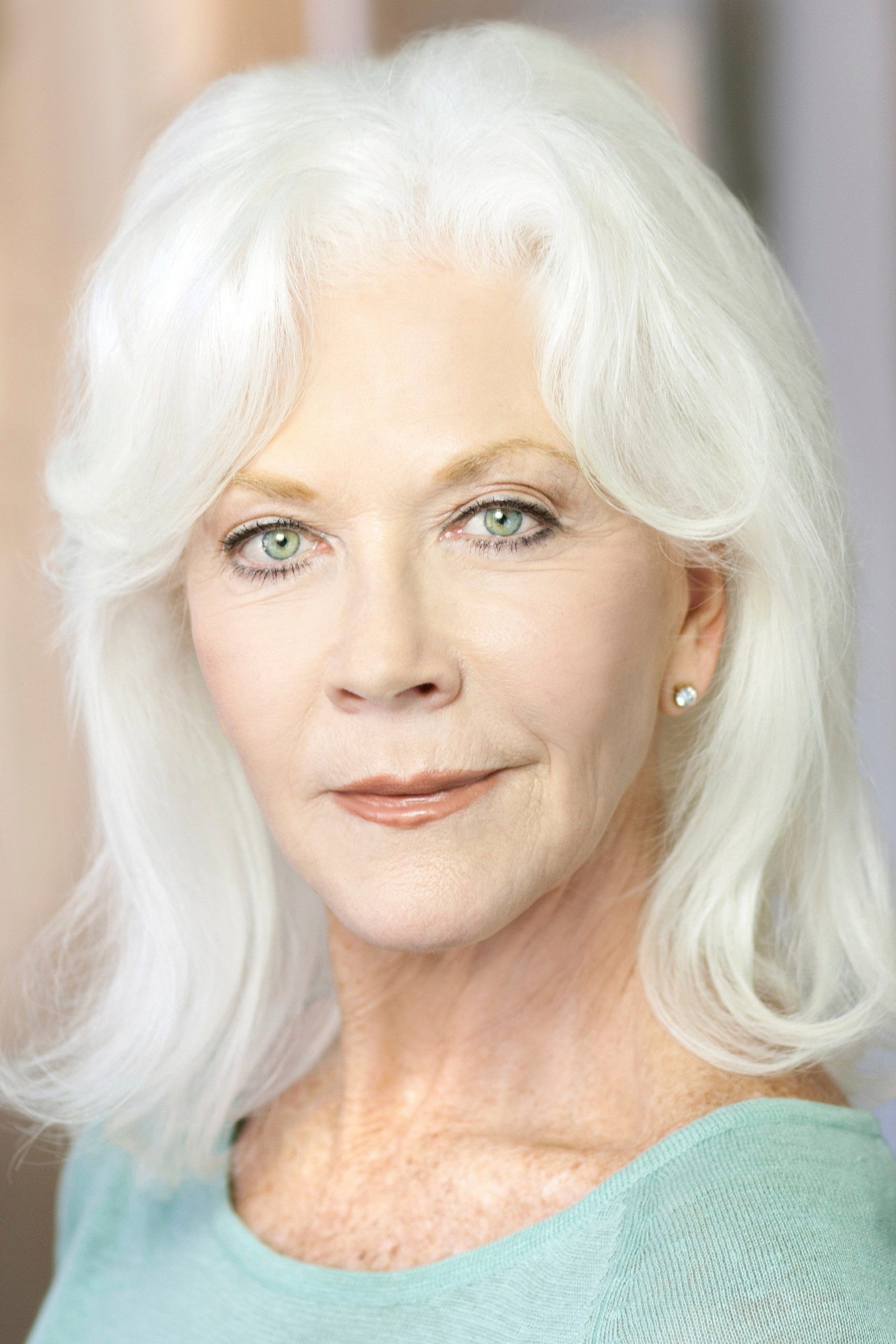
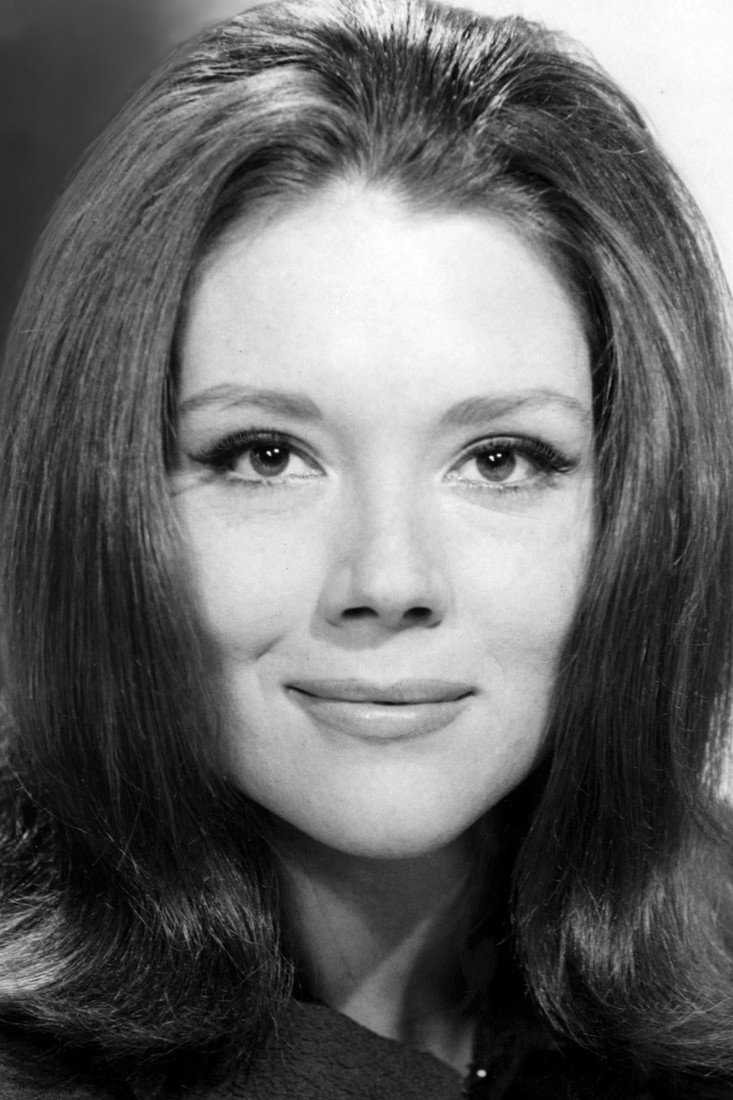
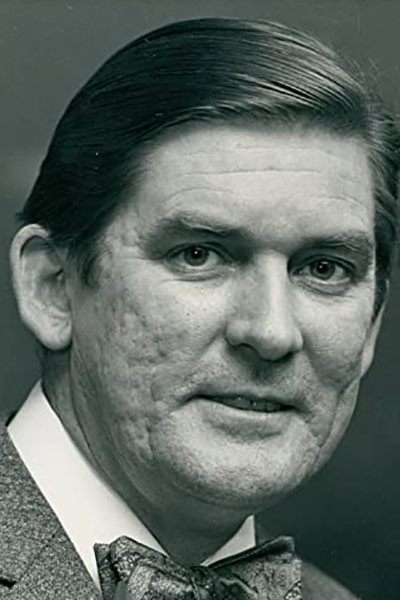
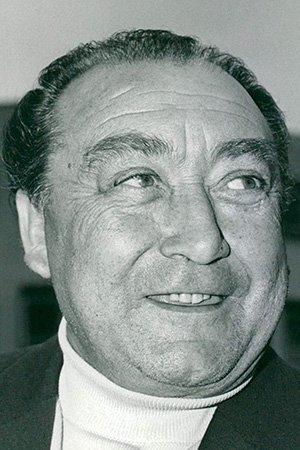
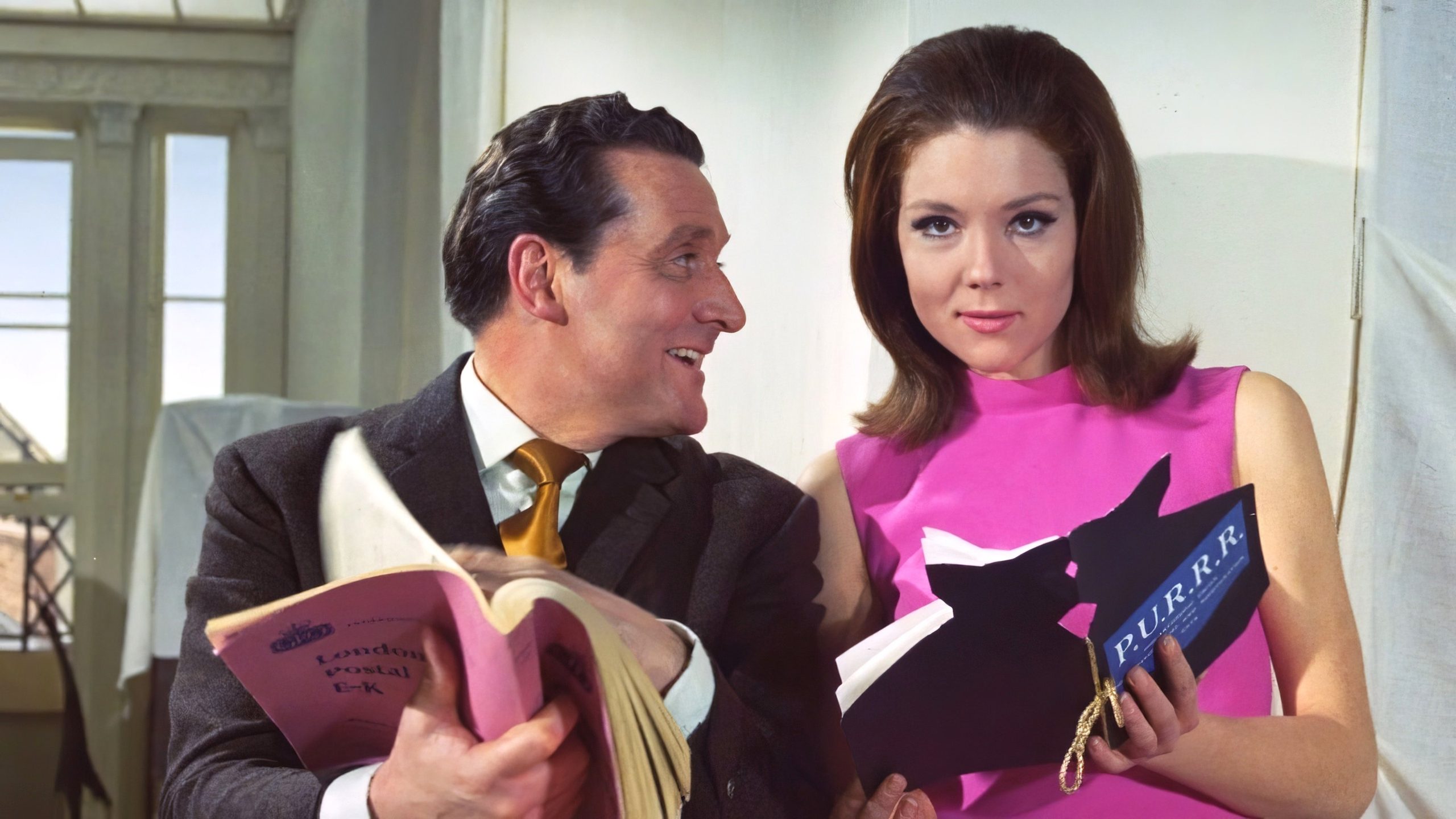
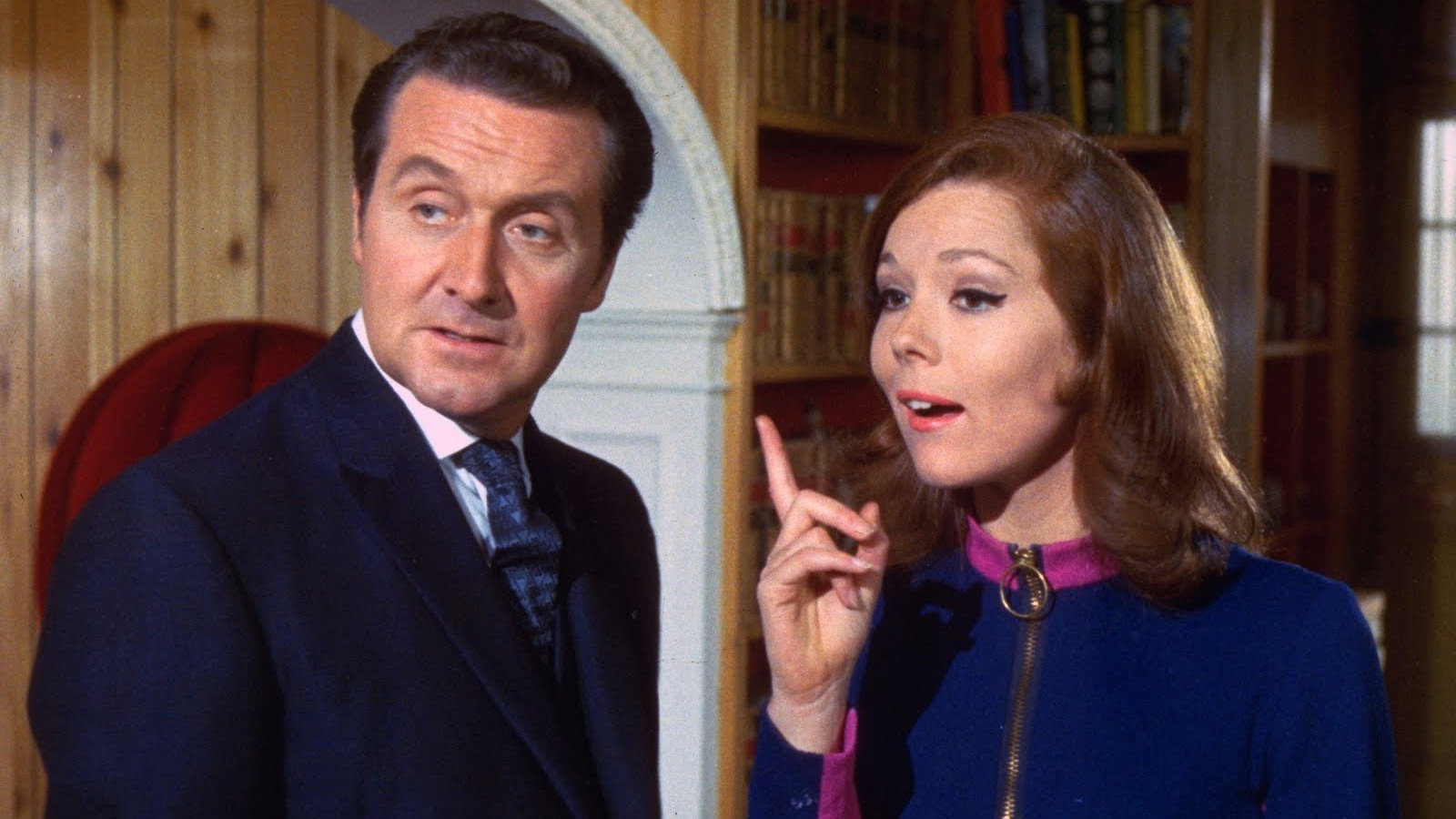
Patrick Macnee and Diana Rigg make The Avengers an easy recommendation for anyone who likes their espionage playful. The mysteries can be thin, but the wit and the pleasure of the partnerships usually carry them.
The Avengers is worth watching for the company, with the clearest recommendation going to Patrick Macnee and Diana Rigg together. Created by Sydney Newman, the series moves from comparatively gritty crime towards espionage played with a widening smile. That change suits it: the further it gets from asking us to take every threat solemnly, the more enjoyable it becomes. We are happy to accept some thin plotting for characters who make spending time together look like such a pleasure.
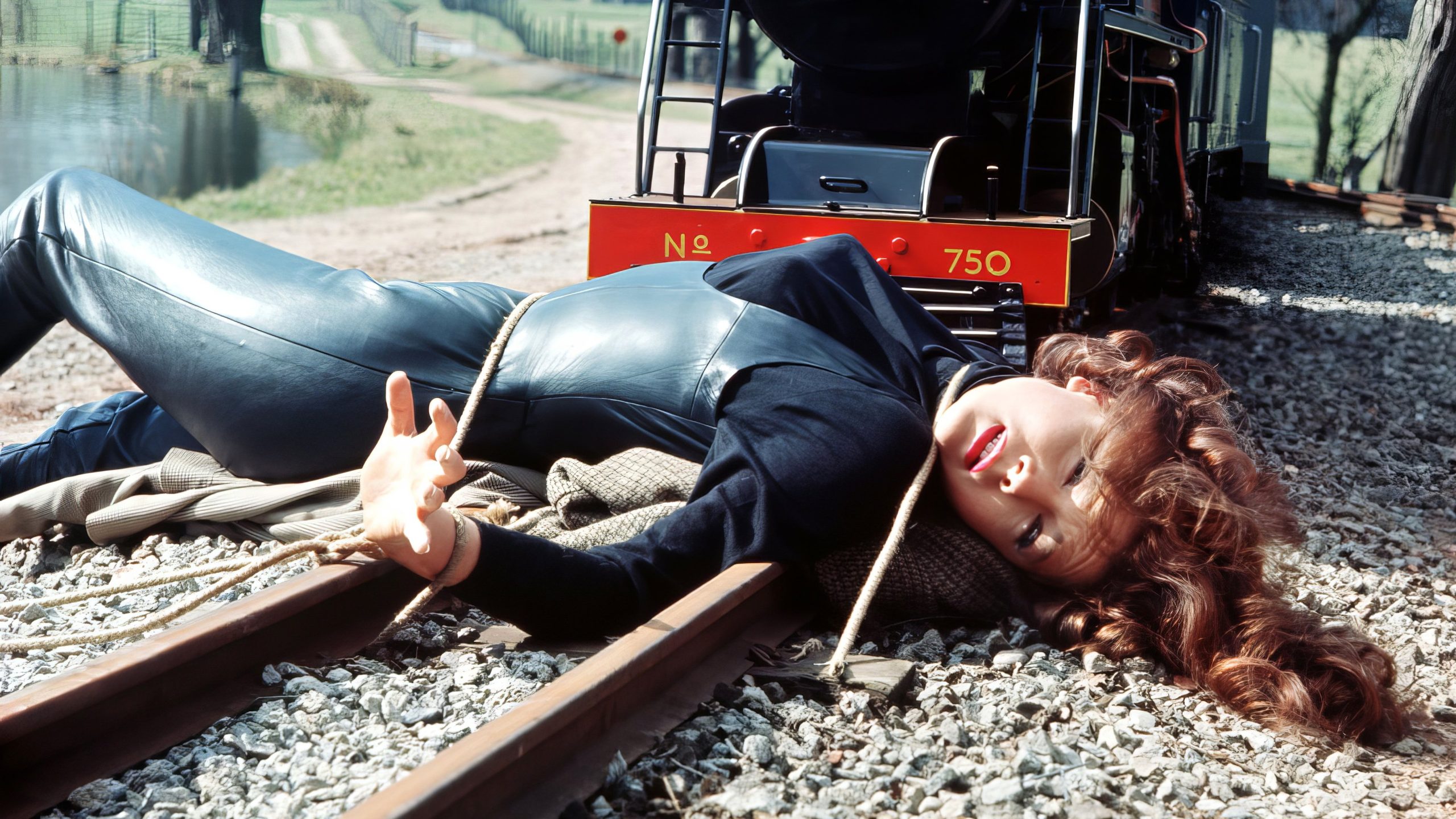
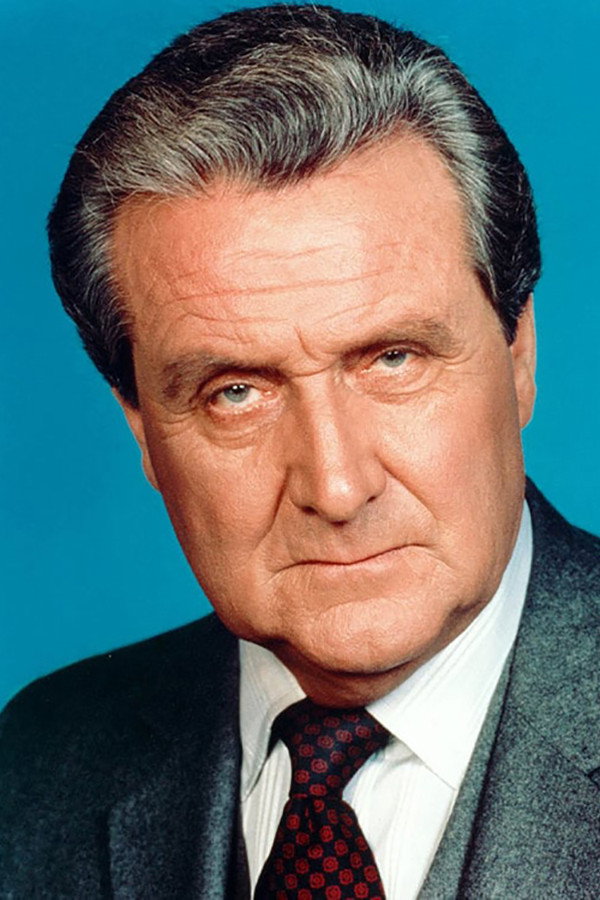
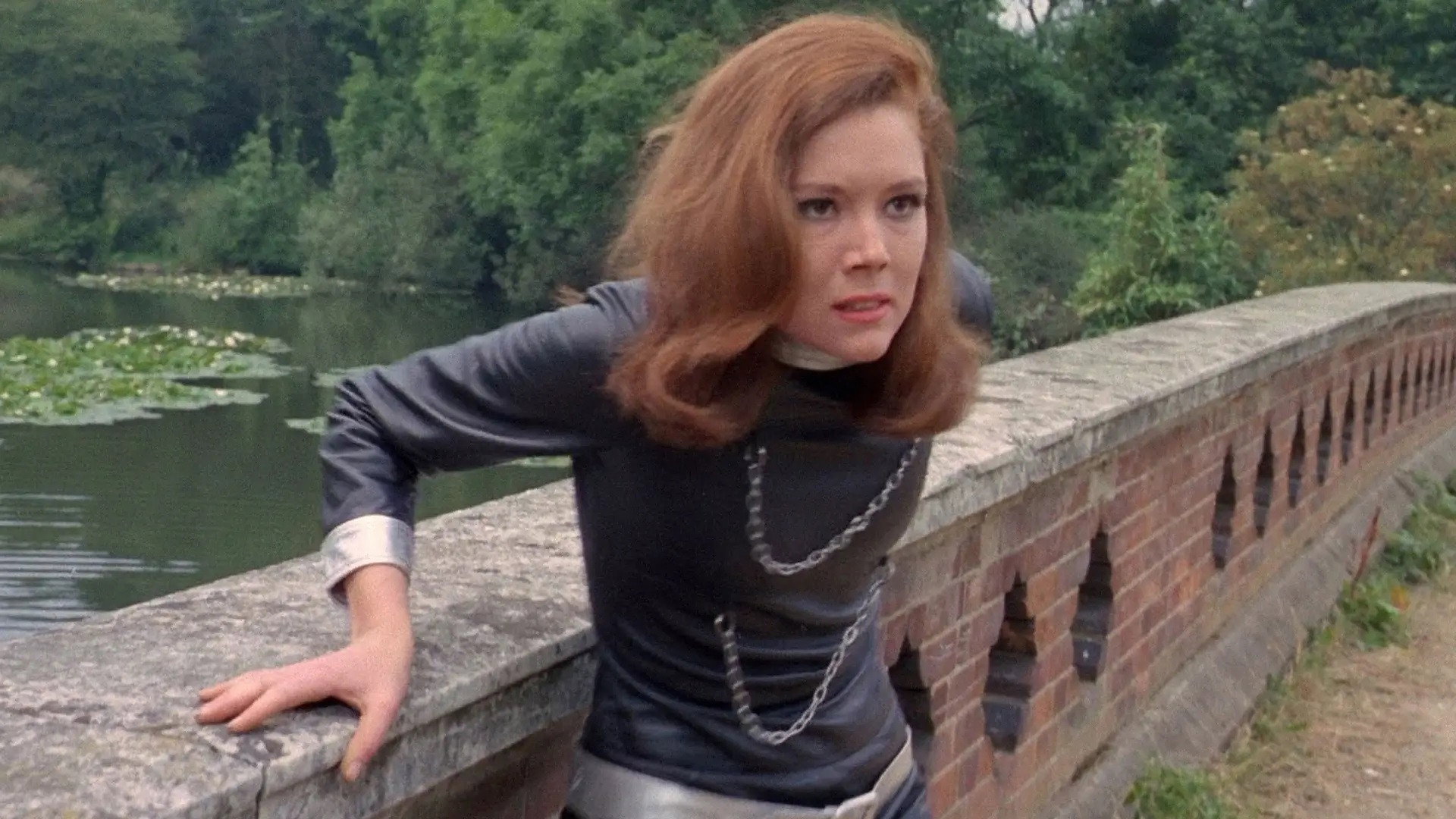
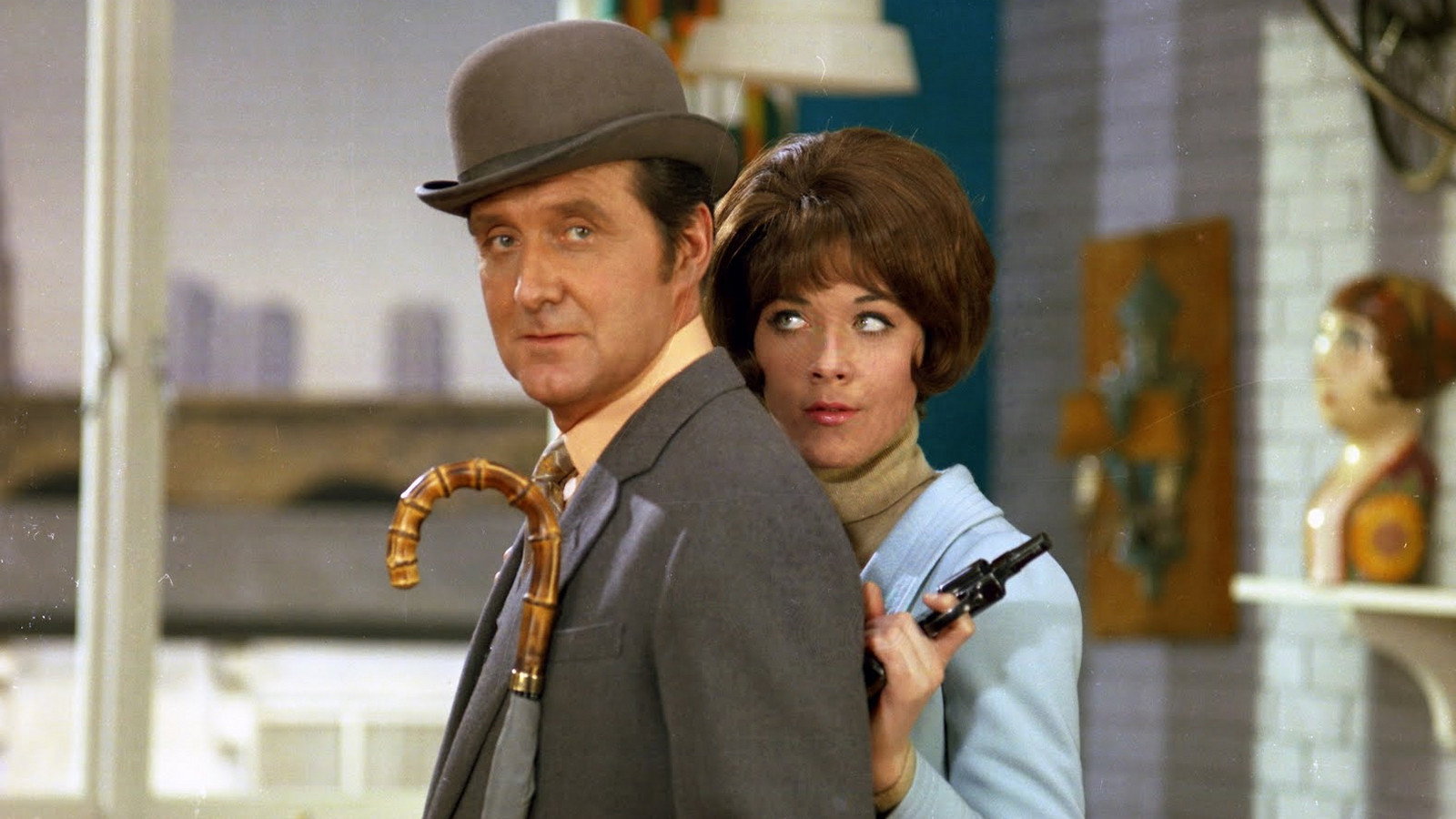
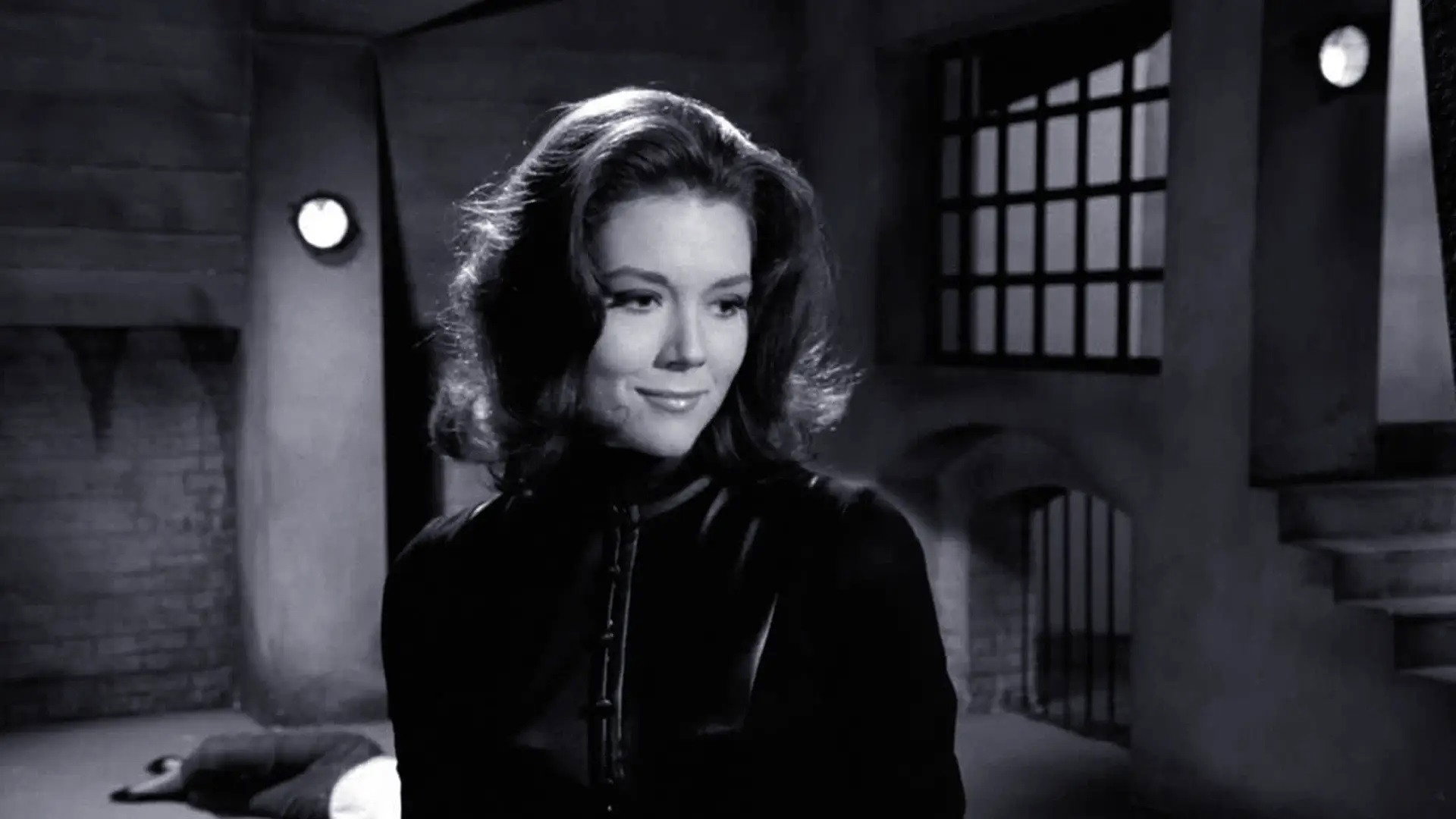
Patrick Macnee’s John Steed provides the necessary ease, and Diana Rigg’s Emma Peel makes sure ease does not turn into complacency. She seems alert to both the danger and the absurdity of the situation, which is exactly the balance this programme needs. We found ourselves smiling at their exchanges before the jokes arrived. The pleasure comes from the attention they pay each other: each performance leaves room for the other’s reaction, and neither seems to be waiting impatiently for another line.
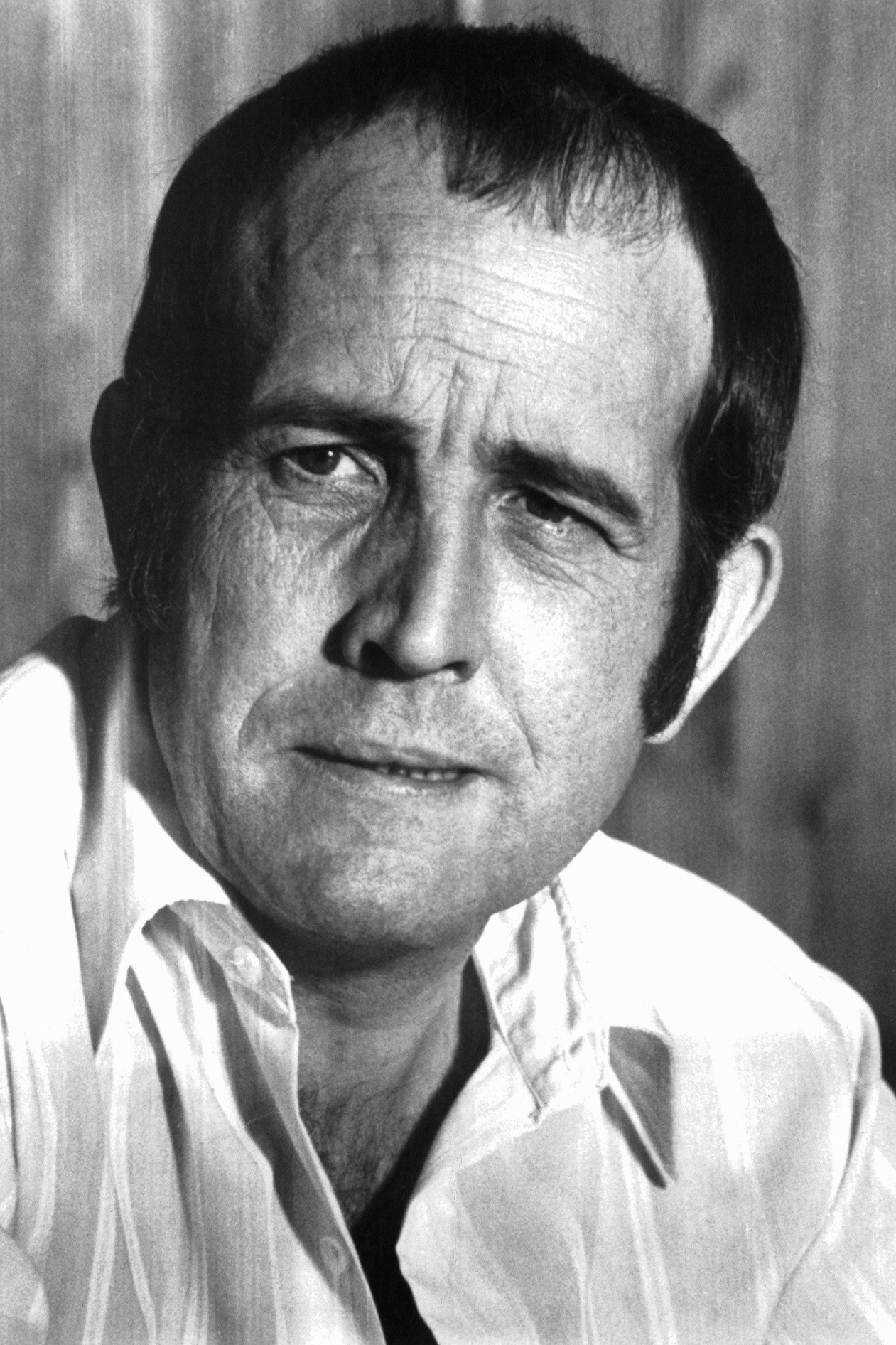
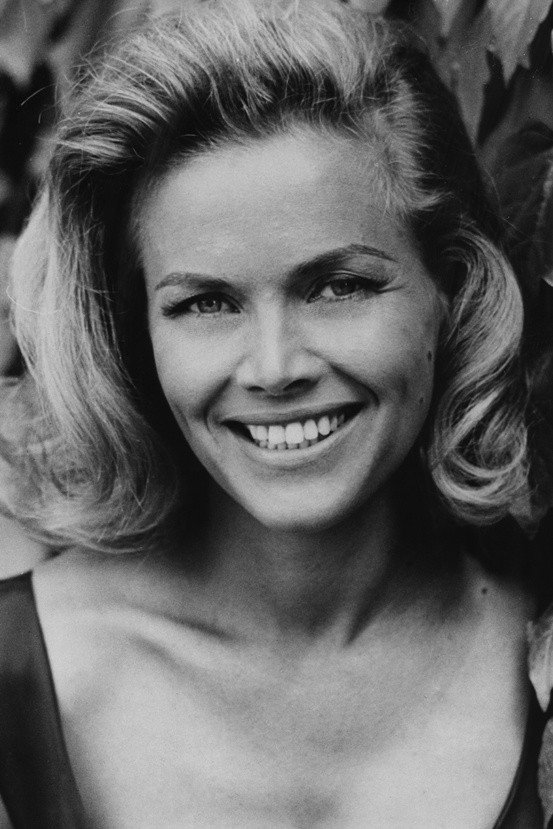
The other partnerships deserve more than a footnote. Catherine Gale, played by Honor Blackman, has a firmness that keeps Steed’s manner from becoming too comfortable, while Ian Hendry’s Dr. David Keel brings a more sober presence. Linda Thorson’s Tara King has a lighter appeal, though we find the interplay less consistently rewarding. None of these actors needs to be dismissed simply because the Steed and Emma Peel partnership is such agreeable company.
The photography has a formality that suits this playing, with Wilkie Cooper and Gilbert Taylor among the cinematographers. We like the space it gives the performers; a reaction can matter without being underlined by the camera. Alpho O’Reilly’s production design helps make the stylised Britishness feel like somewhere these people might actually belong. The surroundings do not need to pass for everyday life, and the programme is more enjoyable when it stops worrying about that.
Laurie Johnson’s music supplies a brisk confidence that encourages us to enjoy the adventure without treating the danger as a joke. The editing, with Robert C. Dearberg and Manuel del Campo among those responsible, is at its most effective when it trusts the performers’ timing. The pauses matter, particularly when the leads seem to be enjoying each other’s amusement. We would happily give them the time that some of the explanations take up.
The writing is less dependable. Brian Clemens and Philip Levene are among the teleplay writers, and the appetite for wit is welcome, but an amusing premise does not always produce an interesting investigation. Sometimes the next development feels like something required to keep the episode going, rather than something we particularly want to discover. The 50-minute format can be generous to these detours, and charm does not make every stretch of explanatory dialogue worth keeping.
As spy entertainment, this works best when its characters are enjoying themselves and the programme gives us permission to join them. Anyone wanting hard consequences and careful procedural detail will need patience with its growing taste for fantasy. We would begin with Steed and Emma Peel, one episode at a time.