Film review

Diva

1981 · Directed by Jean-Jacques Beineix · 1h 57m · MPA R

In a sentenceBeing chased through Paris seems less inconvenient when someone has chosen the colours this carefully

ActionDramaThriller

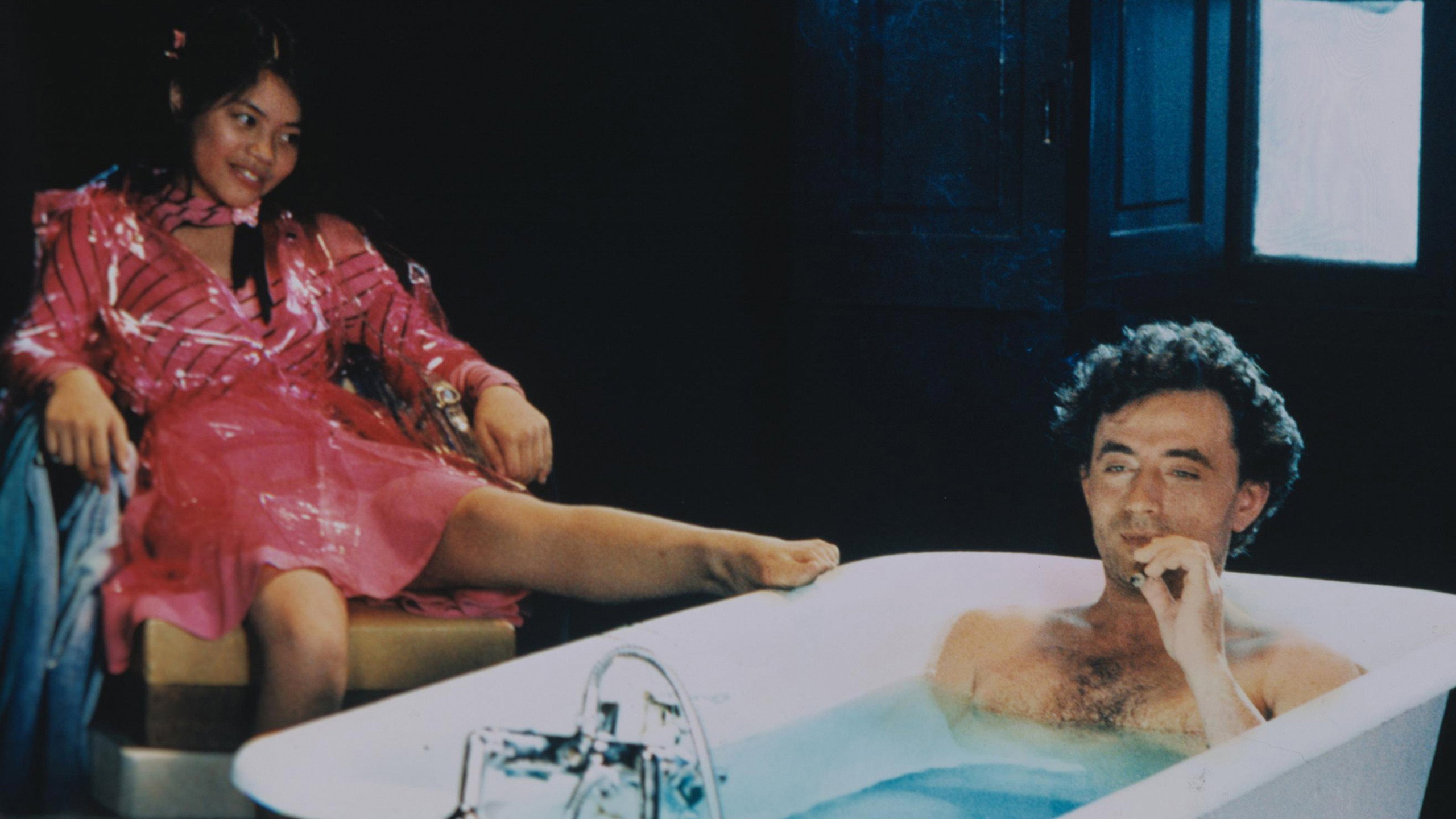
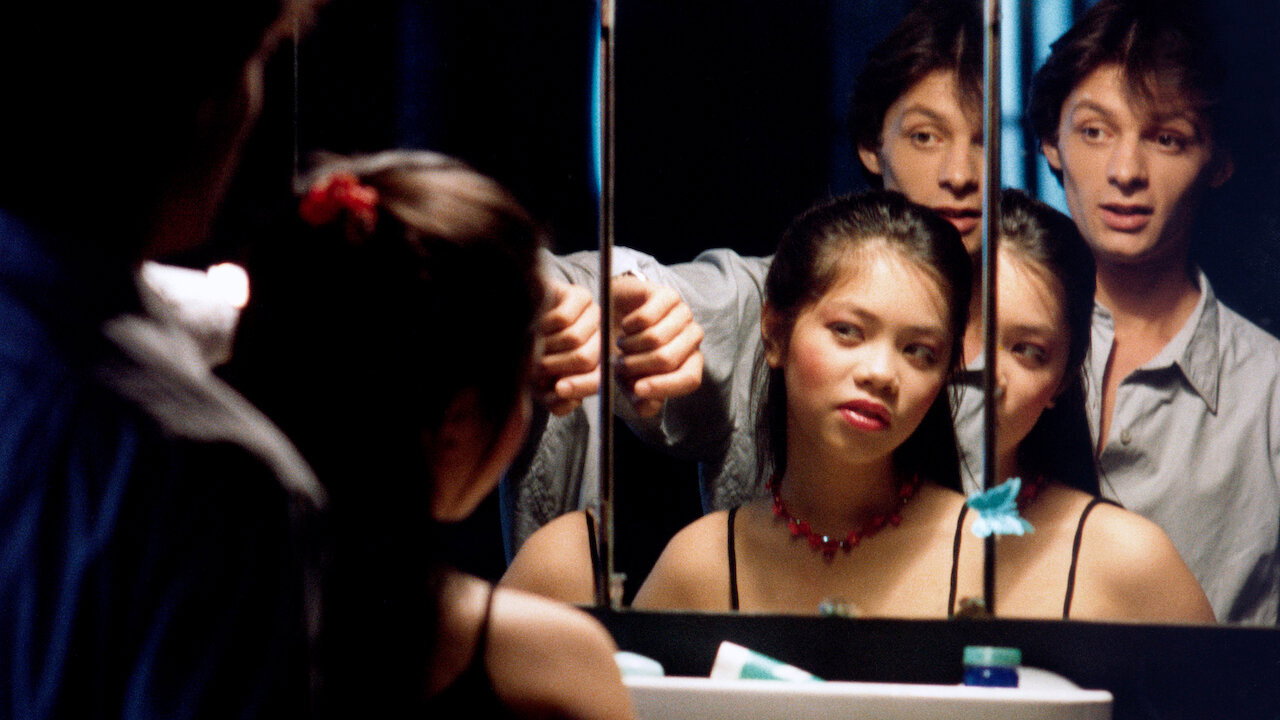
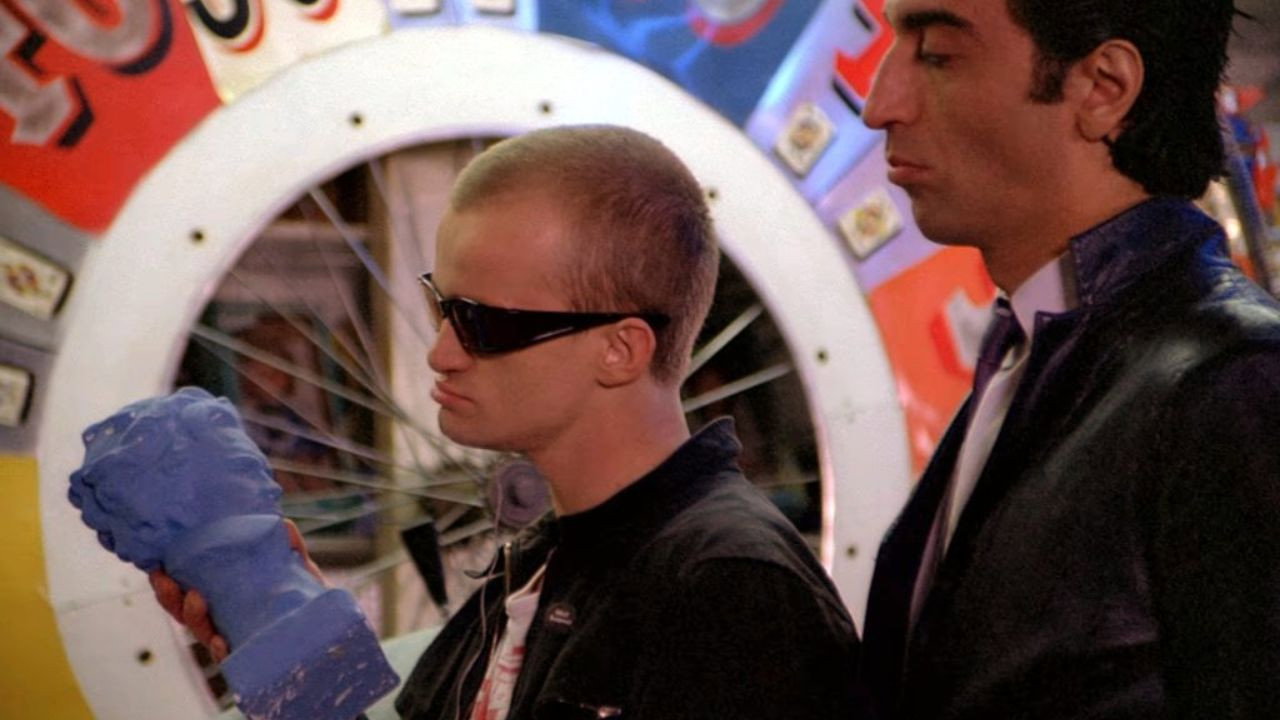
Paris is the setting for a thriller in which a love story and a crime story keep interrupting each other. Jules (Frédéric Andréi), Cynthia Hawkins (Wilhelmenia Fernandez), Gorodish (Richard Bohringer) and Alba (Thuy An Luu) are among the figures in its elaborate plot. Pursuits give way to romance, and contemporary streets sit alongside interiors arranged with the polish of a fashion photograph. Music accompanies a story built around complications and changes of pace. Crime and desire share the city, while the action moves between encounters and chases.

Plays from YouTube when you press play; nothing loads from them until then.

Fi1m review

Jean-Jacques Beineix makes romance and pursuit share an unusually playful thriller. Diva is worth watching for Philippe Rousselot’s camerawork and Vladimir Cosma’s music, though the elaborate plot sometimes seems to exist chiefly to keep the pictures coming.

Diva is a playful, enjoyable thriller whose complicated plot occasionally gets in the way. Jean-Jacques Beineix brings romance and criminal pursuit together with enough pleasure in movement, music and colour to make most of the contrivances forgivable. We recommend it, with the warning that its appetite for incident exceeds its interest in making every incident count. The attractions are immediate: the speed of a chase, the pause for romance, the chance to look around a Paris that has been carefully dressed.

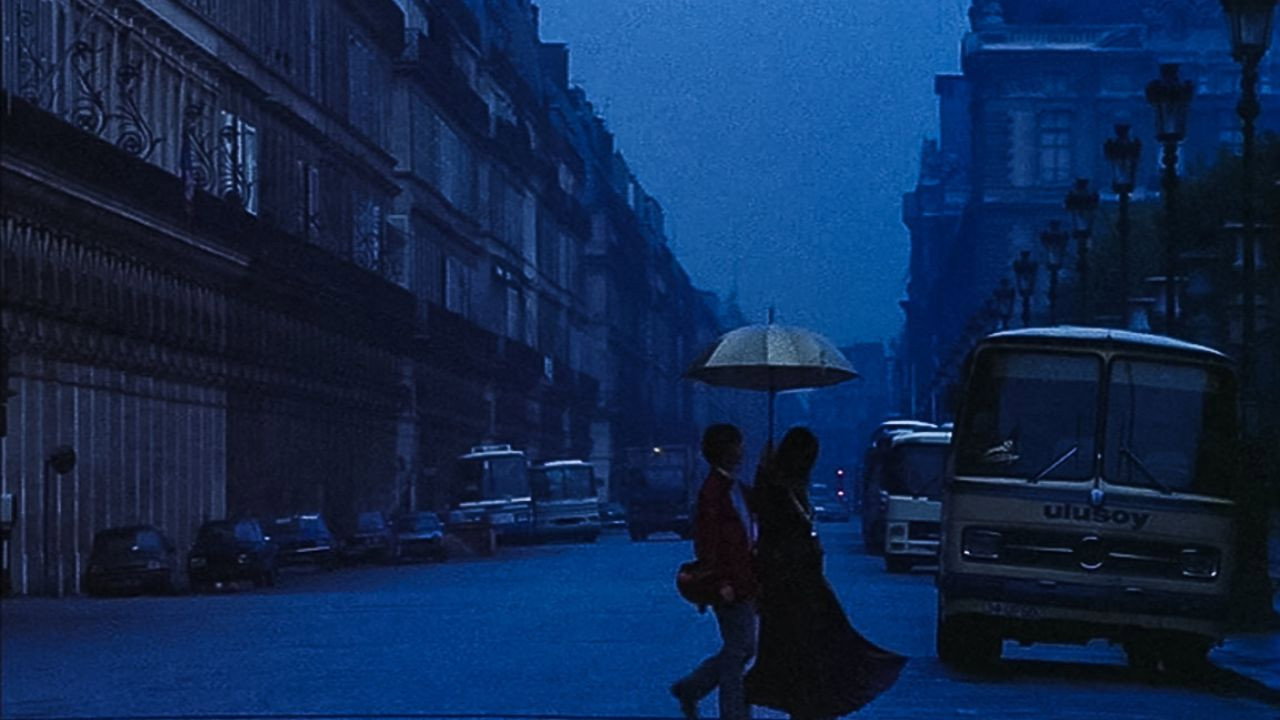
Philippe Rousselot’s cinematography gives that city a heightened appearance without making it wholly unrecognisable. The camera has time for a lyrical look at its surroundings, then finds the agility a pursuit needs. We were delighted by the chases, because the camera’s freedom makes the prospect of being pursued seem briefly exhilarating. The danger gives the movement a purpose, but Jean-Jacques Beineix leaves space for the sheer enjoyment of watching people and a camera negotiate it.

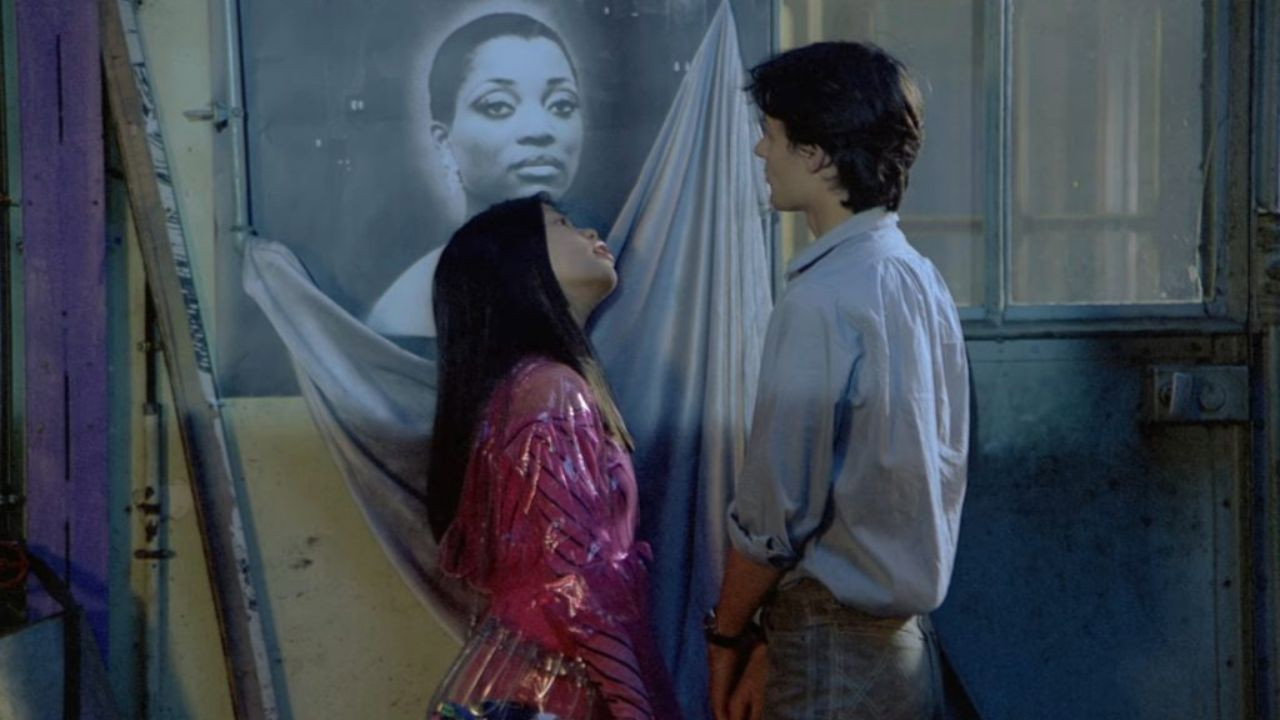
Hilton McConnico’s production design contributes as much as the photography. The decor mixes the polish of a fashion spread with odd, pop-art arrangements that invite a second look. These interiors have been composed with an enthusiasm that makes their conspicuous artificiality easy to accept, and they suit a romance built on unlikely possibilities. The city remains recognisable enough to give the crime story somewhere to happen, while allowing the romantic side of the film to become extravagantly fanciful.

Marie-Josèphe Yoyotte and Monique Prim edit with a good sense of how long a thriller can keep us waiting for its next burst of movement. Their cutting helps the chases generate tension amid all the visual distractions. Vladimir Cosma’s music supplies another source of momentum, keeping the film buoyant through its changes of pace and interest. We can hear why the music belongs here: its propulsion matches the restless pictures, and gives the elaborate plotting some help it badly needs.

The weakness is in the screenplay by Jean-Jacques Beineix and Jean Van Hamme. Its complications can keep us occupied without making us much more involved, and at 117 minutes there is room for that distinction to become irritating. The occasional joke about how clever all this is does not help; Jean-Jacques Beineix sometimes seems reluctant to let a flourish pass without our noticing it. Those interruptions make the romantic and criminal strands feel more awkwardly joined. A little less insistence would have left the film’s wit intact.

Against the demands of a tightly plotted crime thriller, Diva is sometimes undisciplined. Yet the time given to romance is welcome, and the attention lavished on the city makes it possible to enjoy stretches that do little to simplify the story. The film allows excitement to include curiosity about a place, a face or a piece of music, which is a welcome expansion of what a chase can offer. Choose it when the pleasure of looking and listening can take priority over checking the plot.
Critical consensus AI synthesised

78
Positive
8
Mixed
0
Negative
1

Most critics respond warmly to Diva, with praise concentrated on its visual invention and its mixture of thriller and romance. The reviews repeatedly single out the camerawork, inventive chases and elaborate décor, finding pleasure in a colourful Paris that accommodates both crime and fantasy. Music and editing also draw praise, while several critics credit Beineix with keeping the elaborate plotting lively and the romance engaging.

The disagreement concerns how much the film offers beyond those pleasures, and the spread runs from strong enthusiasm to outright rejection. More qualified admirers enjoy the technique but question the film’s substance and lasting impression. The AV Club finds the glossy aesthetic clichéd and the plot thin beneath its complications, though the cinematography and music still work. The New York Times supplies the lone negative verdict, finding the chic presentation empty and the humour too pleased with itself.

Empire
1 January 2000
90*

The critic praises Beineix's audacious debut as an incredibly stylish and visually ravishing 80s New Wave classic that balances thrills with romance and gets the style/content equation exactly right.

Read the full review →
Los Angeles Times
30 November 2007 · Kevin Thomas
90*

Thomas hails the restored film as a dazzler that remains fresh, celebrating its wit, humor, go-for-broke first-film spirit, breathtaking adventure, and abundant joys of filmmaking.

Read the full review →
RogerEbert.com
1 January 1982 · Roger Ebert
90*

Ebert praises the film as a brilliant visual extravaganza and one of the best thrillers of recent years, highlighting Beineix's joy in moviemaking through lyrical camera work, inventive chases, and memorable characters.

Read the full review →
Time Out
10 September 2012 · TM
90*

The critic praises the film as a marvellous amalgam of thriller and romance that draws on film noir and serials. They single out the extraordinary decor blending colour-supplement chic with pop-art surrealism in a fantastic yet grounded contemporary Paris.

Read the full review →
Variety
31 December 1980 · Variety Staff
90*

The review calls it an extraordinary first film that is complex, stylish and fast-moving, praising its novel touches, bizarre chases, plot twists, breathtaking camerawork and tension-filled editing as superior entertainment.

Read the full review →
Slant Magazine
20 January 2026 · Clayton Dillard
80*

Beineix’s cult classic splices wish-fulfillment love story and crime noir with palpable flair and propulsive score; it inaugurated cinéma du look but marshals surfaces so sharply that audiovisual movement becomes the substance itself, creating a sensory world to inhabit.

Read the full review →

Cast

Stills

Awards

César Award for Best First Film, 1982

Won
César Award for Best First Film

International Submission to the Academy Awards, 1982

Nominated
International Submission to the Academy Awards

If you liked this, try…