Critics’ reviews

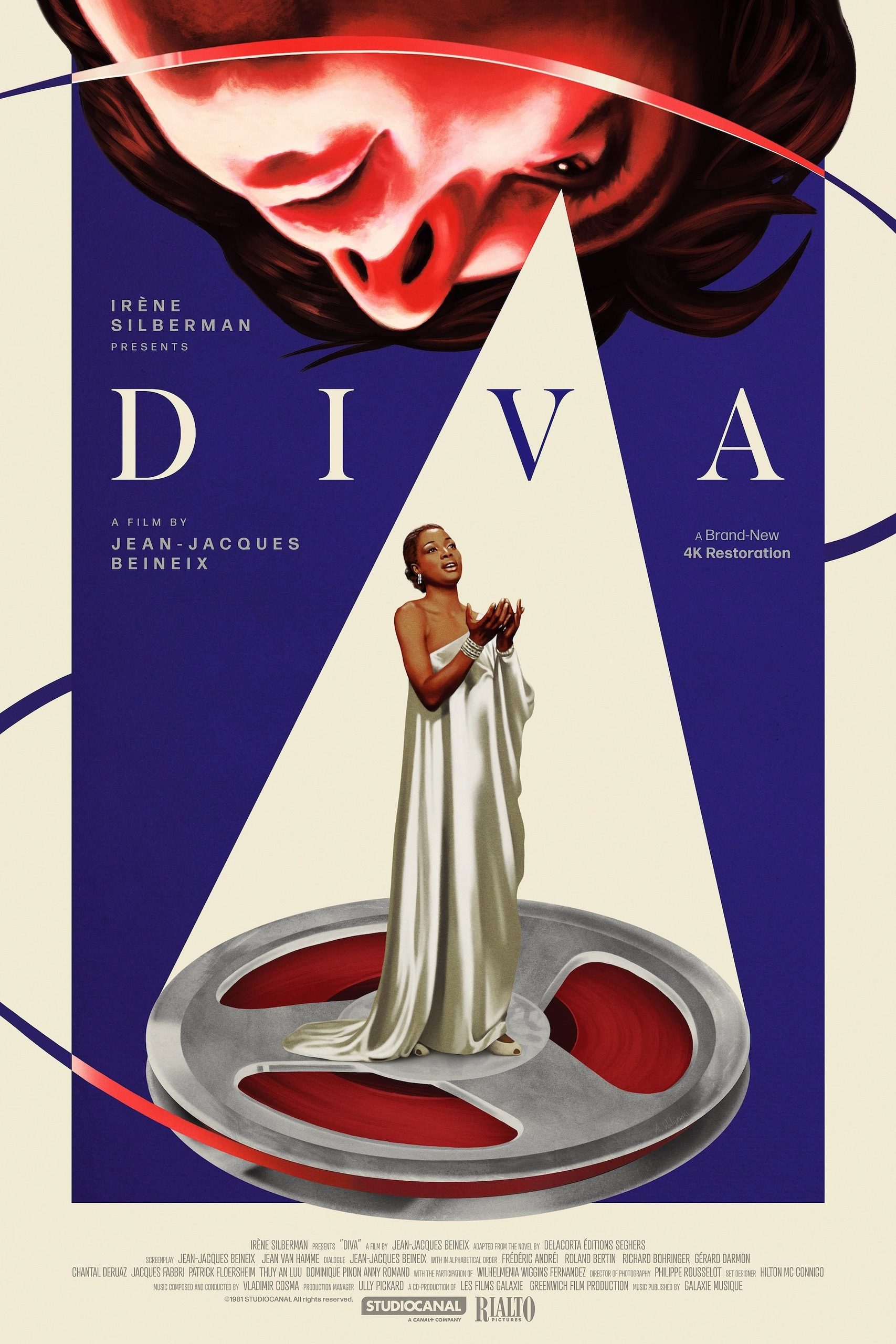
Diva (1981)

9 reviews from 9 publications. Critics’ score 78: 8 positive, 0 mixed, 1 negative.

Back to our review of Diva

78
Positive
8
Mixed
0
Negative
1

Most critics respond warmly to Diva, with praise concentrated on its visual invention and its mixture of thriller and romance. The reviews repeatedly single out the camerawork, inventive chases and elaborate décor, finding pleasure in a colourful Paris that accommodates both crime and fantasy. Music and editing also draw praise, while several critics credit Beineix with keeping the elaborate plotting lively and the romance engaging.

The disagreement concerns how much the film offers beyond those pleasures, and the spread runs from strong enthusiasm to outright rejection. More qualified admirers enjoy the technique but question the film’s substance and lasting impression. The AV Club finds the glossy aesthetic clichéd and the plot thin beneath its complications, though the cinematography and music still work. The New York Times supplies the lone negative verdict, finding the chic presentation empty and the humour too pleased with itself.

Empire
1 January 2000
90*

The critic praises Beineix's audacious debut as an incredibly stylish and visually ravishing 80s New Wave classic that balances thrills with romance and gets the style/content equation exactly right.

Read the full review →
Los Angeles Times
30 November 2007 · Kevin Thomas
90*

Thomas hails the restored film as a dazzler that remains fresh, celebrating its wit, humor, go-for-broke first-film spirit, breathtaking adventure, and abundant joys of filmmaking.

Read the full review →
RogerEbert.com
1 January 1982 · Roger Ebert
90*

Ebert praises the film as a brilliant visual extravaganza and one of the best thrillers of recent years, highlighting Beineix's joy in moviemaking through lyrical camera work, inventive chases, and memorable characters.

Read the full review →
Time Out
10 September 2012 · TM
90*

The critic praises the film as a marvellous amalgam of thriller and romance that draws on film noir and serials. They single out the extraordinary decor blending colour-supplement chic with pop-art surrealism in a fantastic yet grounded contemporary Paris.

Read the full review →
Variety
31 December 1980 · Variety Staff
90*

The review calls it an extraordinary first film that is complex, stylish and fast-moving, praising its novel touches, bizarre chases, plot twists, breathtaking camerawork and tension-filled editing as superior entertainment.

Read the full review →
Slant Magazine
20 January 2026 · Clayton Dillard
80*

Beineix’s cult classic splices wish-fulfillment love story and crime noir with palpable flair and propulsive score; it inaugurated cinéma du look but marshals surfaces so sharply that audiovisual movement becomes the substance itself, creating a sensory world to inhabit.

Read the full review →
The AV Club
3 June 2008 · B- · Scott Tobias
70

The film once seemed the coolest French movie for its hip, stylish, colorful vibe and great music, marking the start of the cinéma du look movement. Today its glossy aesthetic feels clichéd and the convoluted plot offers little substance beyond stylish diversion, though it succeeds thanks to strong work from the cinematographer and composer.

Read the full review →
The New Yorker
12 April 1982 · Pauline Kael
70*

Kael calls it a glittering toy of a movie with pell-mell gracefulness and fabulous camera technique that delights the audience, though it lacks the purity of conception of comparable films and is not entirely memorable.

Read the full review →
The New York Times
16 April 1982 · Vincent Canby
30*

Canby finds the film empty though chic-looking, criticizing its self-consciously enigmatic high-fashion manner and interruptive self-congratulatory jokes while acknowledging its well-received status elsewhere.

Read the full review →

Ordered by the weight we give each publication, then by score. Scores are normalised to 100; * means inferred from an unrated review. Summaries are ours, not quotations; follow the links for the reviews themselves. How we rate