Film review

Blow Out

1981 · Directed by Brian De Palma · 1h 48m · MPA R

In a sentenceJohn Travolta listens to a recording and somehow makes it everyone’s problem

CrimeMysteryThriller

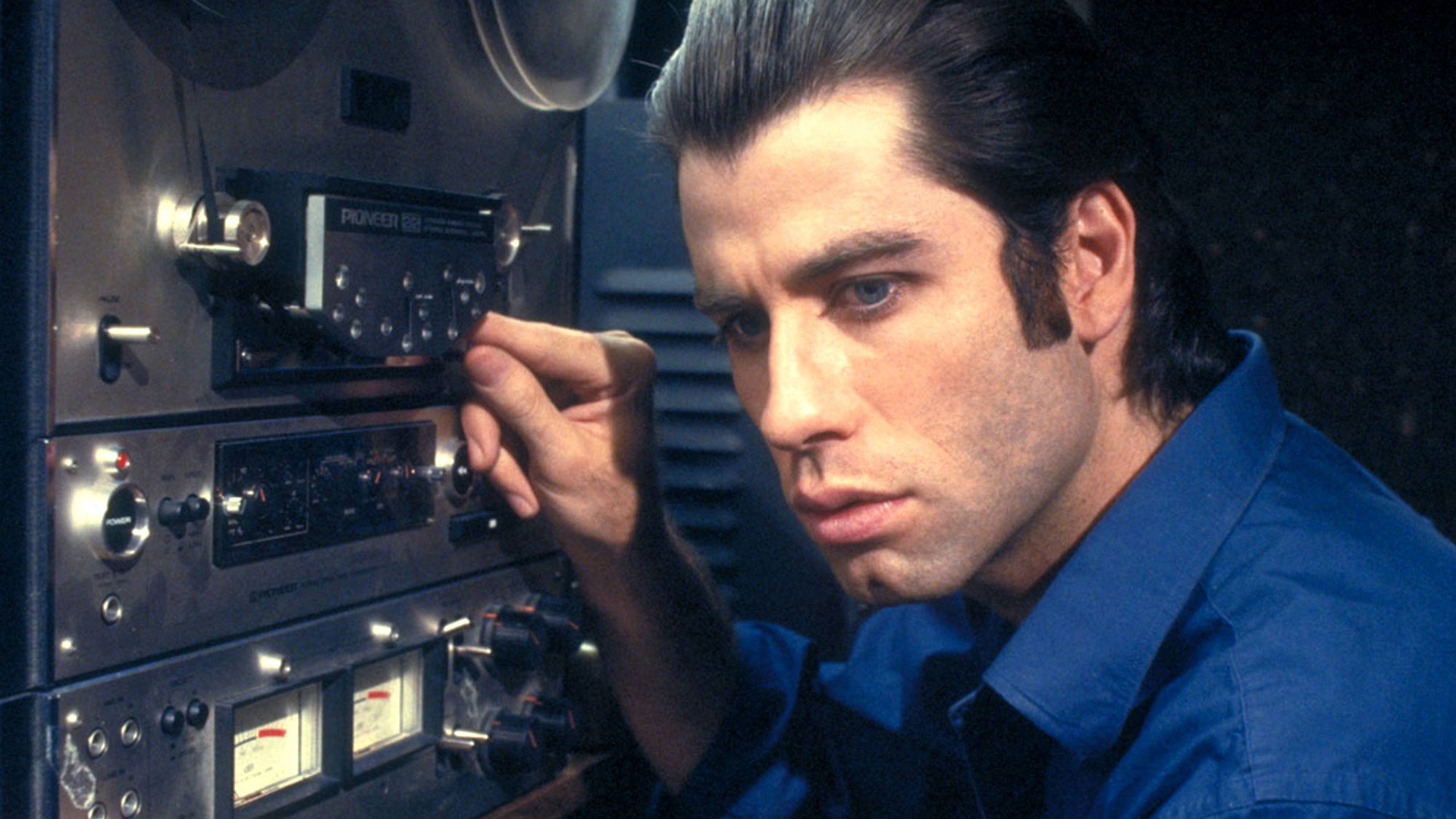
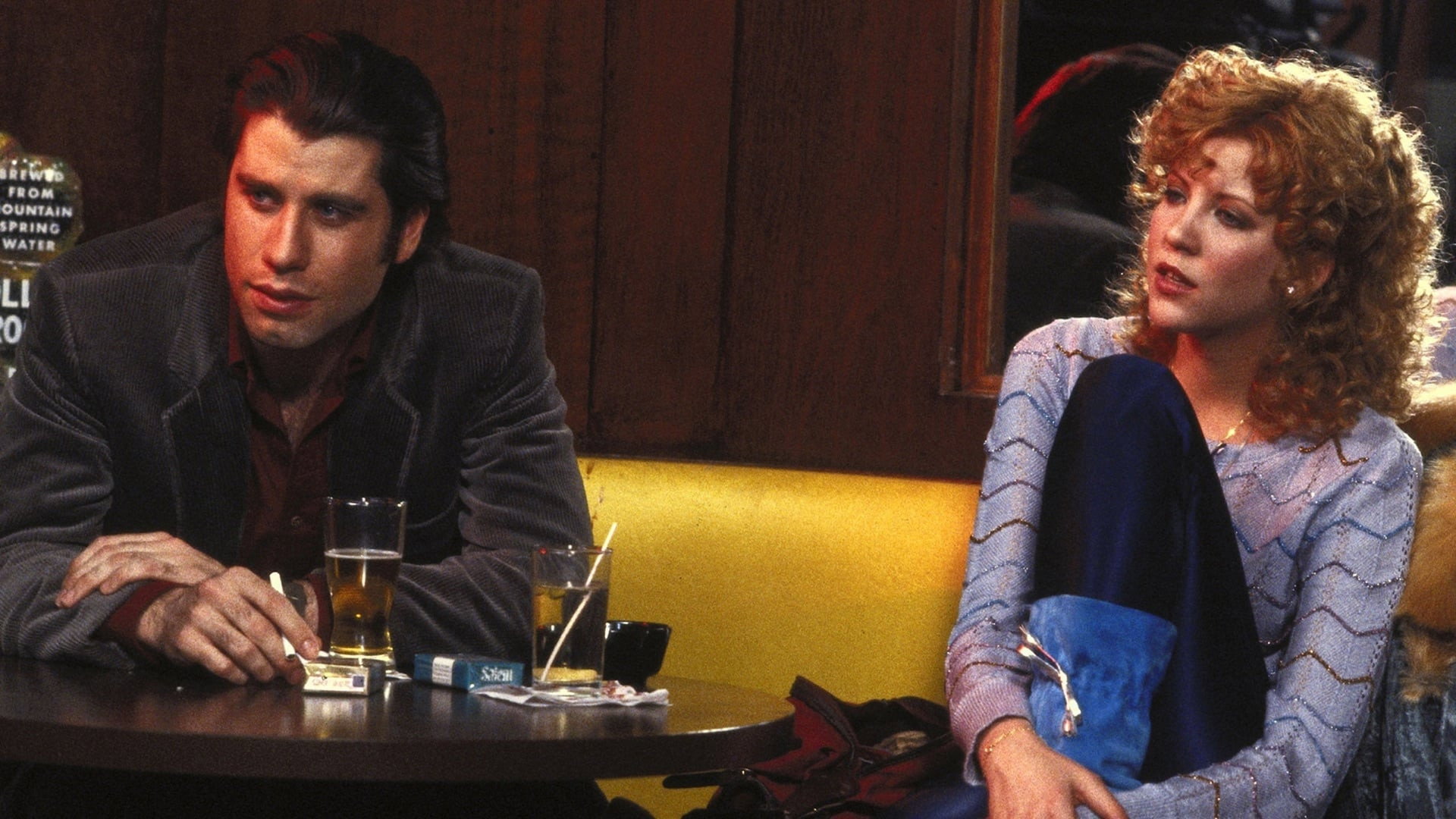
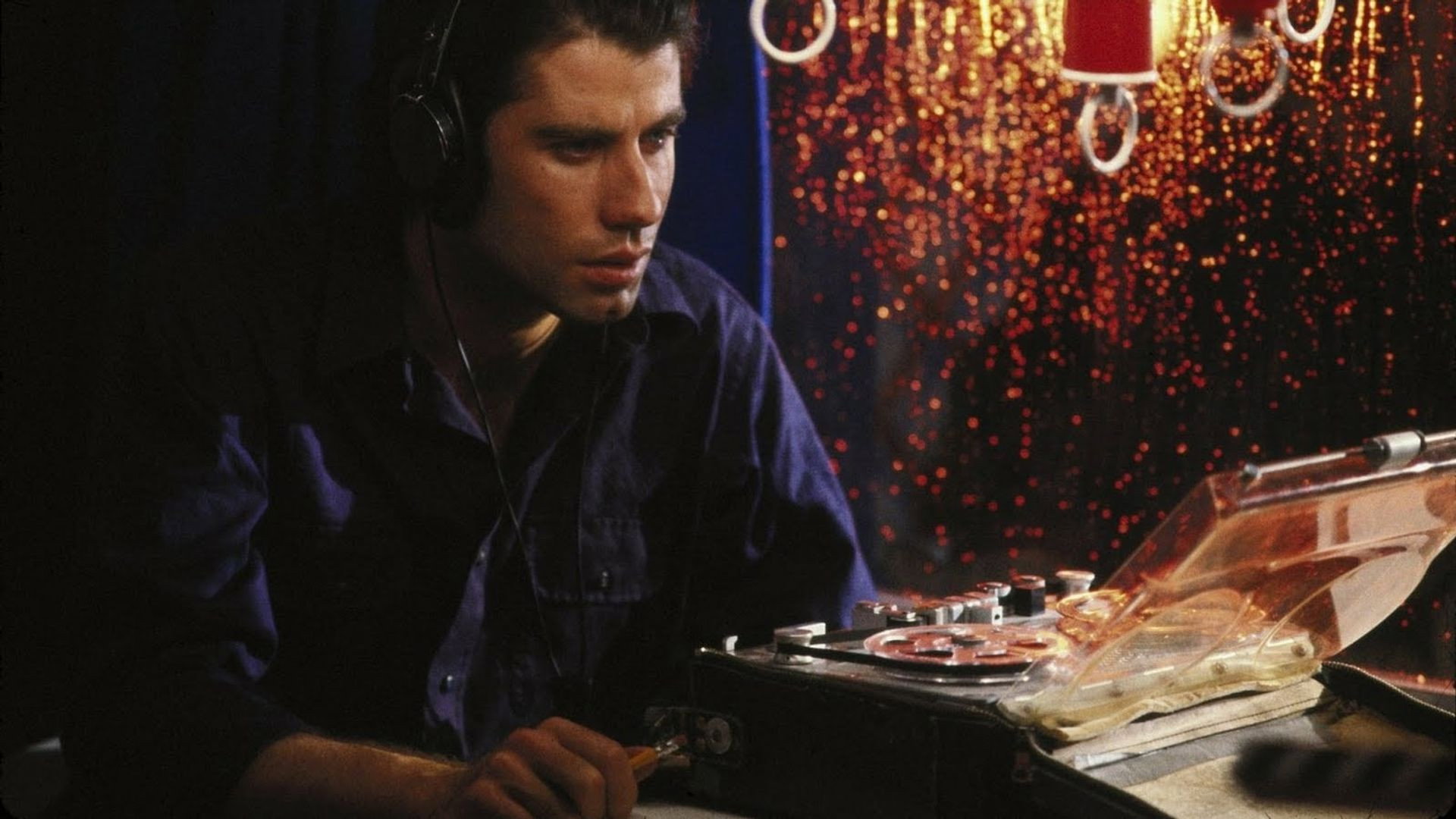
Jack Terry (John Travolta) has recorded an accident, and listening back raises the possibility of murder. He wants to establish what happened, starting with the sound rather than accepting what the event appears to be. Sally Badina (Nancy Allen) is caught up in his investigation, while Burke (John Lithgow) is another figure in the surrounding intrigue. A recording that might settle the matter instead draws Jack into a conspiracy involving American political power. His task is to establish what the evidence proves when the people around him have their own interests in what is heard and believed.

Plays from YouTube when you press play; nothing loads from them until then.

Fi1m review

Brian De Palma makes listening frightening, and John Travolta makes the man doing it worth worrying about. This is a gripping conspiracy thriller, with overcomplicated plotting the chief reservation.

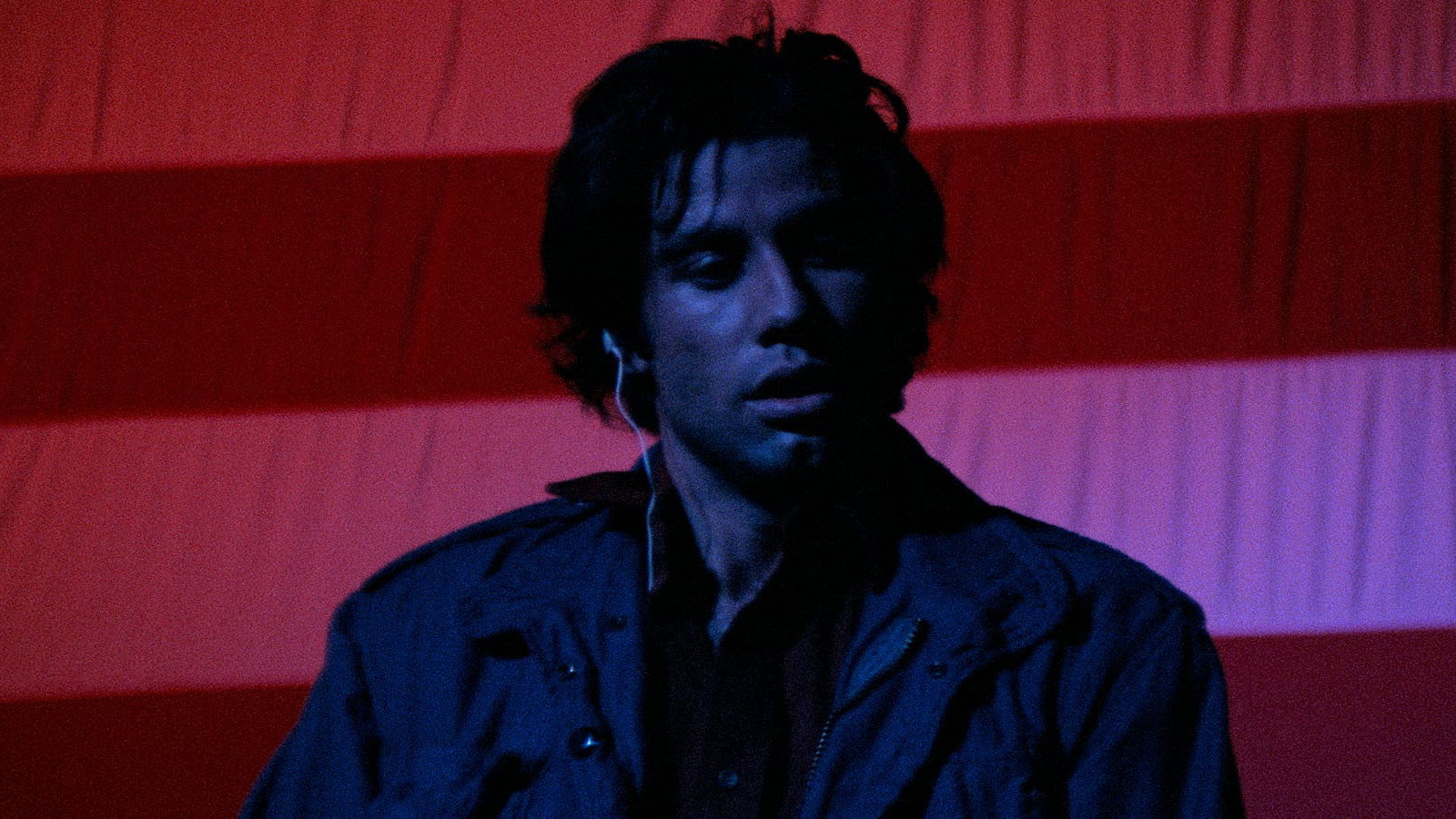
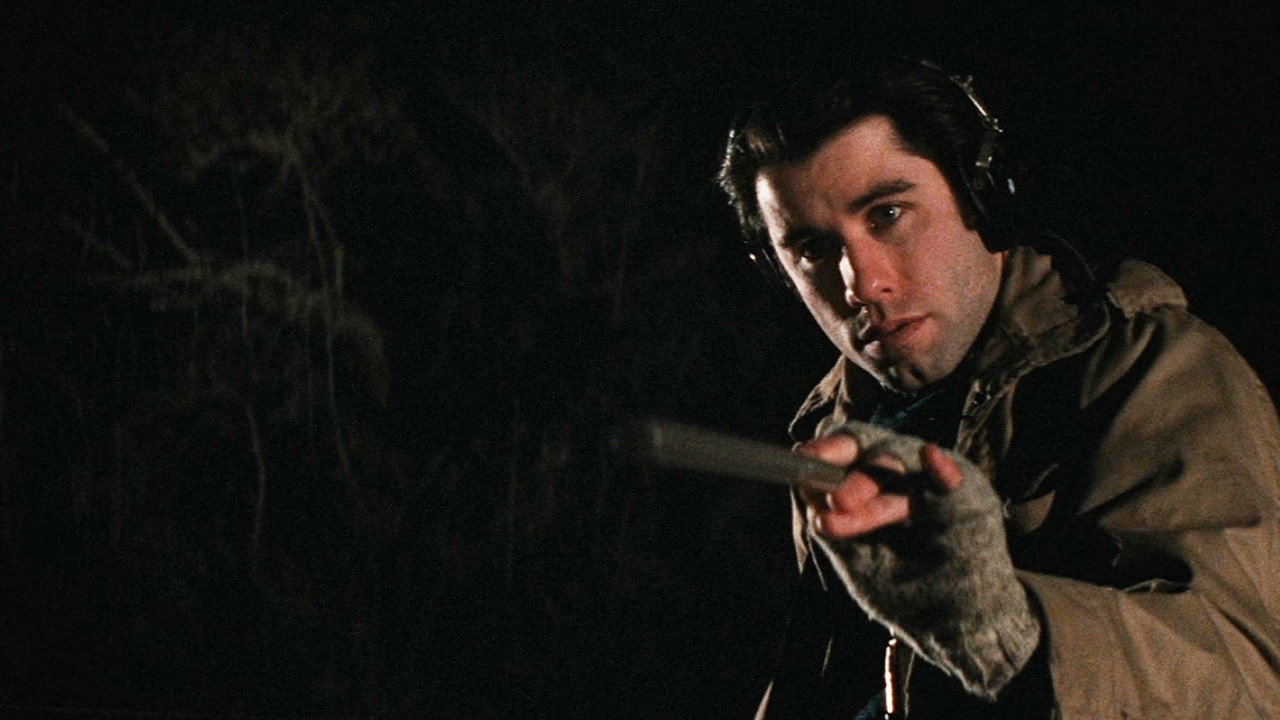
Blow Out makes an unusually persuasive case for paying attention to film sound. Brian De Palma takes the ordinary business of listening, checking and listening again and makes it the centre of a gripping conspiracy thriller. Jack Terry (John Travolta) tries to reconstruct an accident from recorded sound and photographs, giving us a job to follow as well as a danger to anticipate. The pleasure lies in seeing how the evidence is assembled, and the unease begins when we realise how much depends on the person assembling it.

John Travolta makes Jack’s concentration believable. We believe he needs to get this right, and that his involvement will not be easily talked away; his persistence is understandable even when it seems unwise. Nancy Allen, as Sally Badina, supplies a vulnerability that matters when the plotting threatens to turn everyone into a suspect or an obstacle. Her performance gives us a reason to care about someone besides the man investigating.

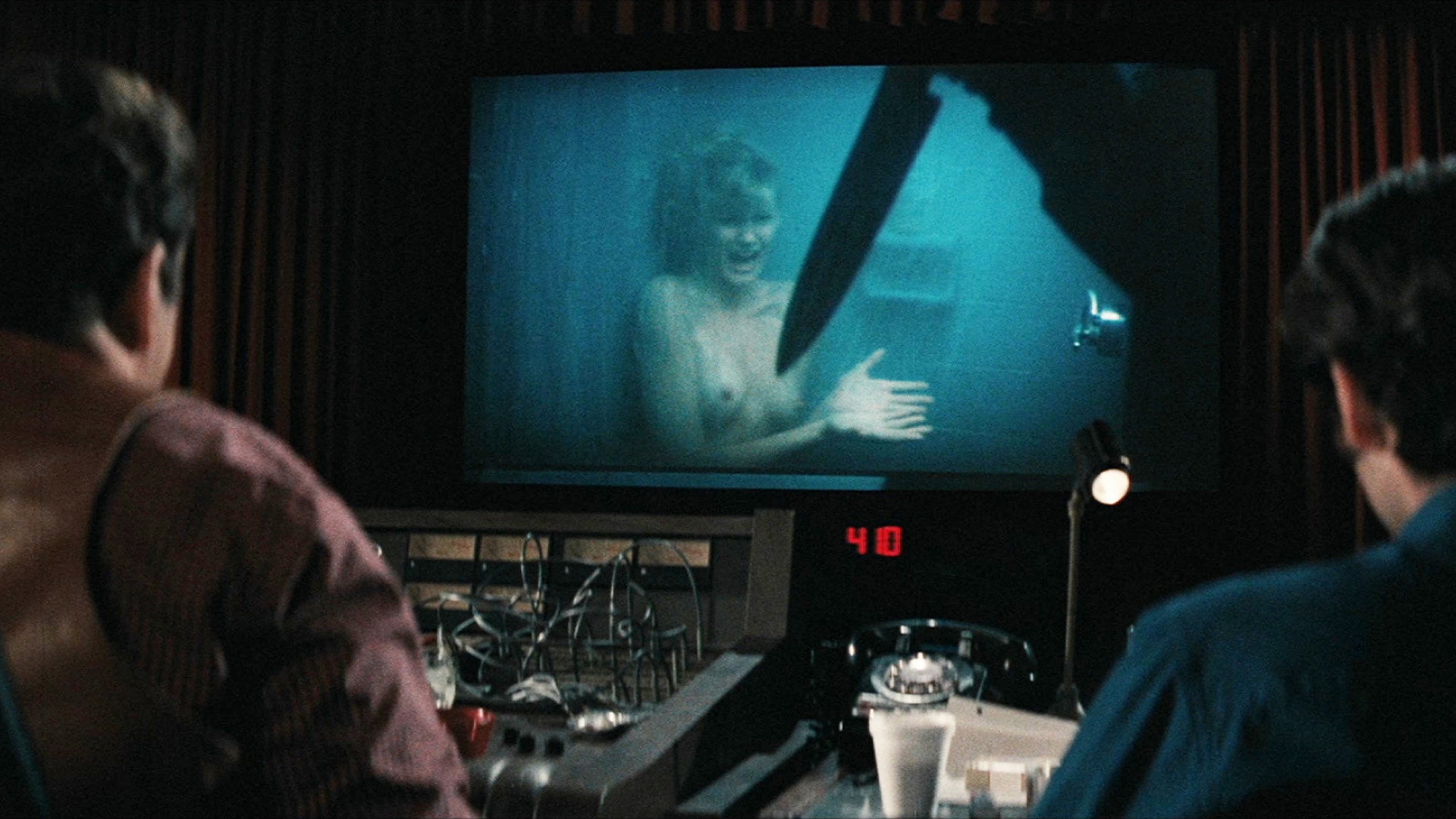
Cinematographer Vilmos Zsigmond makes the split-diopter shots useful without disguising their cleverness. Holding near and distant details sharply in view makes us search the frame, conscious that the thing we ought to notice may not be the thing claiming our attention. The deep-focus images give us more information than a succession of close-ups would, while making it harder to decide where to look first. We have to keep checking the background.

Paul Hirsch’s editing is crucial to the reconstruction of the accident. The cuts keep sound and photograph clear enough for us to follow the work, so each comparison carries suspense. We grew anxious watching Jack compare those materials, because each small connection made it harder to dismiss his suspicions. Paul Sylbert’s production design gives that painstaking work a credible setting, though it is the arrangement of sounds and images that holds our attention.

Pino Donaggio’s music is happy to underline the danger, which fits a film this willing to be theatrical. We might sometimes prefer it to leave more room for the recorded sounds, but restraint would hardly be the obvious choice here. John Lithgow, playing Burke, also suits that appetite for excess; his forcefulness keeps the threat from becoming merely an idea discussed by worried people. He makes a useful contrast with John Travolta’s concentration.

The chief reservation is the plot’s fondness for complication. There are stretches where keeping track of the intrigue feels like an interruption to the more absorbing business of examining the evidence. As a conspiracy thriller, it is strongest when it stays with the difficulty of establishing what happened and getting anyone to take that discovery seriously. The political threat gives us good reason to worry, but some of the explanations need untangling.

Watch it somewhere quiet, with the patience to follow Jack’s work. At 108 minutes, Blow Out has room for close attention to sound without becoming a lecture on how films are made. We recommend it with one practical caveat: this is a poor choice for company inclined to talk through the evidence.

Critical consensus AI synthesised

84
Positive
11
Mixed
1
Negative
0

Most critics strongly favour Blow Out, with praise clustering around De Palma’s handling of sound, suspense and political paranoia. The reviews repeatedly single out the way recordings and images become tools for investigating truth, particularly the sequence in which Travolta reconstructs an accident. Travolta’s performance draws consistent praise, while the film’s technical flourishes are widely seen as serving its unease about power and media manipulation. Several critics also stress the emotional force beneath the elaborate construction.

The disagreement concerns how well that construction holds together and how much the film owes its predecessors. Time Out admires the style and performances but finds that the tangled plot often confuses rather than frightens. Empire enjoys the suspense and showmanship while judging it less successful than The Conversation. These are limited reservations within a strongly positive consensus: eleven reviews are positive, with only one mixed assessment and none negative.

The Times
21 May 2021 · ★★★★★ · Kevin Maher
100

An impeccable thriller combining horror and politics, a meticulously constructed feast for the ears and one of De Palma’s finest films. It features strong performances, especially from Travolta, and self-referential homage to Blow-Up.

Read the full review →
Film Comment
1 May 2016 · Michael Sragow
90*

The critic praises Blow Out as a mind-blowing masterpiece where De Palma uncovers reality through personal construction, highlighting its political themes and emotional impact, especially the ending.

Read the full review →
RogerEbert.com
1 July 1981 · Roger Ebert
90*

The critic calls it De Palma's best and most original work, a conspiracy thriller that draws on real American history and other films but stands alone with three-dimensional characters and a real cinematic intelligence. He singles out the brilliantly crafted sequence in which Travolta reconstructs the accident from sound and photos for praise.

Read the full review →
The Guardian
24 July 2021 · Peter Bradshaw
90*

De Palma’s best and most ingenious film, a dazzling 1981 masterpiece with never-better John Travolta caught in a murder plot. It excels in its deconstructive trickery, political themes of media manipulation and conspiracy, and emotional set pieces.

Read the full review →
Little White Lies
23 July 2016 · Taylor Burns
85*

The critic praises De Palma's thriller for its visual style and deeper political commentary on American power and paranoia, framing it as a story of a working-class man punished for doing the right thing. The tragic final scene is singled out as particularly sorrowful and gorgeous.

Read the full review →
Radio Times
★★★★ · Alan Jones
80

The critic calls it Travolta's best role in a paranoid mystery full of De Palma's trademark suspense, black humour and high style, with a knockout downbeat ending. It is described as an audio version of Antonioni's Blow-Up.

Read the full review →

Cast

Stills

If you liked this, try…

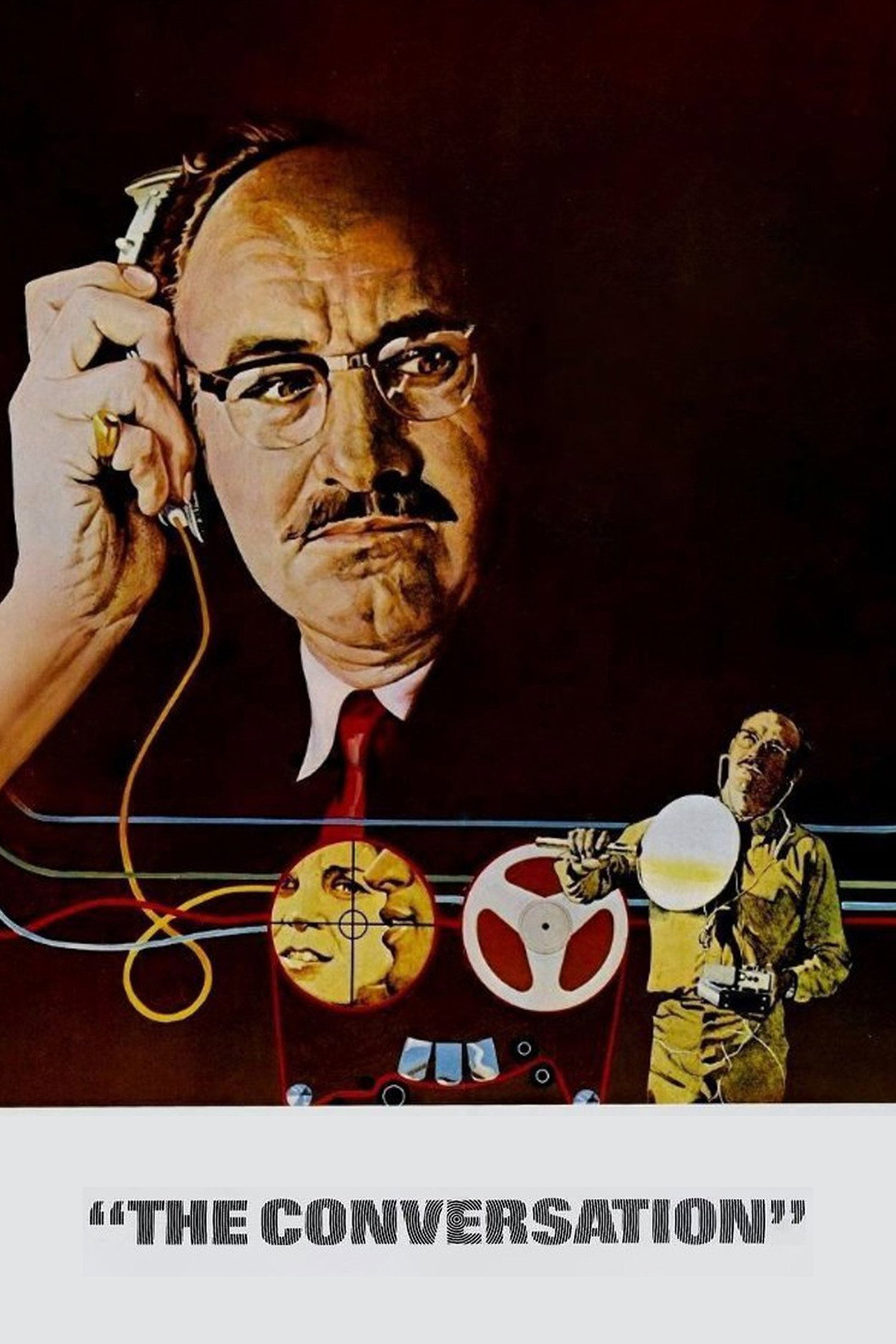
The Conversation poster92

The Conversation

1974 · Another sound professional discovers that careful listening can make matters worse.

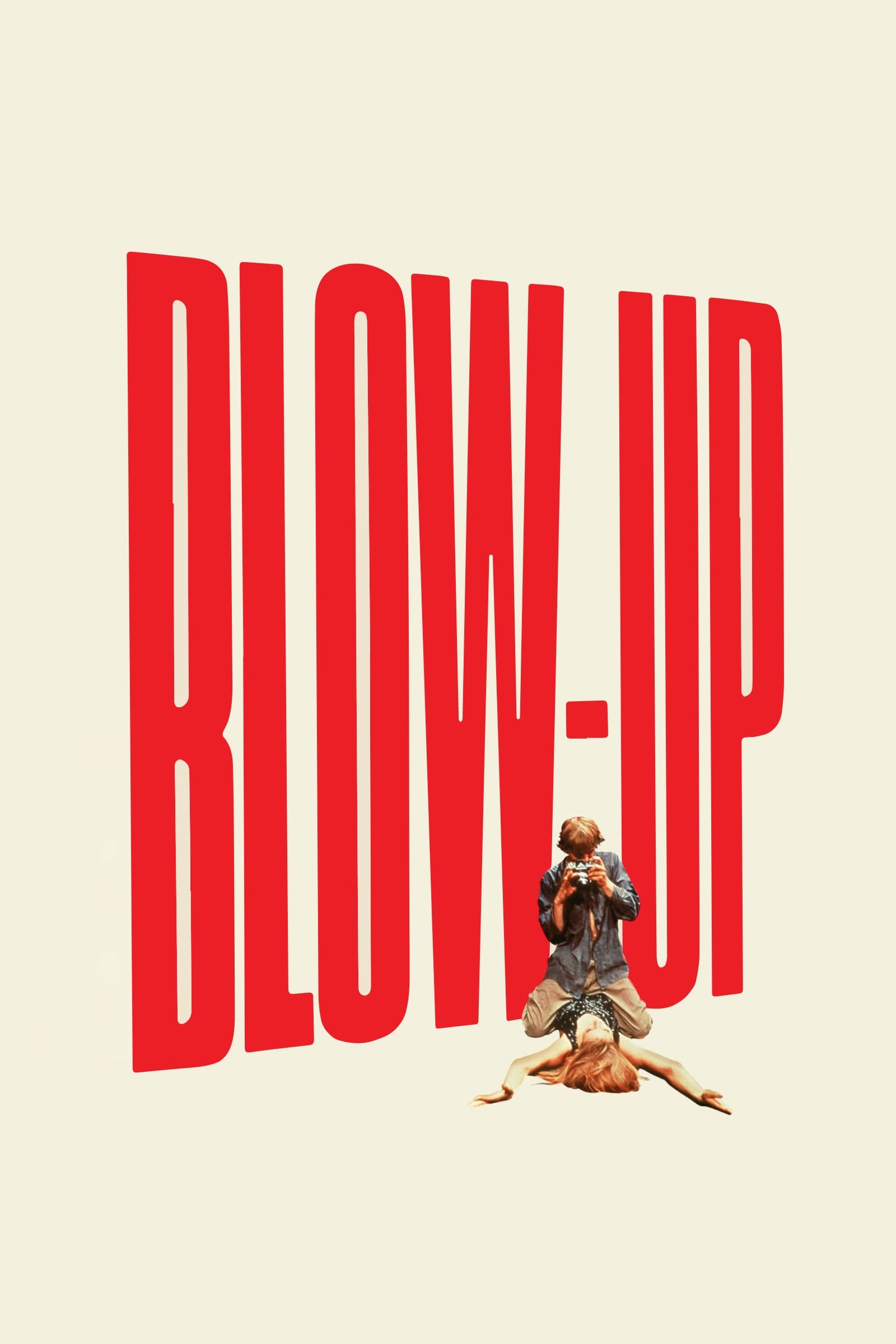
Blow-Up poster

Blow-Up

1966 · Photographic evidence proves less reassuring the longer anyone looks at it.

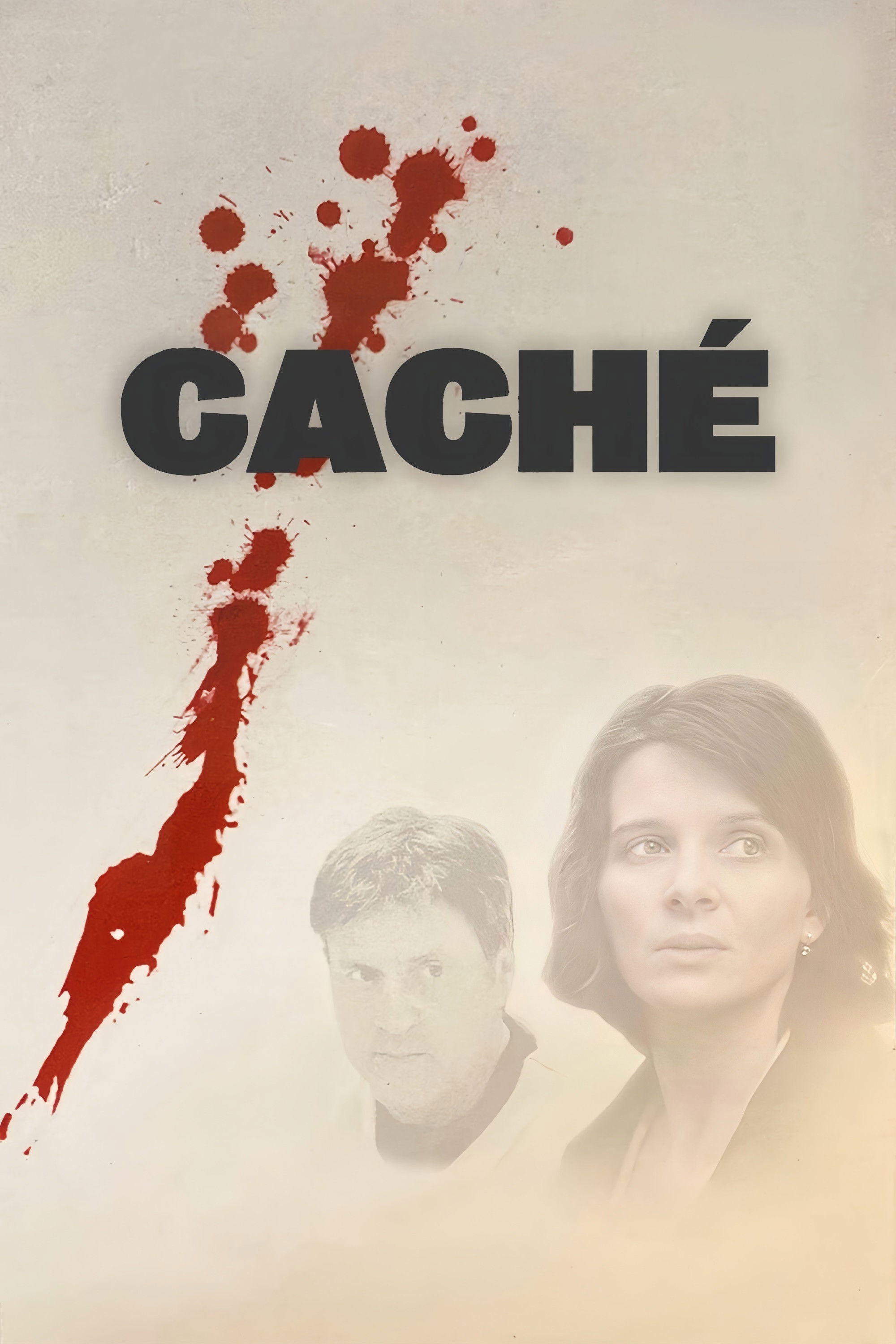
Caché poster88

Caché

2005 · Recorded images unsettle a household whose comfort depends on selective memory.

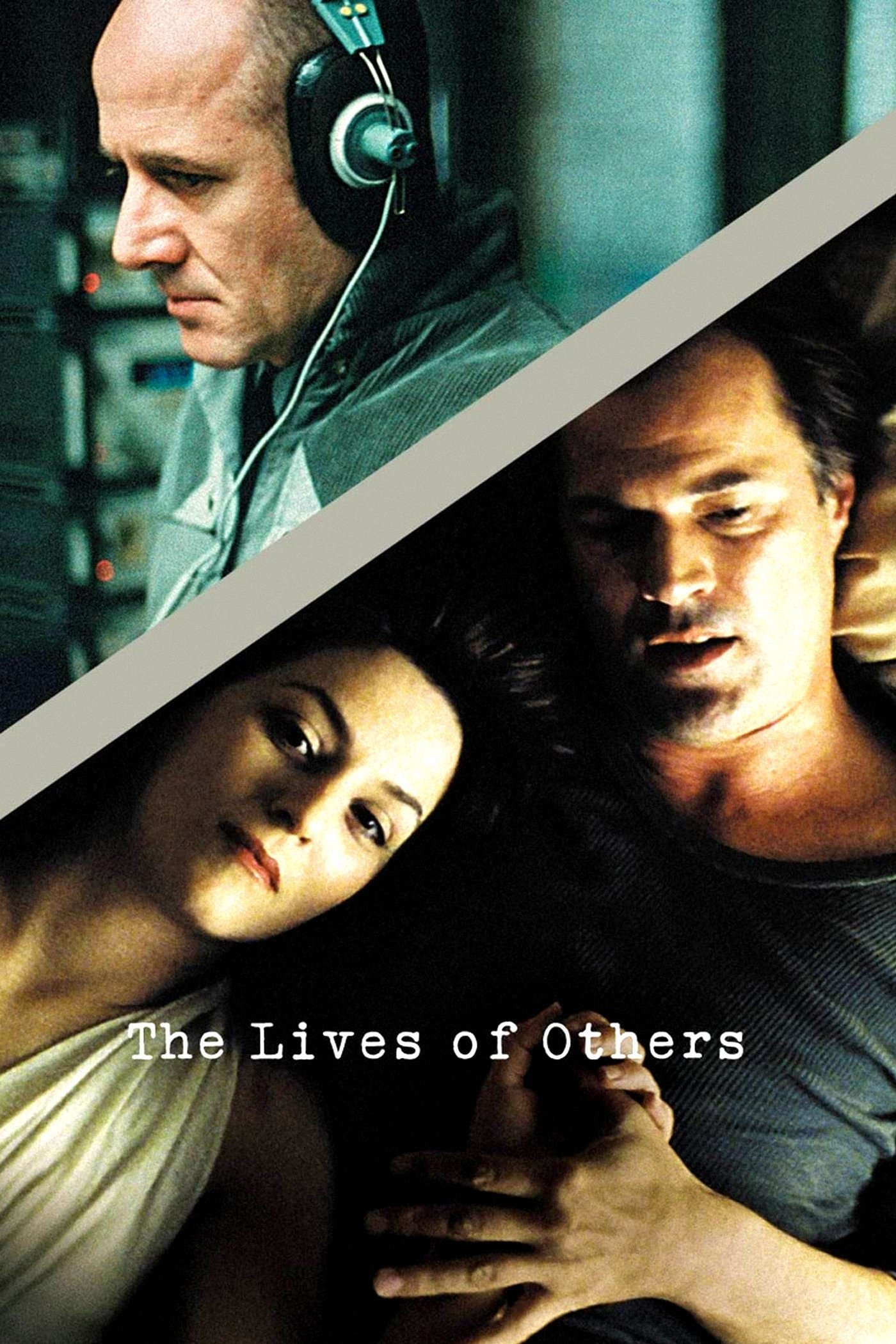
The Lives of Others poster84

The Lives of Others

2006 · Patient listening becomes a moral problem, with more warmth beneath the surveillance.

Decision to Leave poster

Decision to Leave

2022 · An investigator’s attention becomes dangerously personal, with meticulous images worth watching closely.