Paul Krasny's clearest claim on our attention is the purposeful editing he brought to Mission: Impossible. We value that practical skill, while treating his extensive directing credits as a reason to look further rather than proof of distinction.
Fi1m perspective
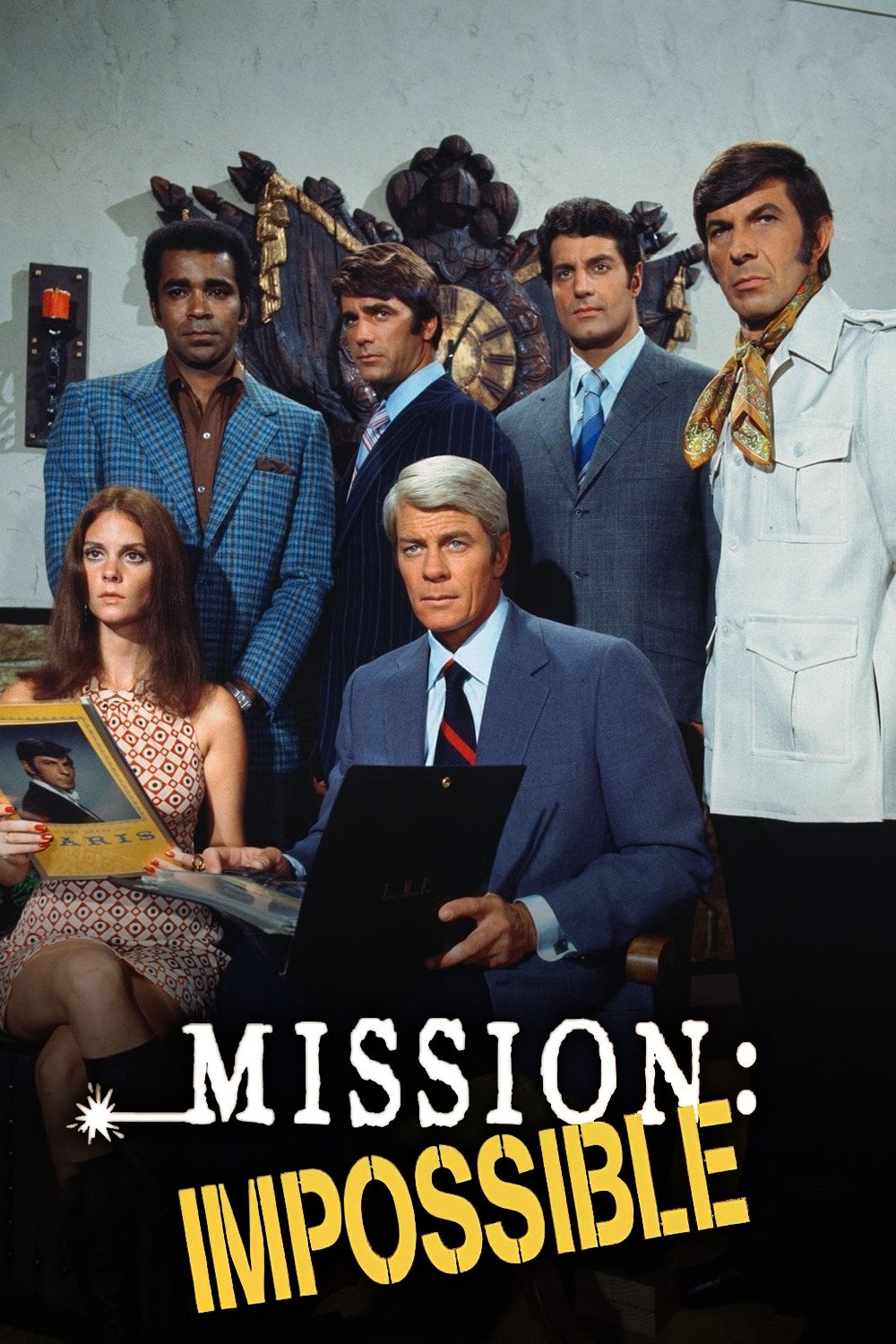
In Mission: Impossible (1966), the next step in a deception can hold our attention before we understand the whole plan. The disguises and the team's composure help, but so does the care taken to keep the operations legible. Paul Krasny is among the editors responsible for that clarity, and it gives us a useful starting point for considering his direction. We were absorbed because the cutting made each new stage of the work worth our attention.
Krasny worked in post-production on Mannix (1967) and Mission: Impossible before directing his first episode of the latter in 1968. He went on to direct 13 episodes of Mission: Impossible and 24 of Mannix, substantial contributions to programmes made by many hands. That progression makes sense when we watch how much these operations depend on getting information to the audience at the right moment. It gives us a firmer basis for valuing his contribution than the sheer length of his credits.
Mission: Impossible also shows why the credit needs sharing. Cinematographers including Fred Koenekamp and John Alton limit us to a character's view, making a deception engaging before everything is clear. Donald R. Rode is among the other editors keeping the operations comprehensible, within Bruce Geller's caper format. The series earns our recommendation for its ingenuity, although repeated viewing makes the formula easier to recognise. Krasny's contribution deserves attention without making him responsible for every pleasure or limitation of the programme.
His later assignments included the action-adventure feature Joe Panther (1976) and episodes of the miniseries Centennial (1978). He also worked repeatedly with Robert Conrad, on The D.A., Assignment: Vienna and television films. The career does not fit neatly into one type of programme, and we are wary of turning that variety into praise without examining the individual work. Start with Mission: Impossible, where the clarity is there to see, and space the episodes out if the formula begins to feel too familiar.
Biography
Paul Krasny was an American television director and editor. Born in Cleveland, Ohio, he began his career as a film editor in the mid-1960s, working on series including Rawhide and The Patty Duke Show before joining Mission: Impossible (1966) as supervising editor.
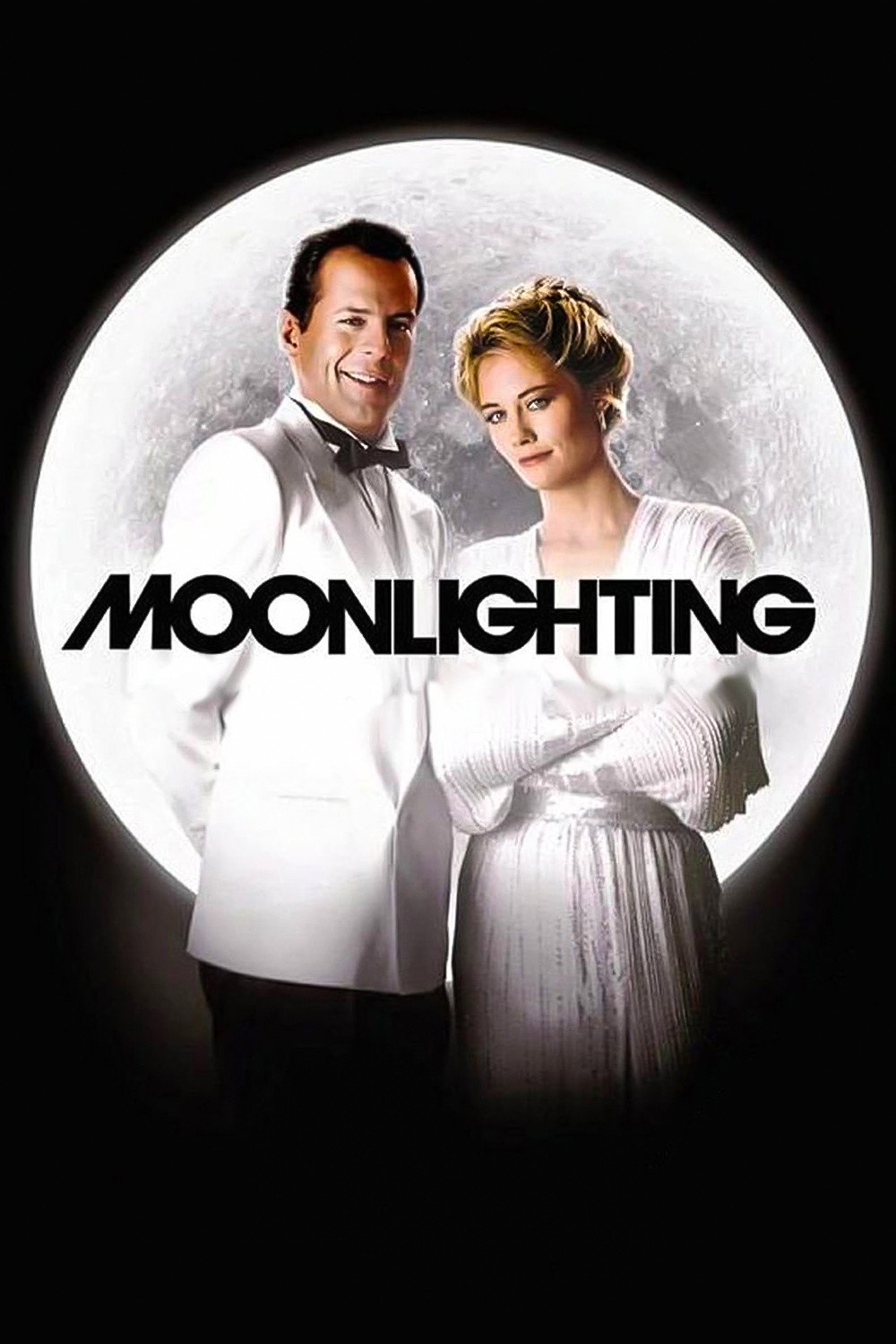
Krasny directed numerous episodes of Mission: Impossible from 1968 to 1973, as well as episodes of Mannix, CHiPs, Hart to Hart, Miami Vice, MacGyver and Moonlighting. He also directed television films and miniseries episodes, including parts of Centennial (1978–1979). He received a Primetime Emmy Award for film and sound editing on Mission: Impossible.