We recommend Miami Vice for its compelling leads, expressive music and the sadness beneath the pastel clothes. The early seasons are the strongest; later episodes expose storytelling that cannot always match the care given to the images.
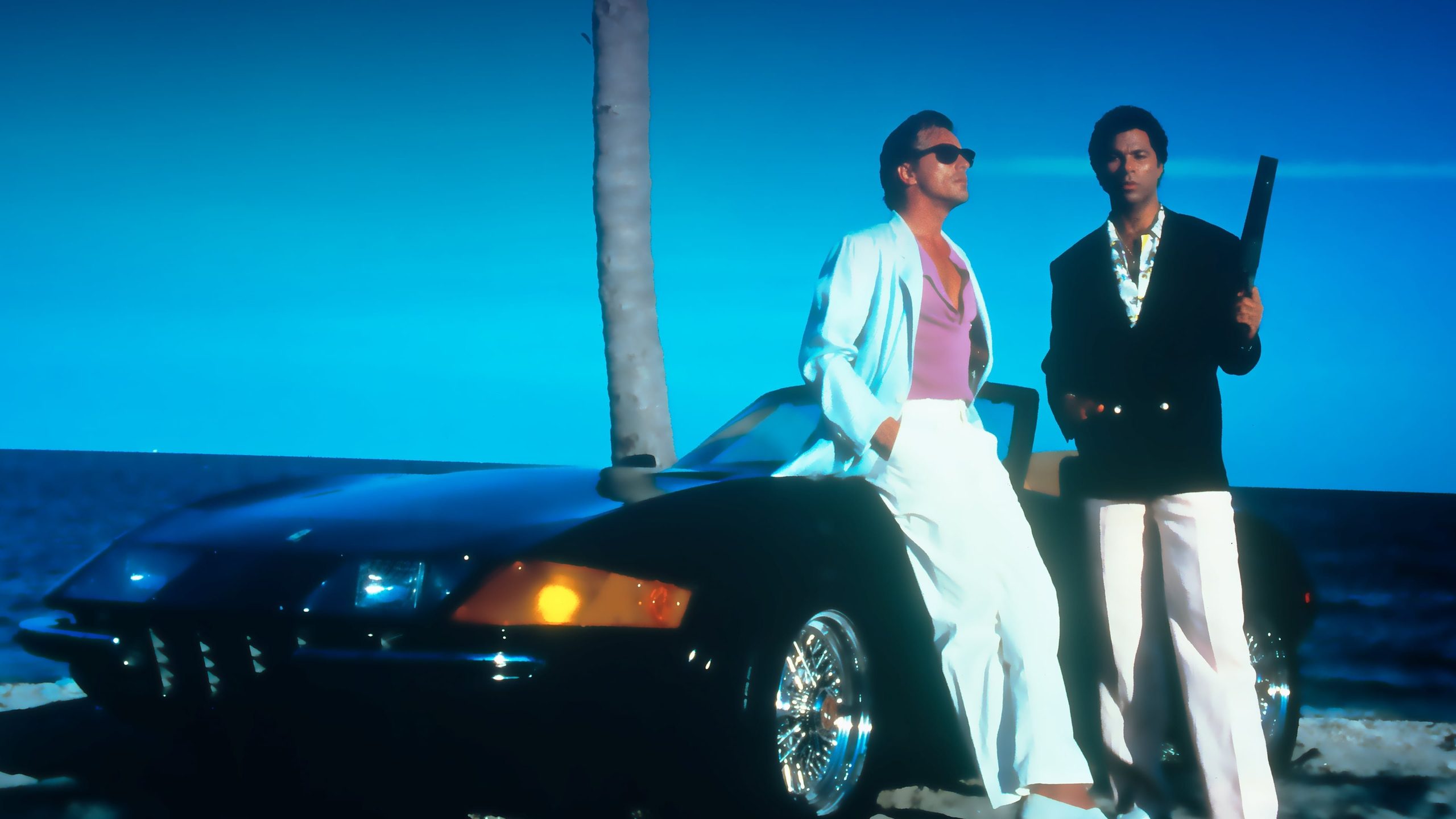
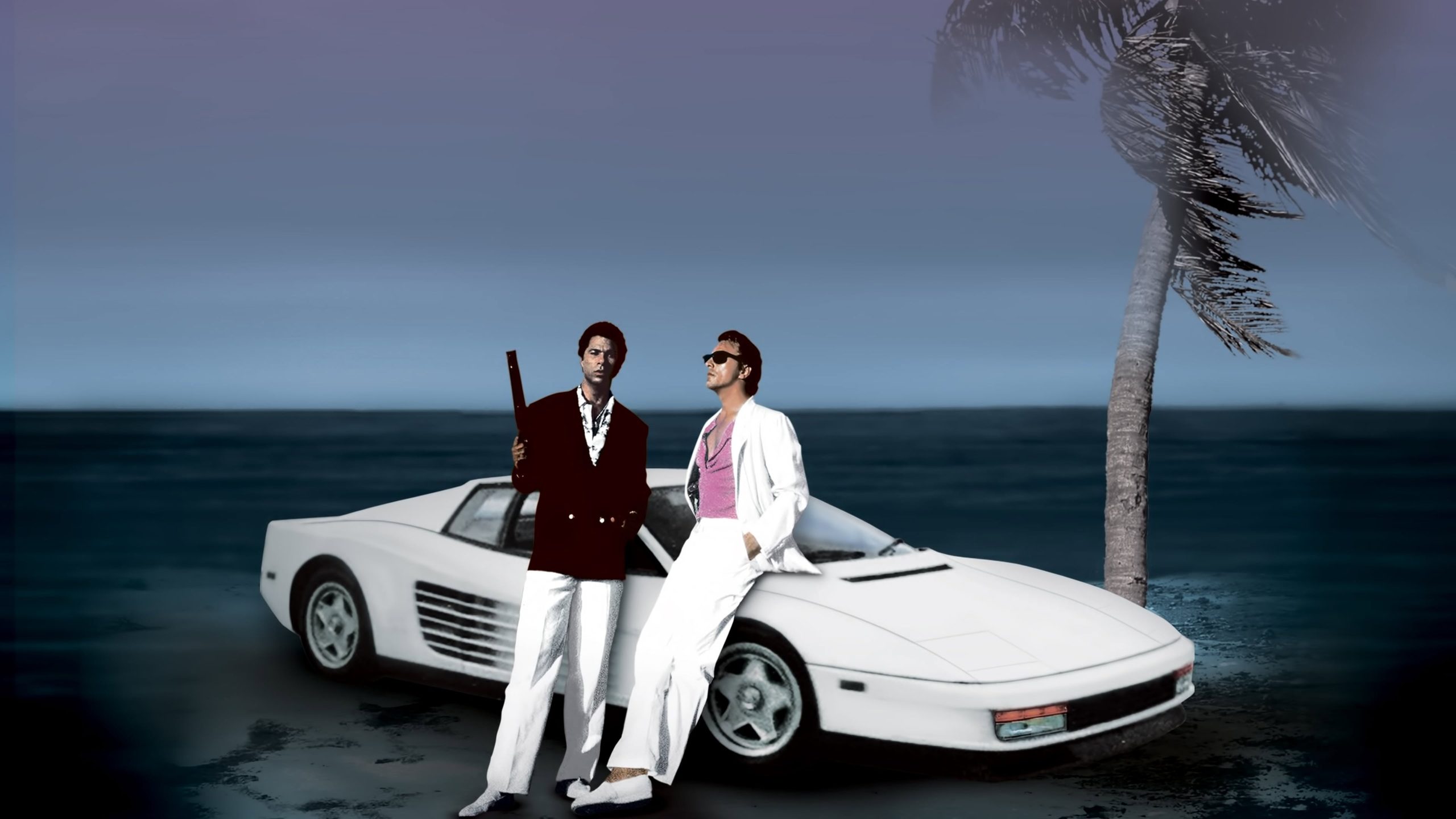
Created by Anthony Yerkovich, Miami Vice makes a persuasive case for taking the appearance of a police drama seriously. The pastel clothes and prominent music can look like distractions, but they help make the central men attractive before the stories start to trouble our pleasure in watching them. We recommend it, with a substantial allowance for uneven storytelling across its five seasons. The strongest stretches give their stylish leads enough unhappiness to make all that polish feel uncomfortable.
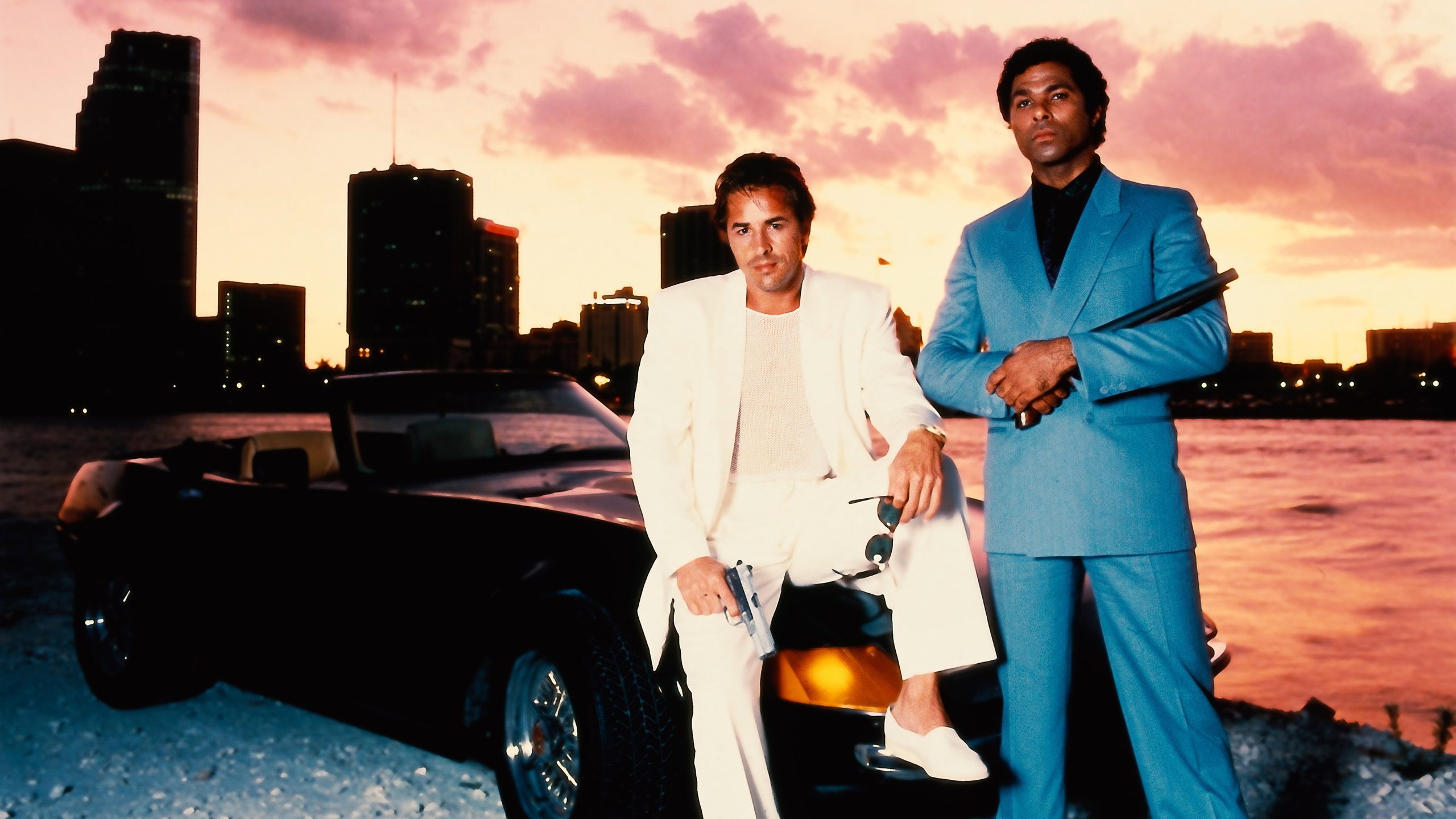
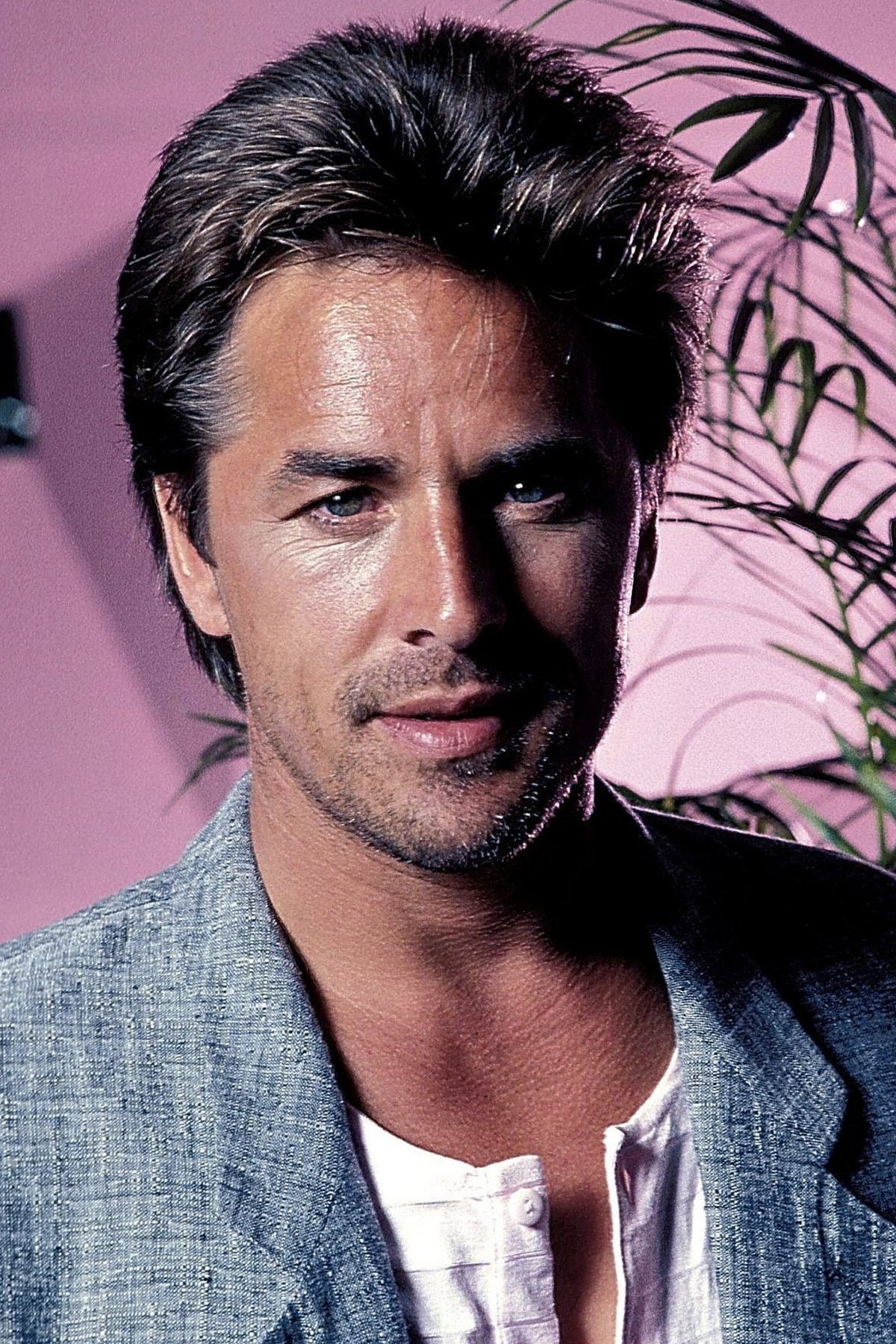
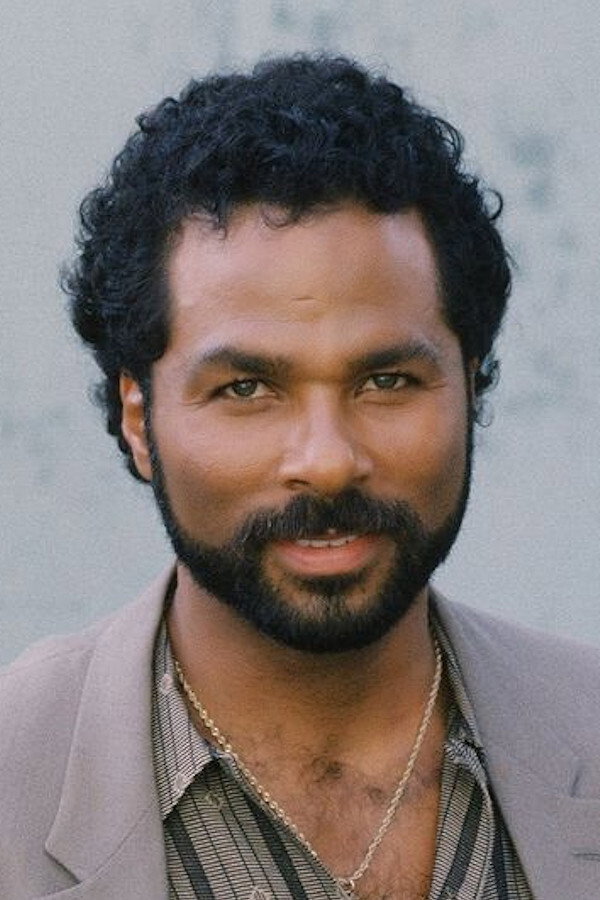
Don Johnson, as Sonny Crockett, and Philip Michael Thomas, as Rico Tubbs, make the attention paid to clothes and attitude worthwhile. We need to find these men compelling before their dissatisfaction can trouble us, and the performances make that investment easy. Edward James Olmos gives Martin Castillo a welcome gravity, without making seriousness look like an effort. There is a pleasure in simply spending time with this cast, which matters in a programme that so often lets the case wait.
The cinematography, with Oliver Wood and Robert E. Collins among those responsible, gives colour a proper dramatic function. Pastels encourage us to enjoy the surface before the grimmer police stories make that enjoyment uneasy; the visual choices keep affecting how we read the people. There are passages in which the clothes seem to have received more thought than the case. Even when an investigation fails to grip us, we keep watching for the colour and the way the people occupy the screen.
Editors including Douglas Ibold and Dov Hoenig help give the series room for its music-led passages, where the forward movement of a case can briefly stop mattering. Jan Hammer’s music is central to that experience, taking on some of the work that dialogue would otherwise have to do. We found the montages unexpectedly melancholy, because they allow the leads’ unease to linger instead of hurrying towards another piece of police business. The music can carry more feeling than the surrounding script has earned, but those pauses are also where the programme most often gets through to us.
The weaker later episodes expose how much the series depends on those resources. Once the visual approach becomes familiar, weak writing becomes harder to overlook, and a sombre mood can start to feel like an instruction to take ordinary material seriously. We prefer the early seasons, where the stories give the actors more convincing reasons to look so troubled. The writing needs to give these people enough to do; looking burdened cannot sustain every episode.
For a police series, the unusual pleasure is being allowed to sit with a mood after the plot has done its immediate business. We would not make grand claims for every story here, or treat visual influence as a substitute for good writing. There is enough feeling in the strongest episodes to make the commitment worthwhile. Start at the beginning and take it an episode at a time; its unevenness becomes harder to forgive when several cases run together.