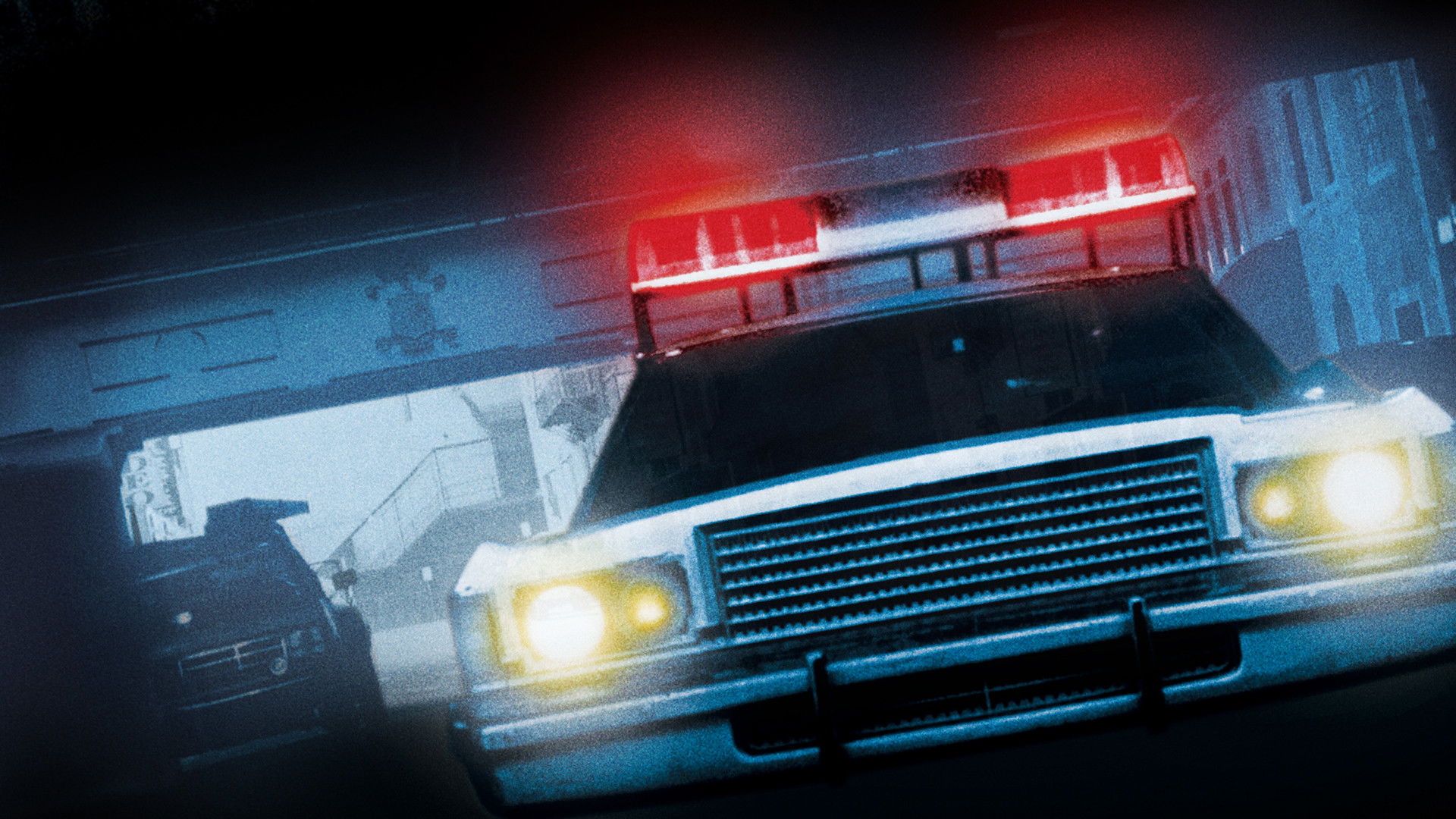
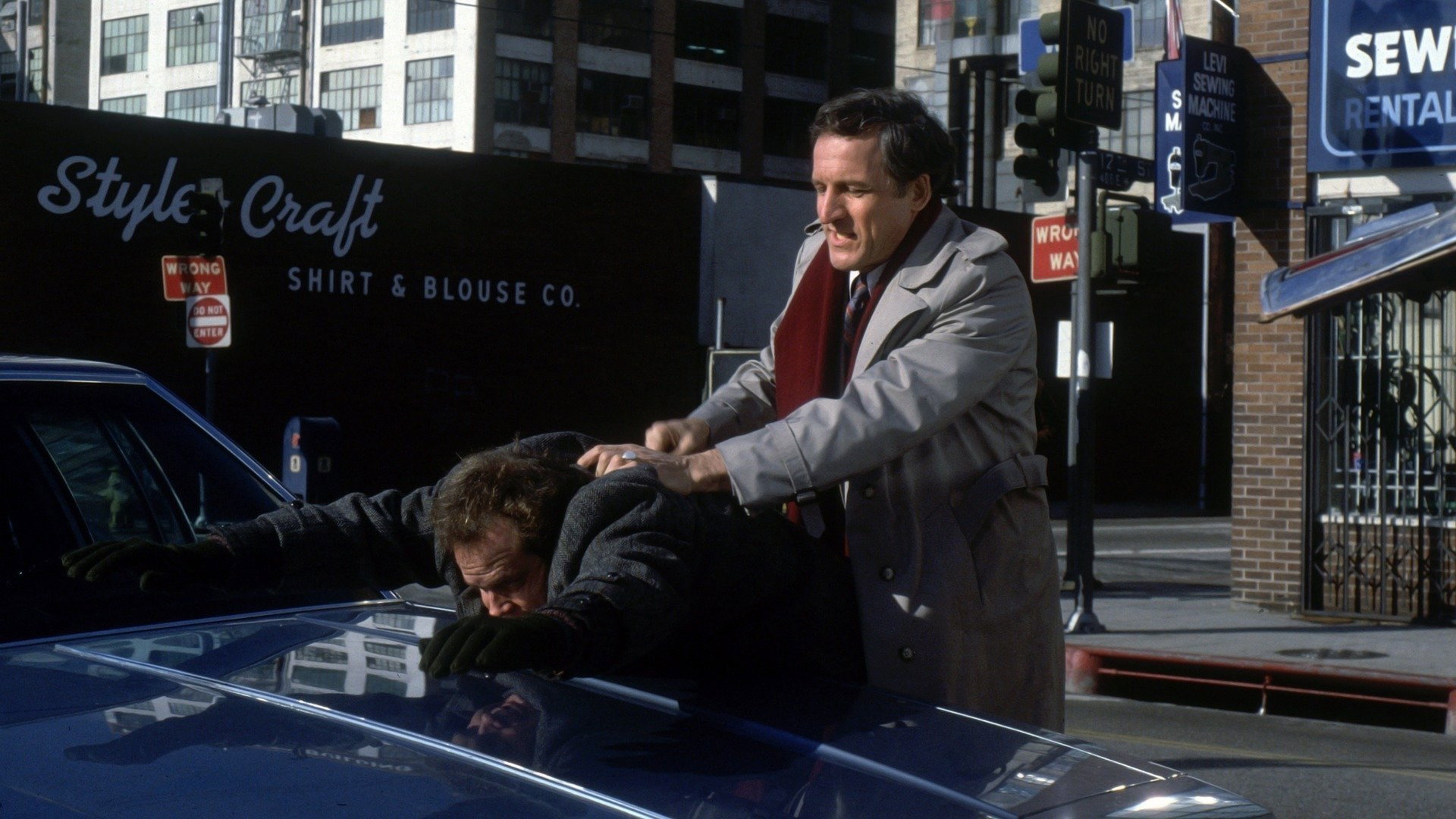
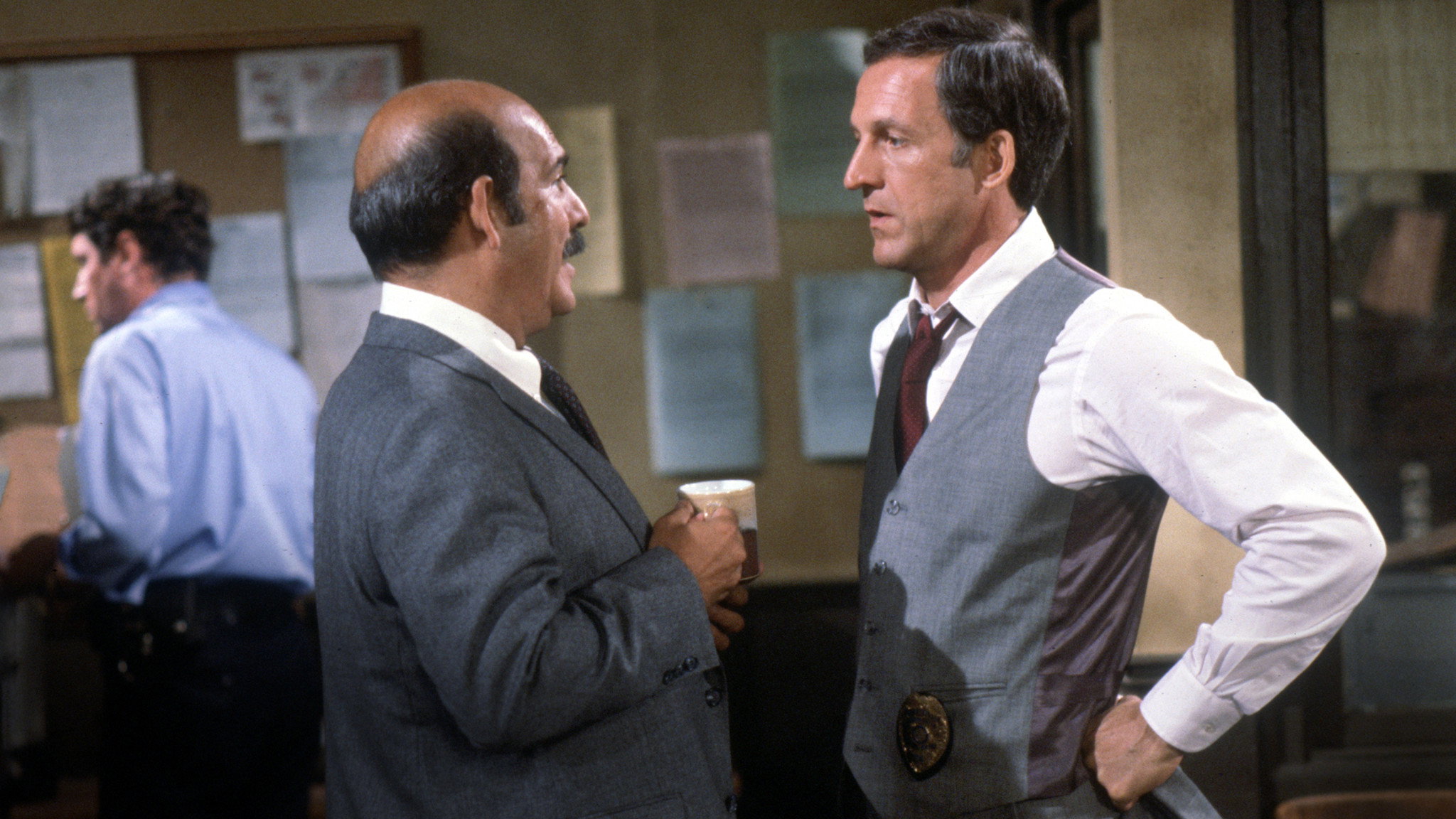
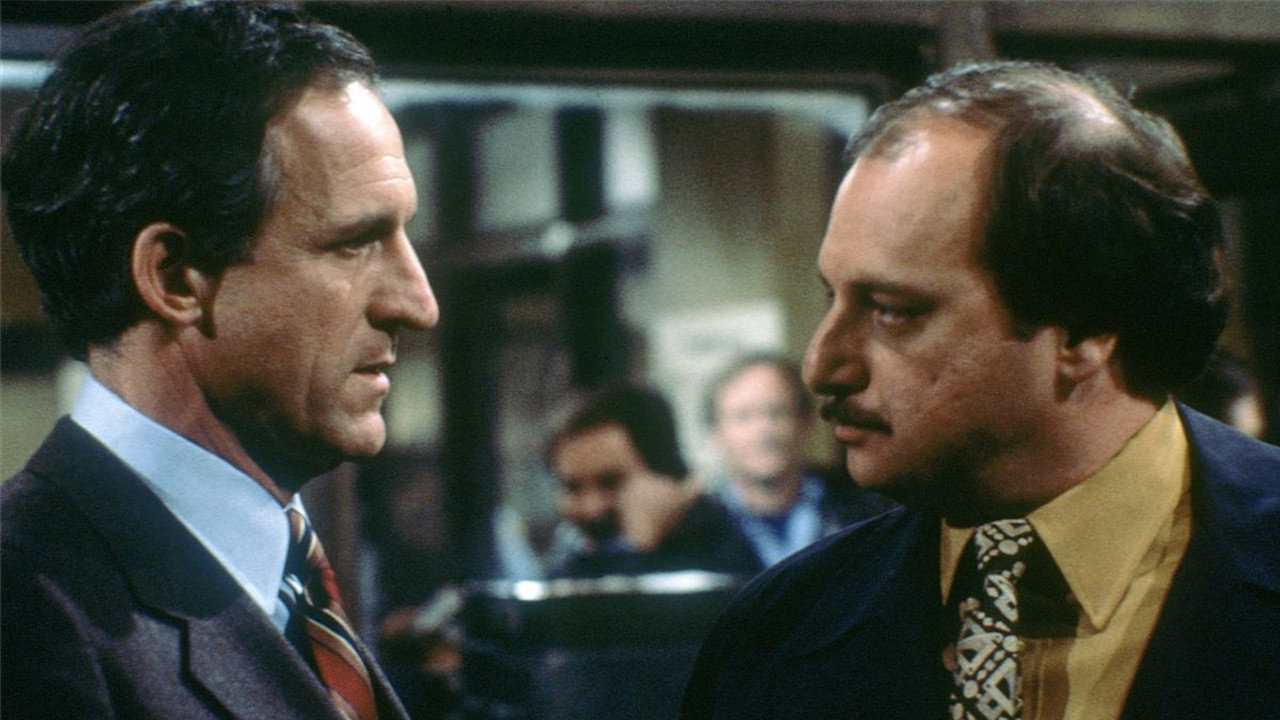
We recommend Hill Street Blues for the people as much as the police work. Its crowded storytelling asks for attention, and some of its characterisation has dated, but the compassion still holds.
Hill Street Blues is absorbing television, with a demanding ensemble and enough compassion to justify the time spent learning its names. Steven Bochco’s series gives police officers personal difficulties that do not disappear when an investigation ends, and lets stories continue across episodes. The result can be untidy, but tidiness would make these people less convincing. We recommend it with a reservation about some broad characterisation, which occasionally makes the programme look older than its storytelling feels.
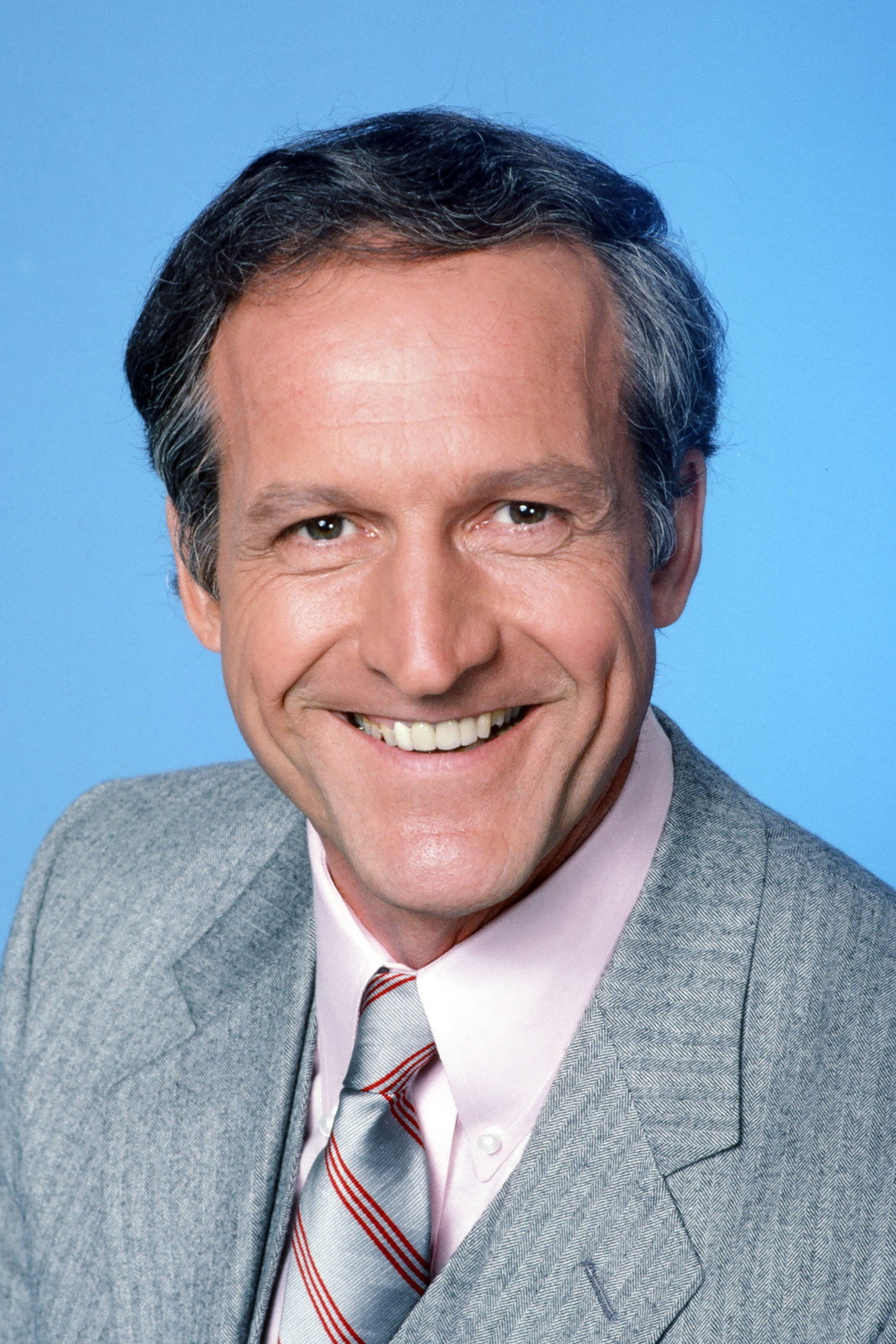
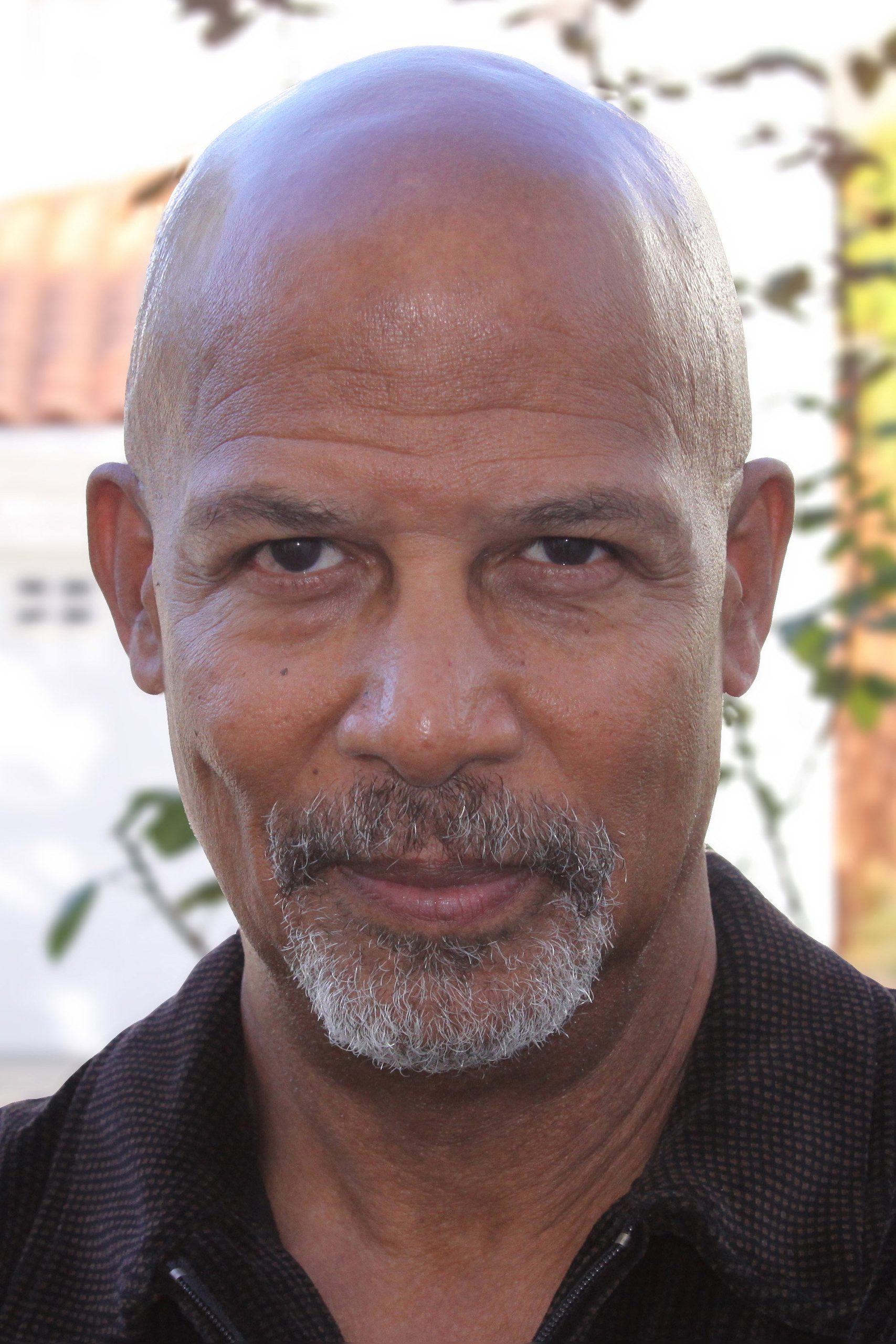
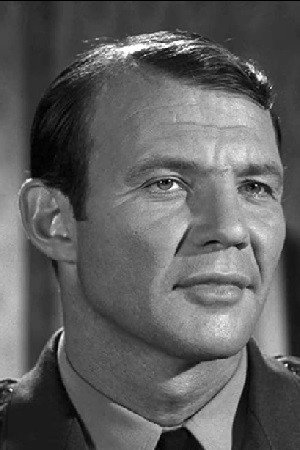
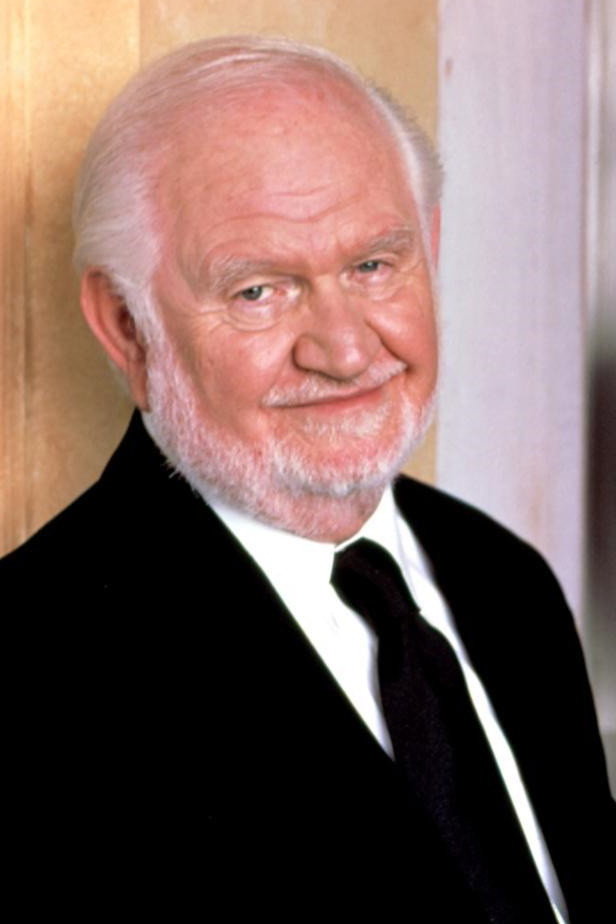
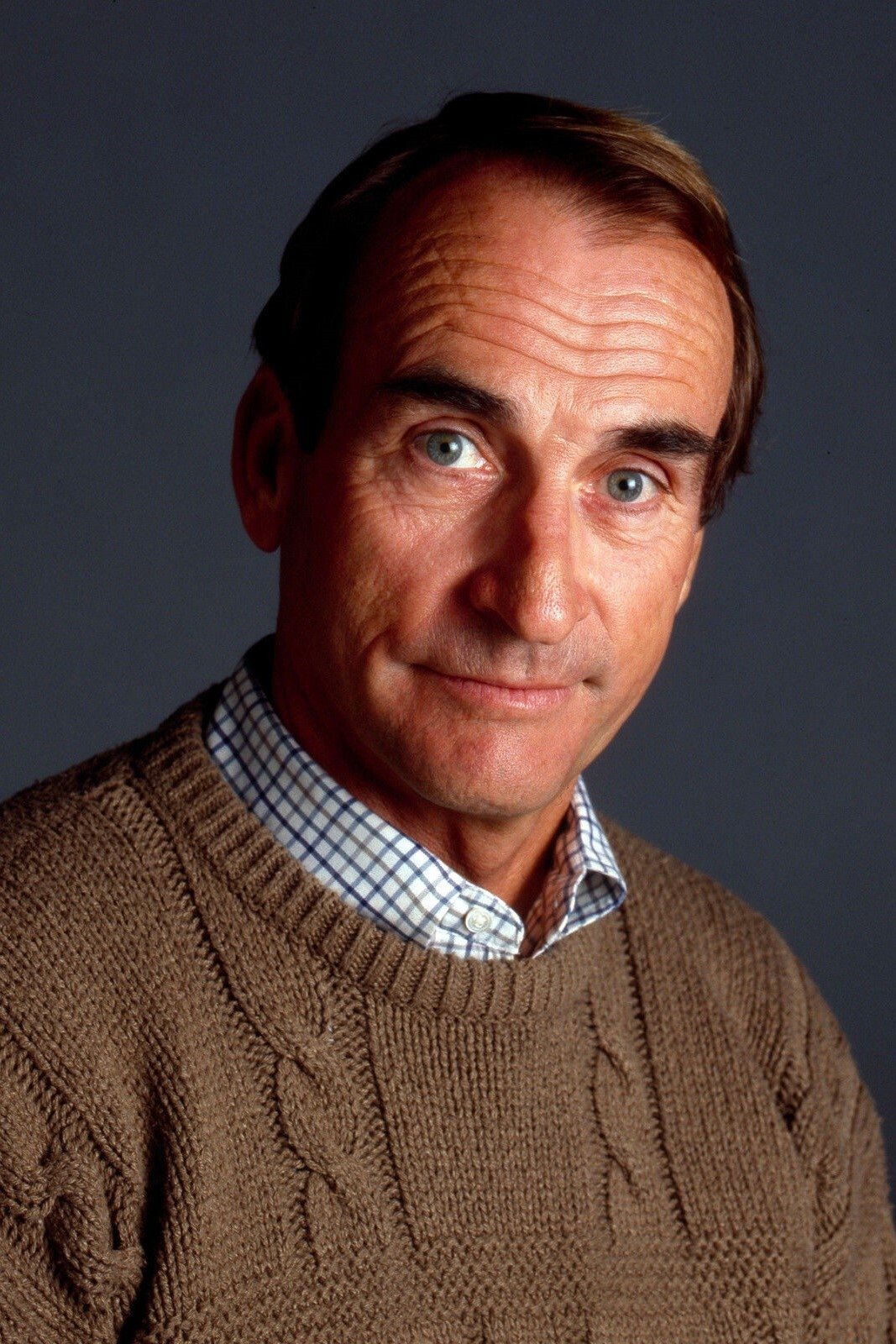
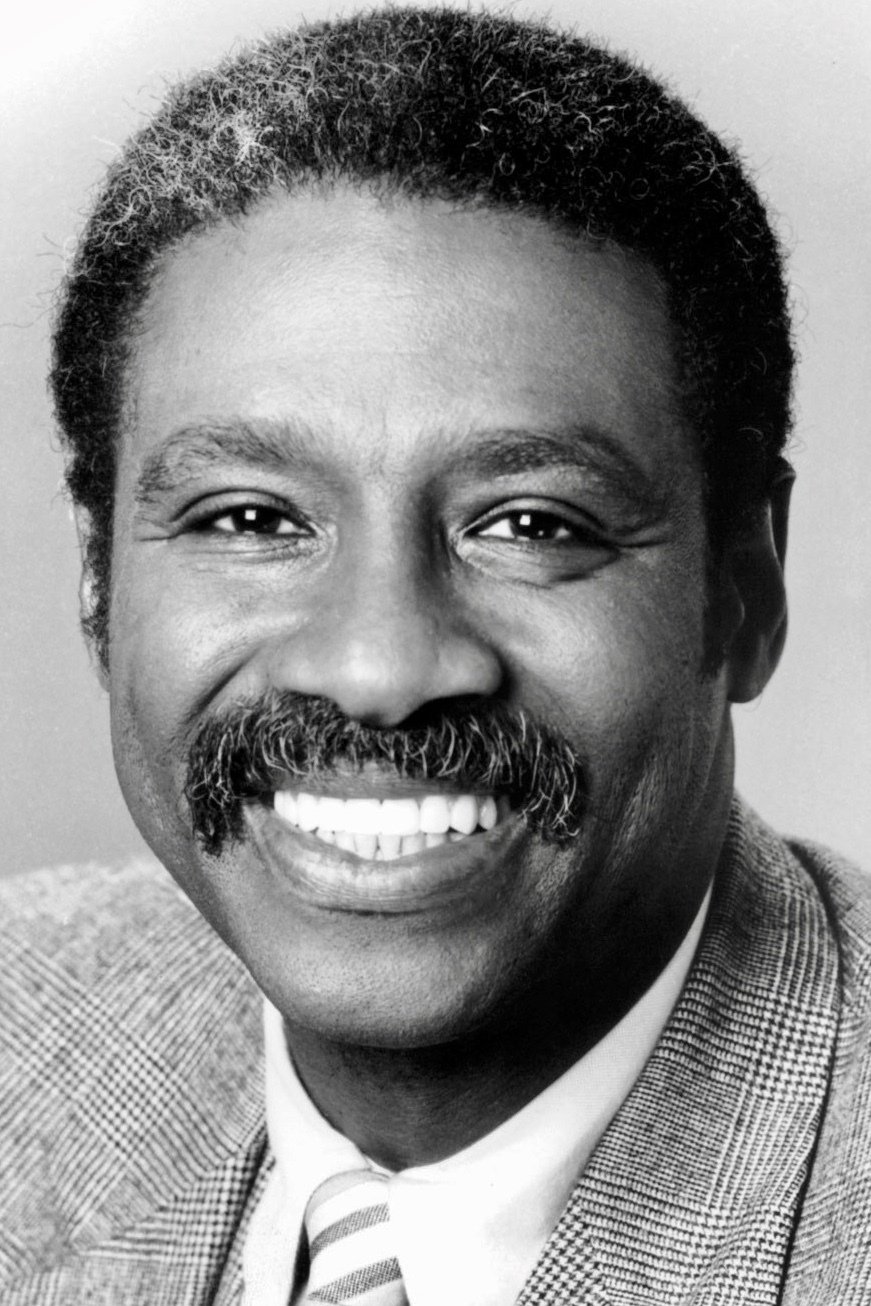
Daniel J. Travanti’s Frank Furillo gives the ensemble a valuable steadiness without making calmness look easy. We were moved by the strain beneath his restraint: he makes the effort to remain reasonable seem exhausting. Michael Warren as Robert Hill and Bruce Weitz as Mick Belker bring markedly different energies, so that moving between characters means more than changing the name attached to a problem. Their performances make the continuing stories worth following even when there is no immediate prospect of a neat resolution.
Betty Thomas’s Lucille Bates matters for similar reasons. Her convictions feel like beliefs she has had to defend, and the performance gives the social questions a human weight that a speech alone could not supply. The series takes those questions seriously without requiring its characters to become models of good conduct. Its sympathy for the officers is sometimes generous to a fault, but the attention to their emotional difficulties gives the ensemble plenty to play beyond professional competence.
The cinematography of John C. Flinn III and William Cronjager helps make the ensemble feel like people with lives beyond their allotted scenes. The photography has a roughness that suits the pressure of the work, without turning every difficulty into an occasion for grand visual emphasis. It keeps attention on the performances, which is where the series earns our patience with the number of people and stories it wants us to follow.
Editors Tom Stevens and David Rosenbloom help keep that changing focus clear without draining it of uncertainty. The cutting accommodates unfinished stories; we are allowed to wonder what happens next without constantly being reassured that a solution is coming. Mike Post’s music supplies a welcome tenderness, acknowledging feelings that the officers cannot always stop to examine. Occasionally that warmth does a little too much of the emotional work, but it belongs to a programme interested in what the job costs its characters.
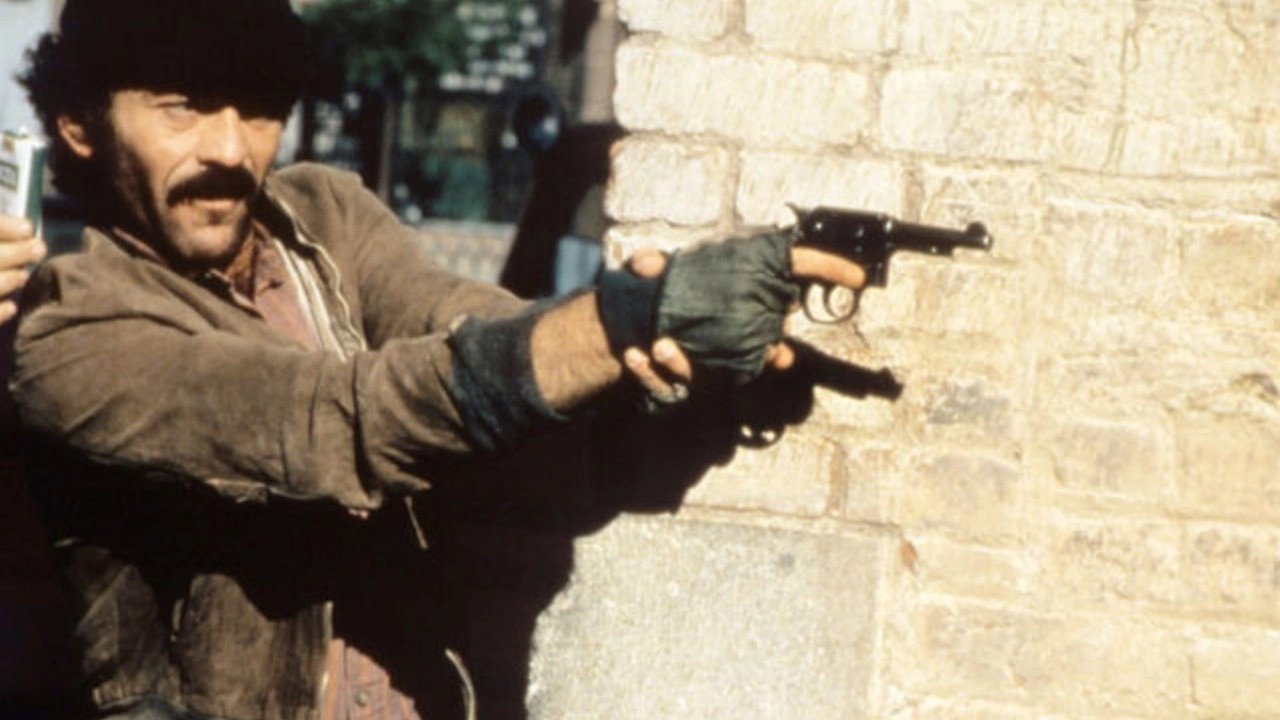
The broadness is harder to forgive. Bruce Weitz’s Mick Belker can seem too insistently colourful, as though the programme is anxious that a quieter eccentricity might go unnoticed. Such characterisation has dated more obviously than the overlapping stories, and it can make an otherwise convincing group briefly resemble a collection of television personalities. The cast usually brings us back, but these are the stretches where we feel the writing asking for an indulgence it has not quite earned.
Later police series have made this mixture of continuing stories and damaged working lives familiar. Hill Street Blues still earns its place beside them through the attention it gives to people who are difficult, tired or simply unable to leave their troubles at work. Knowing its influence is not necessary to enjoy their company. Give it an evening with the phones put away; the changing focus rewards attention.