Robert Florey’s distorted sets and dramatic lighting give his horror films an unease worth seeking out. We recommend starting with his Peter Lorre films; the more celebrated titles in his credits can be misleading guides to his direction.
Fi1m perspective
The distorted Paris sets of Murders in the Rue Morgue (1932) make the surroundings part of the threat. Bela Lugosi is the name likely to attract attention, but Florey gives us a reason to look beyond the actor. His dramatic lighting and warped scenery draw on German expressionism, a useful resource for a director repeatedly working in horror, mystery and crime. We like the way he makes a setting do more than establish where the story happens.
The experimental streak was already there in The Life and Death of 9413: A Hollywood Extra (1928), co-directed with Slavko Vorkapić. Much of his work through the 1930s and 1940s was in studio second features, where his reputation rested on reliability. Peter Lorre starred for him in The Face Behind the Mask (1941) and The Beast with Five Fingers (1946). The former offers strong central acting; the latter gives him room for atmospheric horror and inventive sound and camerawork.
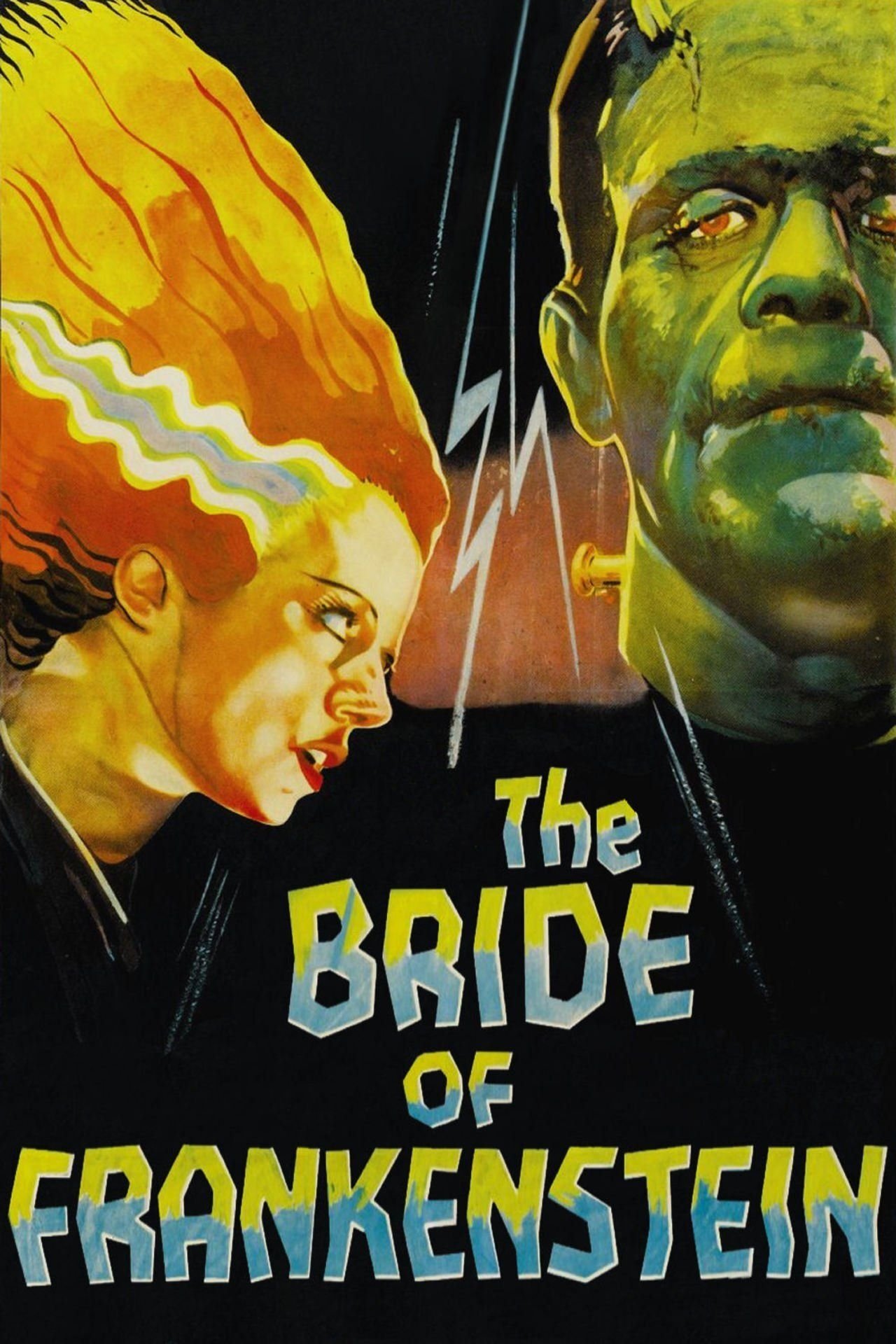
Bride of Frankenstein (1935) needs to be kept separate from those directing credits. Florey contributed to the story; James Whale directed, and our affection for the film rests on the way laughter is allowed without diminishing the creature. We were moved by Boris Karloff’s performance because the humour never costs him our sympathy. Ernest Thesiger contributes to that unusually humane horror film, though Elsa Lanchester is given less time than she deserves.
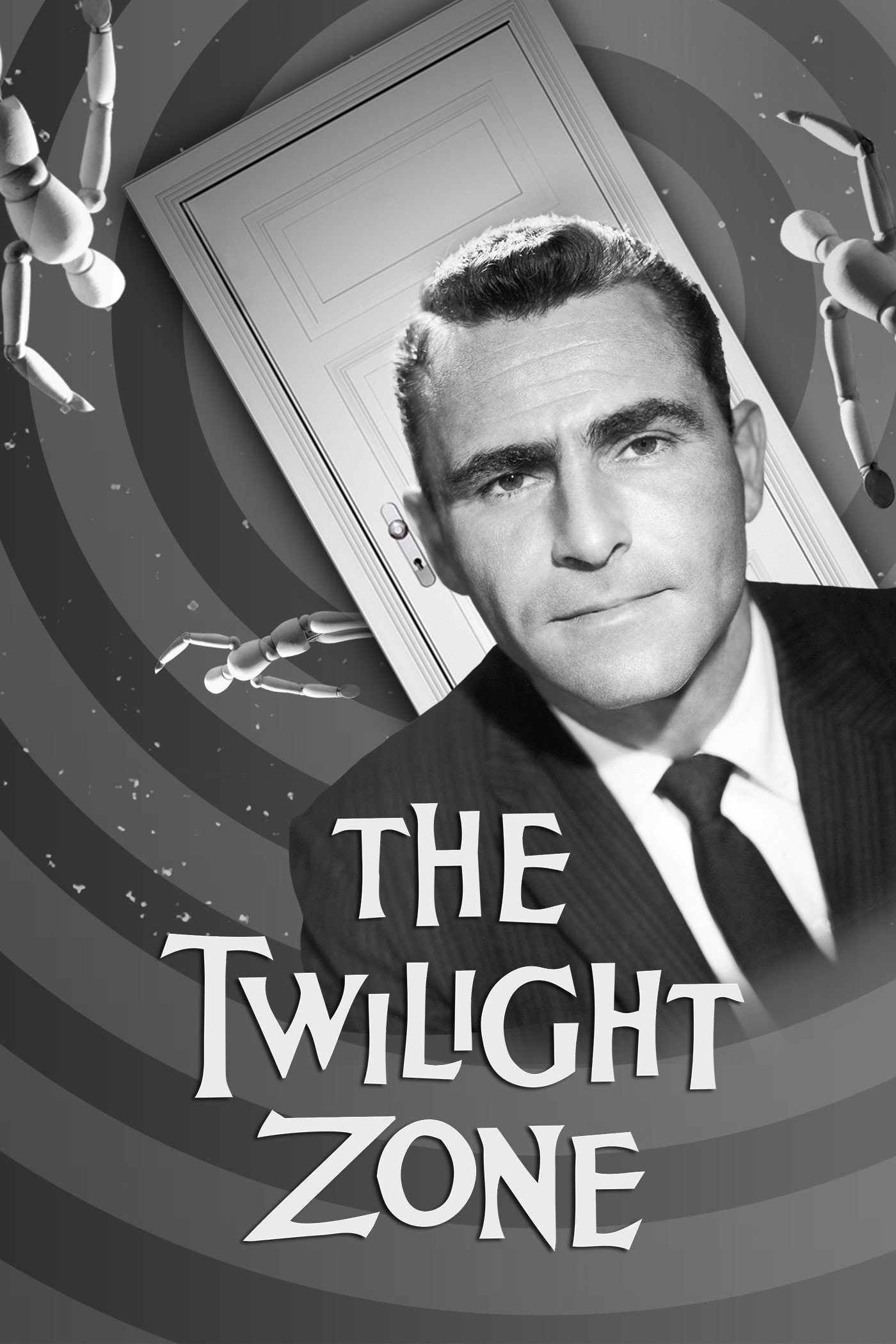
By the early 1950s, Florey was working primarily in television, bringing stylistic flourishes to anthology and drama episodes. His television directing credits include The Twilight Zone (1959), which we recommend warmly, one story at a time. Its disciplined storytelling and careful craft earn the unease, although the weaker entries cannot fulfil the promise of their premises. That recommendation applies to the series; it should not be taken to mean that Florey directed every episode we admire. For a feature-length introduction to his direction, try The Beast with Five Fingers.
Biography
Robert Florey (14 September 1900 – 16 May 1979) was a French-American film and television director, screenwriter and journalist. Born Robert Fuchs in Paris, he began working as a film journalist in the early 1920s before moving to the United States, where he assisted directors including Louis Feuillade and later worked in Hollywood studios.
Florey directed more than fifty features, beginning with experimental shorts such as The Life and Death of 9413: A Hollywood Extra (1928). His feature credits include The Cocoanuts (1929), Murders in the Rue Morgue (1932) and The Beast with Five Fingers (1947). He contributed the story for Bride of Frankenstein (1935) and served as assistant director on Monsieur Verdoux (1947).
From the early 1950s he worked extensively in television, directing episodes of series including Alfred Hitchcock Presents, The Twilight Zone (three episodes, 1959–1964) and The Outer Limits. He also wrote several books on cinema history.