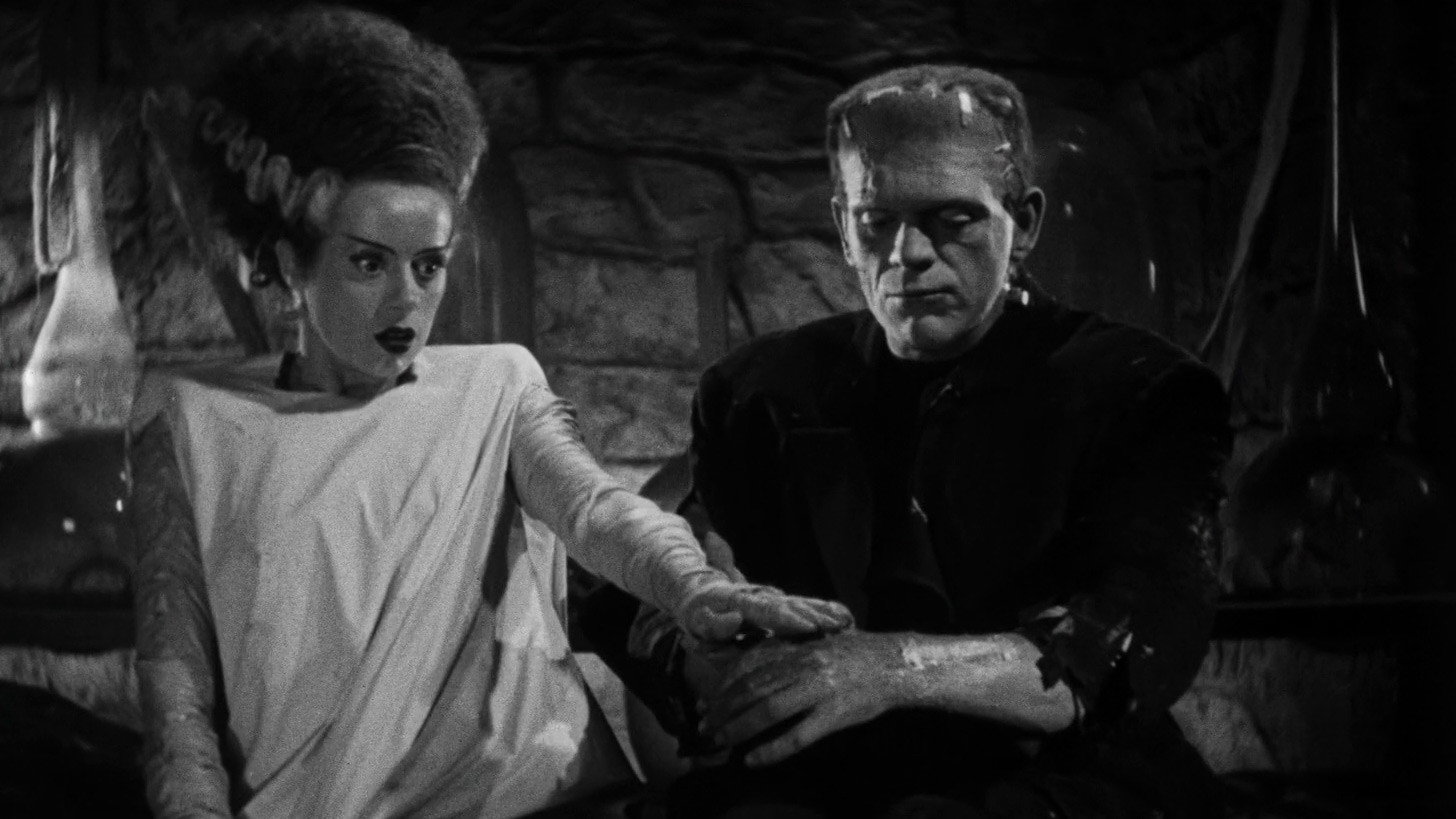
James Whale makes room for laughter without treating the creature as a joke. Boris Karloff and Ernest Thesiger make this an unusually moving horror sequel, though Elsa Lanchester deserves more of its 75 minutes.
James Whale understands how ridiculous the business of making people can look, and lets us laugh without losing interest in the people being made. Bride of Frankenstein is an excellent horror sequel, strange, funny and tender enough to make its cruelty hurt. Its 75 minutes accommodate Gothic menace, a scientist who seems to be enjoying himself far too much, and a creature whose feelings matter. The shifts can be abrupt, but he usually knows when to stop the joking.
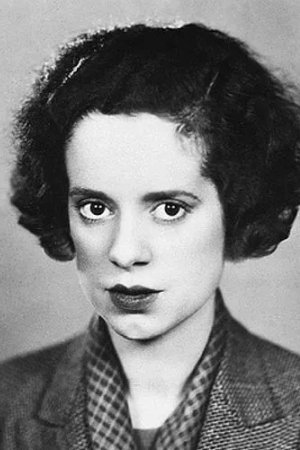
The opening gives Elsa Lanchester the role of Mary Wollstonecraft Shelley, framing the story before the horrors resume. That decision makes room for playfulness from the start: someone is telling this tale, and the film lets us notice the telling. The screenplay by Edmund Pearson and William Hurlbut puts horror, satire and whimsy alongside one another without apologising for the changes. For a sequel, that is a welcome ambition; repeating the familiar fright would have been easier.
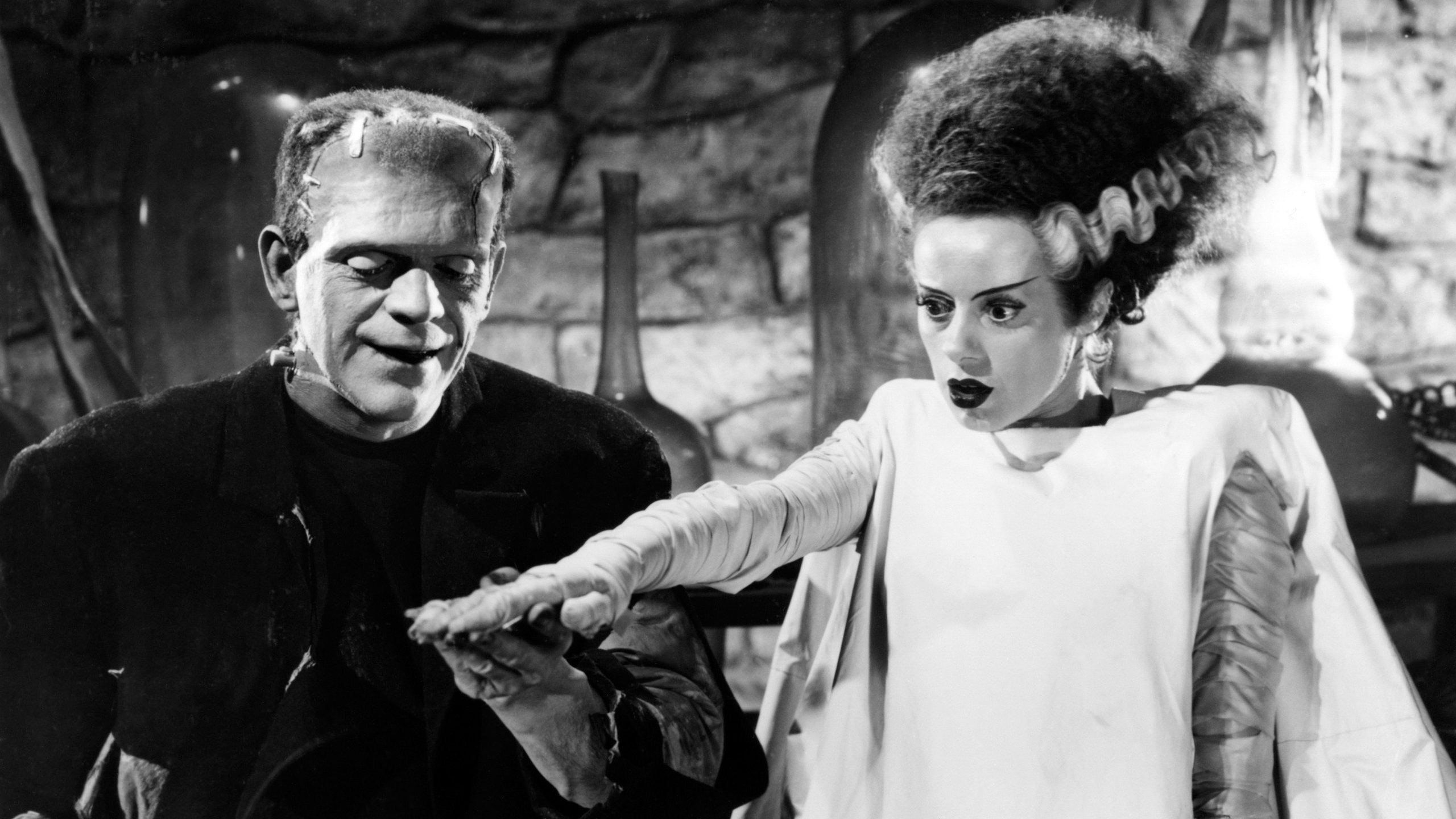
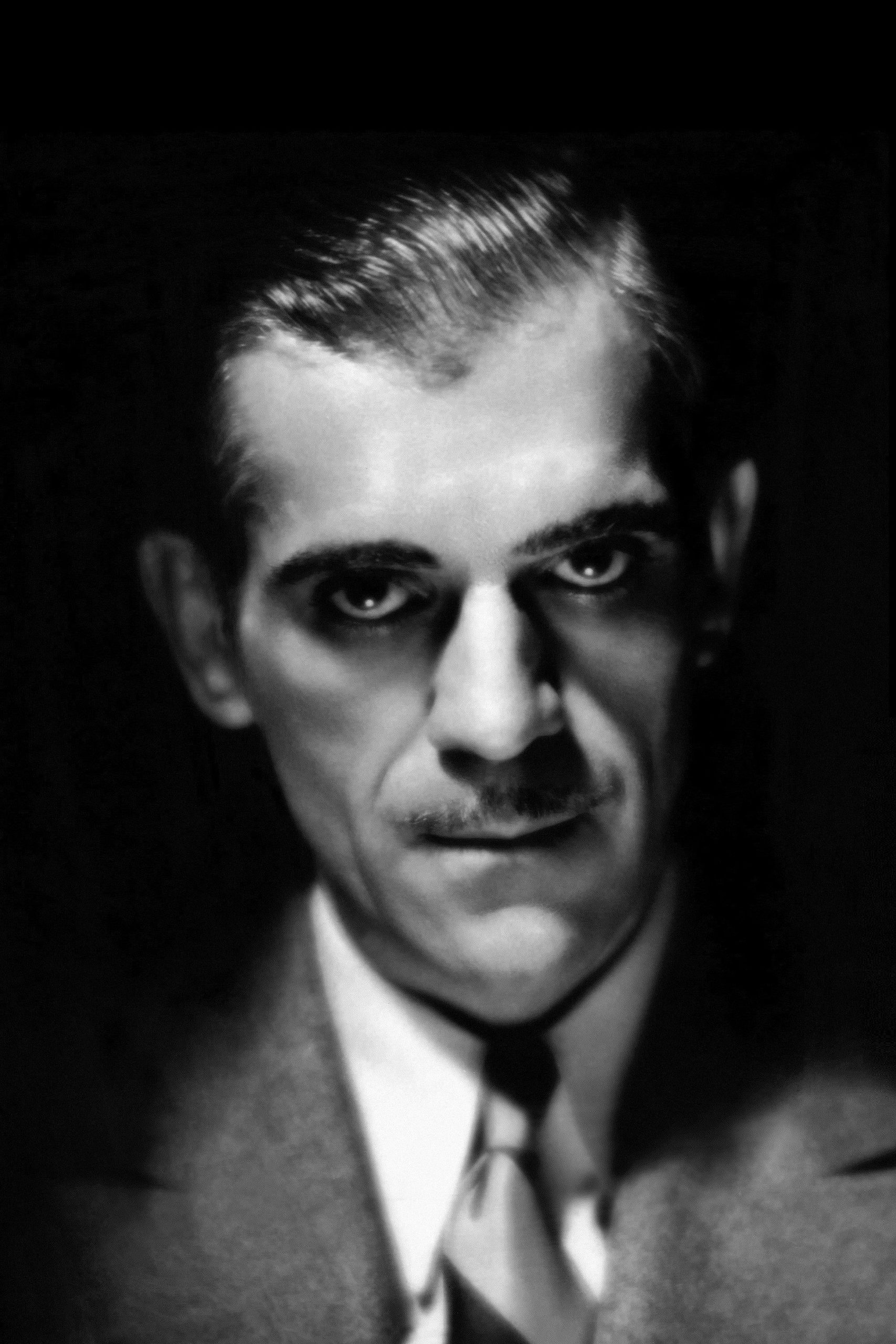
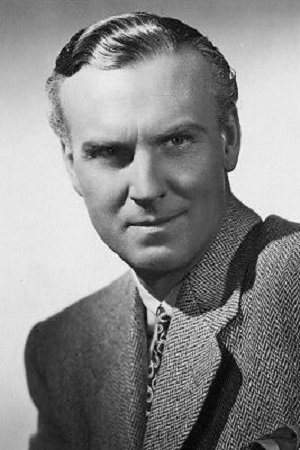
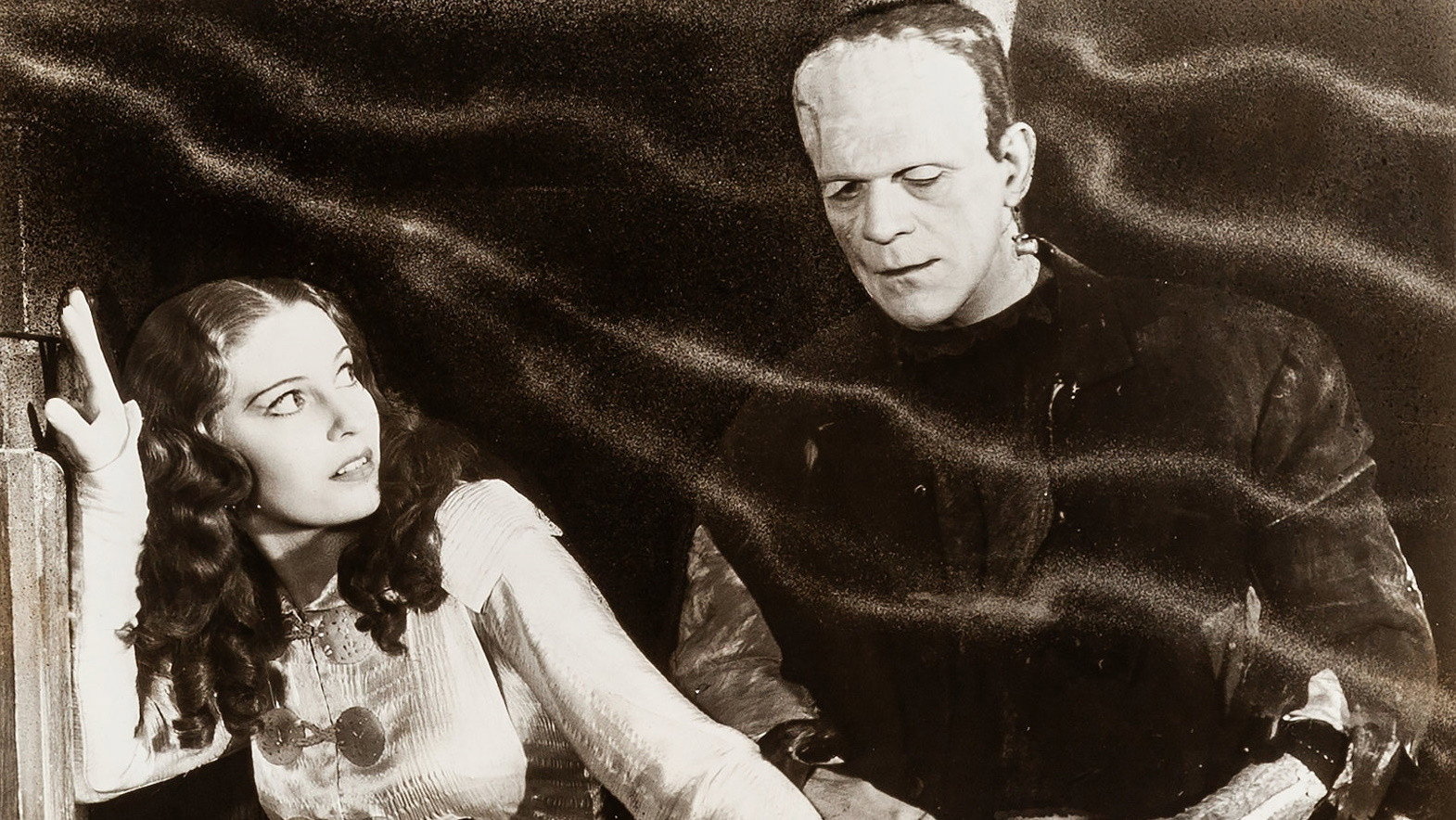
Boris Karloff supplies the reason to care when the film becomes most peculiar. His Monster has speech, but the emotion does not depend simply on being able to explain himself; the actor gives the creature’s demands a child’s urgency without making him harmless. We were moved by the effort in his speaking, because getting words out does so little to make him seem less isolated. The performance permits neediness, anger and the possibility of violence to occupy the same moment. Pity never requires us to forget that he is dangerous.
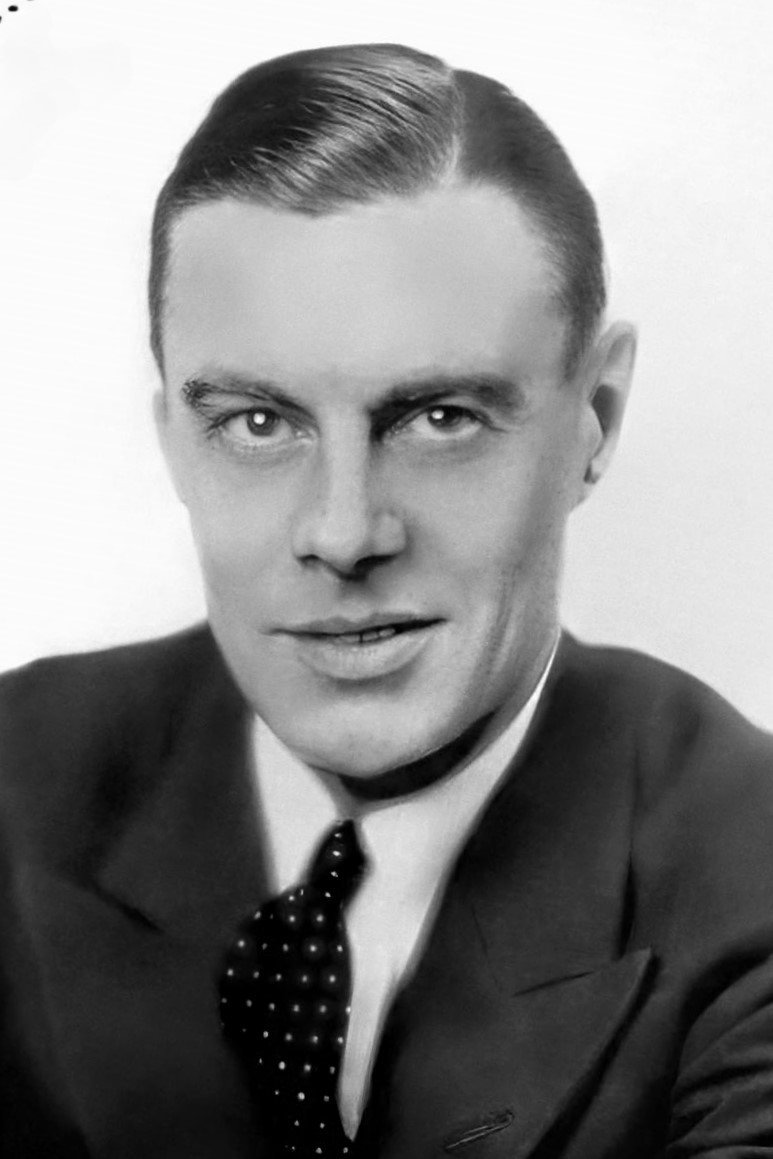
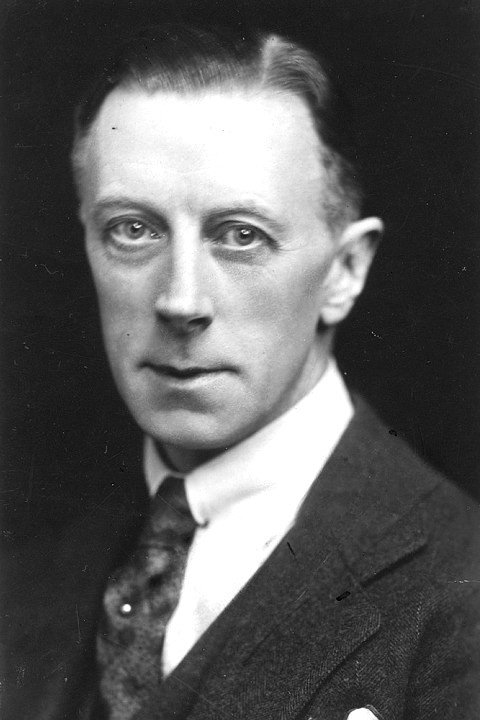
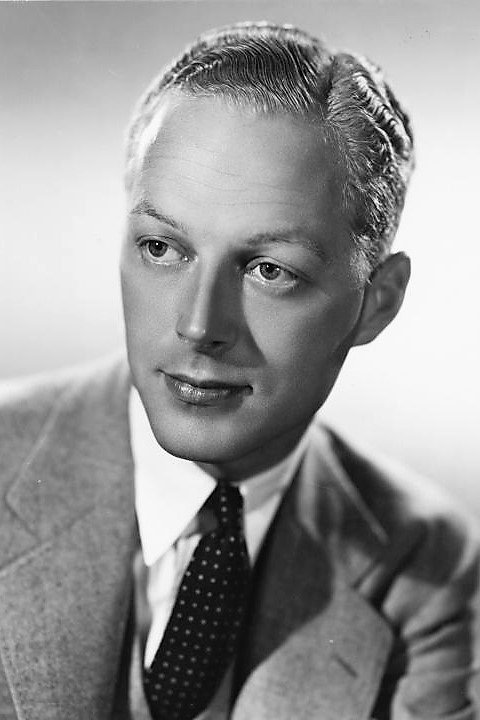
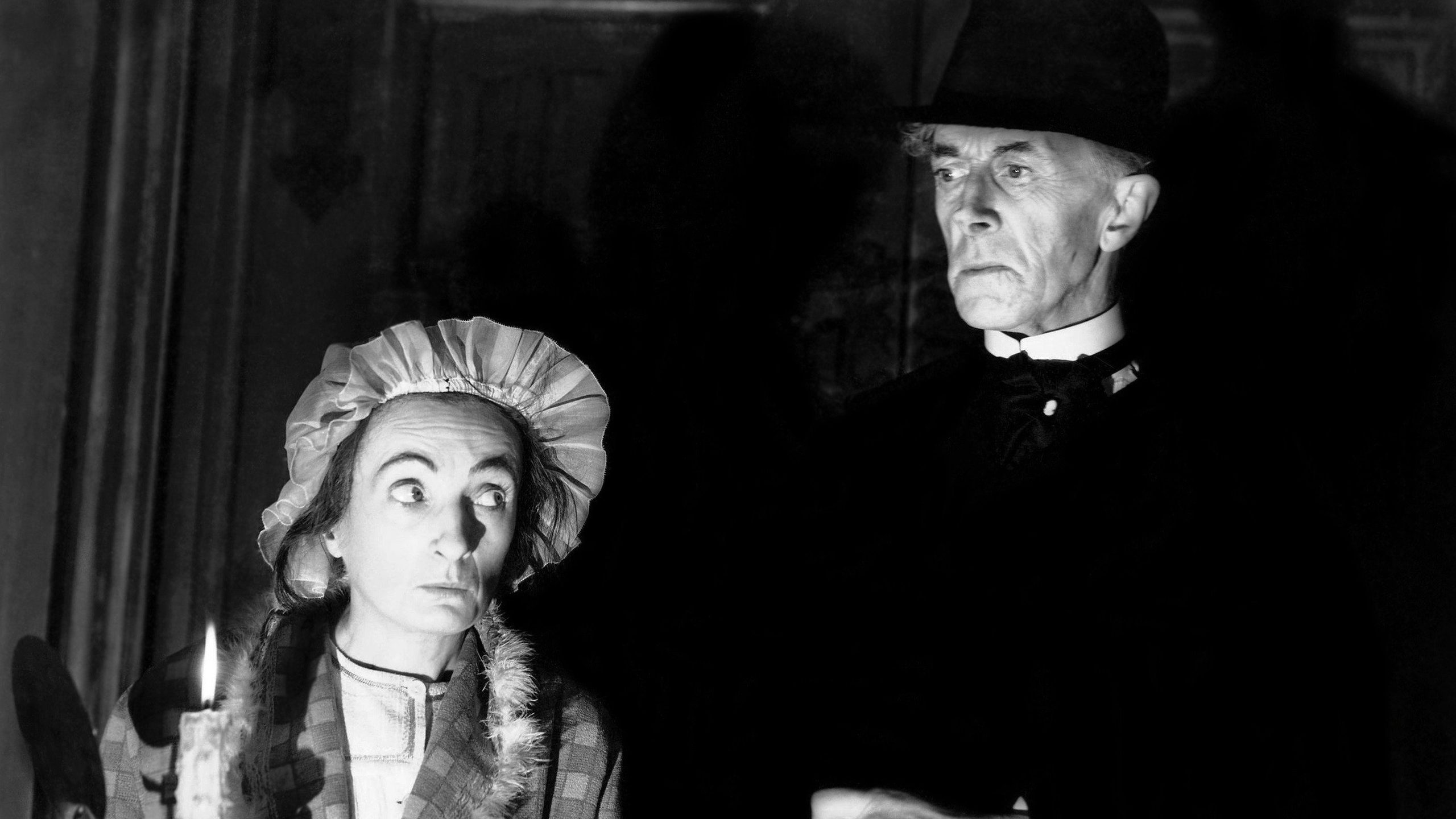
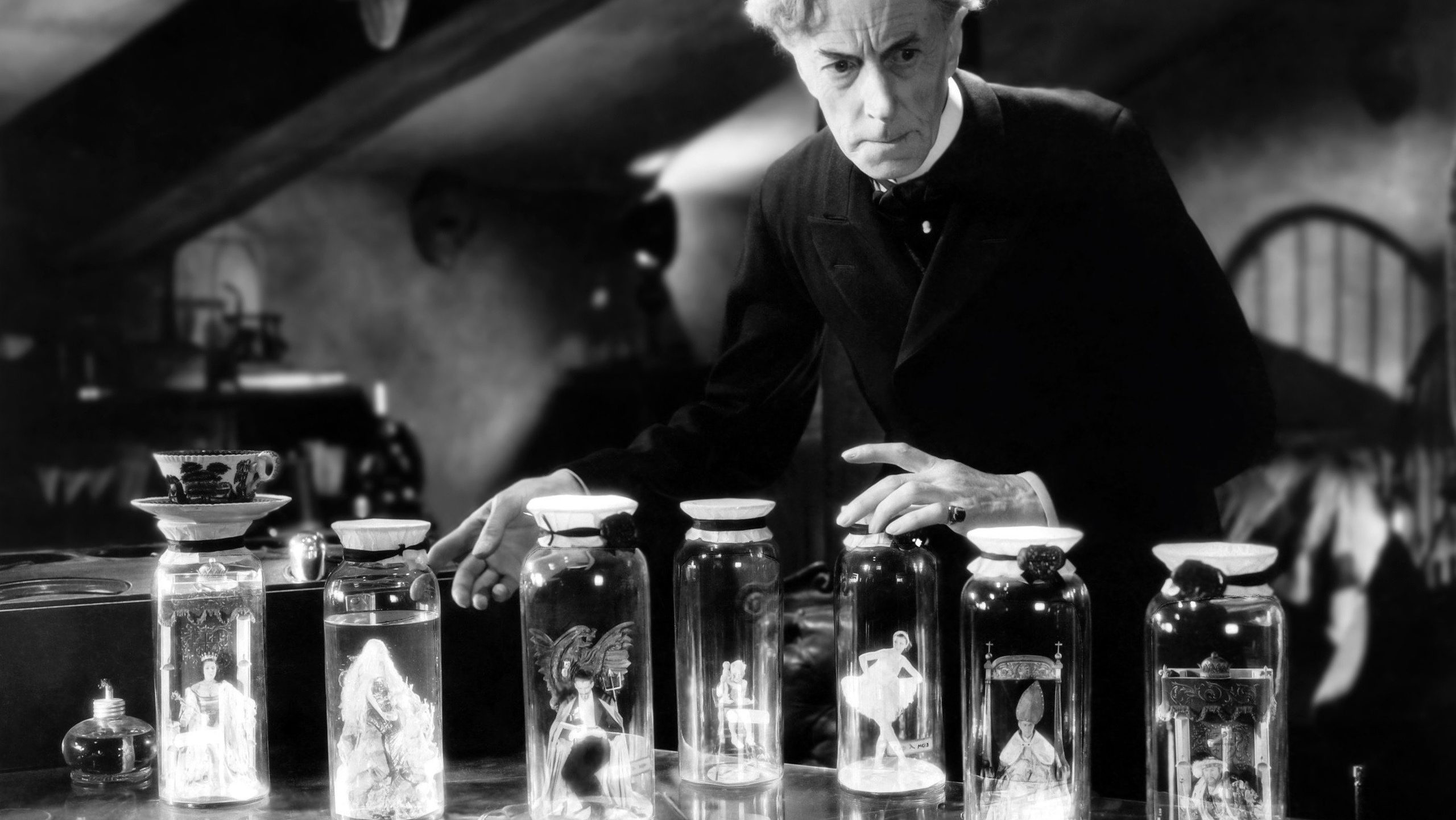
Ernest Thesiger makes Doctor Pretorius so entertaining that his interest in creation begins to seem a particularly unhealthy hobby. His flamboyance suits a film willing to let its scientists look absurd, and he makes the absurdity faintly threatening. Colin Clive plays Henry Frankenstein at a much more feverish pitch, which can become wearing beside his fellow doctor’s assurance. That agitation also gives the experiments a useful sense of human strain: Henry makes scientific obsession look exhausting.
John J. Mescall’s expressionist photography makes the Gothic settings feel oppressive even when the acting invites laughter. The sets do not become harmless simply because somebody in them is funny, and their exaggeration gives Doctor Pretorius somewhere his theatrical behaviour belongs. Franz Waxman’s music helps sustain the feeling through these changes of tone, keeping the creature’s unhappiness present amid the macabre entertainment. Ted J. Kent’s editing keeps the crowded mixture moving, though some transitions have more energy than grace.
The chief reservation concerns Elsa Lanchester: the film gives her too little space. She has the precision to hold our attention without the busy display around her, and we wanted longer to watch her work. Some of James Whale’s broader humour also presses too hard, particularly beside Boris Karloff’s patient attention to the creature’s feelings. A running time this short is not an automatic virtue when a performance we want to follow gets crowded out.
Horror sequels often give a familiar creature extra victims and call that development. James Whale takes the more interesting route of letting his Monster speak, which makes us listen to someone we might otherwise have been content to fear. There is nothing dutiful about the sympathy; Boris Karloff earns it while the film carries on being peculiar and entertaining. Give this one an evening even if old laboratory horrors are not usually your choice.