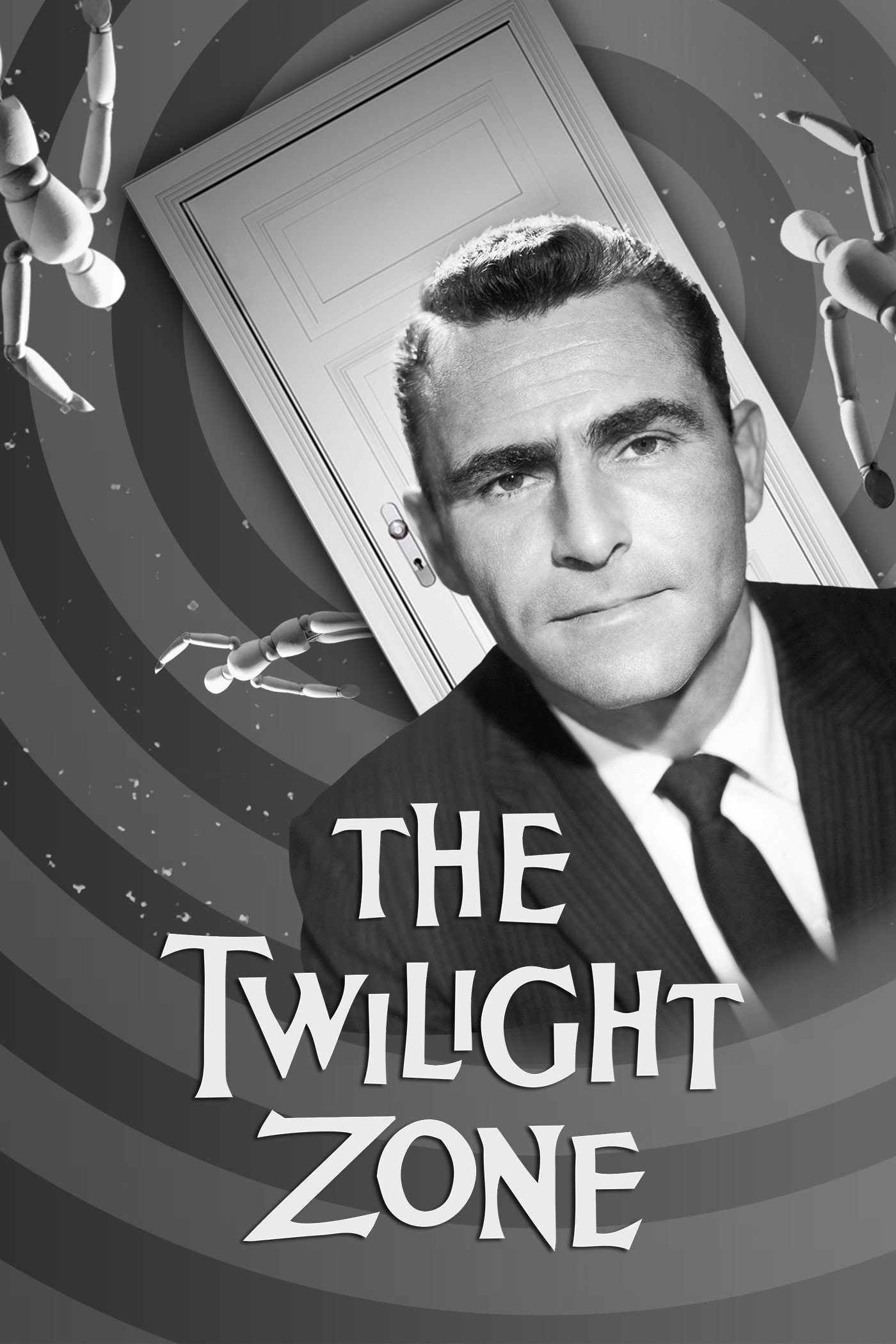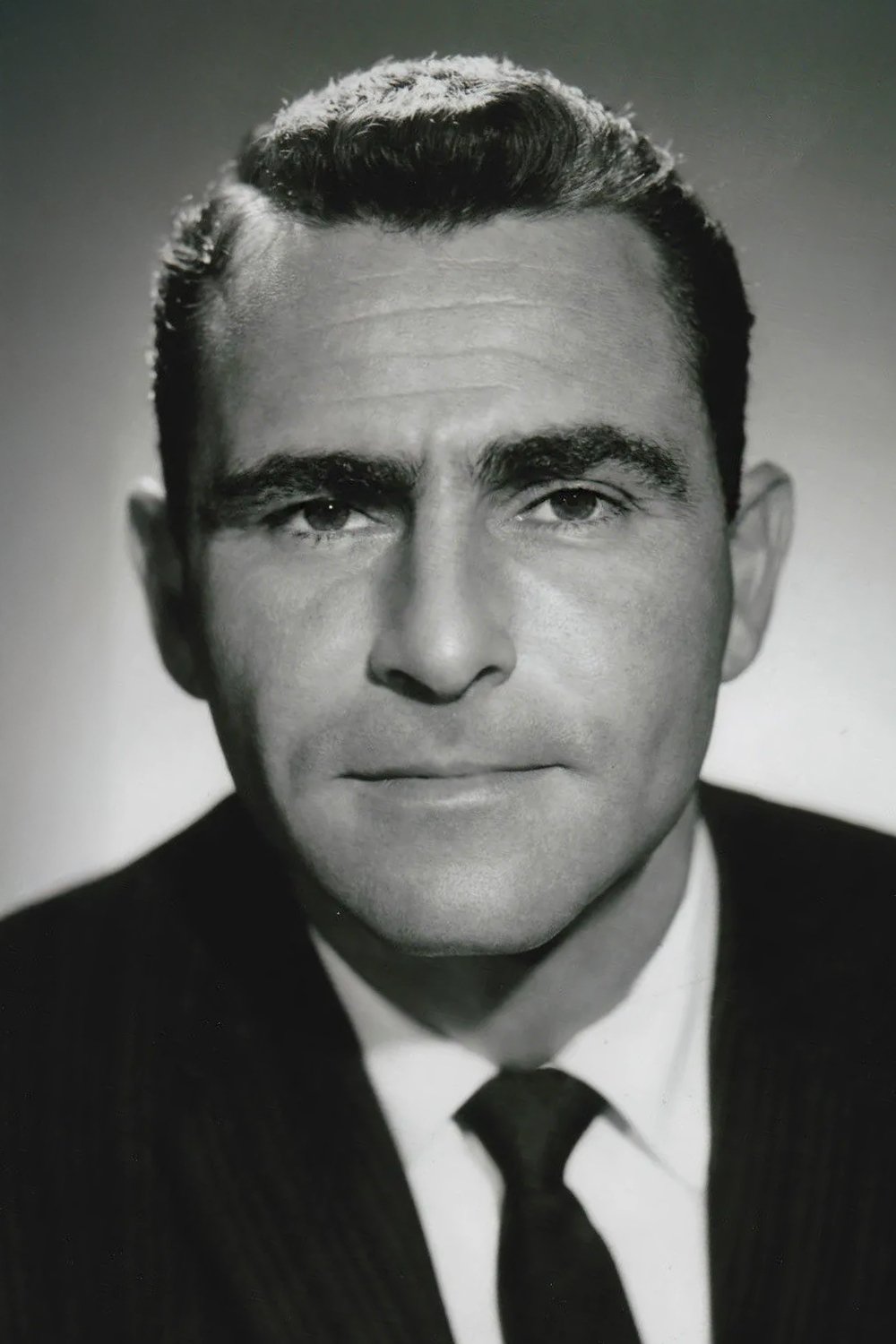
Rod Serling makes fantasy worth taking seriously by giving its troubled people time to matter. We rate his patient, morally alert storytelling highly, though some stories have little left to offer once their central idea is clear.
Fi1m perspective
Rod Serling's on-screen introductions to The Twilight Zone (1959) ask us to take the strange story ahead seriously. The programme generally earns that attention, with patient suspense and characters who matter beyond the predicament devised for them. We were unsettled by its strongest stories because they gave us time to care about the people caught up in them. We recommend it warmly, with the reservation that an ingenious premise does not always produce a satisfying story.
Before the fantasy came the live television dramas: Patterns (1955), about corporate ambition and ethics, and Requiem for a Heavyweight (1956), about a boxer's decline. Those subjects help explain why the people remain important when Serling moves into stranger territory. Frustration with restrictions on television drama helped lead him to create The Twilight Zone, where fantasy allowed him to examine behaviour he could not address as directly elsewhere.
He wrote 92 of the anthology's 156 episodes, but its writing credits also include Richard Matheson and Charles Beaumont. Their presence matters: a programme that can replace its cast and begin again should be free to change its temperament as well. We would not want every instalment to sound like its host. At its strongest, The Twilight Zone gives a story enough dramatic conviction to hold us after our first curiosity has passed. The weaker instalments have less to offer once the premise is clear, and the short-story format makes those thin patches conspicuous.
Serling later co-wrote Planet of the Apes (1968) and created, wrote for and hosted the horror-fantasy anthology Night Gallery (1970). He had less creative control over the latter than over The Twilight Zone, and was dissatisfied with the results. We should be wary of assuming that a creator's credit means the same degree of control on every programme. Start with The Twilight Zone, one story at a time, and give the suspense a chance to work.
Biography
Rod Serling was an American screenwriter, television producer and narrator. He created, hosted and wrote for the anthology series The Twilight Zone (1959), which ran for five seasons on CBS. He wrote or co-wrote 92 of its 156 episodes and served as narrator and on-screen host.
Serling began his career writing for live television anthology dramas in the 1950s after serving in the US Army during the Second World War. His early teleplay Patterns (1955) brought him prominence, and he later wrote screenplays including Requiem for a Heavyweight (1962) and Planet of the Apes (1968). He also created and wrote for the series Night Gallery (1970).
He won multiple Emmy Awards for his television writing. Serling was born Rodman Edward Serling on 25 December 1924 in Syracuse, New York, and died on 28 June 1975 in Rochester, New York.