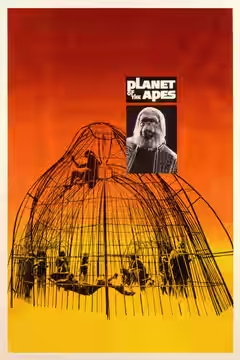
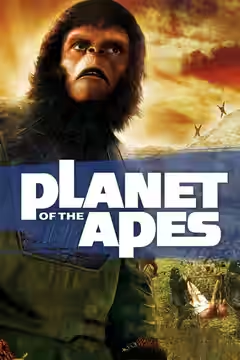
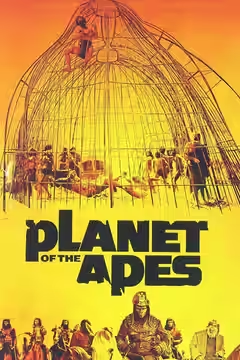
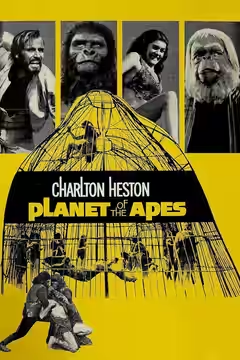
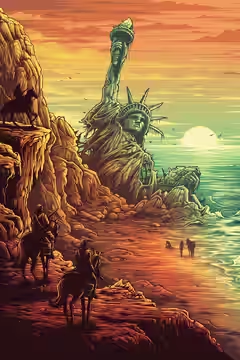
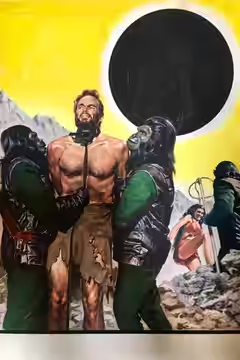
Schaffner’s adaptation of Pierre Boulle’s novel is the best film to carry the name: a lean, hostile adventure that puts Charlton Heston in a cage and lets the apes do the talking. The satire is broad and sometimes cute. The ending is not.
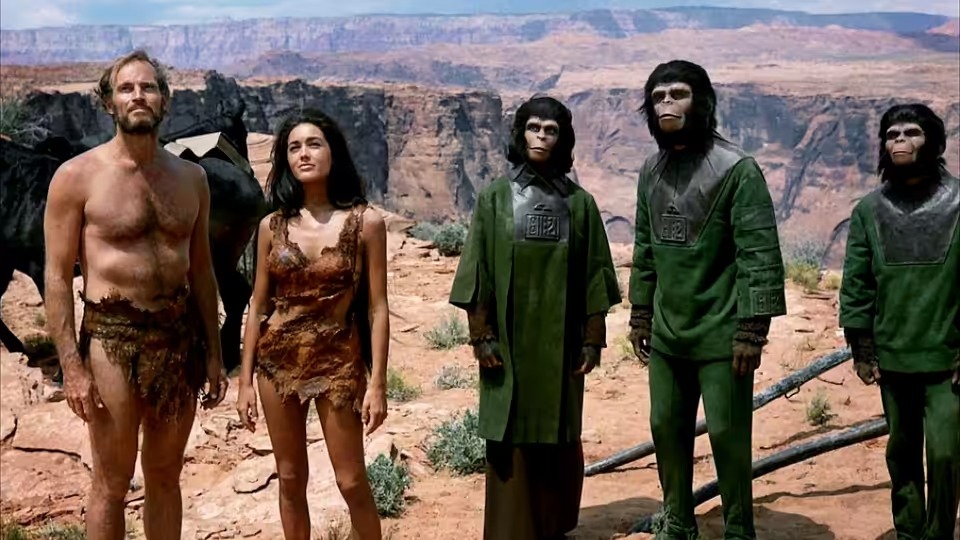
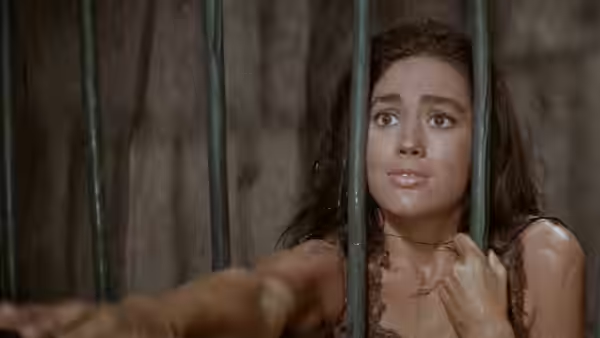
Franklin J. Schaffner’s film, released in Britain on 19 April 1968, is a simple story told with unusual nerve. An astronaut comes down on a planet where the apes talk and the humans do not, and he is treated the way we treat animals: netted, caged, hosed down, examined and considered for gelding. Rod Serling and Michael Wilson adapted Pierre Boulle’s novel, and the sequels, remake and reboots that followed have added money and lost the point. At 112 minutes it makes its case about who belongs on which side of the bars and gets out. The satire is broad and the storytelling lean.
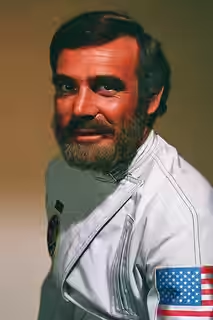
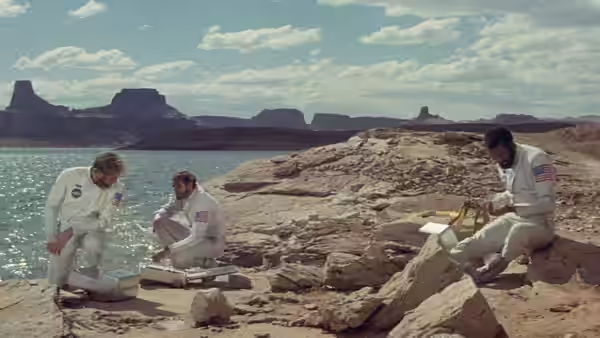
Leon Shamroy shoots the opening trek as if these were the last three men alive, which for all they know they are. Salt flats, red rock, a sky with nothing in it, and three small figures in silver suits walking across it, kept tiny by the width of the frame. Jerry Goldsmith’s score has almost no tune in it; it is clatter and scrape and something like a horn blown badly on purpose, and it starts up only when the men stop talking, so the country sounds hostile before anything in it is. The first half hour is close to a silent film, and it is the best half hour.
Then the hunt. The mute humans are stripping a cornfield when the horns sound, and the first gorilla comes through the stalks on horseback with a rifle across his lap. We knew it was coming; everyone does; and we still sat back in our seats. Hugh S. Fowler cuts it as noise and hooves and torn corn, and when it is over Schaffner shows the hunting party lining up over a heap of the dead to have their photograph taken. Taylor is shot in the throat during the chase, so Heston spends the next stretch mute in a cage. We laughed at that, and then we stopped, because a man who cannot say he is a man is what the film is about.
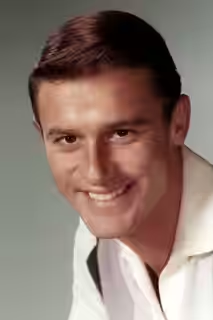
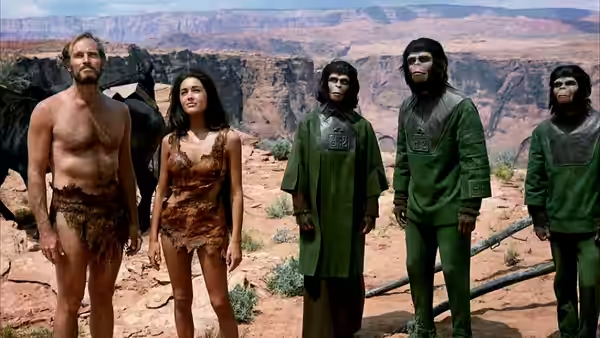
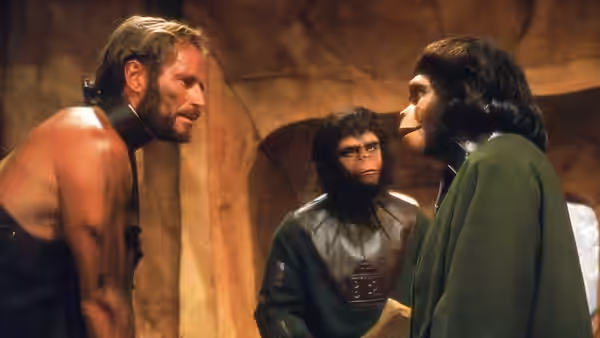
The apes are the reason the film is still watched, and the make-up is the reason they work: the faces move. Roddy McDowall’s Cornelius can look embarrassed, Kim Hunter’s Zira can look fond, and you read them as people within a minute and forget to be impressed. Morton Haack dresses the three species so you know the pecking order at a glance: gorillas in dark leather doing the shooting, chimpanzees in green doing the science, orang-utans in orange running everything. Maurice Evans gives the best performance in the film as Dr. Zaius, who knows a good deal more than he is saying and says what he does say beautifully. Hunter is warm and funny, and McDowall’s nervous decency carries the middle hour.
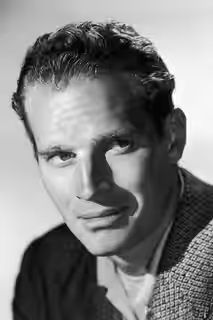
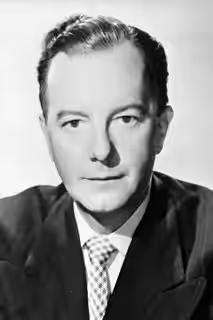
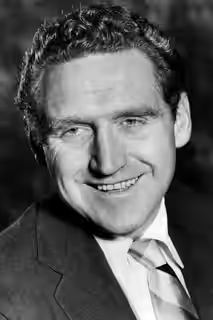
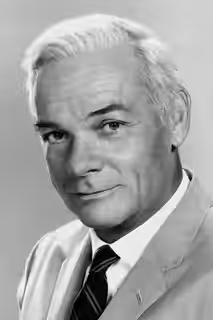
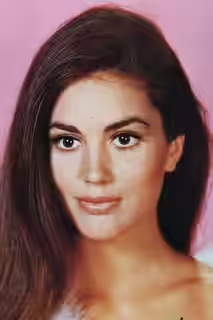
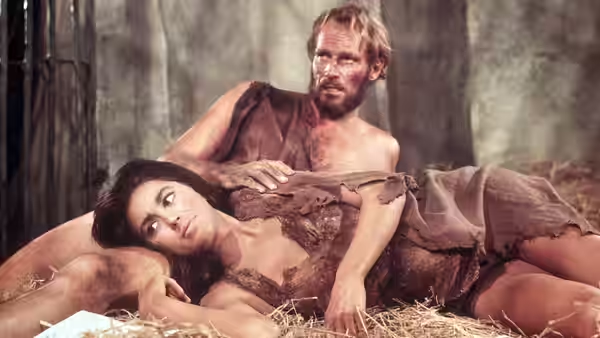
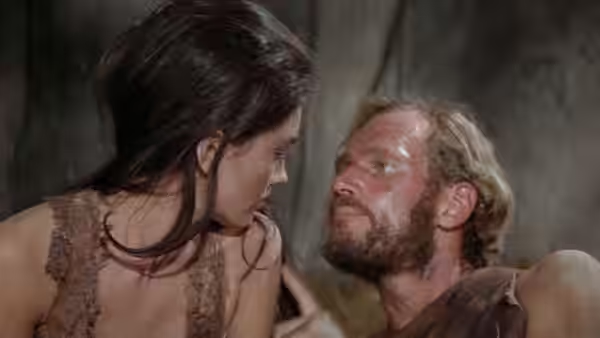
The middle hour is also where the film is weakest. The argument between faith and evidence is put into a courtroom, with James Whitmore presiding and James Daly prosecuting, and the courtroom stops the film so that everyone can make speeches. The three orang-utan judges cover their eyes, ears and mouths in turn; it is funny, and then you notice that the most serious scene in the film has a sight gag in it. Heston plays Taylor the way he plays everybody, all teeth and tendon, and once his voice comes back he uses it mostly to shout. Linda Harrison’s Nova is given nothing to do except stand near him and look worried.
Schaffner directs this without fuss and with a good eye for scale. The satire on race, religion and men who prefer scripture to fossils is real, but it is written in capitals. What lasts is the simpler thing underneath: how quickly a confident man becomes a specimen, and how reasonable the people holding the hose sound while they do it.
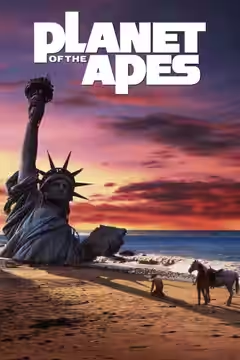
The final minutes are famous, and we will not describe them. If you have reached this page without knowing how it ends, do not read anything else about it; watch it now, on the biggest screen you have. If you do know, it still holds, because the film has earned it by then, and you can spend the last reel watching Heston’s face instead.