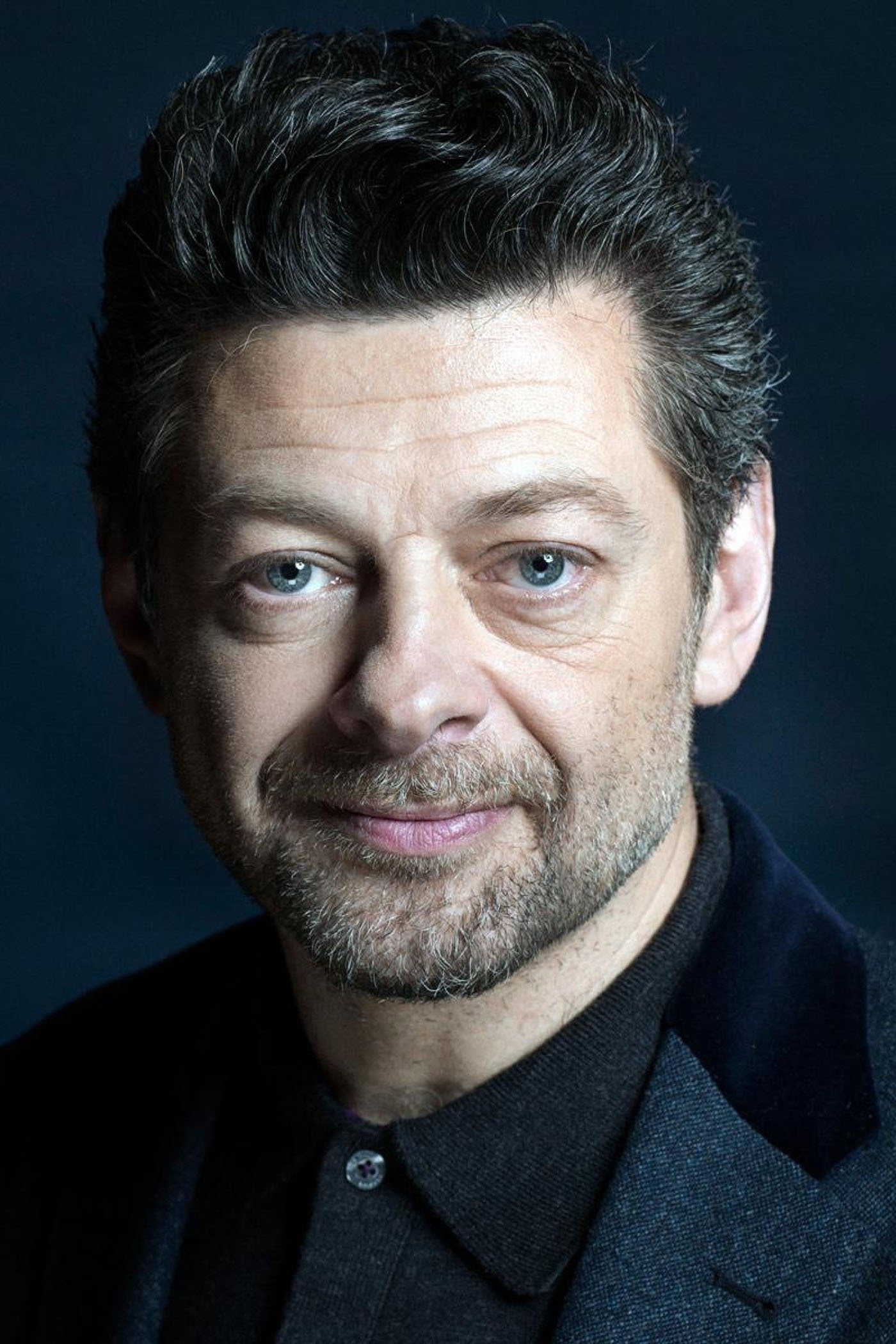
Andy Serkis gives Caesar enough feeling and intelligence to make this origins story matter. Rupert Wyatt delivers an absorbing science-fiction thriller, though the humans are thinly written and the dialogue sometimes tells us what the ape has already shown.
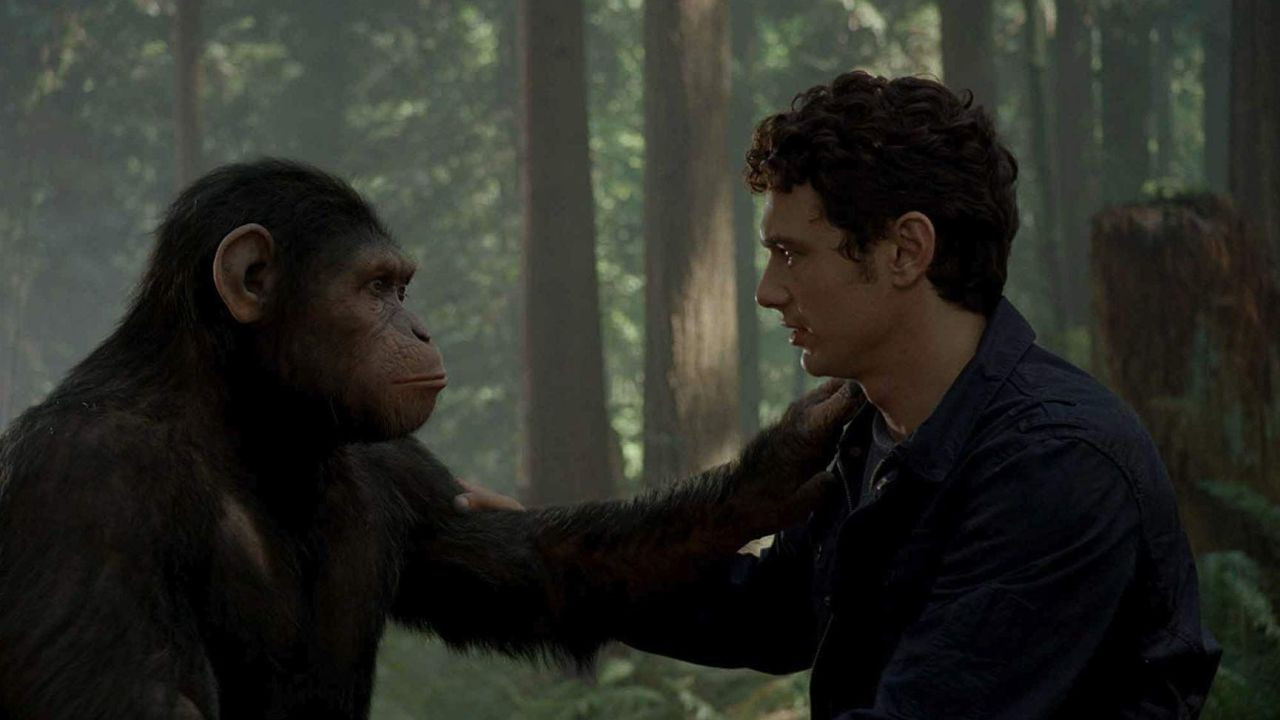
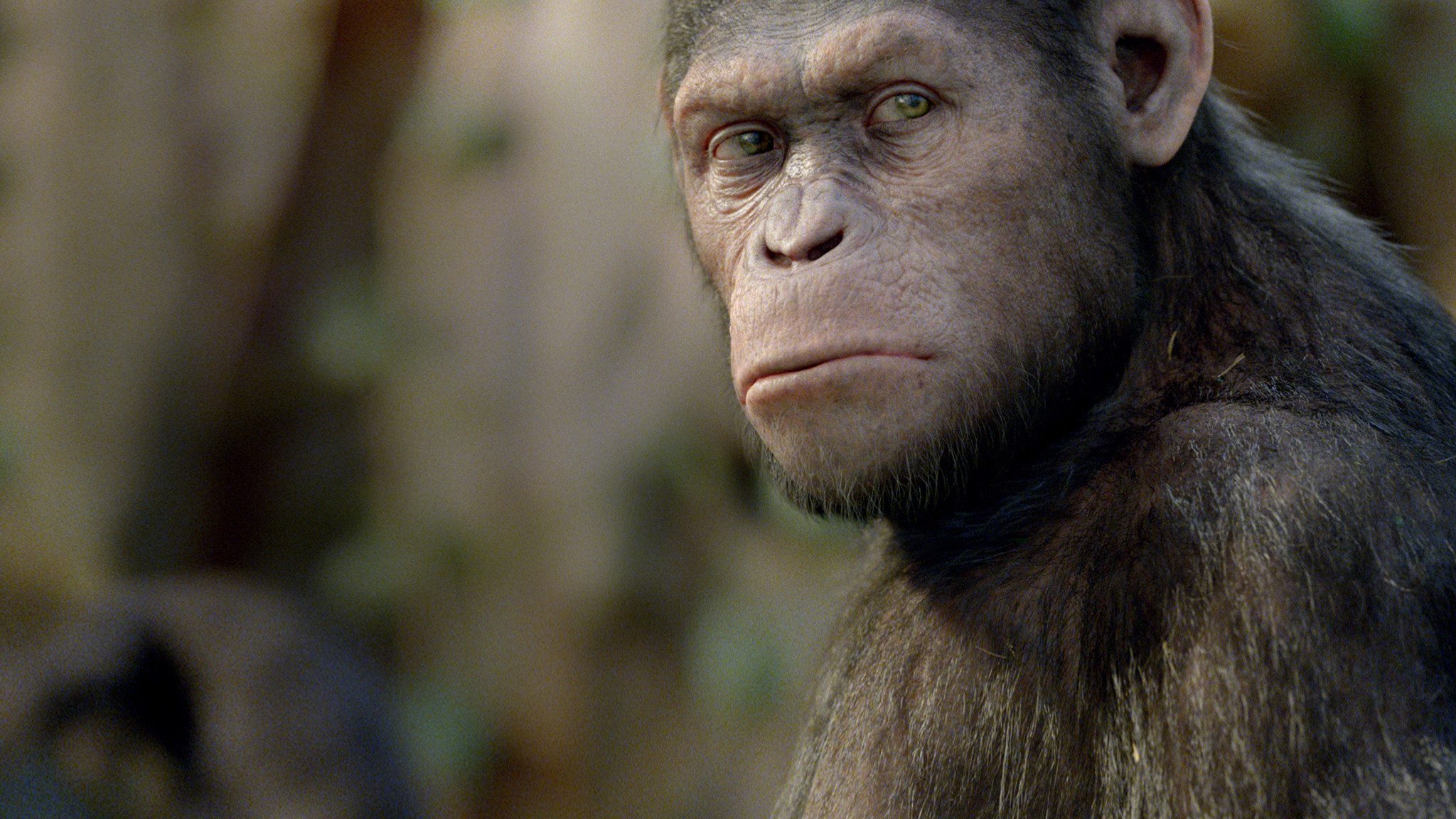
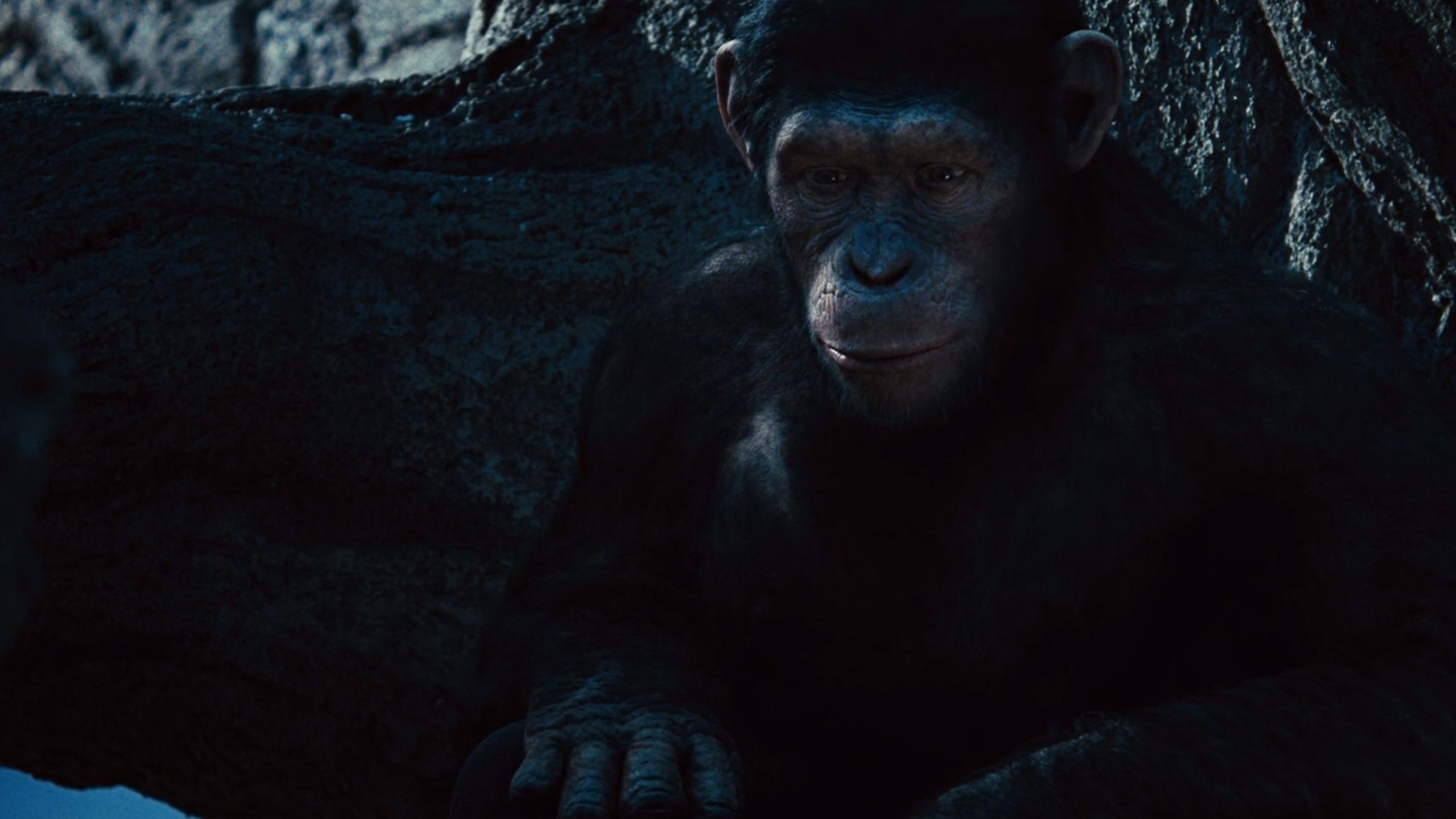
Rupert Wyatt’s Rise of the Planet of the Apes takes a sensible approach to an origins story: it gives us someone to care about before asking us to worry about the species. That someone is Caesar, the intelligent ape played through performance capture by Andy Serkis. This is a gripping, affecting science-fiction thriller, with a central performance strong enough to carry some thin human writing. Its account of scientific ambition is familiar, but following the animal’s thinking makes the familiar story worth telling again.
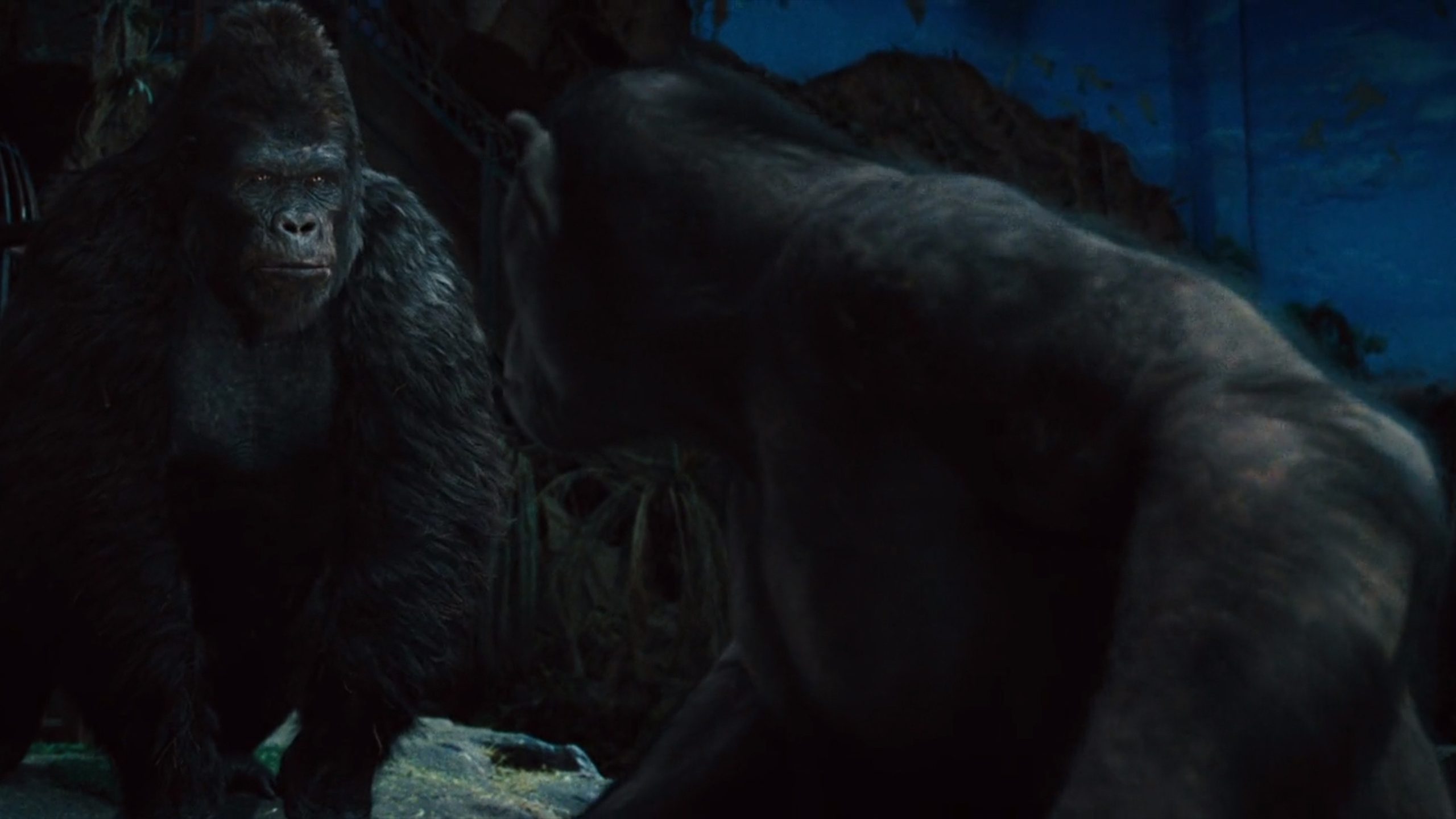
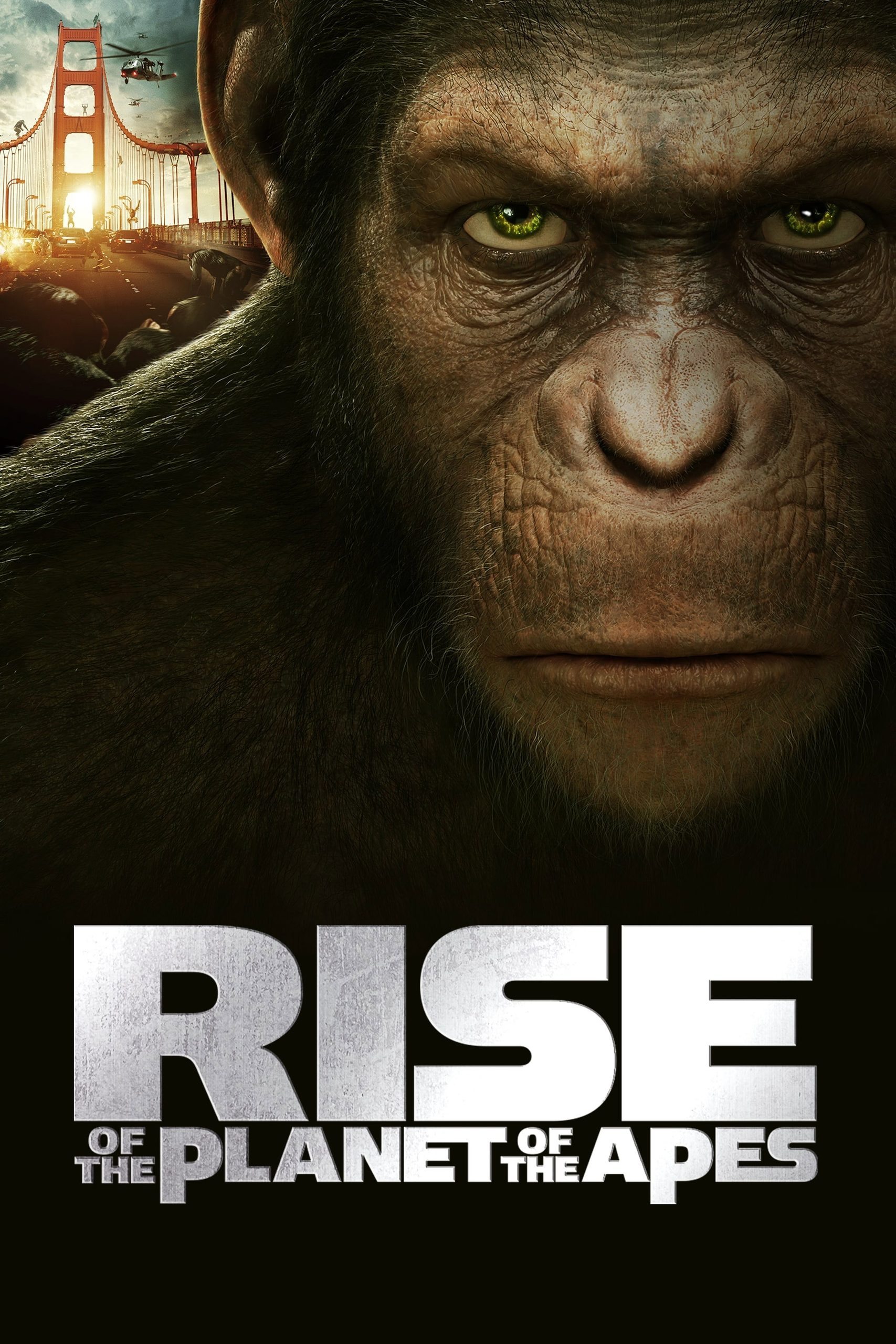
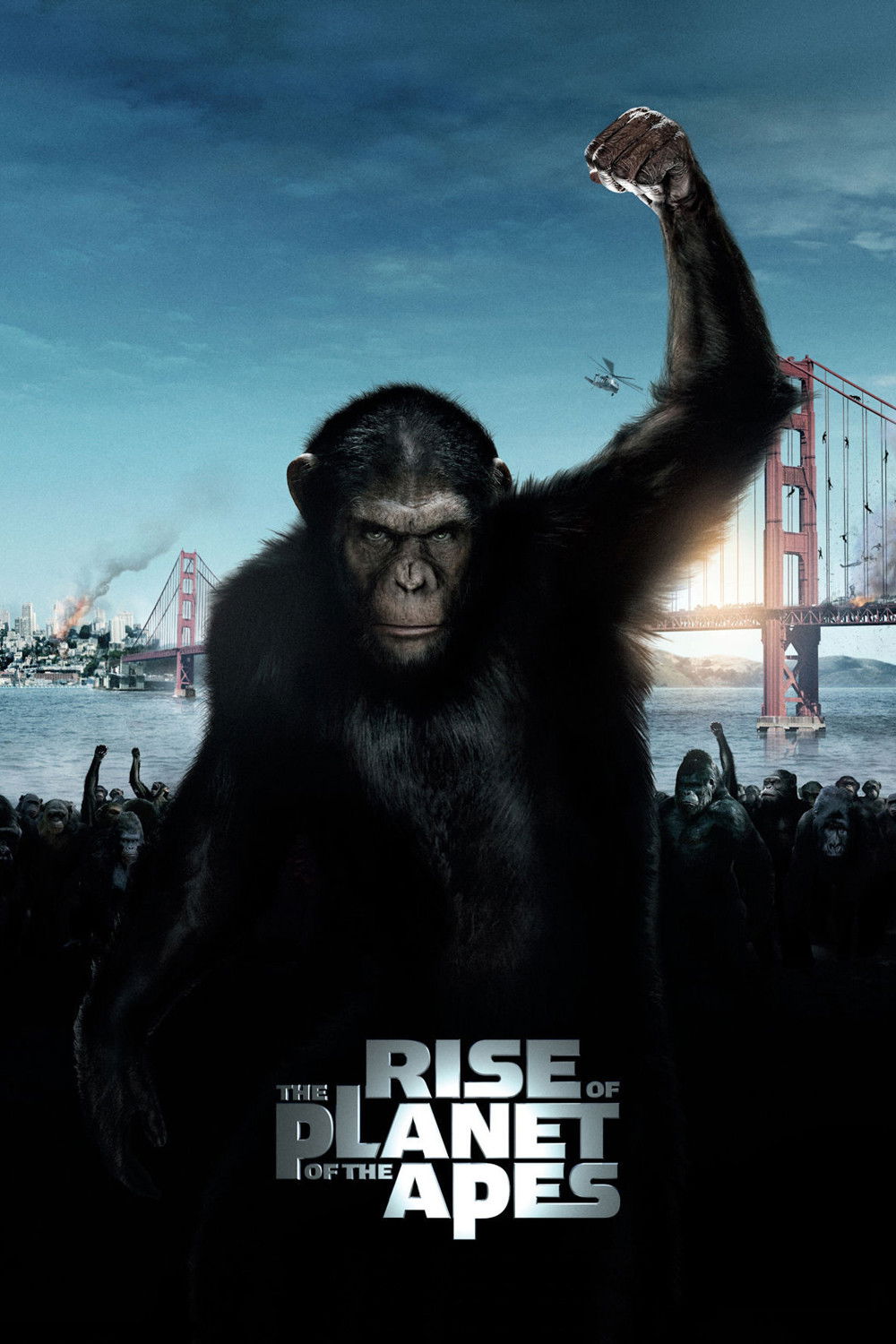
Andy Serkis makes Caesar’s growing intelligence readable without turning him into a man wearing an ape’s face. The expressions suggest a creature studying people, trying to understand behaviour that they themselves take for granted. We were more moved than we expected by that watchful face. What did it was the uncertainty in Caesar’s expressions: understanding more seems to make him less comfortable, and the film gives that hesitation time to register.
Andrew Lesnie’s cinematography is most persuasive when it lets us attend to those expressions, giving the digital performance room to hold our attention. The effects are convincing enough for us to stop checking them, although an occasional awkward image briefly interrupts that concentration. Claude Paré’s production design gives the contemporary San Francisco setting a useful ordinariness; the scientific premise benefits from belonging to a recognisable human environment. The surroundings rarely demand more attention than Caesar, which seems the right order of priorities.
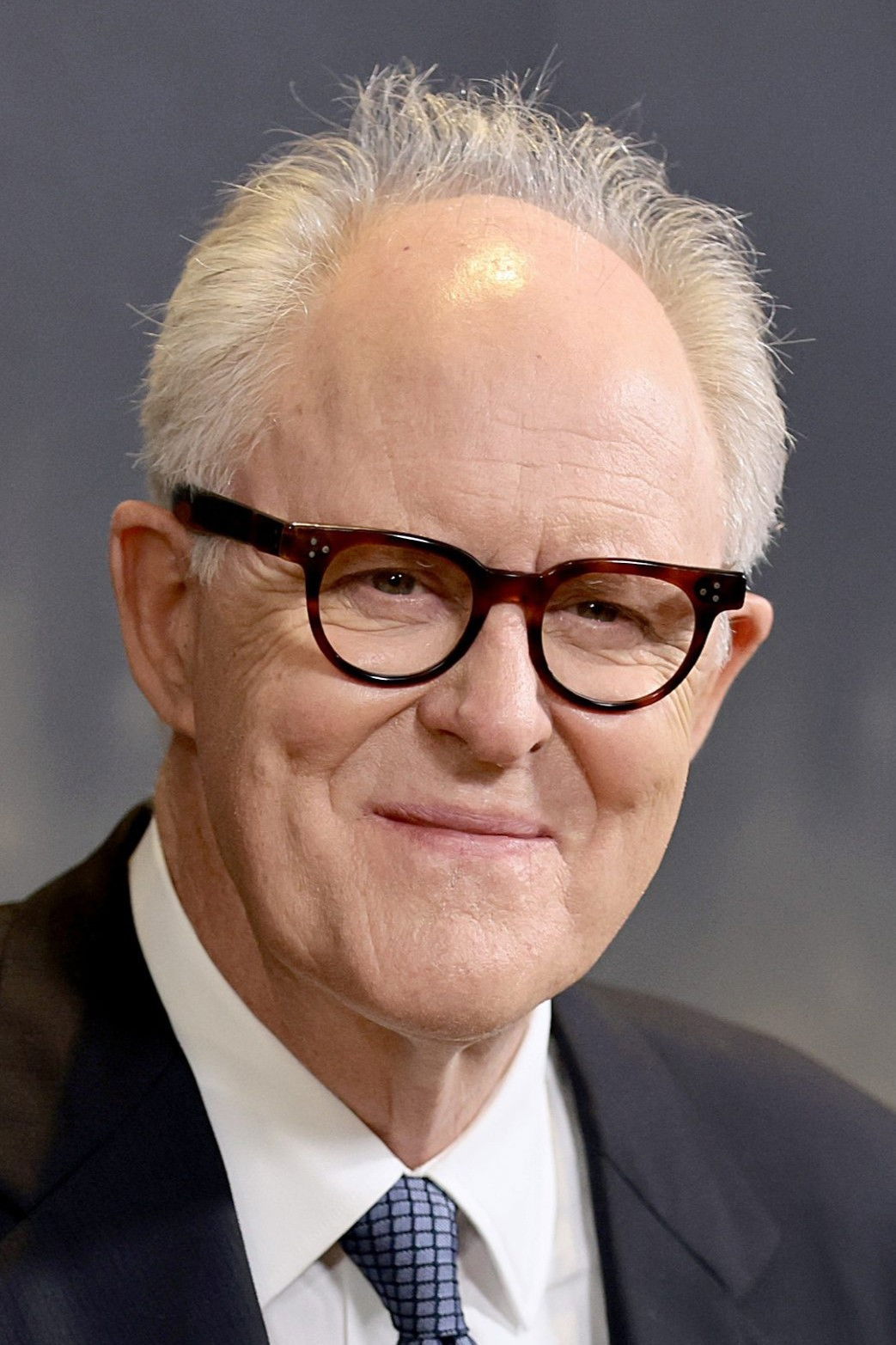
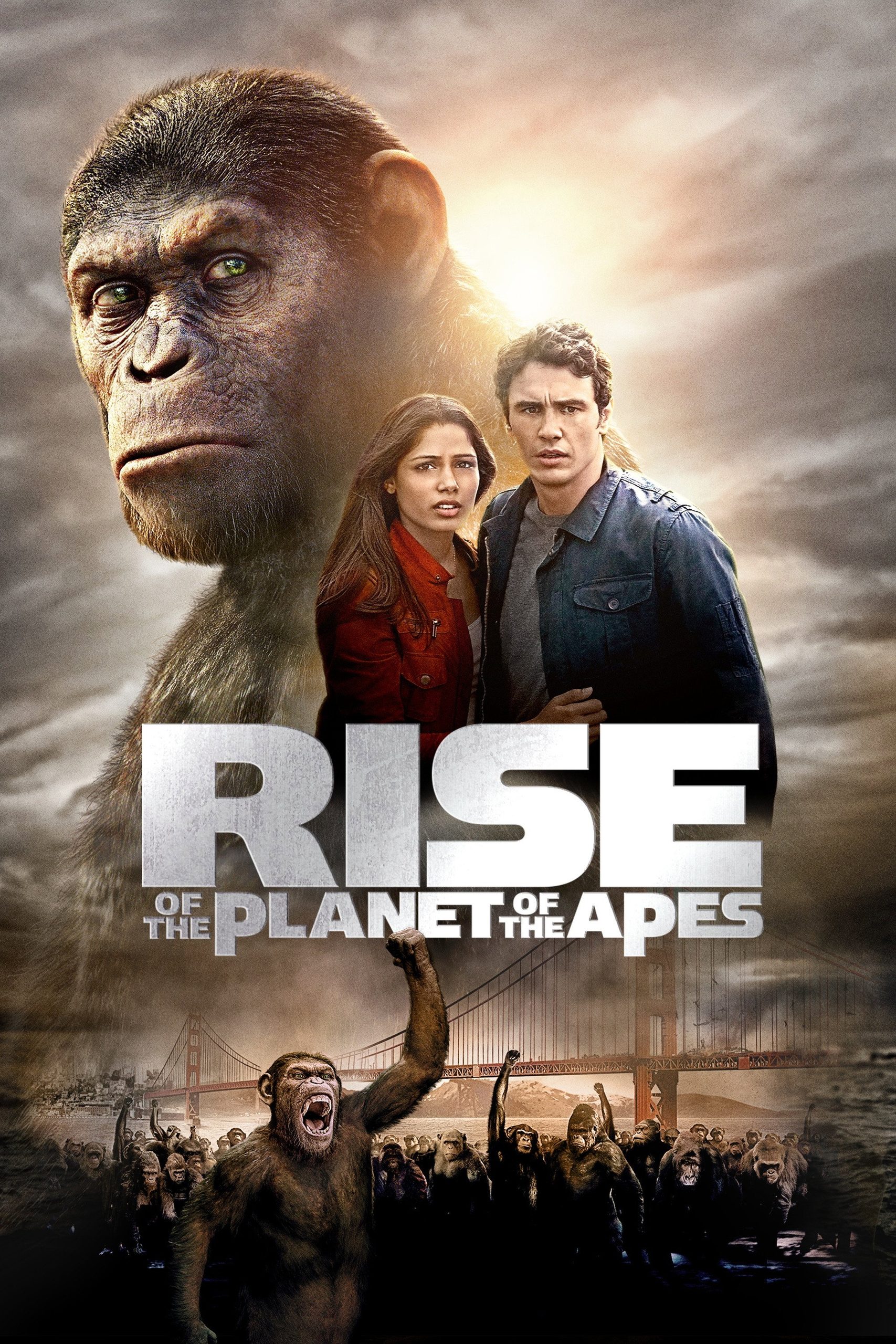
The people are less carefully developed. James Franco’s Will Rodman and Freida Pinto’s Caroline Aranha belong to a script more comfortable getting humans through the story than making them worth studying. John Lithgow, as Charles Rodman, gives the human scenes some welcome feeling, but the imbalance remains. Screenwriters Rick Jaffa and Amanda Silver repeatedly supply dialogue that explains matters more bluntly than Caesar’s performance does, and the contrast makes the writing sound clumsier.
That bluntness also limits the film’s treatment of animal testing and scientific responsibility. It is interested in the way human beings excuse their conduct, but it too often makes those human beings easy to dismiss. We need not sympathise with cruelty to want the people responsible for it to be more than convenient targets for our disapproval. Better dialogue would have helped, particularly when the scientific questions start sounding like instructions about whom to dislike.
Editors Conrad Buff IV and Mark Goldblatt keep the 105-minute running time purposeful, allowing Caesar’s development to drive the momentum rather than treating it as preparation for action. The director handles the larger sequences clearly enough that we can follow what Caesar is trying to do. Patrick Doyle’s music is less subtle when it presses for an emotional response that the performance has already secured. Even then, the pace holds, and the film gets back to the character who matters without much delay.
As an origins story, it makes the development of one character worth watching in its own right. That is a useful standard for a genre too often satisfied with explaining how familiar things acquired their names. There are passages that feel like arrangements for further instalments, but they do not overwhelm Caesar’s story. See it for him, and be prepared to forgive the people some dialogue he would have the sense to leave unsaid.