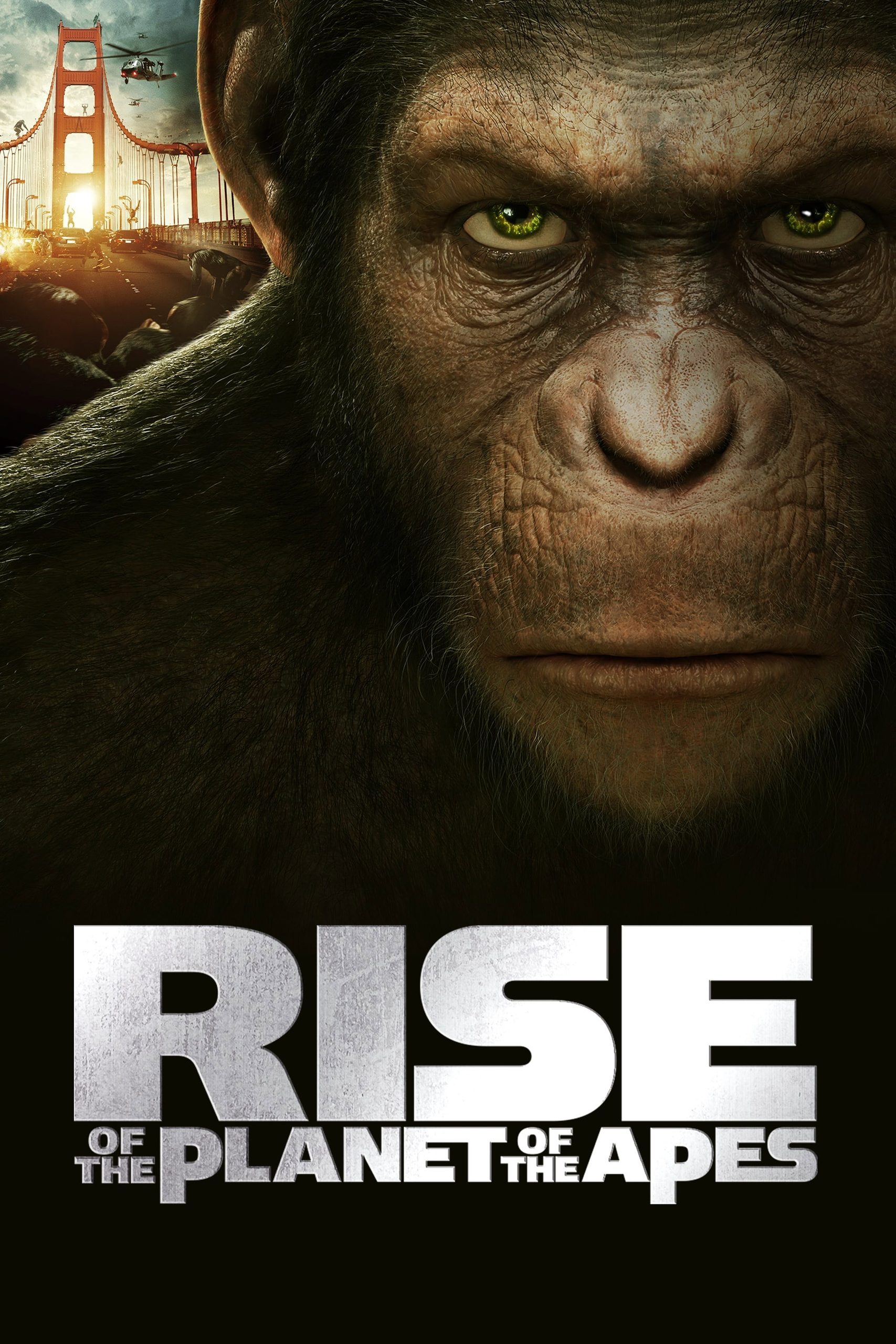
Rupert Wyatt makes large-scale genre stories work by attending to individual characters. We rate that instinct in Rise of the Planet of the Apes, where Caesar’s intelligence and feeling compensate for some thinly written humans.
Fi1m perspective
Caesar’s thinking holds our attention in Rise of the Planet of the Apes (2011), and Rupert Wyatt has the sense to let it. Andy Serkis, playing the intelligent ape through performance capture, gives us someone to care about before the story asks us to worry about the species. We rate Wyatt’s direction here: he makes a familiar account of scientific ambition into an absorbing thriller. His attention stays with the animal long enough for the larger action to matter when it arrives.
His feature debut, The Escapist (2008), was a film he wrote as well as directed; Rise of the Planet of the Apes brought the studio breakthrough. He followed it with the character-driven crime remake The Gambler (2014), then returned to science fiction with Captive State (2019), which he co-wrote. The genres change, but the interest in intimate drama within a larger story is a useful way into his work. In Rise, that means giving Caesar’s experience more weight than the familiar warnings about scientific ambition.
Serkis is central to why this works, and Wyatt gives the performance the attention it needs. We were moved by Caesar because his thinking is clear enough for us to care about what happens to him. The balance between close attention to character and large-scale action is well judged, though the humans are thinly written. Worse, the dialogue sometimes explains what the ape has already shown us. It is a frustrating lapse in a film whose most persuasive passages have already demonstrated how much Serkis can communicate.
Wyatt’s preference for science fiction close to the present also helps explain why Rise works. Its contemporary setting leaves room to concentrate on the ape rather than introducing an unfamiliar future, and his experience is enough to sustain the film. We would like the people around him to have been written with comparable care. Start with Caesar; tolerate the occasional explanation of what he has already made clear.
Biography
Rupert Wyatt is an English film director and screenwriter. He made his feature directorial debut with the prison escape thriller The Escapist (2008), which he co-wrote and which premiered at the Sundance Film Festival.
Wyatt directed the 2011 science fiction film Rise of the Planet of the Apes. His subsequent feature films include the crime drama The Gambler (2014) and the science fiction film Captive State (2019), which he co-wrote. He has also directed episodes of television series including TURN: Washington's Spies (2014) and the first two episodes of The Mosquito Coast (2021).
Wyatt is the founder of the film collective Picture Farm. He was educated at the Dragon School and Winchester College.