Franklin J. Schaffner was an assured director of battles and demanding leading performances. His Patton earns a long evening, though his fascination with a forceful man sometimes gets in the way of judging him.
Fi1m perspective
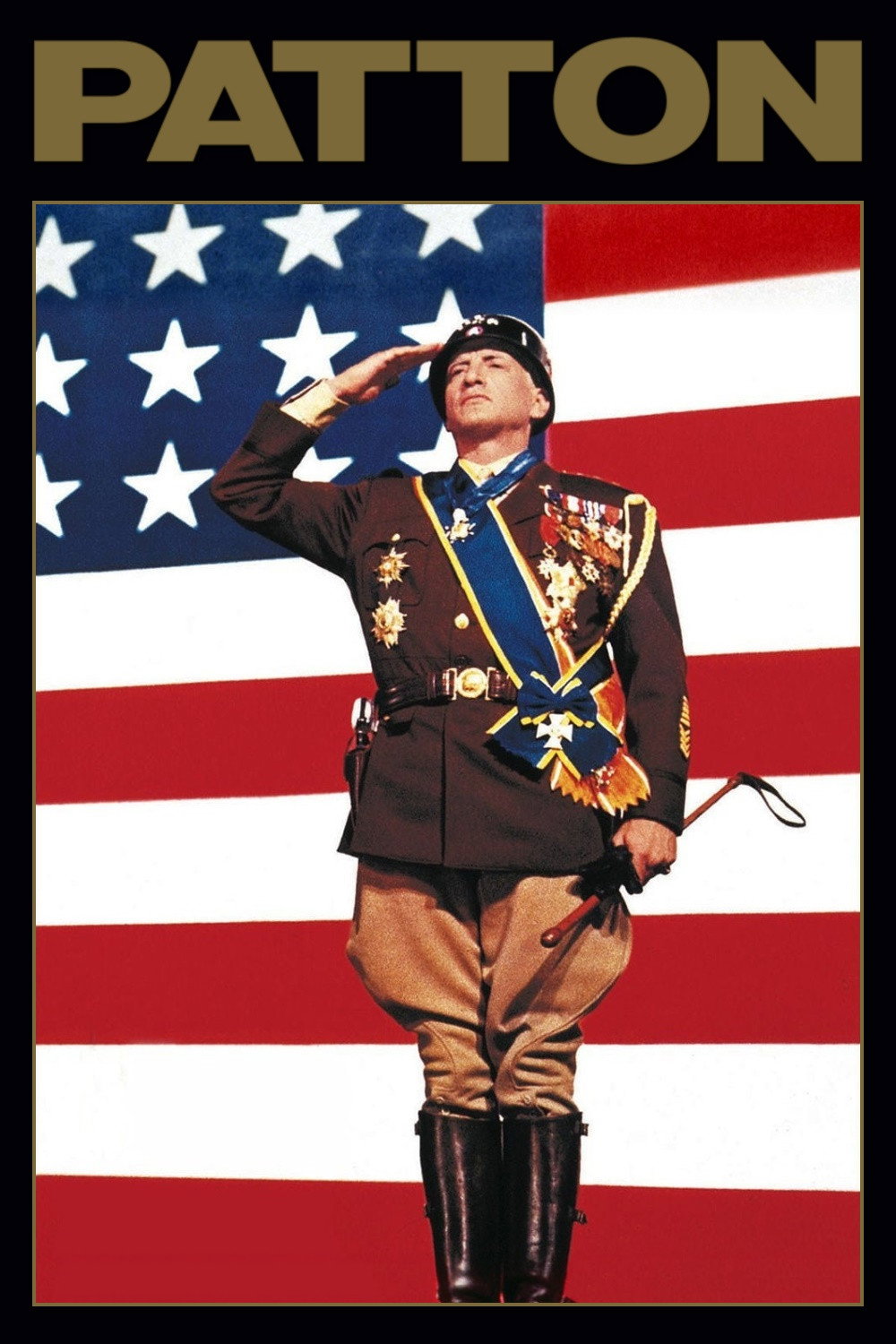
George C. Scott's general in Patton (1970) is good at fighting and far too fond of it. Schaffner handles the battles with assurance, but the commander's appetite for them is what holds our attention. We were unsettled by Scott's Patton because the qualities that make him effective also make him such difficult company. The director lets us feel that discomfort without losing his own fascination with the man, and the tension between those responses makes this a forceful film.
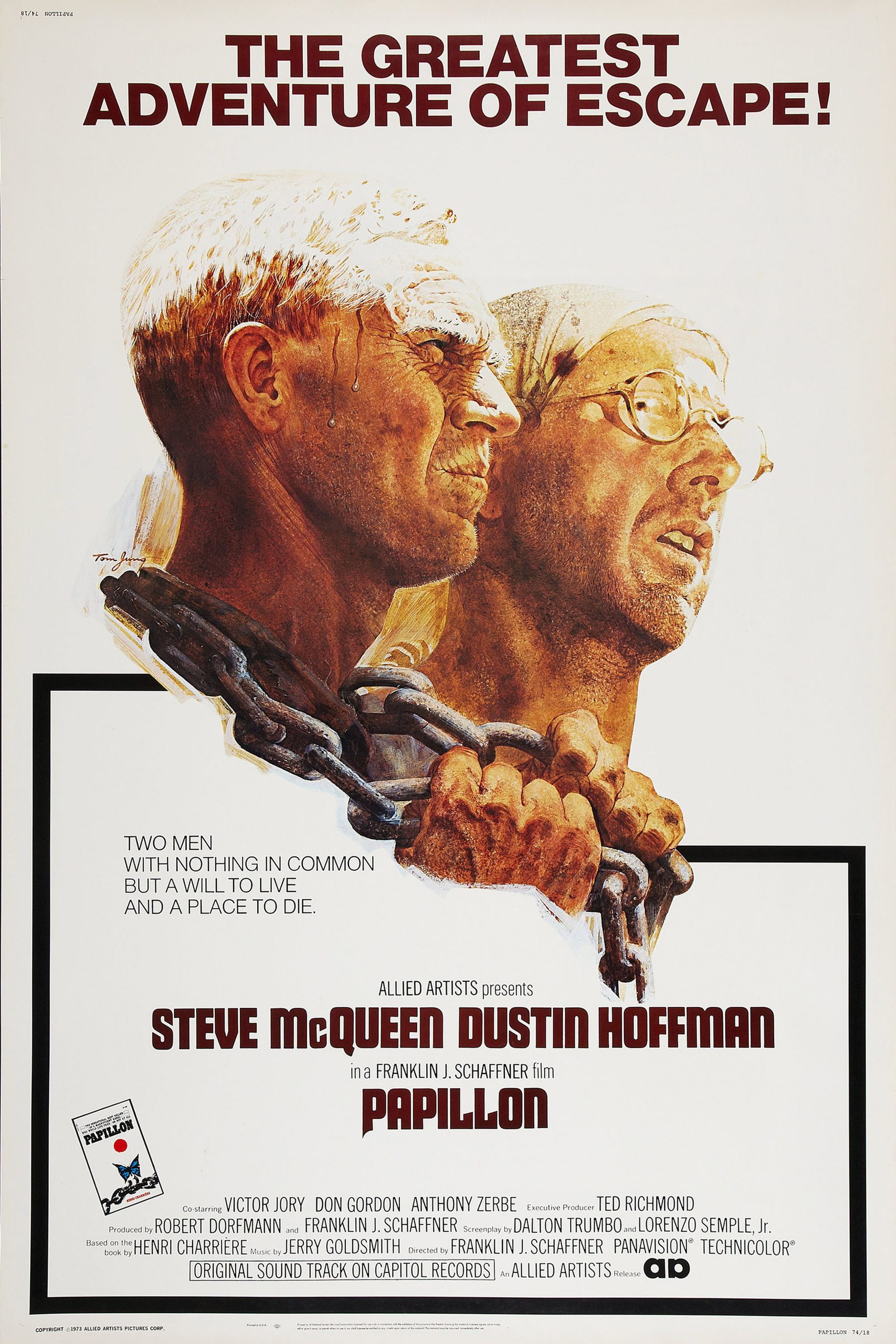
His move from live television to features began with The Stripper (1963); Planet of the Apes (1968) established his feature-film reputation. Historical subjects and adventure then occupied much of the 1970s, including Nicholas and Alexandra (1971) and the prison-escape film Papillon (1973). He paid attention to period detail, but the recurring concern was with people who did not fit their time or circumstances. That helps explain why a difficult leading character could matter as much to him as a battle.
His collaborators included composer Jerry Goldsmith, who worked with him on seven films, while Scott, Charlton Heston and Laurence Olivier each made two. In Patton, the value of his handling of actors is clear: Scott is the chief reason we recommend the film. Yet Schaffner is less convincing when he must decide how this man should be judged, rather than simply give him our attention. We can admire the control of the battles and still wish the director had been more willing to question their commander.
The thriller The Boys from Brazil (1978) came towards the end of his 1970s peak; Sphinx (1981) was among the later critical disappointments. That uneven record is a reason to choose carefully, not to dismiss him. For a first encounter, we would choose Patton. Set aside the full 172 minutes; Scott makes the commitment worthwhile.
Biography
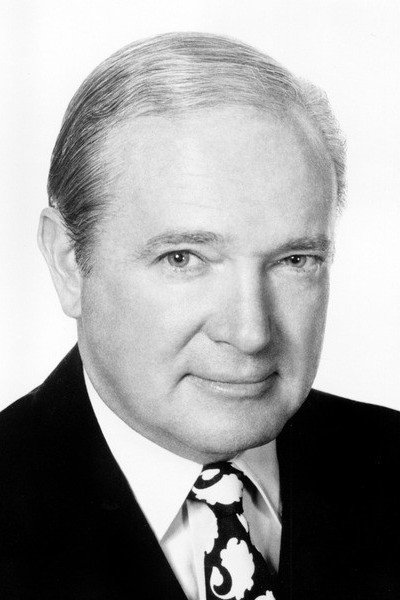
Franklin J. Schaffner (also credited as Franklin Schaffner) was an American film, television and stage director. He was born on 30 May 1920 in Tokyo, Japan, to American missionary parents and raised in Lancaster, Pennsylvania, after his father's death. He graduated from Franklin & Marshall College and briefly studied law at Columbia University before serving as a lieutenant in the US Navy during the Second World War.
Schaffner began his career in television in the late 1940s, directing more than 150 live dramas for anthology series including Studio One, Playhouse 90 and Ford Star Jubilee, for which he won three Emmy Awards. His feature-film debut was The Stripper (1963). He is known for directing Planet of the Apes (1968), Patton (1970), Nicholas and Alexandra (1971), Papillon (1973, also as producer) and The Boys from Brazil (1978). He won the Academy Award and Directors Guild of America Award for Best Director for Patton. Schaffner served as president of the Directors Guild of America from 1987 until his death on 2 July 1989 in Santa Monica, California.