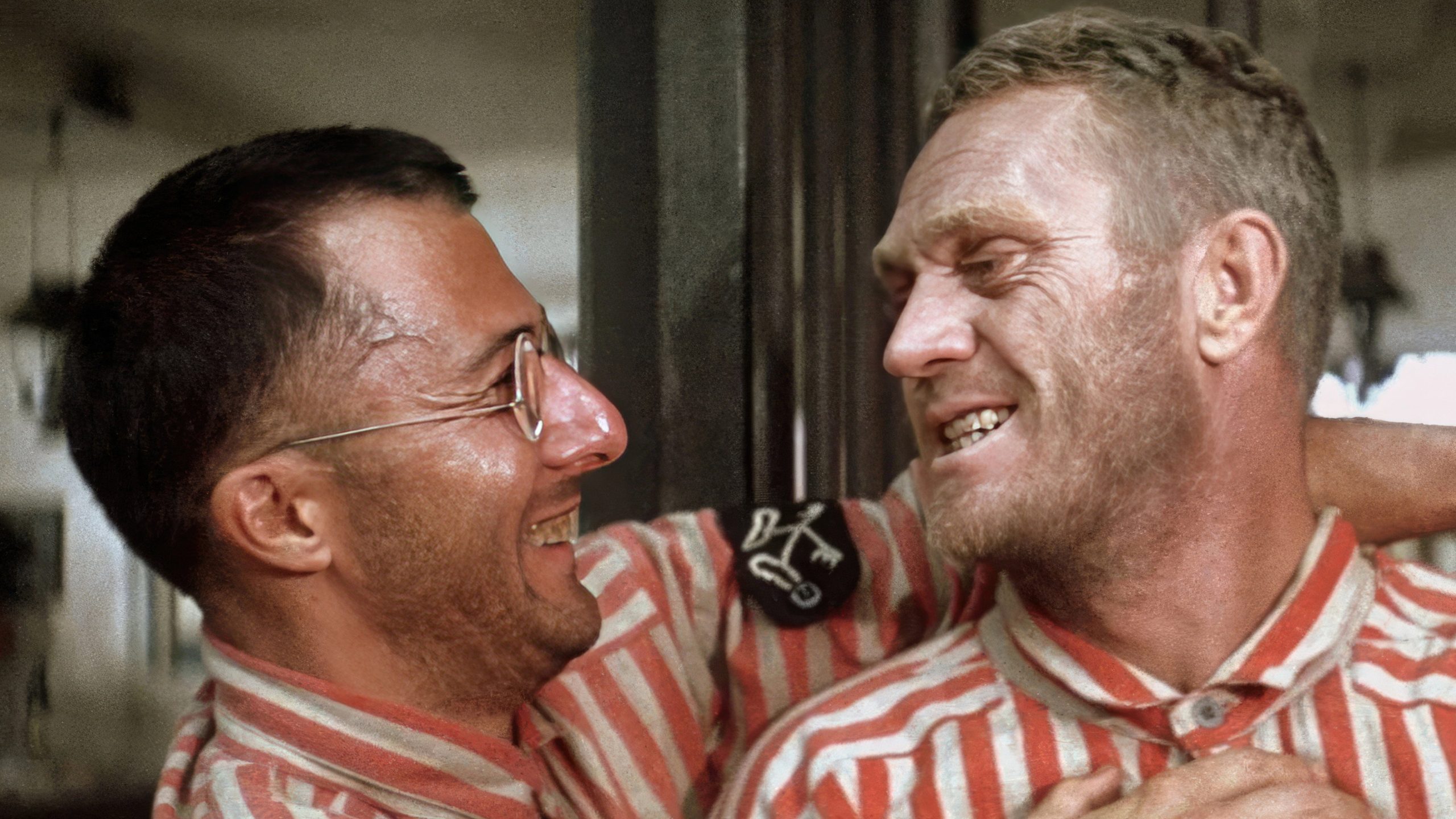
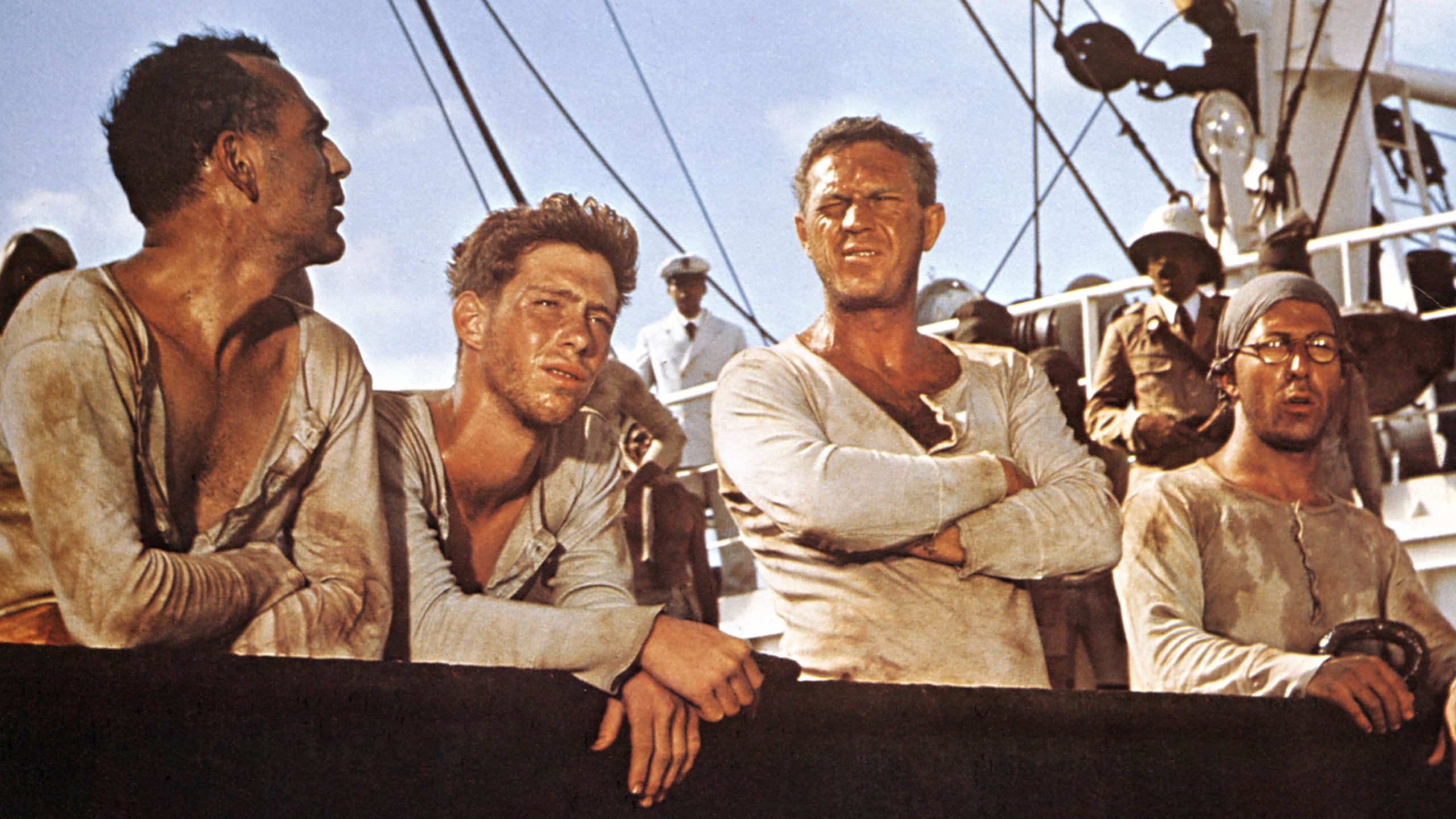
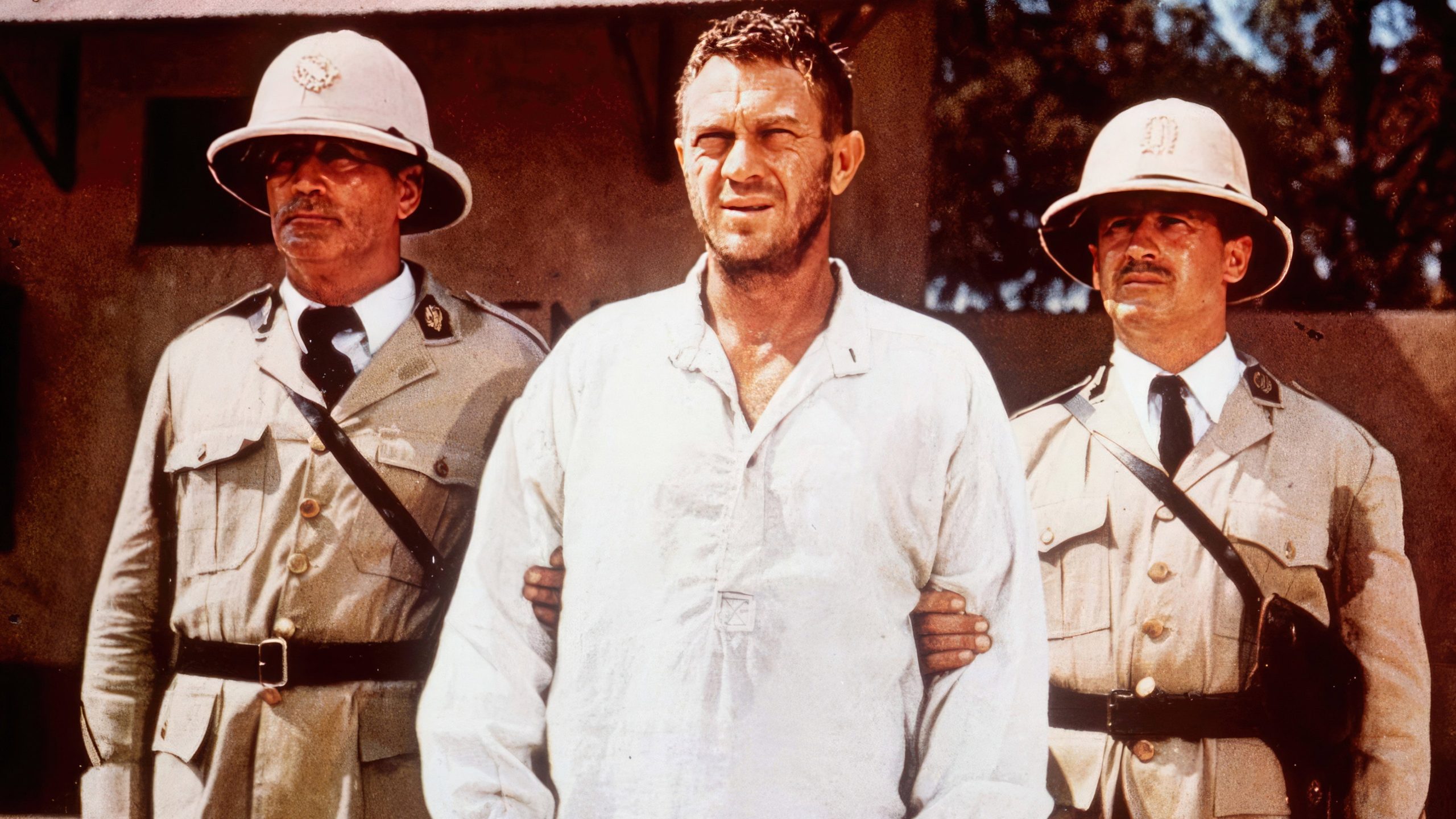
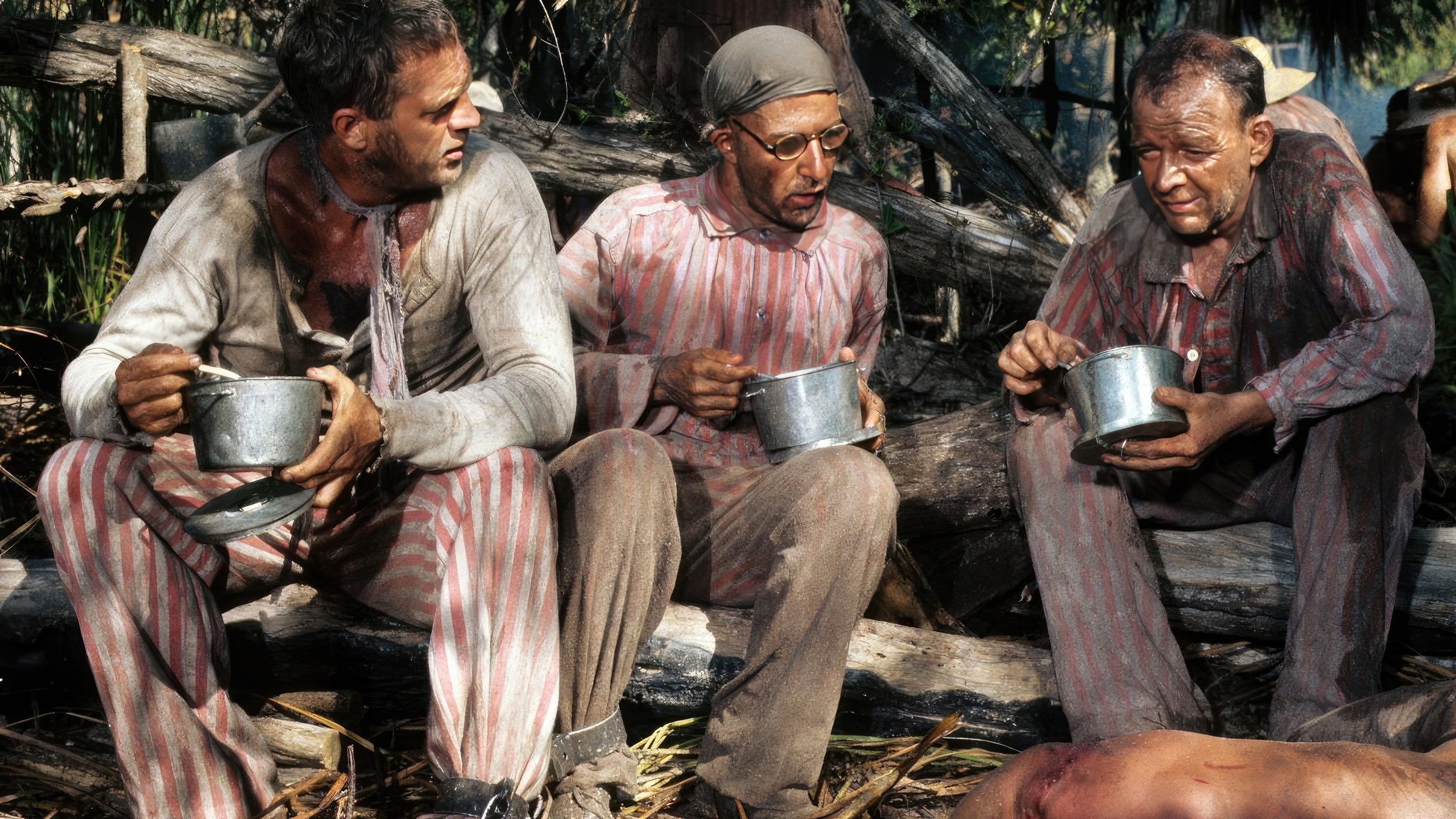
Steve McQueen and Dustin Hoffman make Papillon worth its long confinement. The penal colony feels oppressive, and the performances hold us, even when the episodic story and insistent music make an already slow film feel longer.
Papillon is a good prison drama that asks for more patience than it always earns. Franklin J. Schaffner gives confinement time to become oppressive, rather than treating it as the necessary delay before an escape. The cruelty matters because we have to believe that staying put is intolerable. For long stretches, the film makes that plain without losing our interest. Across 151 minutes, however, repetition becomes a problem, and the performances do more to keep us watching than the progress of the story.
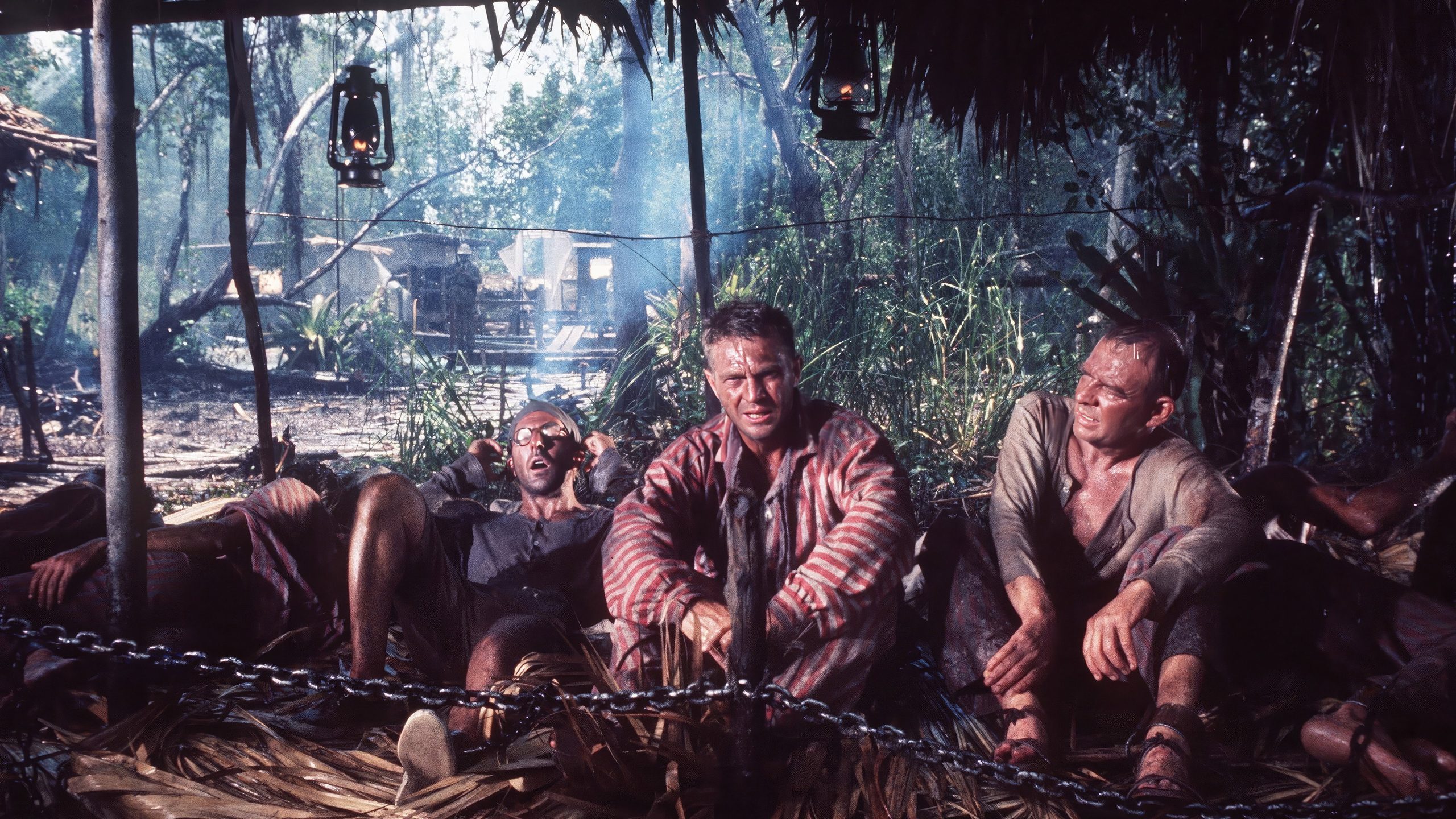
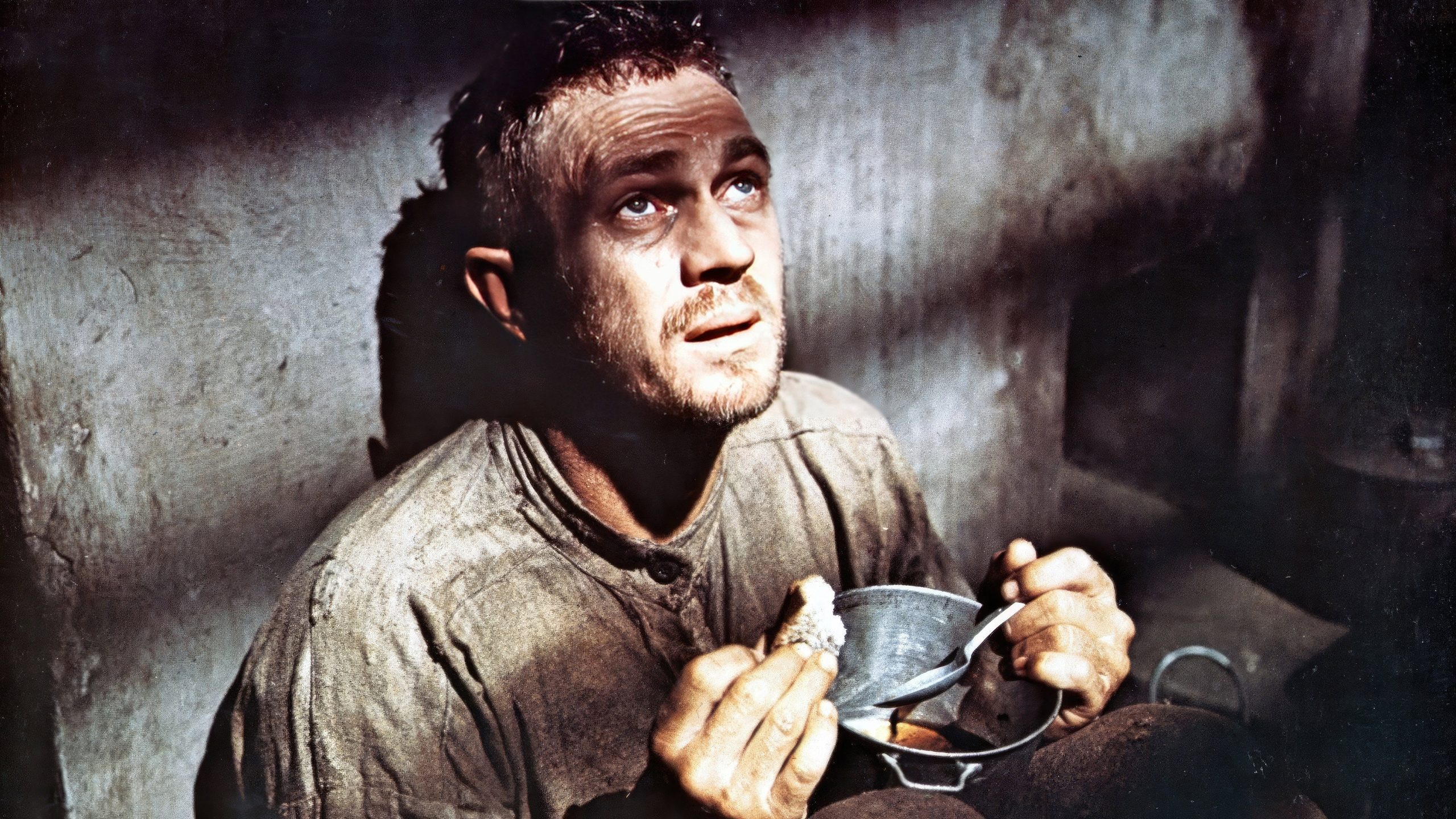
Steve McQueen plays Henri “Papillon” Charriere with a guarded determination that suits the film’s unhurried pace. His reserve prevents the cruelty from turning every scene into a display of suffering, and gives the character some privacy. The performance holds our attention even when the screenplay offers little new understanding of him. We can follow that stubbornness for a considerable distance, though the film occasionally seems too confident that it will be enough.
Dustin Hoffman, as Louis Dega, provides the useful complication. His calculating manner makes a good companion to that stubbornness, suggesting a different way of surviving the same place. We were moved by the scenes they share, because the contrast between Dega’s cunning and Henri’s determination gives us something human to care about amid the punishment. Hoffman allows a little awkwardness into a film inclined towards solemnity, and their work together keeps the prison scenes from becoming an undifferentiated account of suffering.
Fred Koenekamp’s cinematography gives the locations space and establishes the colony’s geography clearly. The early impression of heat and deprivation is particularly effective: these surroundings look exhausting before the story needs to insist on their dangers. Anthony Masters’s production design helps make the prison feel like a place organised to wear people down, and the atmosphere remains oppressive even when the film opens out into broader views. Those views help us understand the setting, so the locations do useful work beyond providing a change of scenery.
The screenplay by Lorenzo Semple Jr. and Dalton Trumbo is less dependable. Its episodes can feel placed beside one another without enough change in the people passing through them. Further hardship sometimes tells us only what an earlier passage has already established about the prisoners. The occasional surreal touches bring a welcome change, but cannot supply all the missing character detail. This is where the film loses force: the prison remains cruel, but our understanding of the men does not always deepen as the running time increases.
Robert Swink’s editing is patient enough to let the prison atmosphere settle, and that is an advantage early on. Later, the measured rhythm gives too much weight to passages that add little beyond further suffering. Jerry Goldsmith’s score can be intrusive, pressing for a response when the cruelty on screen has already made itself felt. Quieter handling would have trusted the actors more, particularly when both leads are so effective at keeping something back.
As an escape drama, this spends more time on endurance than on the practical business of getting out. That choice makes confinement feel punishing, but it also explains why admirers of a tighter prison thriller may struggle with it. We would recommend it for the central performances, with a firm warning about the pace. Leave it for an evening when the clock will not be competing for attention.