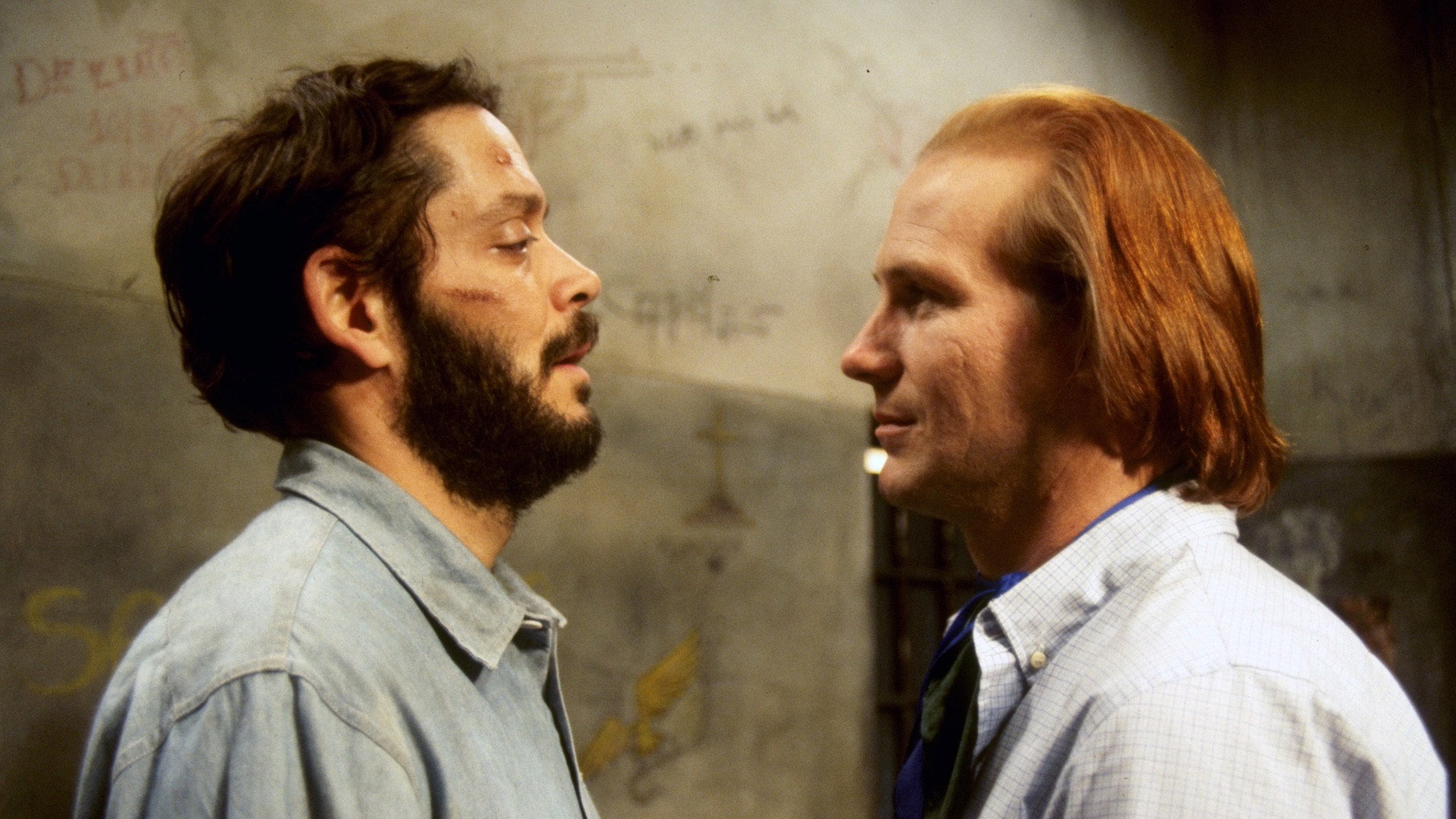
Héctor Babenco’s prison drama earns its emotion through William Hurt and Raúl Juliá, whose contrasting performances make an unlikely closeness convincing. The fantasy passages occasionally feel overworked, but the two men keep us attentive.
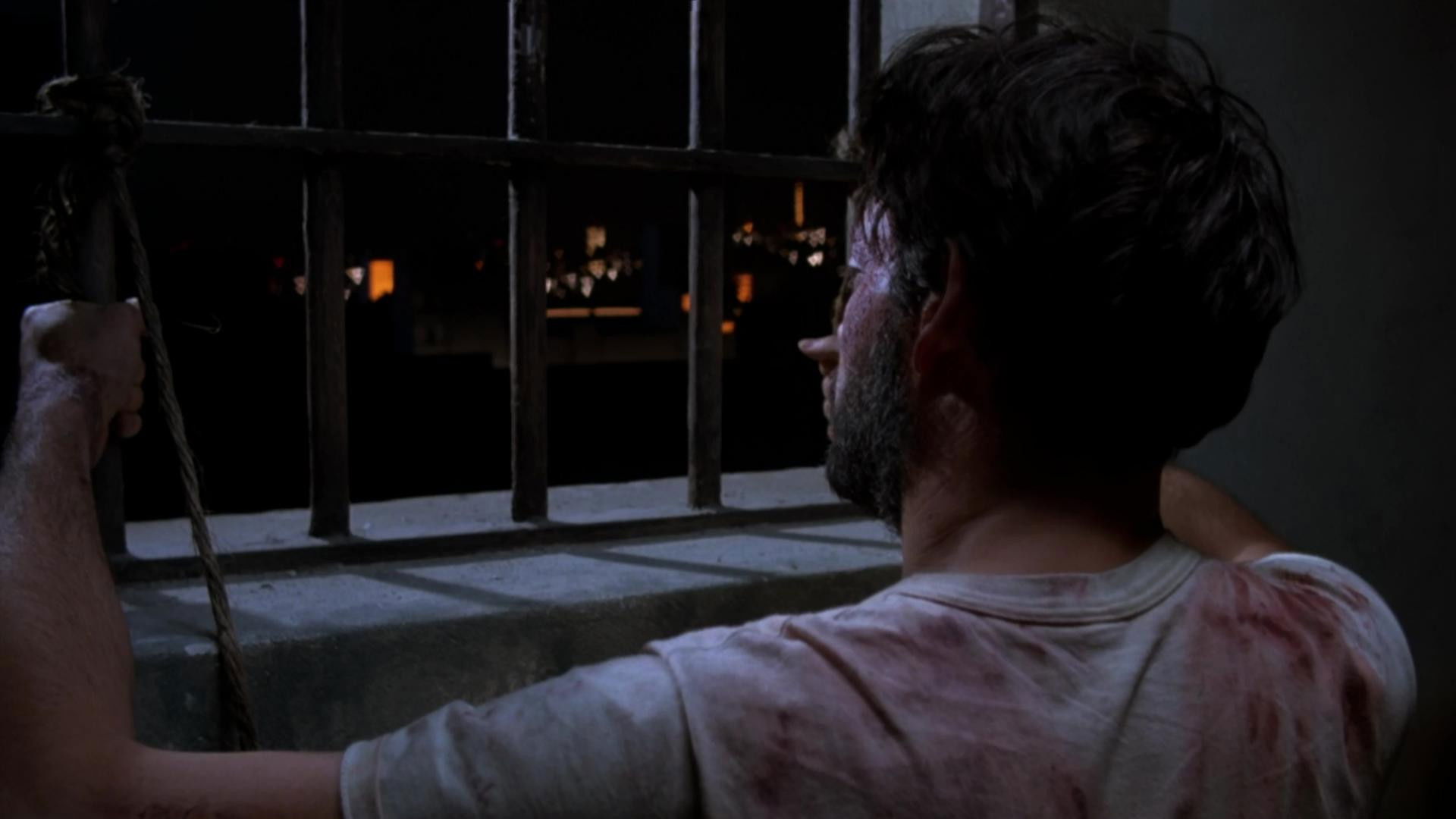
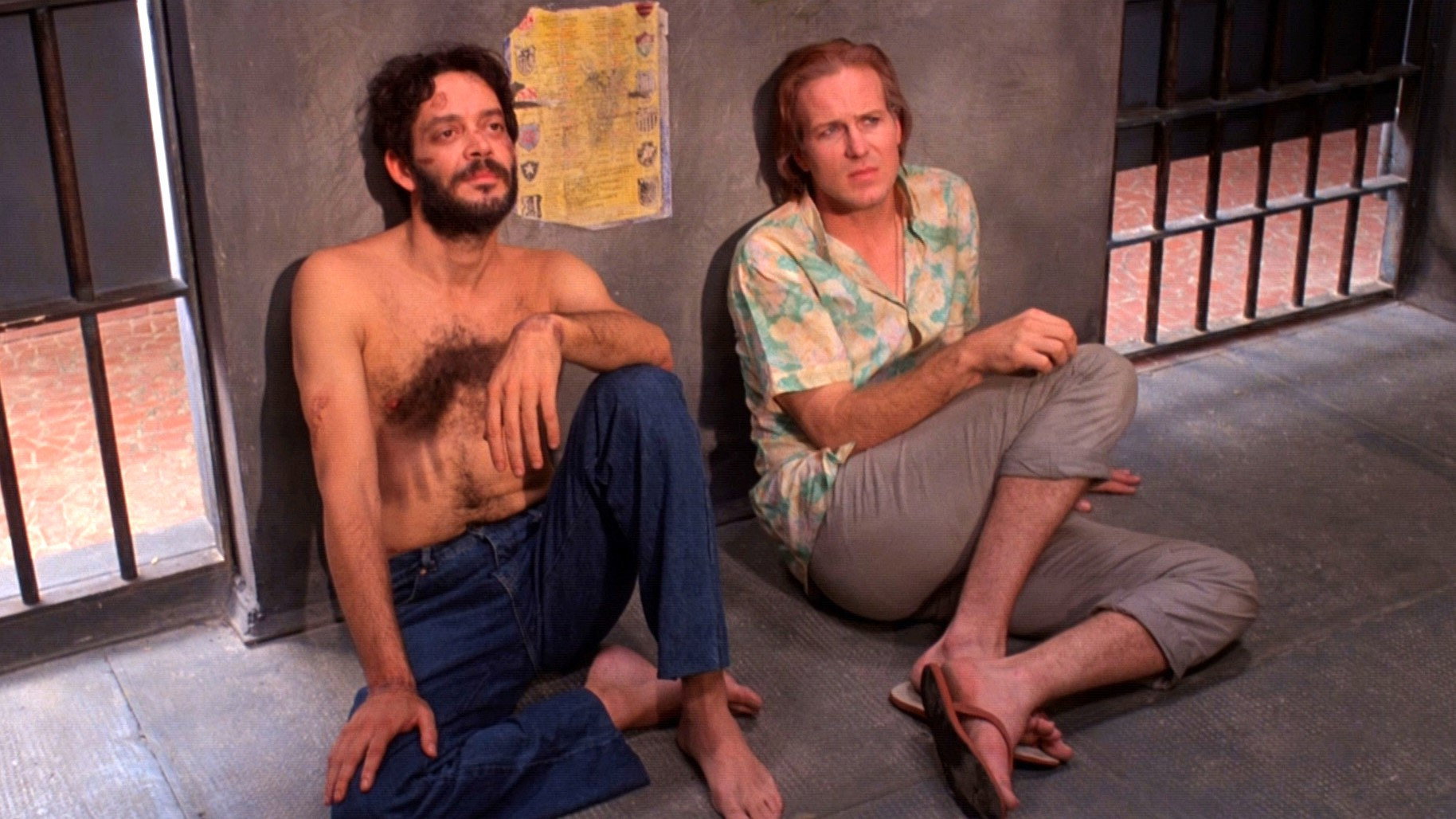
Héctor Babenco’s Kiss of the Spider Woman is a moving prison drama that gives its two leading actors the time they need. Luis Molina and Valentin Arregui share a cell, and the film asks us to watch their opinions of each other change. That sounds a modest basis for two hours. Babenco understands how much can happen between people who cannot simply end a difficult conversation by leaving. We recommend it for the performances, with a reservation about the more elaborate fantasies.
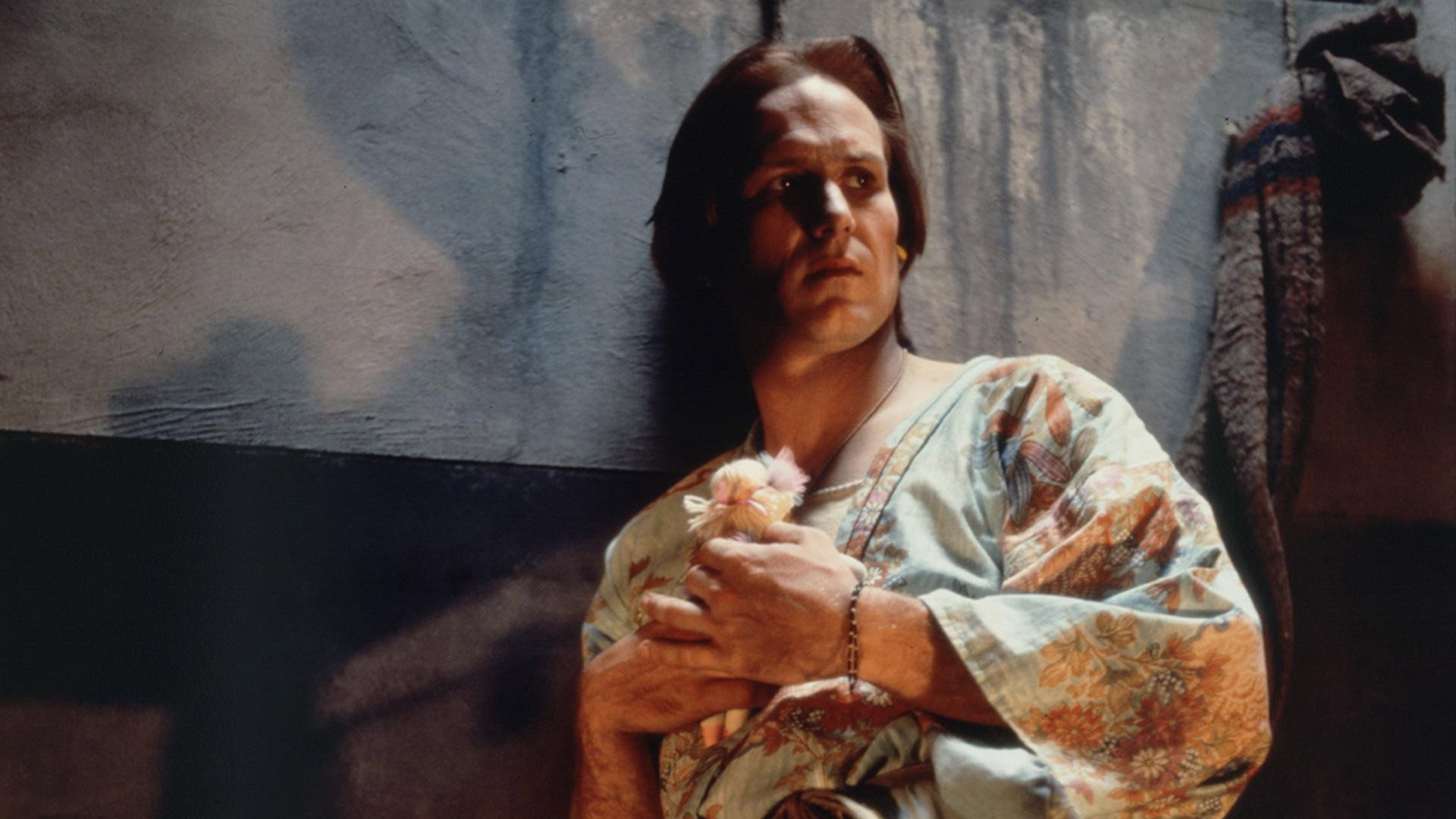
William Hurt plays Molina with an openness that can initially look over-rehearsed: we notice how much he wants his manner to be noticed. The theatricality is insistent, and a few emphases could be smaller. But Hurt remains alert to Raúl Juliá, so the performance never settles into a display put on regardless of who is watching. Molina’s expansiveness becomes easier to accept as we see how closely he attends to his companion.
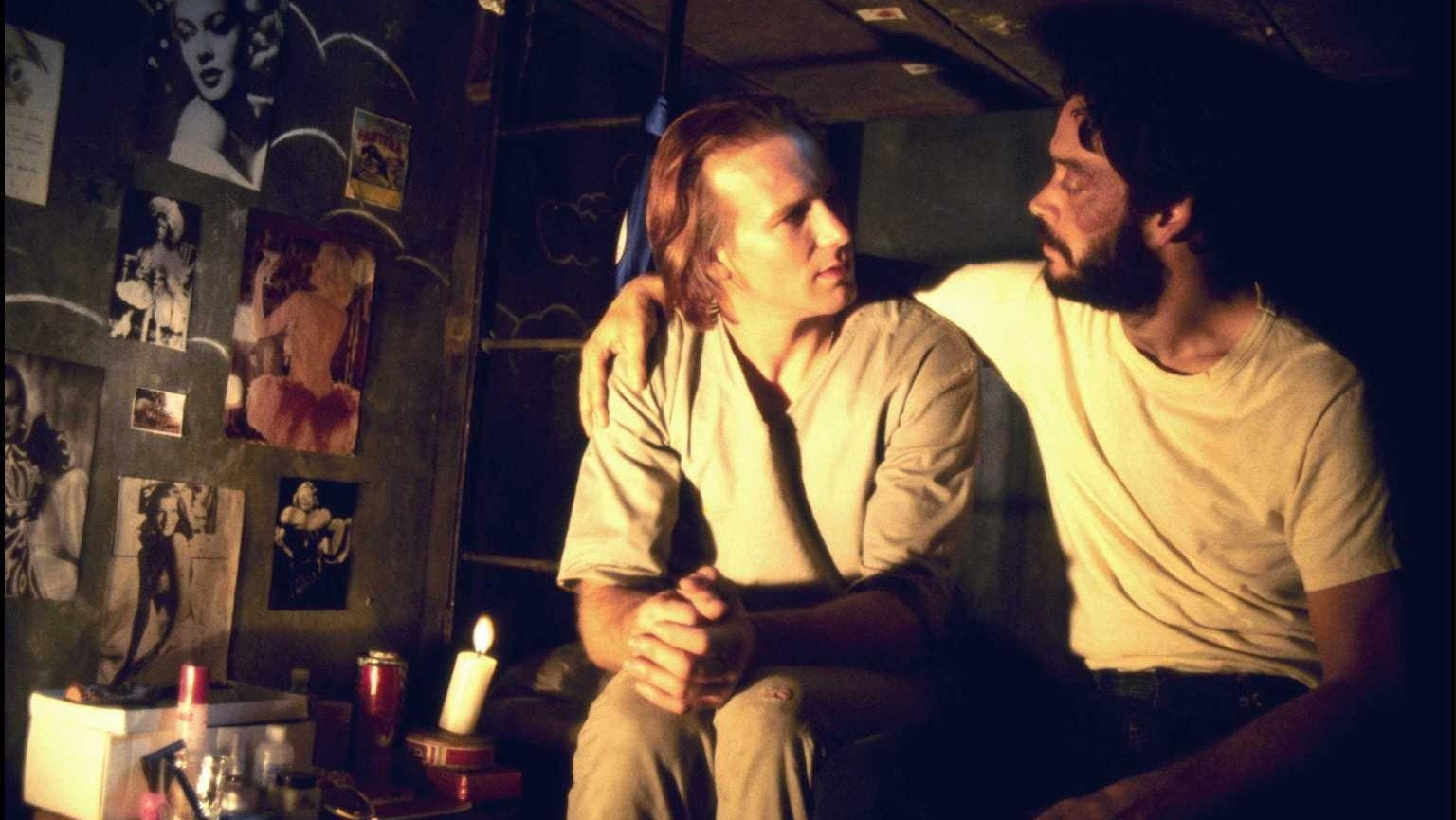
Juliá’s Valentin takes longer to become legible, which is one of the film’s soundest decisions. His relative restraint gives Hurt something to work against, while the growing warmth between them prevents their exchanges from becoming a contest between acting styles. We were moved by the gentleness that emerges in Juliá’s performance. Because he lets it appear gradually, in response to Molina, we feel the effort involved in revising an opinion of another person.
Leonard Schrader’s screenplay, adapted from Manuel Puig’s novel, allows that relationship to develop across prison scenes, flashbacks and fantasies. Mauro Alice’s editing makes these shifts readable without draining away the pleasure of entering a different kind of scene. The return to the cell matters each time because the actors have made the company worth returning to. Still, some of the fantasy passages feel too elaborately presented for what they add, and we occasionally find ourselves waiting to get back to the men.
Rodolfo Sánchez’s cinematography helps the fantasies feel distinct without making the confined scenes seem visually neglected. The film needs us to understand the attraction of elsewhere while remaining interested in the place its characters actually inhabit, and his work supports that balance. John Neschling and Nando Cordeiro’s music encourages the emotional sweep of the imagined scenes. Its expansiveness works, although the small changes in Hurt and Juliá’s responses to each other are what hold us most firmly.
Babenco’s direction is particularly good at allowing both men to remain difficult. The developing affection does not make their earlier resistance seem foolish, and neither actor has to become blandly agreeable to secure our sympathy. The danger in a drama built around contrasting cellmates is that each becomes a lesson arranged for the other’s benefit. Schrader generally avoids that trap by leaving room for the actors to suggest feelings that their dialogue cannot settle.
At 120 minutes, this is a film that expects a willingness to sit with people before deciding what to make of them. Viewers chiefly interested in the fantasy scenes may find that the cellmates steadily become the stronger attraction. Give Hurt’s more emphatic moments a little patience; Juliá is there beside him, and their developing rapport is worth the wait.