Stephen Frears and Hanif Kureishi make a funny, tender romance in which wanting money is as human as wanting love. The crowded subplots occasionally get in the way, but the performances keep the people worth caring about.
Stephen Frears makes a warm, prickly social comedy from an unlikely business proposition: two young men turning a rundown laundrette into somewhere people might want to spend time. My Beautiful Laundrette is funny, sexy and observant, with a crowded script that occasionally lets its characters talk longer than we want to listen. Hanif Kureishi puts a gay romance among the ambitions and resentments of London’s Pakistani community and working-class whites. Money matters here, and wanting it does not automatically make someone a fool or a villain.
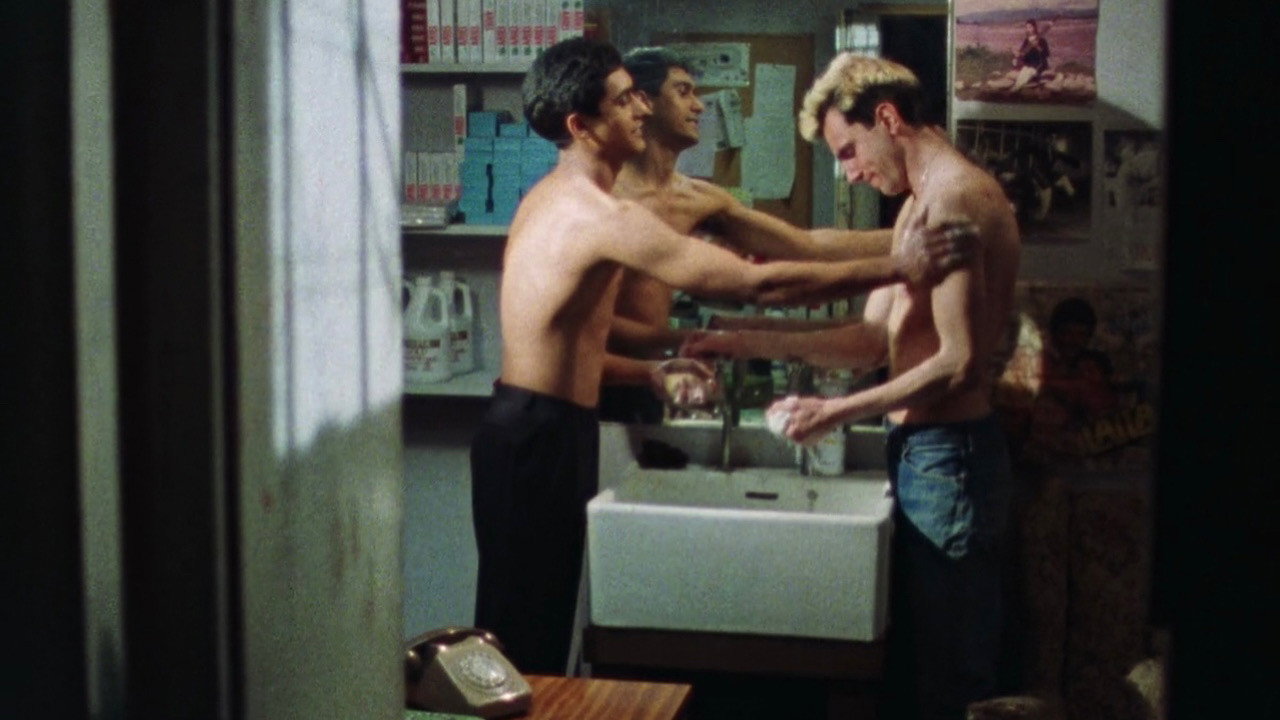
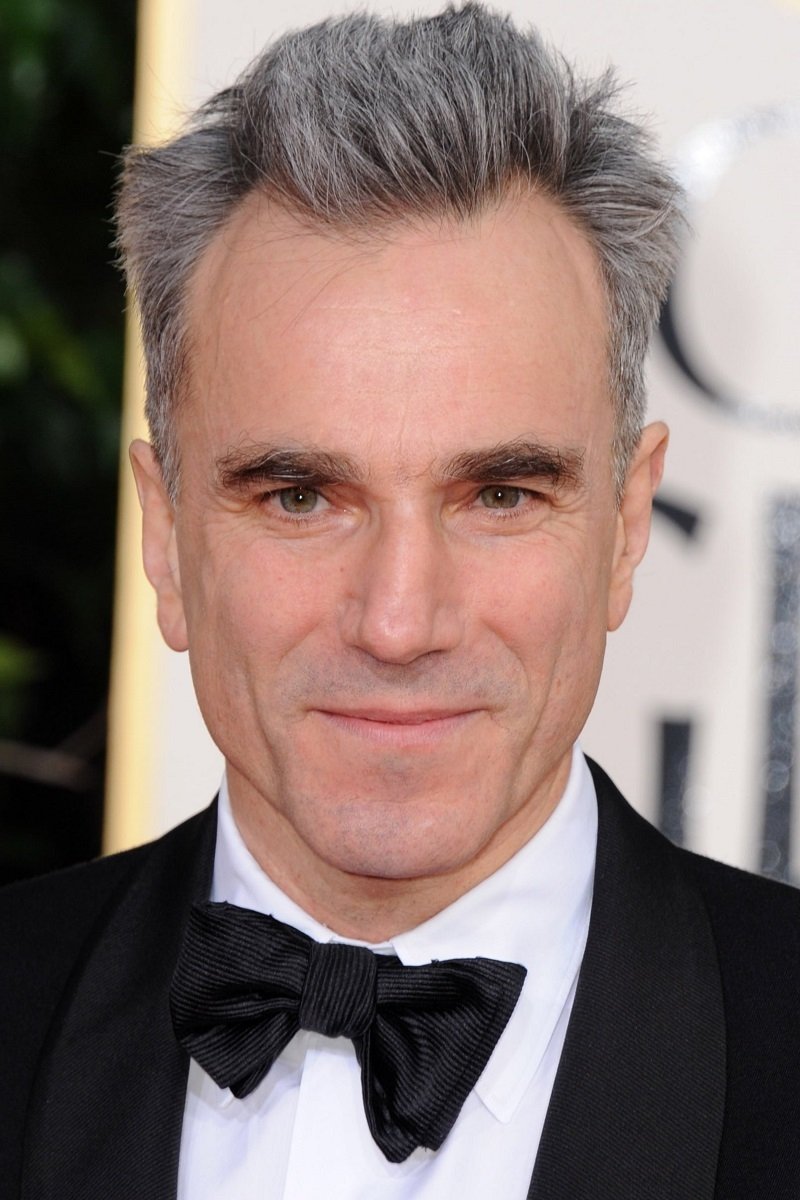
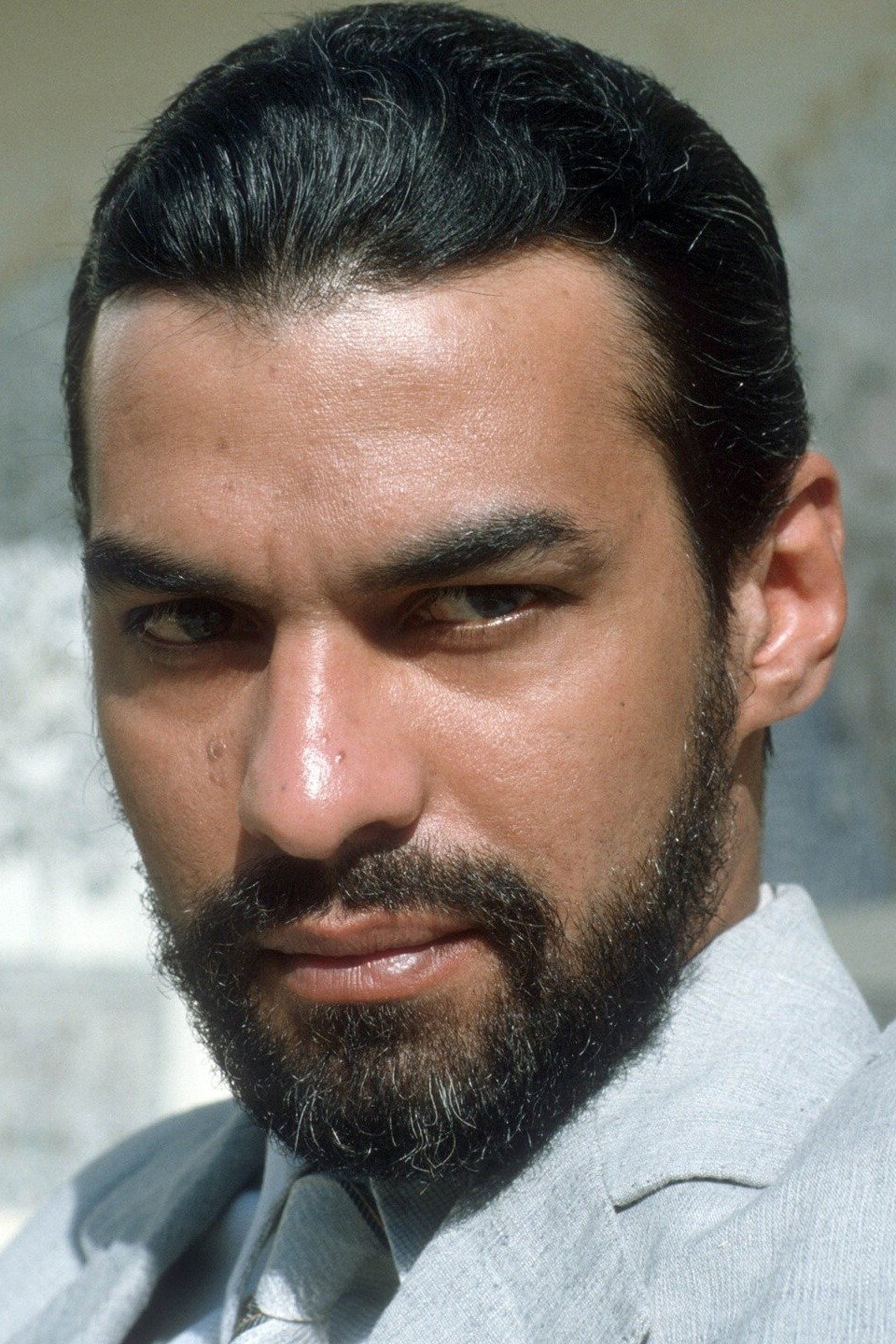
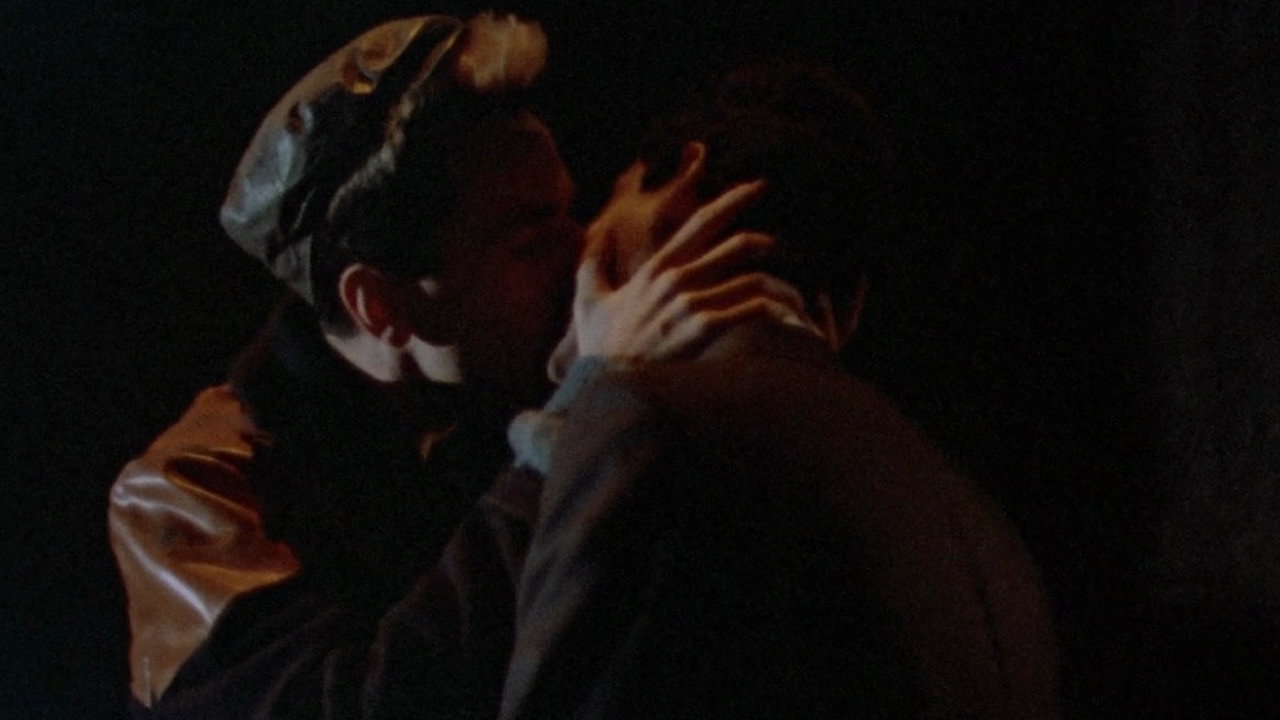
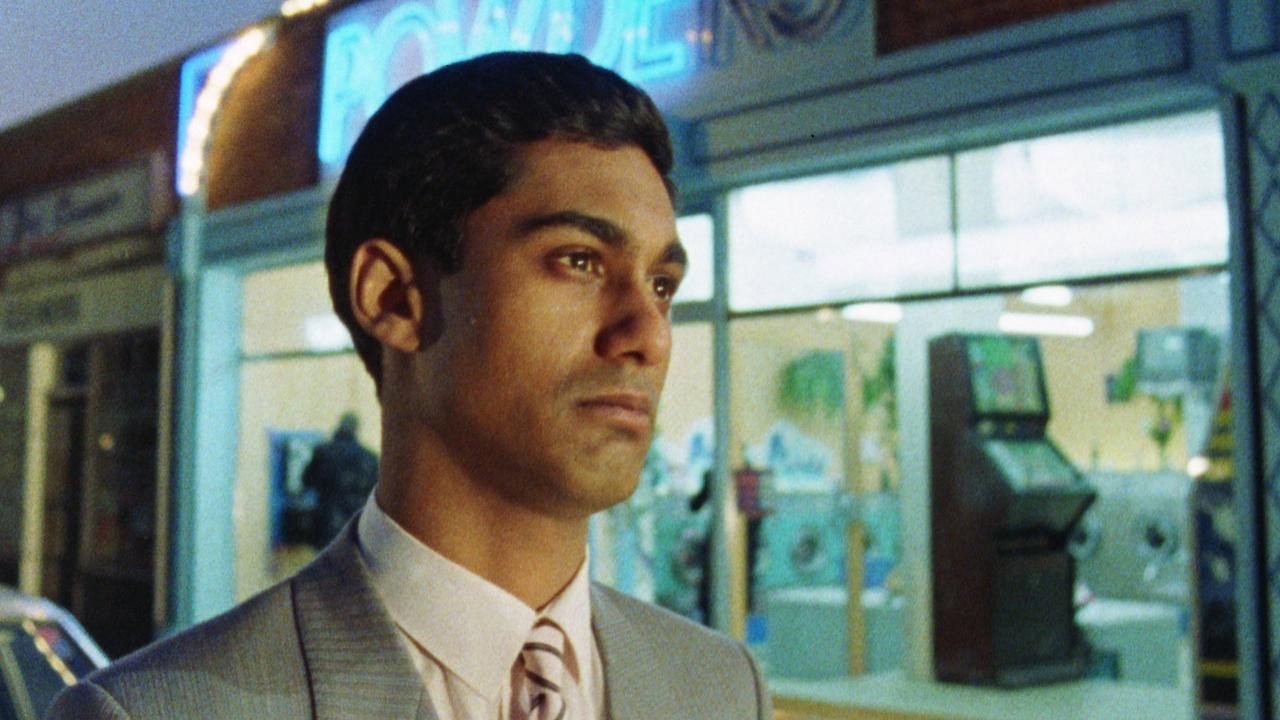
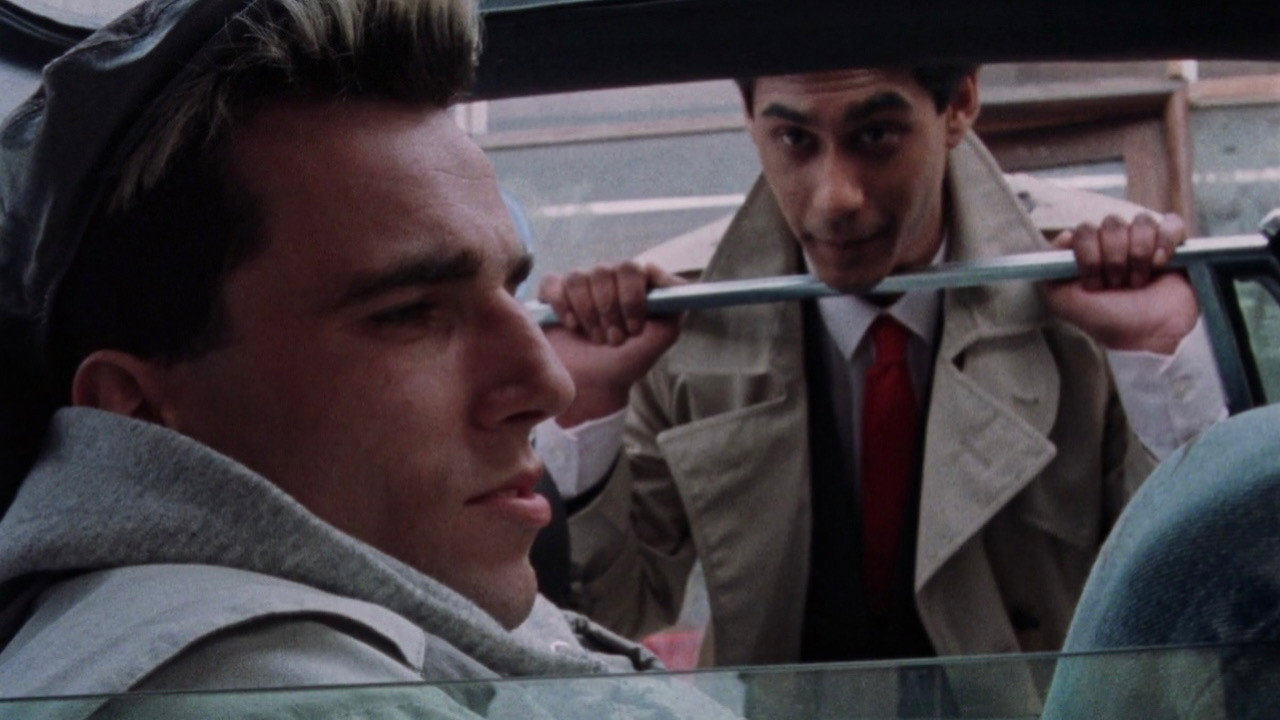
Gordon Warnecke’s Omar Ali has to hold our attention beside Daniel Day-Lewis’s Johnny Burfoot, and the quieter performance is worth watching closely. Warnecke makes the wish to get ahead appealing enough for us to share it, without asking us to approve of everything that comes with it. Day-Lewis brings a restless physical presence, but his attention to Omar is what gives the romance its force. We were moved by their tenderness, because the racial resentment around them makes that affection feel precarious.
Kureishi also gives Saeed Jaffrey’s Nasser Ali room to be funny without reducing him to a joke about money. Jaffrey makes ambition sociable and persuasive, and his pleasure in the character is infectious. The comedy works because no one has to stand outside the story explaining what Thatcher’s Britain has done to the people in it. Frears allows us to enjoy their company while leaving plenty of room to question their behaviour.
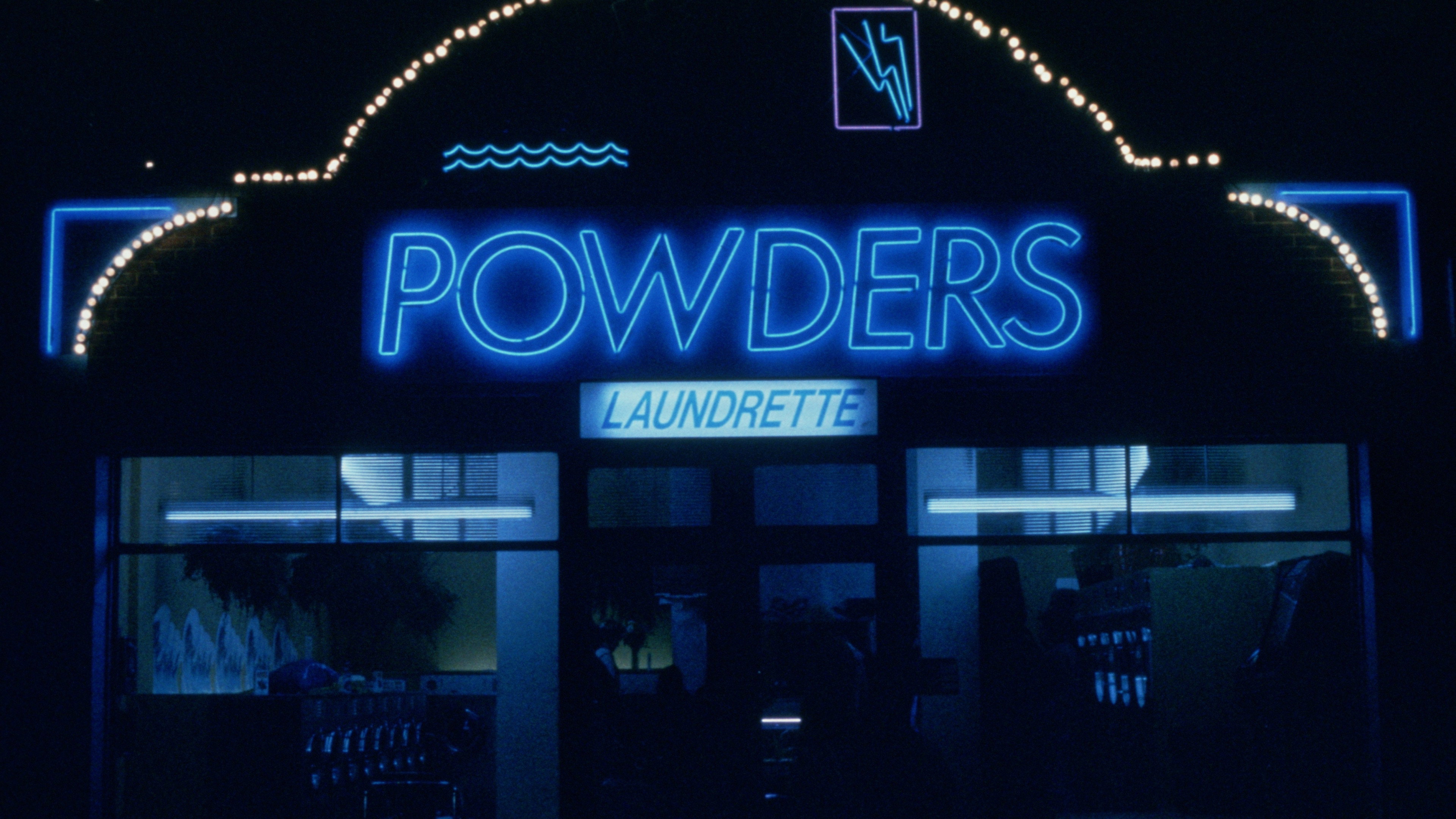
Hugo Luczyc-Wyhowski’s production design gives the renovation a visible point: the laundrette becomes flashy enough for its owners’ pride to make sense. Oliver Stapleton’s cinematography makes the transformed shop inviting, helping us understand why improving it should become such an absorbing occupation. Its new flashiness can look faintly absurd, which is part of the pleasure. That touch of fantasy suits a film willing to let its characters enjoy themselves despite the hostility surrounding them.
Mick Audsley’s editing keeps the romance and the business scheme closely connected, giving the lovers practical concerns alongside their attraction. There is an appealing bustle to the changes of company and concern, though the competing relationships sometimes make the story feel hurried. Hans Zimmer and Stanley Myers’s music helps sustain the playful mood without making the surrounding hostility disappear. That lightness matters in a film dealing with racism and resentment, where an insistently grave accompaniment could have made the comedy feel unwelcome.
The weakness is Kureishi’s tendency to give several people something important to say at once. Some dialogue sounds written for our benefit, and the subsidiary stories do not all have enough space to develop before attention moves elsewhere. Frears usually gets away with that crowding because the cast give even awkward exchanges some warmth, but there are passages where we want fewer people and more time with them. The 98-minute running time leaves some of those relationships short of room.
As a romance, it is unusually comfortable letting desire exist alongside calculations about work, money and belonging. Omar and Johnny are not required to become exemplary citizens before we are allowed to care about them, and that makes the love story easier to believe. Their attraction remains interesting because the film has given them other things to want, including things we might distrust. See it for the lovers, and allow for a few conversations that could have ended sooner.