Beautiful Thing is a funny, affecting teenage romance, with Linda Henry giving its tenderness some needed bite. The boys deserve fuller lives on the page, but the performances make their attraction matter.
Beautiful Thing makes a modest promise: two shy teenage neighbours might find love, even with everyone else carrying on around them. Hettie Macdonald’s film is warm, funny and worth an evening, though its central characters could have been written more fully. Jonathan Harvey’s screenplay places their attraction within a working-class London neighbourhood that has other people to worry about. The boys matter without everyone else having to become an obstacle or a lesson.
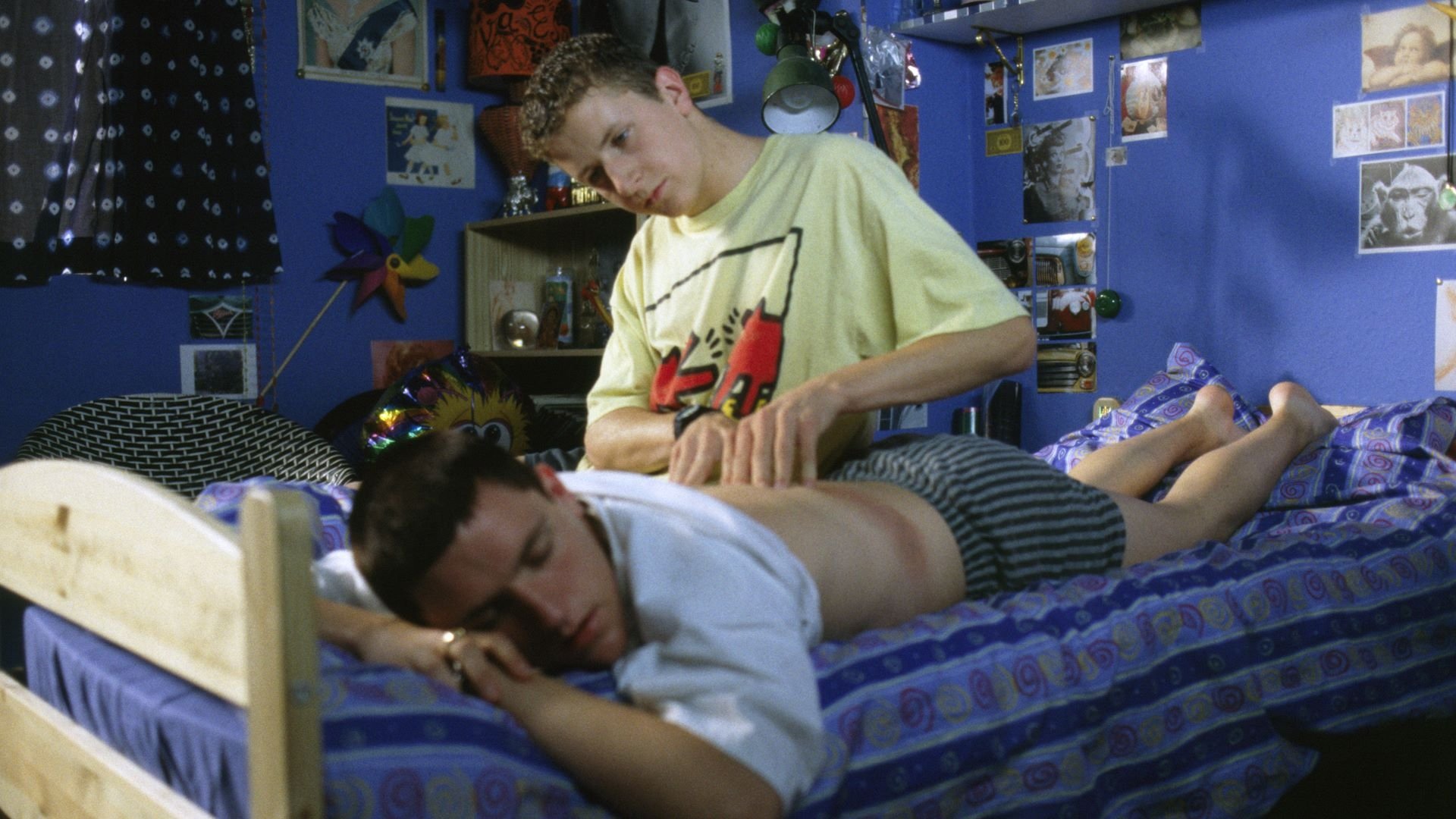
Glen Berry’s Jamie Gangel and Scott Neal’s Steven Pearce are persuasive because neither performance makes adolescent uncertainty look tidy. Their shyness gives the romance its pace, and the rawness of the acting suits characters who have not worked out how to be at ease with themselves. We were moved by how awkward they are together. Berry and Neal make being liked feel like something these boys can scarcely allow themselves to expect, which gives their attraction more weight than a polished declaration would.
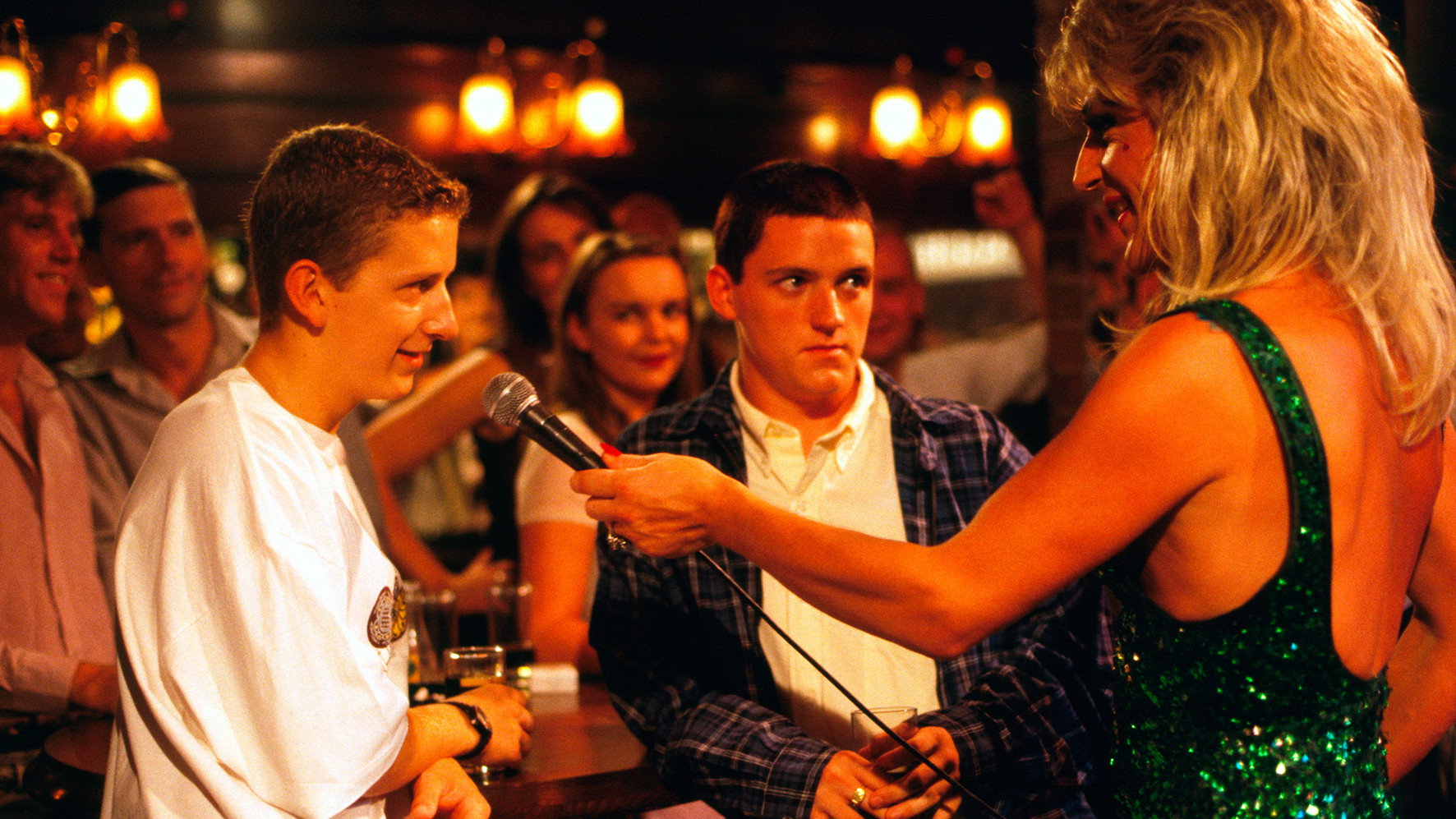
Linda Henry, as Sandra Gangel, is the strongest reason to keep looking beyond the couple. She gives the single mother a force that makes affection and exasperation seem equally plausible, and she can dominate the comedy without seeming to have stepped into a different film. Harvey allows the supporting characters their own awkwardness and contradictions, rather than making them uniformly wise or cruel. Tameka Empson’s Leah belongs to that busier, less predictable part of the story, and helps stop the romance from becoming too solemn.
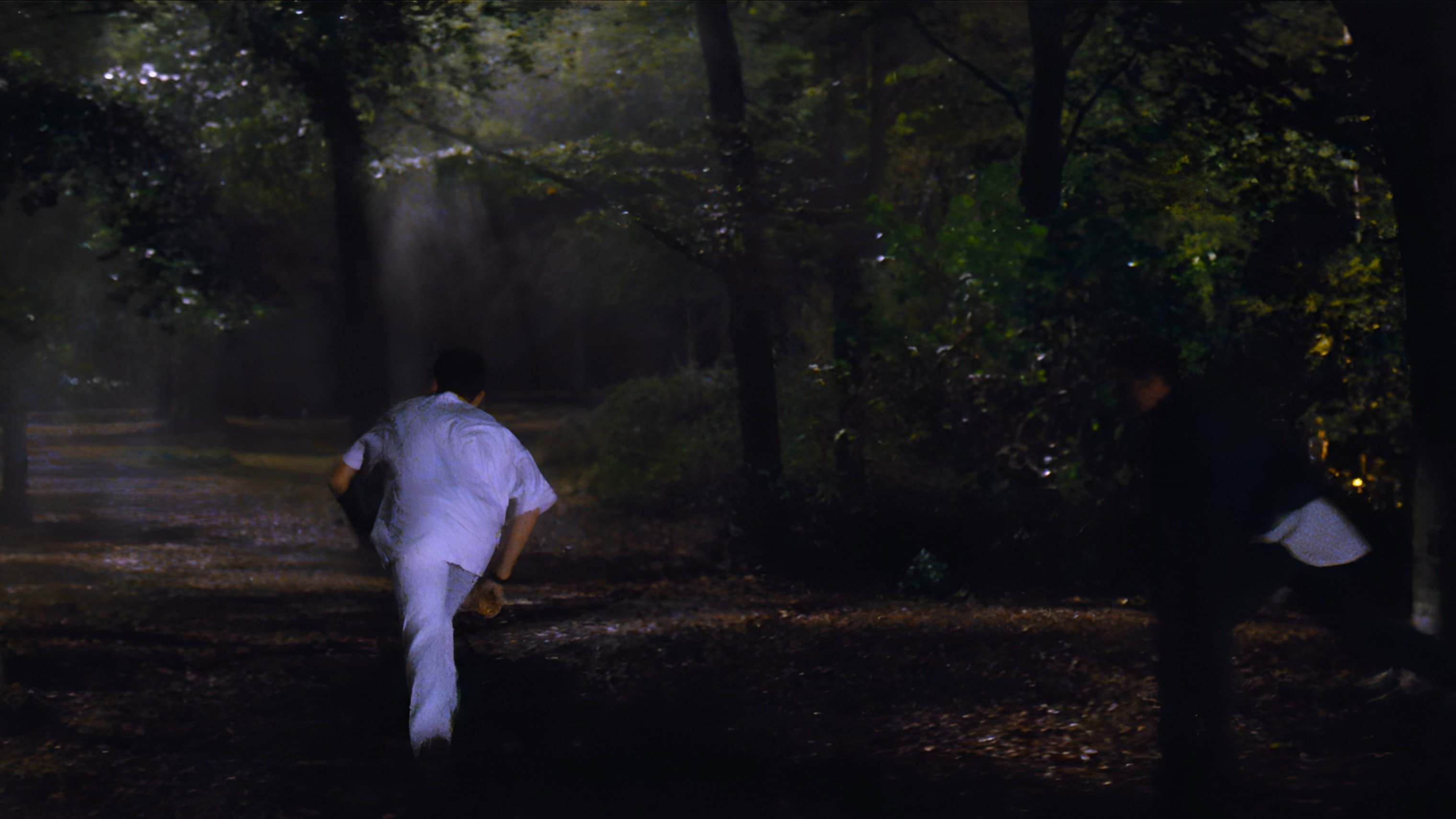
Chris Seager’s cinematography gives Thamesmead a useful familiarity: we can accept this estate as home without being asked to admire it. Mark Stevenson’s production design supports that everyday setting, keeping the neighbourhood credible alongside the broader comedy. Neither contribution calls much attention to itself, and that restraint suits a film so interested in its supporting characters. A stronger visual shape would have helped, but the setting gives these encounters a convincing place to happen.
Don Fairservice’s editing does not quite solve the problem of getting from one good exchange to the next. The film can feel loosely assembled, with individual performances doing more to hold our attention than the movement of the story. The more serious limitation is in Harvey’s writing of the leads, whose emerging sexuality is clearer than the rest of their personalities. Berry and Neal persuade us to care, but we wanted more of the ordinary detail that would distinguish them away from the romance.
John Altman’s score helps sustain the tenderness when the surrounding comedy threatens to overwhelm it. The songs by the Mamas & the Papas make the stronger impression, bringing a more immediate warmth to the boys’ hesitant romance. The music suits Macdonald’s willingness to be sentimental, which is one of her better decisions. It helps us accept tenderness as part of these lives without demanding that we forget their difficulties.
As a coming-out romance, this is refreshingly willing to let adolescent desire be funny without treating the adolescents as a joke. Macdonald does not need every neighbour to be admirable for the neighbourhood to contain affection. That makes a welcome change from dramas in which working-class life seems to offer nothing except another reason to be miserable. Choose it for a tender romance, with the caveat that the people beside the couple sometimes get the better writing.