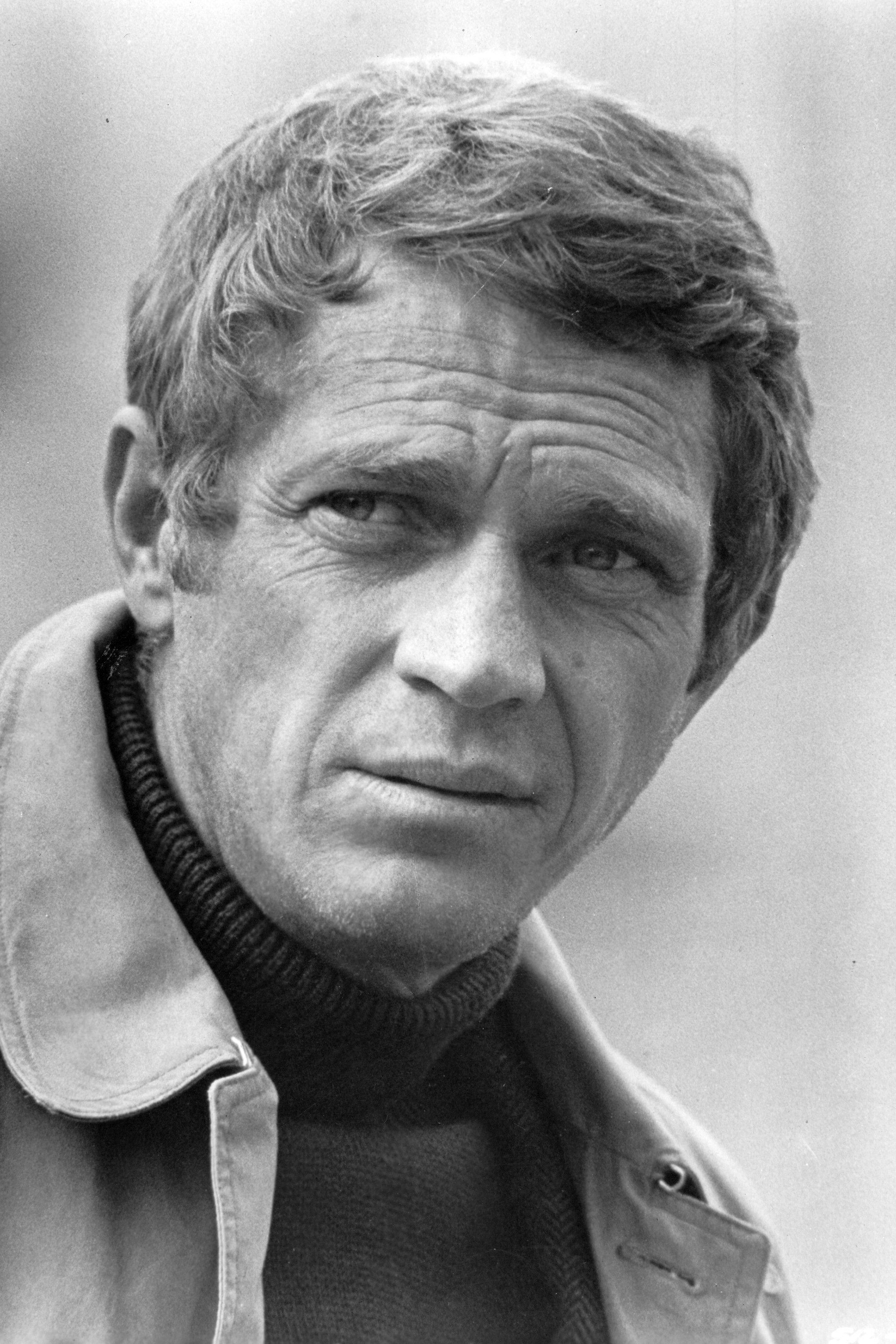
Steve McQueen can make a man's confidence funny without giving him a joke. We rate his spare, physical acting, especially when John Sturges gives him other capable people to play against; the solitary action hero is less consistently rewarding.
Fi1m perspective
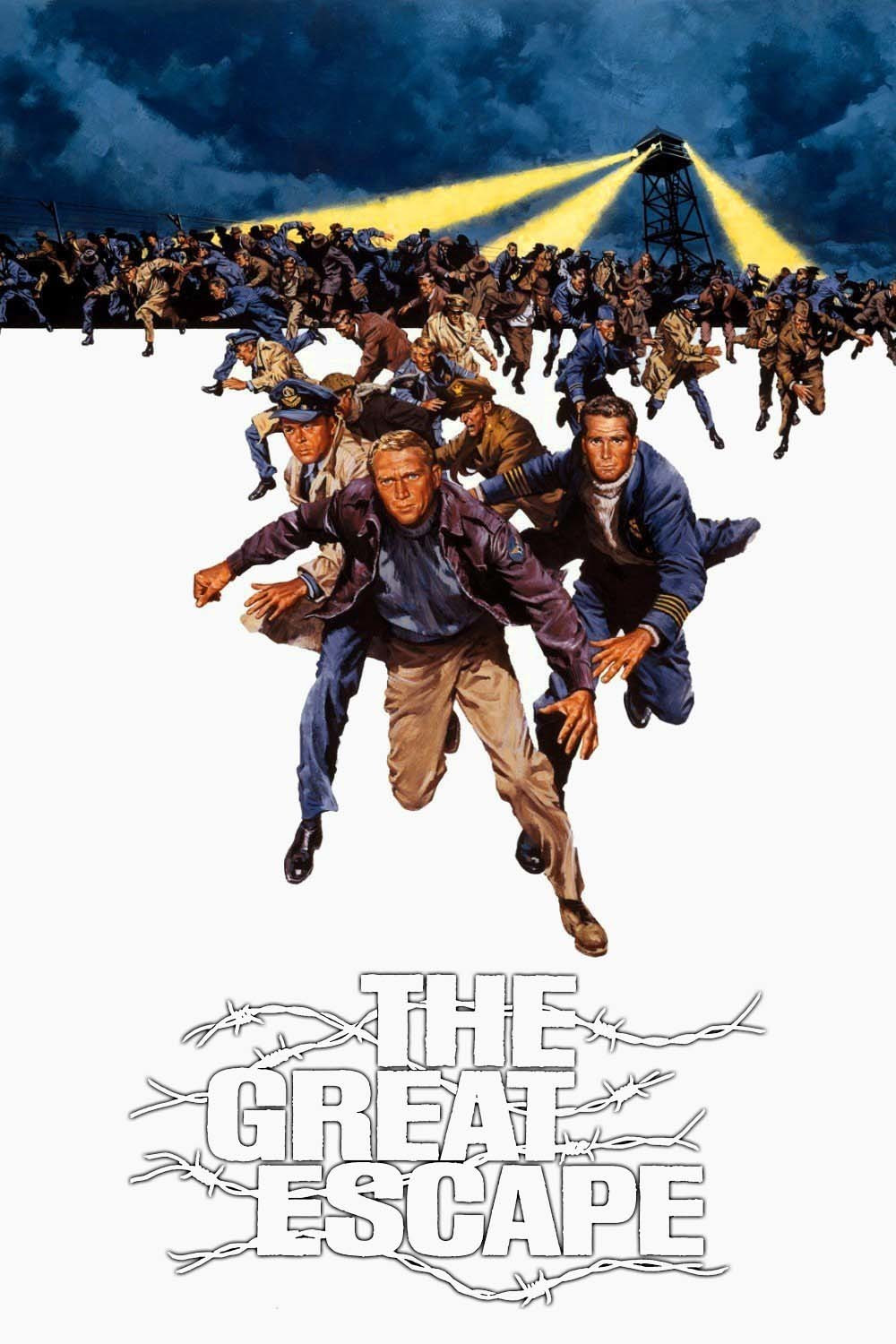
In The Great Escape (1963), McQueen's Hilts treats confinement as a personal inconvenience rather than a reason to lose his composure. His confidence is funny without requiring a supply of jokes. The Cooler King nickname suits an actor who needs little dialogue, letting his body and eyes do much of the work. His ease is a considerable pleasure, though the film softens the hardships of captivity enough to make that composure easier to sustain.
The early screen work moved from The Blob (1958) and television's Wanted: Dead or Alive (1958–61) to the two John Sturges films that established him as a star. The Magnificent Seven (1960) came first, followed by The Great Escape. He relied on movement and a look more than talk. By Bullitt (1968), that restraint and physical assurance were central to his appeal. Cars and motorcycles suited a performer who could hold our attention without explaining what he was thinking.
Sturges gets something more useful from him by refusing to make everybody else an onlooker. In The Great Escape, Richard Attenborough's Bartlett supplies the seriousness and James Garner's Hendley a more companionable resourcefulness. McQueen remains the attraction, but the preparations give the others work that matters. We were gripped by the tunnel-building because Sturges lets us follow capable men solving practical problems. He allows us to enjoy McQueen without leaving us impatient whenever he is off screen.
The reservation is that McQueen did relatively little to move beyond that laconic action hero. The later Papillon (1973), pairing him with Dustin Hoffman in a prison-escape drama, still belongs to that familiar territory. We admire the control, but after enough self-contained men we would welcome a less familiar response. That is a reason to choose carefully, not to dismiss an actor who can convey emotion with so little speech. For a first encounter, choose The Great Escape, and save some of the admiration for Attenborough and Garner.
Biography
Steve McQueen (1930–1980) was an American actor. Born Terrence Stephen McQueen in Beech Grove, Indiana, he served in the US Marine Corps before studying at the Neighborhood Playhouse in New York City. His early film roles included The Blob (1958).
McQueen gained prominence with supporting parts in The Magnificent Seven (1960) and as Hilts, 'The Cooler King', in The Great Escape (1963). Subsequent leading roles included The Cincinnati Kid (1965), The Sand Pebbles (1966), The Thomas Crown Affair (1968), Bullitt (1968), The Getaway (1972), Papillon (1973) and The Towering Inferno (1974). He received an Academy Award nomination for Best Actor for The Sand Pebbles.
In 1974 McQueen was reported as the highest-paid movie star in the world. He had previously appeared in the ensemble cast of The Great Escape and later starred opposite Dustin Hoffman in Papillon.