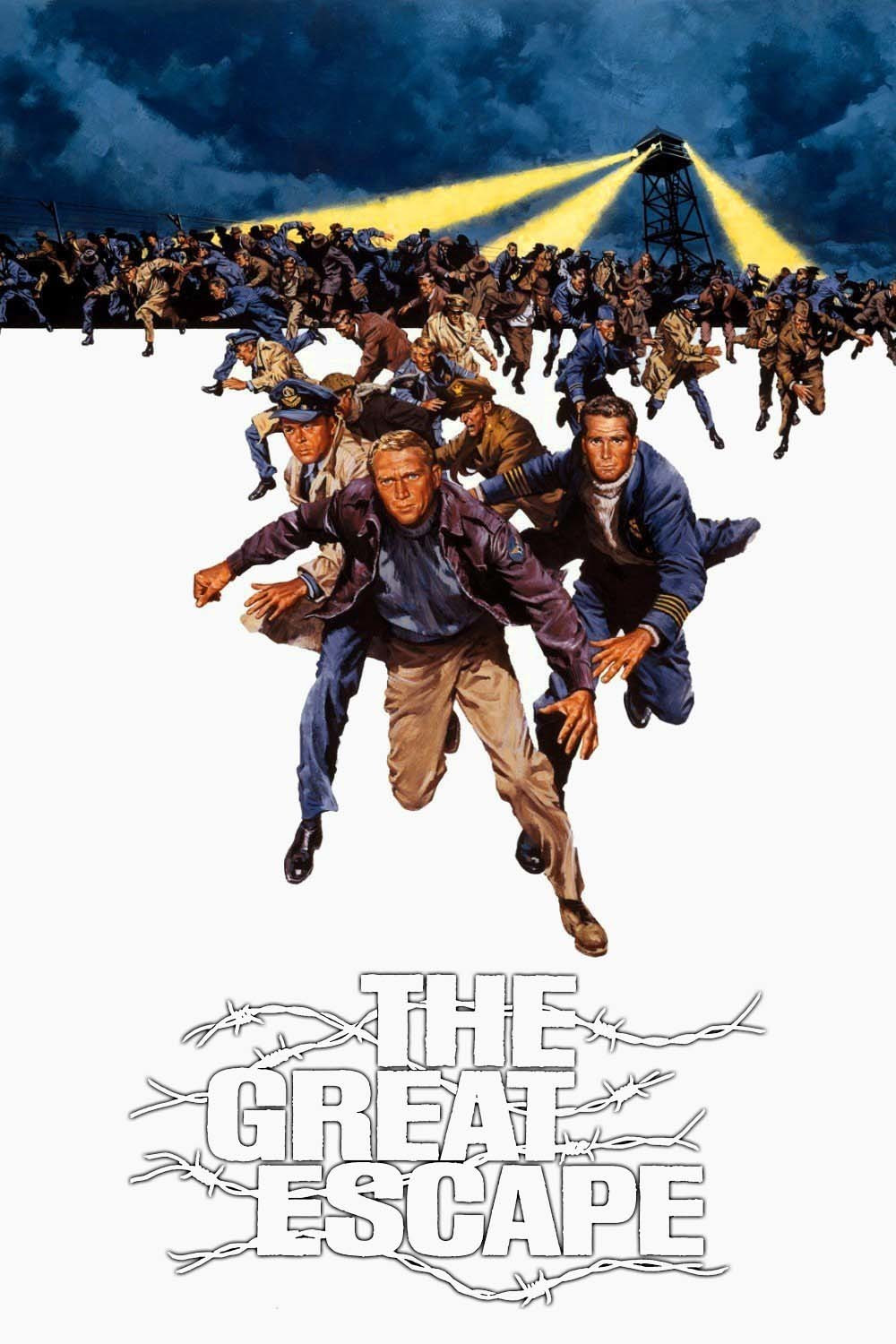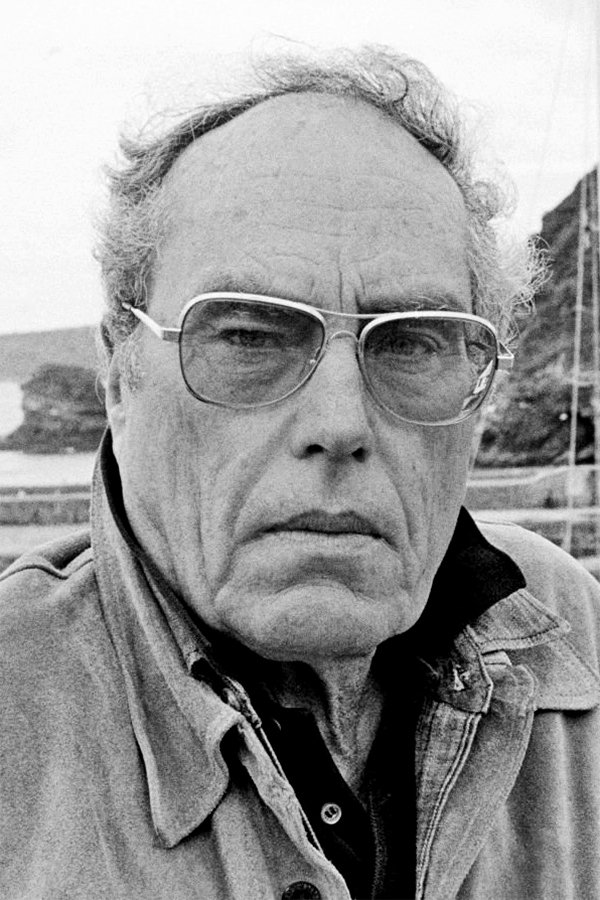
John Sturges is a director we value for clear action and ensembles whose supporting players have jobs worth watching. The Great Escape gives ample reason to recommend him, though its prisoners seem rather too comfortable.
Fi1m perspective
The tunnel-building in The Great Escape (1963) gets the attention another director might reserve for a star's entrance. Sturges shows how separate jobs fit together, and the preparations become absorbing without anyone needing to hurry them along. We were gripped by the digging because he made us care about the work itself. There are plenty of personalities to enjoy, but the supporting players have something to do beyond waiting for Steve McQueen.
That gift for organising men in a frame runs through the Westerns and war adventures on which his reputation rests. Bad Day at Black Rock (1955) used widescreen composition to emphasise isolation; Gunfight at the O.K. Corral (1957) established his reputation for taut Western action. In The Magnificent Seven (1960), the ensemble was a principal attraction. McQueen, Charles Bronson and James Coburn were among the actors whose careers benefited from Sturges repeatedly finding room for them.
In The Great Escape, McQueen's Hilts is funny through sheer confidence, while Richard Attenborough gives Bartlett the seriousness the collective effort needs. James Garner makes Hendley's resourcefulness friendly rather than smug. Sturges keeps these men distinct even when their individual appeal must give way to the preparations. The reservation matters: the prisoners carry themselves so comfortably that the hardships of captivity never become equally convincing.
Cinematographer Daniel L. Fapp gives the ensemble enough space for the preparations to stay readable. Editor Ferris Webster connects the separate tasks so that their part in the larger scheme remains clear. Sturges can direct attention towards one man without making the rest appear to have stopped working. We enjoy this clarity because it lets us follow the plan ourselves, rather than merely take the characters' word for its ingenuity.
Comedy proved less dependable territory, notably in The Hallelujah Trail (1965). His later films included the large-scale action of Ice Station Zebra (1968), with The Eagle Has Landed (1976) arriving towards the end of his directing career. For a first encounter, choose The Great Escape, with some tolerance for prisoners who make confinement look like rather less trouble than it is.
Biography
John Sturges (also credited as John Elliott Sturges) was an American film director. He began his career as an editor in 1932 and served in the US Army Air Forces during the Second World War, where he directed documentaries and training films.
His mainstream feature directorial career started in 1946. Sturges became known for Westerns and action films, including Bad Day at Black Rock (1955), Gunfight at the O.K. Corral (1957), The Magnificent Seven (1960) and The Great Escape (1963), which he also produced. He received a Golden Boot Award in 1992 for his contribution to Westerns.