John Sturges makes the practical business of escape absorbing, with Steve McQueen and a strong ensemble supplying the pleasure. The hardships of captivity are softened, but this is a war adventure we warmly recommend.
The Great Escape is a thoroughly enjoyable war adventure, provided we accept how comfortably its prisoners wear their heroism. John Sturges puts the practical business of a mass breakout at the centre, and gives us enough distinct personalities to make the work worth following. There is pleasure in seeing a complicated job divided among people who know what they are doing. The film’s account of captivity is considerably less persuasive, but that limitation need not spoil an evening spent with this cast.
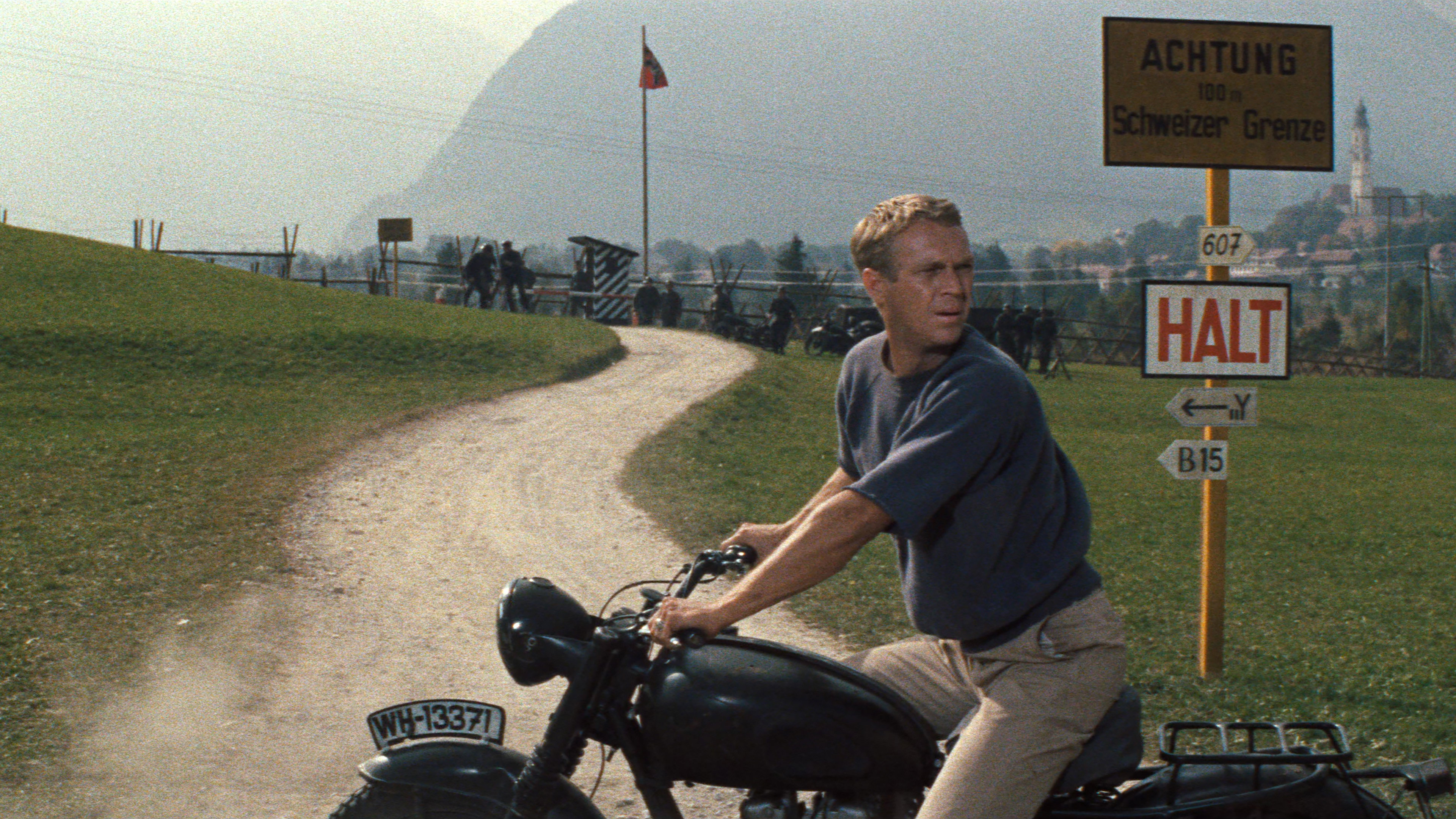
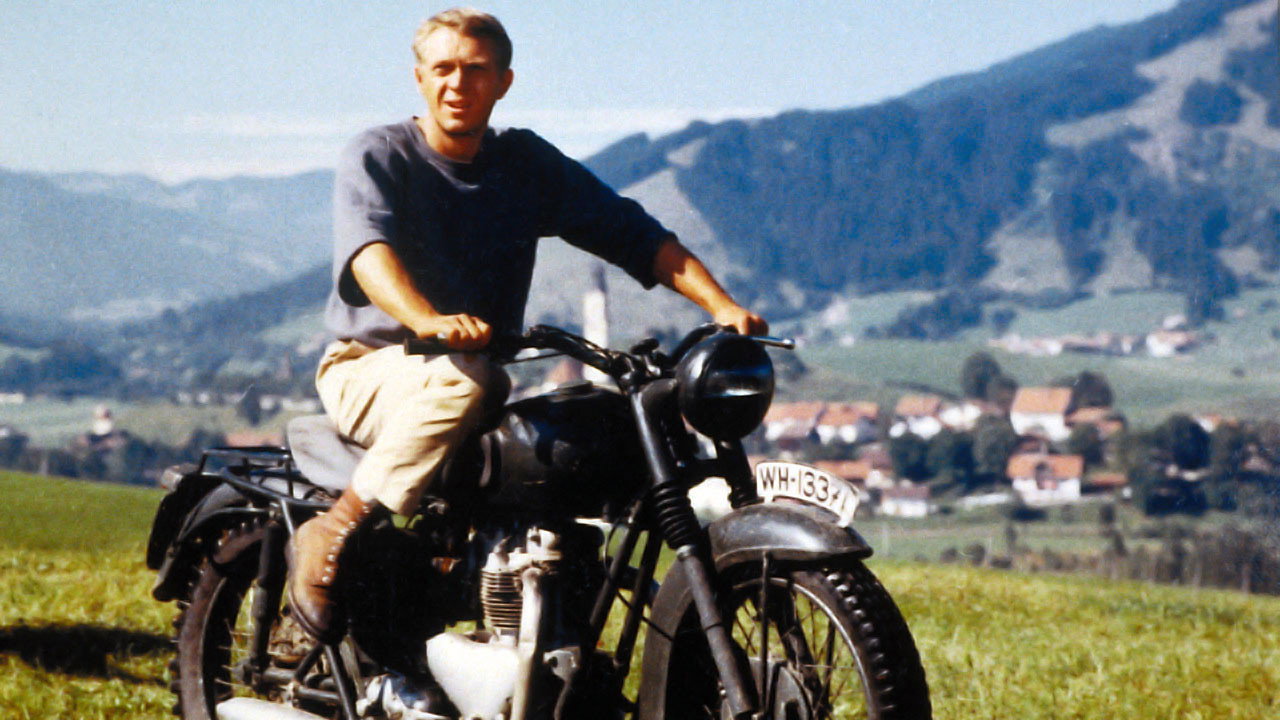
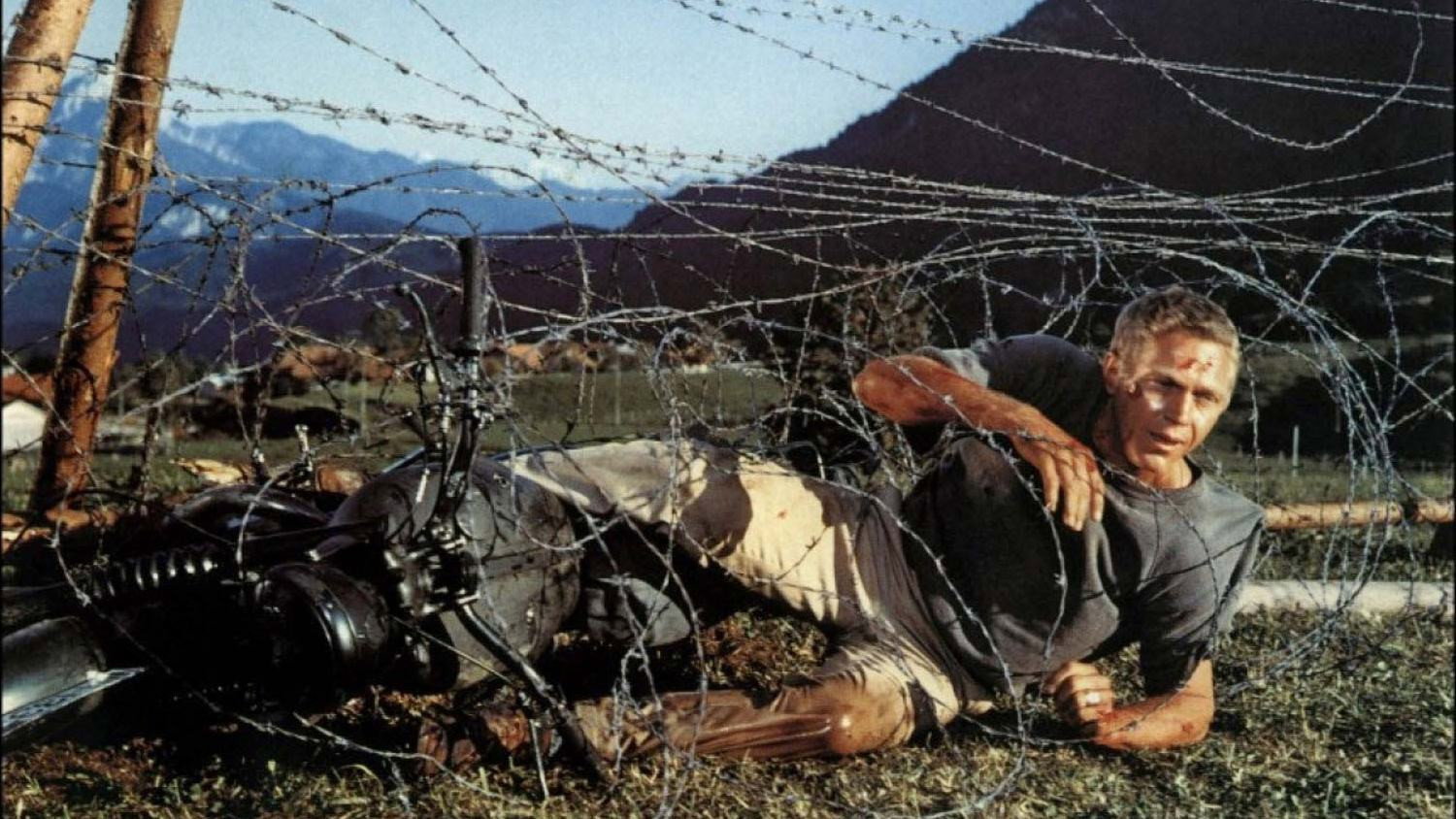
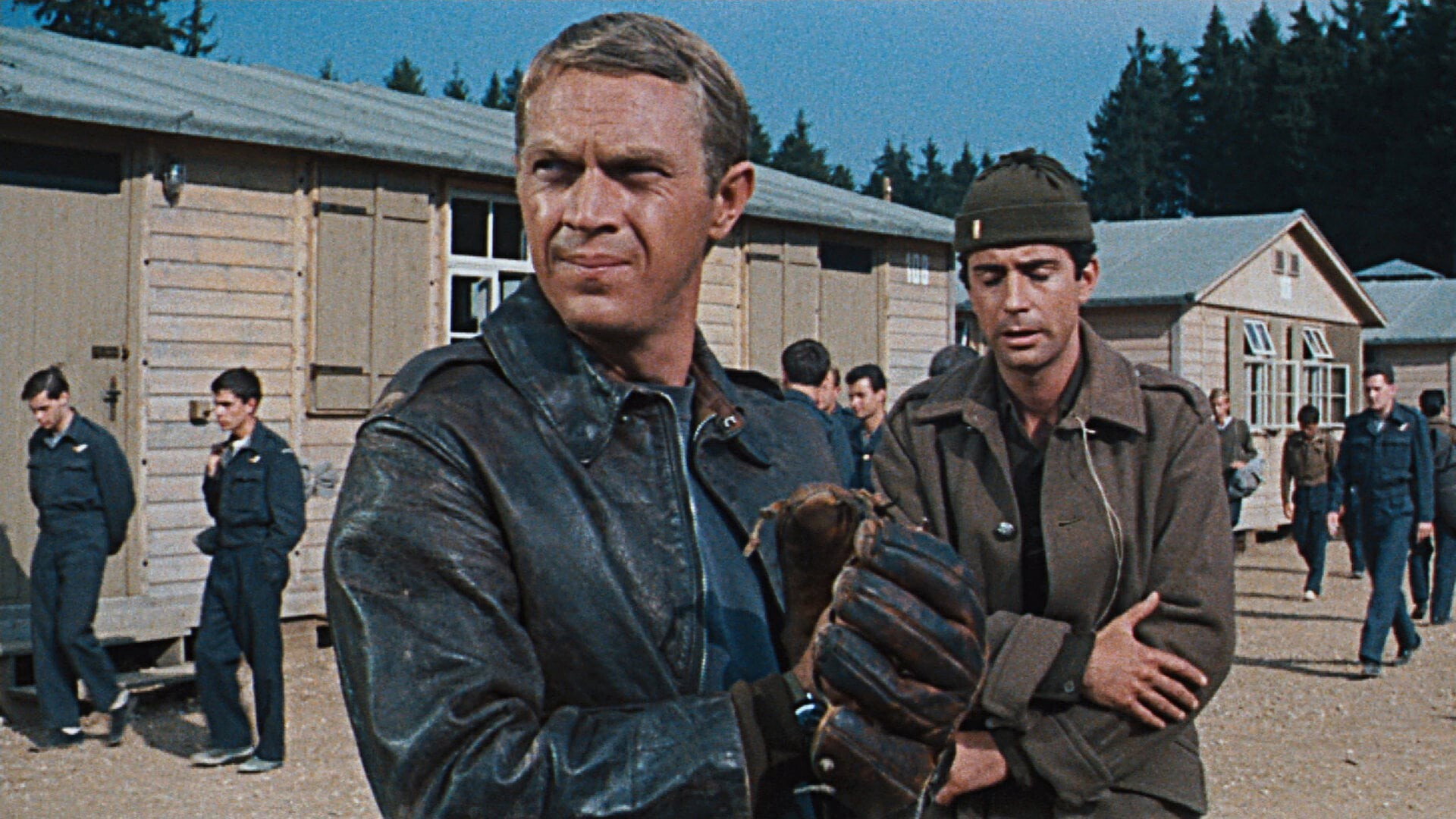
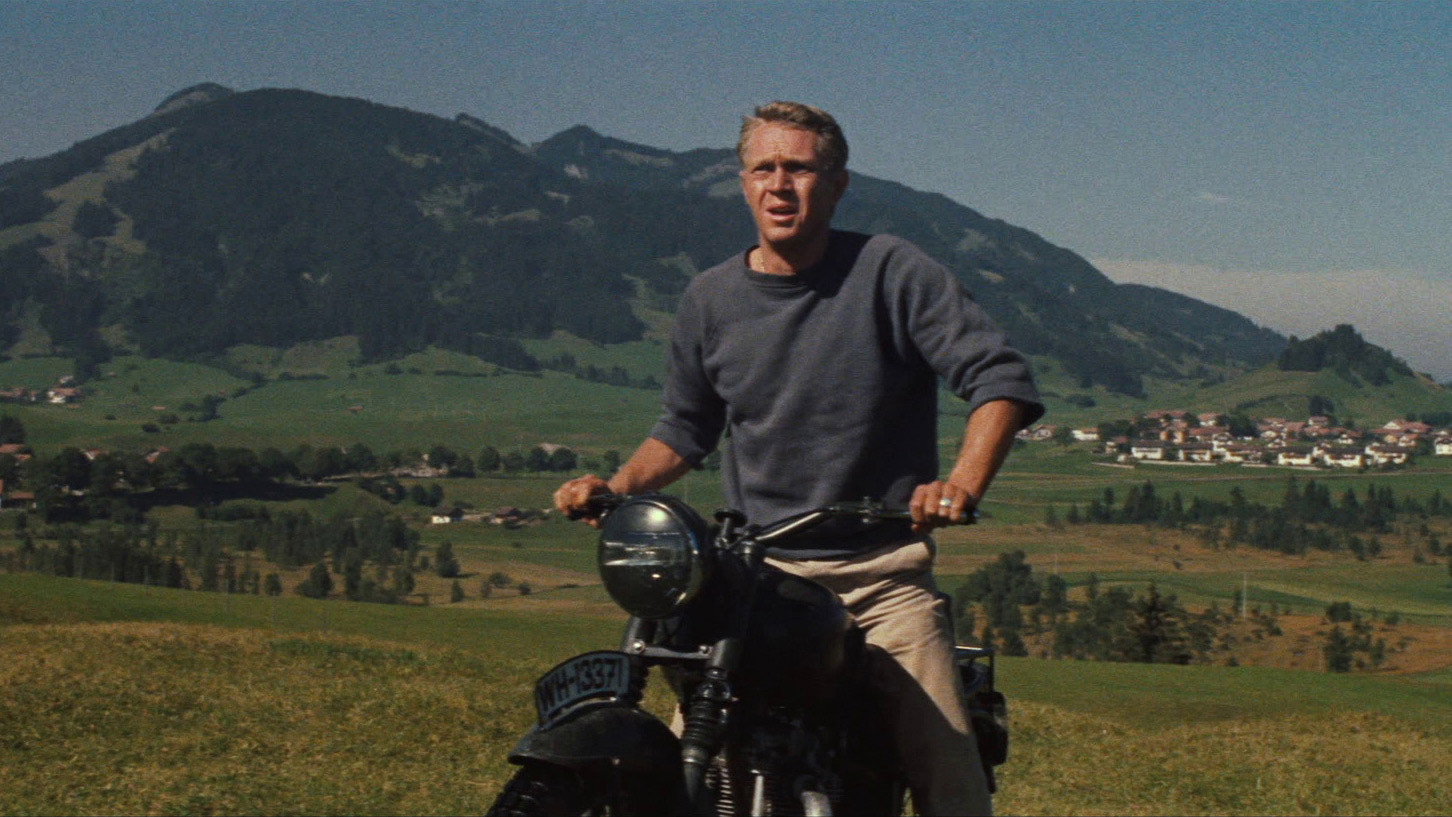
Steve McQueen’s Hilts is the conspicuous attraction, carrying the Cooler King nickname with an ease that makes confinement seem like a personal inconvenience. His confidence is funny without requiring him to tell jokes. Richard Attenborough gives Bartlett a more serious weight, while James Garner makes Hendley’s resourcefulness companionable rather than smug. Sturges handles these contrasting performances well: the men remain distinguishable even when the collective effort has to take precedence over any one of them.
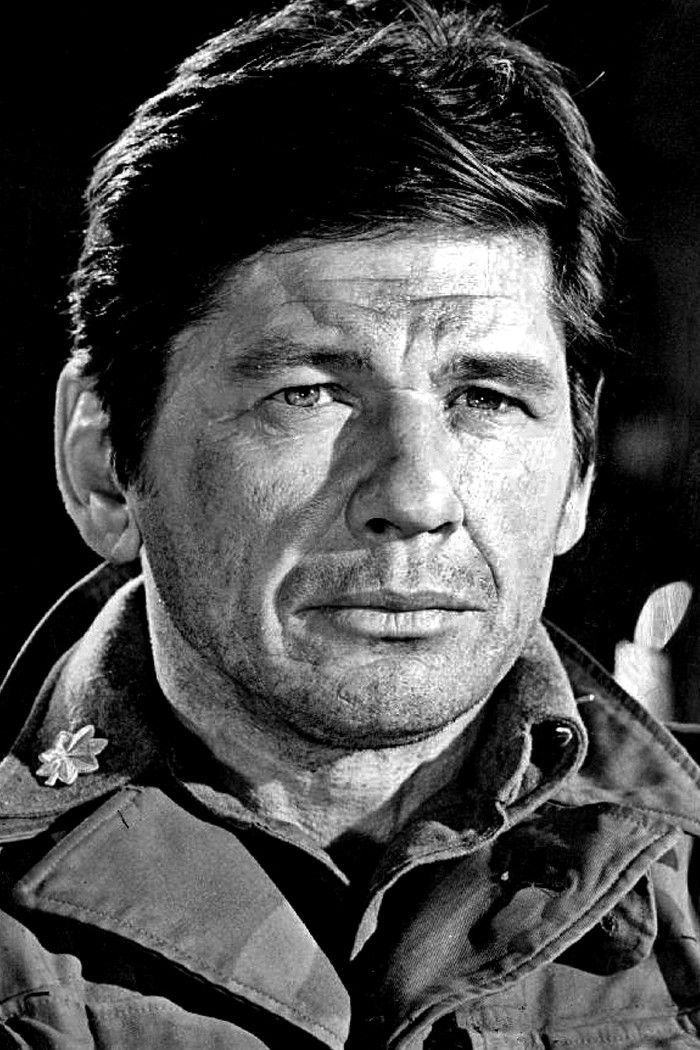
The supporting cast helps because the specialities are immediately legible. Donald Pleasence’s Blythe is the forger, Charles Bronson’s Danny a tunnel digger, and James Coburn’s Sedgwick the manufacturer; we understand what each contributes before we need much biography. The screenplay by James Clavell and W.R. Burnett is efficient about that division of labour. It is also restrictive: the nicknames and occupations sometimes tell us almost everything the film cares to know about a man.
Daniel L. Fapp’s photography is clear and unshowy, giving the ensemble enough space for the preparations to remain readable. Sturges can direct our attention to one man without making the rest seem like extras waiting for permission to move. Ferris Webster’s editing keeps the separate tasks connected, so the scheme remains easy to follow despite the number of personalities involved. That clarity is a substantial part of the entertainment, particularly when several men’s contributions have to be understood together.
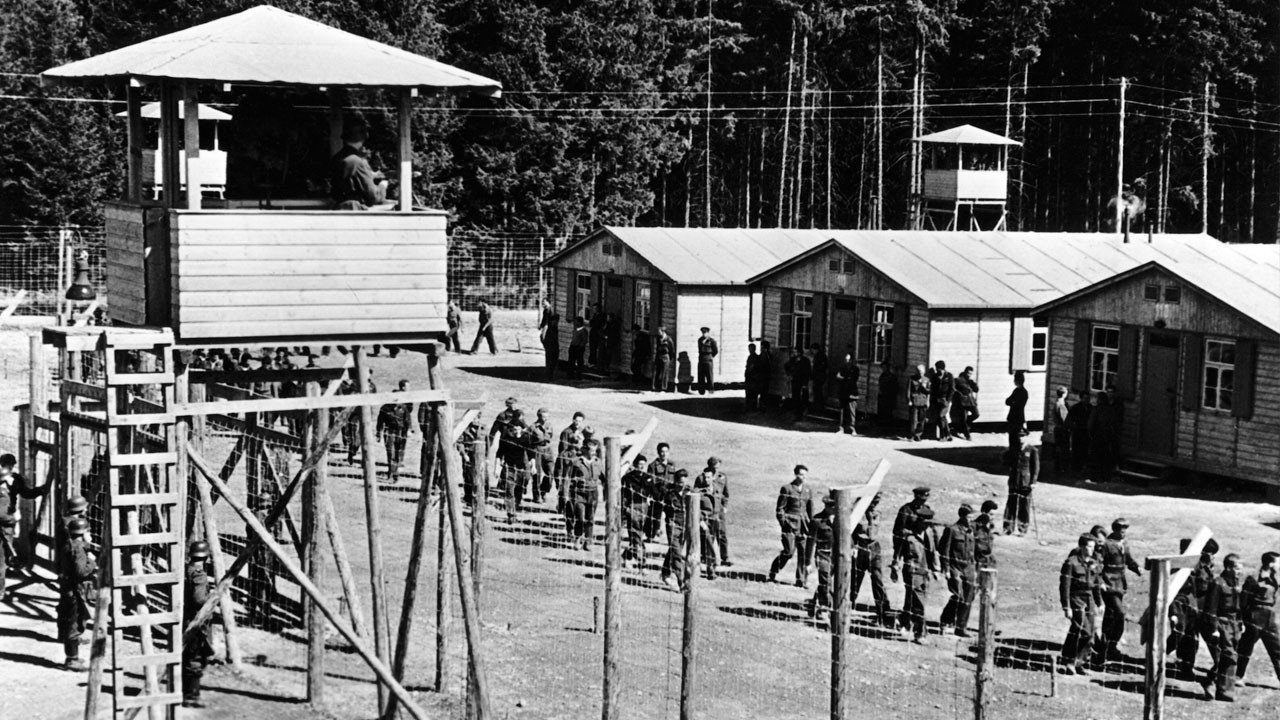
We were gripped by the tunnel-building, and surprised by how little we needed anyone to hurry it along. Sturges understands the pleasure of watching capable people solve a practical problem, then gives that problem enough attention for us to care about its solution. The digging and preparations never need to become background business while the stars do something more important. These passages give the supporting players a purpose beyond keeping us amused until McQueen next takes our attention.
Elmer Bernstein’s score supplies much of the buoyancy, treating defiance as an activity these men can get on with together. It is an effective accompaniment to the cast’s confidence, although it also makes the camp feel a little too manageable. That is the larger reservation about Sturges’s approach: the prisoners’ assurance can make captivity resemble an elaborate competition, with hardship kept conveniently out of the way. The cast’s warmth carries us past much of this, but it cannot make the film a searching account of imprisonment.
The useful comparison is with a heist film, where the allocation of skills can be as satisfying as the job itself. Sturges gets that pleasure right, and the actors make us willing to stay with the preparations. At 173 minutes, a little less of the camaraderie would not hurt; he occasionally lingers after a personality has been established. Give it the full evening, with a little scepticism about the cheerfulness.