Film review

Patton

1970 · Directed by Franklin J. Schaffner · 2h 52m · MPA PG

In a sentenceNearly three hours with a general who would have considered the running time inadequate

WarDramaHistory

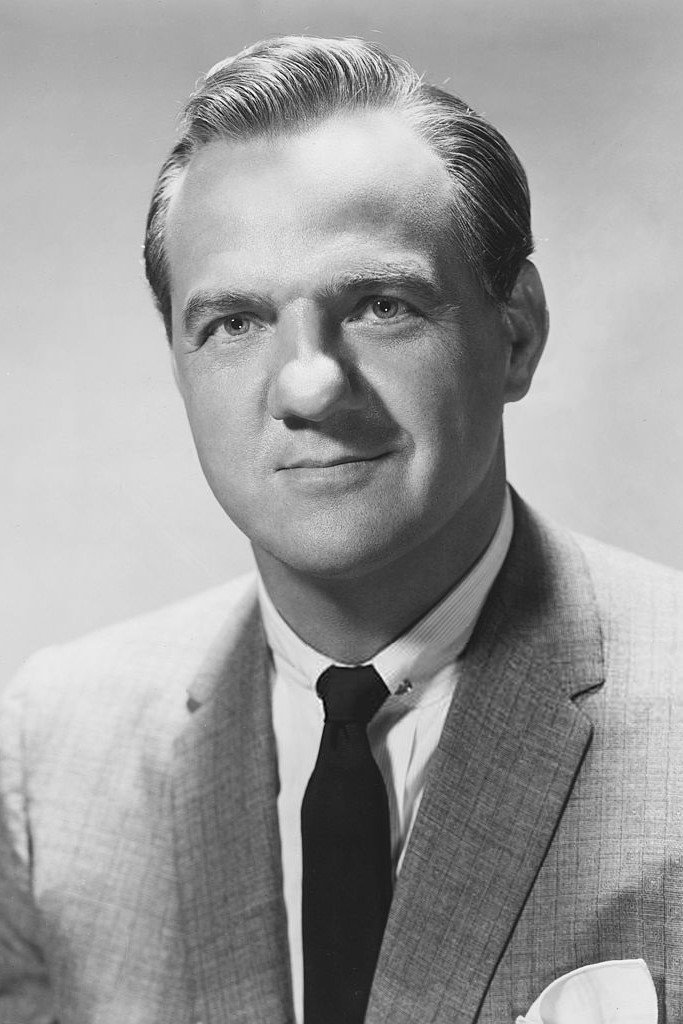
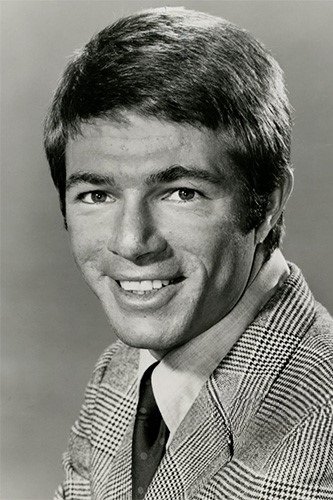
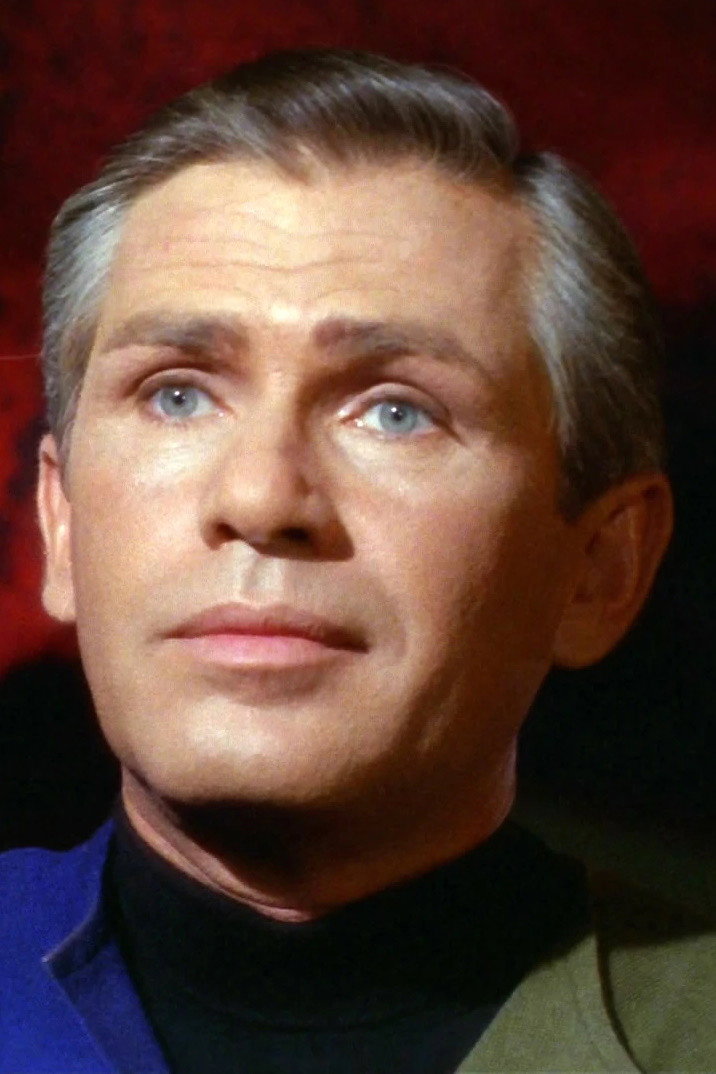
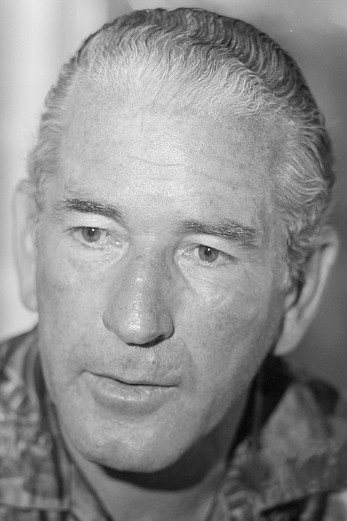
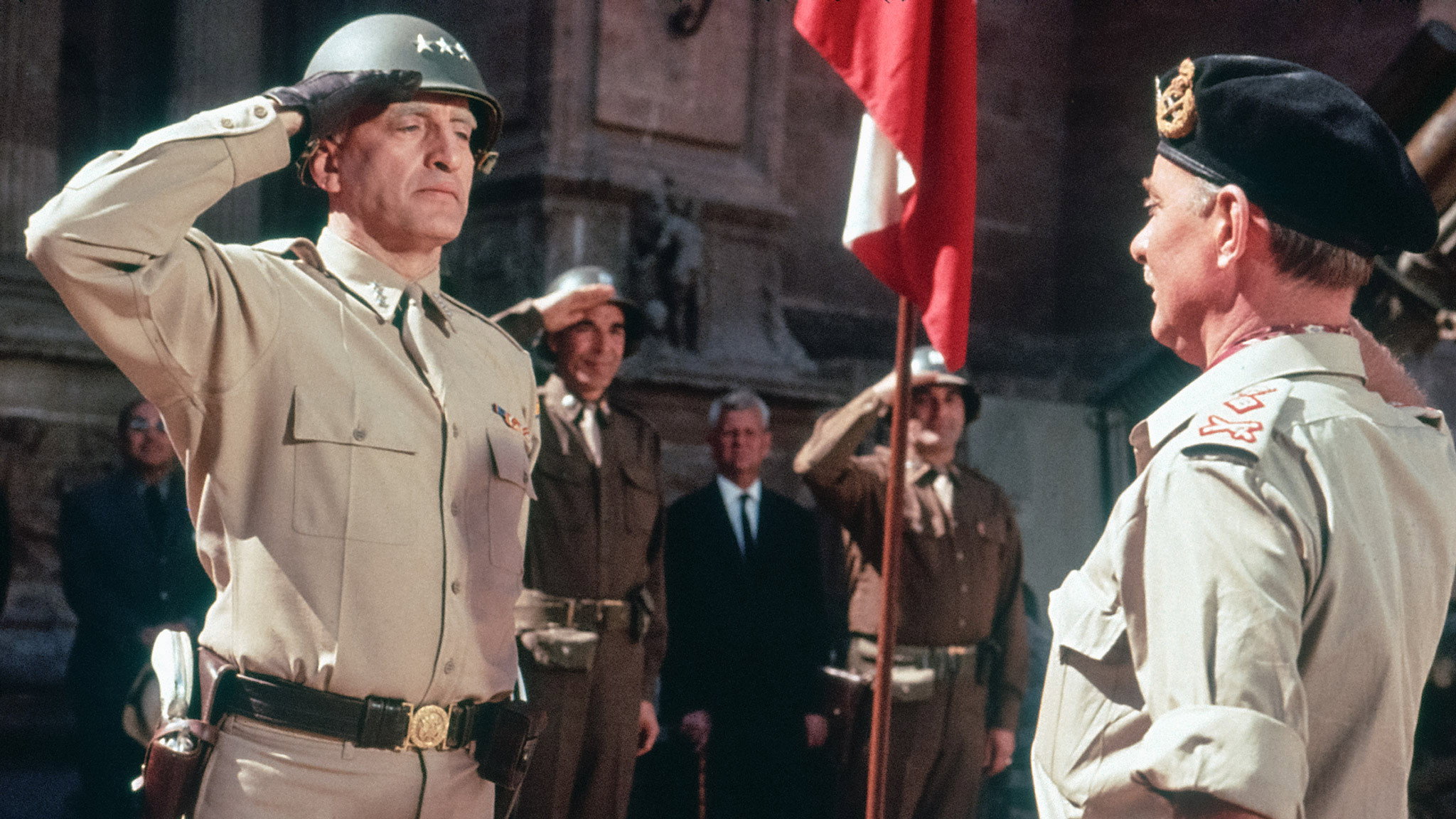
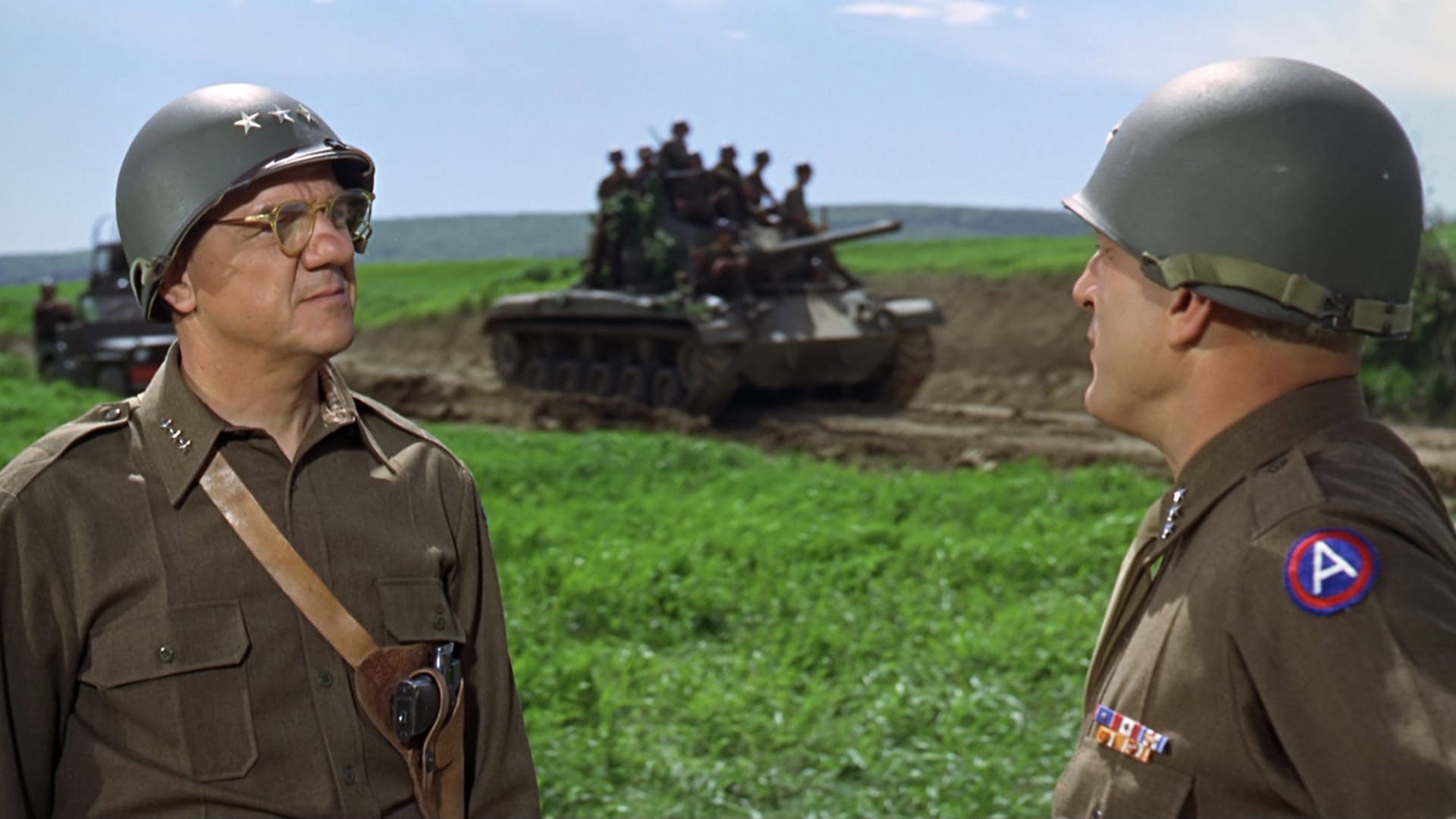
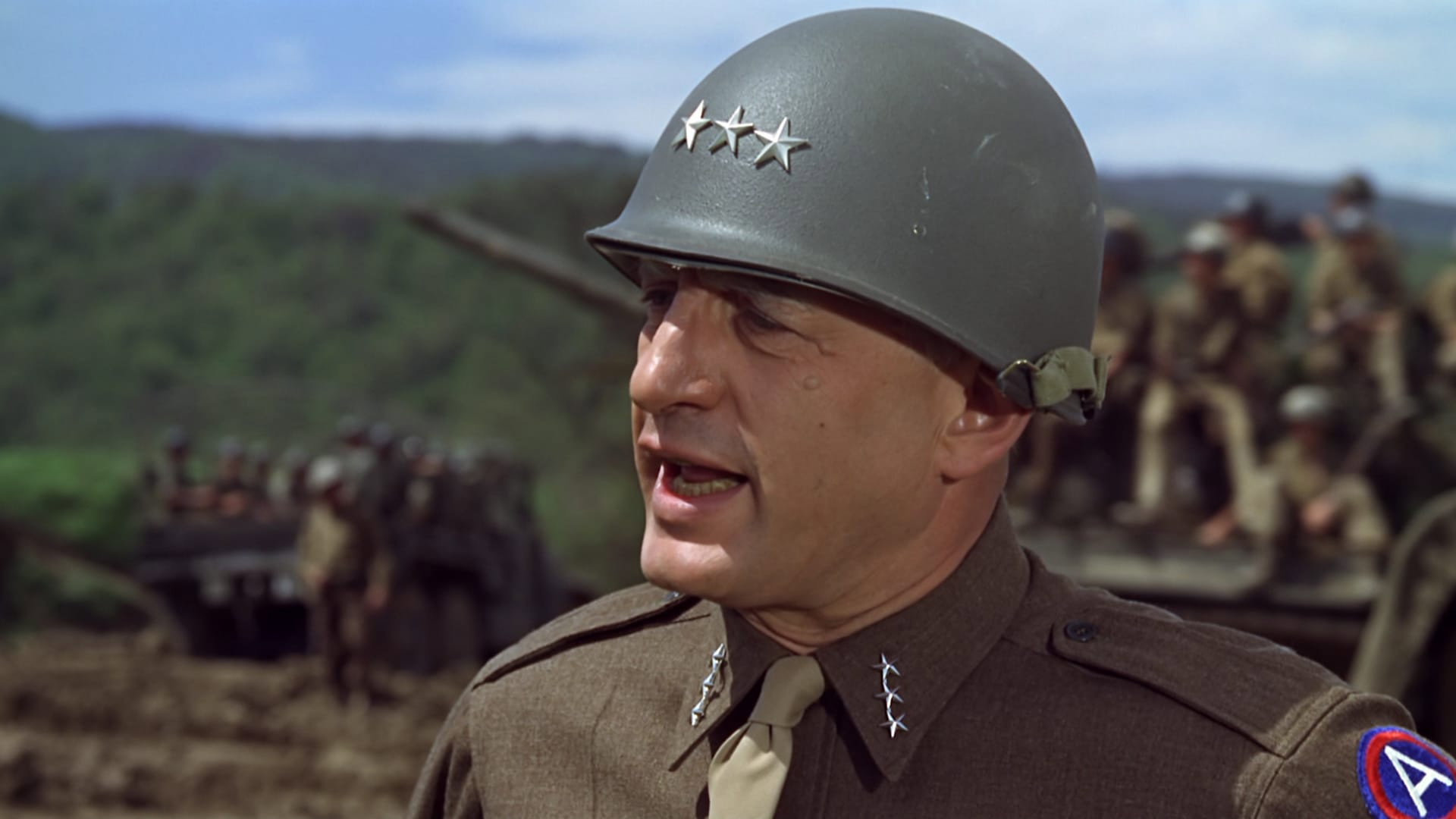
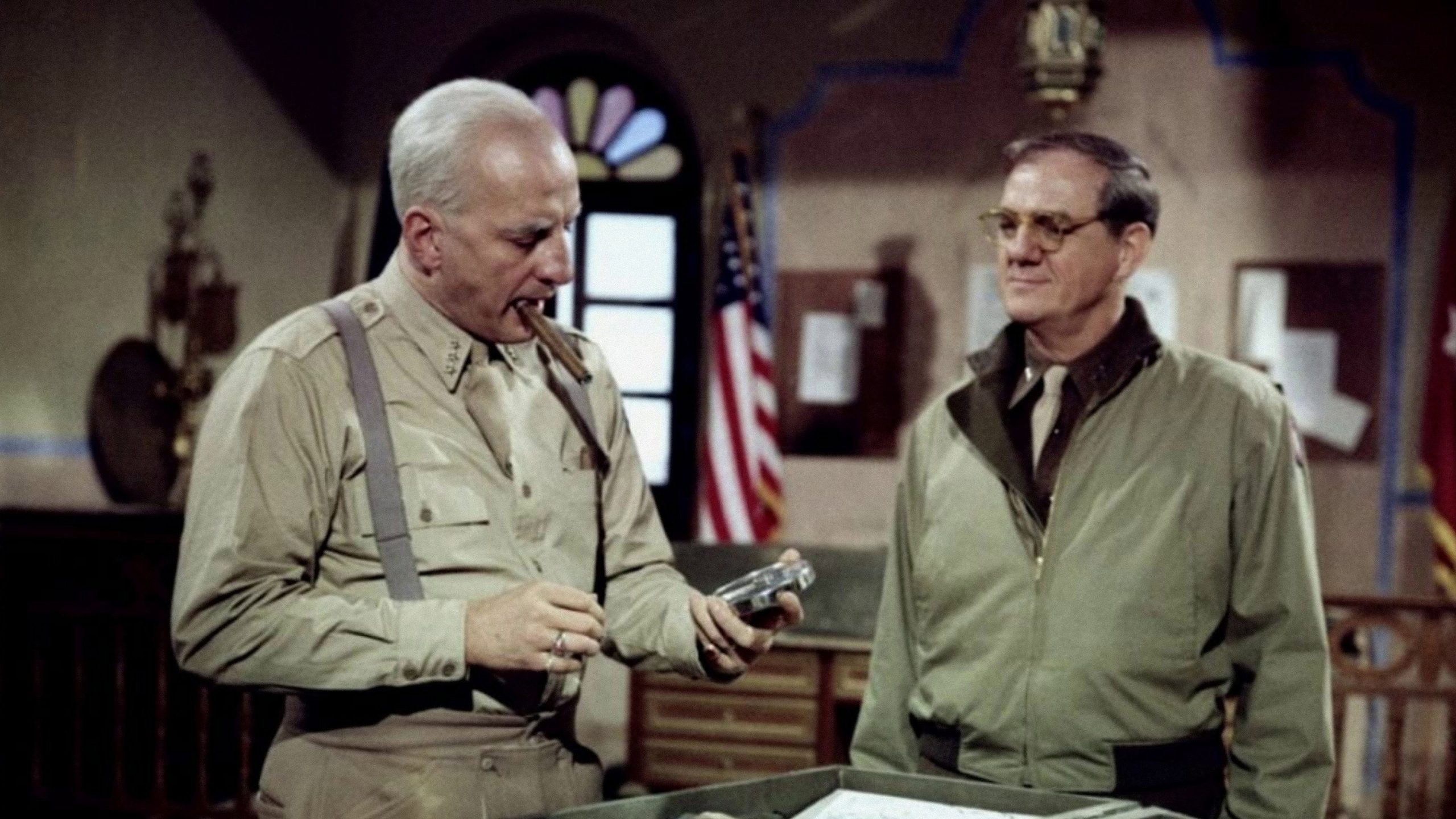
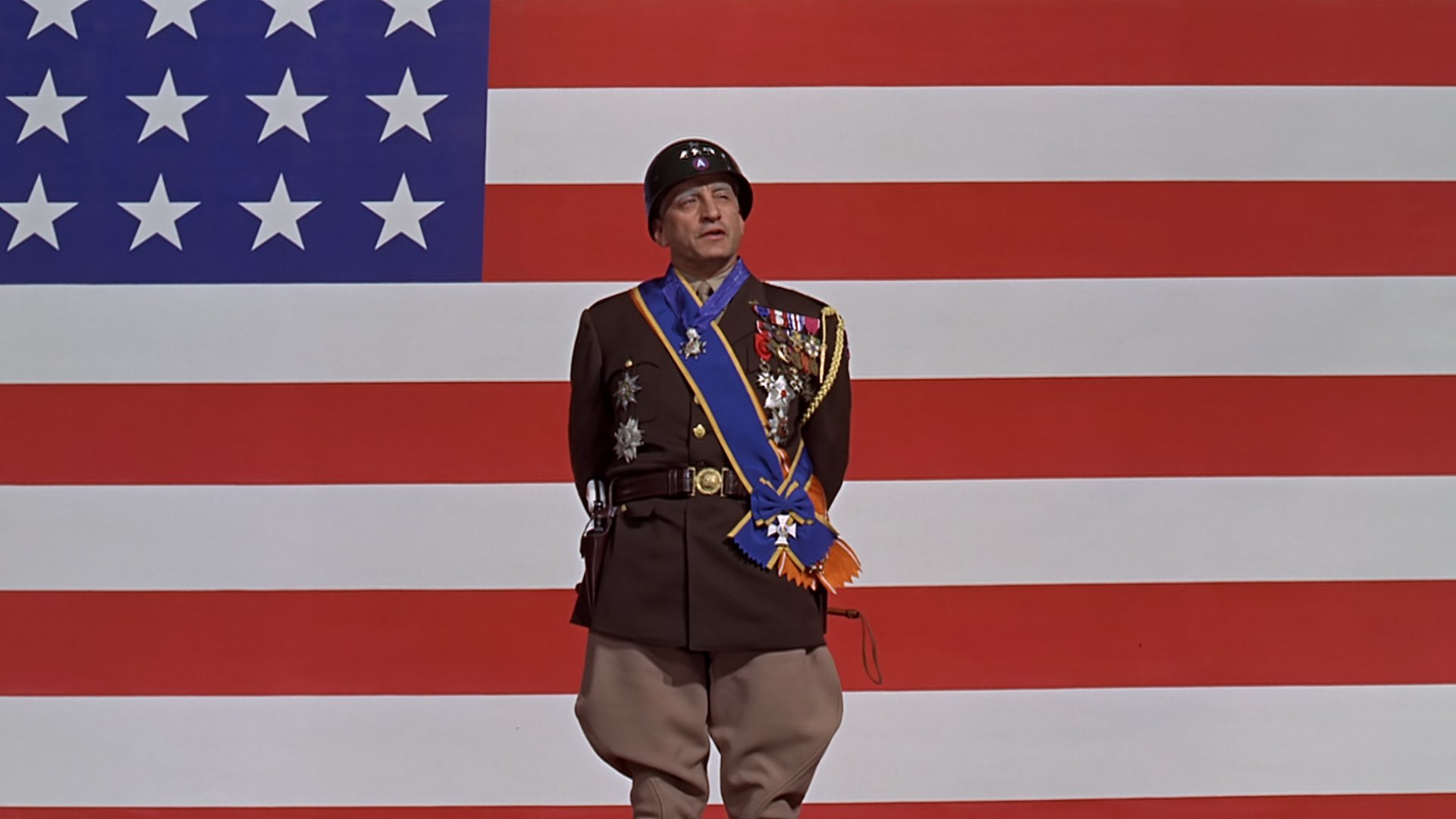
General George S. Patton Jr. (George C. Scott) wants victory and expects obedience from the men under his command. General Omar N. Bradley (Karl Malden) and Captain Chester B. Hansen (Stephen Young) are among the officers around him. Patton approaches war as the work he was born to do, bringing intelligence, temper and enormous self-belief to the job. His appetite for battle makes him a forceful commander, but his certainty leaves little room for anyone else’s judgement. Military leadership requires him to work with other people, which presents difficulties for a man so convinced of his own importance.

Plays from YouTube when you press play; nothing loads from them until then.

Fi1m review

A commanding George C. Scott performance makes Patton worth the long evening. Franklin J. Schaffner handles the battles with assurance, though his fascination with the general sometimes gets in the way of judging him.

Franklin J. Schaffner’s Patton is a forceful, intelligent military biography, worth its 172 minutes chiefly for George C. Scott. It studies a commander whose gifts for fighting seem inseparable from his appetite for it, and gives us plenty of reason to find him difficult company. The film is less convincing when it asks how such a man should be judged. Its confidence in putting him before us sometimes disguises a reluctance to answer that question.

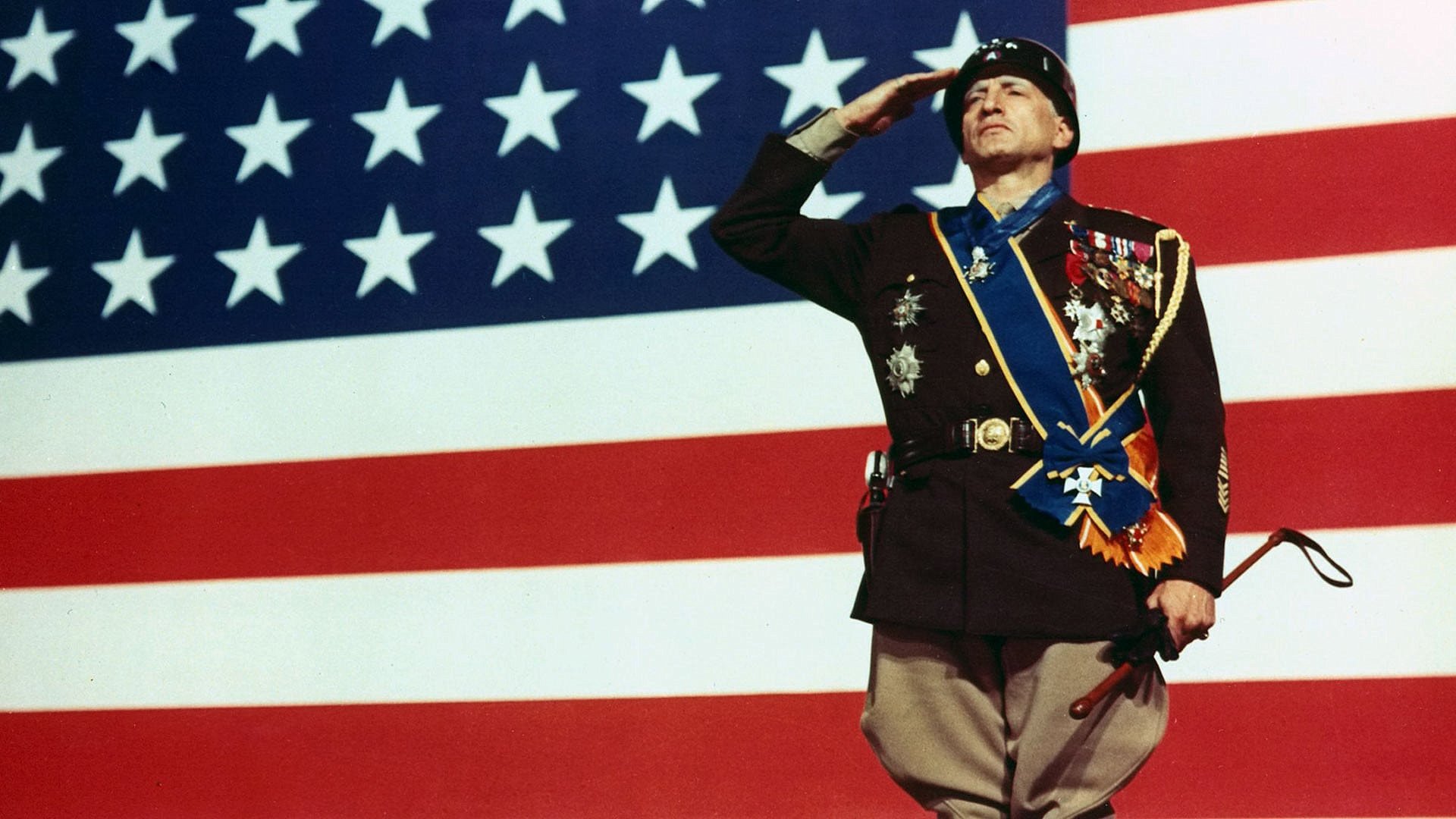
George C. Scott gives General George S. Patton Jr. the immense assurance of someone who considers doubt a failing in other people. The bluster is funny because he plays it without asking to share the joke; Patton takes himself seriously enough for everyone. We laughed at the sheer size of his self-importance, then felt uneasy about how readily we enjoyed it. The flashes of humanity matter because they do not tidy away the rage or make his love of war easier to excuse.

The screenplay by Francis Ford Coppola and Edmund H. North lets intelligence and absurdity coexist in the same man. His conviction that he has been chosen for greatness is treated seriously enough to become troubling, rather than filed away as a colourful eccentricity. There is pleasure in the writing’s willingness to leave him difficult and disagreeable. There is also a limit to it: we learn a great deal about his temperament without always being given enough context to judge his authority.

Fred Koenekamp’s cinematography gives the battles the space they need, and the long views let the scale of the fighting register without a scramble of impressions. The director is good at making military activity feel organised, even when its purpose is destruction. Hugh S. Fowler’s editing sustains that sense of forward movement; for a film this long, the action seldom feels like an obligation between speeches. That clarity is a considerable pleasure, and helps keep the battle scenes from becoming merely noisy interruptions.

Jerry Goldsmith’s score is persuasive enough to make us wary of how much we are being encouraged to admire. We hear grandeur in it, but also something unsettled, which suits a man whose certainty has become alarming. The music helps the portrait more than the sheer extent of the fighting does. When the battle scenes take over, our interest in the individual soldiers is much thinner than our interest in the general.

Karl Malden, as General Omar N. Bradley, gives the film a useful steadiness around its dominant lead. Even so, this is the kind of war biography in which the man at the top gets nearly all the attention, and the narrowness matters. His ability, his temper and his ego can become explanations for everything. The film remains absorbing, but we wanted more examination of the military authority that allows his personality to count for so much.

Most critics recommend it, and we agree, with a reservation about how easily it can flatter the man it examines. There is enough humour and unease in the performance to keep admiration from becoming automatic, provided we pay attention to more than his confidence. Give it the full evening, but keep some distance from the general’s opinion of himself.
Critical consensus AI synthesised

81
Positive
11
Mixed
0
Negative
1
Radio Times
★★★★★ · David Parkinson
100

This splendid biopic can be viewed as both a tribute to the indomitability of the fighting man and a satire on the myth of the American hero. The bedrock is George C Scott's performance combining blimpish bluster with moments of monstrous ego and unexpected humanity.

Read the full review →
RogerEbert.com
17 March 2002 · Roger Ebert
90*

Ebert views it as a hard-line glorification of the military ethic embodied by a man whose flaws suited him to battle, with one of the most uncluttered war-movie canvases and a sublime performance by Scott that fulfills both actor and character. Schaffner’s direction emphasizes sweep over personalization.

Read the full review →
The AV Club
24 May 2006 · A- · Nathan Rabin
90

The critic sees the film as an enduring two-fisted American classic that can be read as either pro- or anti-war. He singles out the slyly subversive and weirdly comic flourishes in the depiction of Patton as an insane, overgrown Boy Scout undone by hubris and ego.

Read the full review →
The Guardian
27 November 2008 · A-
90

The forceful personality of the military legend is masterfully conveyed by George C Scott in this biopic. The screenplay is terrific and the battle sequences energetic, though it bends a few facts.

Read the full review →
Evening Standard
10 April 2012
85*

The film memorably shows that while the immorality of war deserves no glorification, some warriors cannot be denied it. It belongs to Scott's great, multifaceted performance as the warrior temperament in action.

Read the full review →
The Telegraph
29 June 2026
85*

It took until 1970 for a really titanic American film about the war. With a magnificent script by Francis Ford Coppola and inspired casting choices, Patton deserved every one of its seven Oscars.

Read the full review →

Cast

Stills

Awards

Academy Awards, 1971

Nominated
Best Cinematography
Nominated
Best Original Score
Nominated
Best Visual Effects
Won
Best Actor
Won
Best Director
Won
Best Film Editing
Won
Best Picture
Won
Best Production Design
Won
Best Sound
Won
Best Writing, Original Screenplay

If you liked this, try…

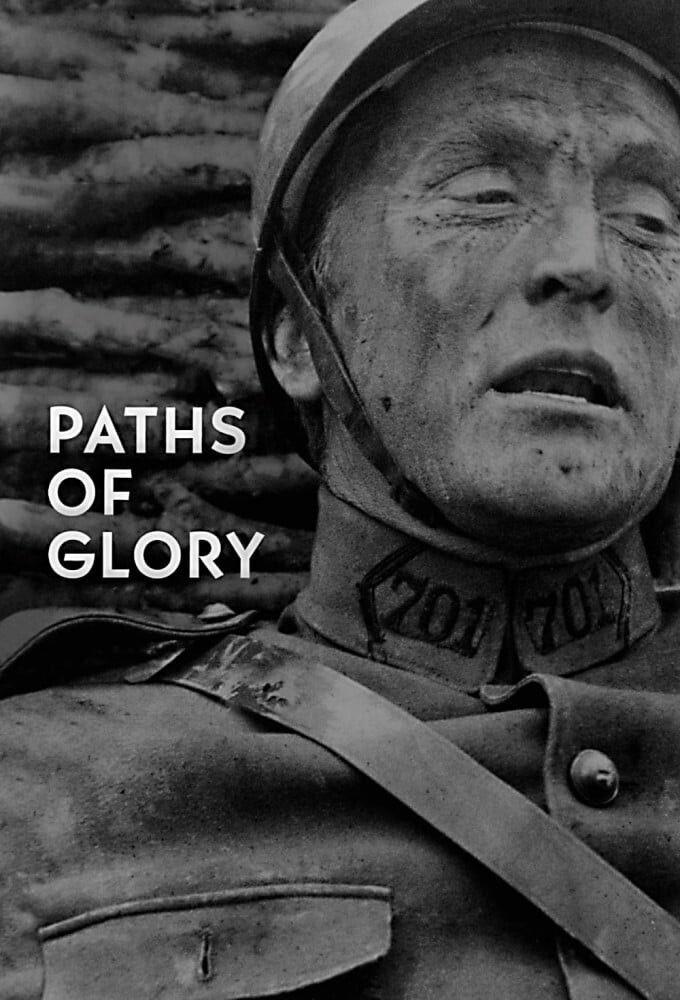
Paths of Glory poster93

Paths of Glory

1957 · For a harsher examination of military authority and the men subjected to it.

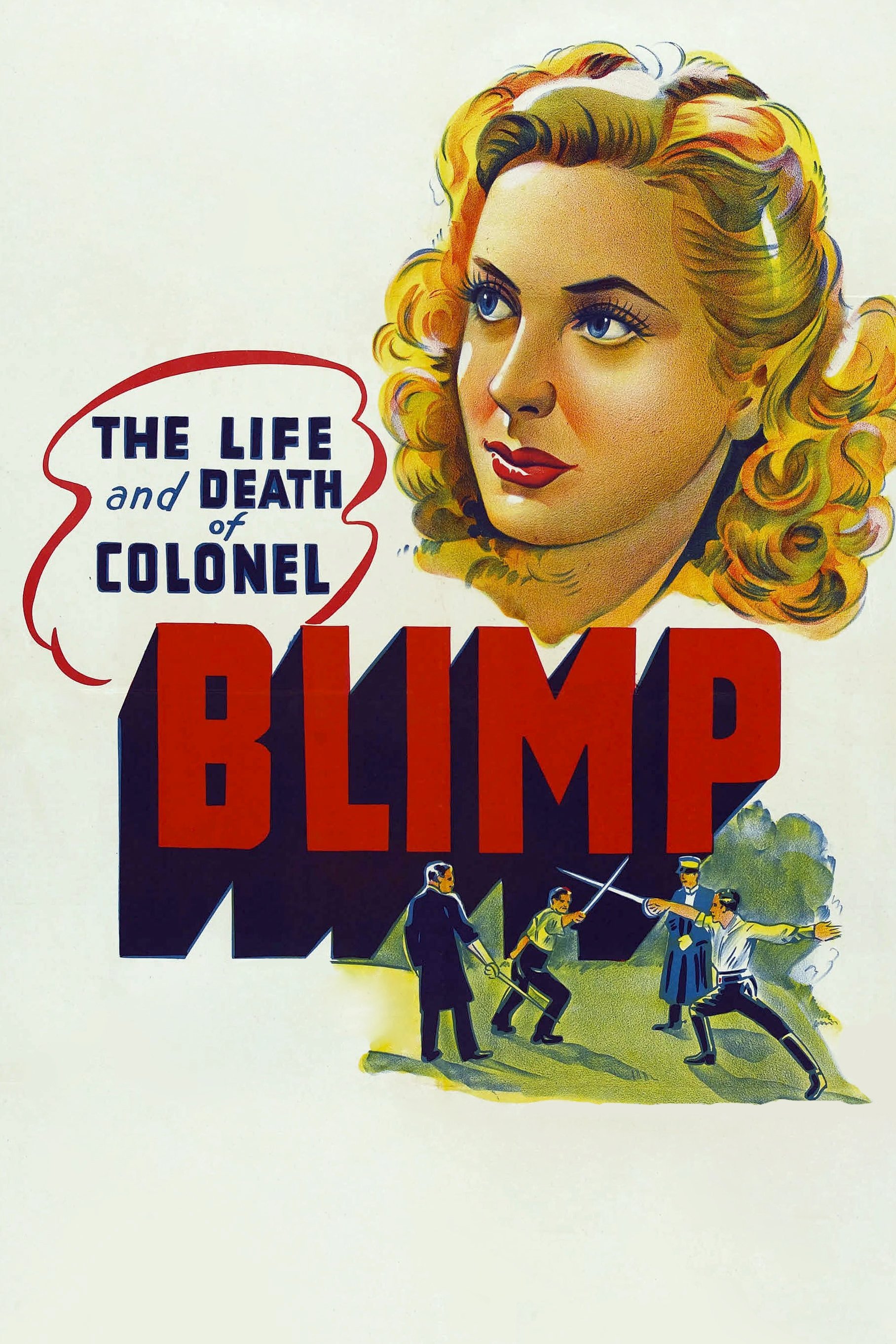
The Life and Death of Colonel Blimp poster

The Life and Death of Colonel Blimp

1943 · A warmer portrait of a military man struggling to understand change.

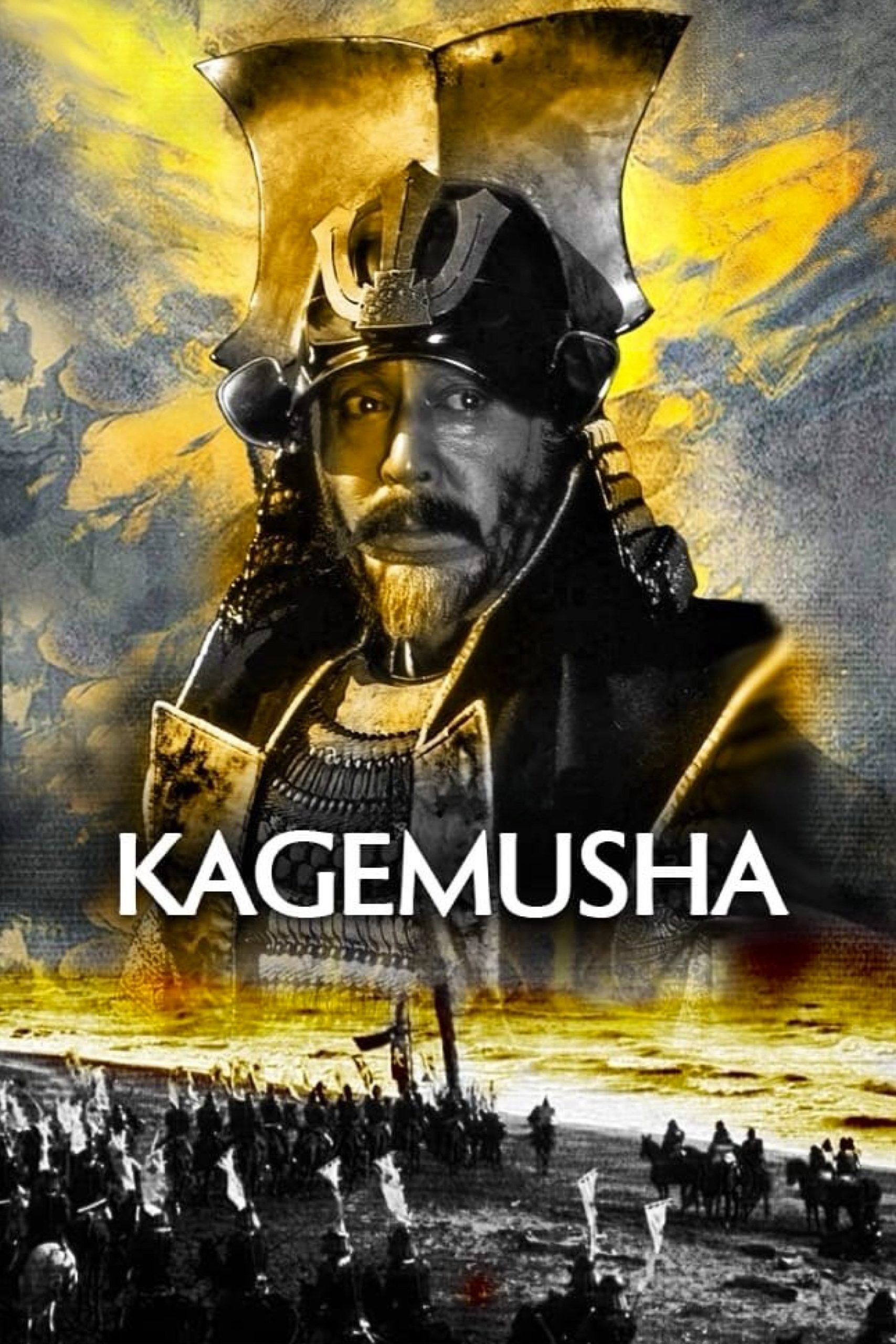
Kagemusha poster

Kagemusha

1980 · For another study of command, performance and the dangerous need to believe.

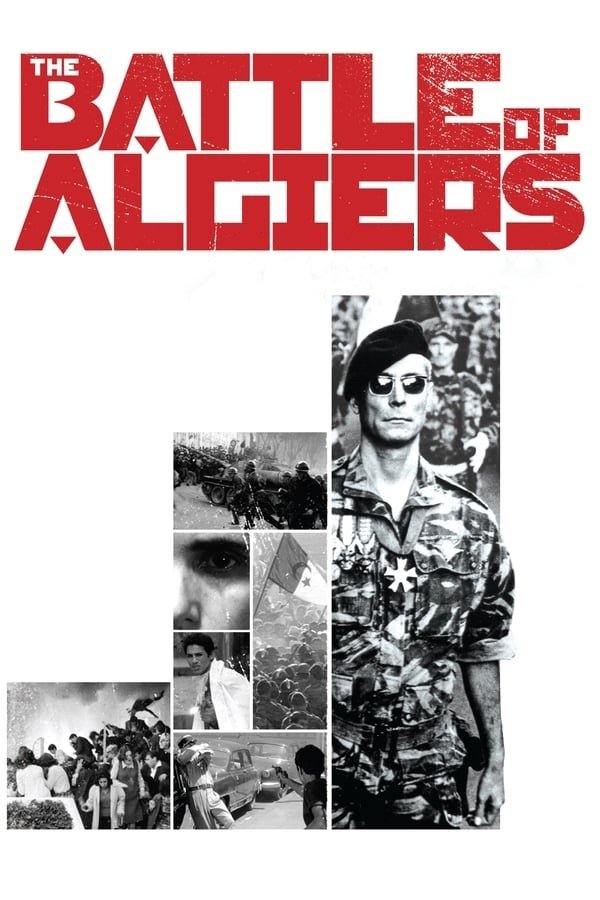
The Battle of Algiers poster93

The Battle of Algiers

1966 · For a war film that looks beyond the men giving orders.

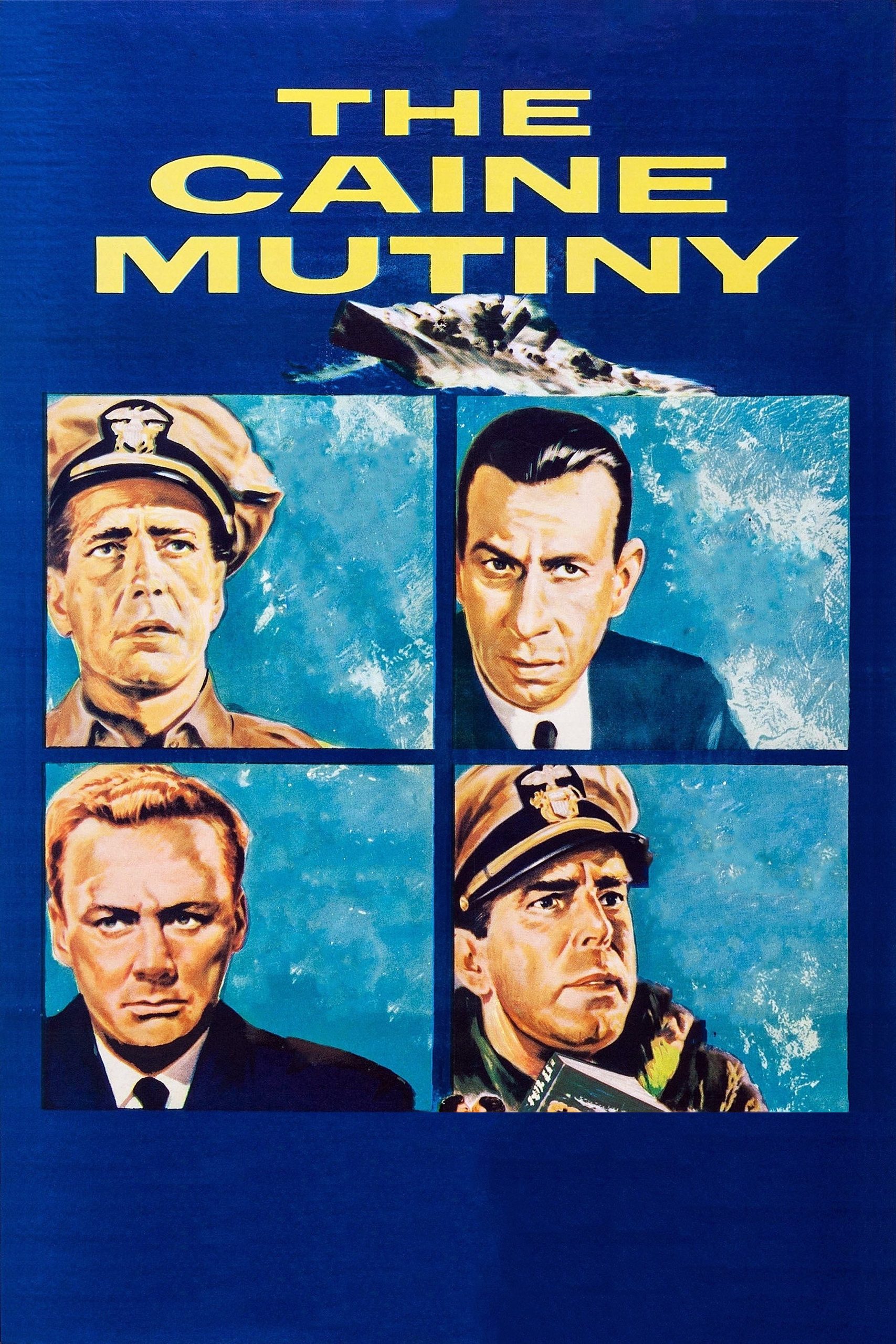
The Caine Mutiny poster

The Caine Mutiny

1954 · Another commanding central performance, with more room to question the commander.