John Rich's television gives comic actors room to work and keeps their timing precise. We rate his skill with performers, particularly in physical comedy and ensembles, where unobtrusive direction can make the difference between a scene working and merely getting through it.
Fi1m perspective
An actor needs room to finish a physical joke, and John Rich understood how to give it. He specialised in multi-camera comedy and treated rehearsal as a chance to see what performers could discover for themselves. He let them try scenes on their feet, then stepped in to preserve what worked and stop what did not. We value that practical respect for actors, especially when television can so easily reduce a scene to people waiting for their turn to speak.
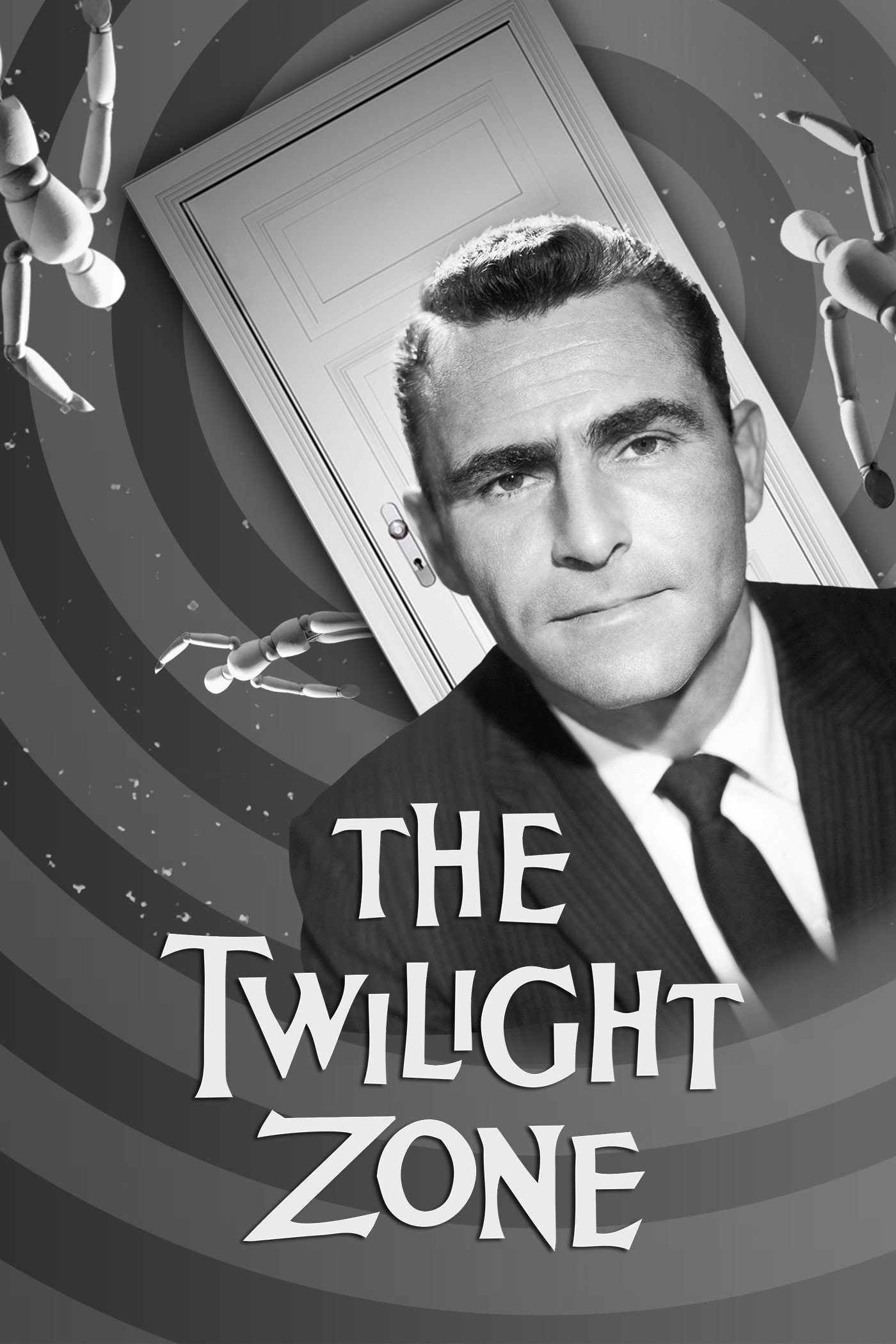
The Twilight Zone (1959) puts his work in a different setting. Rich directed ‘A Most Unusual Camera’ and ‘A Kind of a Stopwatch’, two entries in an anthology whose changing temperaments are part of its appeal. The writing credits across the programme include Rod Serling, Richard Matheson and Charles Beaumont. We recommend the series warmly, without assigning Rich the credit for everything it does well.
We were unsettled by The Twilight Zone because its stronger stories made the people caught in strange circumstances matter to us. The disciplined storytelling gives us a reason to stay after the premise has aroused our curiosity. The weaker entries offer less to think about than their set-ups promise, and careful direction cannot supply what a story lacks. Rich's contribution belongs within that uneven programme, rather than standing apart from its writers and their choices.
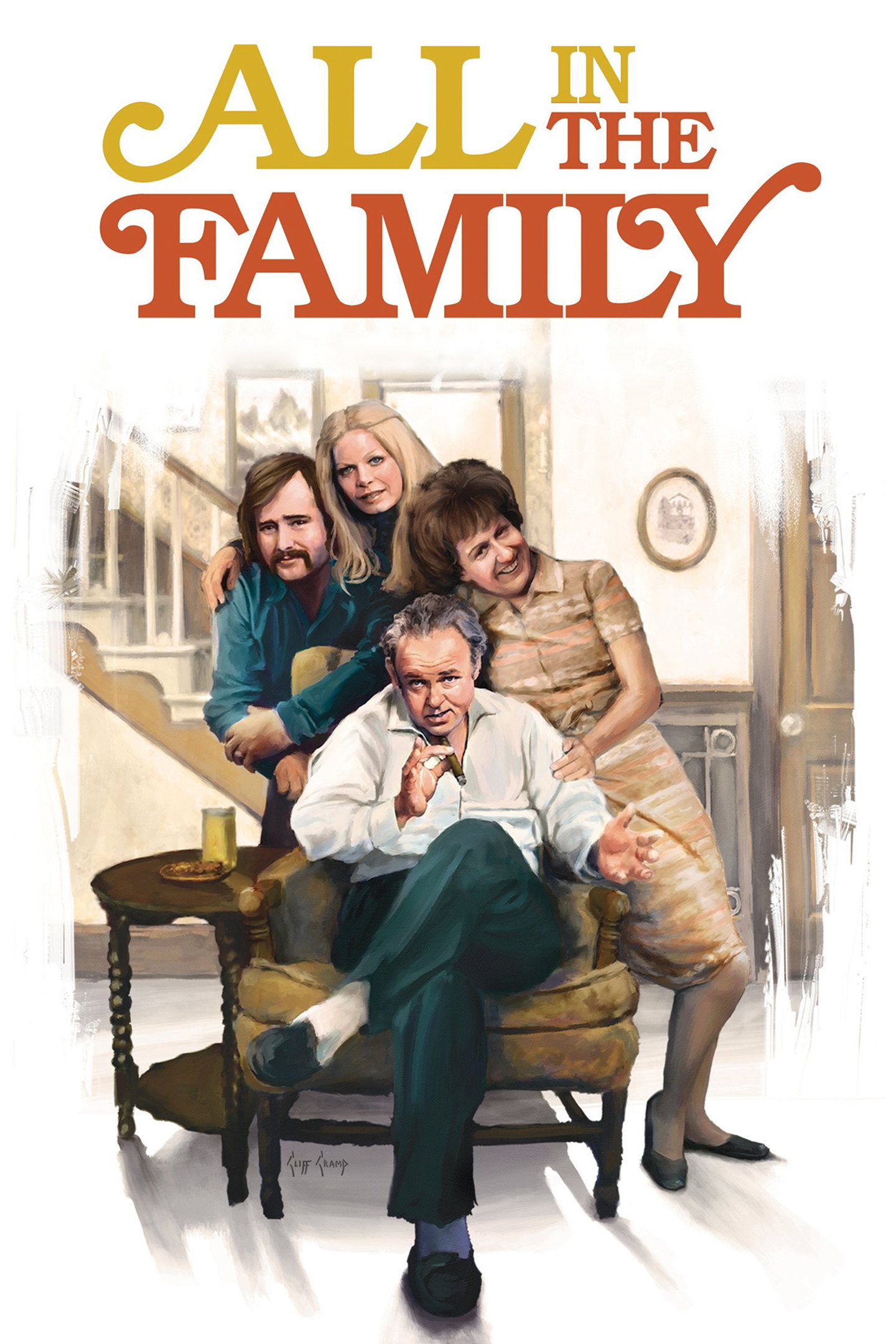
After early live television and sitcom work, The Dick Van Dyke Show (1961) gave Rich sustained opportunities for physical comedy: he directed 41 episodes and helped shape its visual style and rehearsal process. Boeing, Boeing (1965) belongs to his smaller feature-film output, but television gives us the clearer account of his strengths. On All in the Family (1971), he directed 81 episodes, beginning with the pilot, and handled an ensemble working with sensitive material. His collaborators included producers Sheldon Leonard and Norman Lear.
His repeated work on comedy pilots, including Gilligan's Island (1964), is telling. A pilot needs to establish how people behave together quickly enough for us to want another episode. That gives us something useful to watch for in Rich's work: how readily the actors seem able to inhabit a scene together. Start with The Dick Van Dyke Show, and watch how much depends on giving a performer time.
Biography
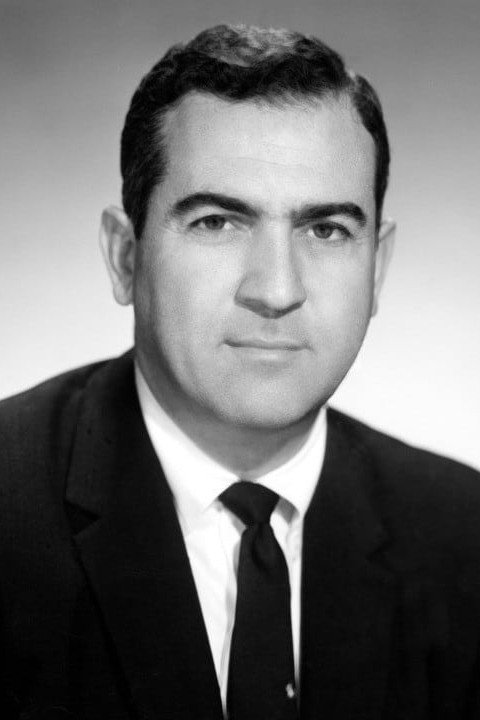
John Rich (1925–2012) was an American television and film director. He directed episodes of numerous series, including two episodes of The Twilight Zone (1960–1963), 41 episodes of The Dick Van Dyke Show (1961–1966), 81 episodes of All in the Family (1971–1974), and episodes of Gilligan's Island (1964), The Brady Bunch (1969), Gunsmoke (1955), Hogan's Heroes (1965) and Murphy Brown (1988). His feature film credits include Boeing, Boeing (1965), Roustabout (1964) and Easy Come, Easy Go (1967).
Rich studied at the University of Michigan. He won Emmy Awards for directing The Dick Van Dyke Show and All in the Family, and a further Emmy as producer of All in the Family. In the 1980s he co-produced MacGyver with Henry Winkler. He served for decades as an officer of the Directors Guild of America.