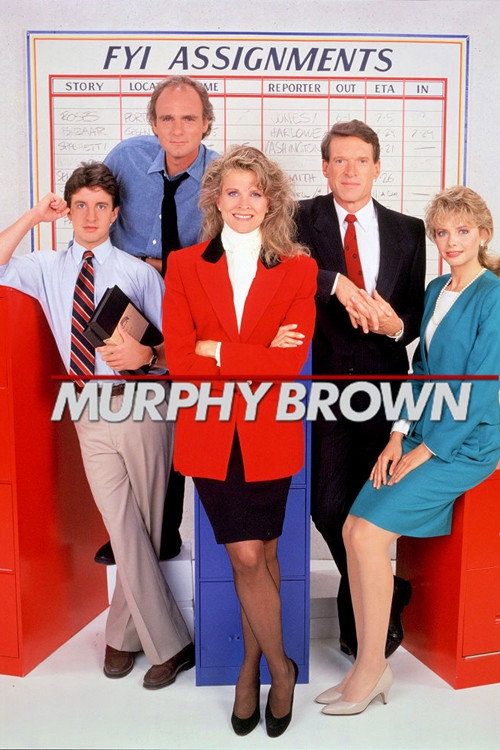
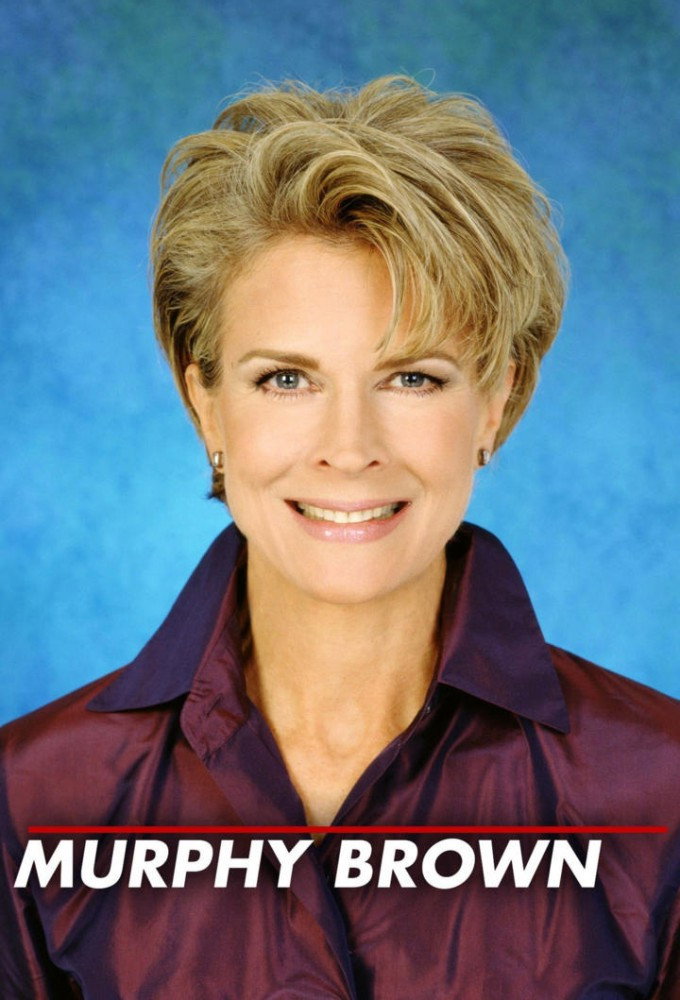
Candice Bergen makes Murphy Brown worth an evening for anyone who likes their sitcom leads difficult. The secretary gags and musical routines are less rewarding, but the central character remains funny, capable and unapologetic.
Diane English’s Murphy Brown is a good workplace comedy whose leading woman is sharper than some of the jokes written around her. It gives Candice Bergen a capable, self-centred professional who has little interest in making herself easier to deal with. The pleasure comes from watching someone so certain of her own judgement encounter other people. There are enough laboured routines to keep this from being an unqualified recommendation, but the central performance makes those stretches worth tolerating.
Candice Bergen makes Murphy Brown’s competence convincing, which matters when her behaviour asks so much of everybody else. We warmed to her more than we expected, because the selfishness is funny without making the professional ability seem fraudulent. She can be right about the work and tiresome about herself in the same moment. The performance does not plead for affection, and that gives us room to enjoy her. A softer, more apologetic character would be less amusing company.
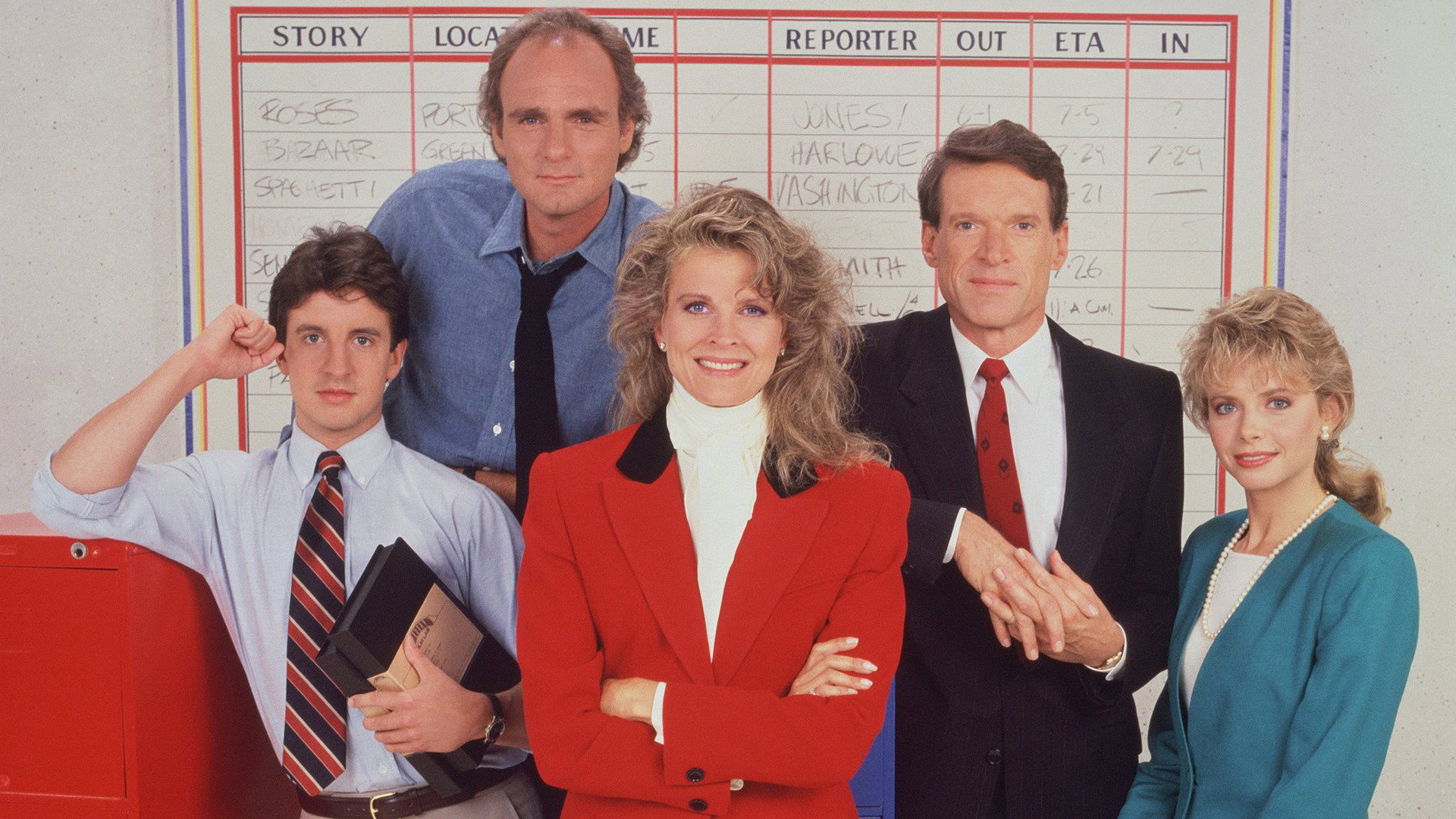
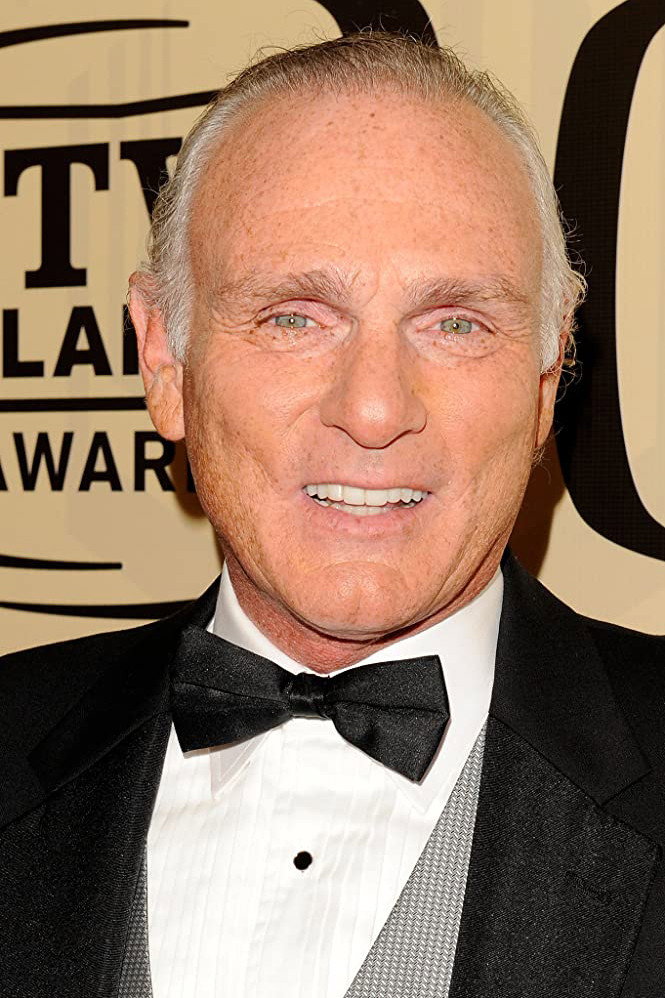
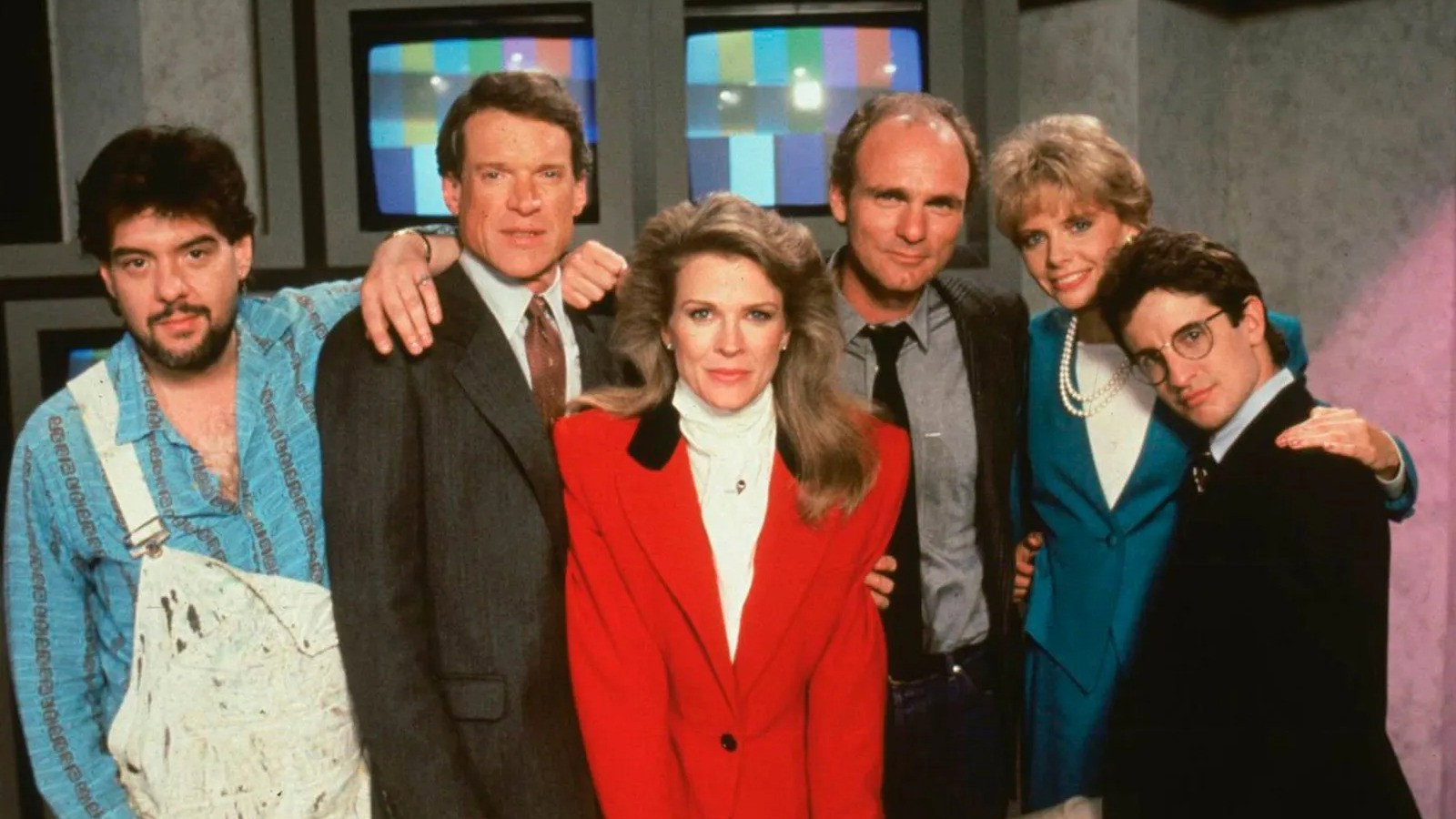
The supporting cast helps to keep that forcefulness from exhausting the comedy. Faith Ford as Corky Sherwood, Joe Regalbuto as Frank Fontana and Charles Kimbrough as Jim Dial give the programme an ensemble substantial enough to stand alongside its lead. In the pilot, director Barnet Kellman handles the comic setups with an assurance that lets absurdity develop without every next step feeling announced. That matters in a programme built around such a commanding personality: the situations need some surprises of their own, rather than simply waiting for Murphy Brown to win the exchange.
Editors Jerry Davis and Tucker Wiard help give the comedy room for its responses, though the rhythm cannot disguise a joke whose destination is obvious. The editing is generally less insistent than the broader material. Steve Dorff has the music credit, but the Motown lip-sync numbers are the musical business that most demands attention. Those routines have an eager determination to entertain that can make them feel longer than they are. The programme is better when it trusts an awkward personality to provide the amusement.
The secretary gags are a more persistent weakness. Their breadth sits awkwardly beside a central character whose appeal depends on being more than a familiar comic type. We grew impatient with them because the exaggeration offers so little of the interest found in Murphy Brown herself. Period references also make some jokes depend on recognition rather than anything particularly well observed. None of this ruins the programme, but it does mean the supporting comic business is less reliable than the woman at its centre.
What Diane English gets right is a useful starting point for a workplace sitcom: being difficult need not disqualify a woman from leading the comedy. Murphy Brown’s ego is allowed to be entertaining without constant assurances that she is nice underneath. That choice gives the series more staying power than its topical references, and it suits Candice Bergen’s unsentimental performance. At 24 minutes an episode, the company is manageable even when the jokes are broad. Try it if an abrasive colleague is your idea of good comic company, with some patience reserved for the musical routines.