Film review

Hacksaw Ridge

2016 · Directed by Mel Gibson · 2h 19m · MPA R

In a sentenceA pacifist’s war story told with no mercy for anyone eating supper

DramaHistoryWar

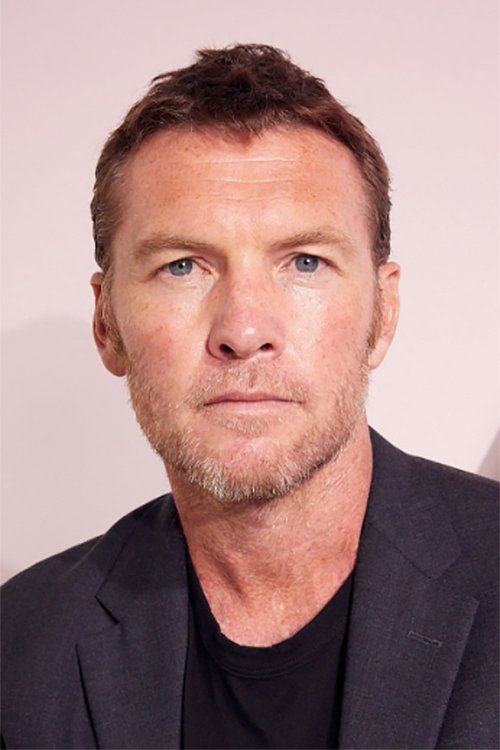
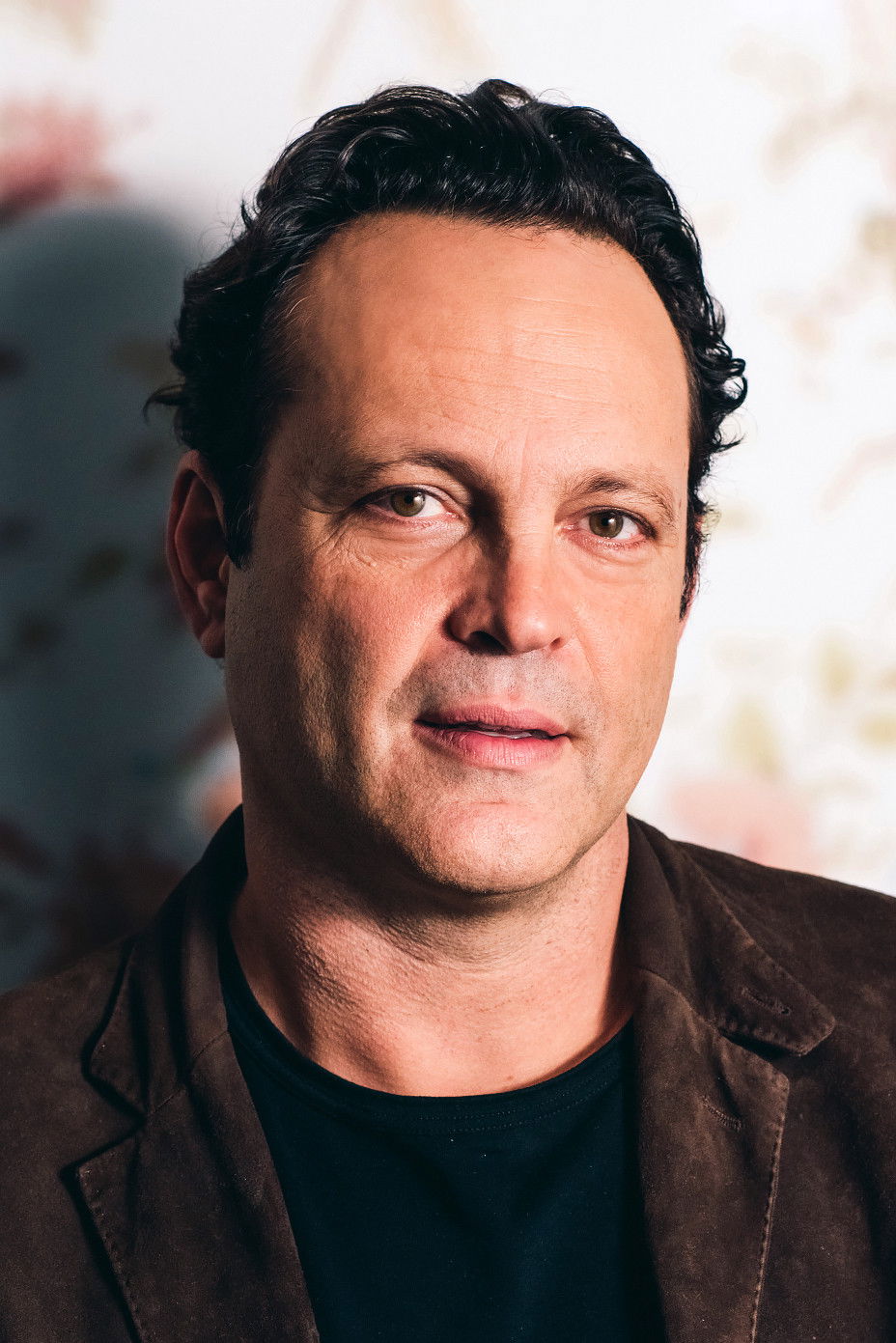
Desmond T. Doss (Andrew Garfield) is a medic and conscientious objector whose religious beliefs forbid him to take a life. He wants to serve without firing a gun, putting his convictions at odds with the demands of military life and the violence of combat. The story follows him towards the Battle of Okinawa, where his duty is to care for the wounded while the fighting continues around him. Mel Gibson directs this drama based on Doss’s life, with Sam Worthington as Captain Glover and Vince Vaughn as Sergeant Howell.

Plays from YouTube when you press play; nothing loads from them until then.

Fi1m review

Andrew Garfield makes a persuasive conscientious objector in Mel Gibson’s forceful war drama. The combat is skilfully staged and hard to bear, though Gibson’s relish for it complicates the film’s respect for a man who refuses to kill.

Mel Gibson’s Hacksaw Ridge is a forceful, affecting war film whose fondness for bloodshed sometimes makes its praise of non-violence difficult to accept. Its subject is Desmond T. Doss, the conscientious objector and medic played by Andrew Garfield, and it takes his faith seriously enough to risk looking unfashionably earnest. There is no protective wink, no suggestion that his beliefs are merely an eccentricity to be tolerated. We recommend it to those who can face graphic combat, with reservations about how insistently Gibson directs our response.

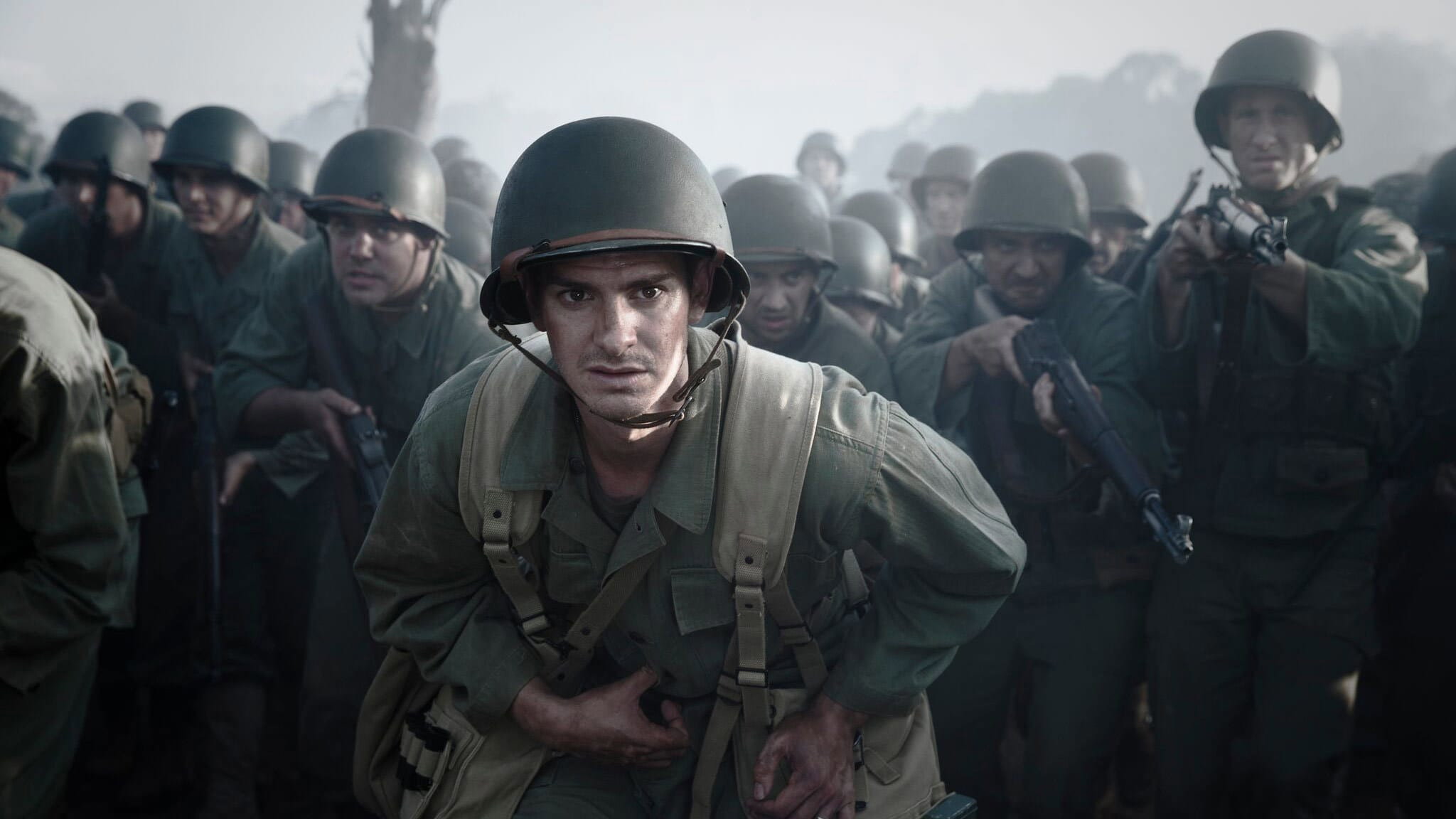
Garfield gives the film its strongest reason to stay with Doss. His gentleness feels considered, and there is enough stubbornness in the performance to suggest how exhausting such a man might be to argue with. We believe that this person would hold to his convictions when doing so becomes dangerous; Garfield does not have to advertise toughness to persuade us. The tenderness matters because Gibson surrounds him with so much physical punishment. A more solemn performance could have made Doss hard to care about.

Robert Schenkkan and Andrew Knight’s screenplay is less curious about those convictions than Garfield’s performance makes us want it to be. It establishes the depth of Doss’s belief, then too often treats that depth as sufficient explanation. We wanted more room to consider the difficulties of refusing violence while depending on men prepared to use it. That question is built into the premise, but the straightforward storytelling and religious imagery tend to settle it on our behalf.

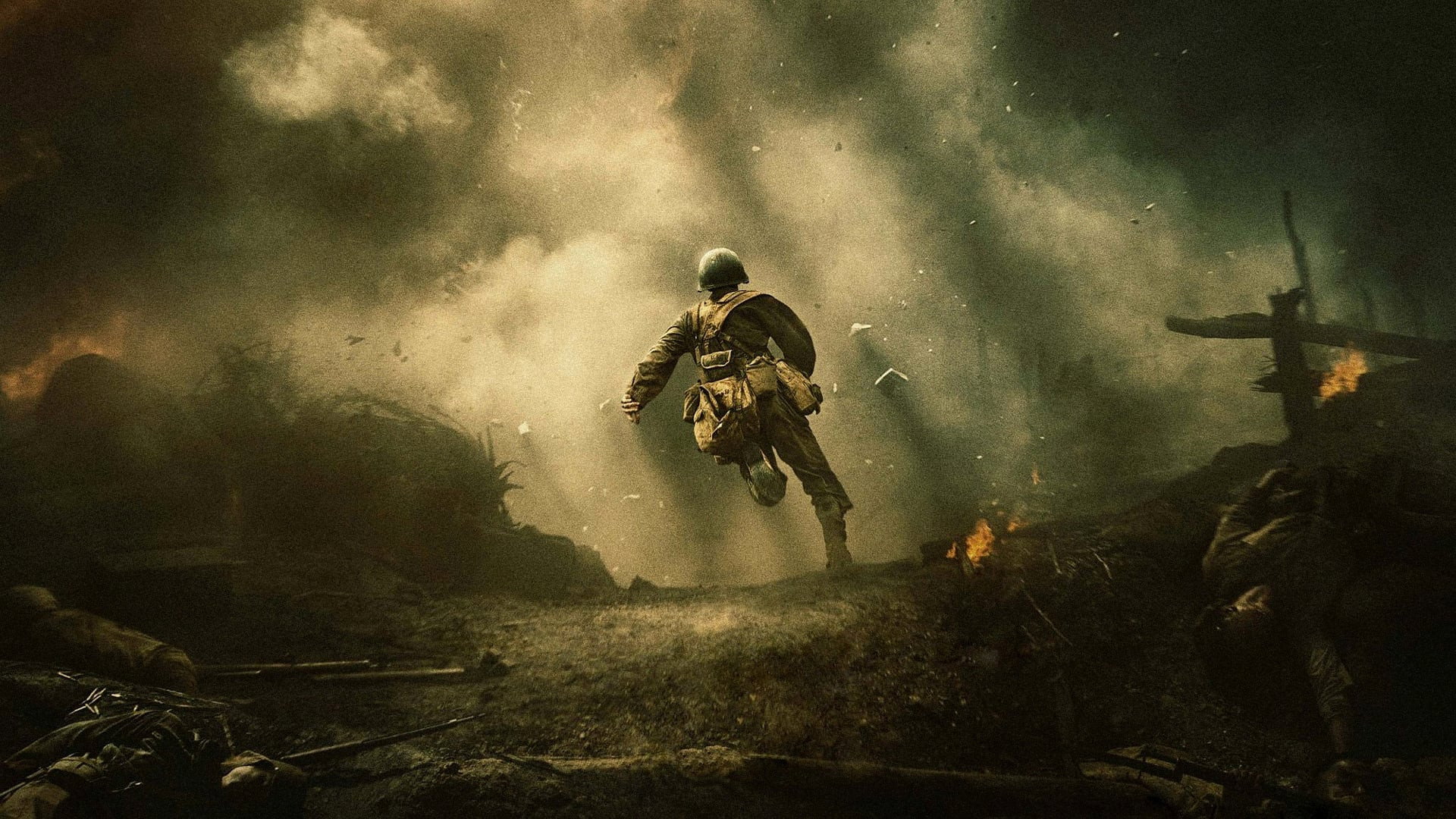
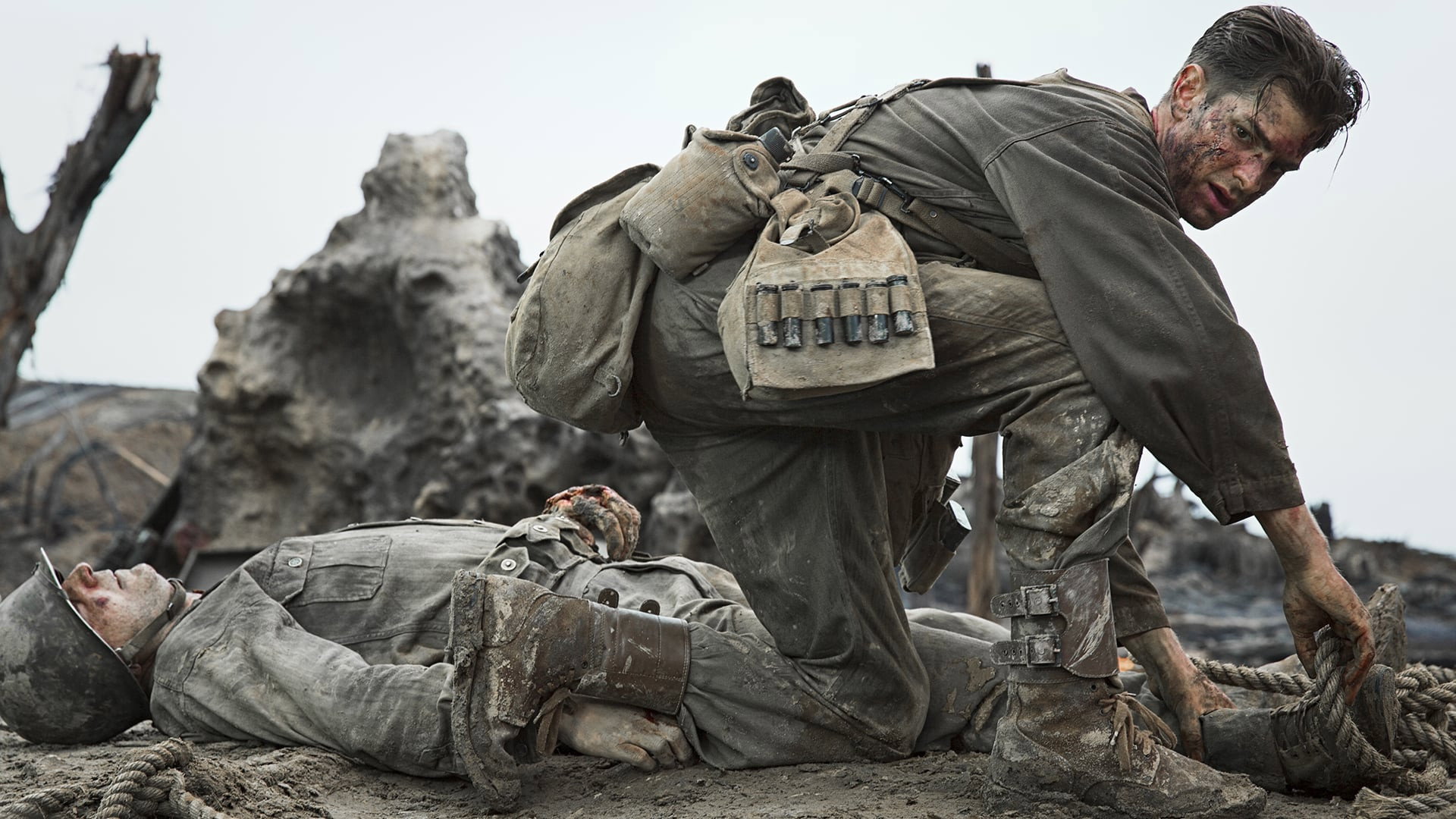
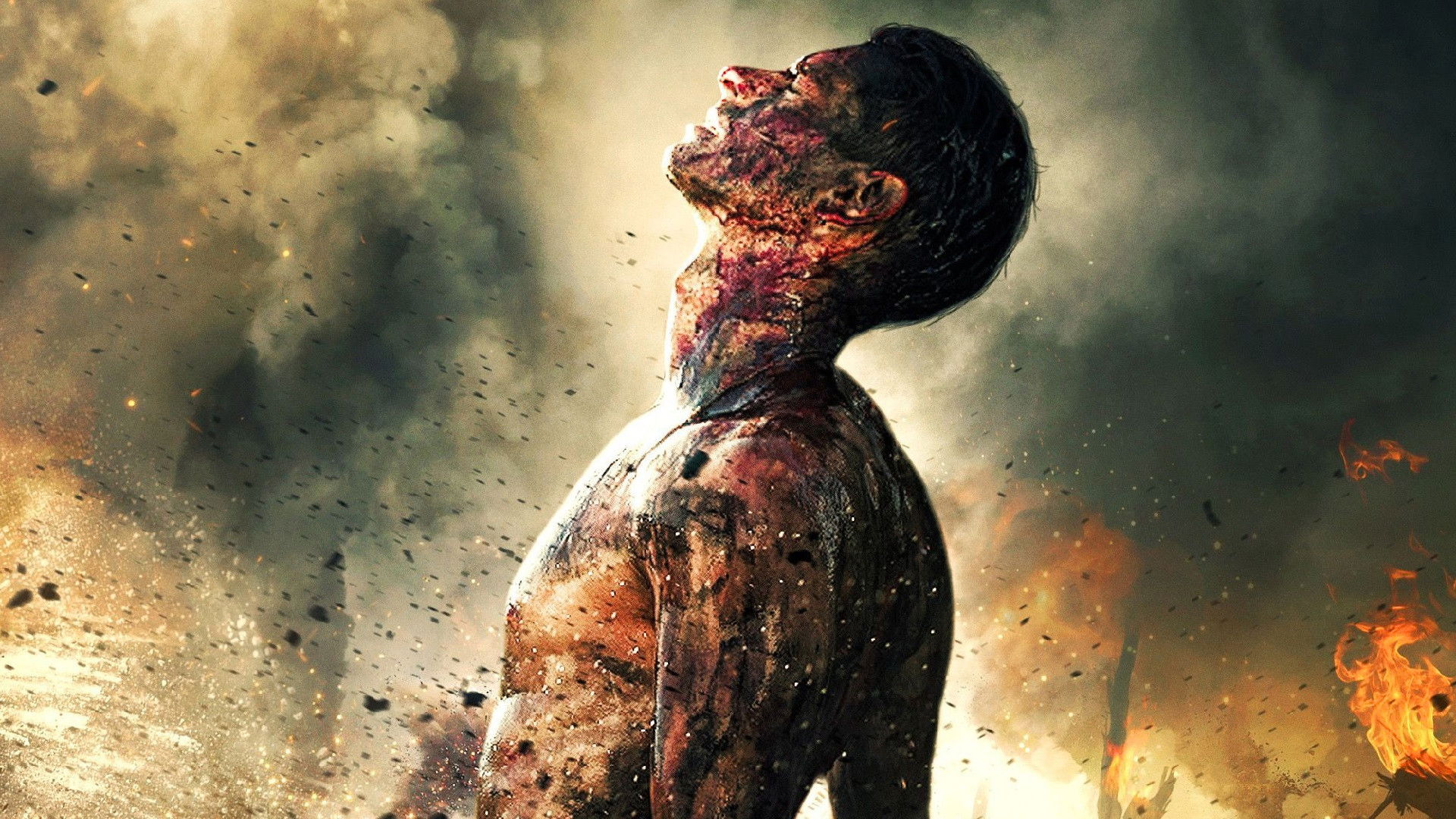
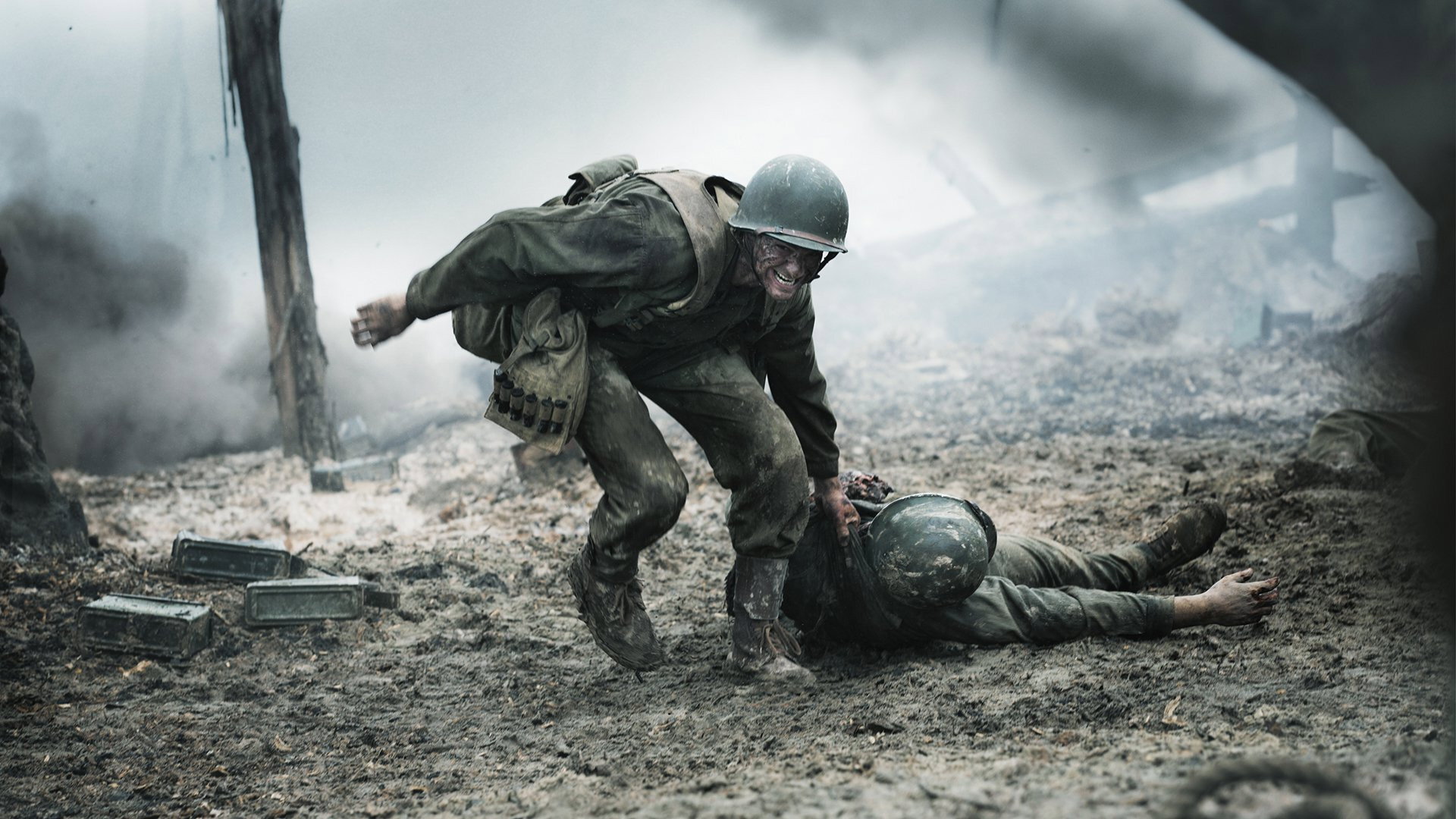
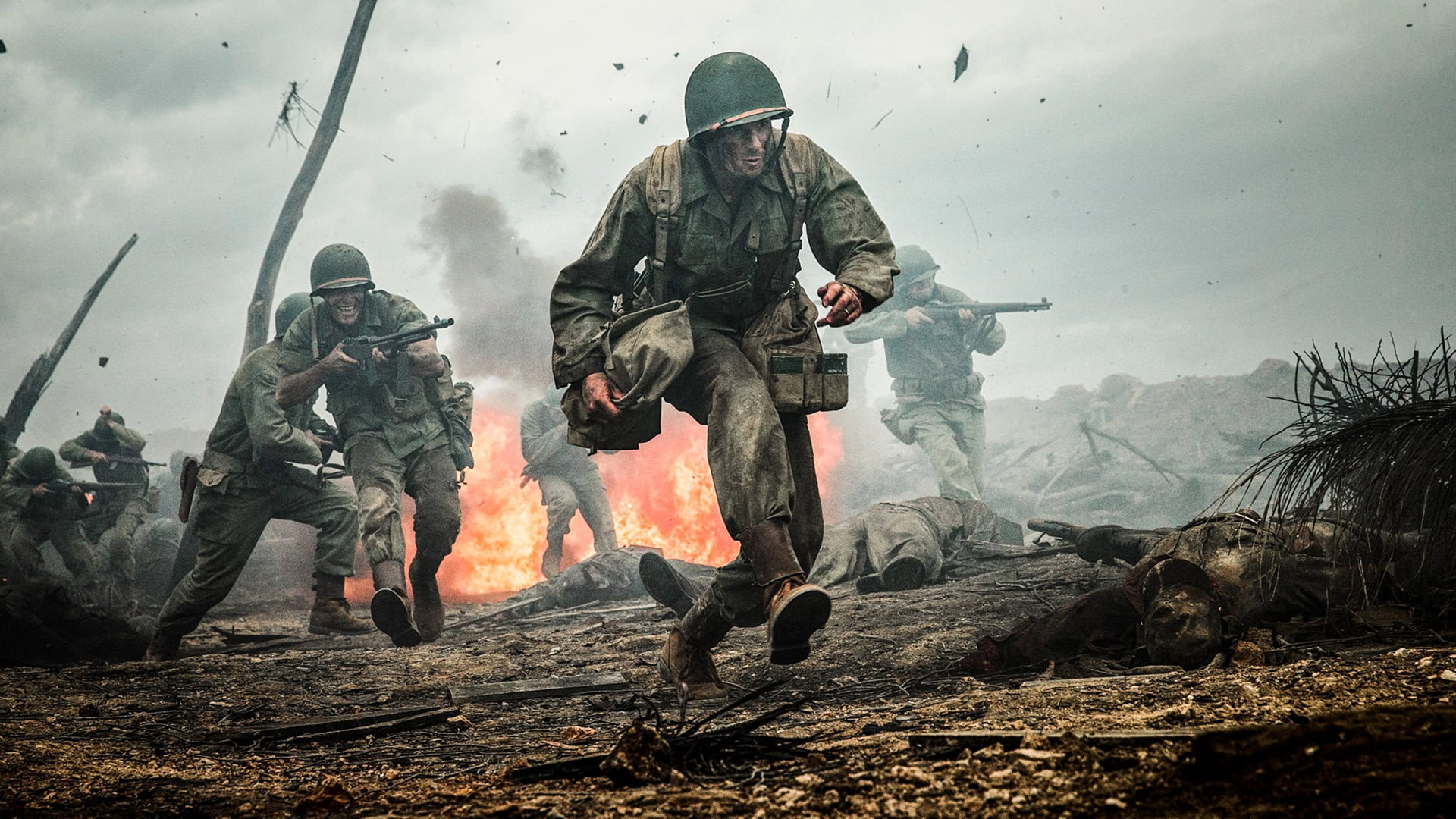
The battlefield scenes have a physical clarity that helps explain their impact. Barry Robison’s production design gives the fighting a recognisable space, and John Gilbert’s editing keeps it intelligible through the onslaught. Simon Duggan’s photography makes the bodily damage hard to escape, so the violence seldom becomes an indistinct blur that we can watch comfortably. We were horrified by the blood and torn bodies; Gibson’s sustained attention to the injuries makes it difficult to enjoy the action without registering what it does to people.

Yet Gibson also makes that action exciting, and at times the excitement overwhelms the horror. The violence is staged with such relish that another burst of carnage starts to feel like an attraction the film is pleased to offer. That is our main reservation, and it cannot be dismissed simply by pointing to Doss’s pacifism. During these stretches, the fighting threatens to distract us from the man whose beliefs we are meant to be considering.

Rupert Gregson-Williams’s score adds another layer of encouragement to feel exactly what the film wants. We could have done with less of it around material already so heavily stressed by the writing and direction. Garfield’s performance is persuasive without that assistance, and the music sometimes leaves too little room for us to decide how we feel. Still, the film’s willingness to treat religious faith as a serious part of a person’s life gives the familiar wartime hero story something worth considering.

At 139 minutes, this asks for a substantial stretch of the evening and a strong stomach. The choice to centre a war film on a medic who refuses to kill gives Gibson a demanding task: making the work of saving people compelling amid all that combat. Garfield gives that choice enough weight to make the film worth its excesses. Choose something else if graphic injury is your limit.
Critical consensus AI synthesised

75
Positive
13
Mixed
0
Negative
2

Most critics respond warmly to Hacksaw Ridge, with praise concentrated on Mel Gibson’s combat staging and Andrew Garfield’s performance as conscientious objector Desmond Doss. The battle sequences are widely described as forceful and clearly handled, making the danger surrounding Doss felt. Garfield’s tenderness and conviction give the story a human centre. Even favourable reviews often find the storytelling old-fashioned and unsubtle, but consider its account of faith and courage stirring.

The sharpest divide concerns whether the graphic violence strengthens the film’s admiration for pacifism or undermines it. Reservations recur over gore, religious imagery and conventional characterisation, though critics differ substantially over their significance. Collider sees a meaningful exploration of the limits of Doss’s beliefs; The Skinny argues that the thrilling combat celebrates violence more than it condemns it. The Playlist’s objection centres instead on a portrayal of faith it regards as glorifying religious intransigence.

Vulture
2 November 2016
85*

Gibson has chosen the right subject for his intense, self-obliterating vision of violence and selflessness, staging relentless battles that highlight the hero's scale. Garfield's all-in performance makes Doss believable as a man on a different plane driven by faith and shame.

Read the full review →
Empire
23 January 2017 · Phil de Semlyen
80*

An old-fashioned story of faith and bravery is delivered with bleeding-edge craft, highlighted by cataclysmic combat sequences and Garfield's grounded lead performance. The film balances spectacle with a character study of moral conviction under fire.

Read the full review →
Evening Standard
27 January 2017 · David Sexton
80*

The film powerfully depicts the true story of conscientious objector Desmond Doss through intense, unrelenting combat sequences that evoke Saving Private Ryan. Garfield delivers a standout performance as the humble hero whose faith and courage anchor the visceral war drama.

Read the full review →
Radio Times
★★★★ · Damon Wise
80

The critic describes it as a blatantly unsubtle but true story of humility and redemption that earned Gibson Oscar nominations. The battlefield action is singled out for exploding into a timely reminder of war's horrors and the power of doing the right thing.

Read the full review →
The Hollywood Reporter
4 September 2016 · festival review · David Rooney
80*

Mel Gibson returns to directing with a muscular, intense true story of heroism without violence that overcomes cliched tropes for stirring drama. Andrew Garfield delivers a fiercely driven, human performance as the conscientious objector medic.

Read the full review →
The i Paper
27 January 2017 · ★★★★ · Matthew Turner
80

Gibson delivers a stirring war drama about a conscientious objector's heroic actions on the battlefield, marking a strong career comeback. Garfield gives a terrific performance radiating quiet humanity, supported by assured direction and intense combat sequences.

Read the full review →

Cast

Stills

Awards

Academy Awards, 2017

Nominated
Best Actor
Nominated
Best Director
Nominated
Best Picture
Nominated
Best Sound Editing
Won
Best Film Editing
Won
Best Sound

AACTA Award for Best Actor in a Leading Role, 2016

Won
AACTA Award for Best Actor in a Leading Role

AACTA Award for Best Actor in a Supporting Role, 2016

Won
AACTA Award for Best Actor in a Supporting Role

AACTA Award for Best Actress in a Leading Role, 2016

Nominated
AACTA Award for Best Actress in a Leading Role

AACTA Award for Best Actress in a Supporting Role, 2016

Nominated
AACTA Award for Best Actress in a Supporting Role

AACTA Award for Best Cinematography, 2016

Won
AACTA Award for Best Cinematography

AACTA Award for Best Costume Design, 2016

Nominated
AACTA Award for Best Costume Design

AACTA Award for Best Direction, 2016

Won
AACTA Award for Best Direction

AACTA Award for Best Editing, 2016

Won
AACTA Award for Best Editing

AACTA Award for Best Film, 2016

Won
AACTA Award for Best Film

AACTA Award for Best Original Screenplay, 2016

Won
AACTA Award for Best Original Screenplay

AACTA Award for Best Production Design, 2016

Won
AACTA Award for Best Production Design

AACTA Award for Best Sound, 2016

Won
AACTA Award for Best Sound

If you liked this, try…

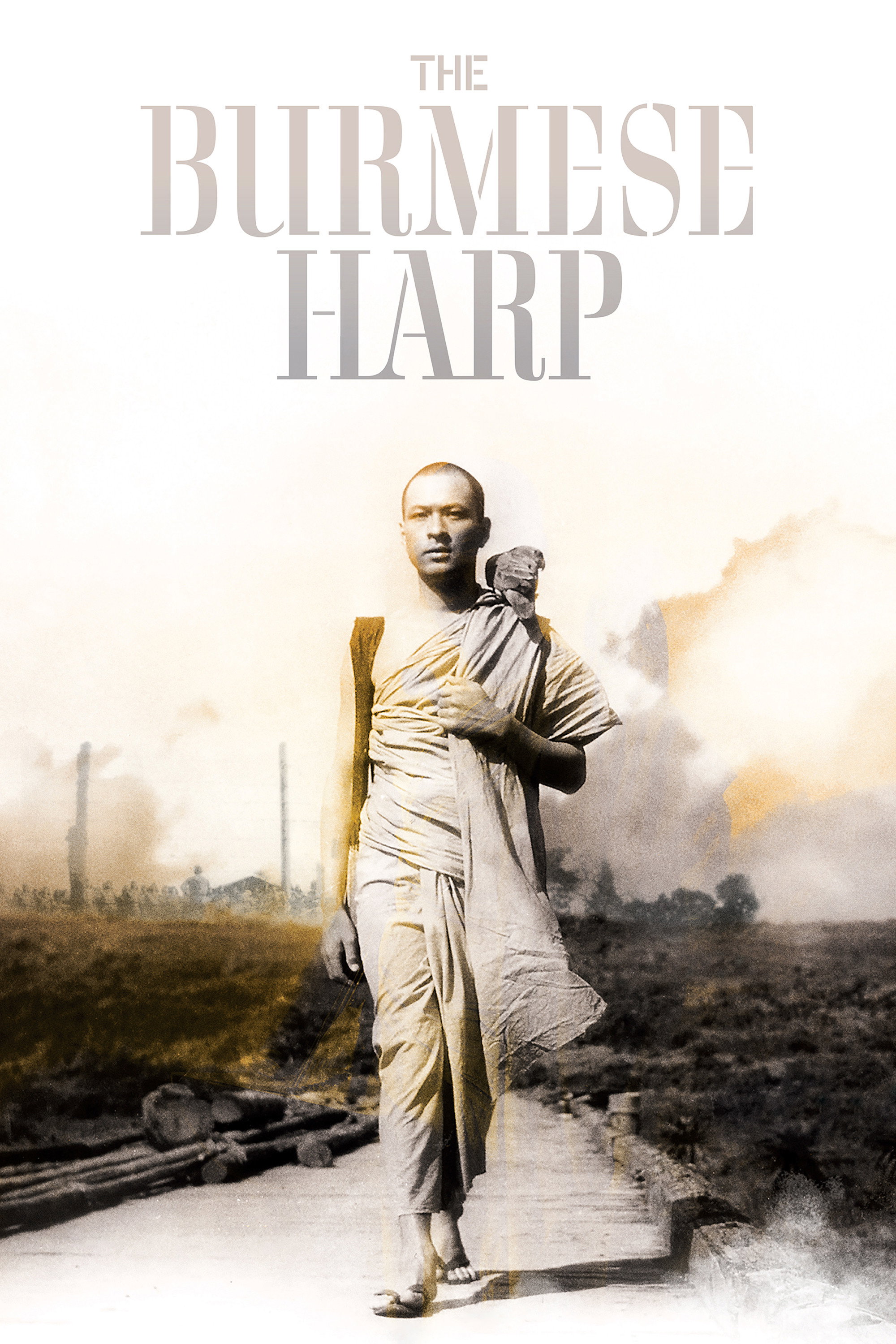
The Burmese Harp poster

The Burmese Harp

1956 · Another wartime story of religious conviction, with more patience for grief.

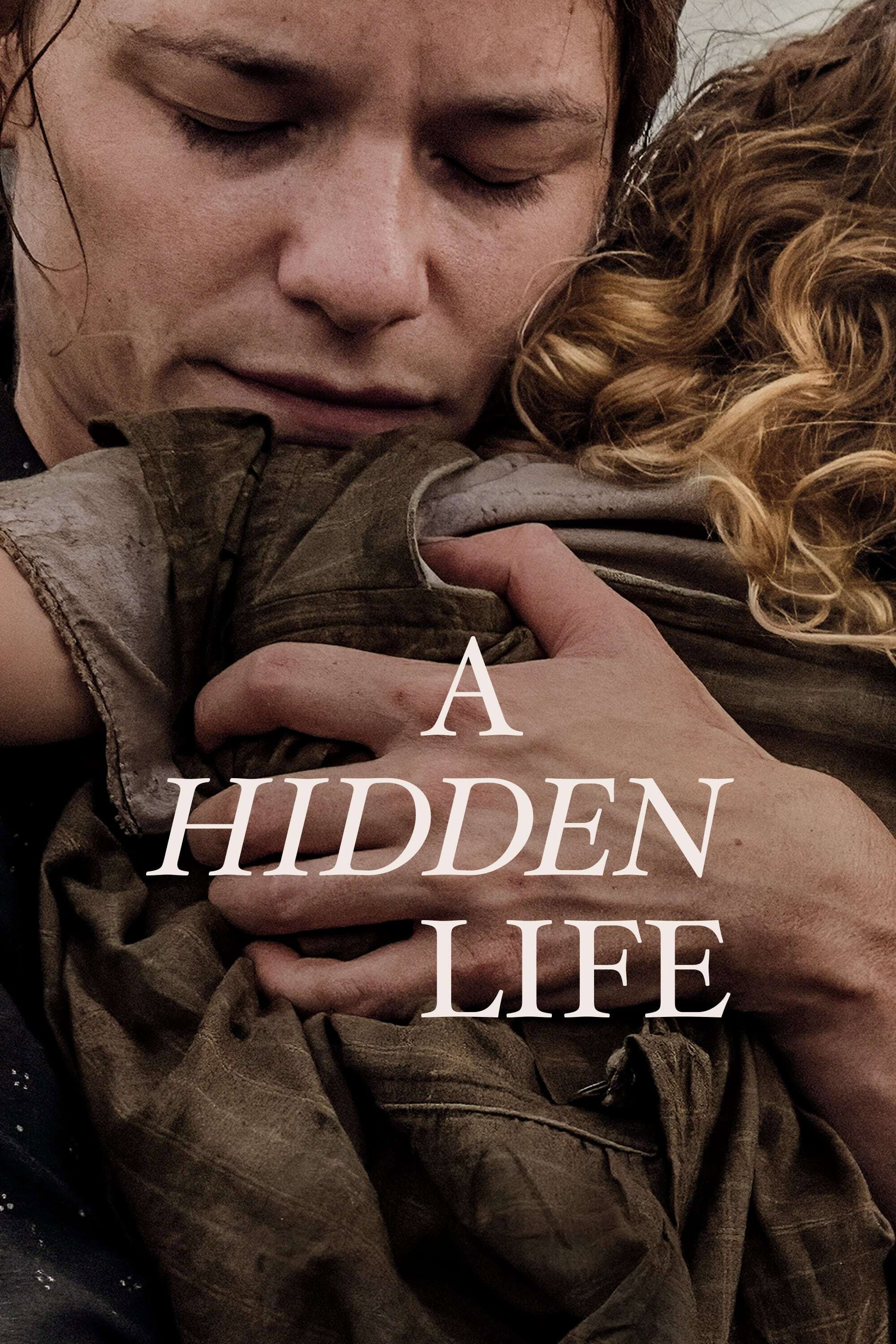
A Hidden Life poster

A Hidden Life

2019 · Religious conscience meets military duty in a slower, more questioning drama.

Paths of Glory poster93

Paths of Glory

1957 · For another account of individual dignity under pressure from military authority.

The Ascent poster

The Ascent

1977 · A harsher wartime test of faith, courage and the wish to survive.

Saving Private Ryan poster84

Saving Private Ryan

1998 · For combat staged with punishing clarity and soldiers given recognisable human needs.