Film review

Saving Private Ryan

1998 · Directed by Steven Spielberg · 2h 49m · MPA R

In a sentenceAfter the beach landing, even Tom Hanks cannot make us feel safe

WarDramaHistory

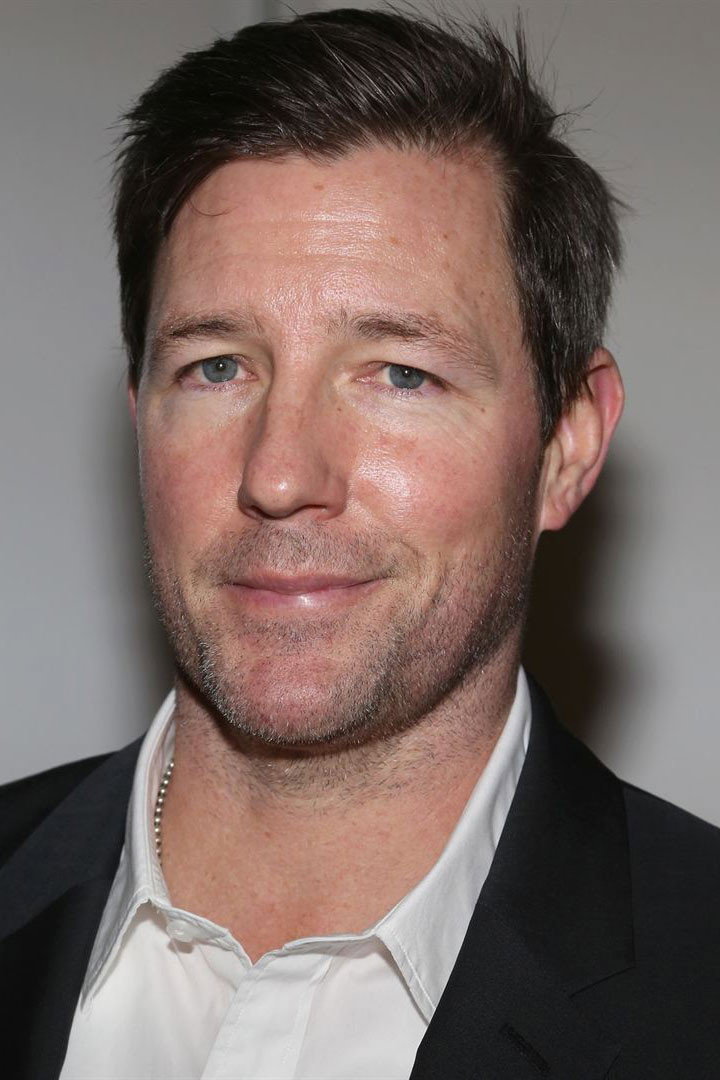
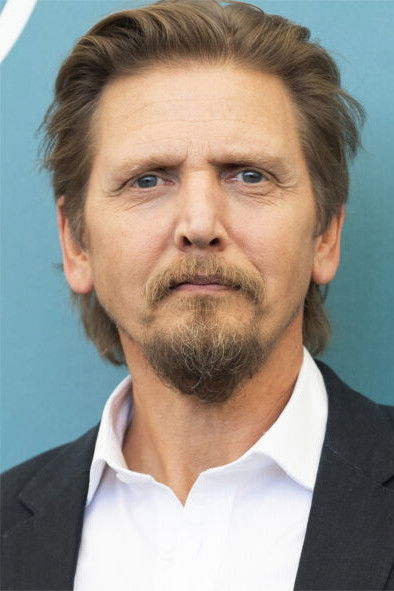
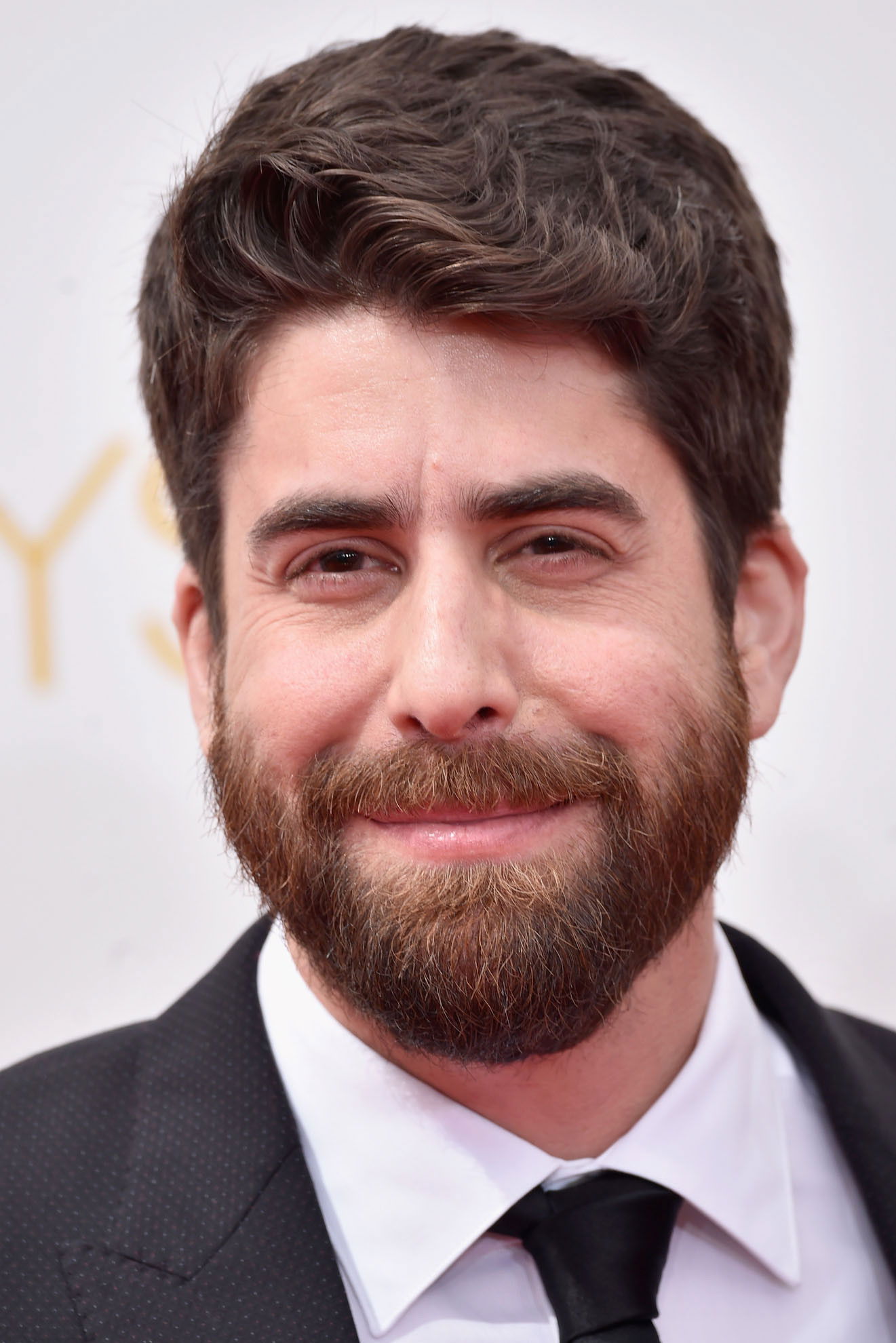
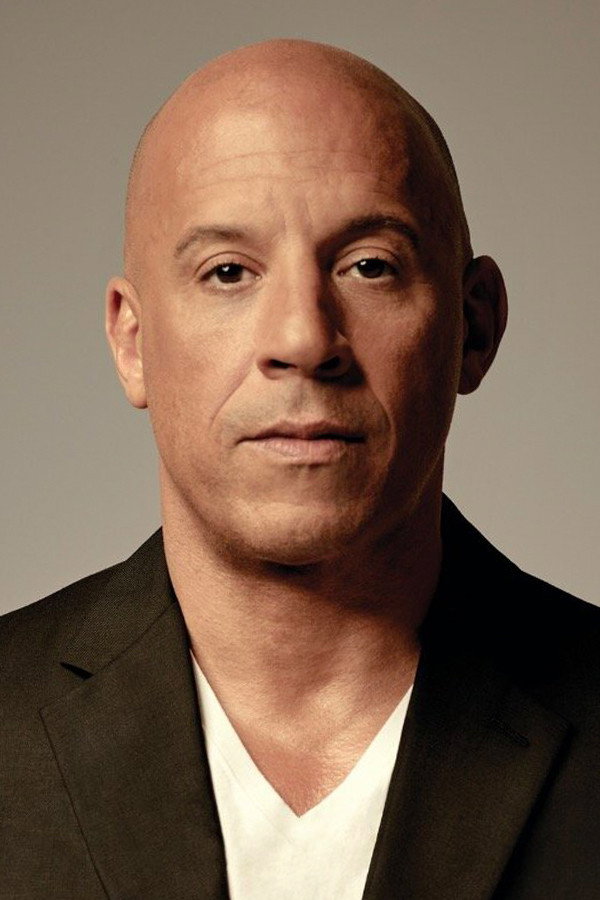
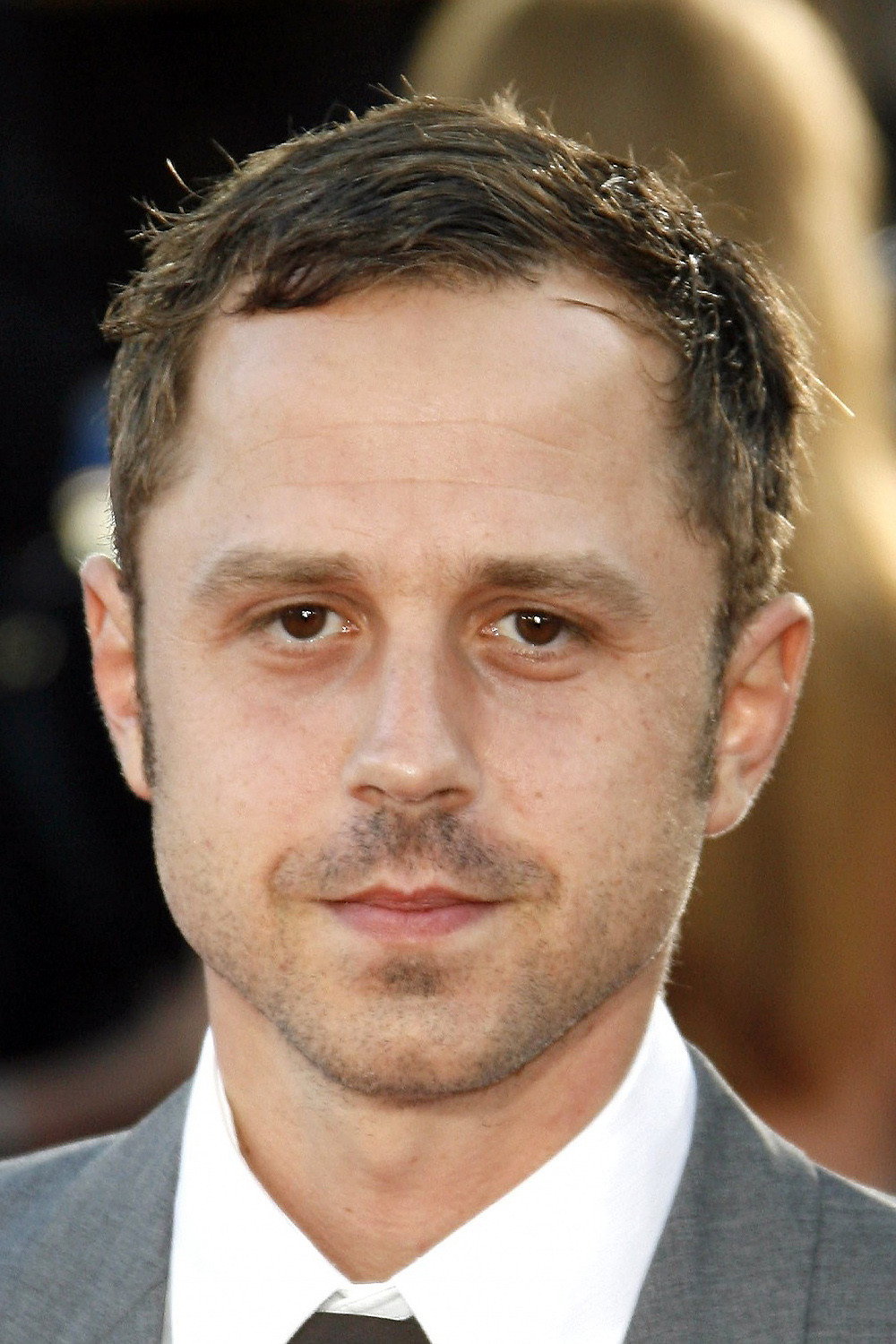
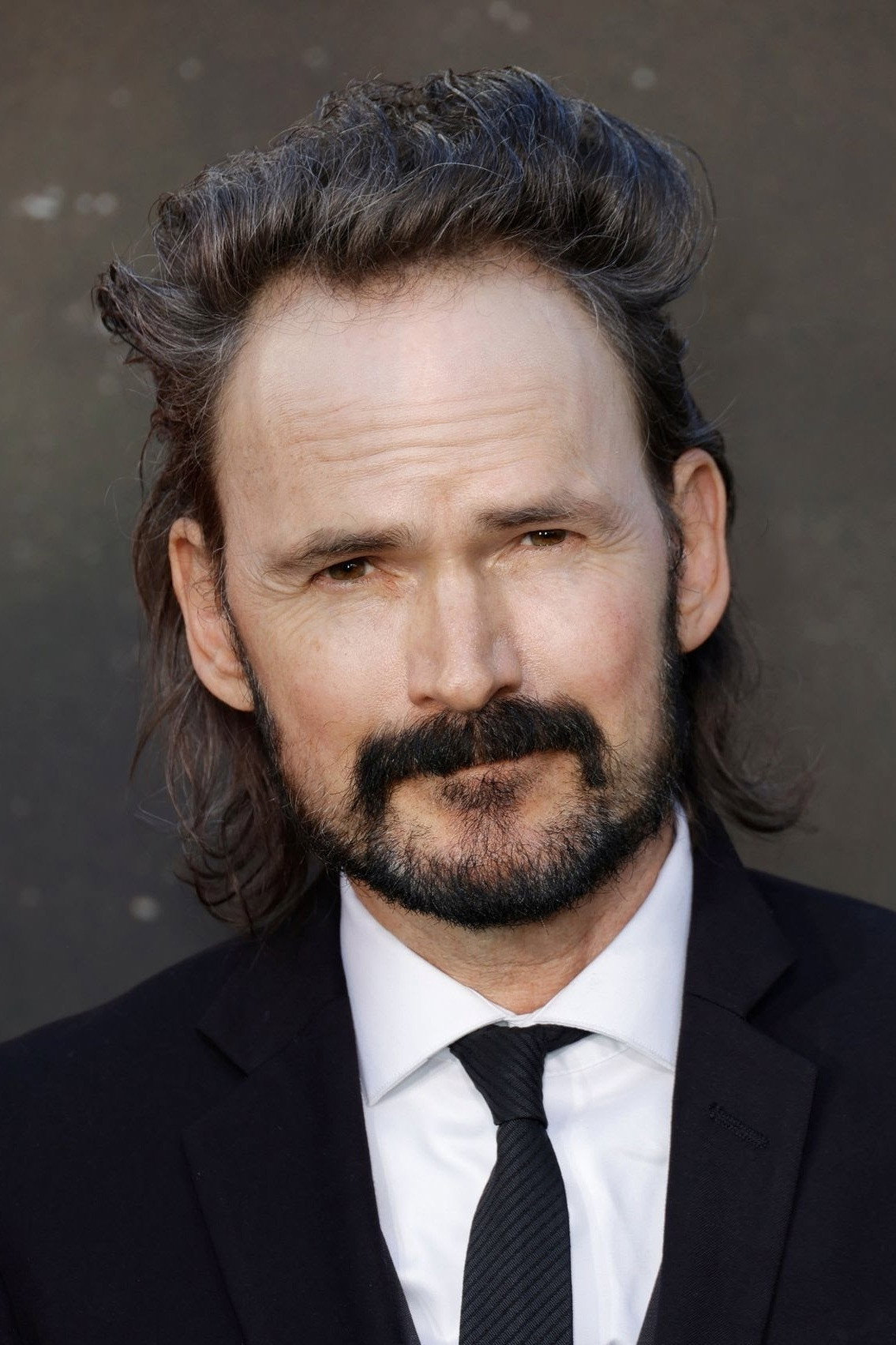
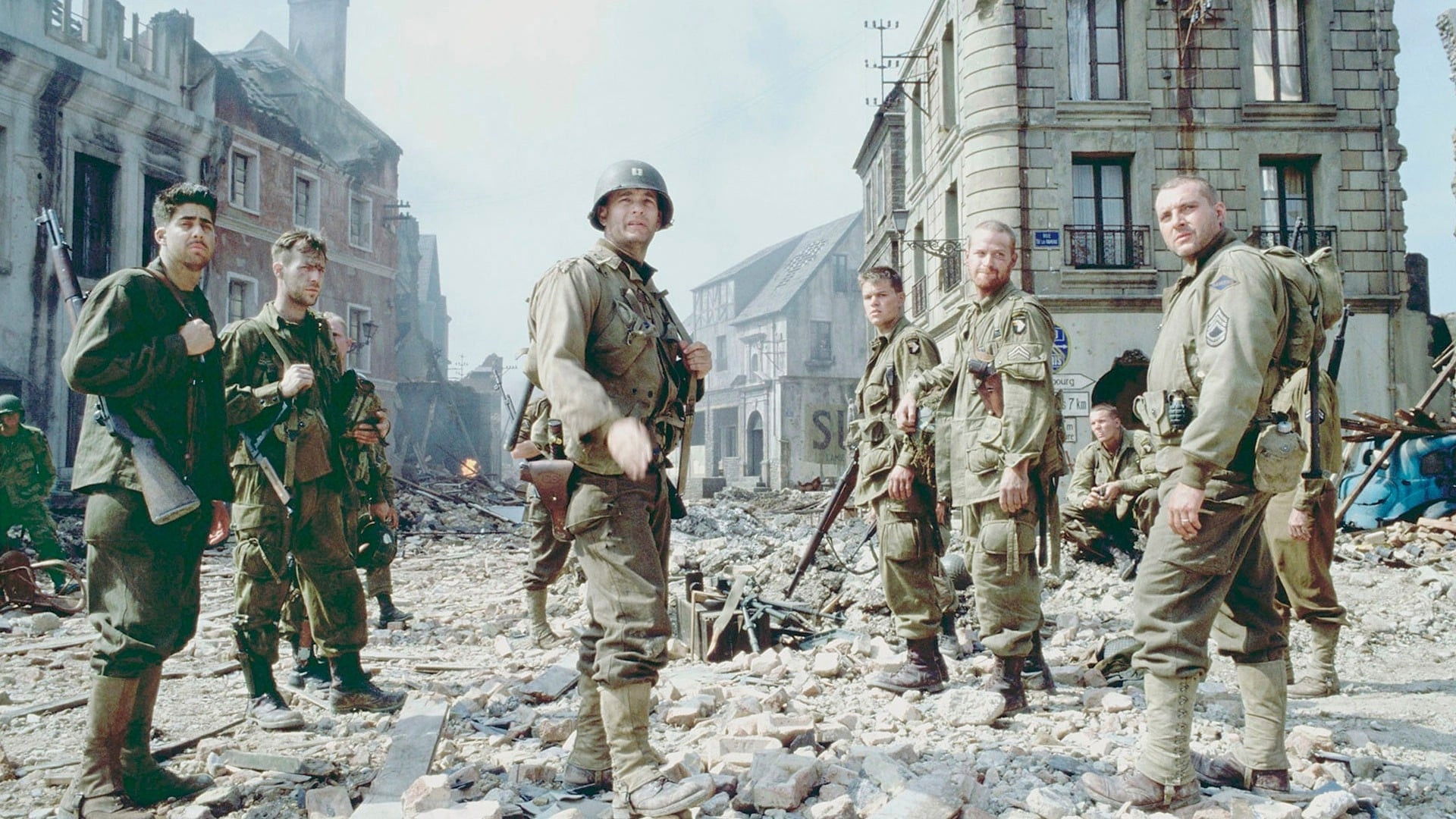
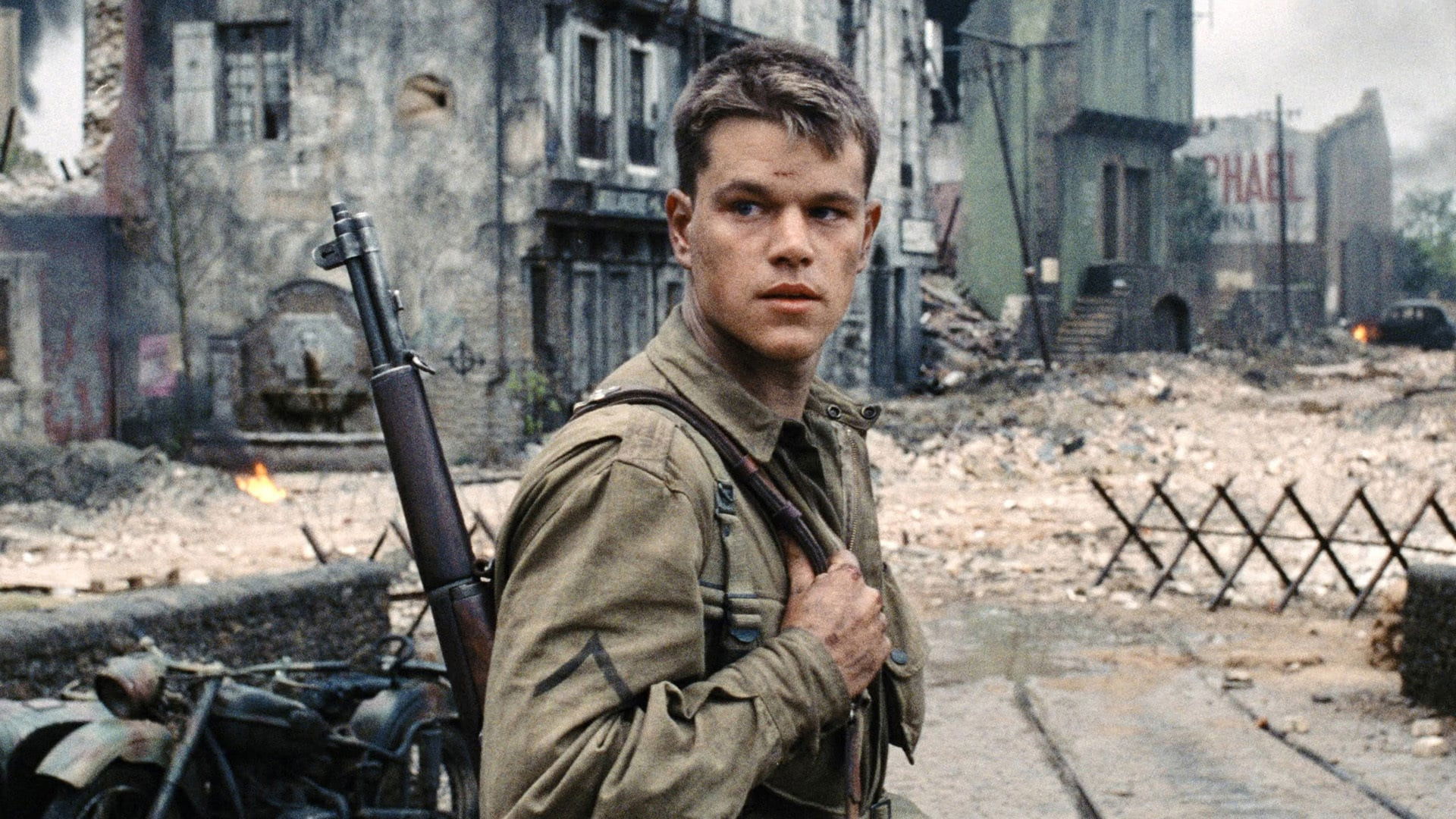
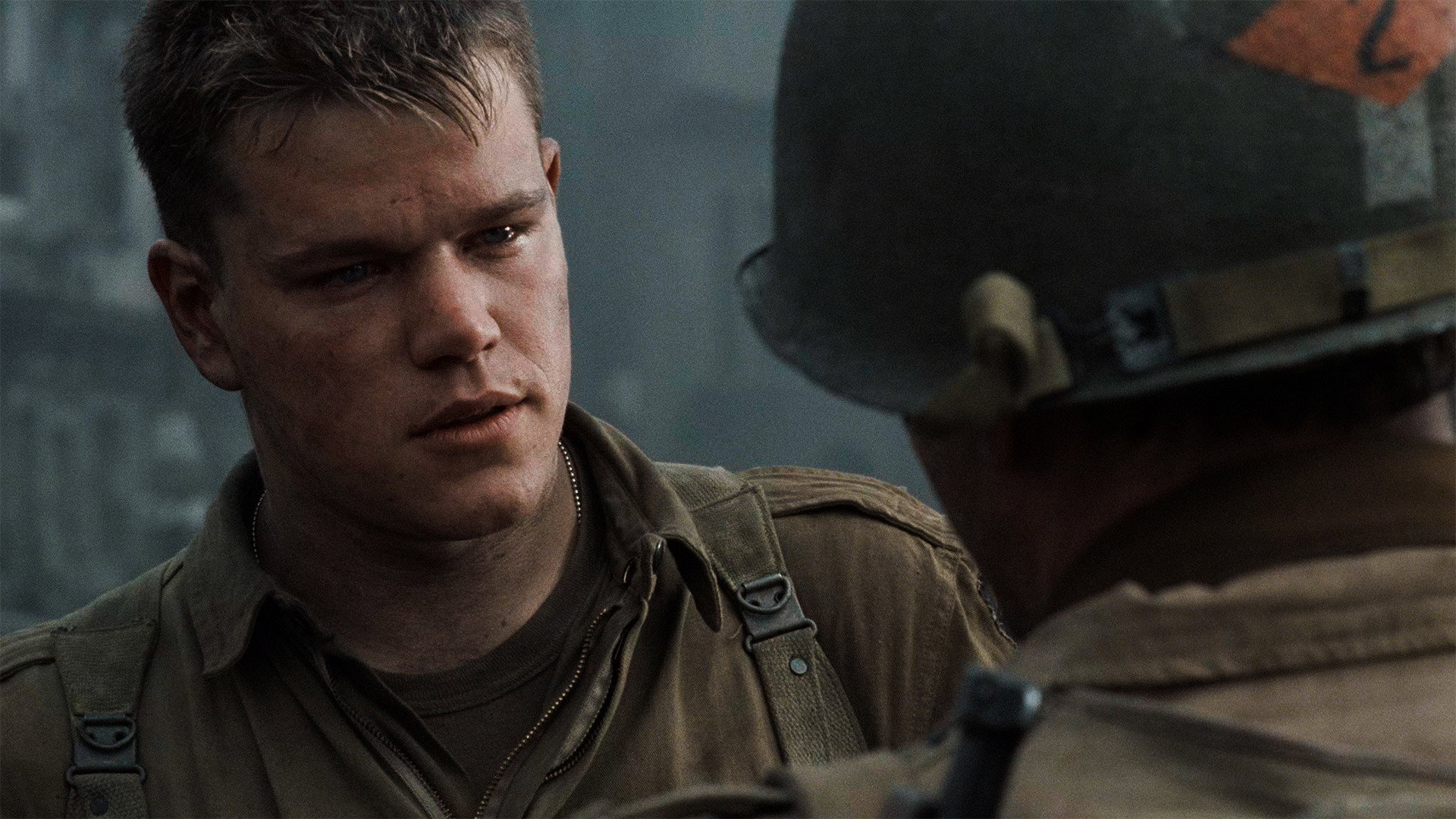
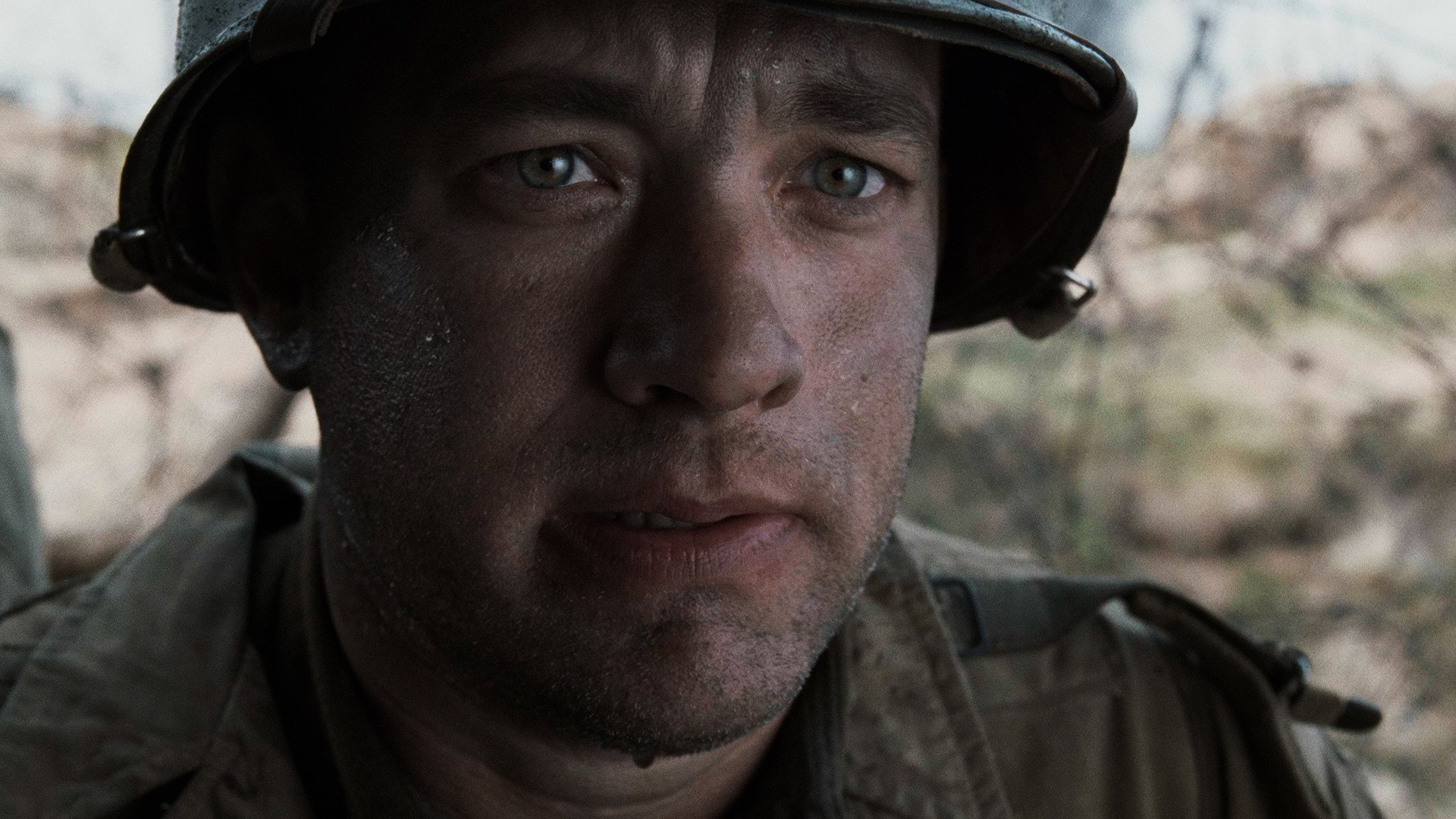
Tom Hanks plays Captain Miller and Matt Damon plays Private Ryan in Steven Spielberg’s war drama about a military mission centred on one man. Among the soldiers are Sergeant Horvath (Tom Sizemore), Private Reiben (Edward Burns) and Private Jackson (Barry Pepper). Giovanni Ribisi plays medic Wade, while Jeremy Davies is Corporal Upham. Combat places the men under pressure as they confront the demands of duty and the value of individual lives. The screenplay is by Robert Rodat, and the cast also includes Adam Goldberg and Vin Diesel.

Plays from YouTube when you press play; nothing loads from them until then.

Fi1m review

Steven Spielberg’s war film is frightening, exhausting and worth the ordeal, chiefly for its combat sequences and Tom Hanks’s strained authority. The writing between battles is more familiar, but the terror is difficult to shake.

Steven Spielberg’s Saving Private Ryan is a frightening war film with a more conventional drama between its battles. We recommend it for the combat filmmaking and for Tom Hanks, who makes command look exhausting. Spielberg wants the fighting to be frightening enough that we stop treating survival as a reward for competence. The landing sequence achieves that with a directness that is difficult to bear. Men have jobs to do, but the violence keeps making those jobs seem impossible.

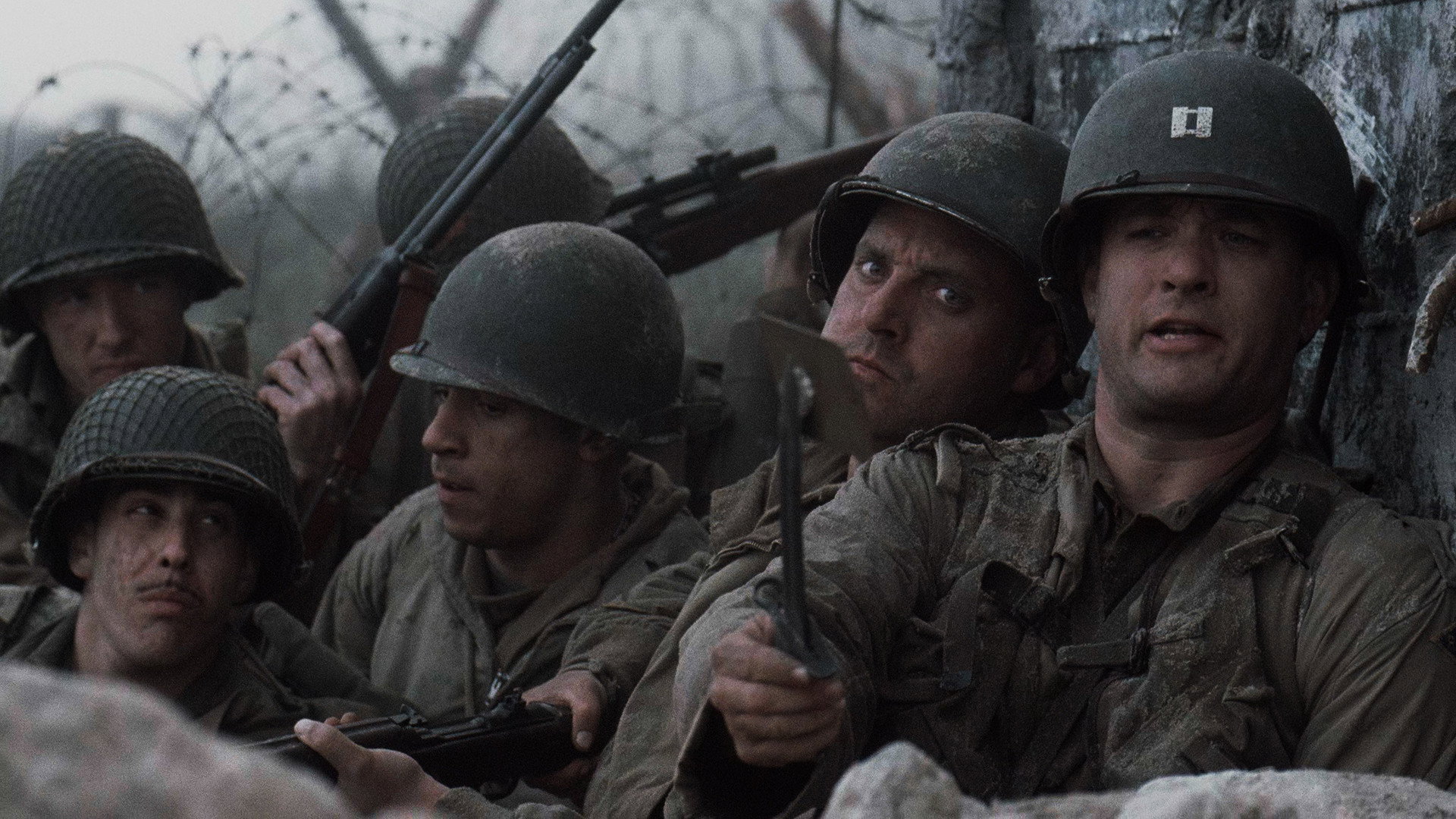
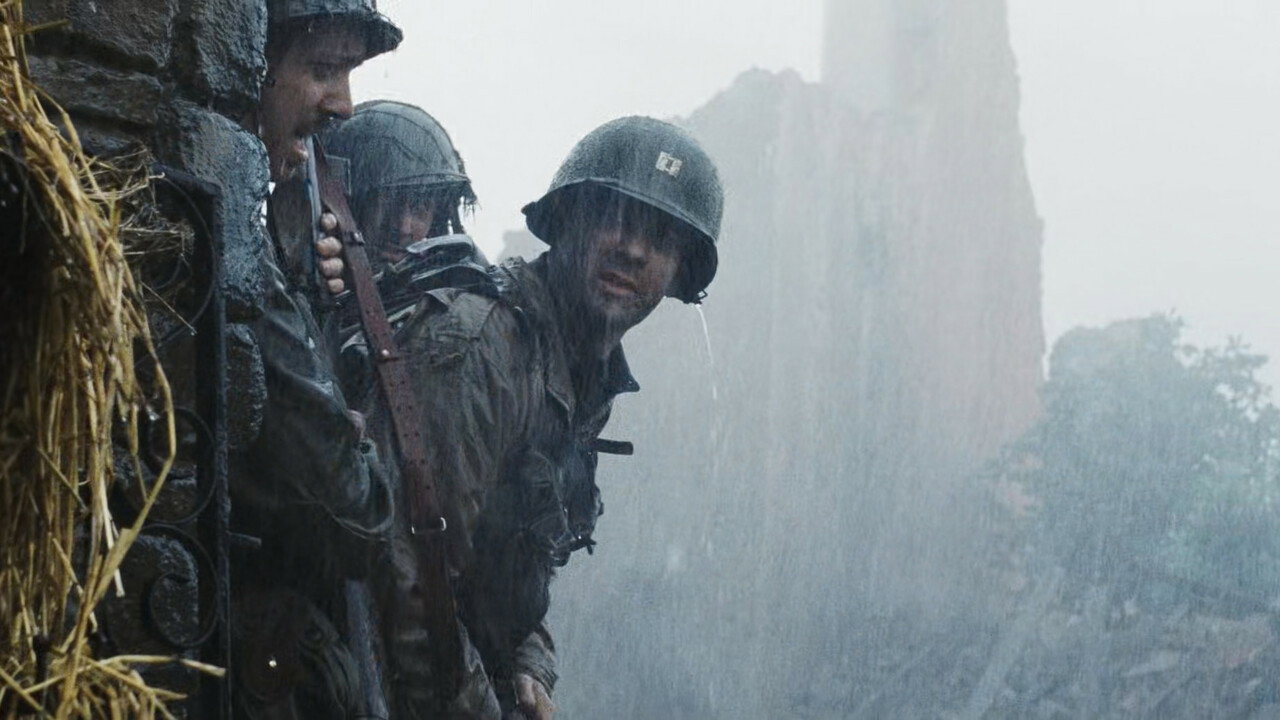
Janusz Kamiński’s handheld cinematography makes the landing hard to survey without making it look carelessly filmed. We were horrified by the succession of injuries and the lack of any comfortable distance from them. The camera puts us close enough to the violence that watching for the next piece of action starts to feel like the wrong way to watch. Michael Kahn cuts the sequence so that the confusion is sustained, rather than discharged in a few quick shocks. By the time it allows us to breathe, we are tired of seeing men hurt.

Hanks gives the film a reason to continue beyond that ordeal. His Captain Miller is still capable of leading, but the effort shows, and Hanks does not make every sign of strain into a request for sympathy. We believe in the authority because we can see how much work it takes to maintain. Tom Sizemore’s Sergeant Horvath provides a steadier presence beside him, without competing for our attention. Together they give the group a sense of having to get on with its work even when nobody has much left to give.

Robert Rodat’s screenplay gives the supporting soldiers less help. Edward Burns as Private Reiben and Barry Pepper as Private Jackson are readily distinguishable, but the writing too often stops once each man has an attitude. The middle stretch suffers because assembling a group of recognisable soldiers is not enough to make their conversations interesting. At 169 minutes, the film has room to know these men better. The cast does much of that work, though some exchanges still sound as if they have been assigned to cover the expected positions on duty and sacrifice.

Thomas E. Sanders’s production design helps keep the fighting convincing: the spaces look difficult to move through and offer little sense of shelter. That matters when Spielberg needs us worrying about where a man can stand rather than admiring the size of the scene. John Williams’s music gives the quieter passages a solemnity that is sometimes more than they need. Its gravity is understandable, and it suits the film’s respect for the soldiers. Still, we would occasionally prefer to be left with what Hanks has already put into his voice.

War films often depend on the pleasure of watching capable people work together, and Spielberg is prepared to make that pleasure uncomfortable. The combat leaves a harder impression than Rodat’s conversations about duty, but Hanks keeps the drama from becoming a lecture. Give it an uninterrupted evening, provided everyone watching is prepared for graphic violence rather than a reassuring account of courage. Allow a little quiet afterwards.
Critical consensus AI synthesised

4 of 6
Positive
2
Mixed
2
Negative
0
Empire
1 January 2000 · ★★★★★ · William Thomas
100

The critic hails the film as a modern masterpiece with the most shocking and searing battle sequences in cinema history. They single out the visceral, numbing realism of the combat and Tom Hanks' performance as a crumbling leader for particular praise.

Read the full review →
Radio Times
★★★★ · David Parkinson
80

The review highlights the gut-wrenching D-Day landing sequence and its success in conveying chaos, while noting that away from the fighting the film falls into combat-picture clichés and lacks the resonance of classics like All Quiet on the Western Front. It concludes that the film is still well-meaning, strongly acted, and among Spielberg's very best.

Read the full review →
The Guardian
11 September 1998 · Richard Williams
65*

The critic praises the visceral and groundbreaking opening 30-minute battle sequence on Omaha Beach for its raw immediacy and skill but criticizes the rest of the film for falling into conventional sentimental Hollywood tropes, including a bogus central mission and a feelgood ending.

Read the full review →
Total Film
11 September 1998
60*

The critic praises the intensity and technical brilliance of the combat sequences as the most believably shocking ever seen. They single out the dramatically weak middle section, sketchy characters and lack of emotional depth for complaint.

Read the full review →
Sight and Sound
1 September 1998

The critic praises the film's graphic and immediate depiction of war in the action sequences, comparing them favorably to Come and See for their believability and matter-of-fact horror. Spielberg is commended for maturing as an artist by avoiding overt manipulation and leaving the film's meaning open to interpretation.

Read the full review →
The Hollywood Reporter
20 July 1998 · Michael Rechtshaffen

The critic praises the film as a harrowing, uncompromisingly powerful WWII epic that finds Spielberg at the top of his craft, with heart-pounding action and gut-wrenching emotion, especially in the visceral D-Day sequence. However, the script relies too often on generic conventions and fails to match the personal depth of Schindler's List.

Read the full review →

Cast

Stills

Awards

Academy Awards, 1999

Nominated
Best Actor
Nominated
Best Makeup and Hairstyling
Nominated
Best Original Dramatic Score
Nominated
Best Picture
Nominated
Best Production Design
Nominated
Best Writing, Original Screenplay
Won
Best Cinematography
Won
Best Director
Won
Best Film Editing
Won
Best Sound
Won
Best Sound Editing

Golden Globes, 1999

Won
Best Motion Picture – Drama

Dallas-Fort Worth Film Critics Association Award for Best Film, 1998

Won
Dallas-Fort Worth Film Critics Association Award for Best Film

European Film Award for Best Non-European Film, 1998

Nominated
European Film Award for Best Non-European Film

If you liked this, try…

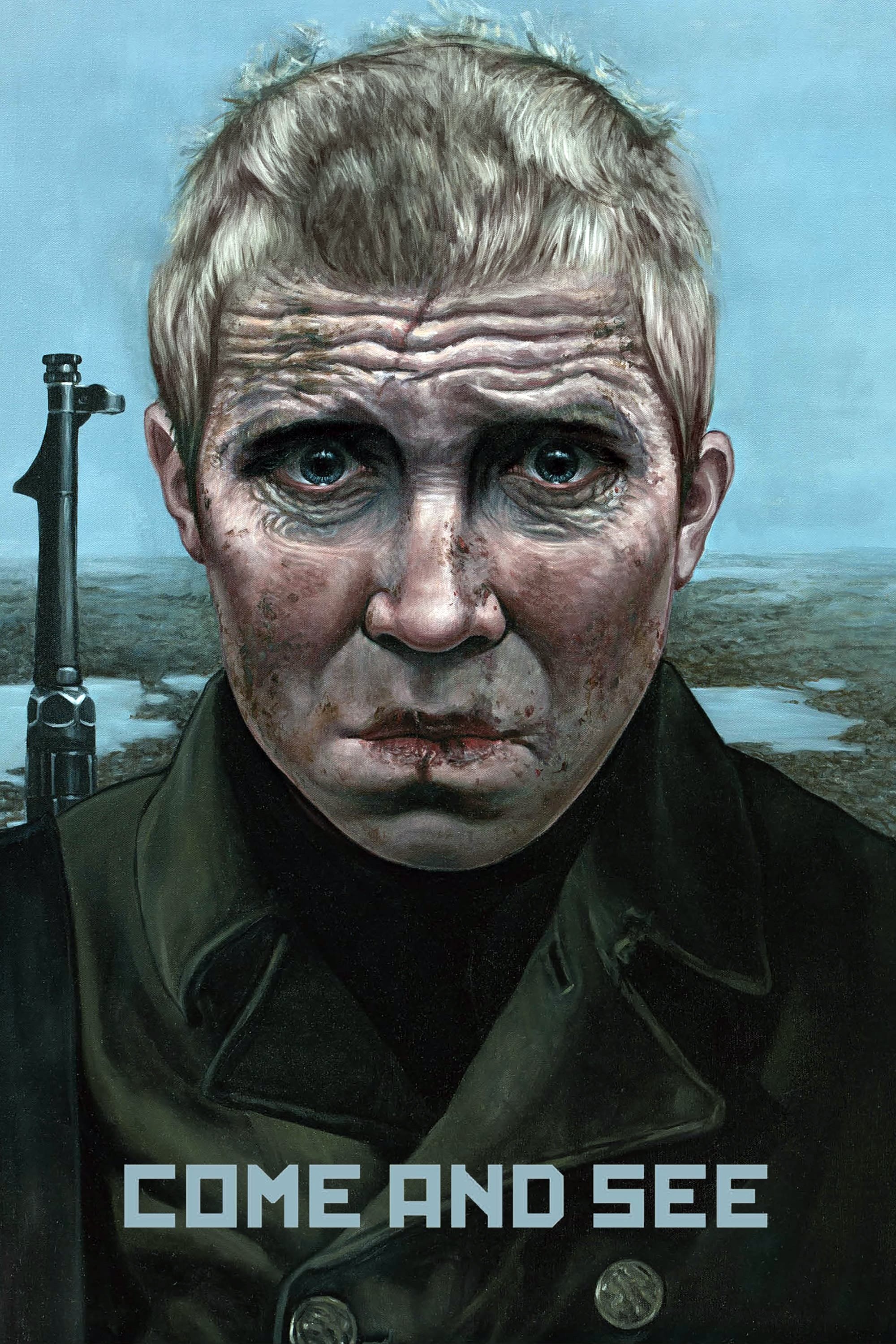
Come and See poster

Come and See

1985 · A civilian view of war whose terror offers even less room for reassurance.

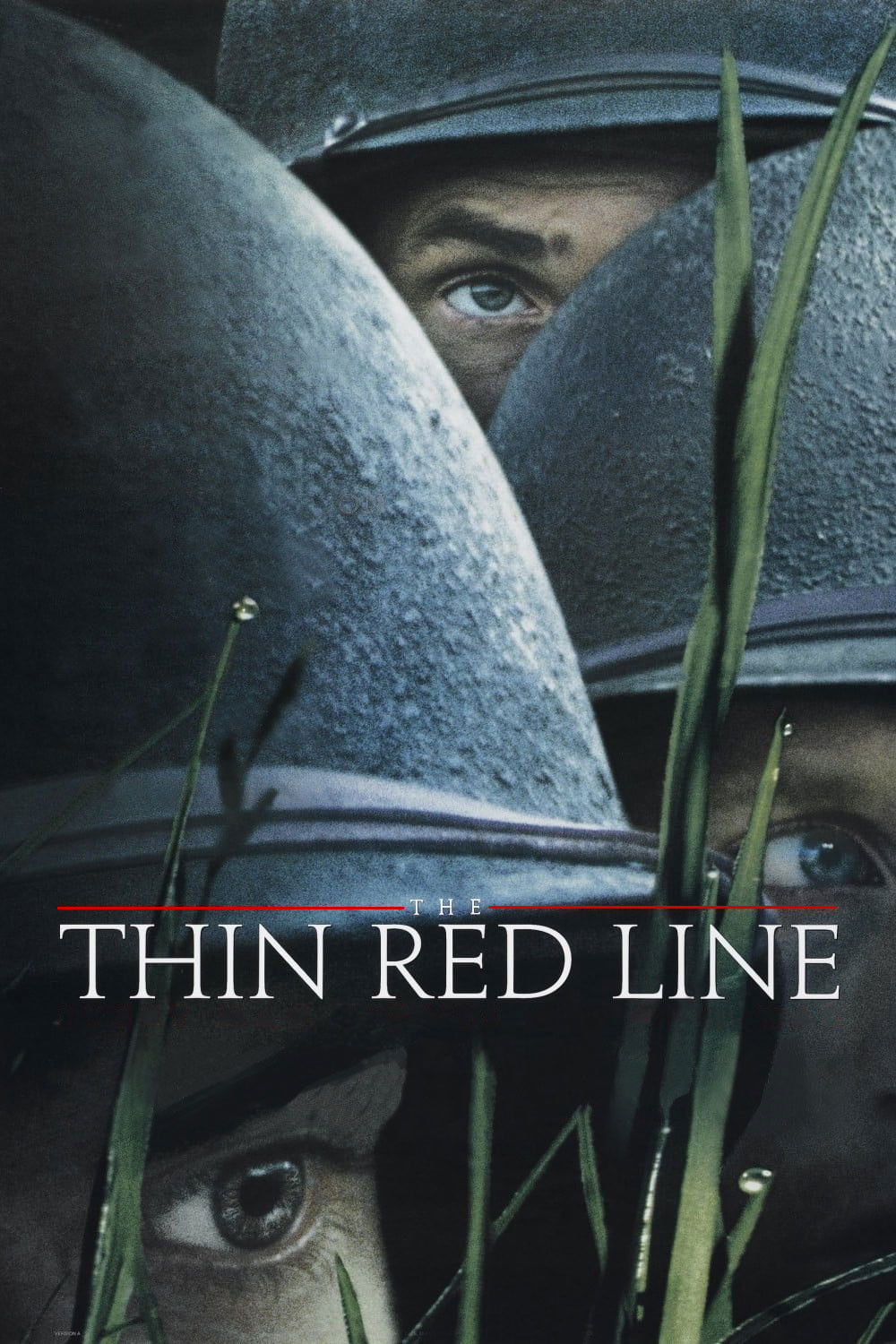
The Thin Red Line poster84

The Thin Red Line

1998 · Soldiers’ private thoughts receive the attention Spielberg gives to their immediate danger.

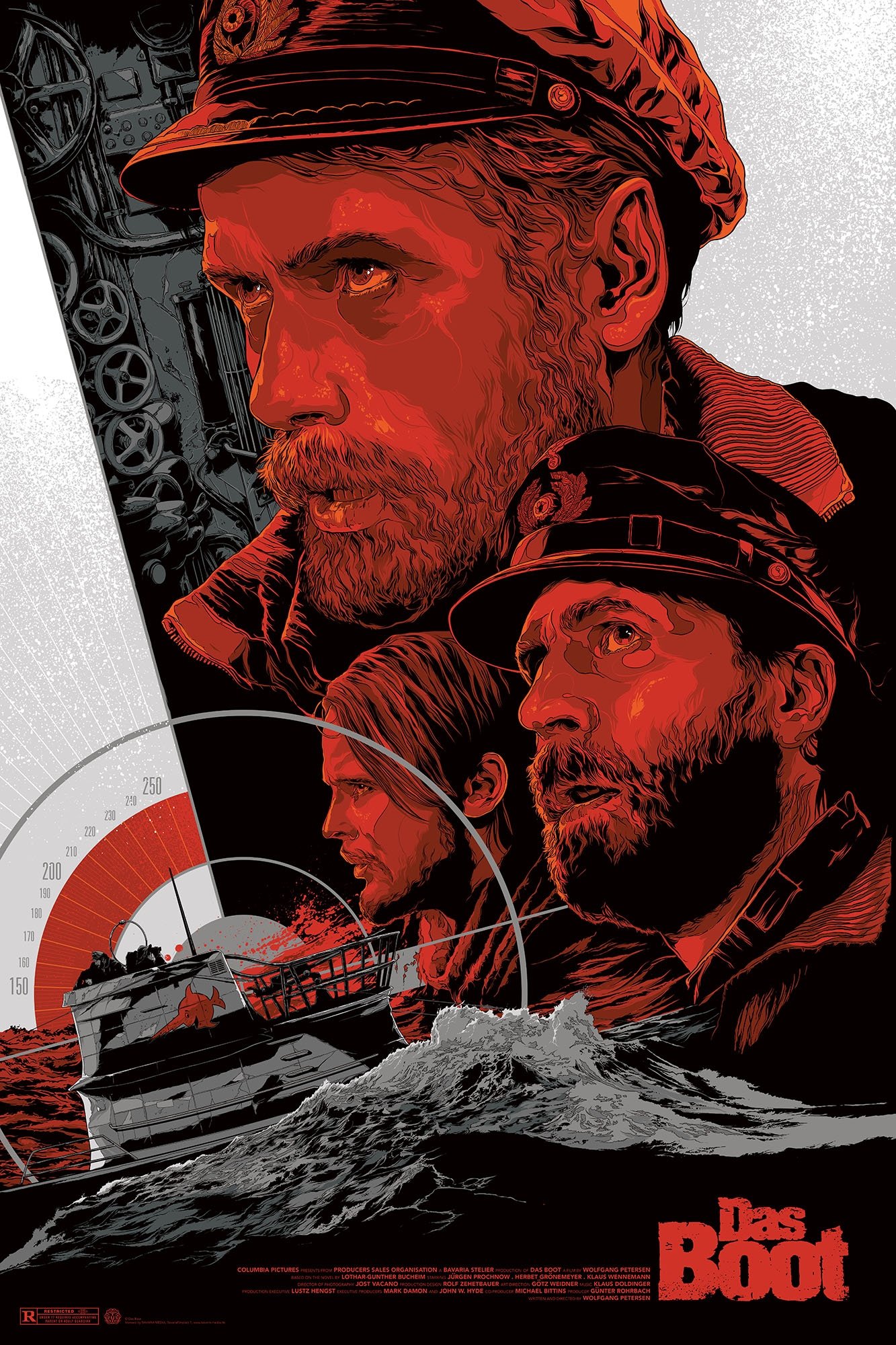
Das Boot poster

Das Boot

1981 · A crew under pressure, with confinement making every decision harder to bear.

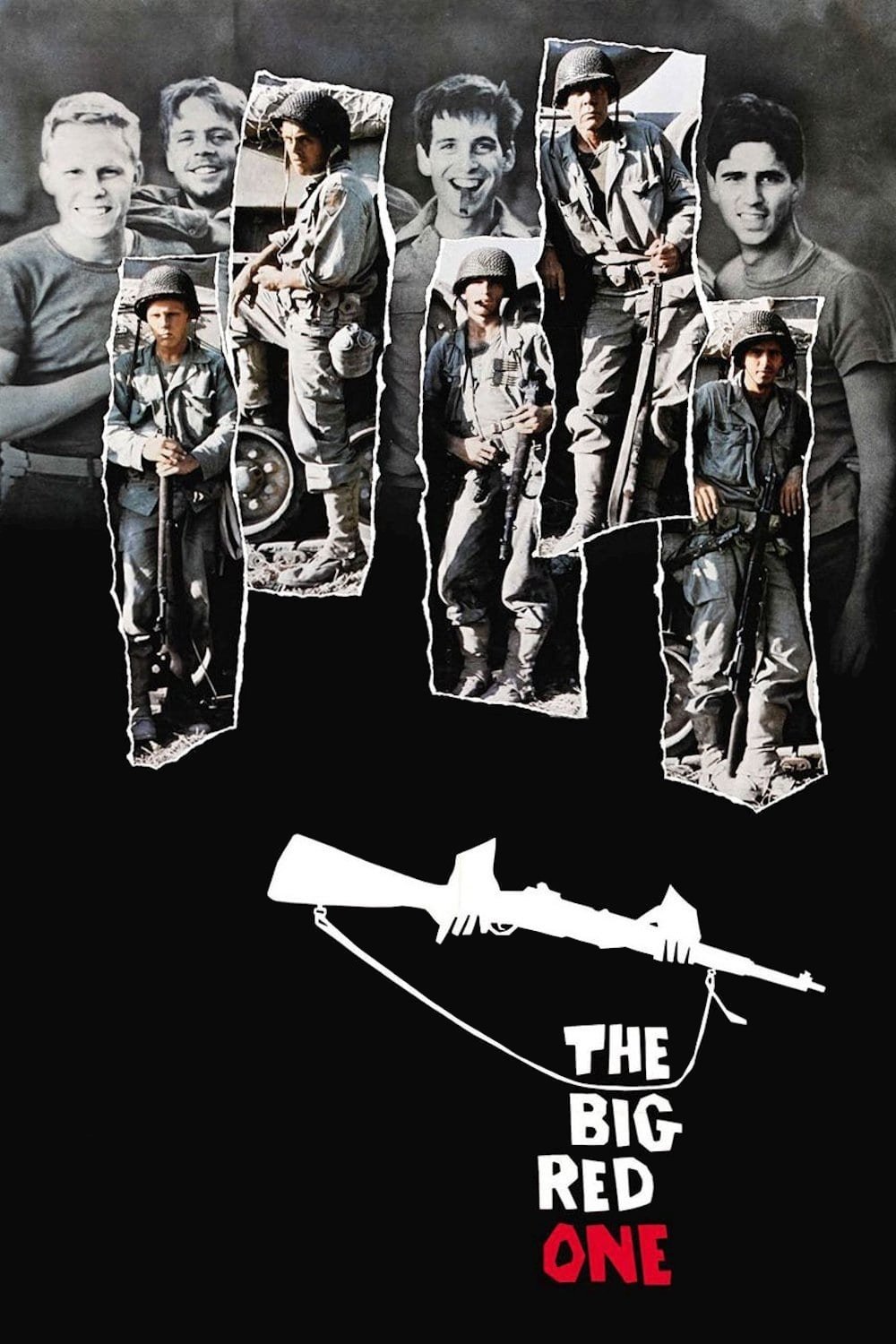
The Big Red One poster

The Big Red One

1980 · Small-unit soldiering with a drier manner and less insistence on noble speeches.

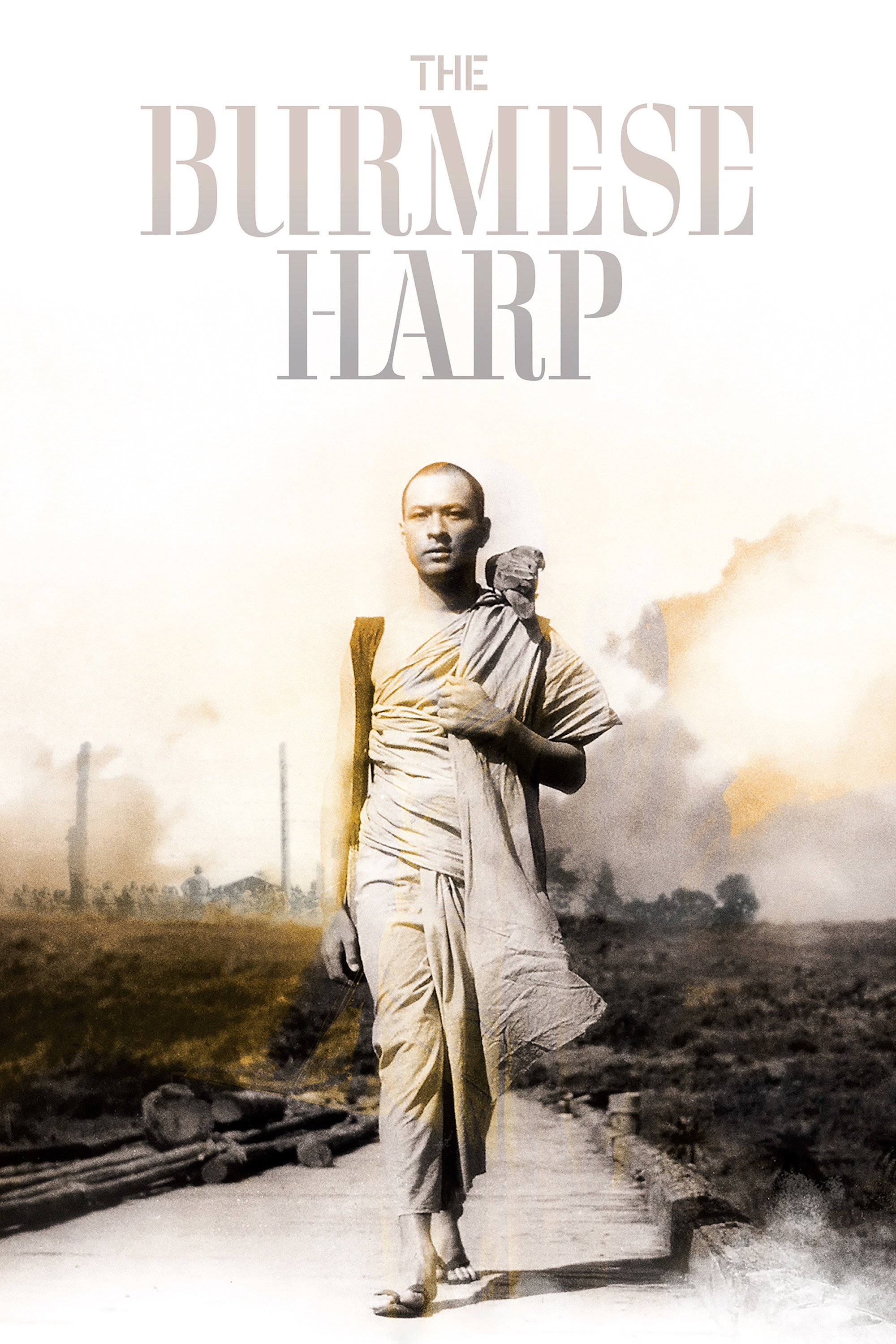
The Burmese Harp poster

The Burmese Harp

1956 · A quieter war film, equally concerned with what survival asks of soldiers.