Film review

A Hidden Life

2019 · Directed by Terrence Malick · 2h 53m · MPA PG-13

In a sentenceNearly three hours over an oath, and the time in the fields is never the problem

HistoryDramaWar

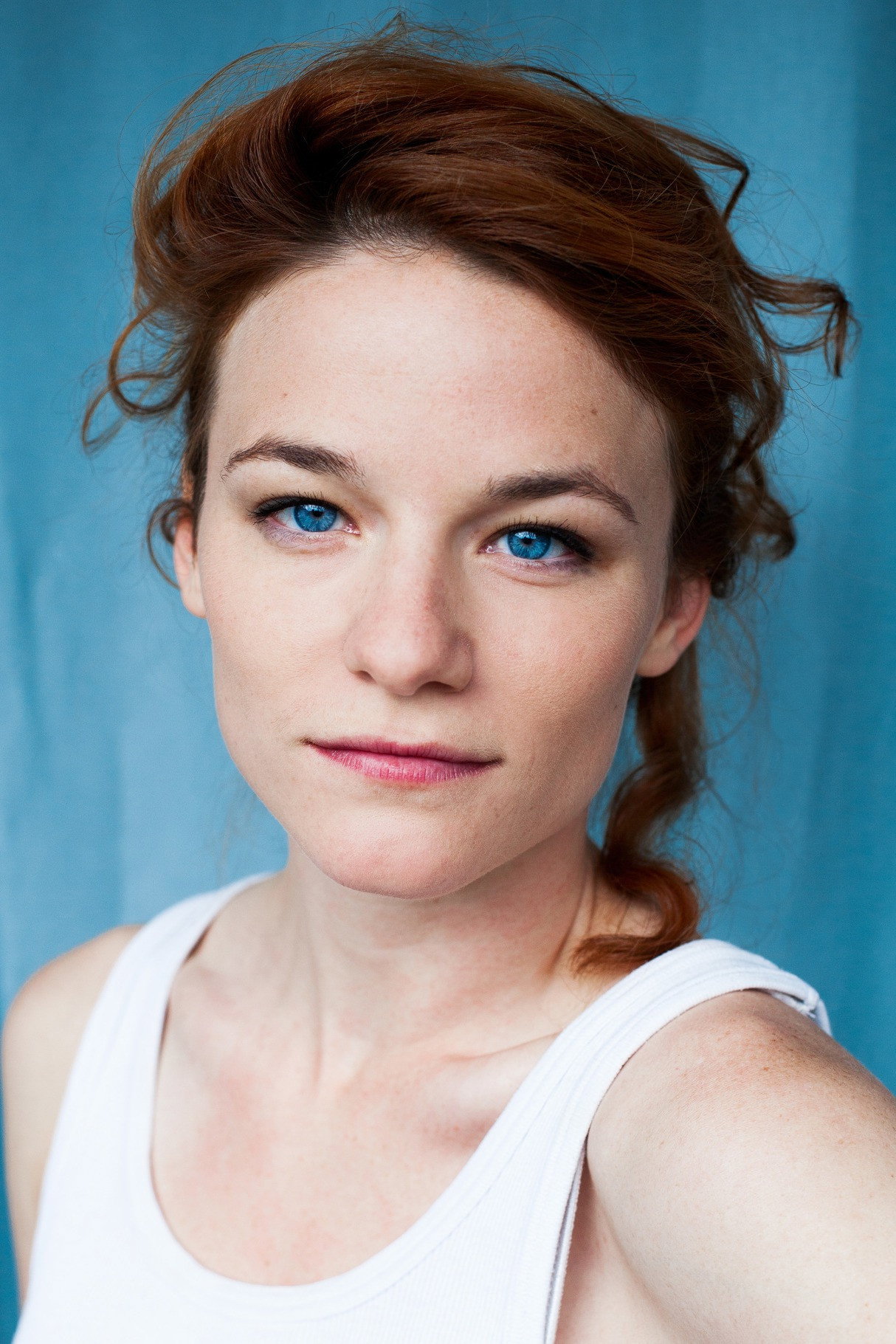
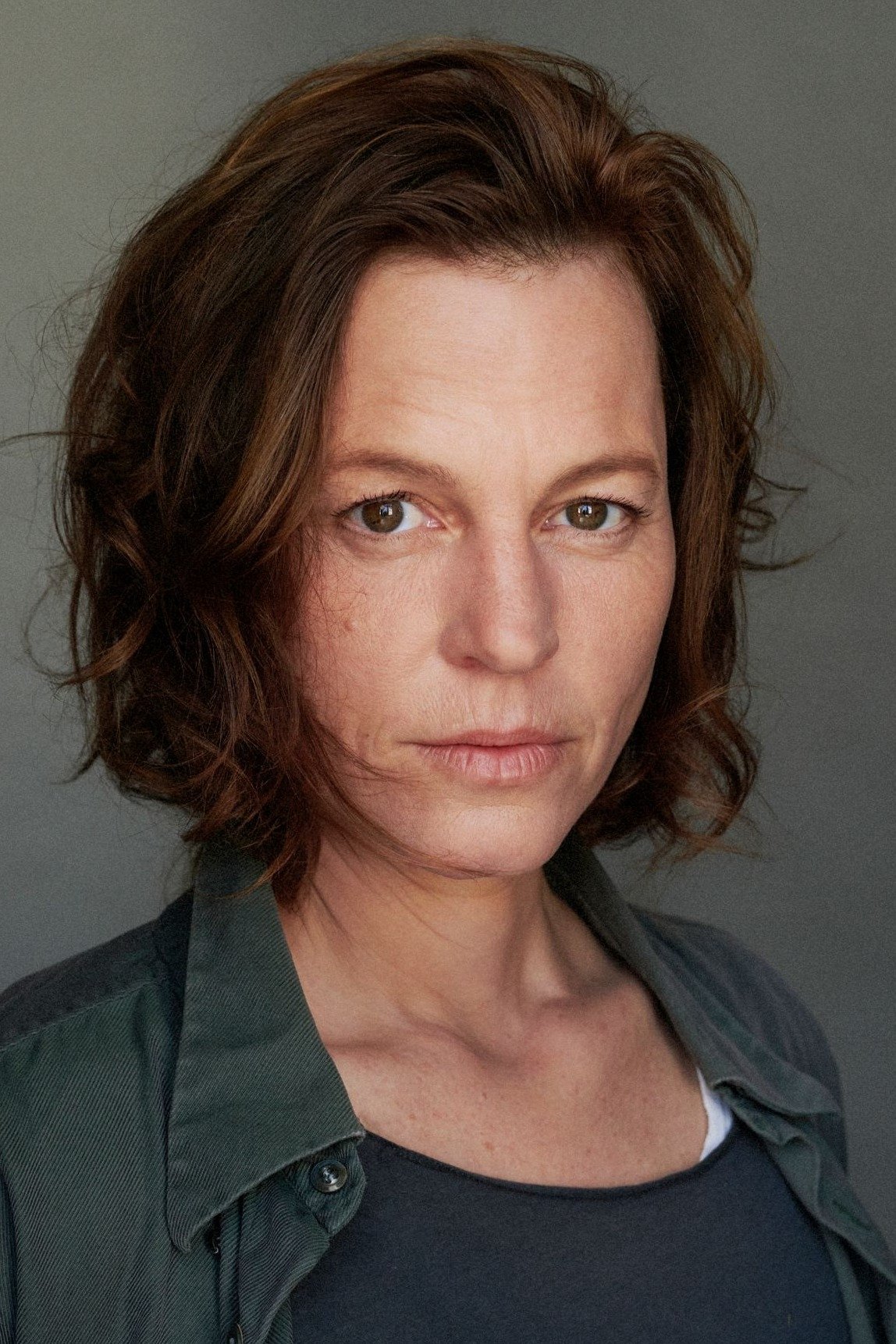
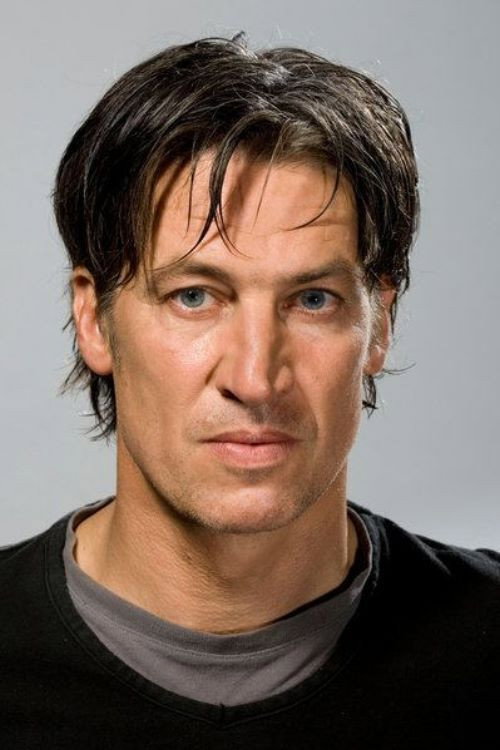
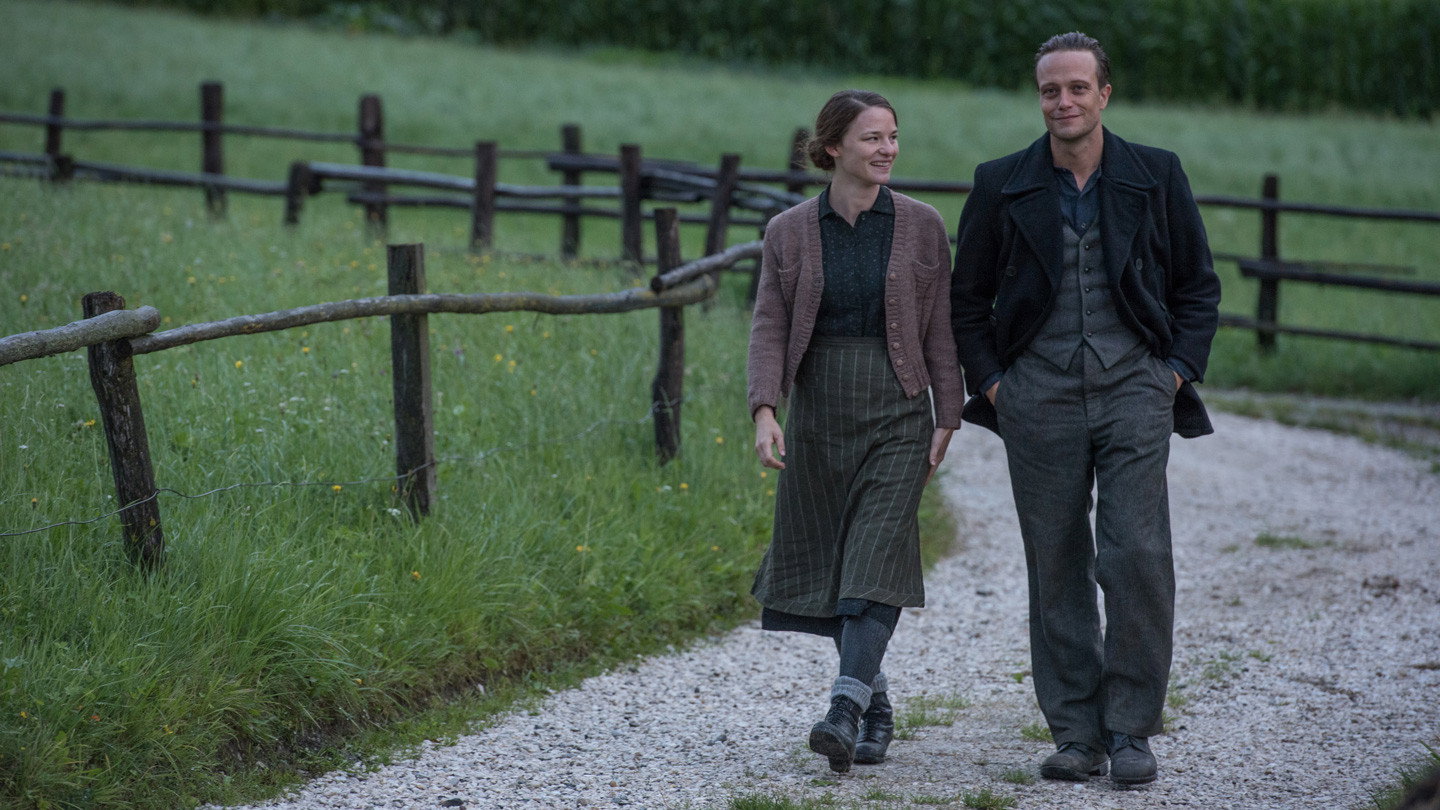
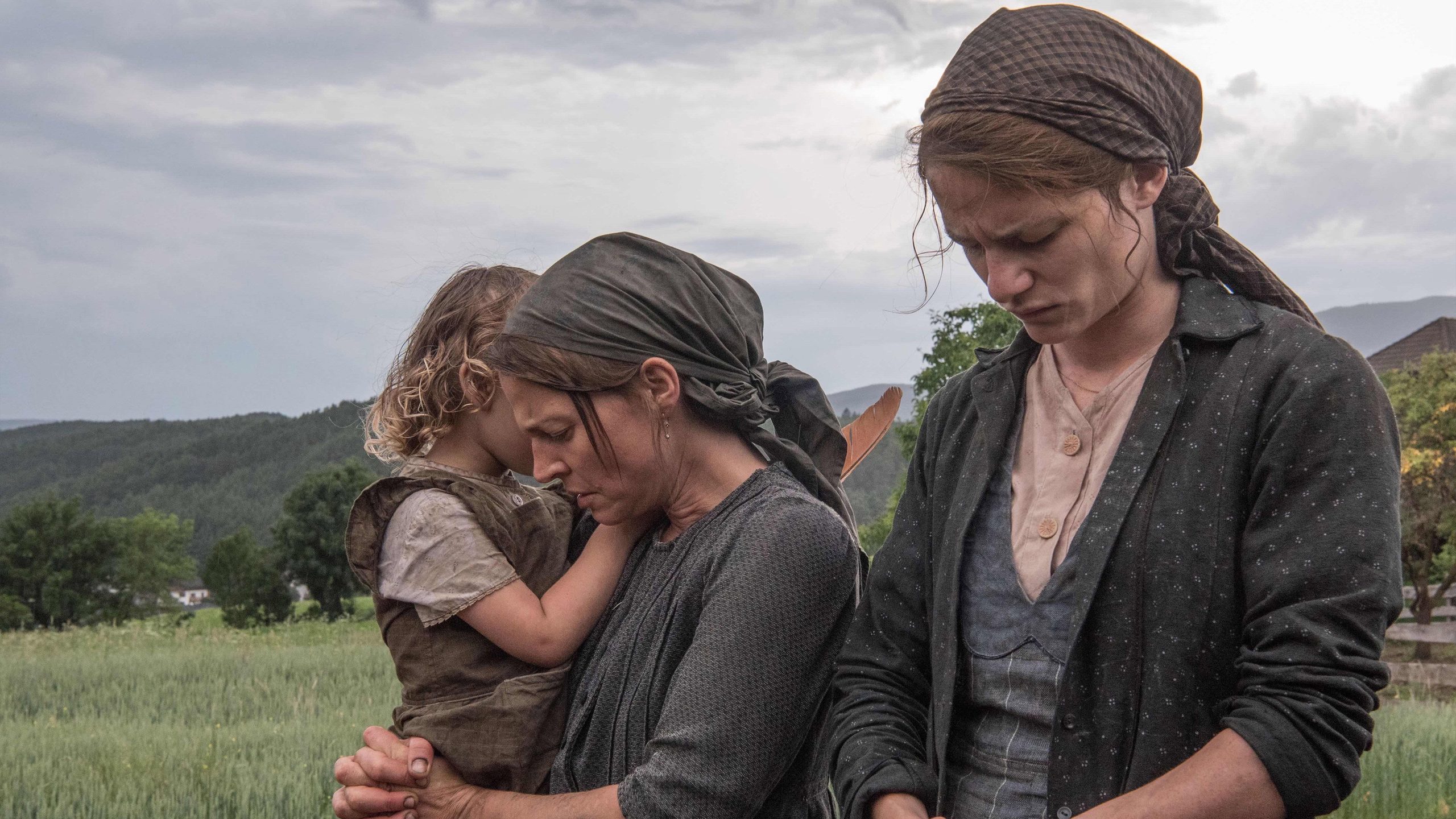
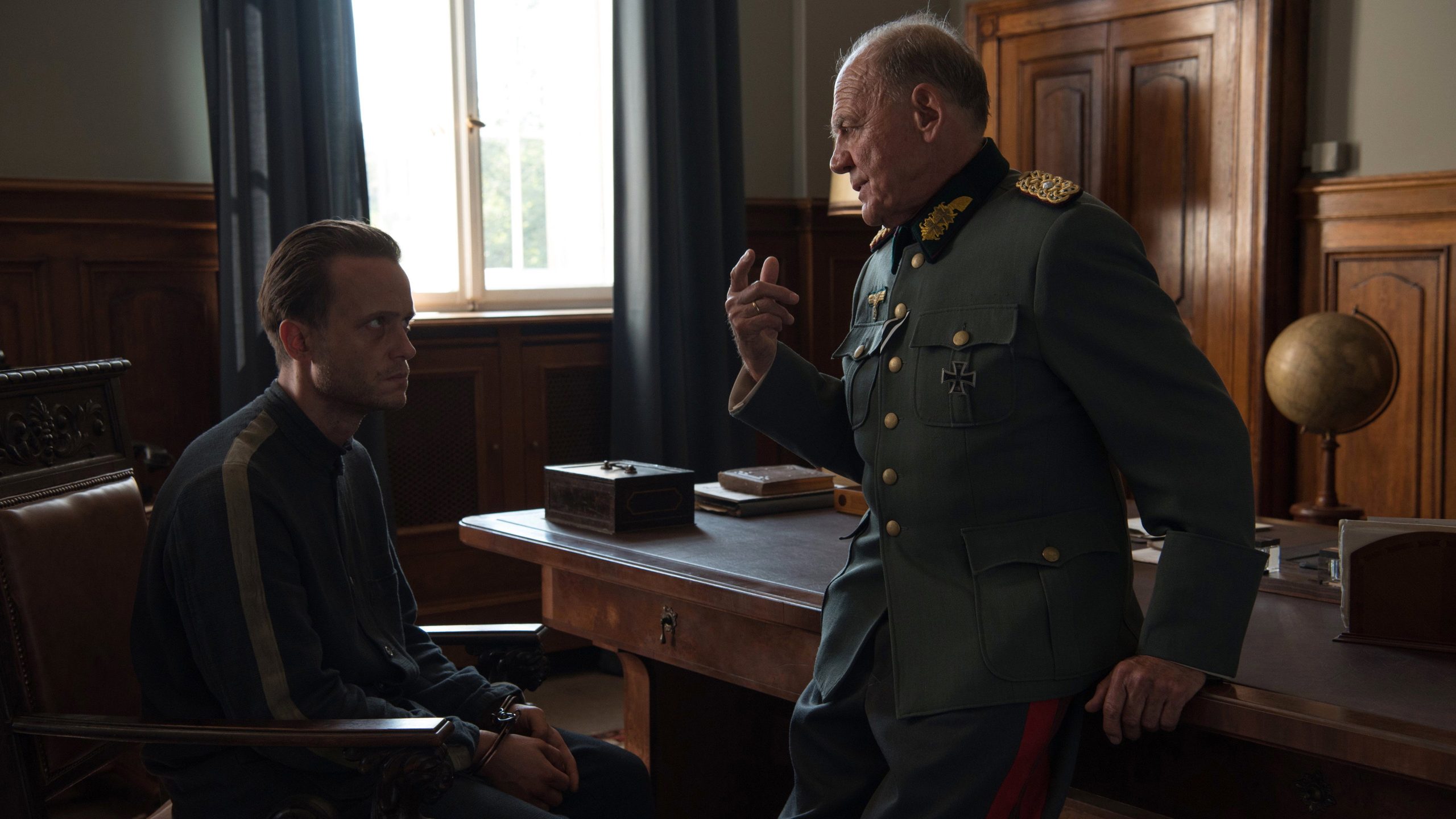
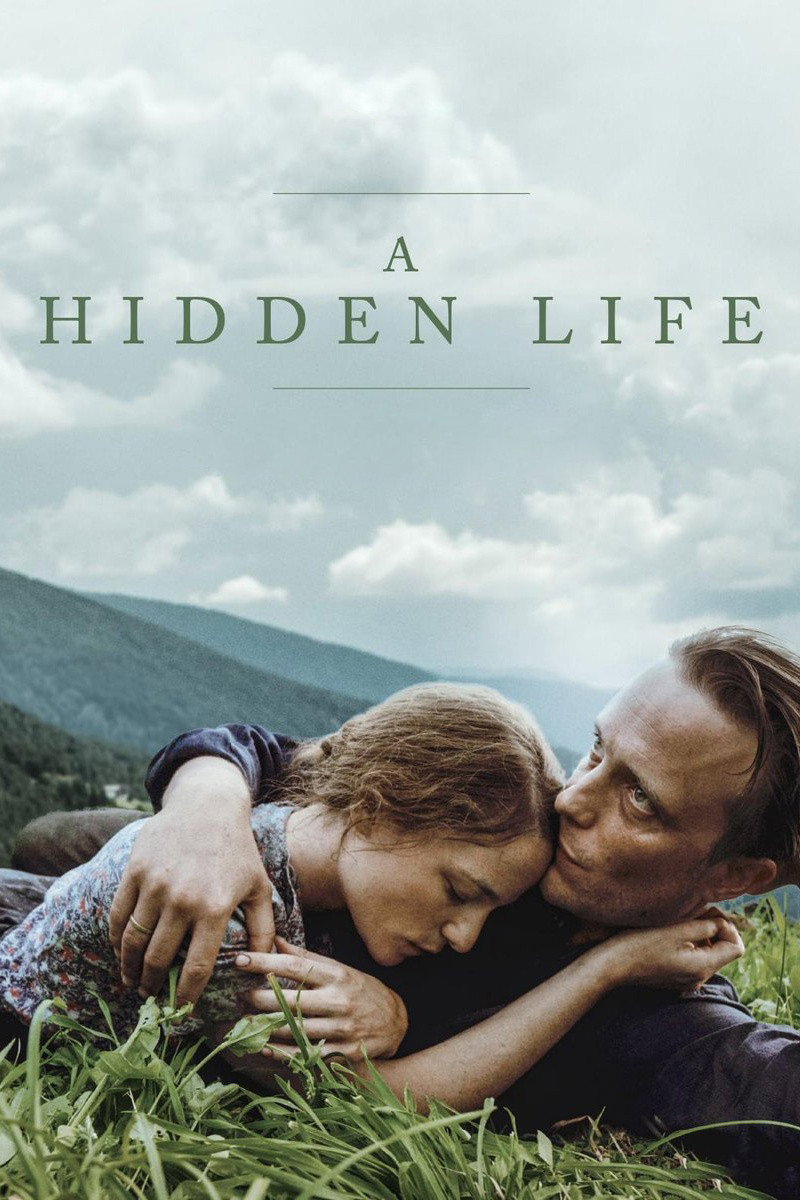
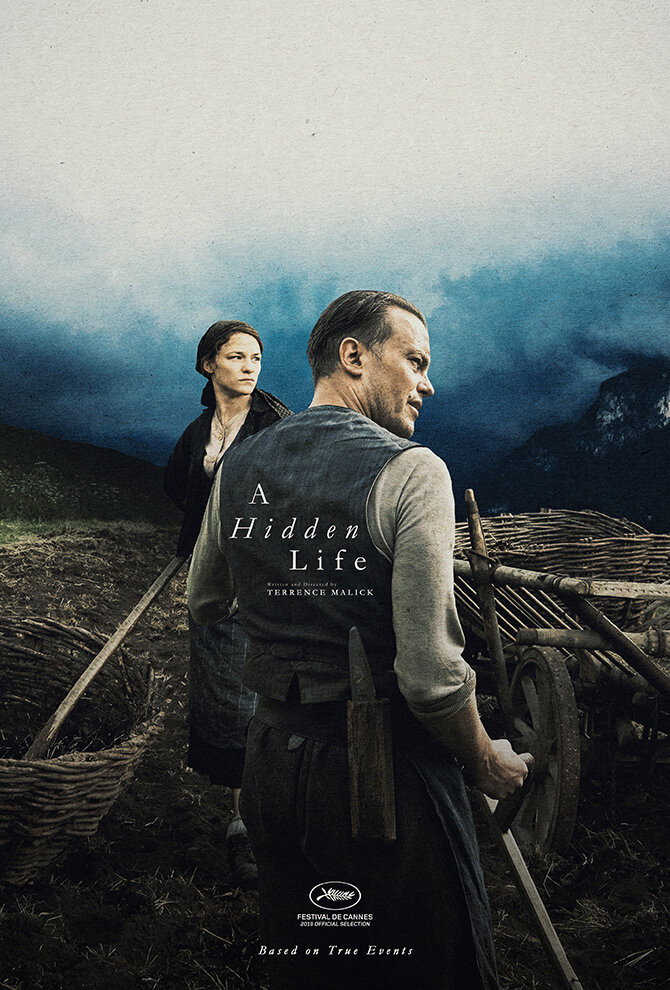
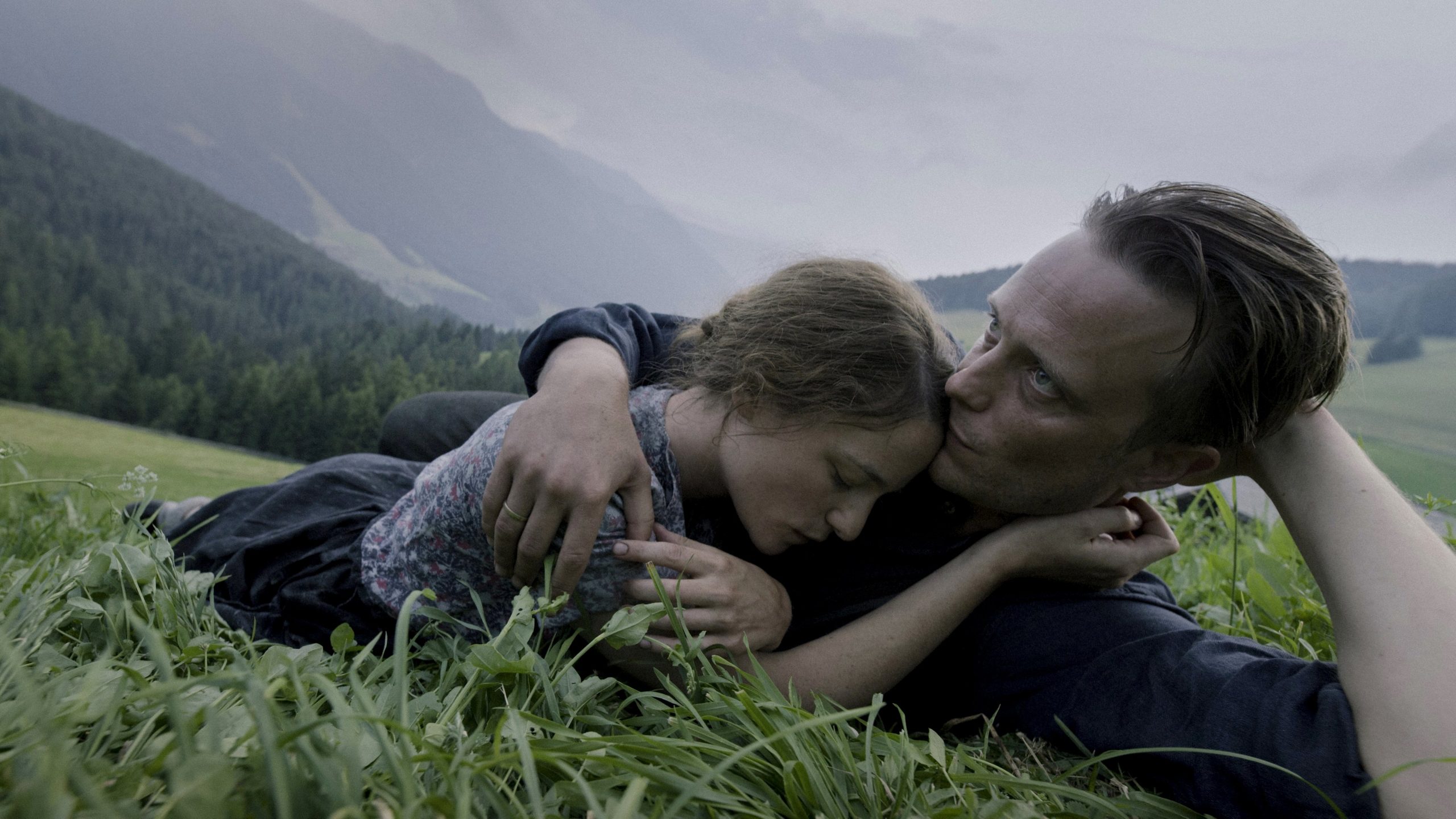
In the Austrian village of St. Radegund during the Second World War, Franz Jägerstätter (August Diehl) works the land with his wife, Fani Jägerstätter (Valerie Pachner). Scythes move through the fields; the couple share the work and their life at home. As Nazi rule demands obedience, the farmer wants to remain faithful to his conscience without abandoning his family. He refuses to swear loyalty to Hitler. Fr Ferdinand Fürthauer (Tobias Moretti) belongs to a church that offers little support for resistance. His refusal puts the life they have made together at risk.

Plays from YouTube when you press play; nothing loads from them until then.

Fi1m review

Terrence Malick makes a farmer’s resistance to Hitler deeply affecting by attending to the marriage it endangers. August Diehl and Valerie Pachner hold our attention, even when the film repeats a point we have already understood.

Terrence Malick’s A Hidden Life is a moving account of resistance that sometimes takes longer than it needs to. Franz Jägerstätter is an Austrian farmer whose objection to swearing loyalty to Hitler puts his ordinary life under intolerable pressure. The film asks what such a decision costs within a marriage, where a private conviction cannot remain private for long. Across 173 minutes, it keeps returning to the life he wants to continue living with his wife, giving us good reason to care about what happens to them.

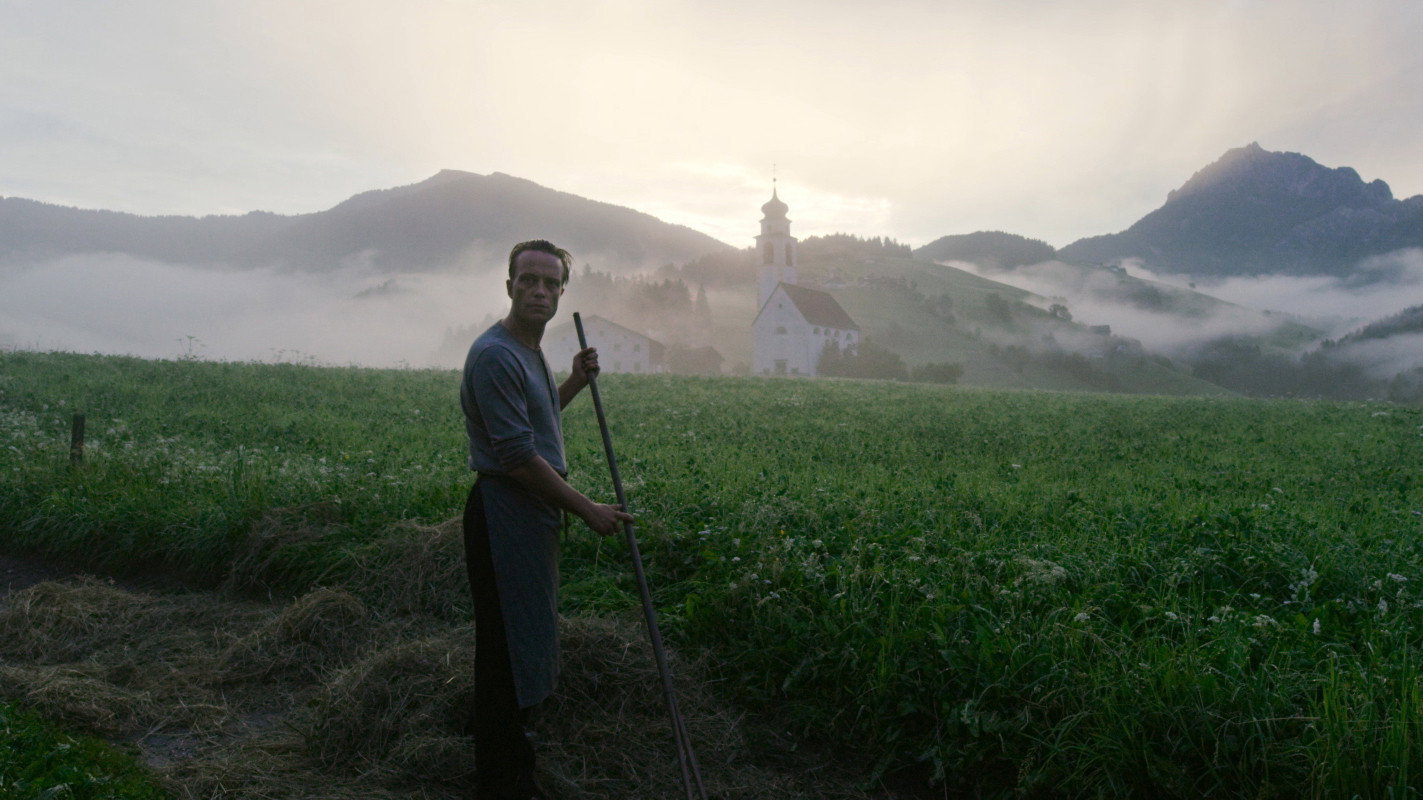
Jörg Widmer’s wide-angle images give the fields and mountains an imposing presence, but the useful detail is often a body moving through them. The rhythmic scything matters because we can see the effort involved in maintaining this apparently peaceful life. The camera’s movement makes the rural passages feel inhabited, even when the scenery is being offered for admiration. Sebastian T. Krawinkel’s production design is persuasive in these working spaces: the farm has a purpose beyond providing a pleasing background. We believe that people live and labour here.

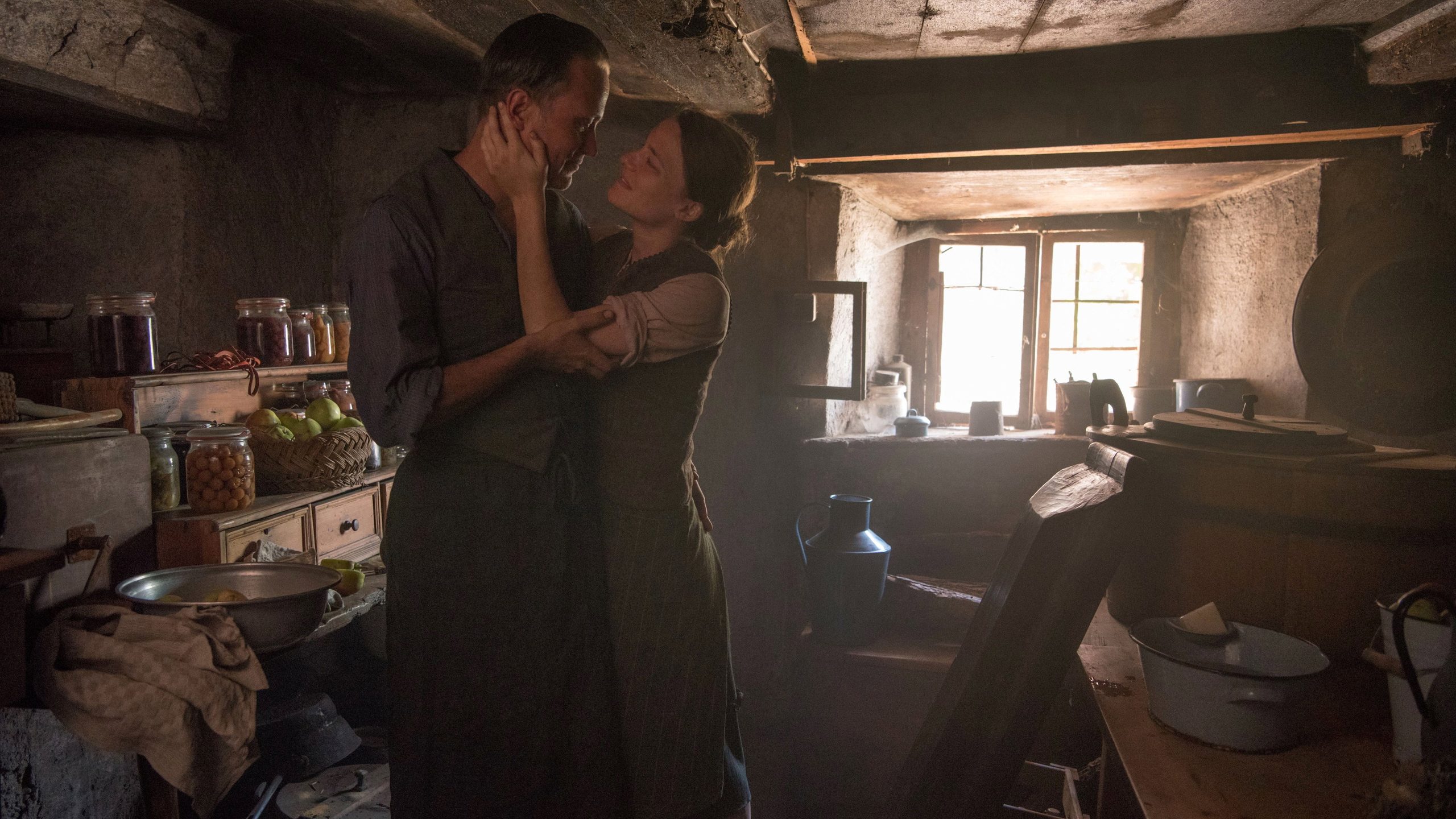
August Diehl is convincing as a man who does not consider his conscience negotiable, though the writing gives him relatively little uncertainty to play. Valerie Pachner, as Fani Jägerstätter, makes the marriage feel equal, allowing affection to coexist with the strain of sharing the consequences of someone else’s decision. We were moved by their tenderness amid the farm work, because being accustomed to one another makes the prospect of separation so painful. James Newton Howard’s music is most persuasive here, lending warmth to the shared life that the couple are trying to preserve.

The treatment of church and state gives the film some welcome anger. Franz Jägerstätter takes his faith seriously, yet religious authority offers little support when that faith brings him into conflict with Nazi rule. Terrence Malick does not let the church off for that failure. Nor does he require us to share the farmer’s beliefs: the wish to go on working beside his wife is easy enough to understand.

The difficulty is that the farmer’s steadfastness becomes an excuse for dramatic repetition. Editors Joe Gleason, Sebastian Jones and Rehman Nizar Ali let scenes overlap and return to familiar images until another stretch of questioning adds little to what we already know. There is value in making us sit with an uncomfortable decision, but some passages leave us waiting for the film to move on. August Diehl can suggest resolve without explaining it again, and Terrence Malick too often supplies another explanation anyway. The film has already shown how much the couple stand to lose.

Do not come to it expecting a war film driven by combat. A man declining an oath gives a director no obvious spectacle, and Terrence Malick has the confidence to spend his time on the life that makes the refusal difficult. The farm work deserves the attention, even when the repeated questioning does not. Set aside an uninterrupted evening, with some tolerance for being told something important more than once.
Critical consensus AI synthesised

74
Positive
21
Mixed
5
Negative
3

Most critics welcome A Hidden Life as a return to more focused storytelling for Terrence Malick, finding his familiar style well suited to a conscientious objector’s resistance to Nazism. Praise centres on the images of rural labour, landscape and ordinary domestic life, which give the questions of faith and conscience a physical setting. The warmer reviews find emotional force in the marriage and moral urgency in the refusal to serve an evil regime.

The spread is wide, however, with the nearly three-hour length and repeated imagery testing even some sympathetic critics. The central disagreement concerns how fully the film explores its protagonist: admirers find spiritual depth, while detractors see a saint whose certainty leaves little room for drama. The Hollywood Reporter argues that the beauty flattens the material rather than revealing his inner life; Film Comment objects to the narrow historical scope and limited attention to the Holocaust.

Little White Lies
16 January 2020 · 5/5/4 · Sophie Monks Kaufman
100

The critic celebrates the film's rhapsodic portrayal of private moral resistance and an equal, soul-deep love story amid encroaching fascism, praising its emotional resonance and spiritual depth.

Read the full review →
The Telegraph
★★★★★
100

Malick has found the inspiration for his best picture in years with this sombre spiritual war epic about one man’s refusal to fight. It is a sober, truthful, powerfully unadorned portrait of an unpretentious martyr and his strong wife.

Read the full review →
Empire
13 January 2020 · Ian Freer
90*

Malick is back on historical ground with the most engaged and urgent work in ages, rooting his style in moral reality and using history to pose relevant questions about evil leadership.

Read the full review →
Evening Standard
20 May 2019 · festival review · David Sexton
90*

Malick returns to a well-ordered script for the true story of a conscientious objector, delivering a rhapsodic and prayerful work that is a justification of his late style and an act of worship.

Read the full review →
Los Angeles Times
12 December 2019 · Justin Chang
90*

The critic calls it Malick’s strongest film in nearly a decade and a return to form, a poem and polemic that embodies its subject’s pacifism. It singles out the forceful denunciation of the complicity of church and state amid the Austrian farmer’s conscientious objection.

Read the full review →
RogerEbert.com
13 December 2019 · Matt Zoller Seitz
90*

The critic calls the film one of Malick’s finest and most demanding works, a nearly three-hour philosophical summation of his career that rewards close attention. It singles out the extraordinary attention paid to mundane physical details of work, nature, and daily life as the element that makes the story an epic.

Read the full review →

Cast

If you liked this, try…

Of Gods and Men poster84

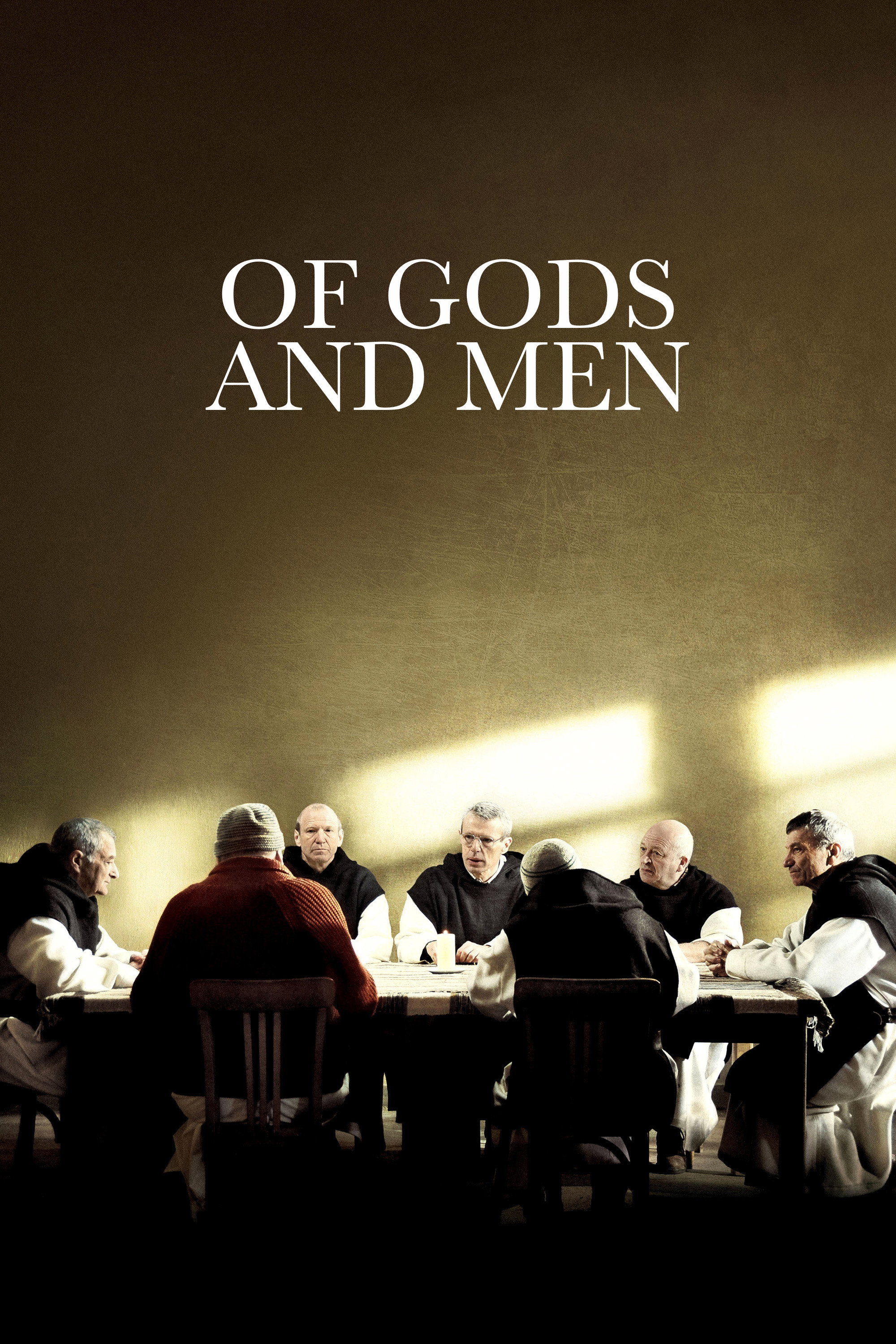
Of Gods and Men

2010 · Shared work and religious conviction make the prospect of violence painfully personal.

The Ascent poster

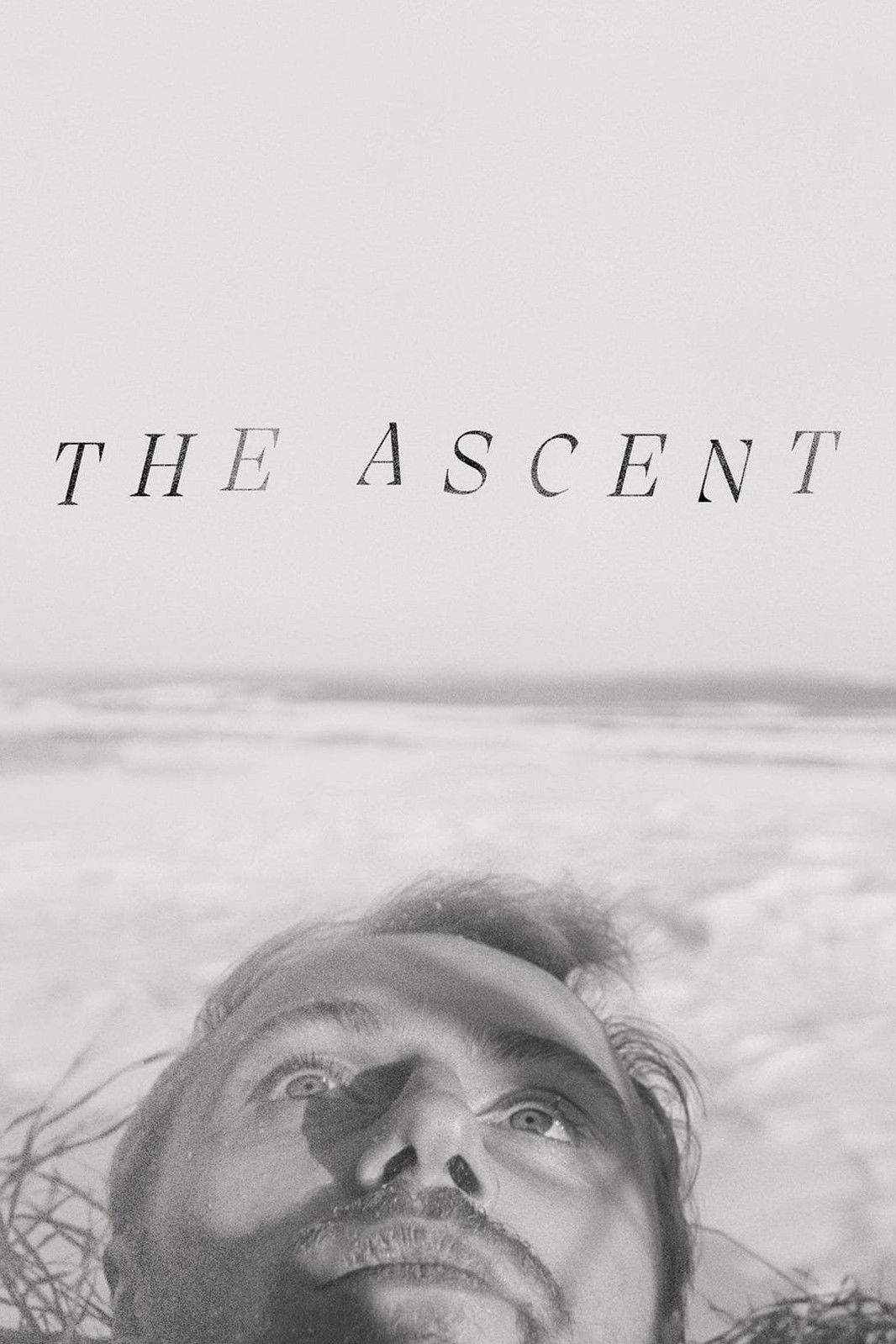
The Ascent

1977 · A harsher wartime test of conscience, with little comfort for anyone involved.

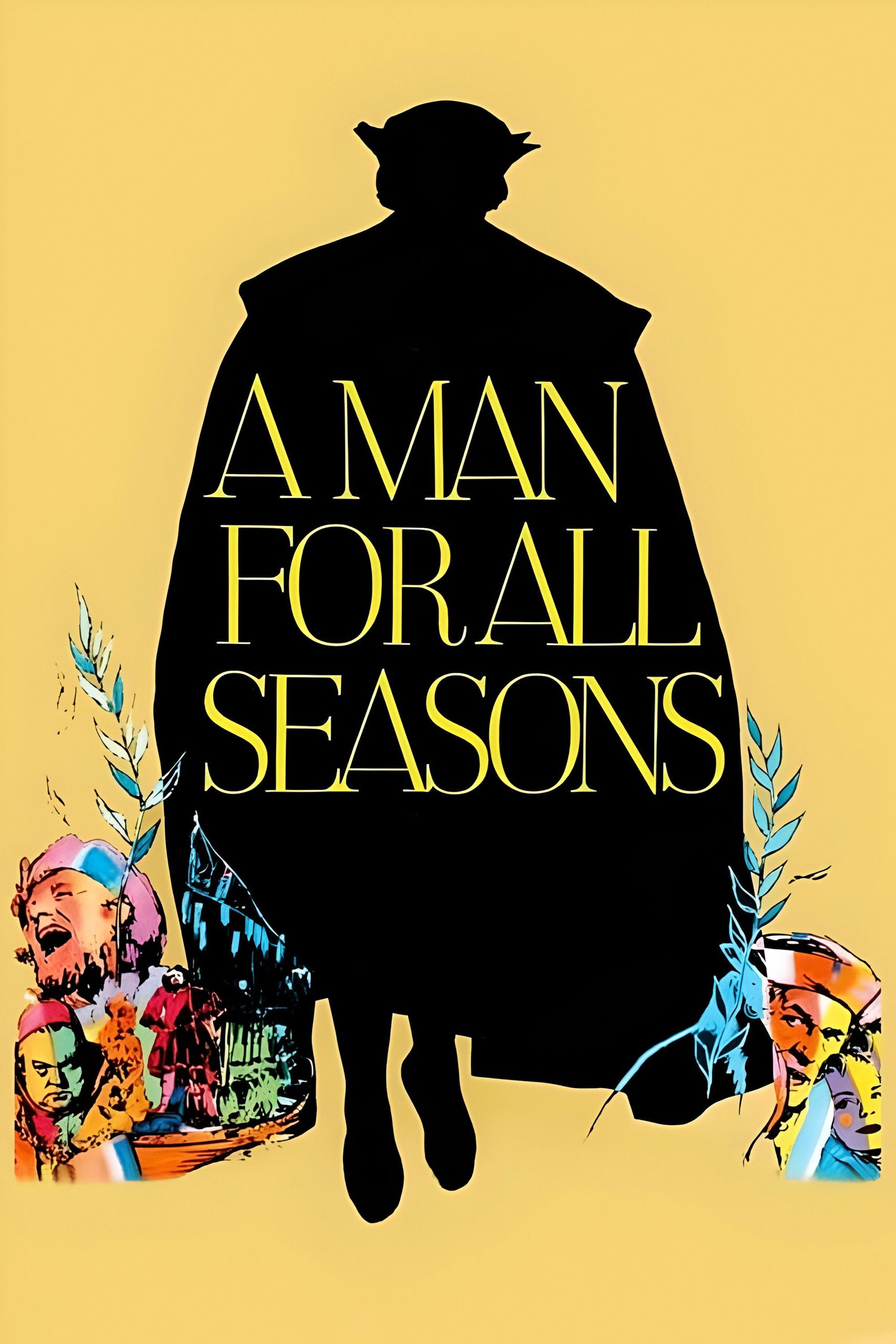
A Man for All Seasons poster

A Man for All Seasons

1966 · Another dangerous oath, approached through argument, procedure and a stubbornly independent conscience.

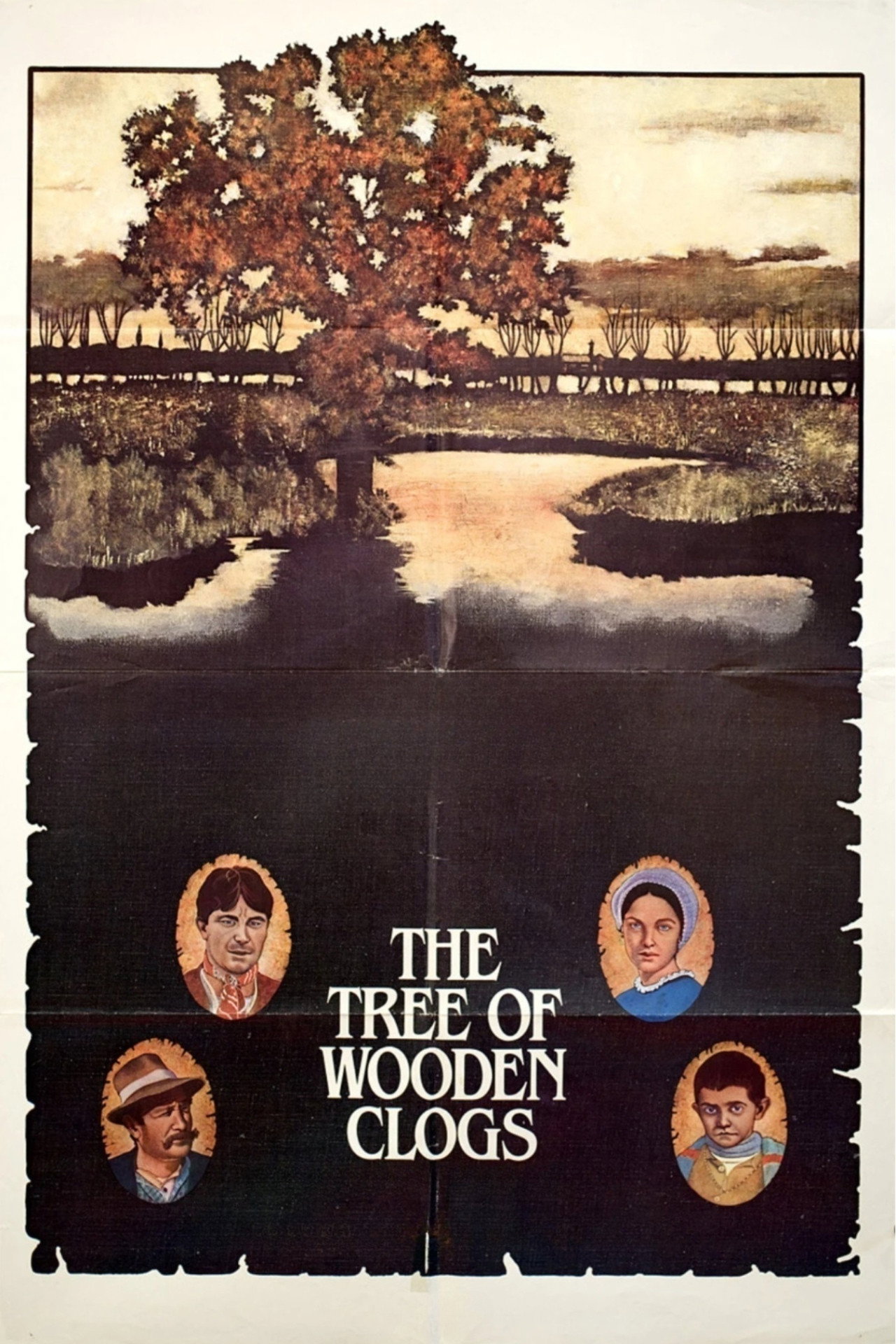
The Tree of Wooden Clogs poster

The Tree of Wooden Clogs

1978 · Farm labour and family routines receive the patient attention usually reserved for heroes.

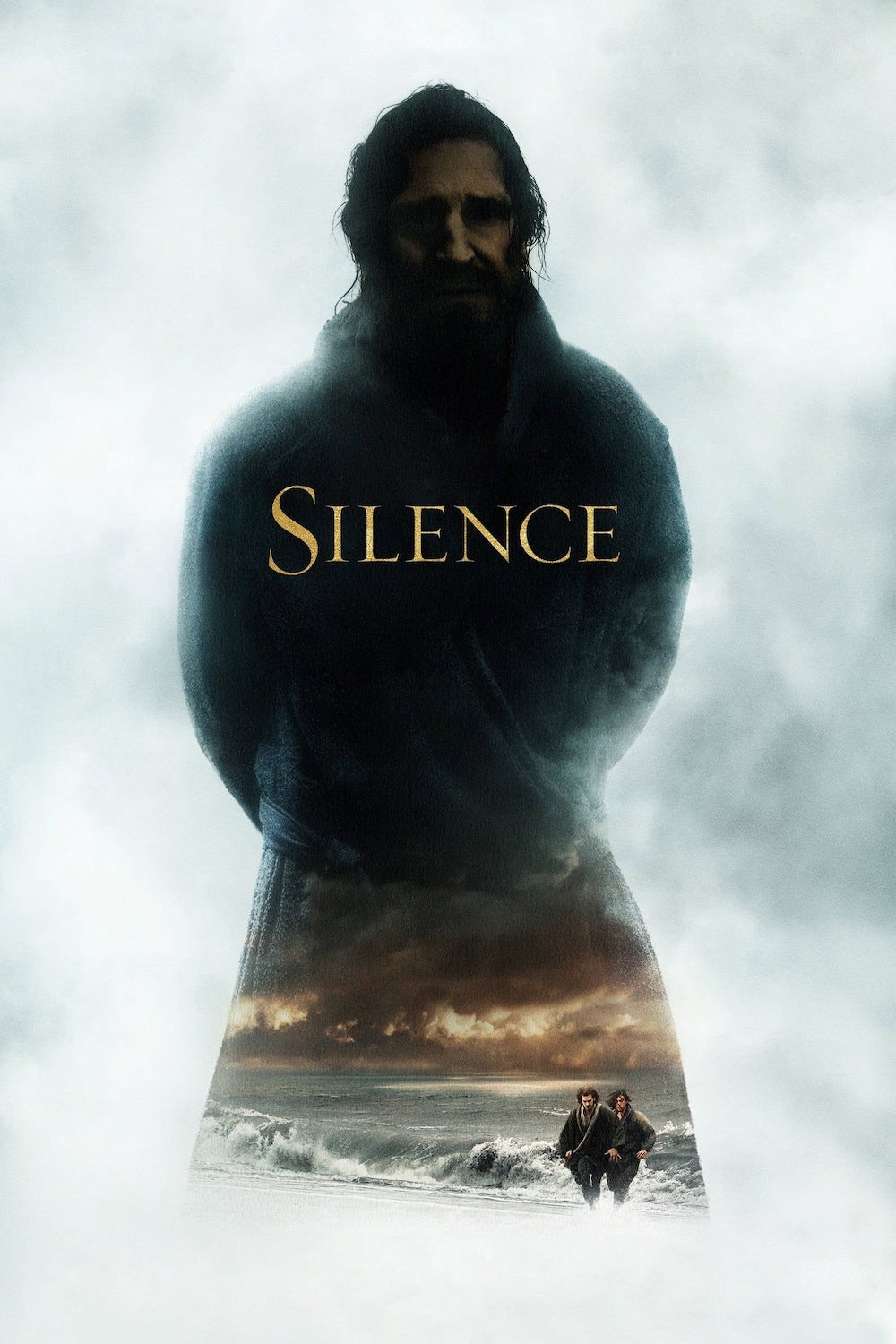
Silence poster

Silence

2016 · Religious duty becomes painfully complicated when other people must bear its consequences.