Mary Tyler Moore makes patience funny in a workplace comedy with sharp writing and an unusually good ensemble. Some of the broader jokes show their age, but the pleasure of these people talking survives intact.
The Mary Tyler Moore Show is a warm, sharply written comedy about a woman whose life is worth following even when she is not falling in love. We recommend it for the acting and the jokes, with a small allowance for some overplayed character humour. Creators James L. Brooks and Allan Burns give Mary Richards a career and a personal life without treating either as a temporary arrangement. That sounds an ordinary starting point; the series makes a satisfying amount of comedy from it.
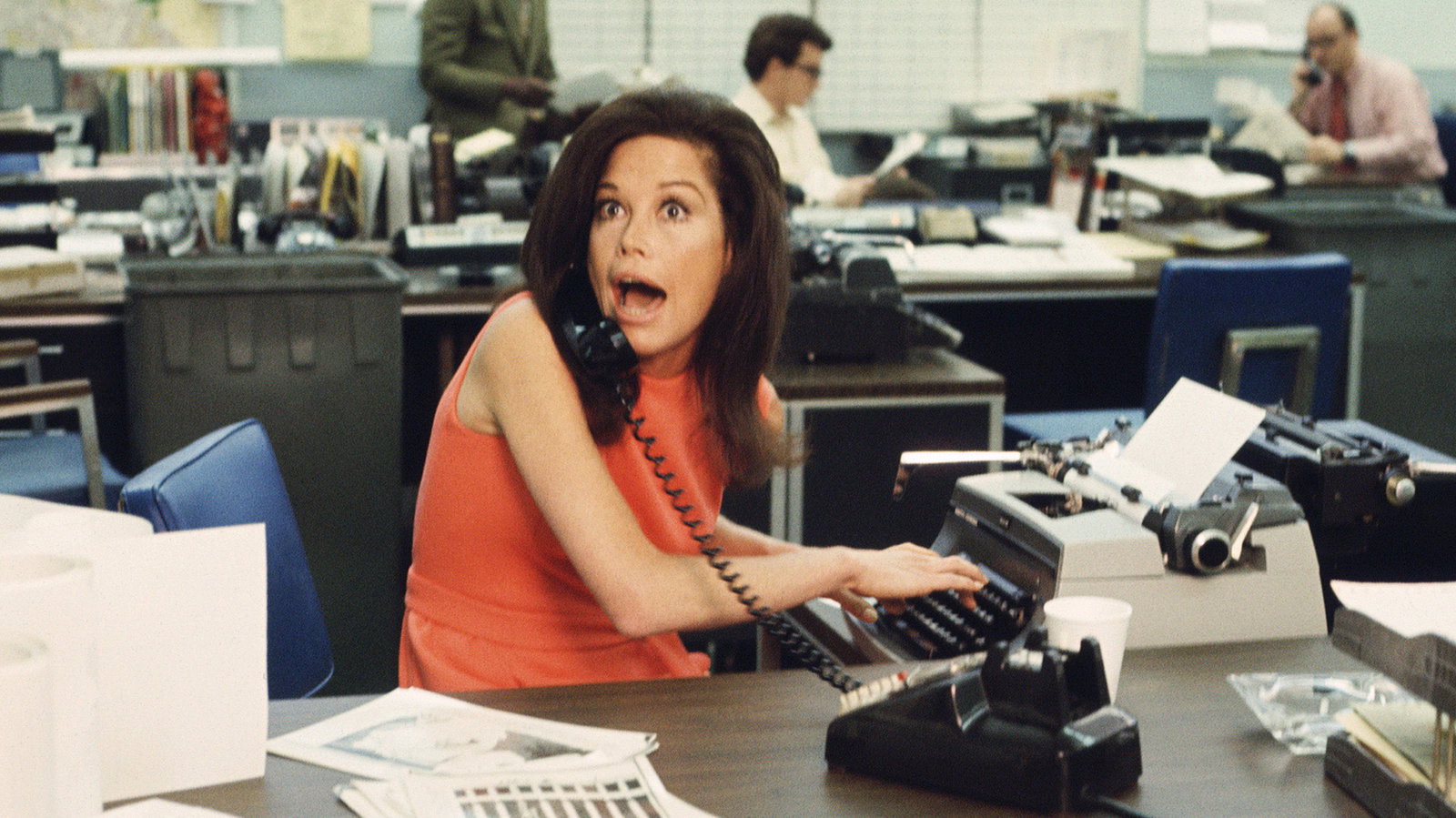
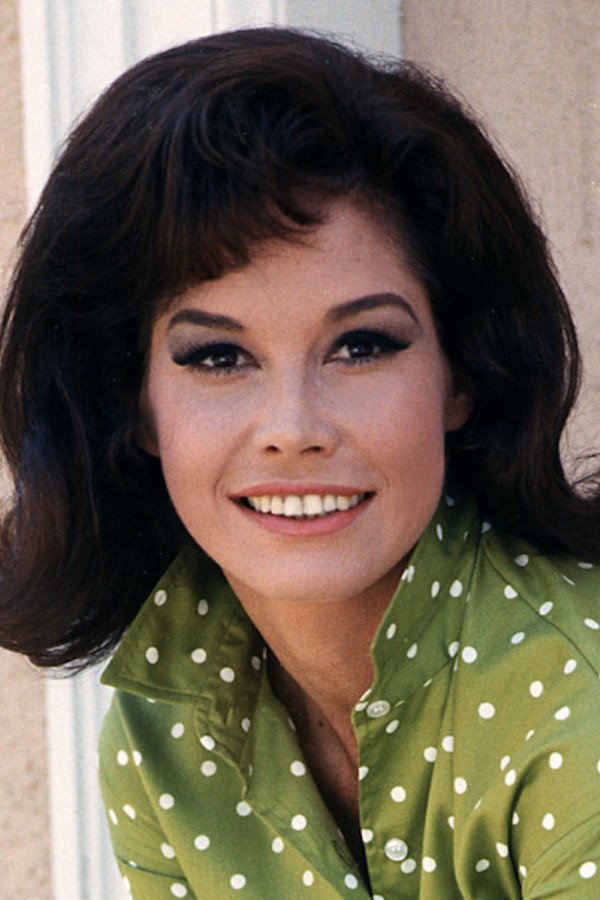
Mary Tyler Moore understands how much comic work can be done while someone else is speaking. Her reactions let us follow Mary Richards trying to remain civil, and the effort is funny because it is recognisable. We laughed at her responses to the people around her, then felt protective of her: the patience never looks effortless. She allows irritation and uncertainty into the performance without making Mary seem incapable of managing her own affairs.
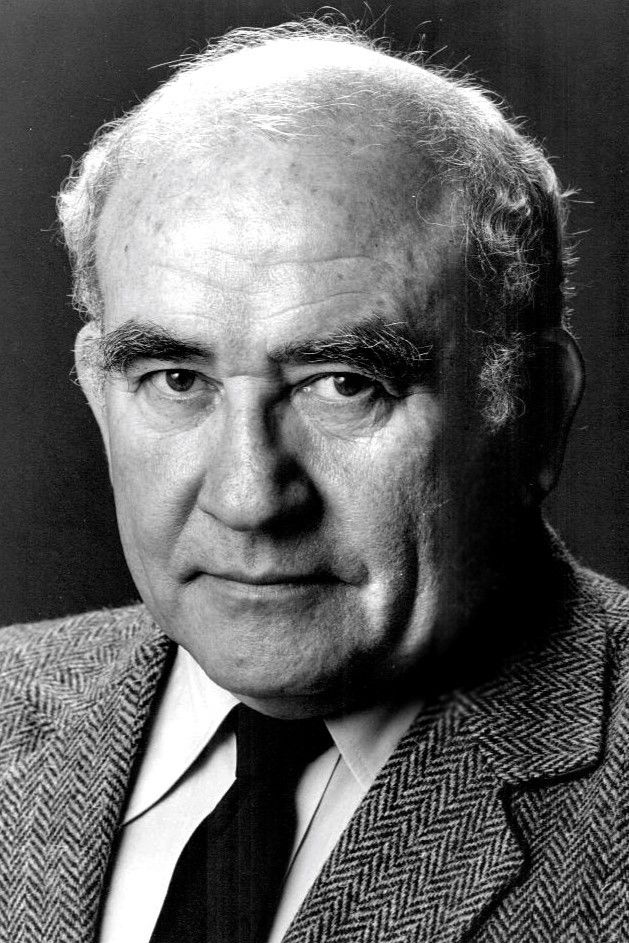
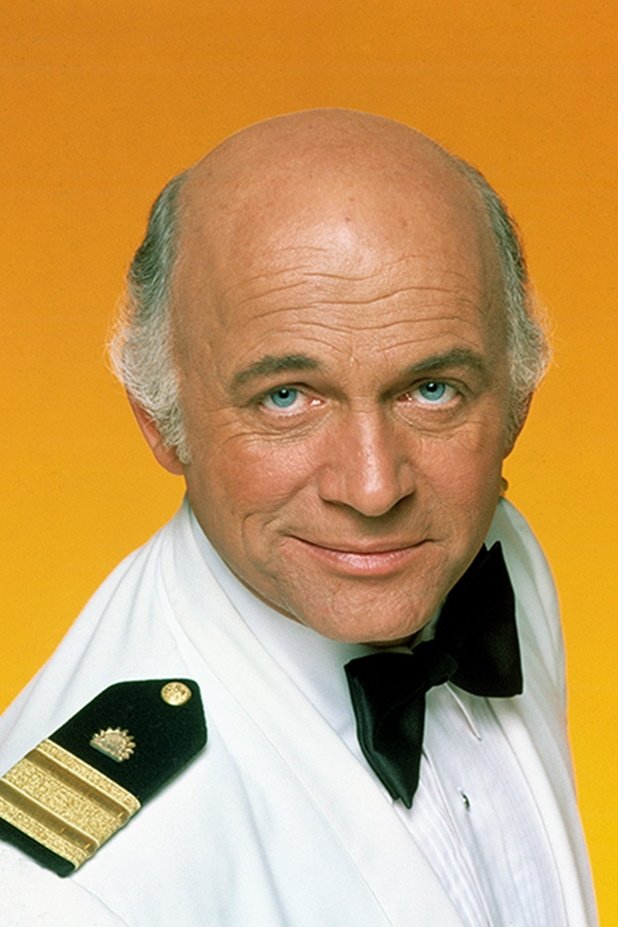
Ed Asner is especially good at making another person’s cheerfulness seem like an unreasonable imposition. Valerie Harper supplies a quicker, more openly sceptical response to the people around her, and gives the comedy a welcome impatience. Gavin MacLeod and Ted Knight help make the differences in temperament clear enough that an exchange can be funny before it has reached its punchline. These actors also listen, so a joke changes the conversation instead of simply interrupting it.
The writing credits include Treva Silverman, David Lloyd and James L. Brooks, and the scripts give the actors disagreements they can play without a lecture attached. Work matters here because adults spend so much of their lives doing it, and because colleagues do not have to like one another to keep talking. The social observations are sharpest when Mary has to deal with somebody else’s assumptions about her. The jokes leave her room to be uncertain, which makes her better company than a heroine who always has the answer ready.
The direction, with Jay Sandrich and Joan Darling among those responsible, keeps the actors’ exchanges clear. At 25 minutes an episode, there is enough time for a reaction to matter without making every encounter a major event. The rhythm depends on letting us register what a remark has done to its listener. That attention to the person receiving the joke helps keep even a broad exchange from becoming a succession of performers waiting for their turn.
The main reservation is the broader character comedy, which can make an exchange predictable before anyone has finished speaking. Ted Knight’s emphatic playing sometimes gives a joke away early, especially beside Mary Tyler Moore’s smaller reactions. Familiar mannerisms can end up doing too much of the work. Anyone who dislikes an insistently announced punchline will need to make an allowance for that, even though the ensemble usually earns it.
Against the workplace sitcom’s familiar temptation to make every colleague unbearable, this is unusually generous about the effort of getting along. The characters can be difficult without losing the qualities that make us want to spend time with them. Mary Tyler Moore holds that together by making decency interesting to watch, and by allowing us to see how much patience it requires. It is worth an evening, even if loud colleagues are usually the last thing we want after work.