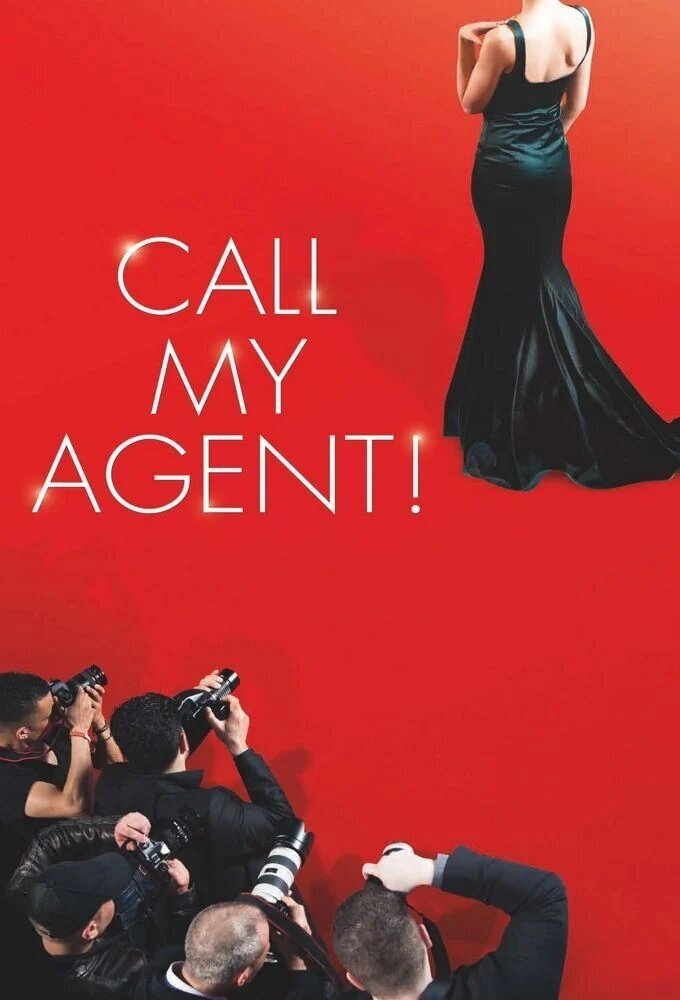
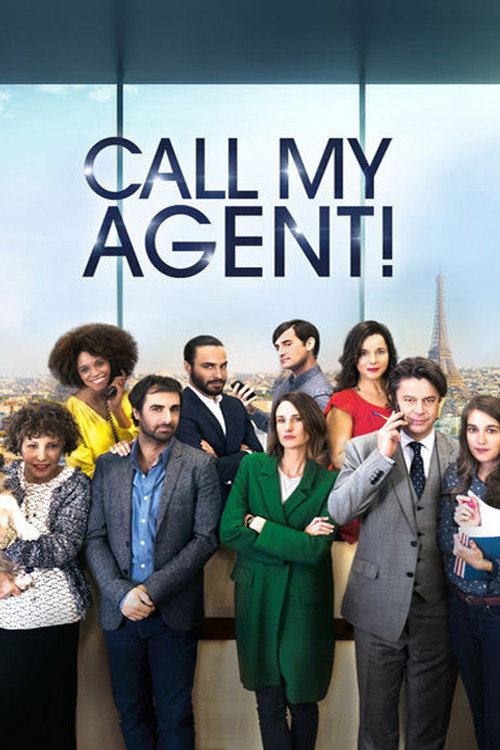
Fanny Herrero’s comedy about a Paris talent agency is quicker, kinder and better acted than its premise promised, and Camille Cottin is the reason to start. It is fond of the business it mocks, which keeps it warm and stops it drawing blood.
Fanny Herrero and Dominique Besnehard have built a comedy on a simple engine. Four agents run a talent agency in Paris, and every week a real French actor walks in playing themselves, with a problem the agents must lie their way around. The stars are vain, frightened, ageing or all three; the agents are worse, and paid ten per cent for it. Across four seasons of six episodes each, from 2015 to 2020, the engine barely misses. This is a quick, well-acted workplace comedy that likes everyone in it, and we will come to what that costs.
The stars-as-themselves conceit could have been a parade of winks. It is not, because the actors agree to look vain, cowardly and easily bruised, and because the writing cares more about the agents’ scramble than about the star. Sigourney Weaver turns up late in the run and the joke is on the agency rather than on her. We laughed a great deal, often at people we had never heard of, which tells you the jokes do not depend on recognising anyone. They depend on watching someone lie smoothly on the phone while their face does something else.
Camille Cottin’s Andréa is the reason to start. She is the best agent in the building and the worst at everything that is not the job: she seduces, forgets, offends, and turns up to the wrong lunch. Cottin plays her fast and low-voiced, with a stare that ends conversations. When Andréa loses a client, which happens, Cottin keeps the face still and lets the loss show only in how quickly she picks up the next call. We were more moved by that than by any of the show’s proper tears, because by then the series had taught us how much the job is her, and the stillness read as damage.
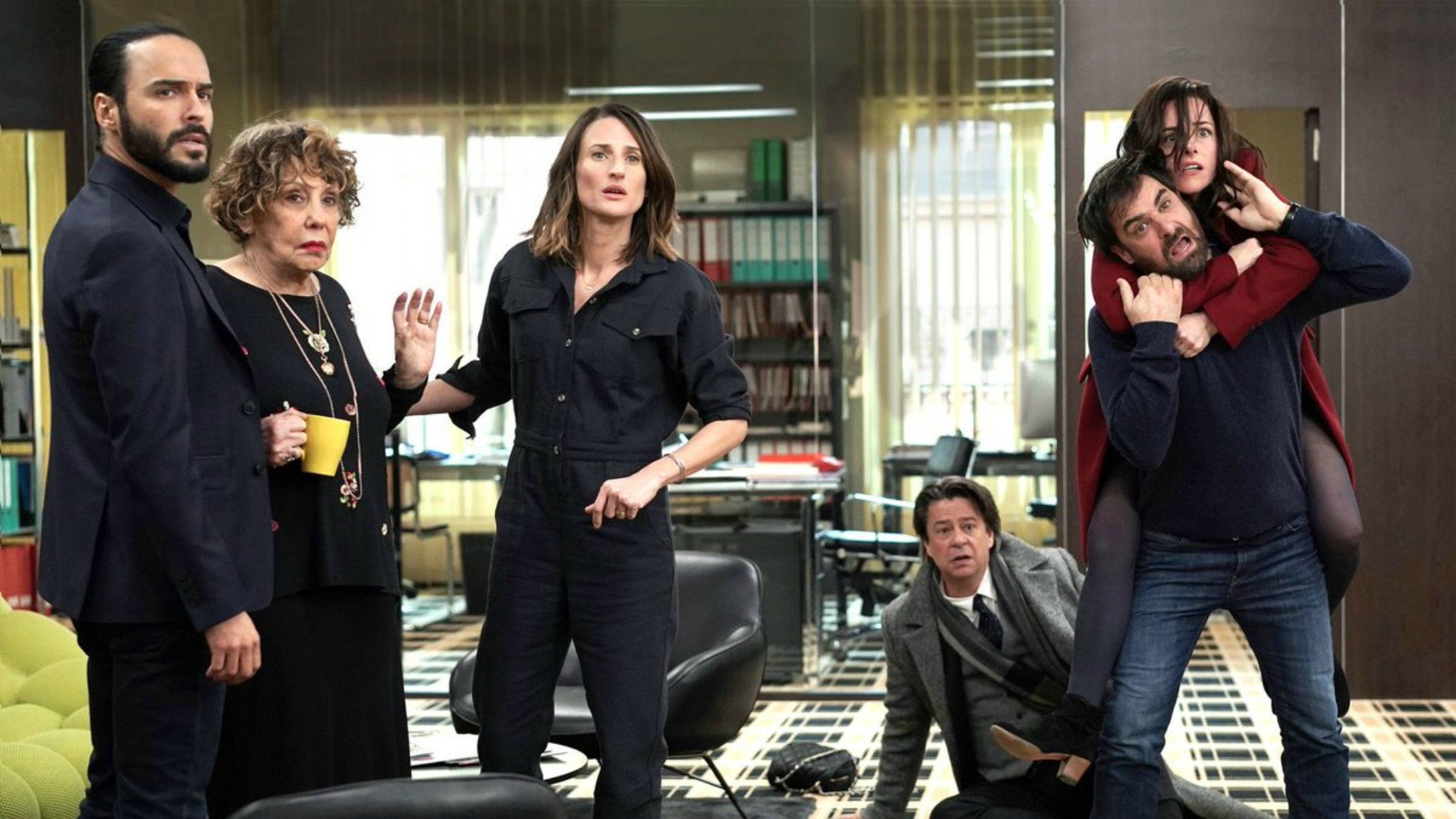
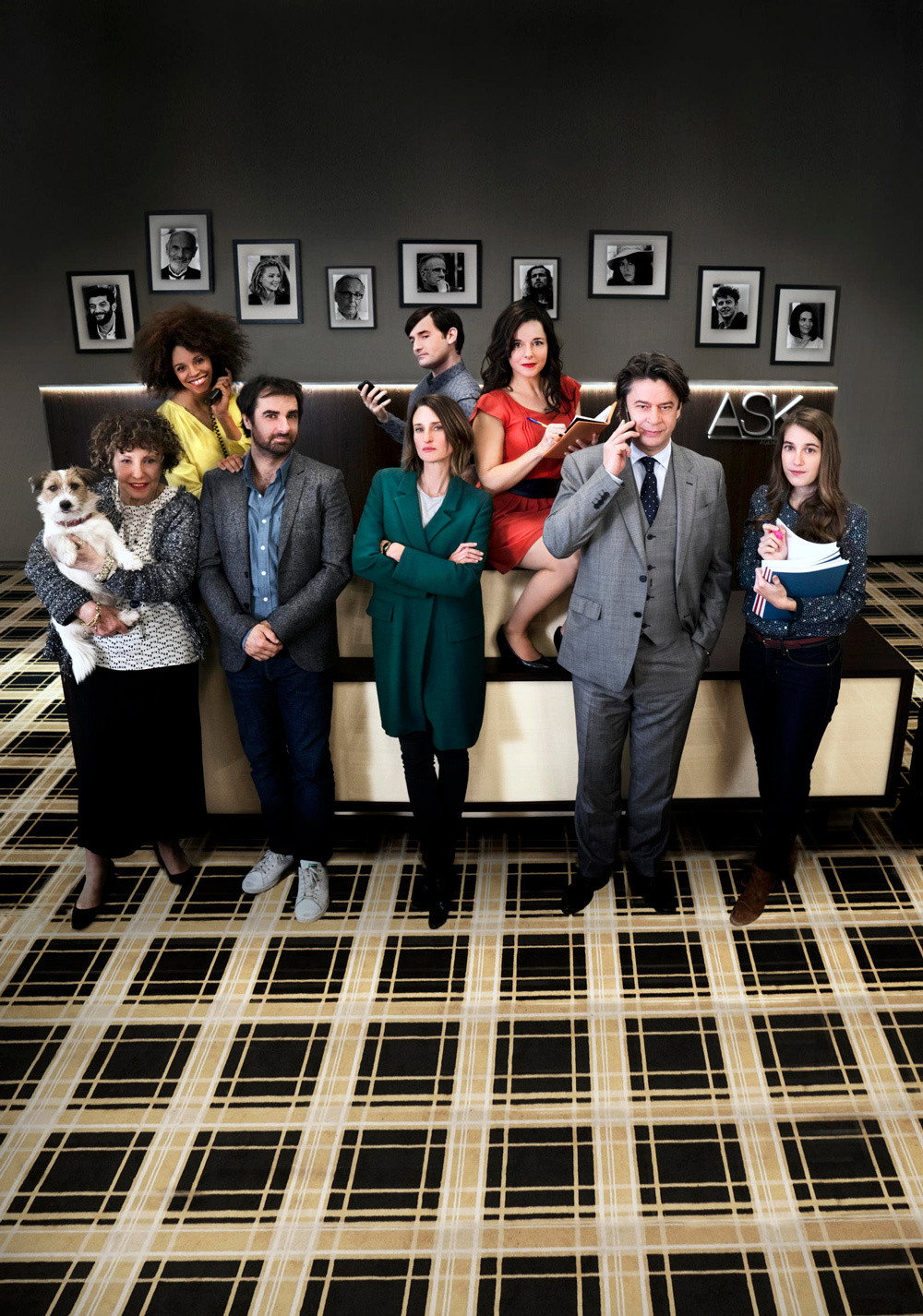
Around her the ensemble is unusually even. Thibault de Montalembert gives Mathias the ease of a man who has never had to explain himself and is about to. Grégory Montel’s Gabriel is all soft panic, a good man in the wrong profession, and Liliane Rovère’s Arlette is the dry old hand who has seen every version of every crisis. The assistants are where the best comedy lives. Laure Calamy plays Noémie as a woman whose devotion to Mathias is a full-time job of its own, and Nicolas Maury’s Hervé turns every slight into an opera. Fanny Sidney has the hardest part as Camille, the newcomer we are meant to see the place through, and she grows into it. Philippine Leroy-Beaulieu, as Mathias’s wife Catherine, gets less than she deserves and does a great deal with it.
Six directors share the run, Cédric Klapisch among them, and it looks like one show. Denis Rouden, Yves Cape, Antoine Monod and Antoine Roch film the agency as a working office: glass partitions, corridors, people walking and talking with a phone at each ear, and Paris kept mostly to taxi windows and restaurant terraces. Guillaume Lauras, Sophie Brunet and Catherine Schwartz cut at the speed of a phone call and rarely hold a shot long enough for anyone to feel sorry for themselves. Each episode runs 52 minutes, and most of them earn it.
What does not work is the soap. Between the star of the week and the office, everyone is sleeping with, leaving or lying to someone, and by the third season the secrets rotate rather than develop. There is a stretch in the middle of the run where we found ourselves waiting through a romance to get back to the job, and we were irritated, because the job is what the show does well. More seriously, the series loves the industry it mocks. Nobody is ruined. No producer is a real monster. Every crisis is fixable by minute forty-five, and the fondness that makes the show so pleasant to sit with also means it never quite says what it plainly knows about how actresses of a certain age are treated. It raises the subject, and then somebody’s phone rings.
Set beside the office comedies it will be compared with, the difference is warmth and speed. The British and American versions of this idea tend to hate their characters a little; Herrero’s show cannot manage it, and after twenty-four episodes neither could we. Watch two at a time, with the subtitles on and a glass of something, and do not be put off by a first episode that is busier than it is funny. It settles within the hour.