Ricky Gervais and Stephen Merchant make the wait for acting work painfully funny, with Ashley Jensen giving the disappointment weight. The celebrity sketches sometimes feel slight, but the people waiting for a chance keep us watching.
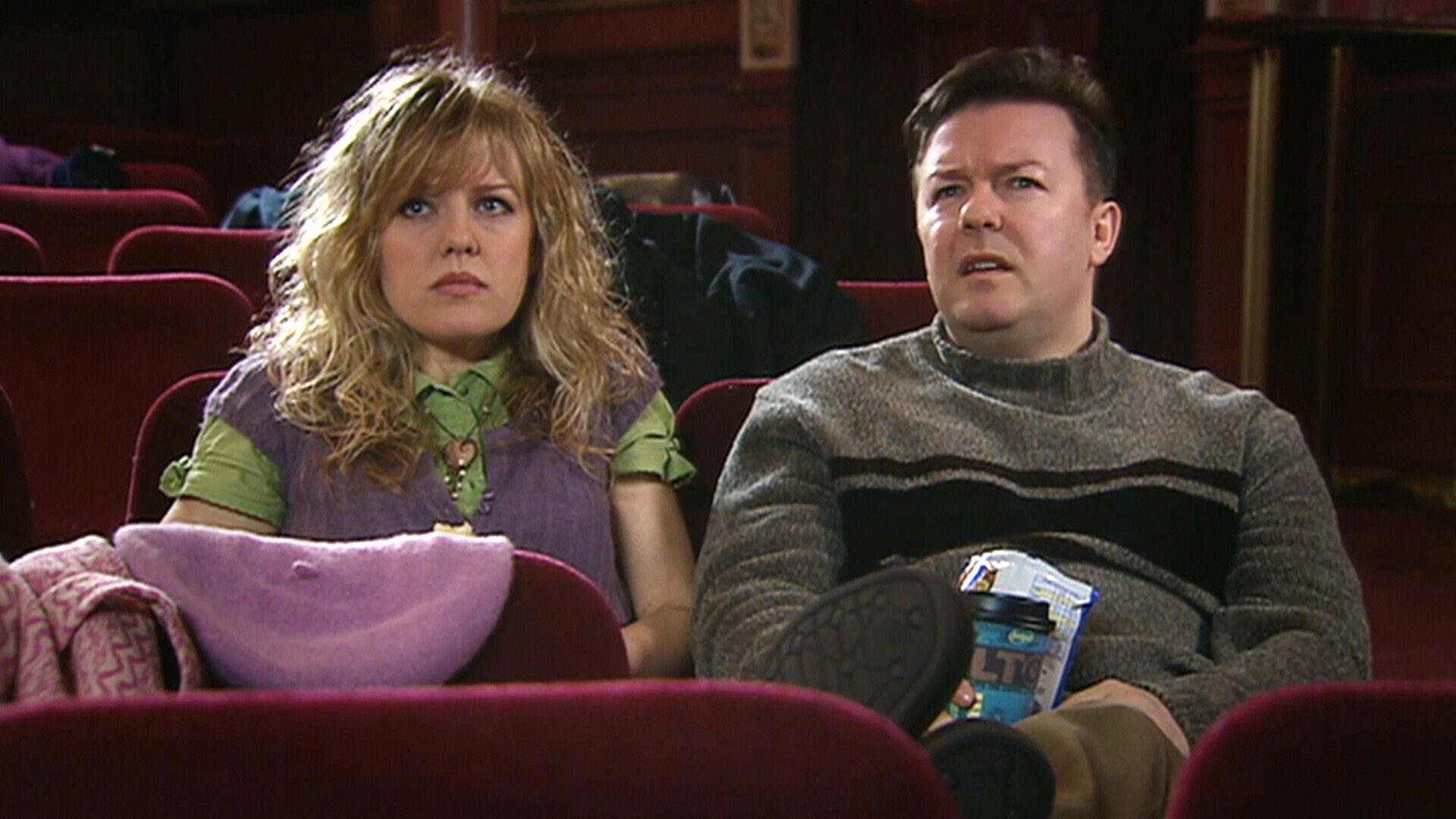
Extras is a funny, sometimes slight comedy about people who have had far too much time to consider why they have not got anywhere. Creators Ricky Gervais and Stephen Merchant find plenty to embarrass their aspiring performers with, but the waiting matters as much as the blunders. Their interest in the fear of being overlooked gives the programme enough feeling to make its crueller jokes bearable. We recommend it for Ashley Jensen as much as for the famous guests.
Gervais plays Andy Millman with an alertness to humiliation that makes even a quiet exchange feel risky. He is funny when he seems to be monitoring how badly things are going, because the effort to retain dignity becomes another thing to notice. The writing understands how someone can want attention and still dread being looked at too closely. Gervais gives that embarrassment time to become uncomfortable, allowing us to recognise the effort Andy puts into getting through an encounter without looking foolish.
Jensen’s Maggie Jacobs gives the series its strongest reason to pause. We were more saddened than we expected by Maggie’s fear that she might be wasting her life. Jensen makes that doubt feel ordinary and difficult to put aside, without asking us to admire how serious the comedy has become. It changes how we watch the waiting, because continuing to turn up for work begins to seem like a difficult decision in itself. Gervais and Merchant are wise to give her worry a little space.
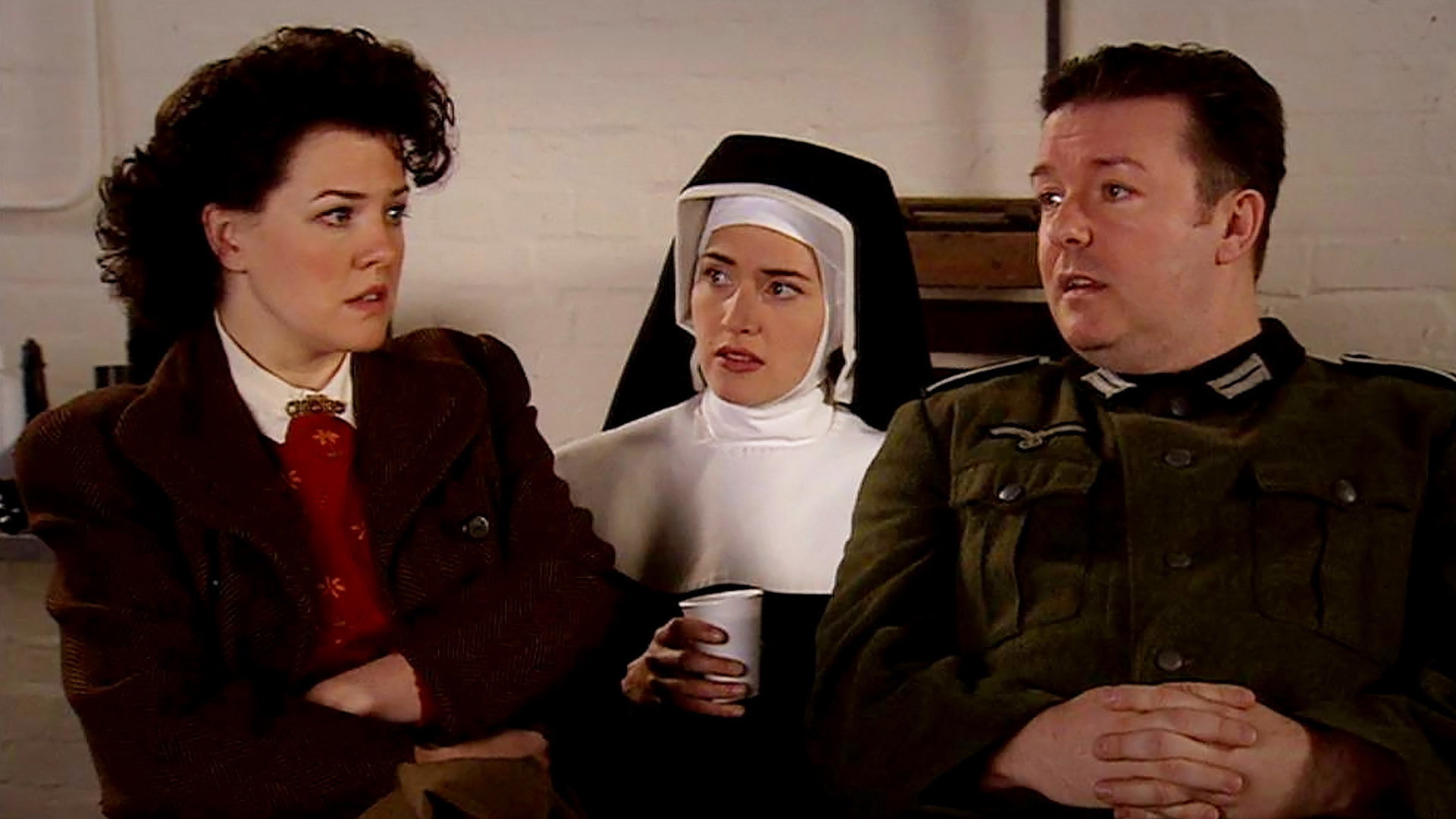
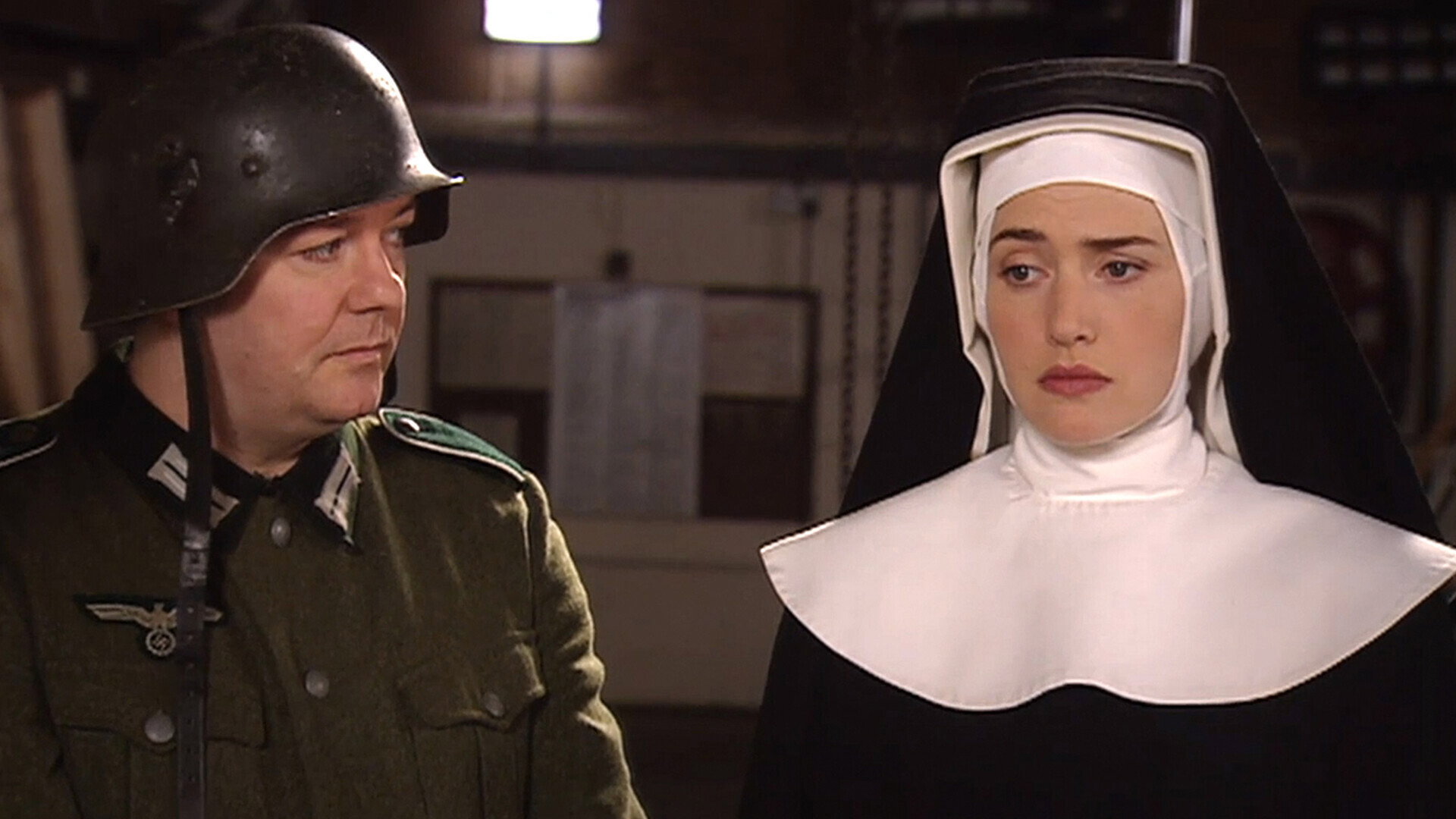
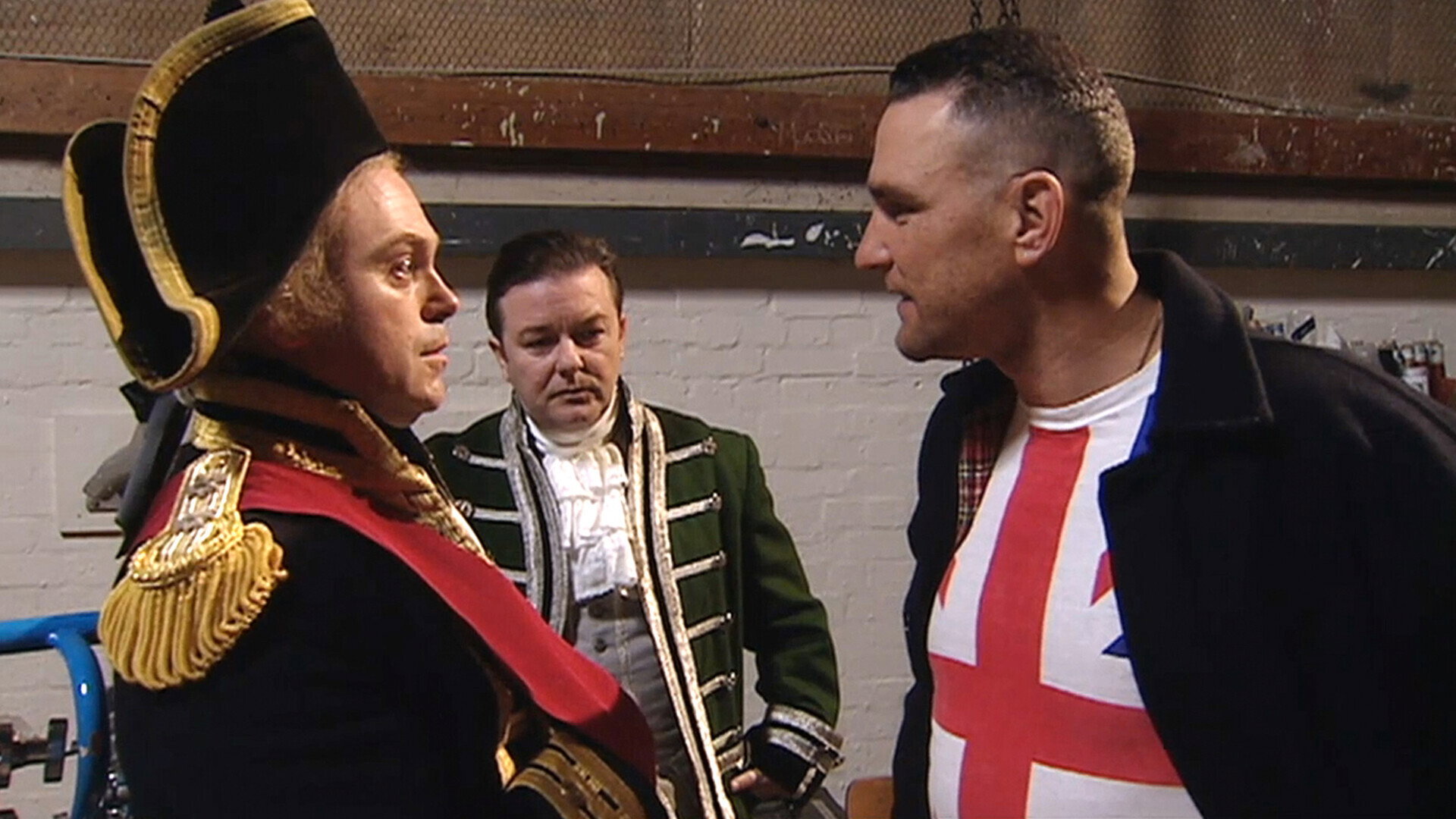
The celebrity appearances work because the guests agree to look foolish, and the programme usually supplies more than the pleasure of recognising them. Kate Winslet and Daniel Radcliffe appear as versions of themselves, joining a comedy that takes considerable pleasure in embarrassing its performers. Gervais and Merchant give the encounters the compact shape of sketches, with a clear source of discomfort and room for it to worsen. The guests are willing participants in the joke, which helps keep the mockery from feeling sour.
The sketch-like construction is also the weakness. As writers and directors, Gervais and Merchant are good at letting an awkward moment continue, but some encounters offer little beyond the prospect of another humiliation. Once we can see the trouble coming, the wait occasionally becomes longer than the joke deserves, and the regular characters do not always gain much from it. The quiet passages about disappointment have more to offer, so it is frustrating when another neatly arranged embarrassment takes their place.
For a show-business comedy, Extras pays welcome attention to how little can happen to somebody who keeps making the effort. Being funny about that requires care, since unsuccessful actors would be easy people to dismiss, and Jensen makes such dismissal difficult. We would happily spend an evening with these people, though there is something to be said for taking the programme an episode at a time. That gives its repeated humiliations a little breathing room. If embarrassment makes you switch off, start with something kinder.