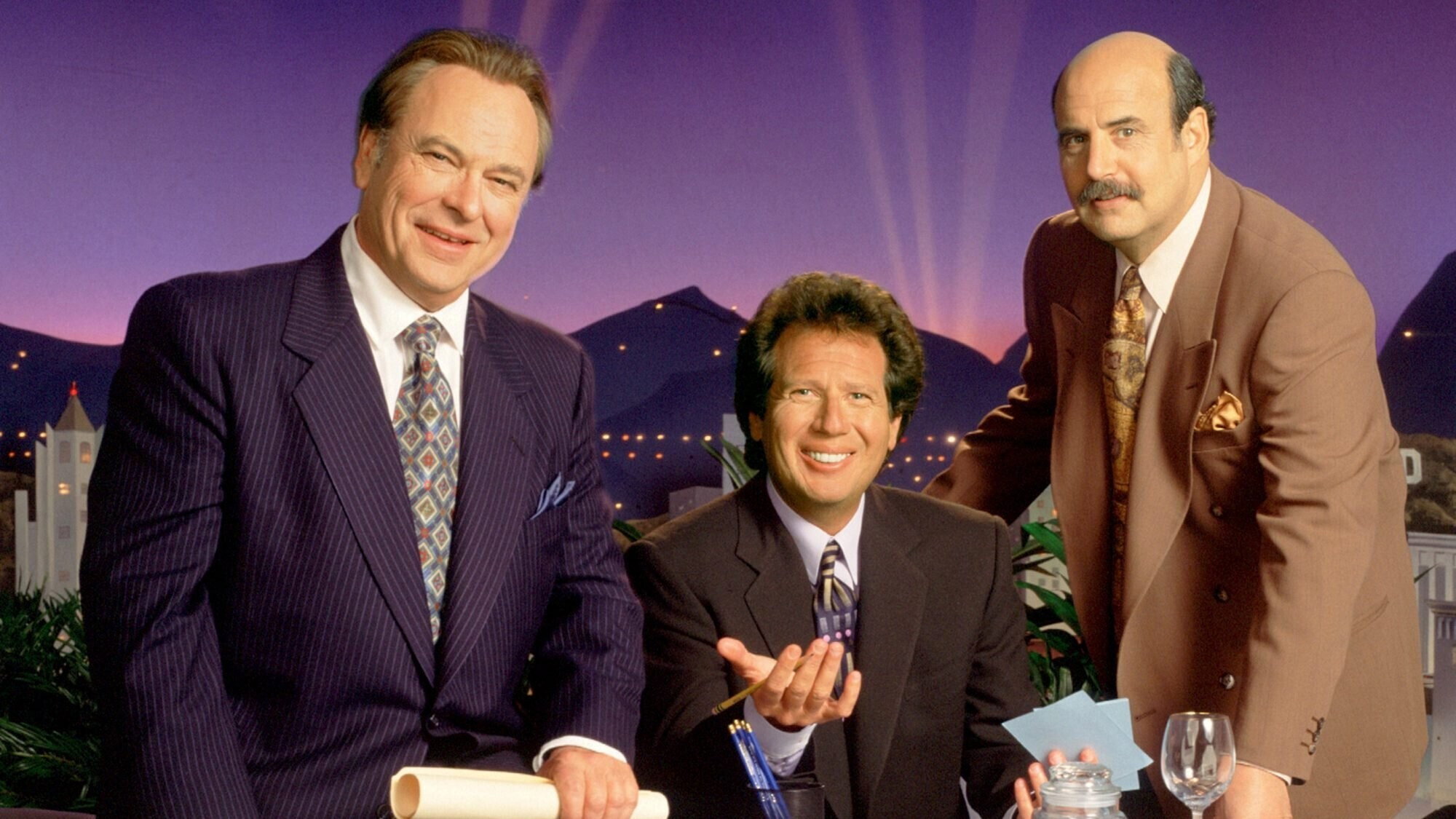
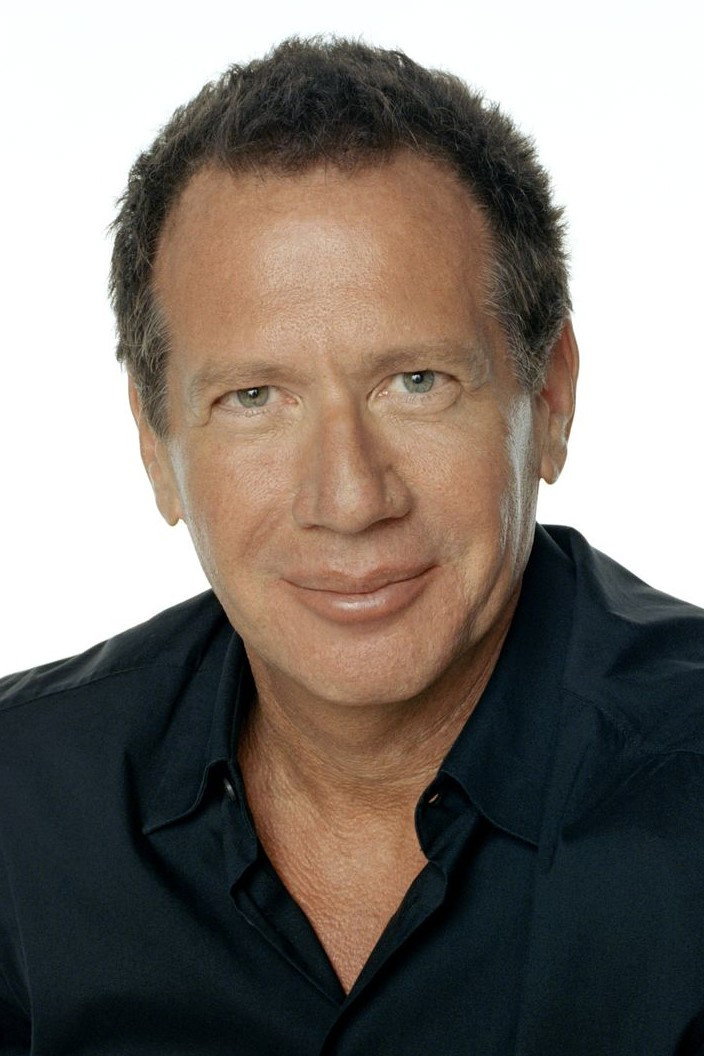
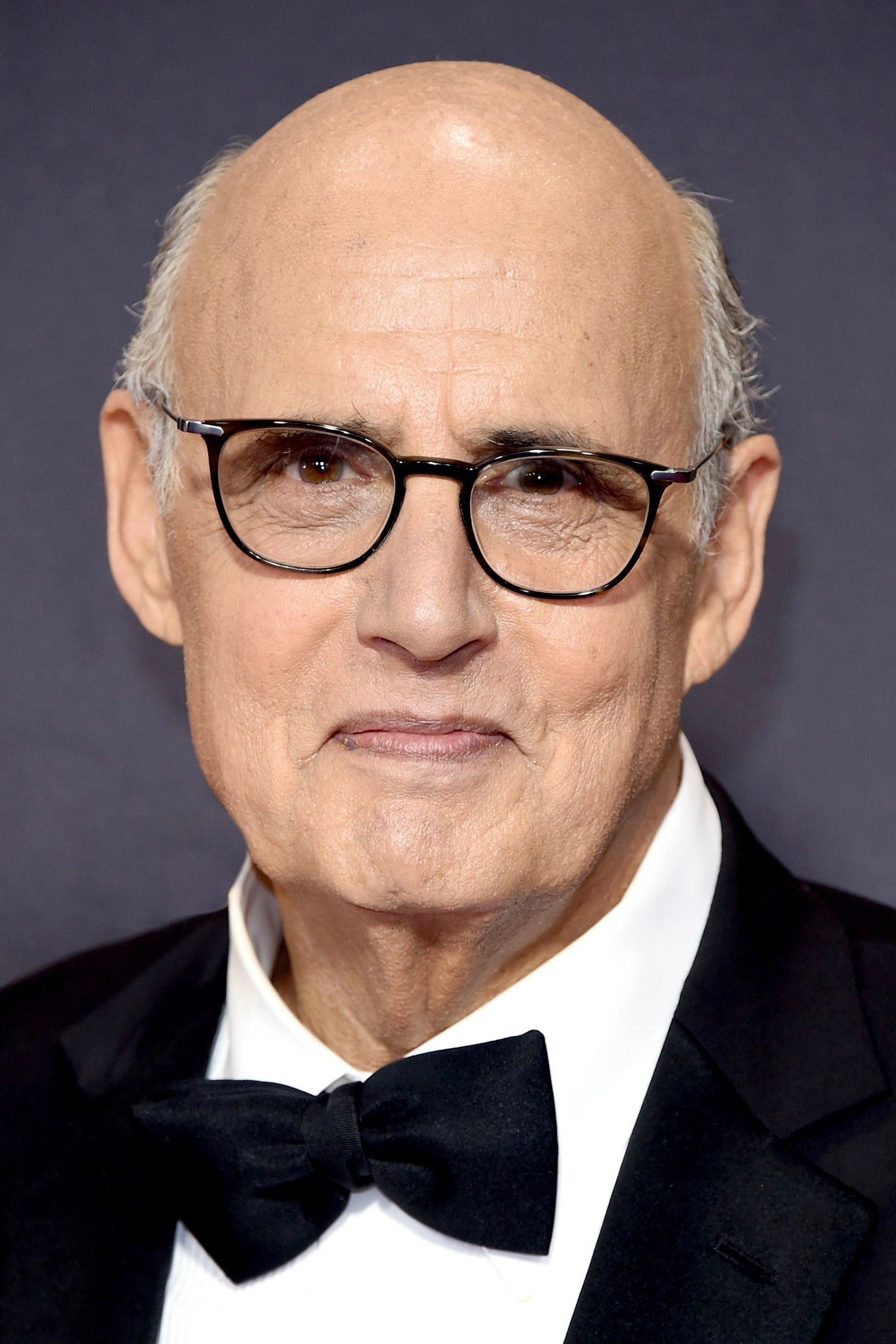
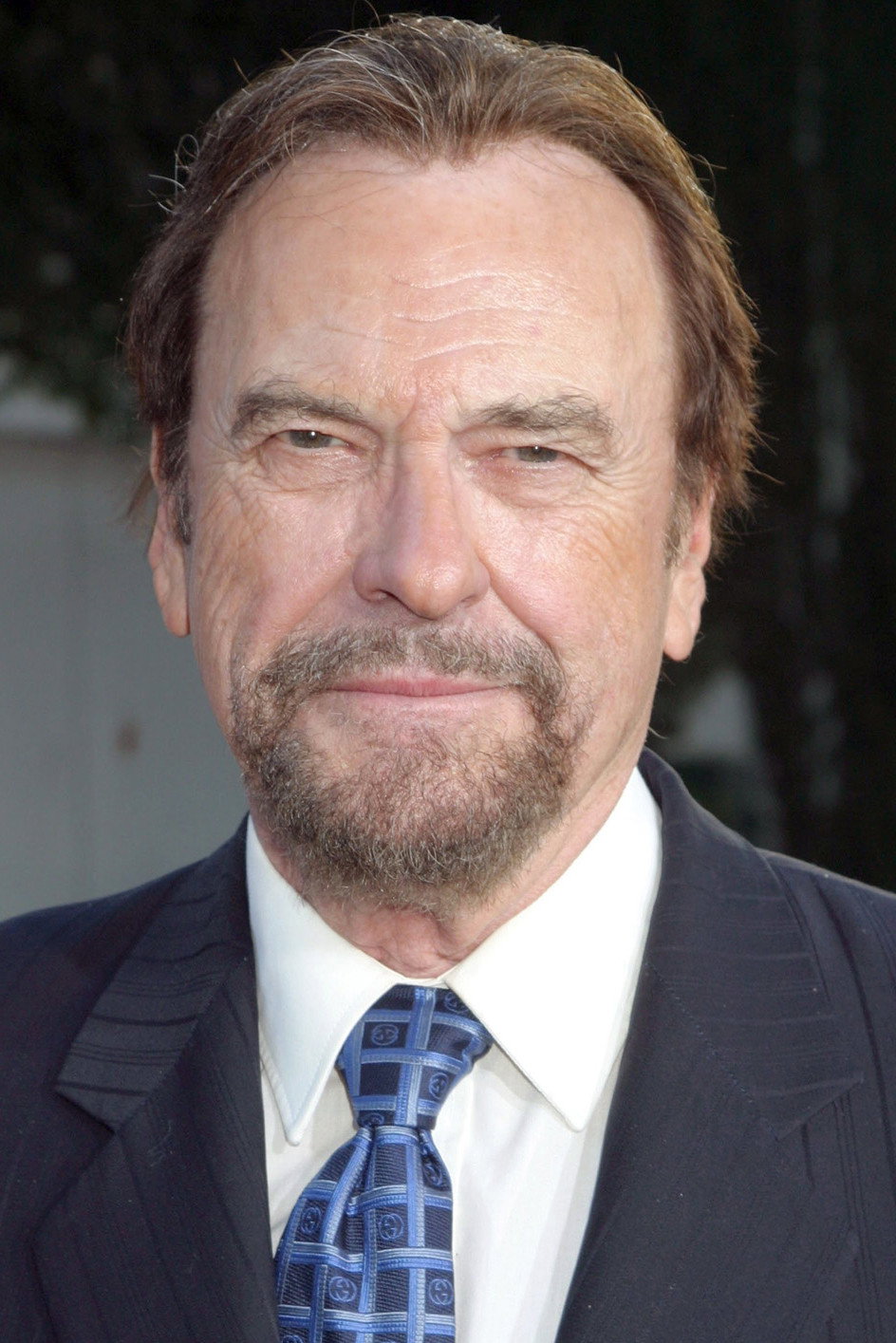
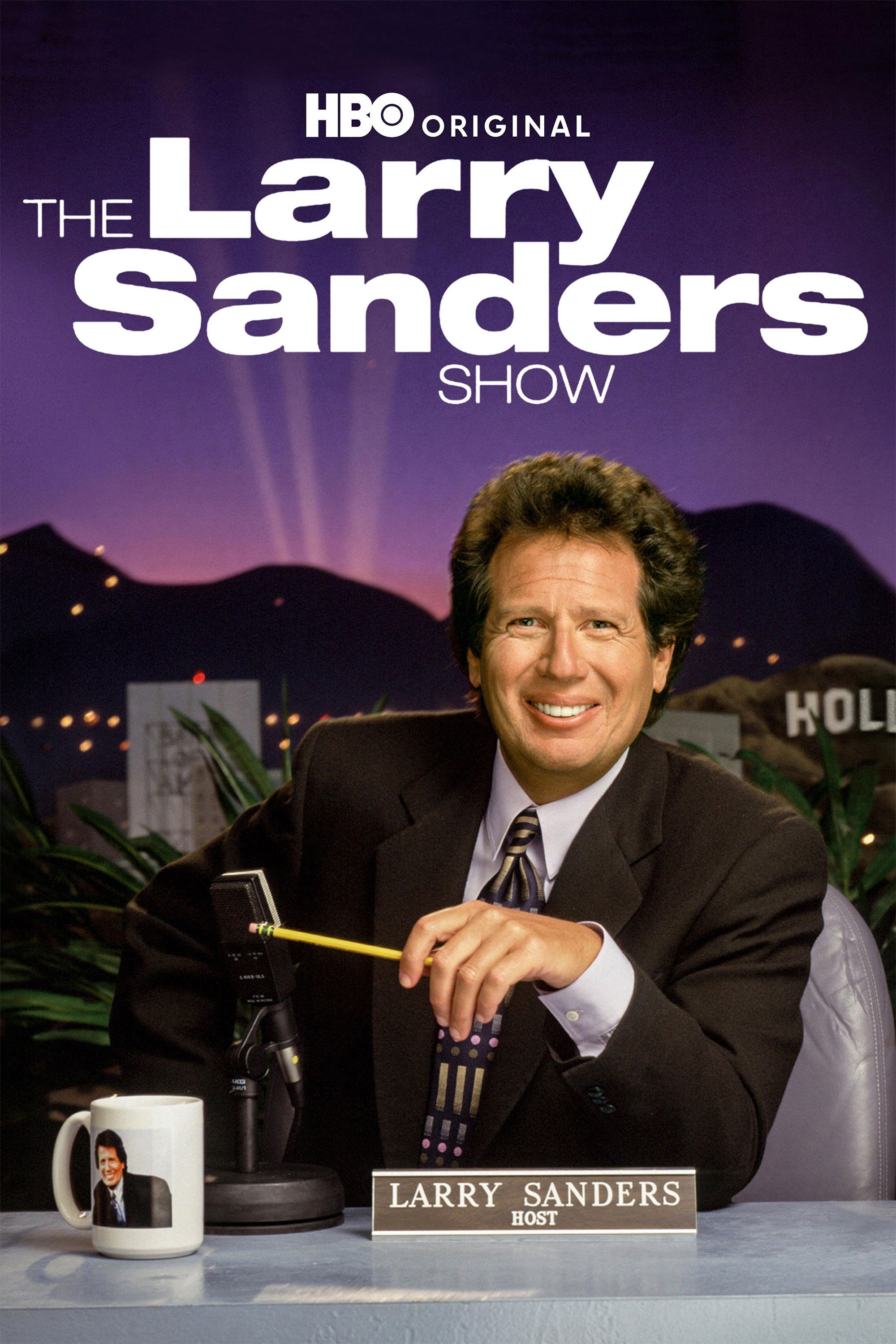
Garry Shandling, Jeffrey Tambor and Rip Torn make this a comedy we would recommend to almost anyone. The celebrity references occasionally need translating, but the performers make the business of keeping a needy chat-show host happy painfully funny.
The Larry Sanders Show is an exceptionally good comedy about the trouble caused by a boss who needs to be liked. Created by Garry Shandling and Dennis Klein, it takes the ordinary business of making a late-night chat show and lets the host’s insecurity complicate everyone else’s work. We recommend it for the performances above all: the principal actors make selfishness funny without making it easy to dismiss the people being selfish. Across six series, the programme keeps finding credible reasons for these colleagues to resent one another and carry on working together.
Garry Shandling gives Larry Sanders the peculiar strain of a man who knows that his anxiety is tiresome and still needs somebody to attend to it. The performance does not ask us to mistake this for charm, which matters when so much of the comedy depends on other people accommodating him. Larry can be a draining presence, and the series lets that weariness show through the staff’s dealings with him. His vulnerability keeps the familiar comedy figure of the vain entertainer worth our attention, even when another round of reassurance is plainly going to achieve nothing.
Jeffrey Tambor makes Hank Kingsley’s insecurity more exposed, and harder to watch comfortably. We laughed at Hank’s need for approval, then felt rather mean for laughing. His eagerness makes it difficult to pretend that humiliation has done him any good. Rip Torn, as Arthur, supplies the force that Larry and Hank lack, giving the producer’s combativeness the weary confidence of somebody with a programme to deliver. The pleasure of their exchanges comes partly from watching Arthur try to get useful work out of two men so easily distracted by their own feelings.
The writing credits include Peter Tolan, Maya Forbes and Judd Apatow, and the staff’s frustrations give the comedy somewhere to go beyond the star’s vanity. A backstage comedy can too easily assume that proximity to a famous person makes an ordinary grievance interesting. Here, the grievance usually makes sense without any special knowledge of television: somebody wants respect, somebody wants reassurance, and somebody else would like to get on with the work. The humour stays close to the practical difficulty of sharing a workplace with these people.
Directors including Todd Holland and Ken Kwapis maintain a naturalistic style that suits this constant negotiation. Without a laugh track to settle the mood, an awkward exchange can remain awkward even when it is funny. The celebrity guests, playing versions of themselves, fit into that approach because their public familiarity saves the series from having to introduce them at length. What matters is how they behave around the staff and the host. The backstage scenes allow discomfort to accumulate without requiring every encounter to become a confrontation.
The period references are the clearest obstacle. Some of the celebrity business depends on recognising a reputation, and an unfamiliar guest can leave a viewer doing mental homework while the scene carries on. Larry’s repeated need for reassurance can also make the comedy feel narrow when several episodes are watched together; the irritation is convincing, but it remains irritation. Neither problem does much damage to the exchanges between Garry Shandling, Jeffrey Tambor and Rip Torn, which need no accompanying history of late-night television.
Show-business satire often lets us feel conveniently superior to people who want attention. Here, the actors make that superiority difficult to sustain: Hank wants to matter, Larry wants to be liked, and Arthur has to get them through the programme. We recognise enough of that need to keep watching even when the behaviour is tiresome. Give it half an hour for the three leads, even if the guest’s name means nothing to you.