Robert De Niro and Jerry Lewis make Martin Scorsese’s sour comedy about unwanted attention painfully funny. We recommend it, though the repeated humiliations can make its 109 minutes feel rather longer.
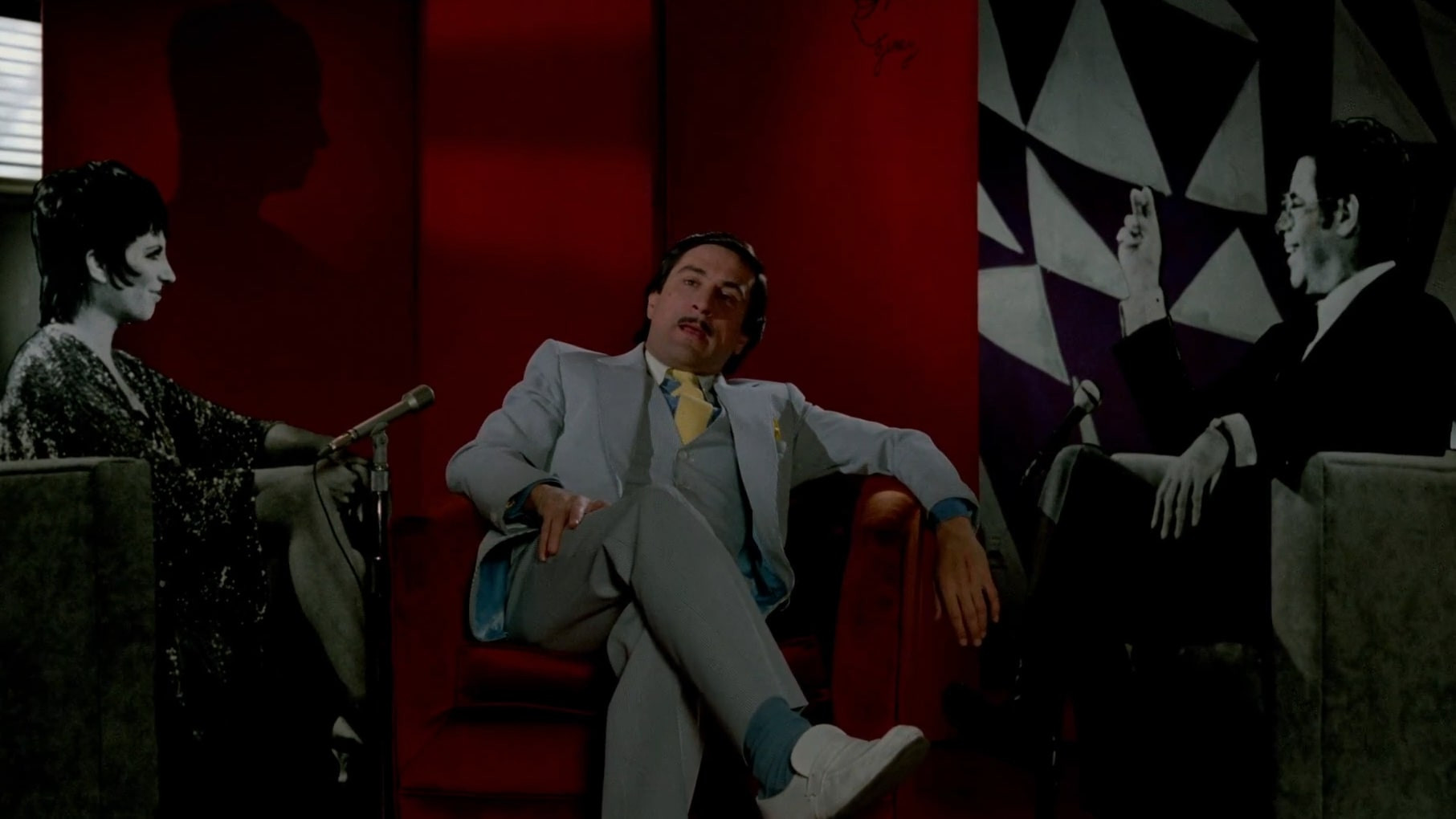
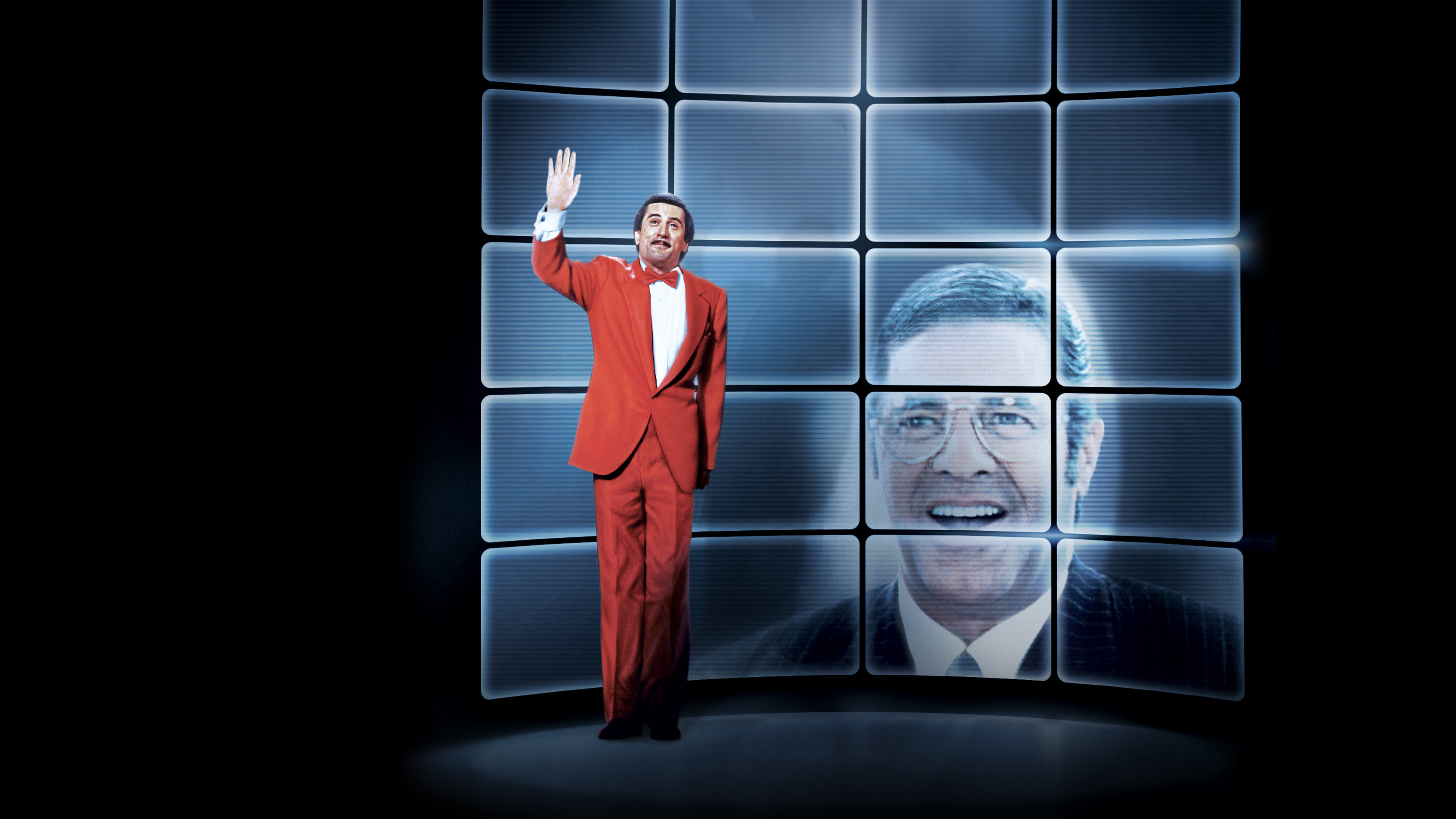
Martin Scorsese’s The King of Comedy is a painfully funny film, and we recommend it to anyone prepared to spend an evening feeling embarrassed for a stranger. Robert De Niro plays Rupert Pupkin, an aspiring comedian who wants television host Jerry Langford to give him his chance. Rupert has already imagined the welcome; other people keep getting their responses wrong. Scorsese stays close enough to this man for his optimism to become oppressive. There is no need to like him, but a tolerance for prolonged social discomfort helps.
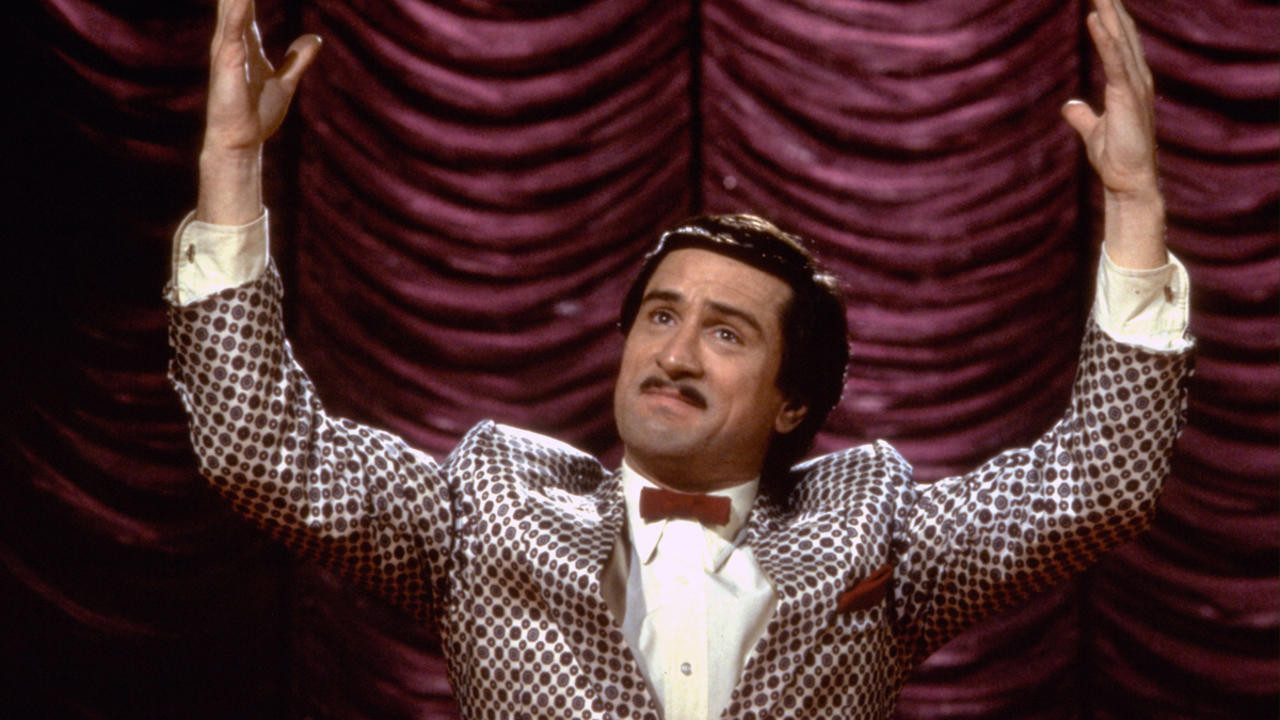
De Niro makes Rupert’s confidence unsettling because it seems impervious to information. His smile keeps soliciting a response long after the eagerness has stopped being endearing, and he gives even his apparent friendliness an uncomfortable insistence. The fantasy sequences let his expectations expand without making Rupert easier to dismiss as a harmless eccentric. We can recognise the ordinary wish for approval inside the delusion, which makes the performance harder to laugh off and gives his persistence an unpleasant familiarity.
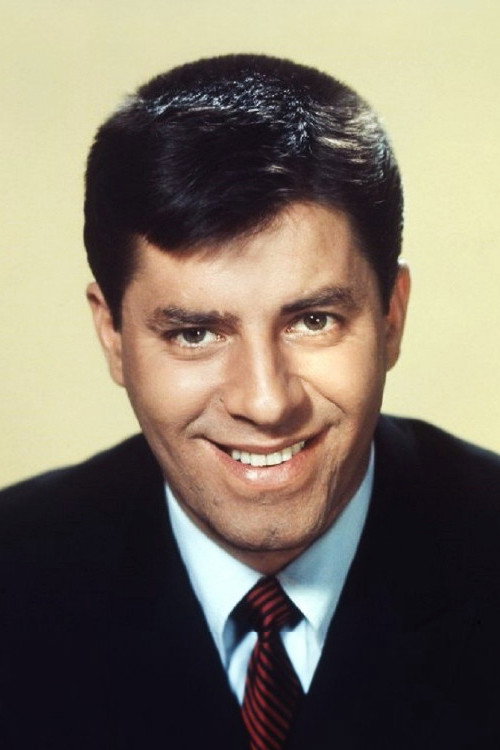
Jerry Lewis gives Langford a fatigue that feels settled deep in his face. His dead-eyed response to Rupert is funny until it begins to look like a reasonable defence against someone who will not stop. We felt trapped watching Lewis’s expression fail to discourage De Niro’s eagerness. The discomfort comes from the actors’ unwillingness to meet each other halfway: Rupert keeps offering his imagined friendship, and Jerry has no interest in performing gratitude for it.
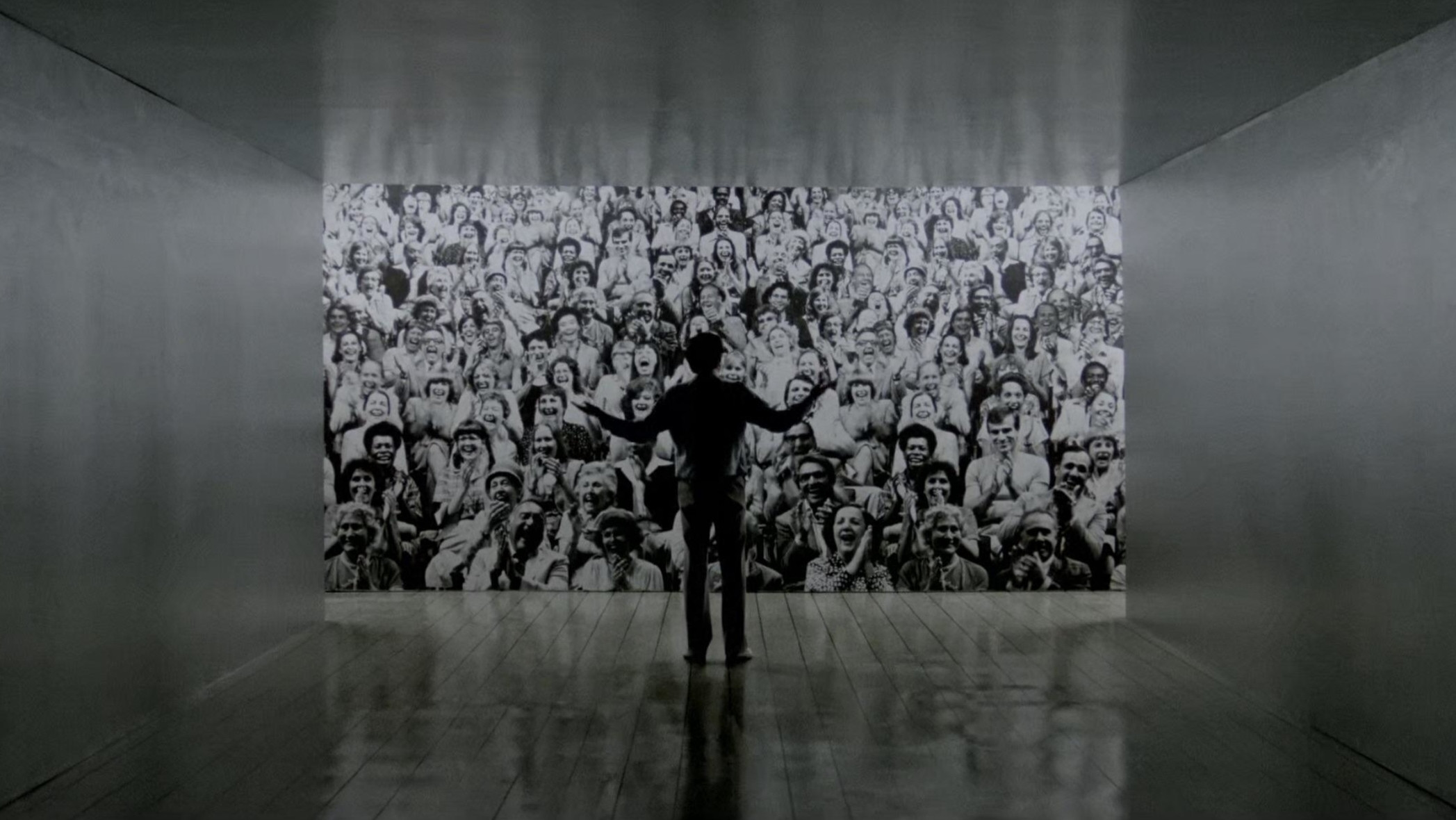
Fred Schuler’s cinematography is most effective in its attention to the actors’ faces. De Niro’s pleased expression gives us plenty to inspect, without any need for the image to insist that he is strange. Boris Leven’s production design makes the television surroundings seem like workplaces, which usefully limits their glamour. Rupert’s conviction that getting inside would transform his life looks less reasonable against that ordinariness, and the setting helps us understand why Jerry might have other things to do.
Thelma Schoonmaker’s editing makes an awkward exchange feel as though it has outlasted every possible polite escape. There is time to understand the embarrassment and then considerably more time to sit with it, a rhythm that allows both actors to become thoroughly uncomfortable company. Robbie Robertson’s music gives the comedy little sentimental cushioning, a useful decision when De Niro can already suggest the hurt beneath Rupert’s confidence. These choices work, although the sustained pressure eventually makes some passages feel repetitive.
Paul D. Zimmerman’s screenplay returns so often to Rupert’s inability to take a hint that some encounters add little to what we already know. The narrow emotional range sometimes becomes tiring, even when the writing remains sharp and the performances committed. Sandra Bernhard gives Masha enough exposed unhappiness to keep the film’s lonely people from seeming interchangeable. That repetition is the main reservation: Scorsese’s patience is not equally rewarding in every scene, and another demonstration of Rupert’s delusion is not always necessary.
As black comedy, the film is unusually willing to let recognition spoil a laugh. Its reluctance to offer relief will also frustrate anyone waiting for a more conventional thriller to get moving. Lewis makes that severity worthwhile: his refusal to indulge Rupert gives their exchanges a force that a more welcoming performance would lose. At 109 minutes, it can still feel like a long evening in difficult company. Save it for a night when neither person on the sofa needs cheering up.