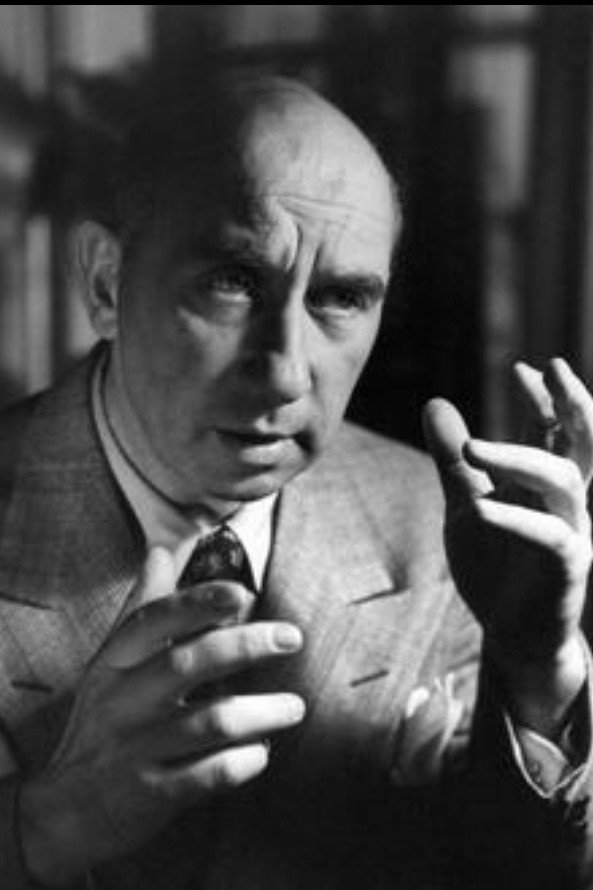
John Brahm used fog, shadow and subjective camera movement to make troubled minds unsettling to watch. We rate his suspense craft, particularly in the compact form of anthology television, where atmosphere needs discipline.
Fi1m perspective
John Brahm fills the frame with fog and deep shadow, then moves the camera as though we were seeing through a troubled character’s eyes. His German Expressionist influence has a practical use: it makes the surroundings feel unsafe. We rate his ability to make psychological distress visible, though a carefully lit room can only do so much for a weak story. He kept returning to thrillers and melodramas in which disturbed minds were a source of danger.
His strongest period was the mid-1940s: The Lodger (1944), starring Laird Cregar, followed by the Gothic melodrama Hangover Square (1945), with Bernard Herrmann’s score. Cinematographer Lucien Ballard and screenwriter Barré Lyndon were among his collaborators. The suspicion extends to the telling in The Locket (1946), with its nested flashbacks and unreliable memory.
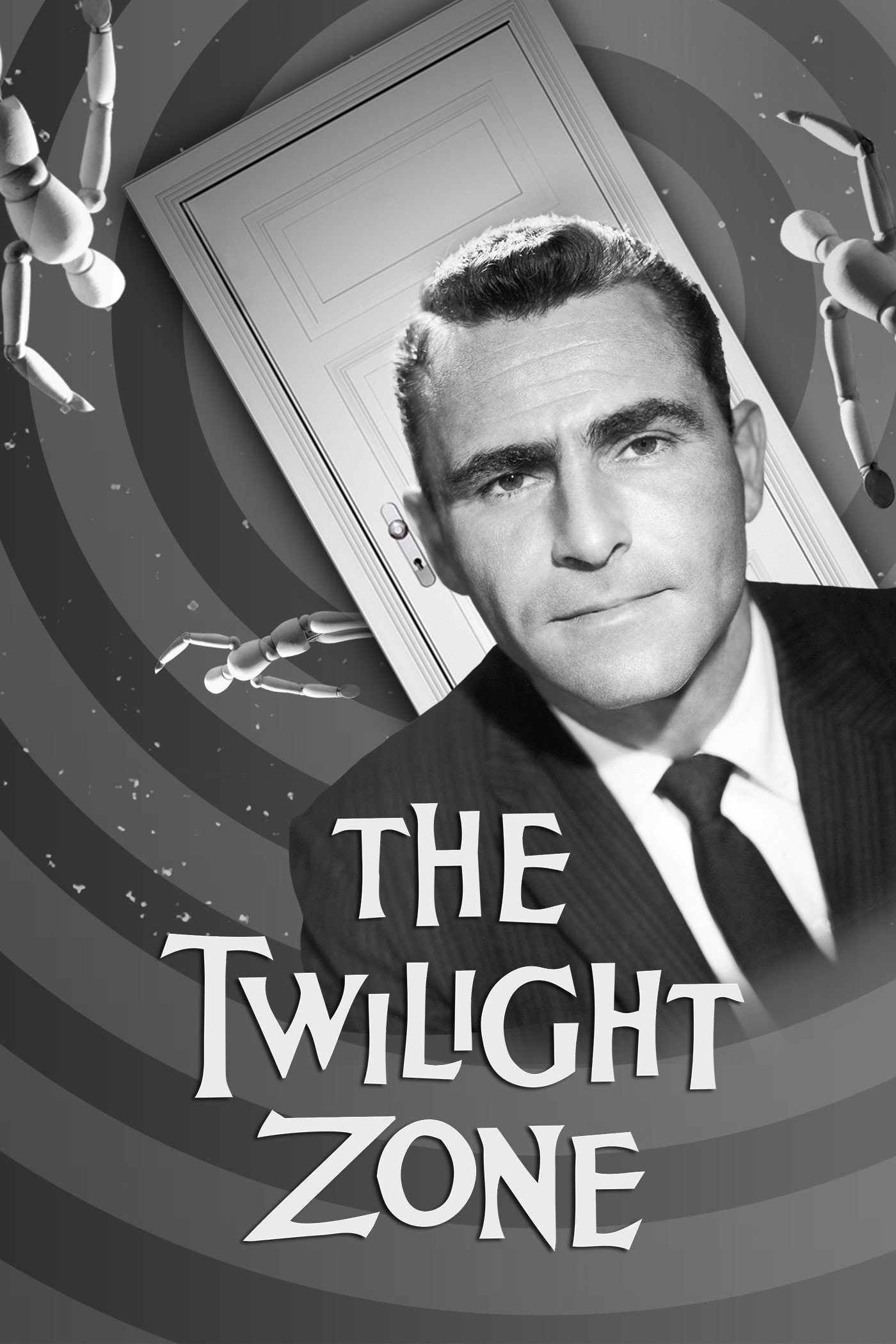
The turn to television came in the 1950s, with work on Alfred Hitchcock Presents and The Twilight Zone (1959). Brahm directed twelve episodes of the latter, including Time Enough at Last (1959). Our enthusiasm for the anthology rests on its disciplined storytelling and careful craft, qualities that suit a director accustomed to building suspense through atmosphere. We were unsettled by The Twilight Zone because its careful telling makes the strange premises persuasive. That is praise for a collective undertaking, not a claim that Brahm directed everything we admire in it.
Our recommendation comes with the series’ own limitation: weaker entries offer less to think about than their premises promise. The judgement that his later work failed to sustain his studio-period promise needs to leave room for his effective handling of short anthology episodes. Television’s tight constraints suited his ability to establish suspense, and that deserves weight alongside the longer thrillers. Start with The Twilight Zone, one story at a time, then try The Lodger for his period suspense.
Biography
John Brahm (born Hans Brahm) was a German film and television director. He was born on 17 August 1893 in Hamburg and died on 12 October 1982 in Malibu, California.
Brahm began his career in the theatre in Vienna, Berlin and Paris before emigrating to England in 1934 and then to the United States. His feature films include The Lodger (1944), Hangover Square (1945), The Locket (1946), The Brasher Doubloon (1947) and The Mad Magician (1954).
In television he directed episodes of Alfred Hitchcock Presents, The Alfred Hitchcock Hour, The Outer Limits and, most notably, twelve episodes of The Twilight Zone (1959).