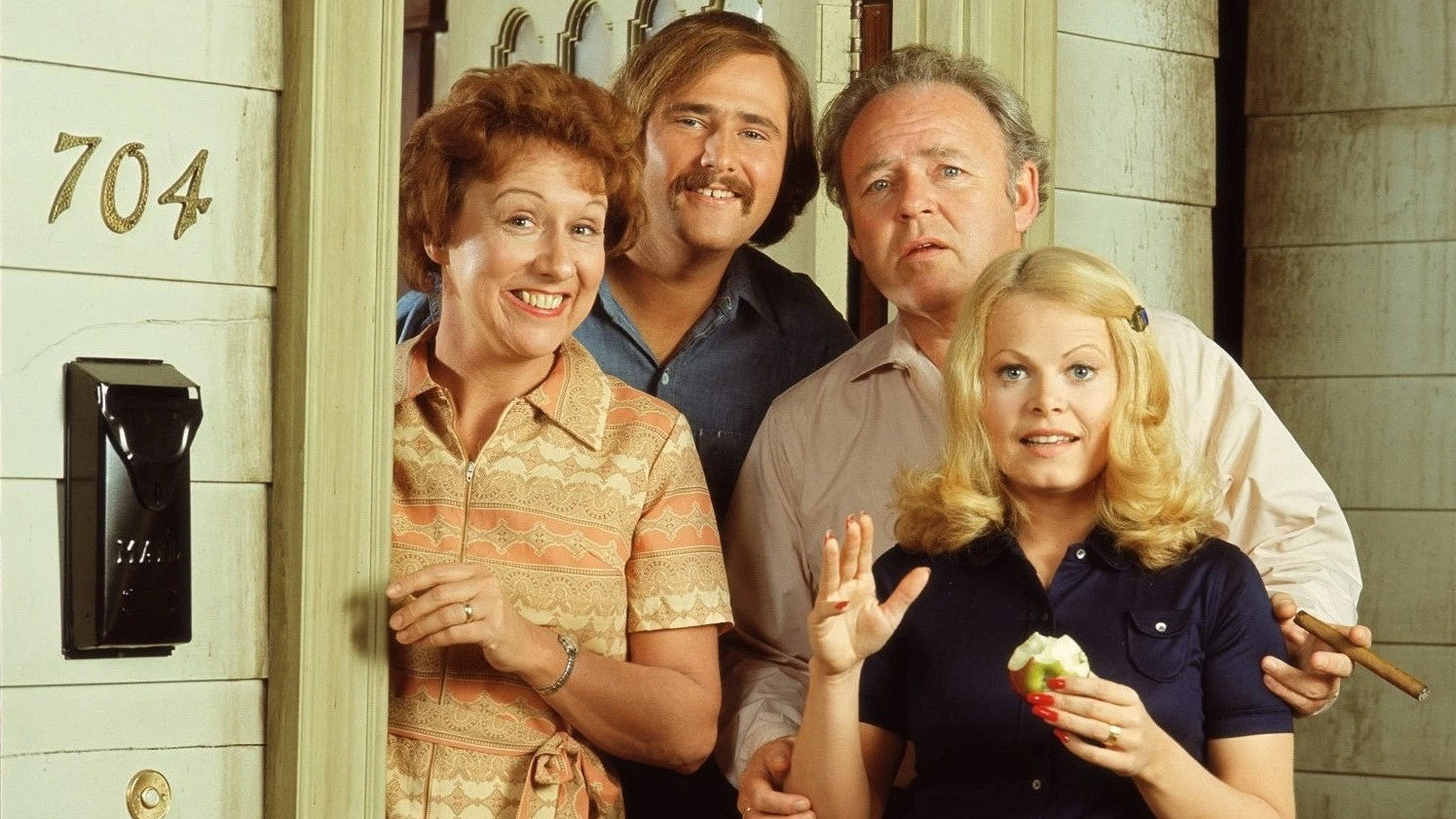
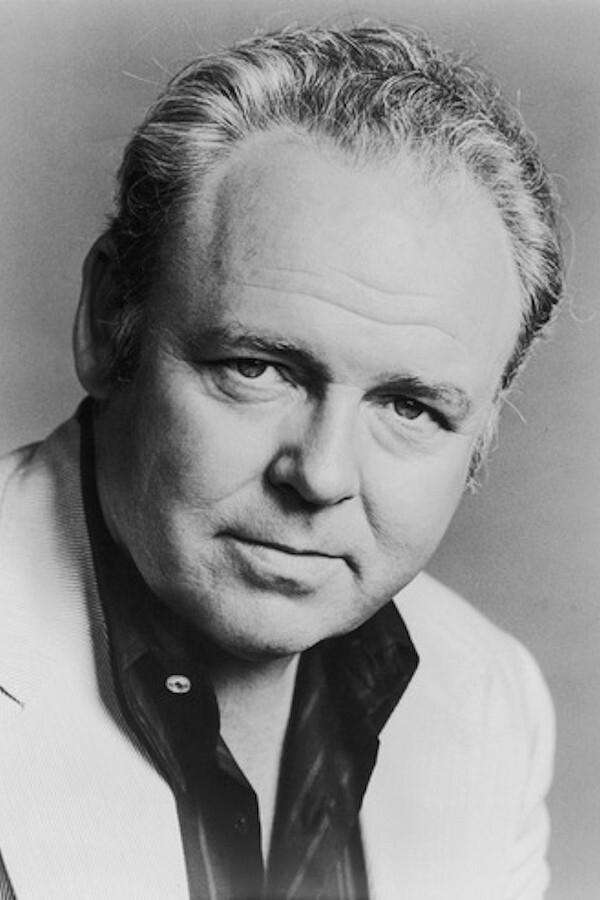
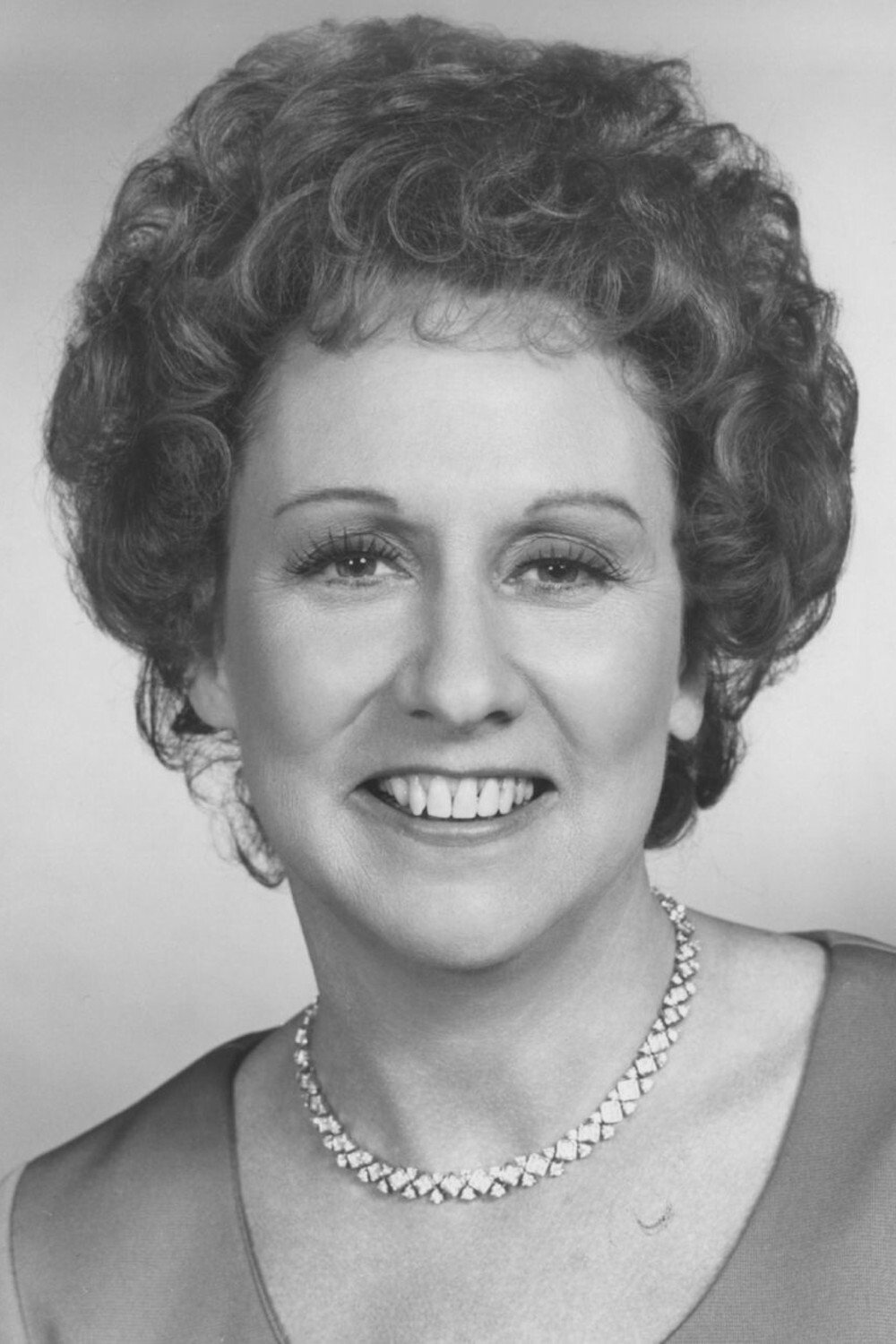
Carroll O’Connor and Jean Stapleton make All in the Family worth the arguments. Its domestic comedy remains funny and often painful, though repetition and its fondness for Archie’s bluster can weaken the criticism of his prejudices.
All in the Family is a funny, abrasive family sitcom whose cast makes the shouting worth enduring. Created by Norman Lear and Johnny Speight, it puts the conservative Archie Bunker under the same roof as his liberal son-in-law, Michael Stivic, and lets their disagreements spoil the domestic peace. Nobody can settle politics and then go home; they are already there. Its chief risk is that Archie’s company can be so enjoyable that his prejudices begin to pass for harmless eccentricity.
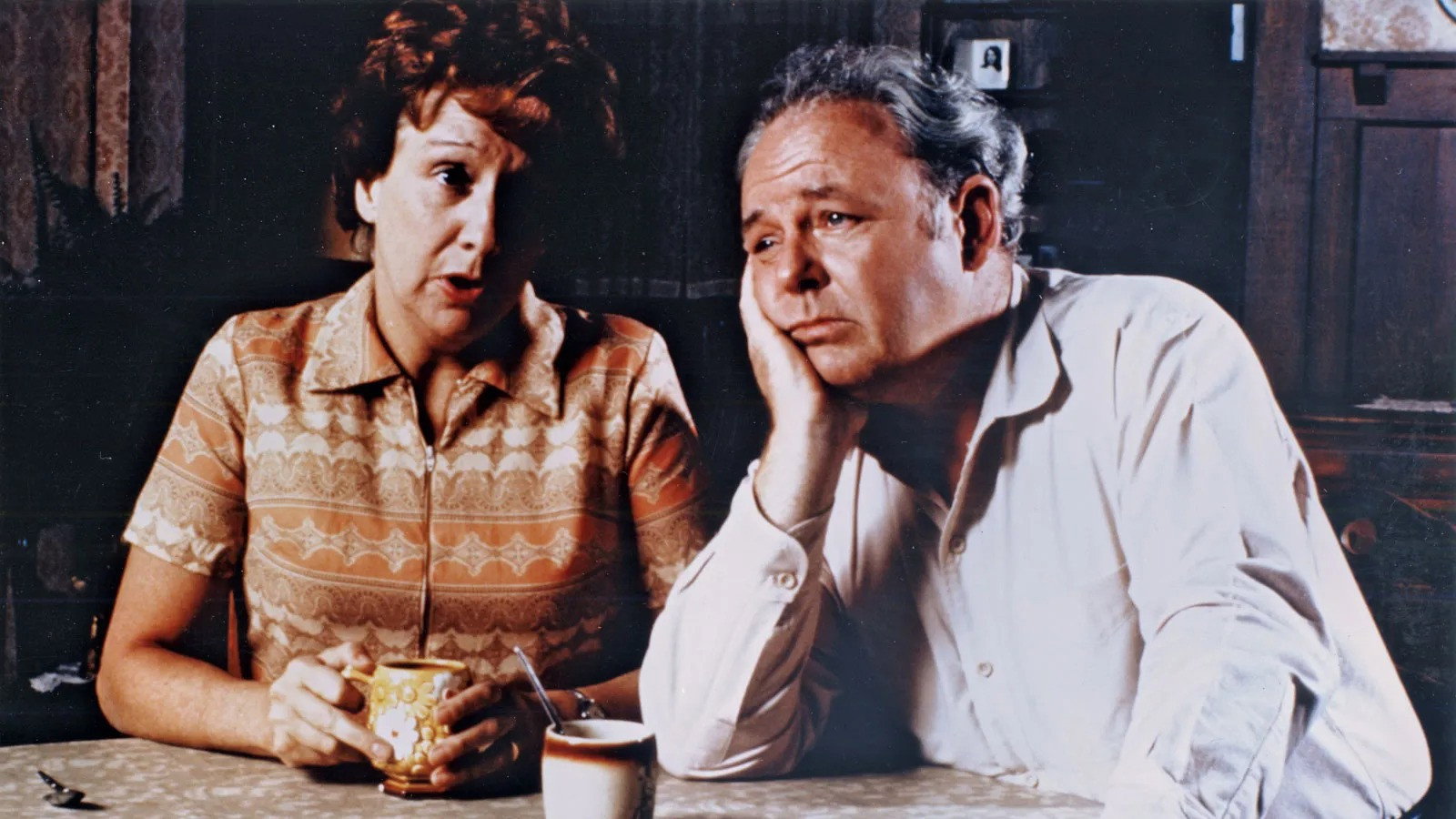
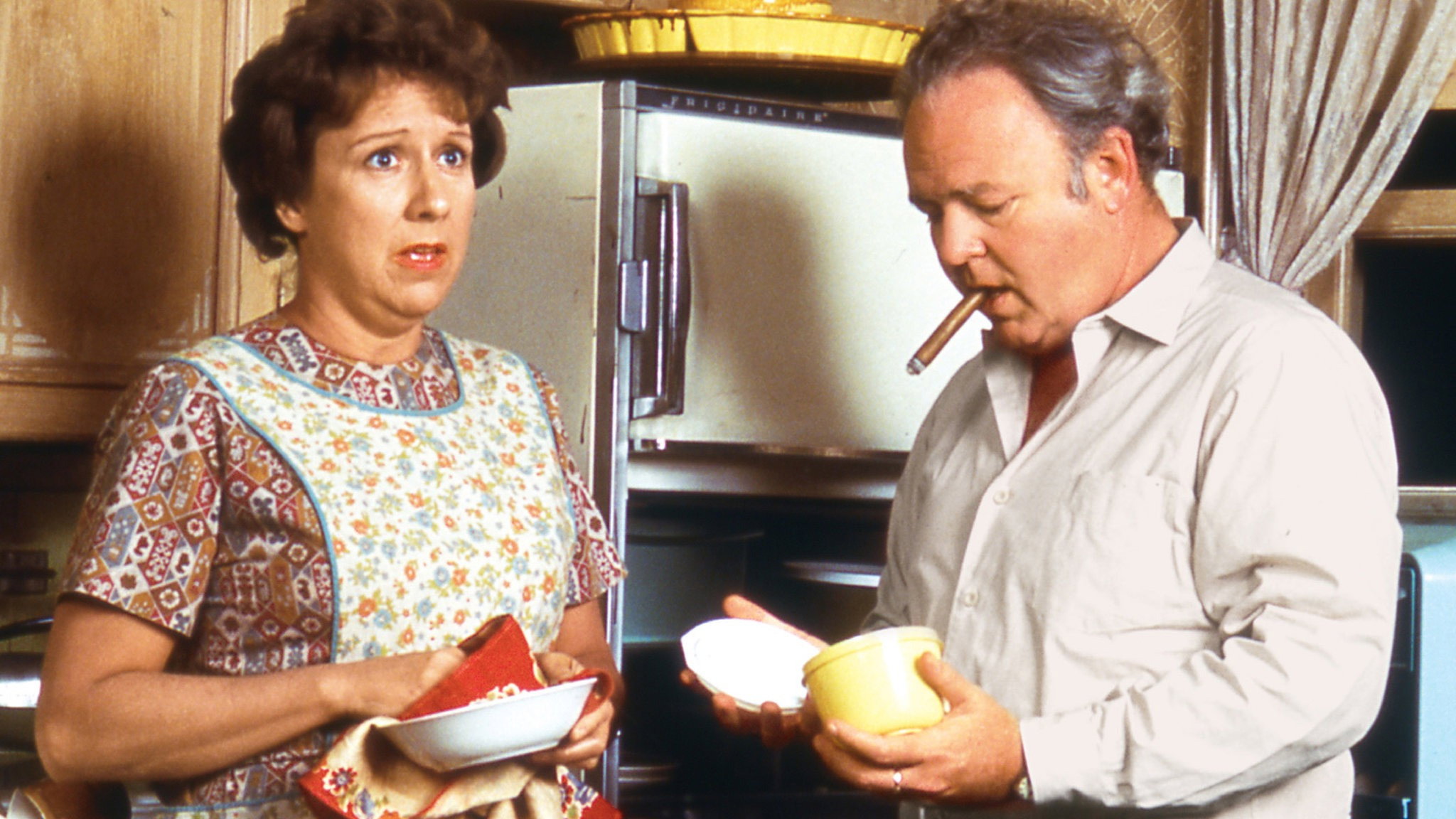
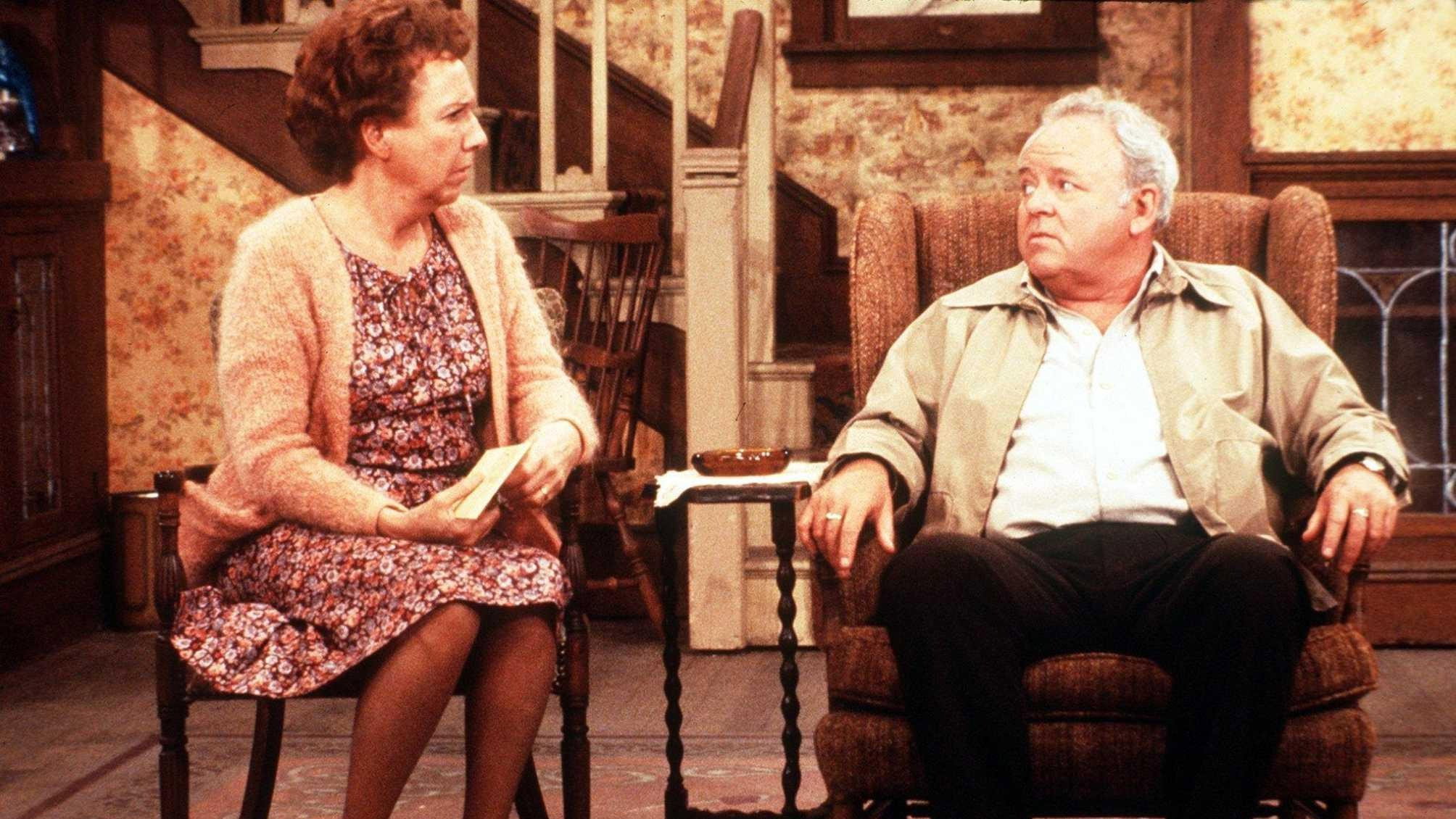
Carroll O’Connor makes that risk worth taking. His Archie Bunker is impatient with anybody who requires him to explain himself, and the performance finds comedy in the effort of keeping control as an argument escapes him. The bluster is funny because we can hear how much work it costs, even when the words themselves are ugly. He gives the man enough wounded pride to hold our attention without making every outburst a request for sympathy.
Jean Stapleton’s Edith Bunker is the stronger reason to stay. We were moved by her hesitant replies, because she makes speaking up in this household seem to require more nerve than shouting. Her pauses have thought in them, and her efforts to keep things civil expose the others’ selfishness without a speech about it. There are laughs in the delivery, particularly when her unhurried pace interrupts the men’s impatience.
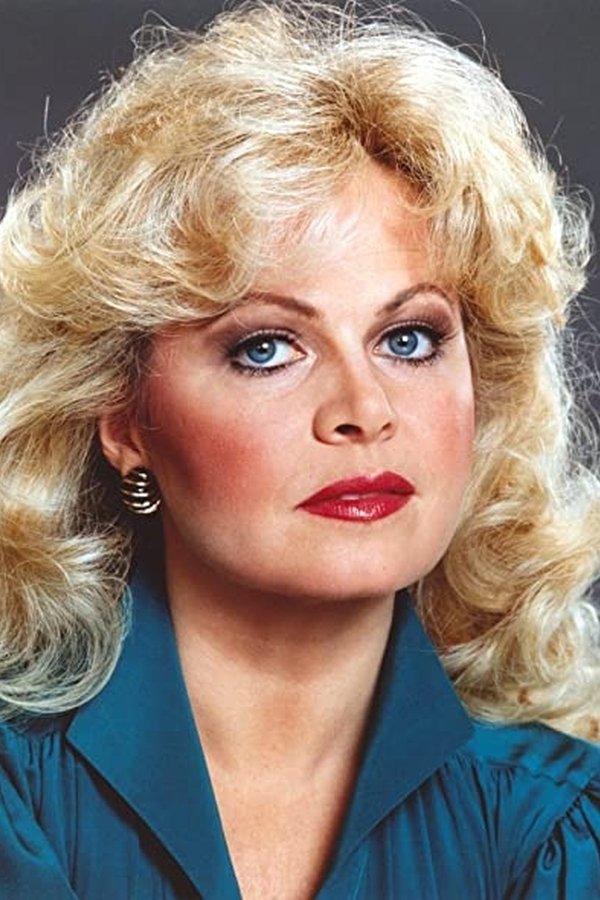
Sally Struthers and Rob Reiner have harder jobs as Gloria Stivic and Michael Stivic. Their characters must be credible relatives while also giving the arguments somewhere to go, and at times the writing makes them state positions rather than speak naturally. Michael’s certainty can become wearing, although Rob Reiner is good at letting righteousness sound a little too pleased with itself. Sally Struthers supplies useful impatience of her own, especially when the men behave as though the whole household exists to hear them disagree.
The modest domestic staging helps: we can watch the person being talked over as well as the person doing the talking. John Rich is among the directors, with Jay Scherberth, Marco Zappia and Andy Zall among the editors, and the strongest exchanges give a reply time to arrive before moving on. When the rhythm gets too regular, the setup and reaction become predictable, and an argument can feel longer than it needs to. Roger Kellaway’s music provides a lighter touch, though the actors’ competing voices do most of the work.
The harsher jokes need judging one by one. The programme asks us to spend time with racist and sexist speech in order to laugh at the man delivering it, and affection does not guarantee that every joke will land where intended. Most critics in the available sample disagree with us, though the sample is just one hostile review; we think it badly underestimates Carroll O’Connor’s comic timing. But the repeated clashes can grow familiar, particularly when the writing leaves the younger couple with little to do except object.
At 25 minutes, an episode is short enough for the best performances to carry us through the more laboured disputes. We recommend it for the family exchanges, with a warning that the insults are often harsh and the writing sometimes gives the actors opinions when they need conversation. Anyone looking for peace and quiet should choose another household.