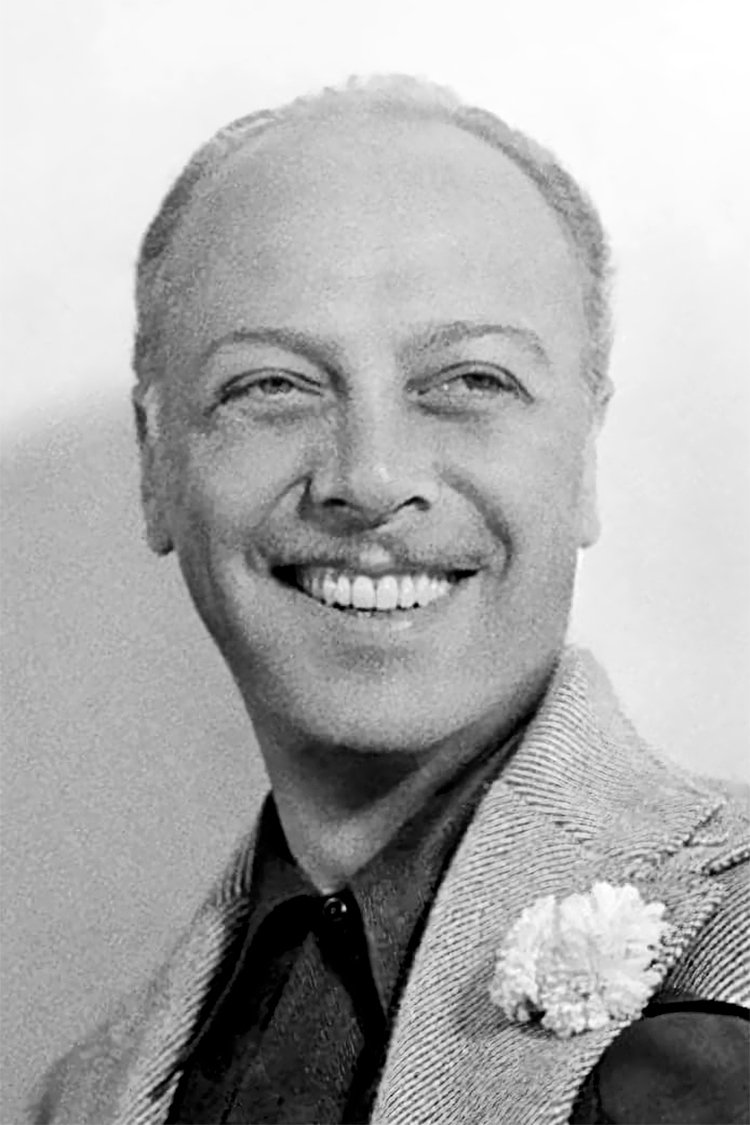
Mitchell Leisen's elegant comedies and melodramas deserve attention for their actresses as much as their décor. We rate his work, especially when comedy becomes serious, though the complaint that he cared too much about appearances has some force.
Fi1m perspective
Midnight (1939) looks carefully made, and Leisen does not treat comedy as a reason to neglect appearances. We were charmed by its visual elegance: there is pleasure in seeing that much care taken over a screwball comedy. His background in costume and production design helps explain the attention. The question is how often the people receive as much care as their surroundings, and his work with actresses gives us good reason to look beyond the décor.
Death Takes a Holiday (1934) established him with fantasy, before such screwball comedies as Easy Living (1937). He spent nearly two decades at Paramount, moving through comedy, romantic melodrama and occasional musicals. Preston Sturges wrote Easy Living and, later, Remember the Night (1940), where comedy, romance and small-town drama share the same film. We value that willingness to change tone, though good taste alone would not be enough to hold our attention.
The complaint that he cared more about décor than drama cannot simply be waved away. His changes to scripts brought friction with Sturges and Billy Wilder; Wilder and Charles Brackett co-wrote Midnight. We would not defend every handsome production on the grounds that it is handsome. The writers' objections deserve to be taken seriously, even if they do not tell us everything about the finished films.
But treating Leisen chiefly as a decorator gives too little weight to his work with actresses. To Each His Own (1946), with Olivia de Havilland, is a female-centred melodrama, while No Man of Her Own (1950), starring Barbara Stanwyck, brings noir into maternal drama. Thelma Ritter's supporting performance in the screwball comedy The Mating Season (1951) belongs in that discussion too. These films deserve attention for what he could do with performers, not just how he arranged their surroundings. Watch the actresses before dismissing him as a decorator.
Biography
Mitchell Leisen (6 October 1898 – 28 October 1972) was an American film and television director, art director and costume designer. Born in Menominee, Michigan, he began working in the film industry in the 1920s in art and costume departments, contributing to productions including Cecil B. DeMille’s The Sign of the Cross (1932) as assistant director.
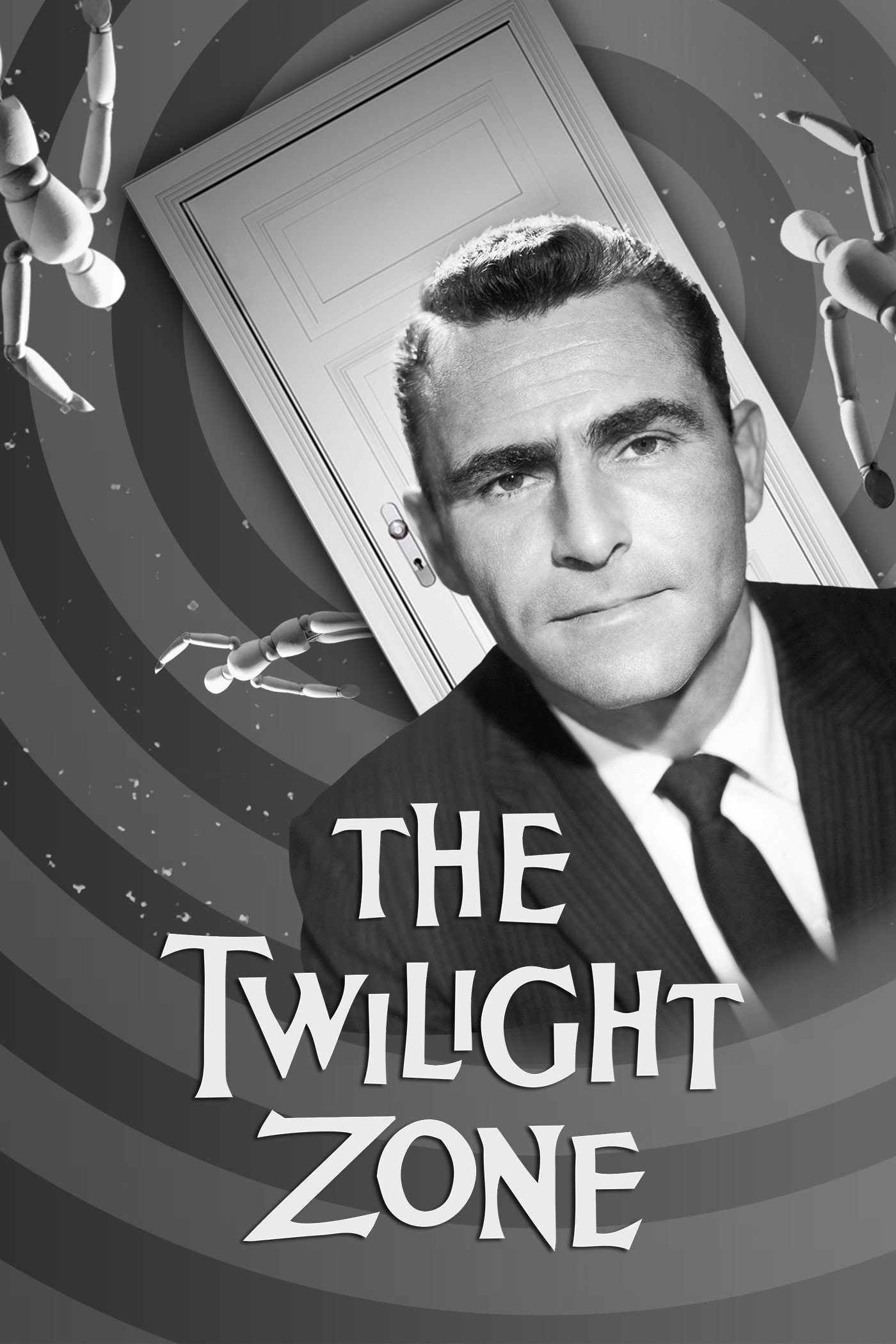
He directed his first feature, Cradle Song, in 1933 and went on to helm a series of Paramount comedies and melodramas, among them Easy Living (1937), Midnight (1939), Remember the Night (1940), Death Takes a Holiday (1934) and Hold Back the Dawn (1941). Later credits include No Man of Her Own (1950). In the 1950s and 1960s he directed episodes of television series including The Twilight Zone (three episodes, 1959–1960), Wagon Train and Thriller.