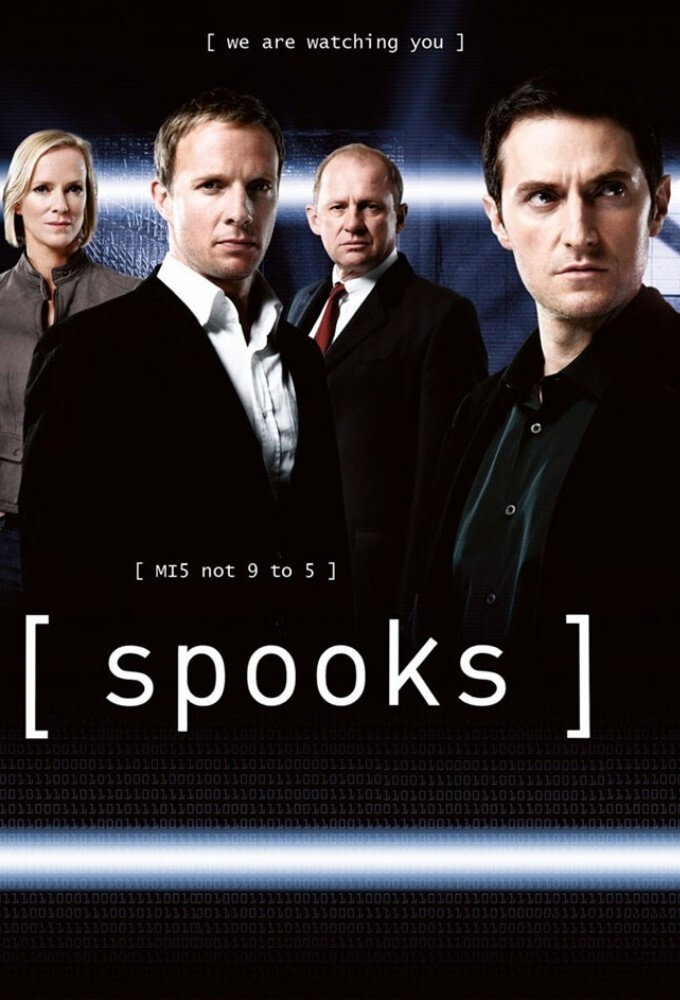
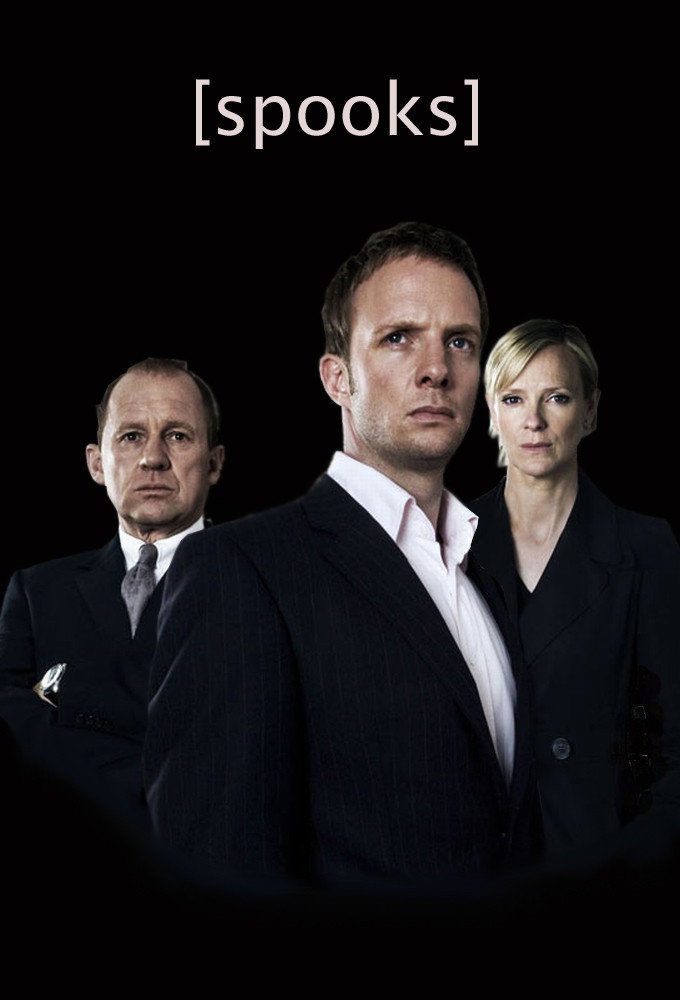
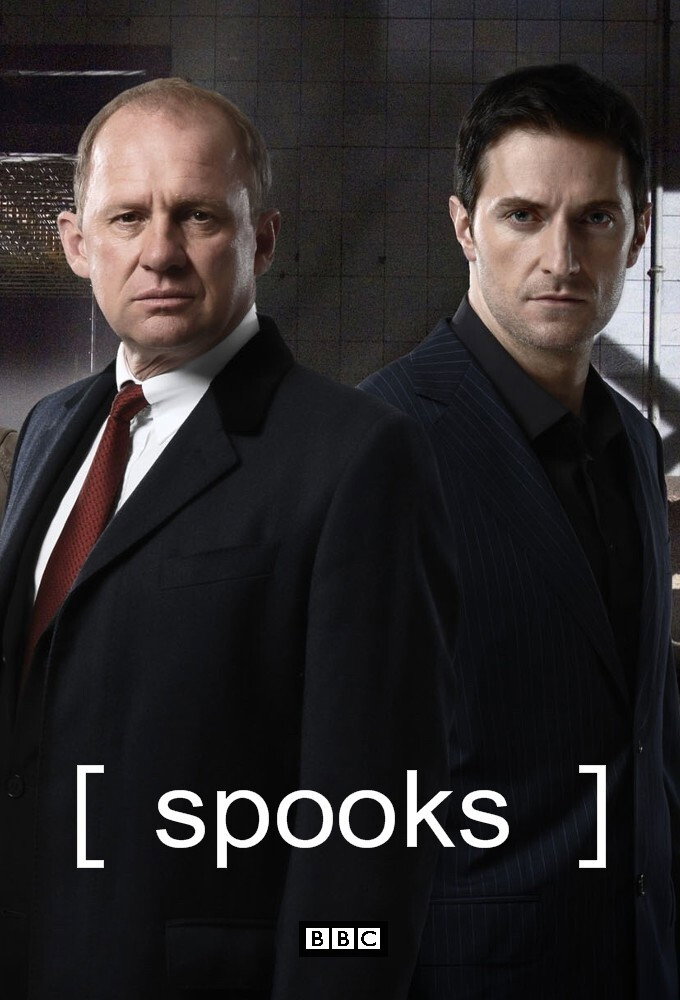
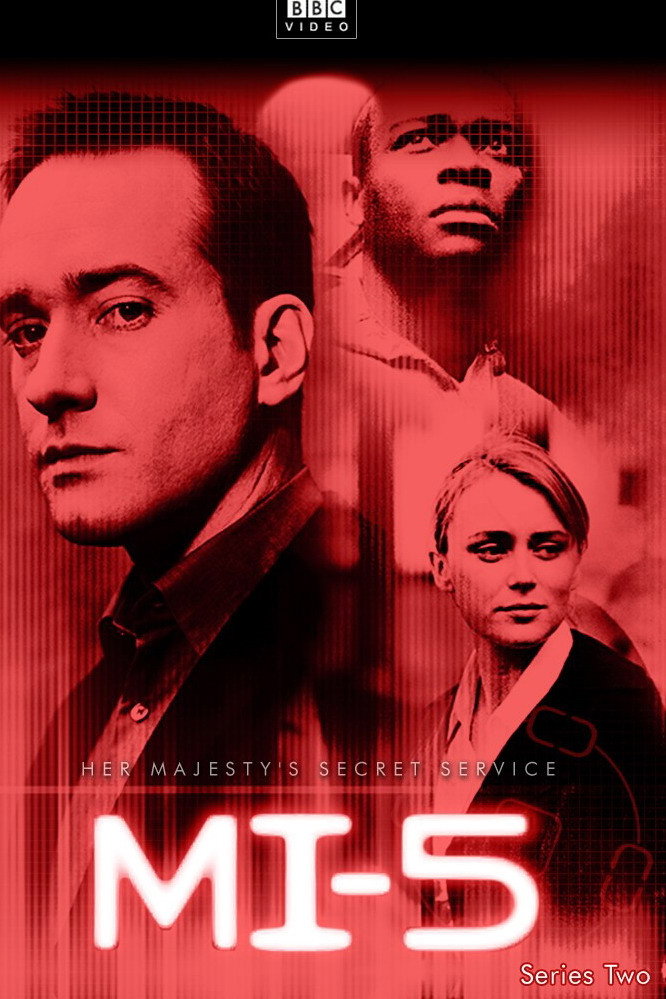
David Wolstencroft’s MI5 series is fast, glossy and, in its early years, colder and crueller than the surface suggests. It ran for ten series and should have stopped after five, but the first few remain some of the sharpest thriller television Britain has made.
The proposition of Spooks is that spying is a job. Not a calling, not a game between gentlemen, but shift work done by tired people in an office with too much glass, who lie to their families and are shouted at by politicians. David Wolstencroft’s series began on 13 May 2002 with six episodes and kept going for ten series and 86 hours, until 2011. Our verdict is that the early series are as good as British thriller television got in those years, and that the later ones keep the pace while losing most of the point. It is worth your evenings, with a clear instruction about when to stop.
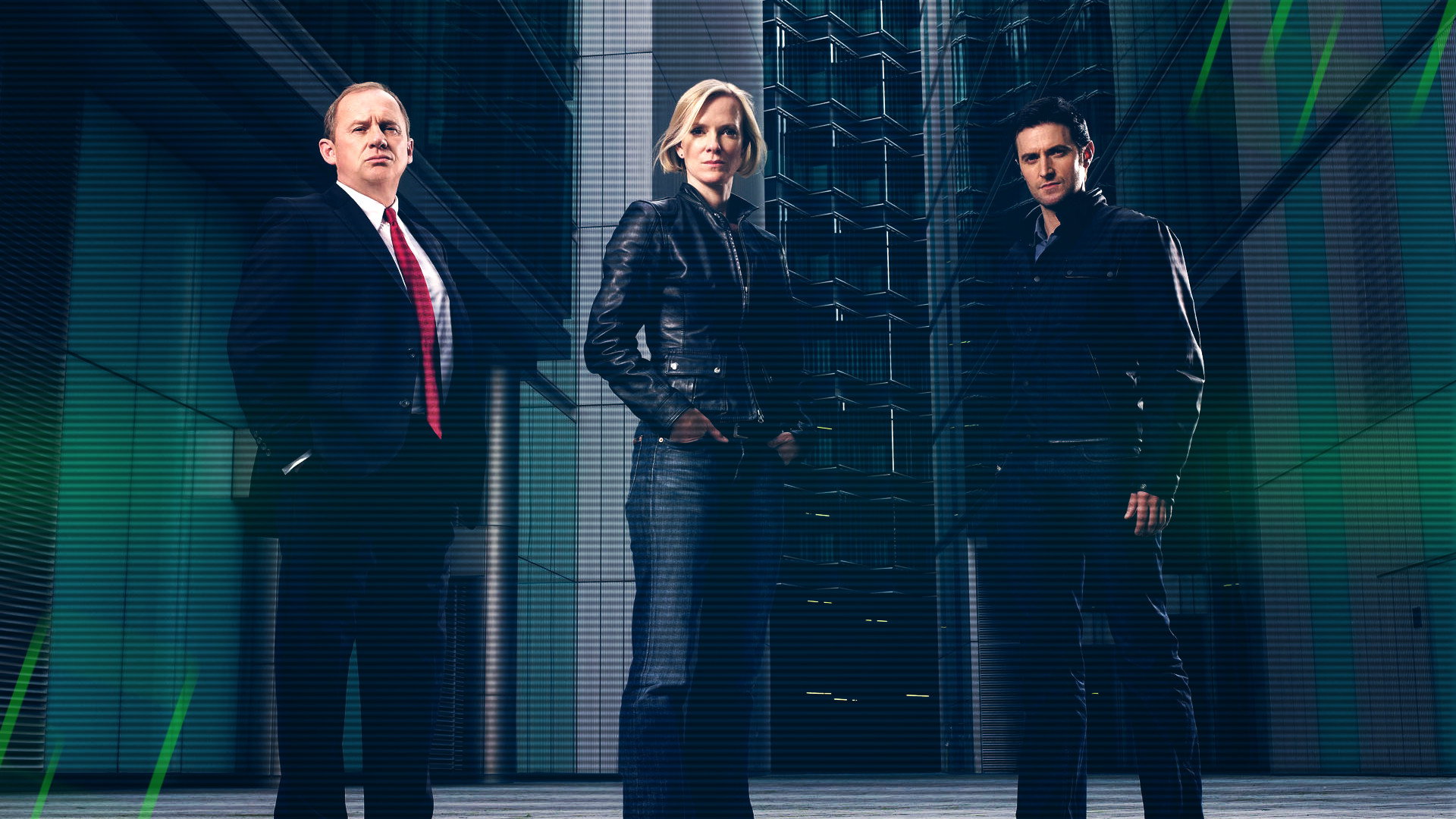
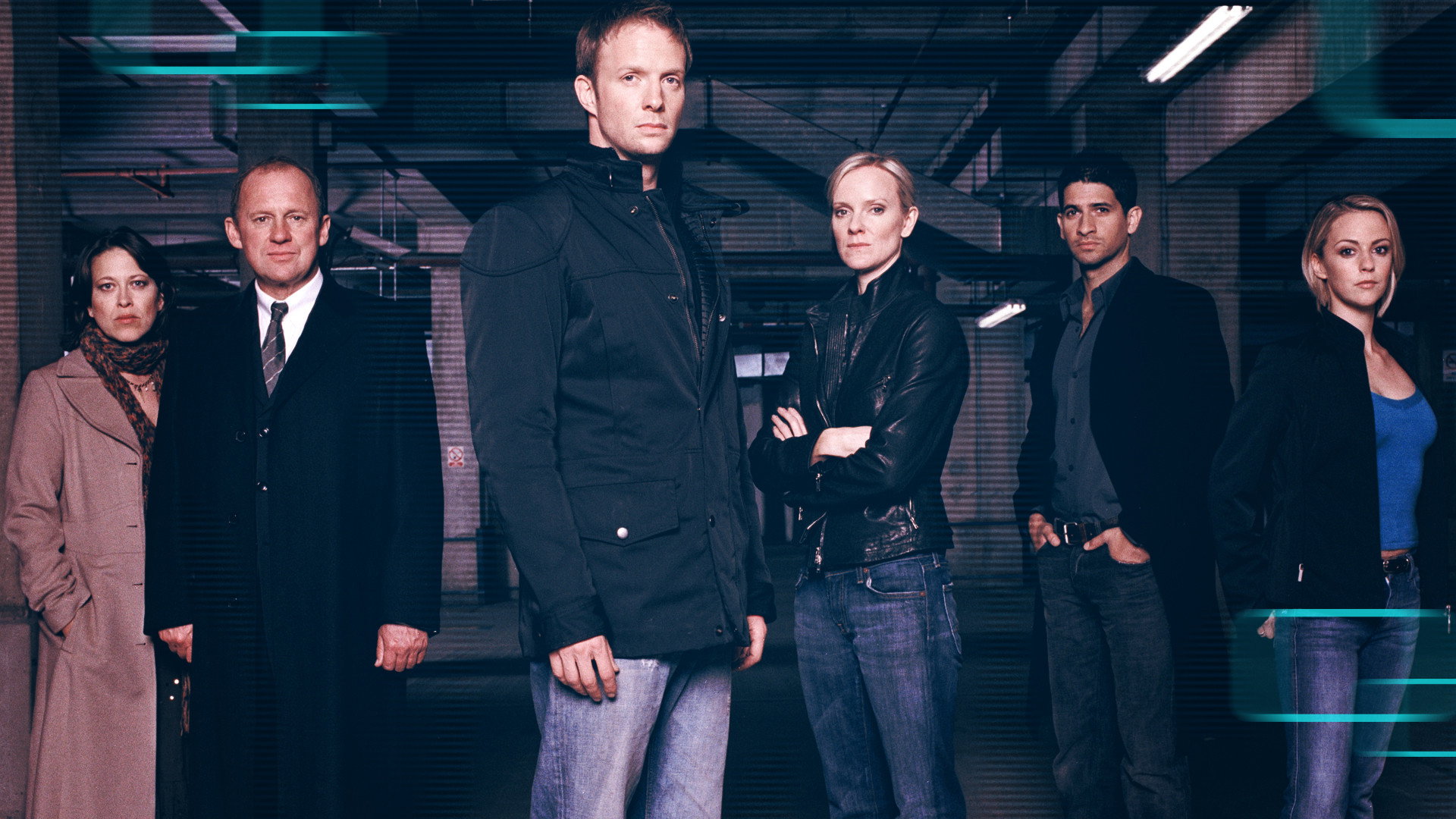
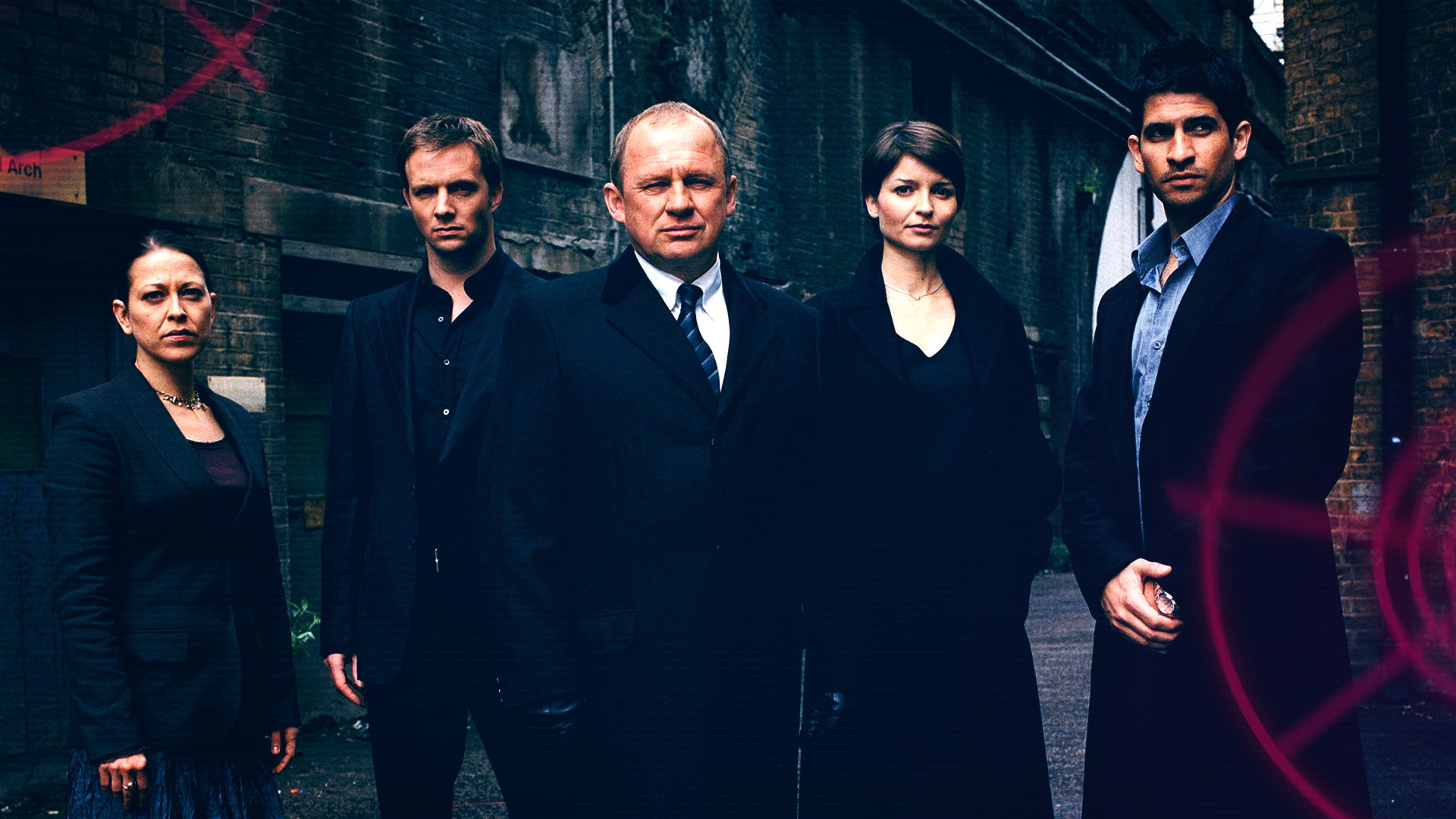
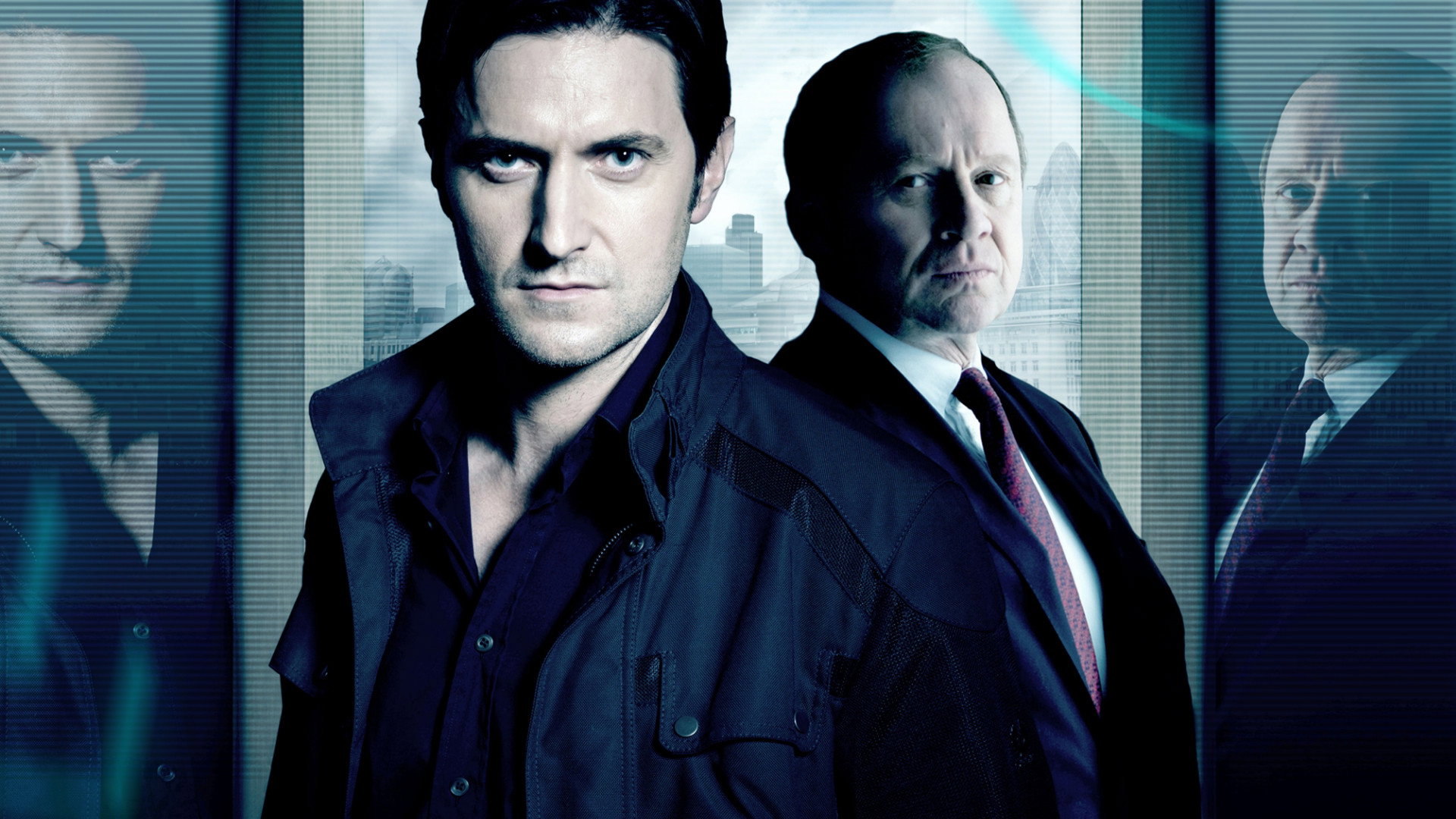
The look was new for the BBC and has been borrowed ever since. The Grid is a set of blue-lit glass partitions and banks of monitors, and the series shoots London as steel, grey river and concrete underpass. Surveillance is shown in split screen, three or four panels at once with a timestamp running, so we are watching the watchers watch. A long roster of cinematographers passed through, Sue Gibson and Sean Bobbitt among them, and a longer roster of editors, including Barney Pilling and Jonathan Amos, and the house style held: short scenes, hard cuts, a clock always ticking somewhere in the frame. It is a style that can hide thin writing, and later it did. Early on, it is put in service of scripts that know what a dead letter drop is.
The second episode does something to a member of the team that we will not describe. We were horrified, and then we noticed we had sat forward. It was the moment the series told its audience the rules: nobody is protected by their billing, and the people who do this work are not going to be rewarded for it. Wolstencroft and the writers who followed, Howard Brenton, Neil Cross and Dennis Kelly among them, understood that a thriller is frightening in proportion to what it is willing to take from you, and for several years they took a great deal.
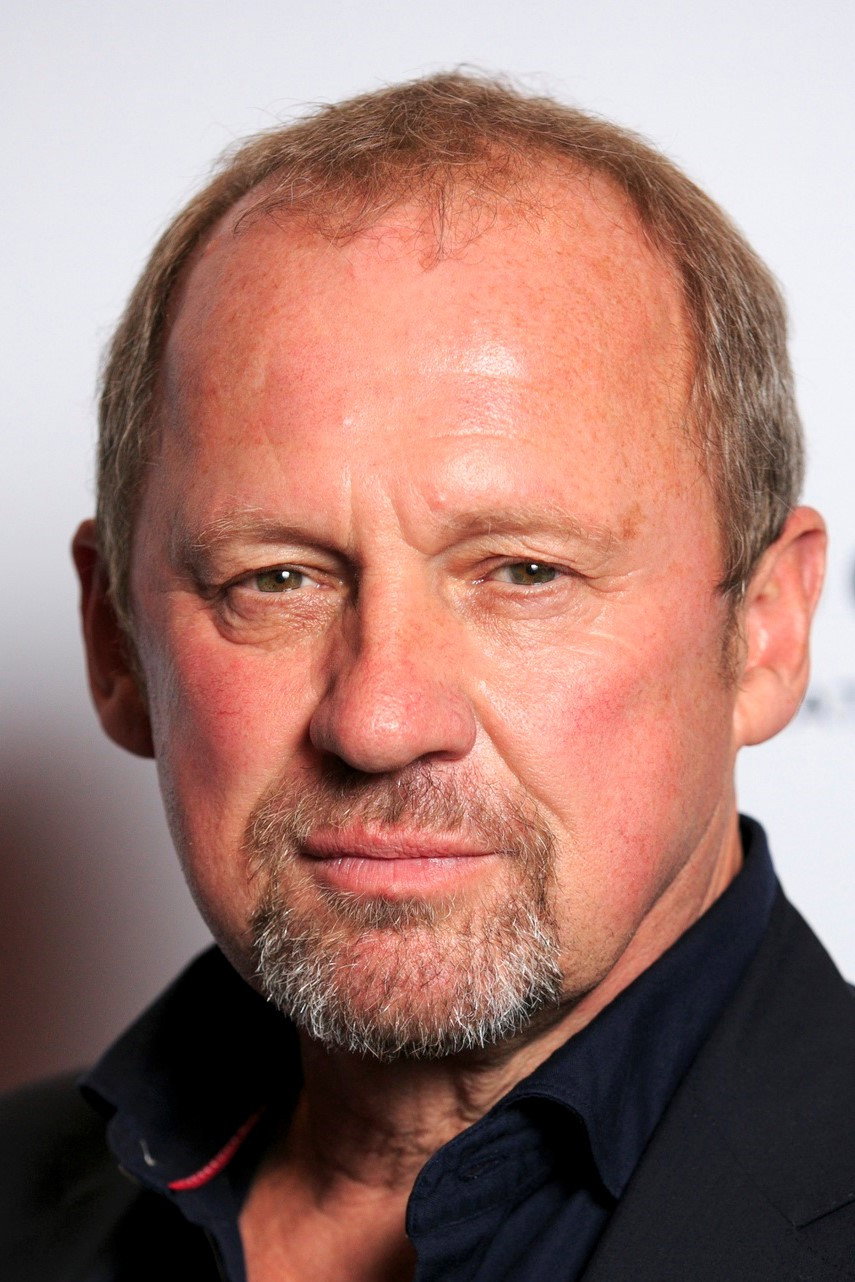
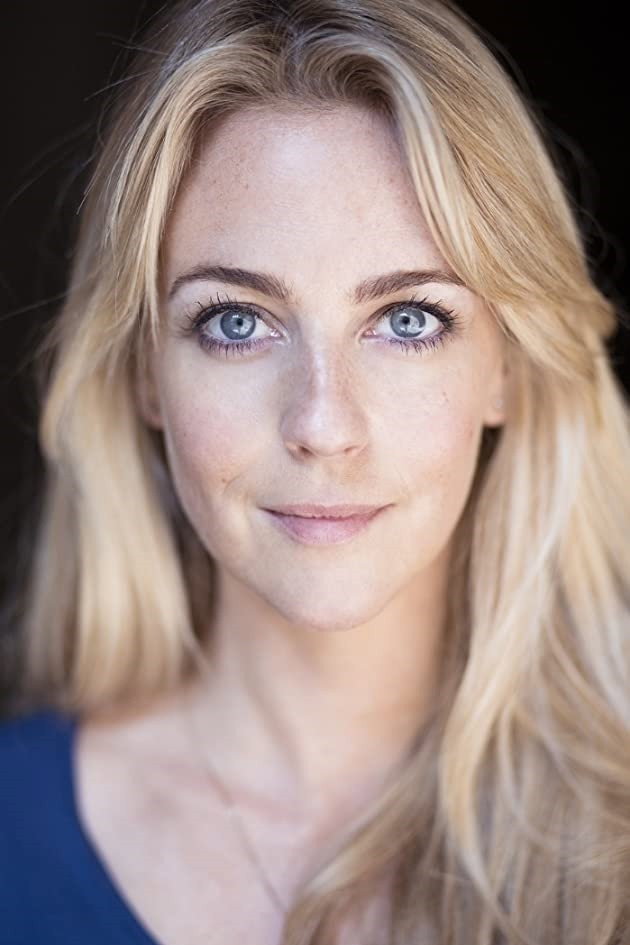
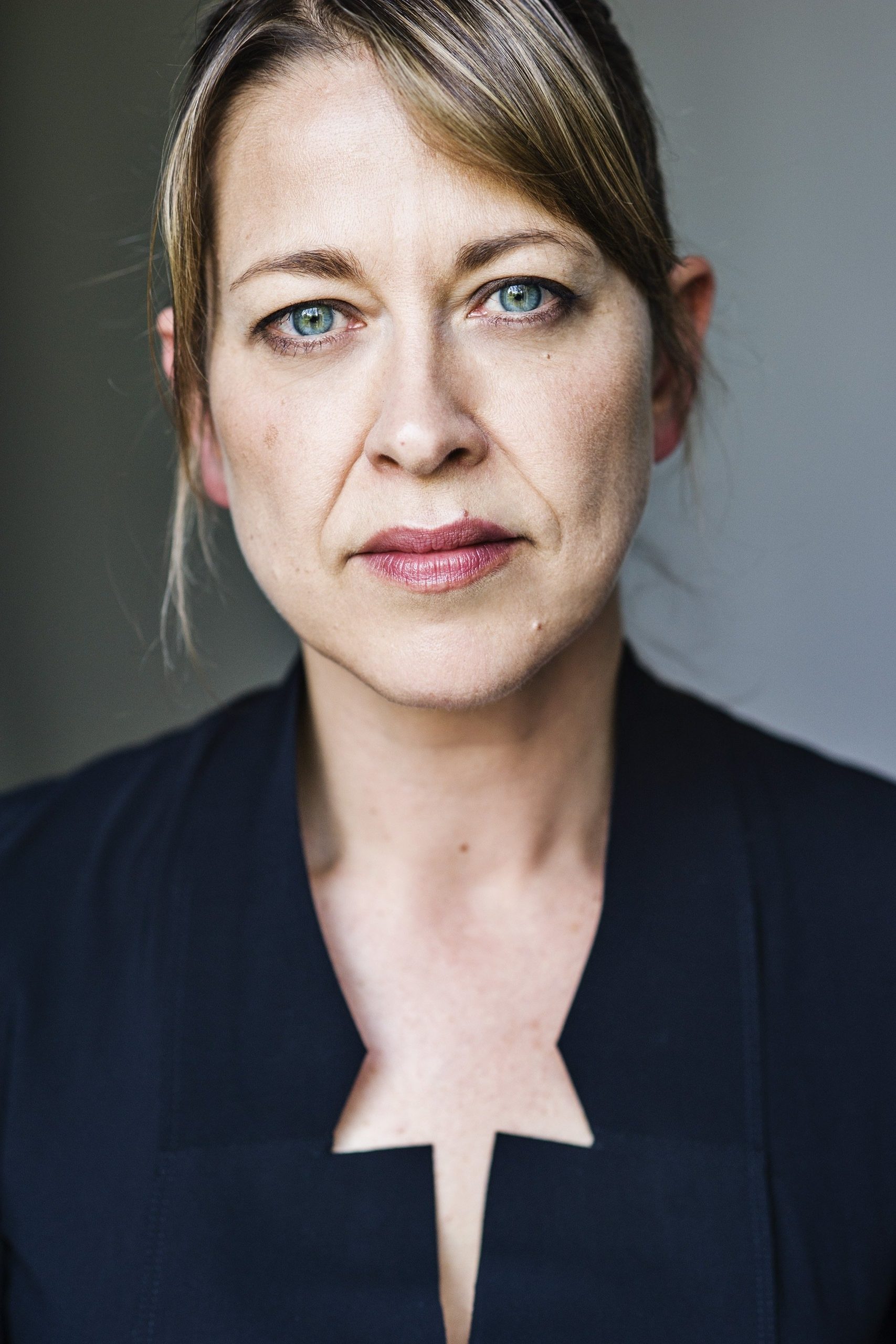
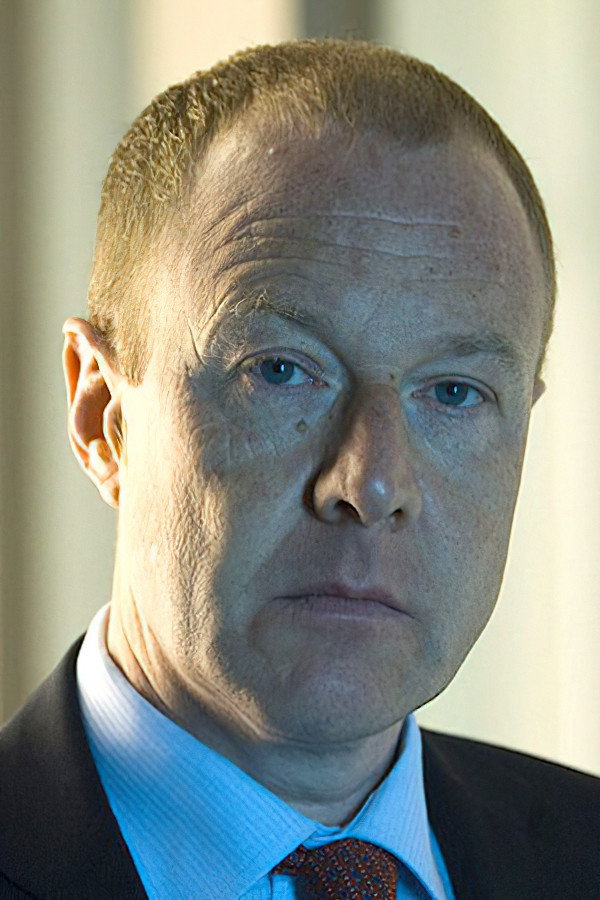
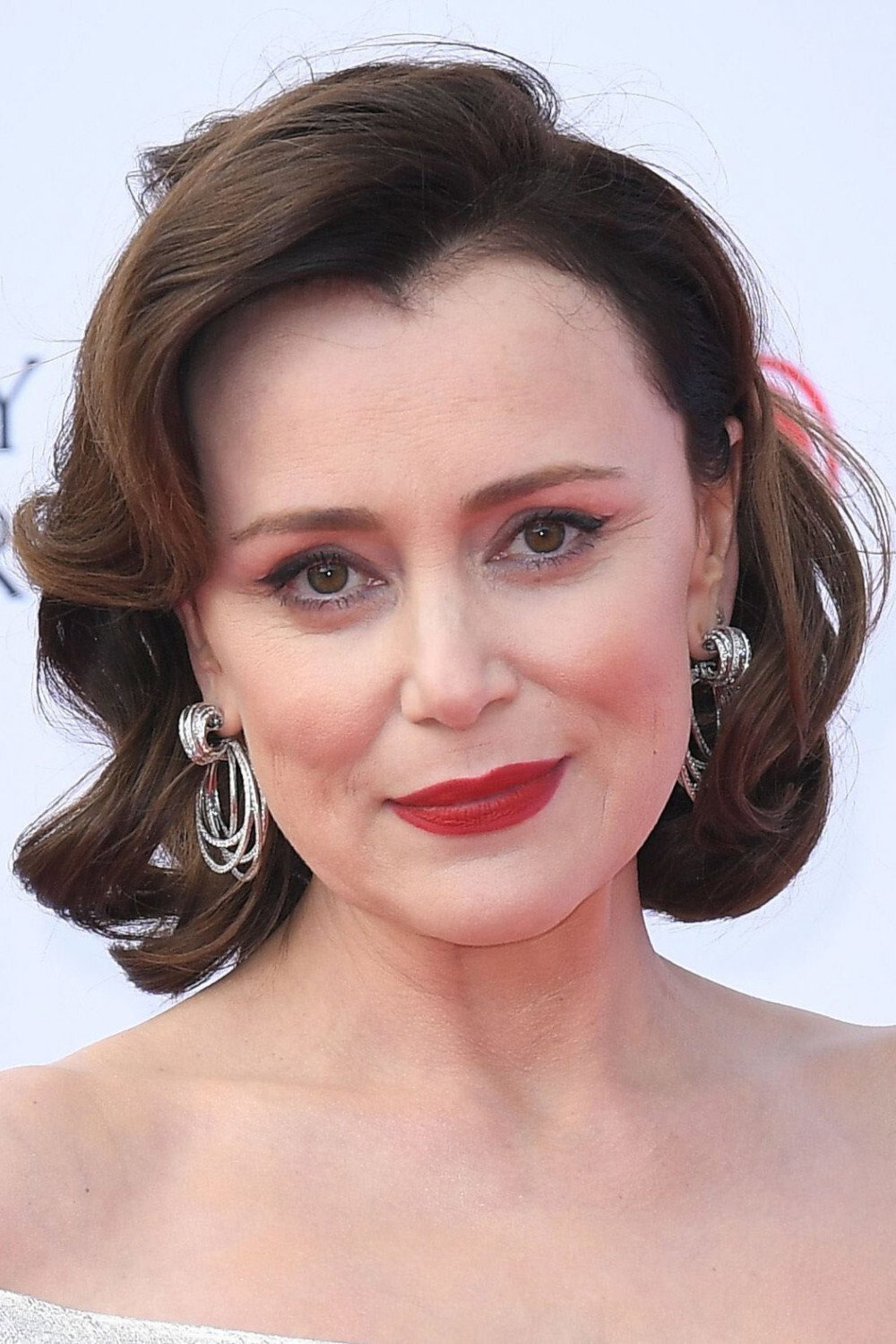
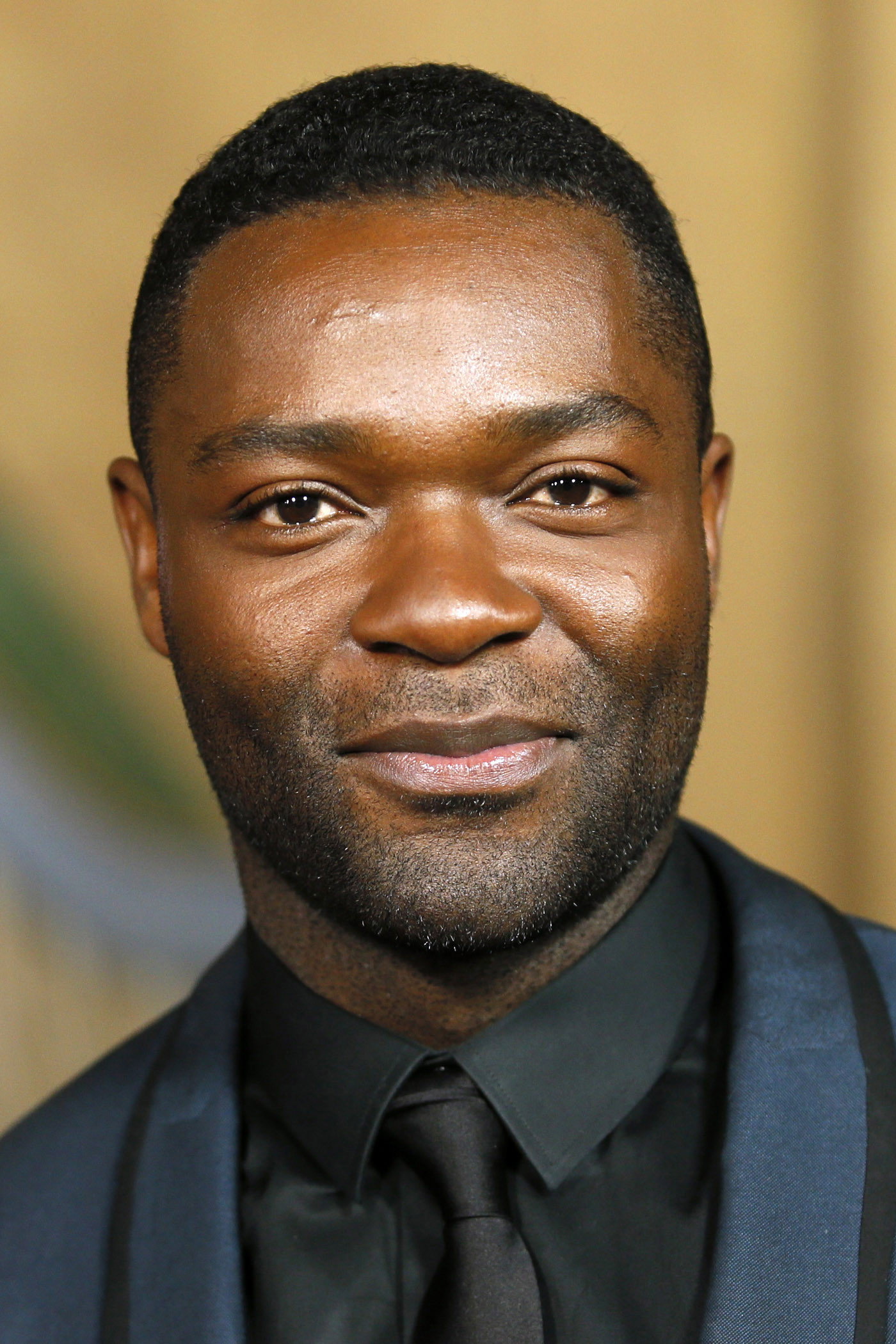
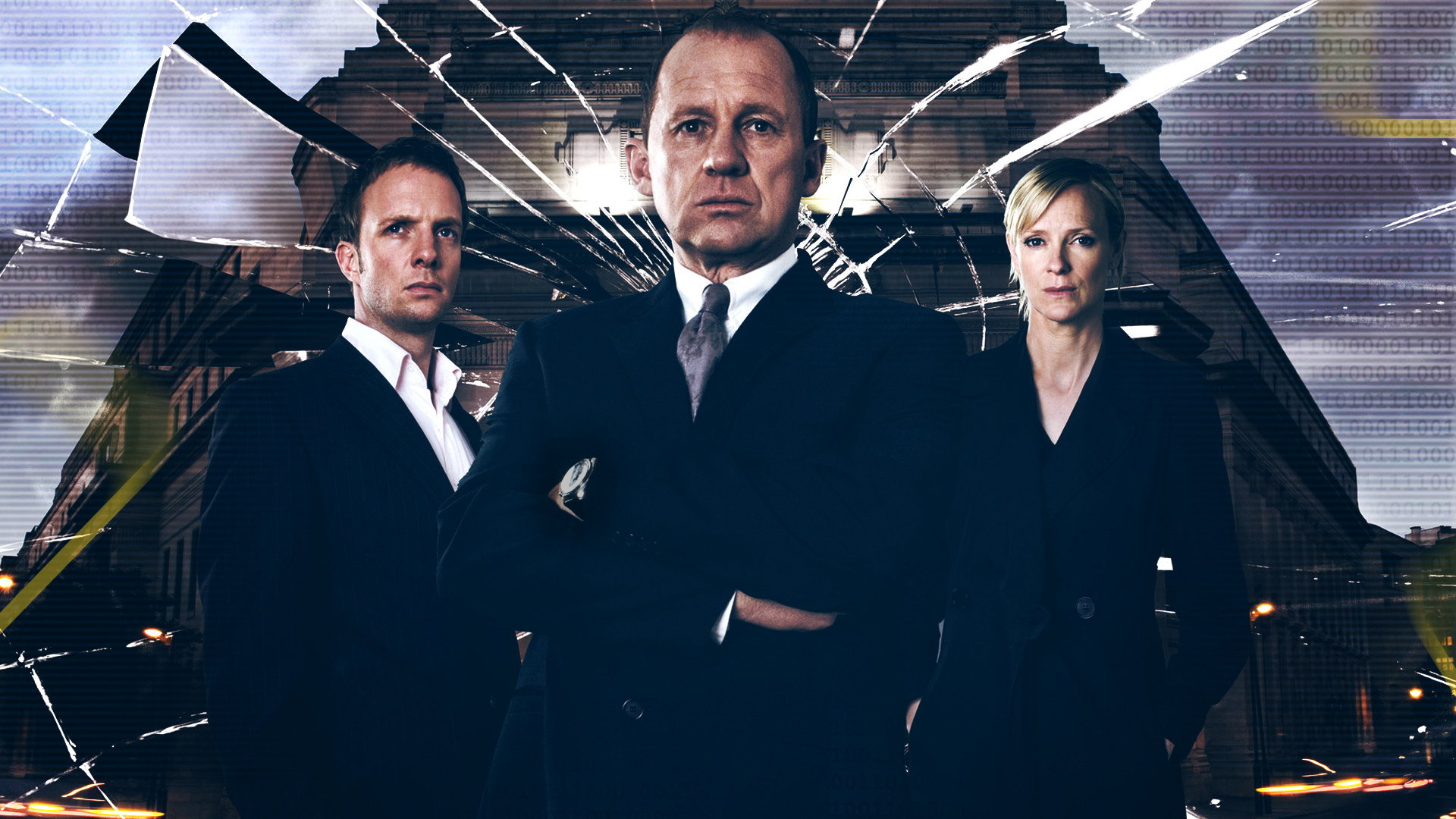
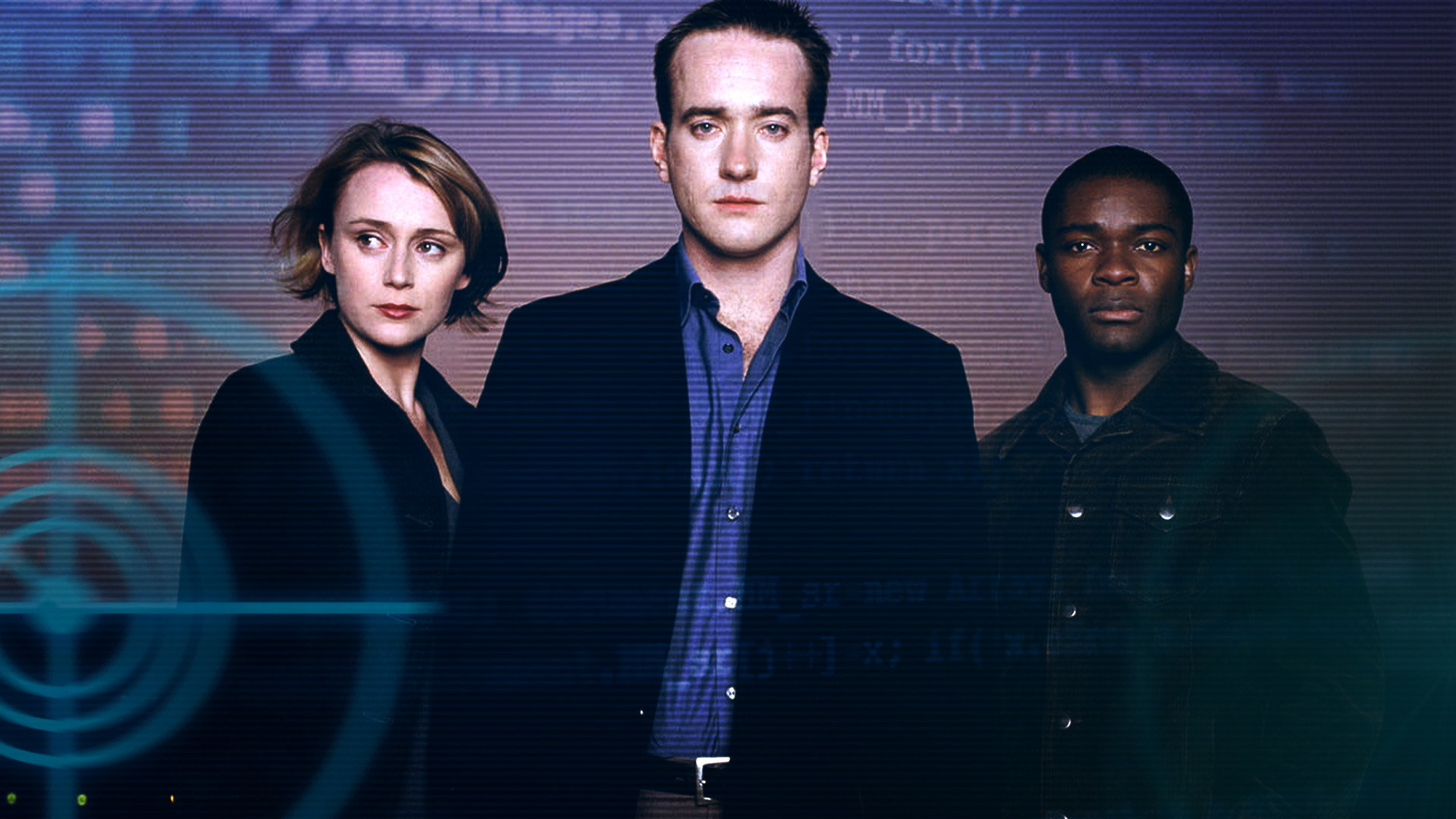
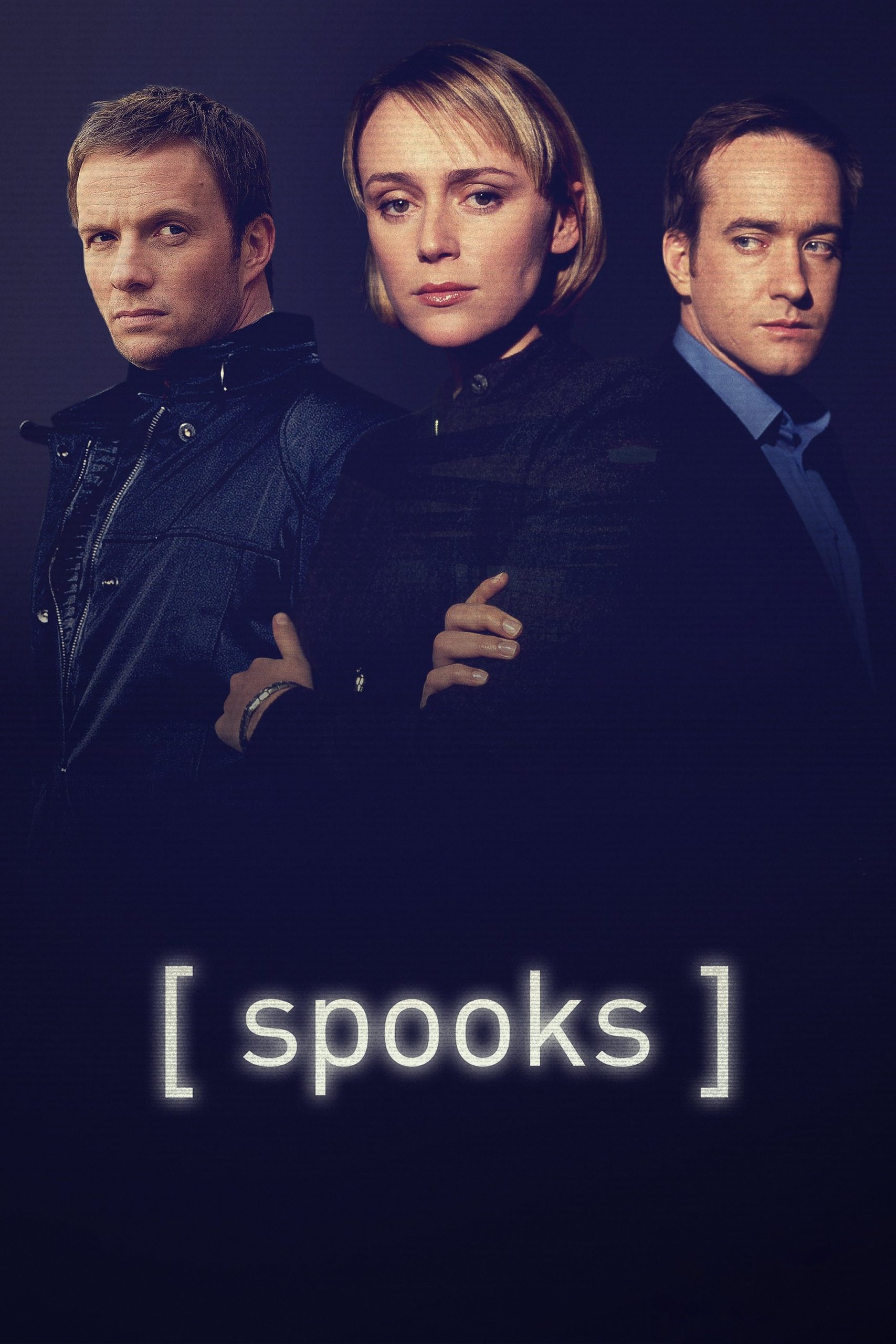
Peter Firth is the reason to keep watching when the plots wobble. Harry Pearce is played almost entirely in the pause before he speaks, and Firth can make a man reading a file look like a man deciding whether to end a career. Keeley Hawes and David Oyelowo give the first series its warmth, two young officers who still think they can have lives. Nicola Walker arrives in series two as Ruth Evershed, an analyst who says the awkward true thing in meetings, and her scenes with Firth become the most adult strand the programme has. We will not say where it goes. Hugh Simon’s Malcolm Wynn-Jones is the quiet man with the soldering iron whom everyone underestimates, including the writers, and Anna Chancellor’s Juliet Shaw is the Whitehall voice that turns up to remind Harry who pays for the building.
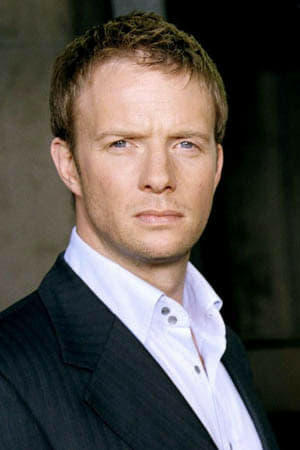
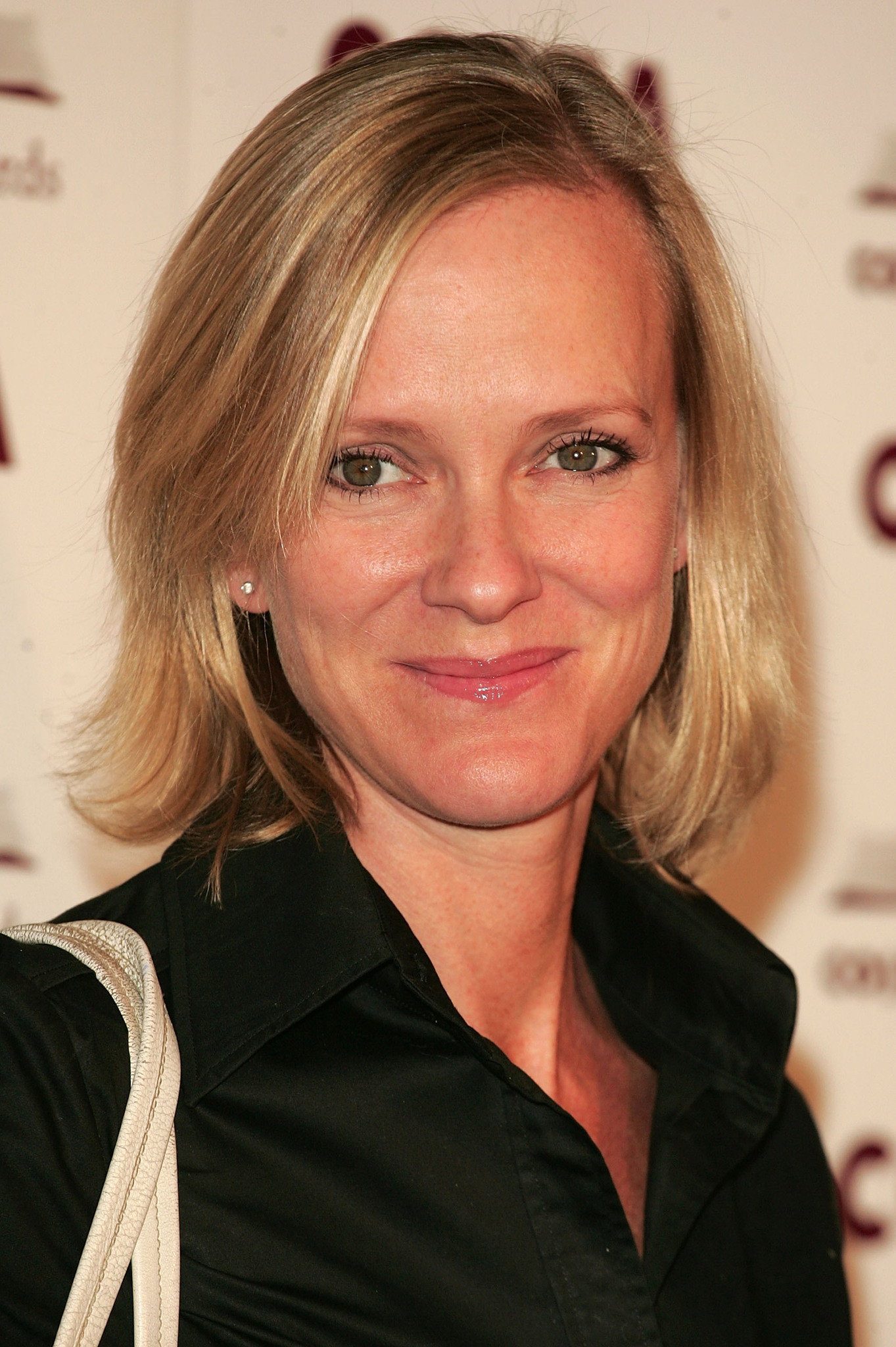
The later arrivals are more variable. Rupert Penry-Jones’s Adam Carter is a handsome man given handsome-man problems. Hermione Norris’s Ros Myers is the best of them, an officer who answers every question with a colder one, and she carries the middle series almost alone. By the time Lara Pulver’s Erin Watts and Max Brown’s Dimitri Levendis take their desks, the turnover has become a formula. A new face arrives, is given a flat and a secret, and is spent.
The threats inflate at the same rate. The first series worried about one bomber and a mole. Later series threaten London with something on the scale of a war roughly every other week, and the tradecraft that made the early hours convincing, the tailing, the dead drops, the borrowed identities, gives way to laptops that can do anything the plot needs in the time it takes to say so. We found ourselves bored by the end of a series in which the country was, again, minutes from ruin, and then irritated at being bored by something that had once made us flinch.
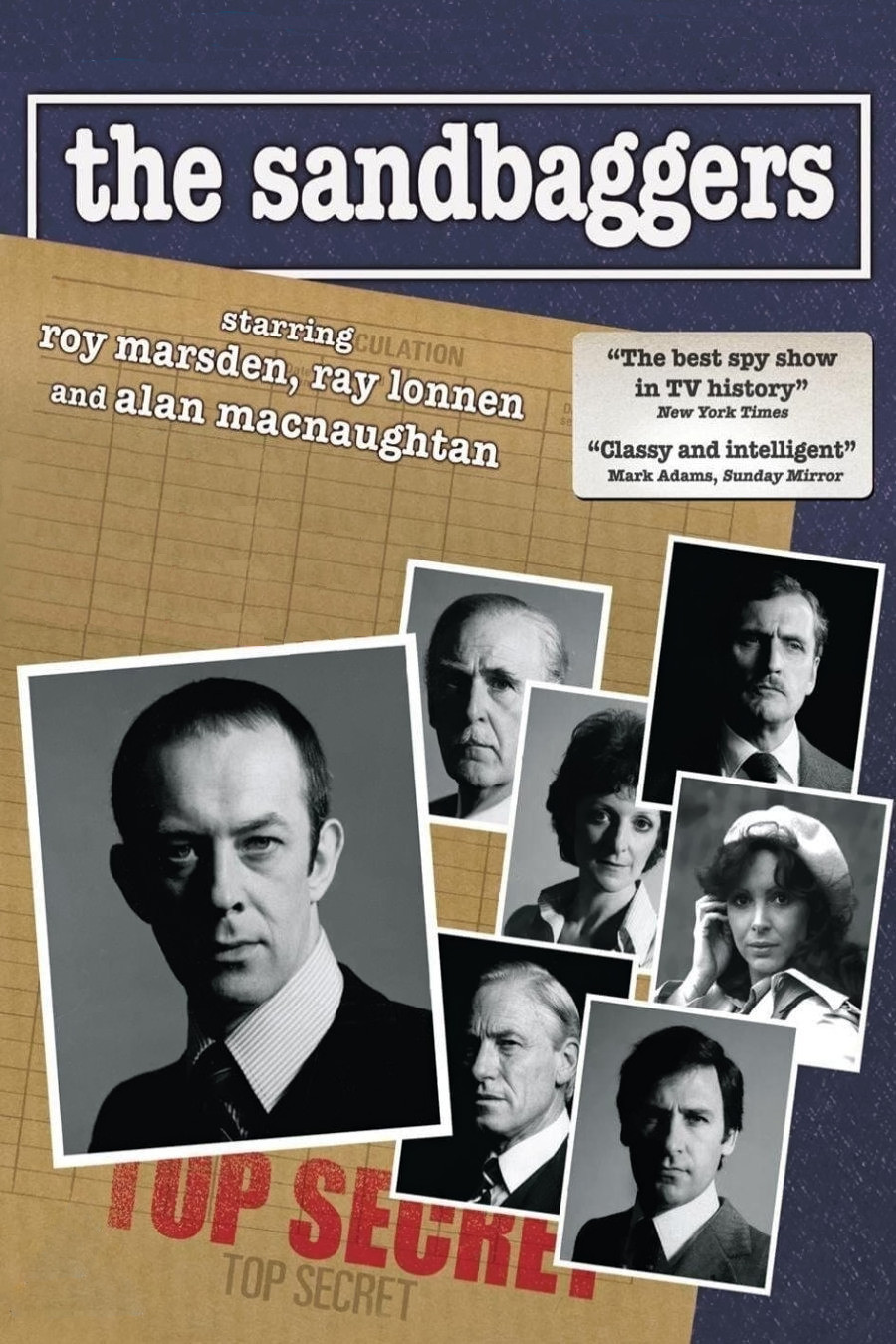
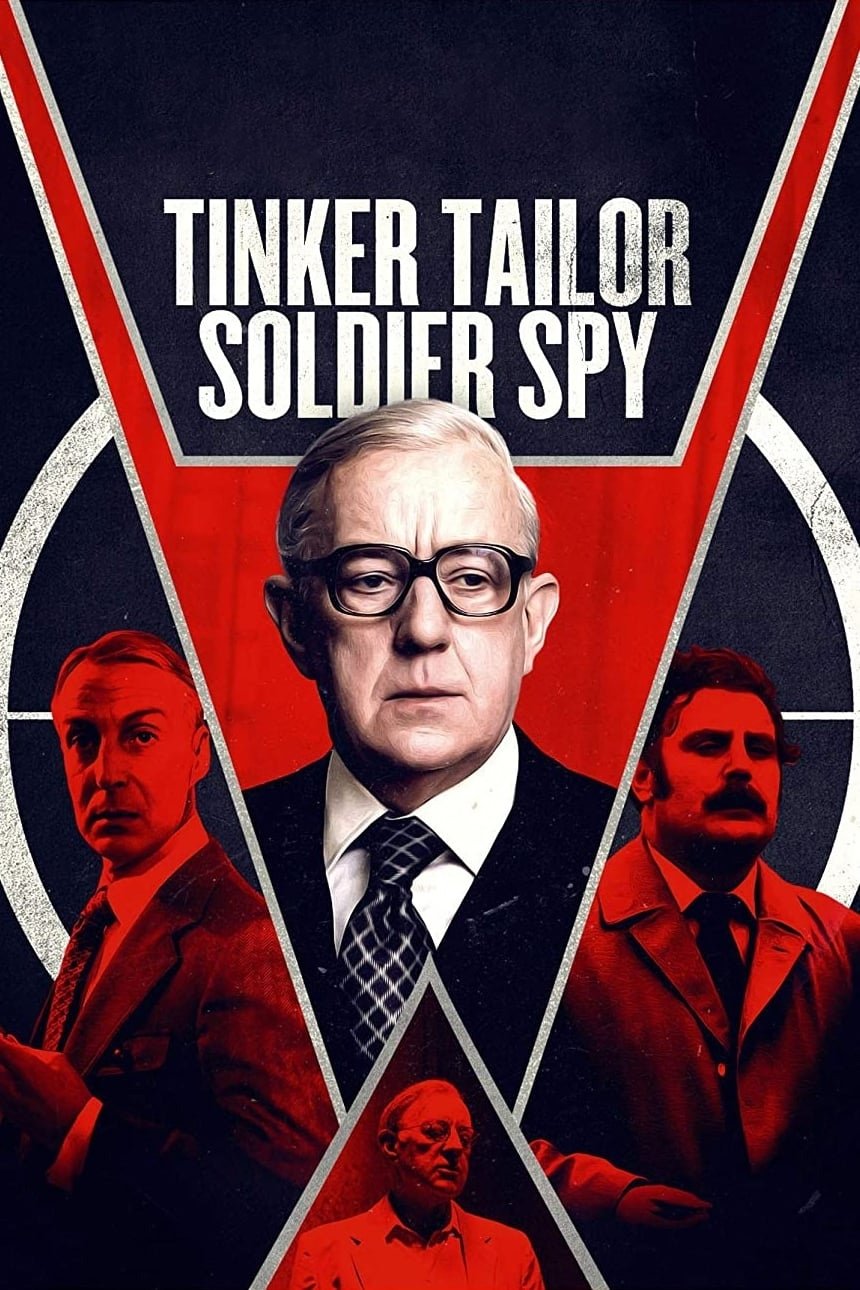
Against The Sandbaggers or the Le Carré adaptations, this is louder and far less patient. Against its American contemporaries, it is smaller, cheaper and more willing to lose, and that willingness is its real distinction. Watch the first three series, and the fourth if you have grown fond of the office. Stop when you notice that a death no longer costs you anything. It is a 15, and the certificate is earned by the ideas as much as the violence.