A Cold War spy thriller with a light step and a good record collection. The first season is brisk, funny and sharp about East and West alike; the two that follow travel further and land less often.
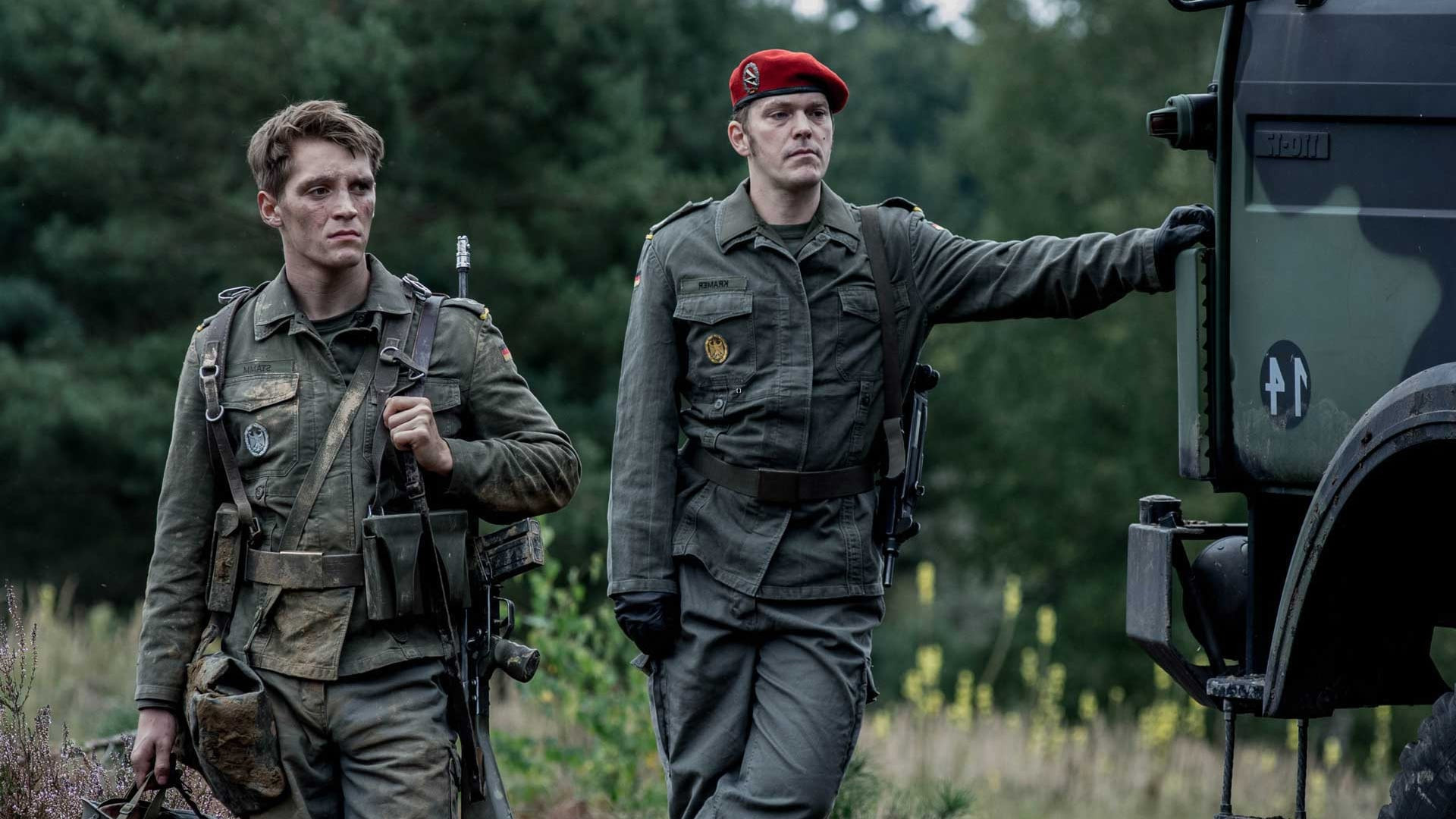
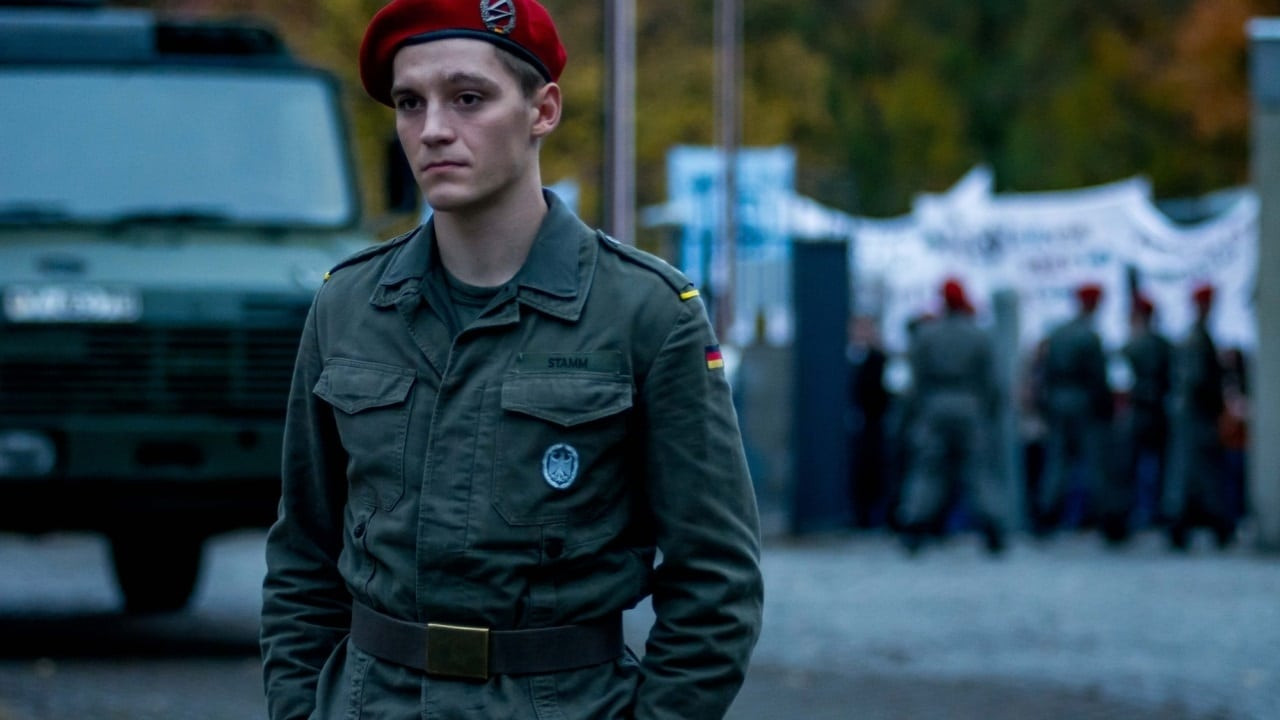
Anna Winger and Jörg Winger’s series takes the most frightening year of the late Cold War and treats it, for long stretches, as a comedy of manners. A young East German border guard is drugged, renamed and posted to Bonn to spy on the West German army, and the first thing that undoes him is a supermarket. Across three seasons, Deutschland 83, Deutschland 86 and Deutschland 89, the idea holds up for about one and a half of them. The first eight episodes are a proper pleasure. The eighteen that follow are worth having, with reservations.
Jonas Nay is the reason it works. His Martin is neither a natural spy nor a fool, just a decent, slightly slow-witted young man who does what he is told and is startled to find he is good at it. He plays the West as a series of small shocks: the food, the music, the fact that nobody asks who he is. Maria Schrader’s Lenora is his opposite, dry, unhurried and quite without shame about using her own family, and their scenes together carry a charge the plots do not always earn. Sylvester Groth gives Schweppenstette the tired, cardiganed menace of a man who has signed many forms.
Edward Berger and Samira Radsi direct, and they shoot the two Germanys as different climates. Bonn is warm and saturated, brown leather and orange lampshades and sun through net curtains. The East is the green of a hospital corridor and the grey of a concrete stairwell, lit as if someone were counting the electricity. The music does the rest. Nena’s 99 Luftballons is the anthem, and a break-in is cut to Eurythmics as though the jukebox were on the spies’ side, which in this show it usually is.
We will own a reaction. Early in the first season Martin stands in the aisle of a West German supermarket and simply looks, and we found ourselves moved by Nay’s face in a way we had not expected from a scene about groceries. It is not played for a laugh, and it tells you what the show thinks the wall divided. By the end of that season we were rooting for a Stasi agent to get away with it, and were not entirely comfortable about that, which is the point.
The plotting is the weakness, and it grows. Martin is the only spy the HVA appears to own, so he must steal the report, plant the bug, seduce the secretary and turn up at the summit, and the coincidences that put him in the right corridor pile up. The general’s household in Bonn slides towards soap. Sonja Gerhardt’s Annett, left behind in the East, is given little to do beyond wait, and the series only later works out she is a character rather than a motive.
Deutschland 86, which arrived in October 2018, moves the game to Africa and the arms trade, adding Anke Engelke and Florence Kasumba to the cast, and tries to be about apartheid, capitalism and the bankruptcy of the East all at once. The lightness curdles; there is more plot and less Martin. Deutschland 89, in September 2020, has the better subject, a wall coming down and a secret service with nothing left to keep secret, and it rushes at it as if the money were running out. Schrader and Groth remain good throughout.
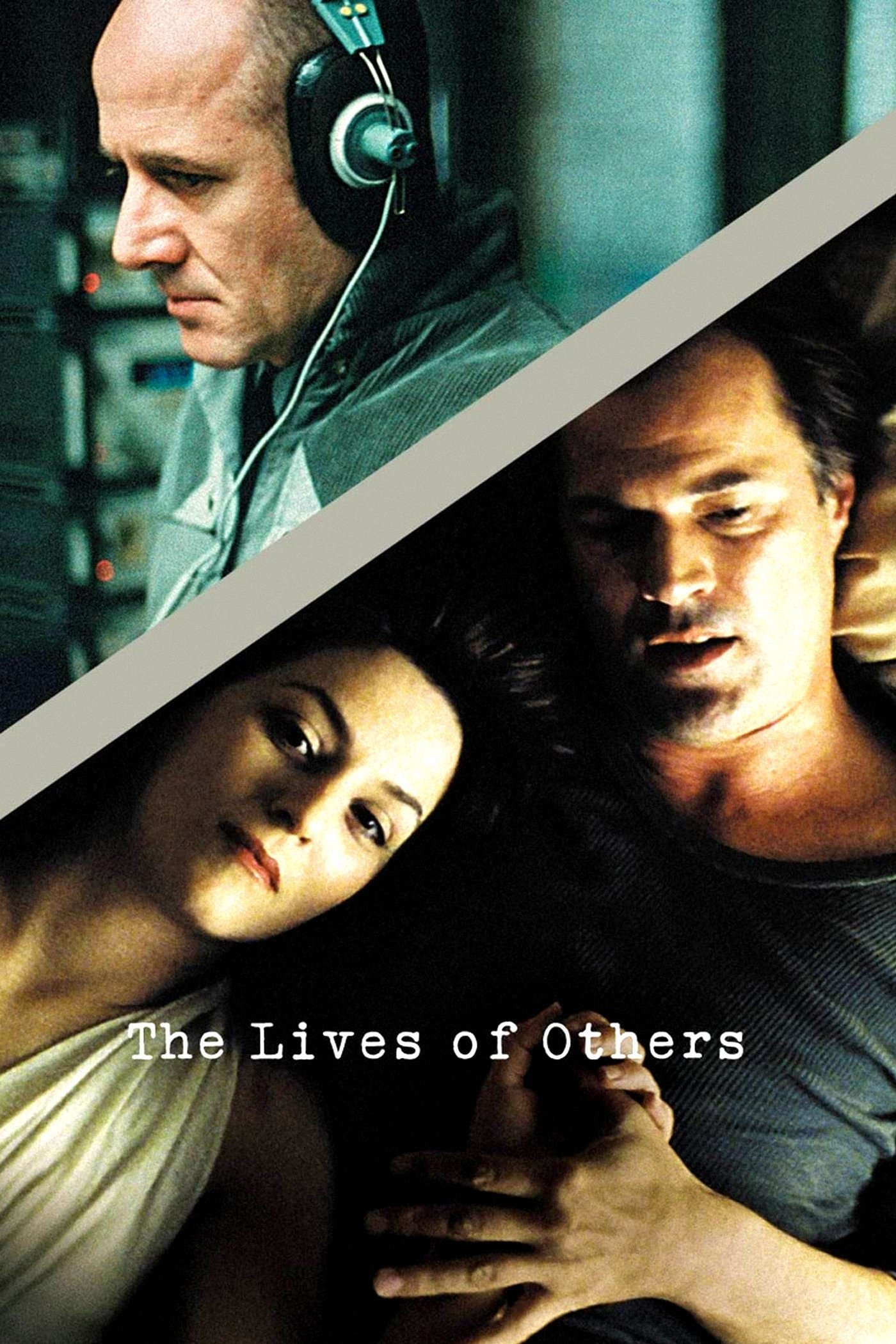
This is not le Carré. Nobody sits in a grey room being sad about betrayal; the series would rather put a Walkman on him and send him running. It is closer to The Americans, without that show’s patience, and has none of the dread of The Lives of Others. What it has is affection for both sides and a clear eye about what each had to offer.
Watch the first season over two or three evenings, in German with the subtitles, at an hour an episode. If you have grown fond of Martin and his aunt by the end, carry on, and forgive the later runs their overreach. If you have not, the wall comes down without you and you will not have missed a great deal.