Series review

The Americans

2013 · Created by Joe Weisberg · Series · MPA TV-MA

In a sentenceThe most convincing marriage on television belongs to two people who were introduced by the KGB

CrimeDrama

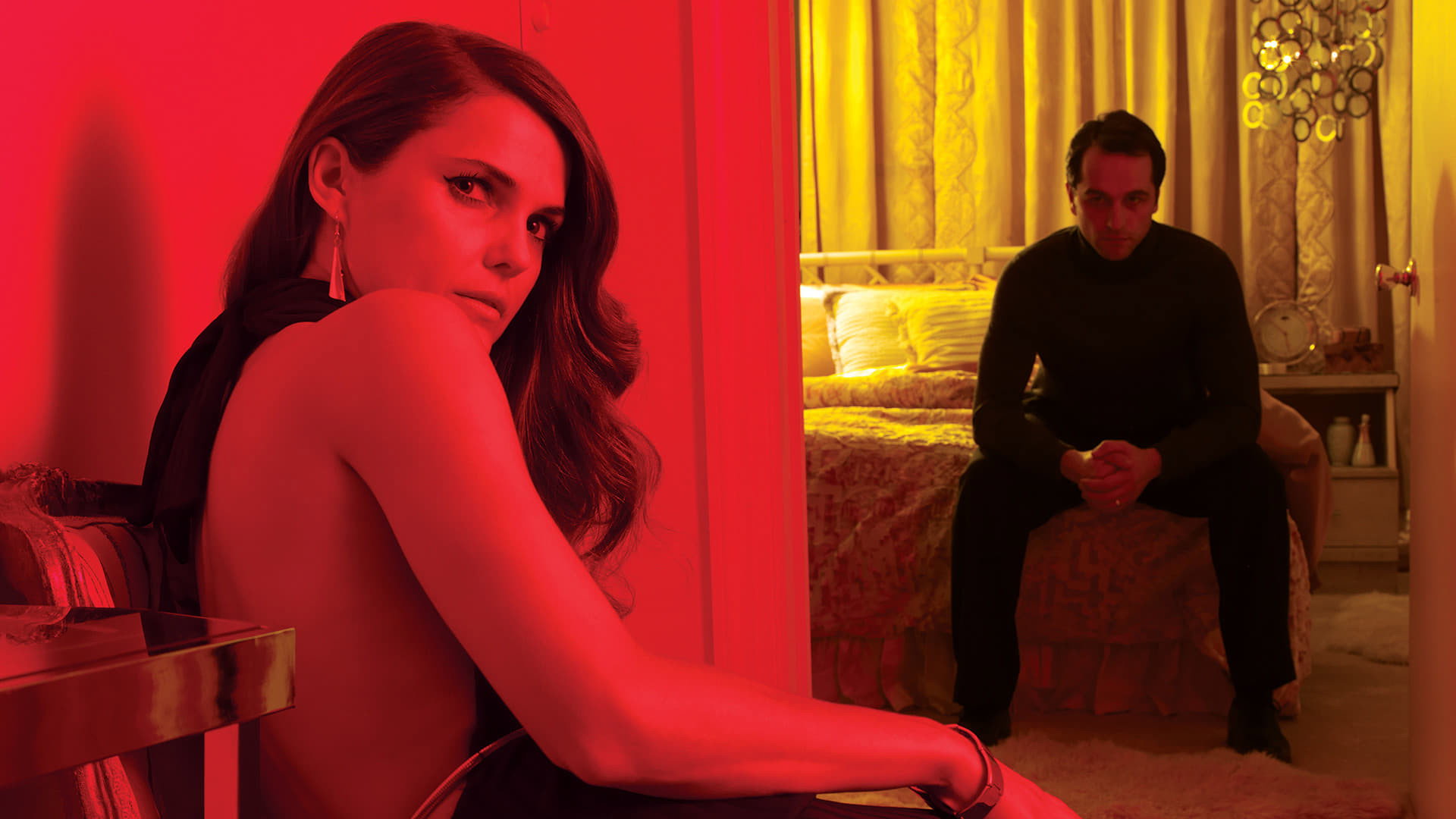
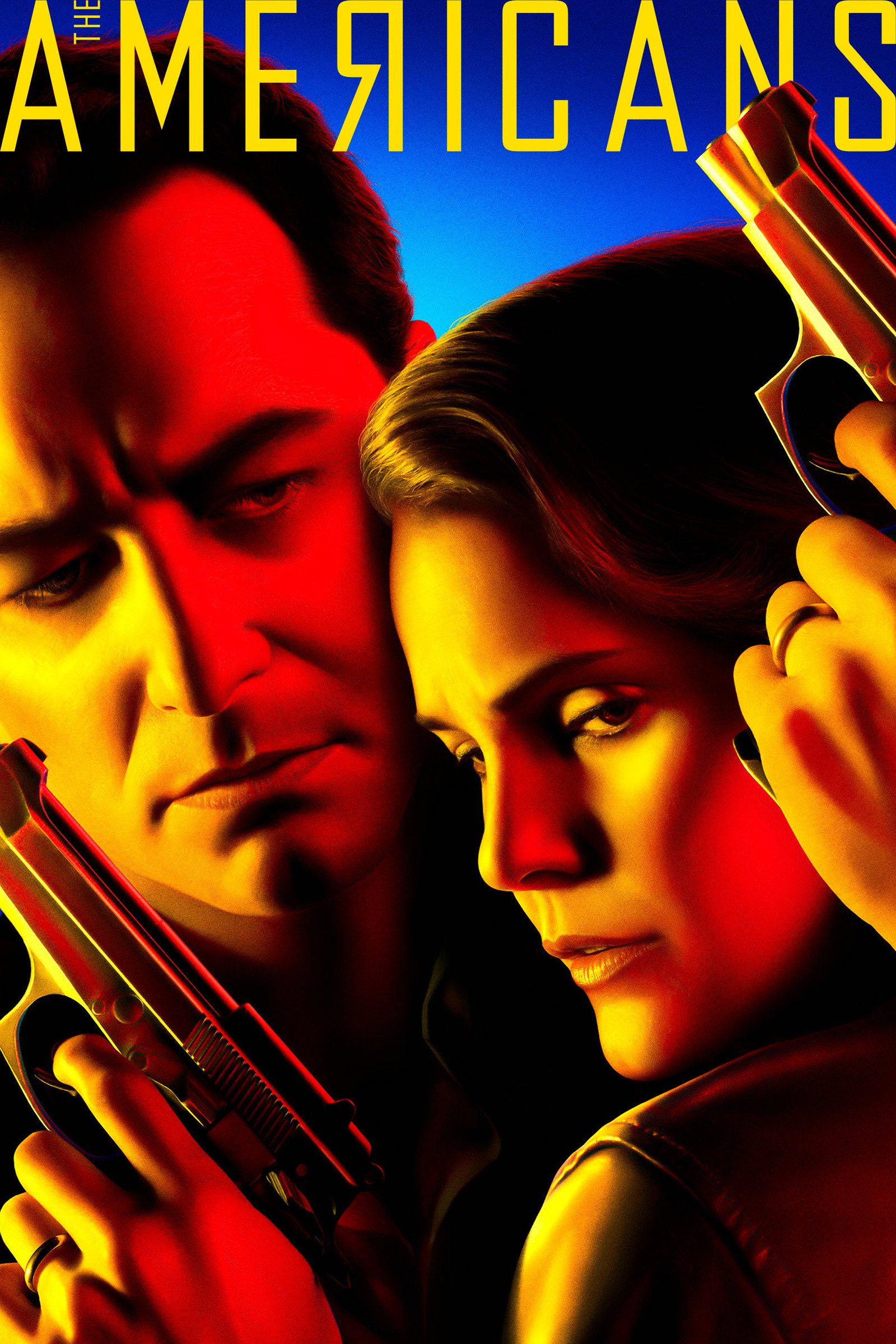
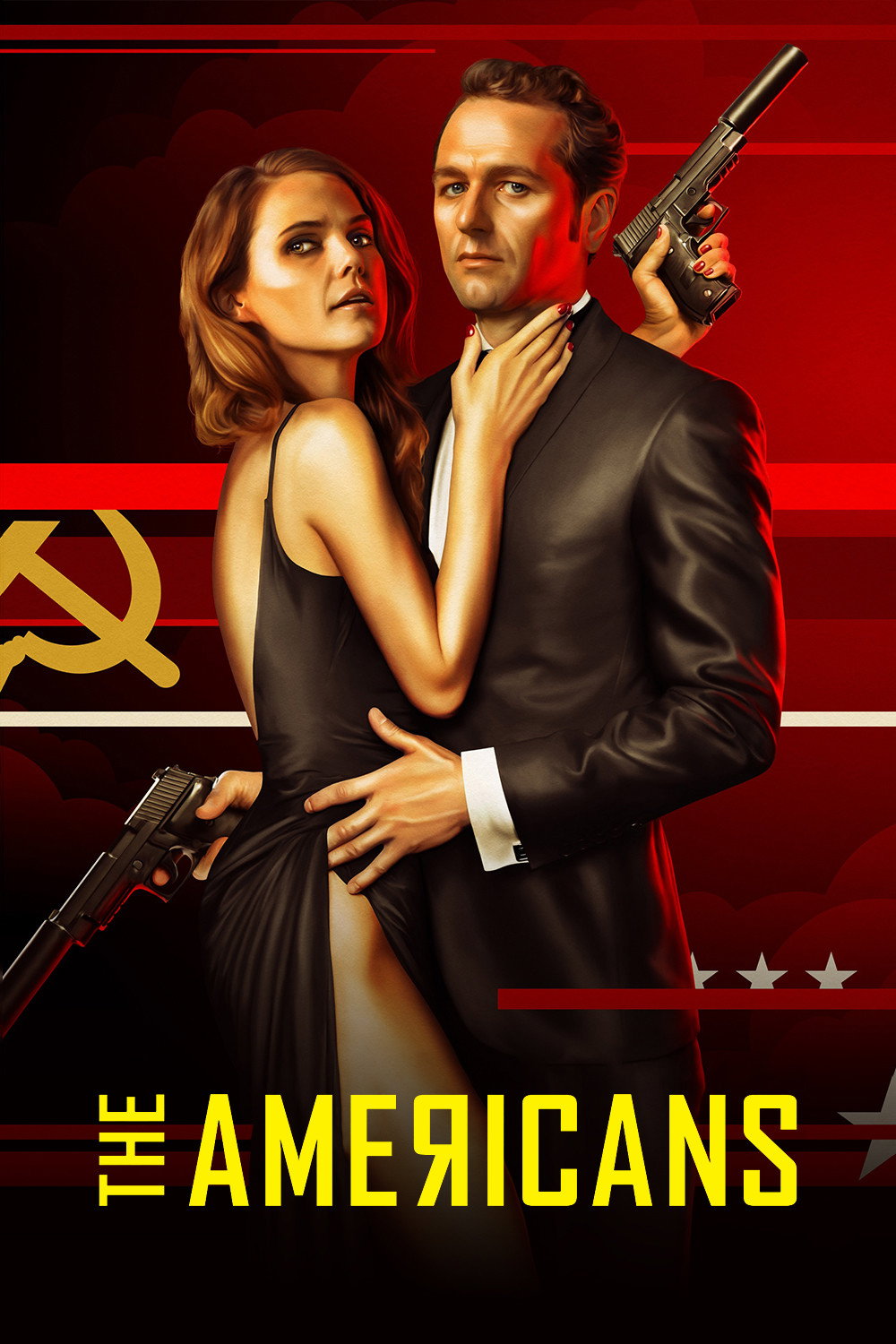
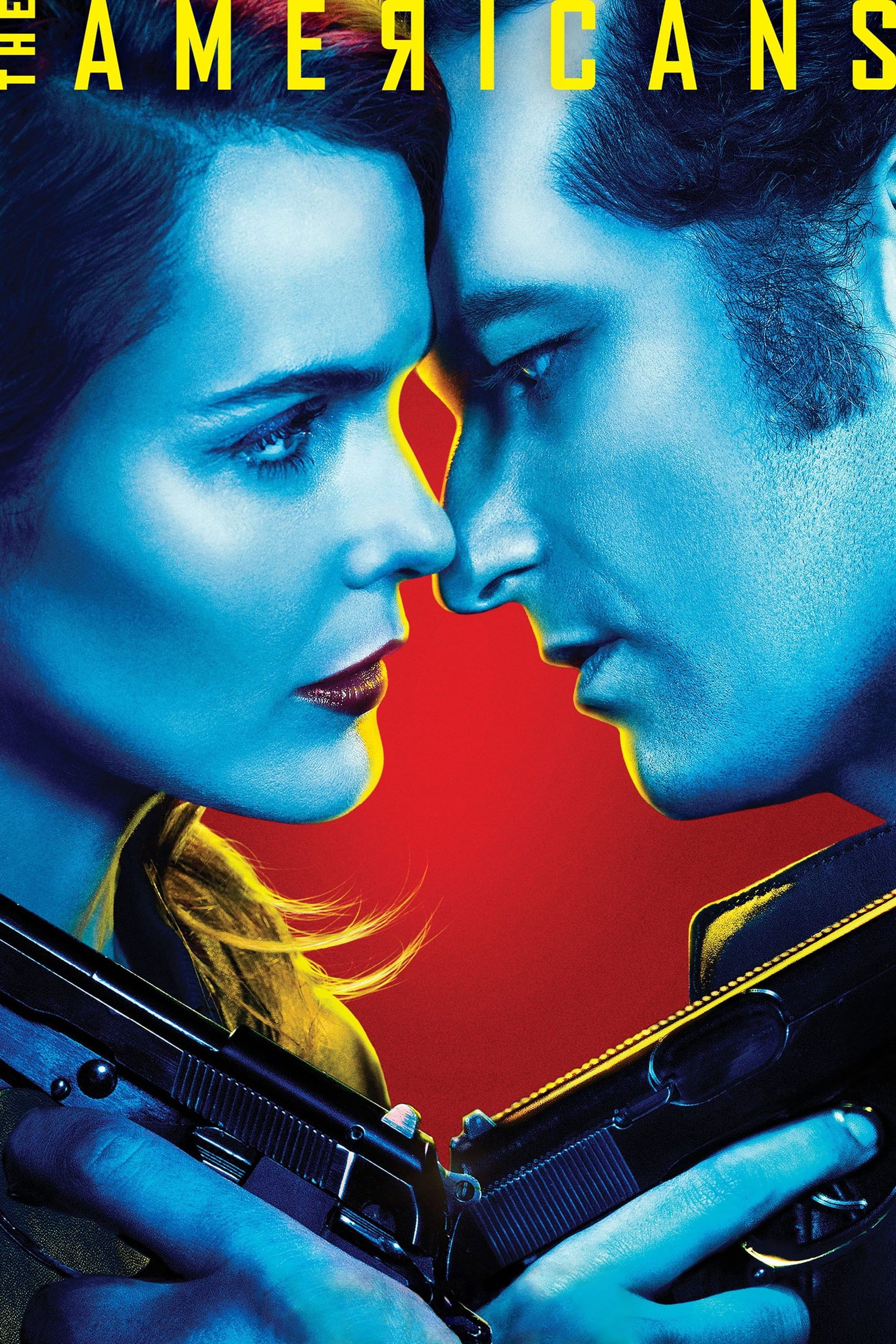
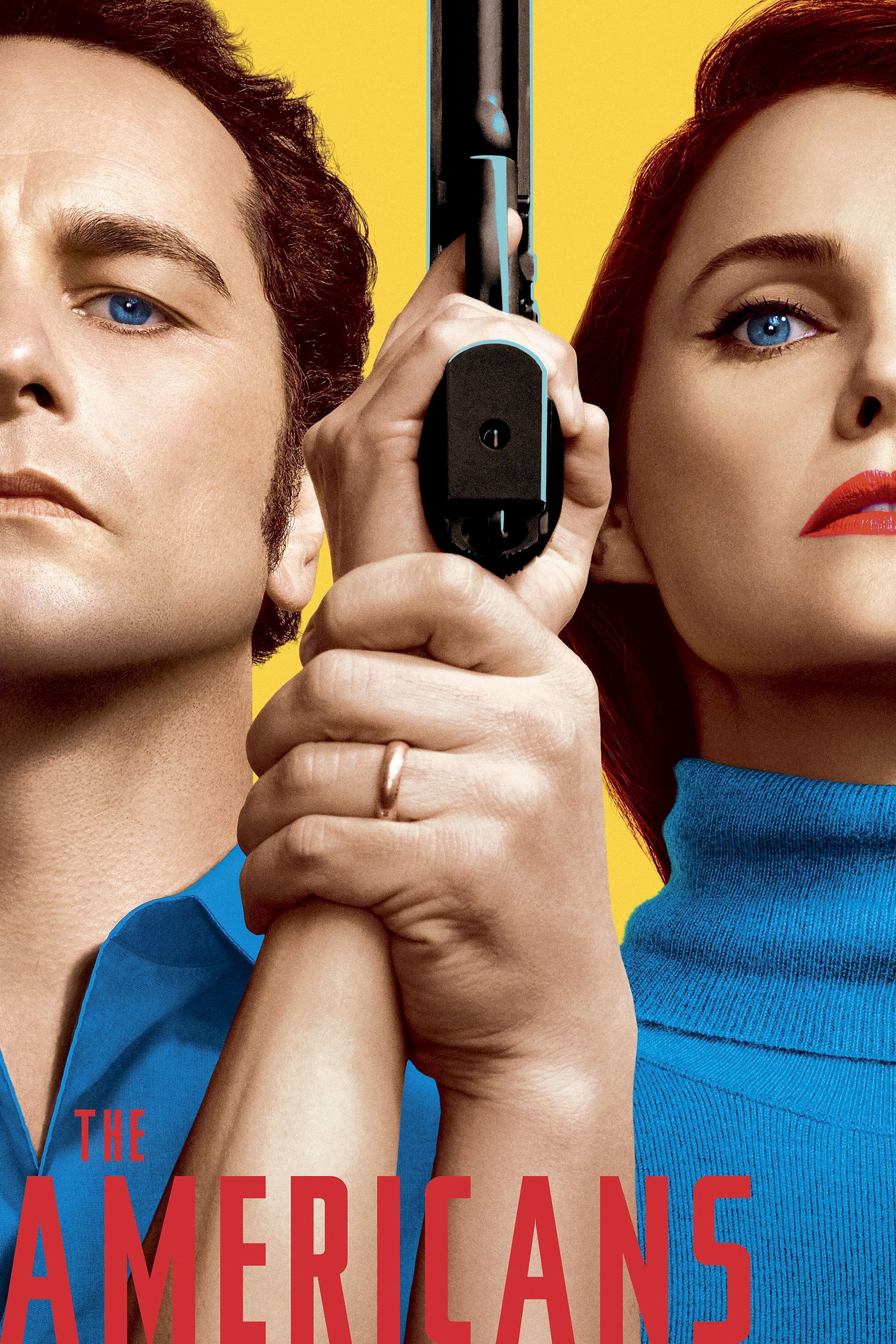
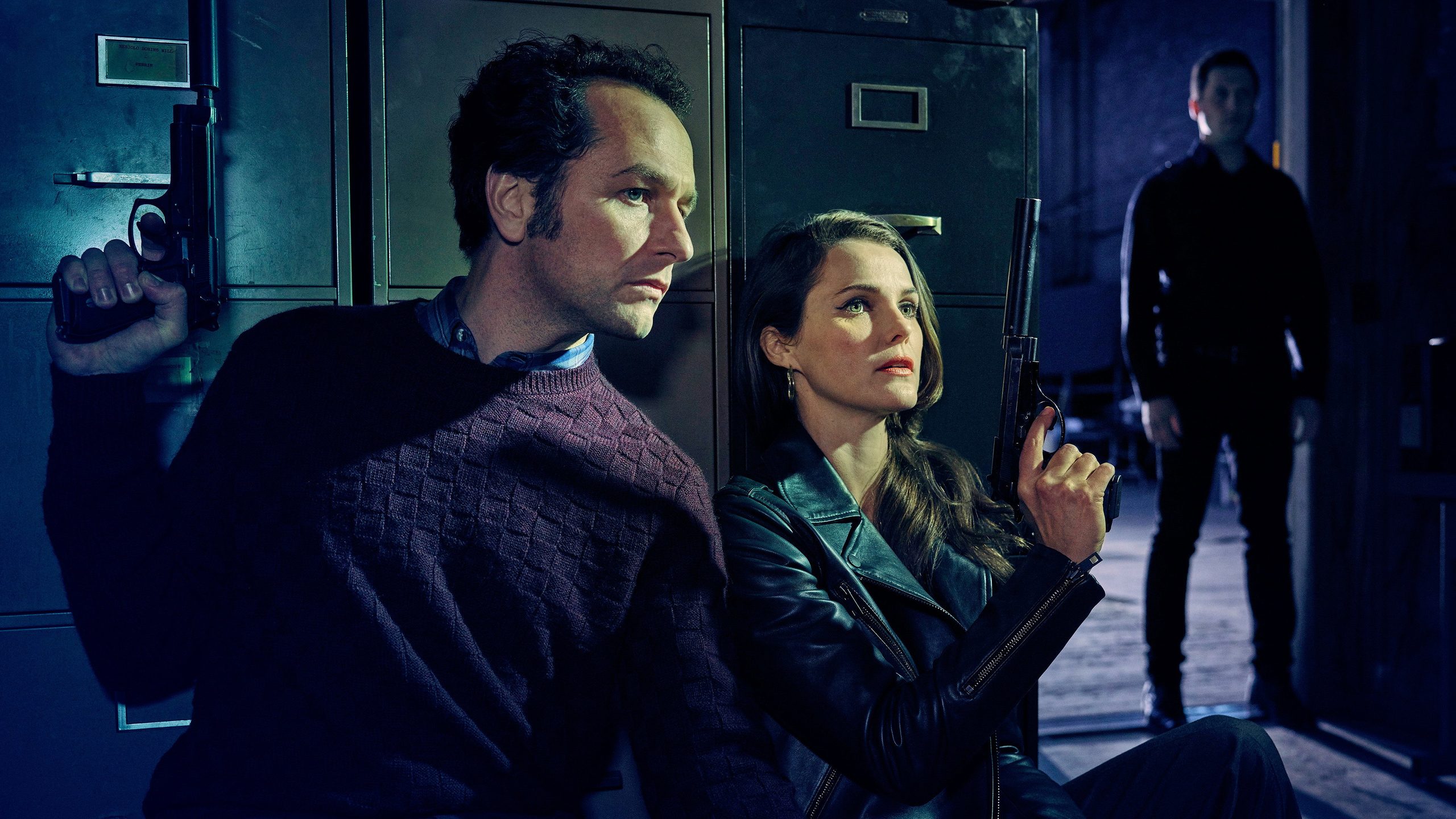
The Virginia suburbs of Washington, 1981, a few weeks after Ronald Reagan takes office. Philip Jennings (Matthew Rhys) and Elizabeth Jennings (Keri Russell) run a travel agency and raise two children, Paige (Holly Taylor) and Henry (Keidrich Sellati), who have never heard their parents speak Russian. They are KGB officers, paired off in Moscow years earlier. In the first episode they abduct a defector and hide him in the boot of the family car while the children eat breakfast upstairs. An FBI agent, Stan Beeman (Noah Emmerich), moves in across the street with his wife Sandra (Susan Misner). Philip, fond of the country he is spying on, wonders about handing themselves in. Elizabeth will not hear of it.

Plays from YouTube when you press play; nothing loads from them until then.

Fi1m review

Joe Weisberg’s Cold War drama is a spy series that turns out to be about a marriage, and it is as good at both as anything television made in its decade. Slow to begin, patient throughout, and worth every one of its 75 episodes.

The Americans ran for six seasons and 75 episodes, from 30 January 2013 to a final run beginning 28 March 2018, and it is the rare long series that knew from the start what it was about. Joe Weisberg’s premise is simple. Two KGB officers live in the Virginia suburbs as a married couple with two children and a travel agency, and an FBI man moves in opposite. The espionage is real and often brutal. The subject is the marriage. We would tell a stranger to watch it, and we do not say that about many things.

Elizabeth (Keri Russell) believes. Philip (Matthew Rhys) is no longer sure. That is the whole engine, and the two leads run it for six years without a false note between them. Russell plays Elizabeth almost without softness: a woman who has decided that feeling is a luxury and who is furious whenever it turns up anyway. Rhys plays Philip as a man whose face keeps giving him away, in the car, at the dinner table, in bed. They were assigned to each other, and the series is about whether two people who began as a cover story can end up as something they chose. It never says that out loud.

Across the road, Noah Emmerich gives Stan Beeman a decency that makes him more frightening, not less, because he is good at his job and he likes his neighbours. In the Soviet embassy, Lev Gorn’s Arkady Ivanovich Zotov runs a fluorescent-lit office full of men in bad suits, and Annet Mahendru’s Nina Sergeevna Krilova, a clerk Stan gets his hooks into, is the first sign that this series will not let anyone stay a pawn.

It is made with the patience of a series that trusts its audience. Richard Rutkowski and the other cinematographers keep the light low and brown, so that even daylight looks like it has come through net curtains. The production designers, Diane Lederman, John Mott and Dan Leigh among them, give the Jennings house wood panelling, beige carpet and a kitchen no one would photograph. Jenny Gering and Katie Irish dress Philip and Elizabeth in the clothes of people trying not to be looked at, and then in the disguises, which are worn with total seriousness and are sometimes hard to take seriously. Nathan Barr’s score is mostly low strings and a cello that seems to be holding its breath. The editors, Michael Berenbaum, Daniel A. Valverde and Amanda Pollack among them, let silences run far past the point where most television would cut away.

What horrified us, more than once, is how quickly the violence happens and how shabby it looks. Nobody fights well. People are strangled in car parks and stabbed in stairwells, and it takes longer than it should, and then Philip goes home and helps Henry with his homework. The series puts the killing and the parenting in the same episode and refuses to tell us how to hold both. We sat with that for six seasons and it never got easier.

It is not flawless. The first season leans on a mission of the week for longer than it needs to. Keidrich Sellati’s Henry is given remarkably little to do for years, and when the series finally notices him it is almost apologetic about it. The fifth season slows to a pace we would call deliberate if we were being kind and stalled if we were not. And the wigs are the wigs.

Most critics scored it more cautiously than we do. The reviews so far were written off the pilot, when the comparison everyone reached for was Homeland, and several worried aloud that the momentum could not be kept up over 13 episodes. It was kept up for 75. It is closer to le Carré than to anything with a car chase, and it gets better as it goes, which almost nothing on television does.

Watch it two episodes a night, not more, and do not skip the first season because it starts slowly. It does. That is where the marriage is built, and everything after depends on it.
Critical consensus AI synthesised

74
Positive
5
Mixed
1
Negative
0

Most critics like it, and the praise clusters on the two leads. Keri Russell and Matthew Rhys are singled out for playing KGB sleeper agents and suburban parents at the same time and being believable as both, and the marriage at the centre of the show interests reviewers at least as much as the spycraft. The Reagan-era setting is the other point of agreement: several reviews call out the production design and soundtrack as convincing, and more than one reaches for Homeland as the obvious comparison, mostly to the show’s credit.

The spread is fairly wide for six reviews. The one mixed notice comes from Variety, which finds the premise provocative but the execution stuck in familiar spy tropes, with awkward flashbacks and casting that sits slightly off. The Guardian, otherwise warm, wonders whether the pilot’s momentum can survive a full thirteen-episode run, a doubt Variety shares. Nobody dislikes it; the argument is about how much it can grow.

Vulture
30 January 2013 · Matt Zoller Seitz
90*

The critic praises the pilot as an original dark fantasy blending espionage and domestic drama, with strong performances from Keri Russell and Matthew Rhys that make the spies' marital dynamic fascinating.

Read the full review →
The Hollywood Reporter
23 January 2013 · Tim Goodman
80*

The critic enjoys the first episodes as much as season two of Homeland, praising the nuanced pacing, emotional layers in the central marriage, and strong performances by the leads as both ordinary parents and dangerous spies. The period setting and sophisticated storytelling about enemies among us are highlighted as assets with real staying power.

Read the full review →
The Guardian
2 June 2013
70*

The critic finds the pilot pumped up and intriguing once the confusing opening clears, praising the enticing premise of KGB sleeper agents as a pacy, hammier version of Homeland with strong leads and moral dilemmas. They express doubt that the momentum can be sustained over a full 13-episode series.

Read the full review →
The Telegraph
1 June 2013 · Michael Hogan
70*

The review describes the pilot as pacy and smart with plenty of sex and action, highlighting clever casting and the engaging undercover spy premise that left the critic hooked after the episode.

Read the full review →
Variety
29 January 2013 · Brian Lowry
50*

The critic finds the premise of Soviet sleeper agents in Reagan-era America intriguing and provocative but judges the initial execution underwhelming, relying on standard spy tropes and awkward flashbacks. The '80s atmosphere and soundtrack stand out as strengths, though casting feels slightly off and long-term sustainability is questioned.

Read the full review →
Den of Geek
2 February 2013 · Jarrett Kruse
85*

The critic calls the pilot a keeper with impressive action scenes, perfect casting of Keri Russell and Matthew Rhys, and spot-on 1980s production design that makes the show one to watch.

Read the full review →

Cast

Awards

Golden Globes, 2019

Won
Best Television Series – Drama

If you liked this, try…

Tinker Tailor Soldier Spy poster

Tinker Tailor Soldier Spy

1979 · Alec Guinness and a lot of quiet rooms; the spy series this one is descended from.

The Lives of Others poster84

The Lives of Others

2006 · A Stasi man listens to a couple through the wall and starts to care.

Deutschland 83 poster

Deutschland 83

2015 · The same Cold War from the other side, faster, funnier and in better trousers.

Mad Men poster

Mad Men

2007 · Another period marriage built on a lie, told with the same patience.

Scenes from a Marriage poster

Scenes from a Marriage

1973 · Bergman’s six-part autopsy of a couple; no spies, the same wounds.