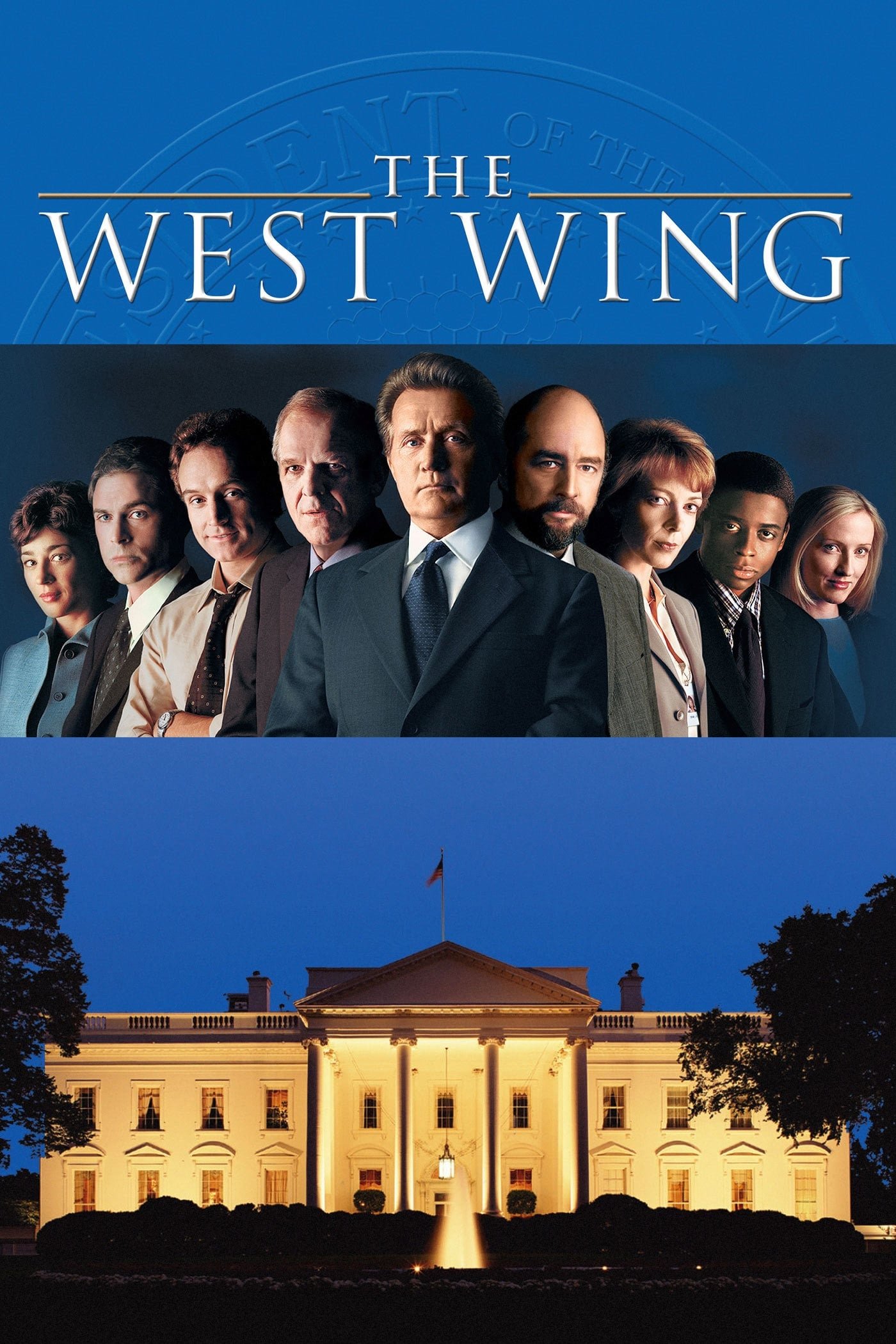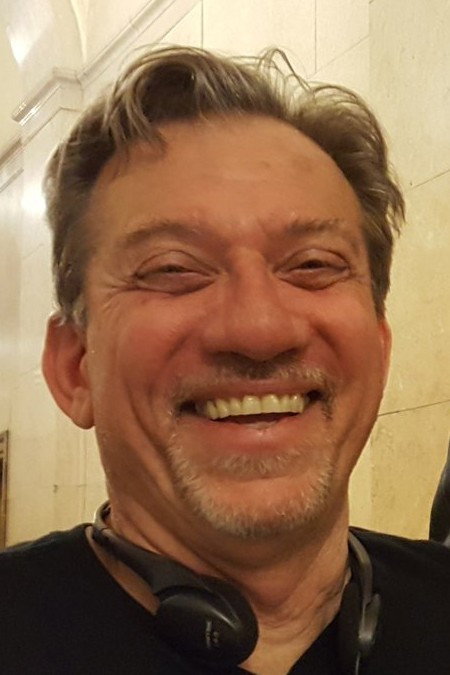
Christopher Misiano is good at keeping an ensemble moving without making its conversations feel hurried. We value his unobtrusive skill, with The West Wing the clearest reason to pay attention to his direction.
Fi1m perspective
The characters keep walking, and the conversation does not pause to let anyone catch up. On The West Wing (1999), Christopher Misiano became particularly adept at the Steadicam walk and talk. We rate the practical intelligence of that work: complicated exchanges need clear staging if the actors are to sound like colleagues rather than people waiting for their cue. The movement is useful because it gives pace to scenes in which much of the action is people talking.
Misiano came to directing through the camera department, working as a camera operator and key grip before becoming a cinematographer on Law & Order (1990). He began directing episodes of that series in 1995, then took on ER (1994) from 1998 and The West Wing the following year. These ensemble dramas gave him complex, fast-paced scenes to manage. His camera background helps explain the attention to choreography. He also took on producing responsibilities, progressing to executive producer on The West Wing by the mid-2000s.
We find The West Wing absorbing and funny, and its earnestness largely earns its place. We were moved by its speeches because the cast gives them enough warmth to make their seriousness feel human. Aaron Sorkin's dialogue can congratulate itself, and a well-managed walk cannot make that less tiresome. Misiano's choreography is valuable when it helps the actors get through those exchanges without making each line sound like a pronouncement. He contributes to a shared achievement; the cast's warmth should not all be credited to the director.
His later work includes directing and executive producing on Suits (2011), alongside further work across procedural and character-led television into the 2020s. There is continuity here rather than a sharp reinvention, with the practical demands of established series still central to the job. We would pay attention to his handling of a busy conversation before looking for a grand personal statement in every episode. Start with The West Wing, provided a little self-satisfaction in the dialogue does not put you off.
Biography
Christopher Misiano is an American television director and producer. He began his career working in the camera department as an operator and key grip before moving into directing episodes of series such as Law & Order, ER (from 1998) and The West Wing (from 1999).
Misiano produced multiple seasons of ER and The West Wing, earning Emmy Awards for outstanding drama series in 2002 and 2003 as well as an Emmy for directing the West Wing episode "Twenty Five" in 2003. He has since directed episodes of many other series, including Suits, Grey's Anatomy, Law & Order: Special Victims Unit, Fringe, Heroes, The Americans, Weeds, Revenge and Marvel's Agent Carter.