Series review

Fringe

2008 · Created by Alex Kurtzman, Roberto Orci, J.J. Abrams · Series · MPA TV-14

In a sentenceA mad scientist, his exasperated son and a lab under Harvard; the plane full of melted people is the least of it

Sci-Fi & FantasyDramaMystery

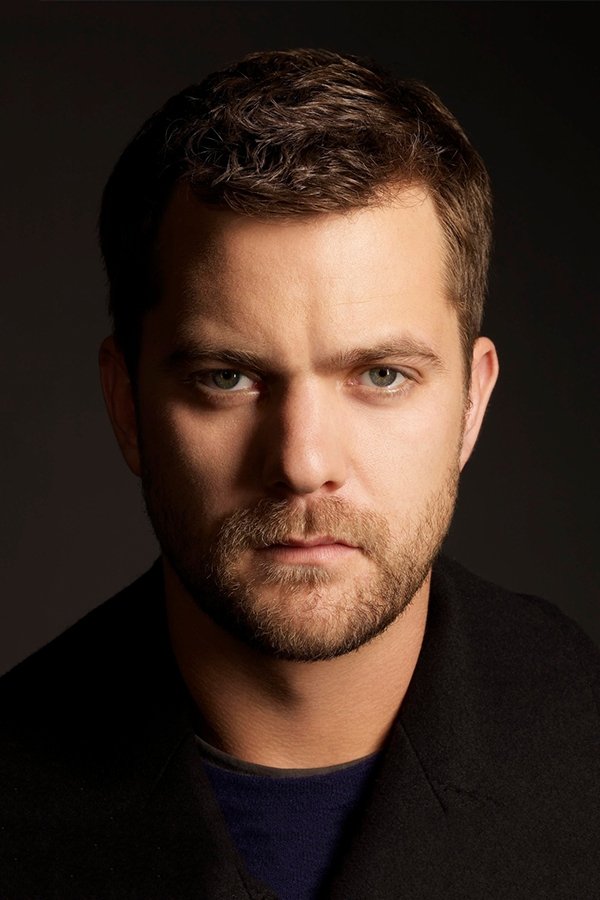
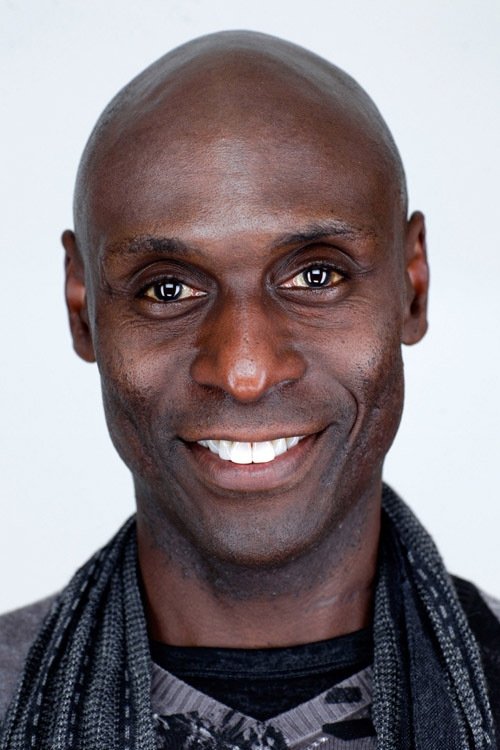
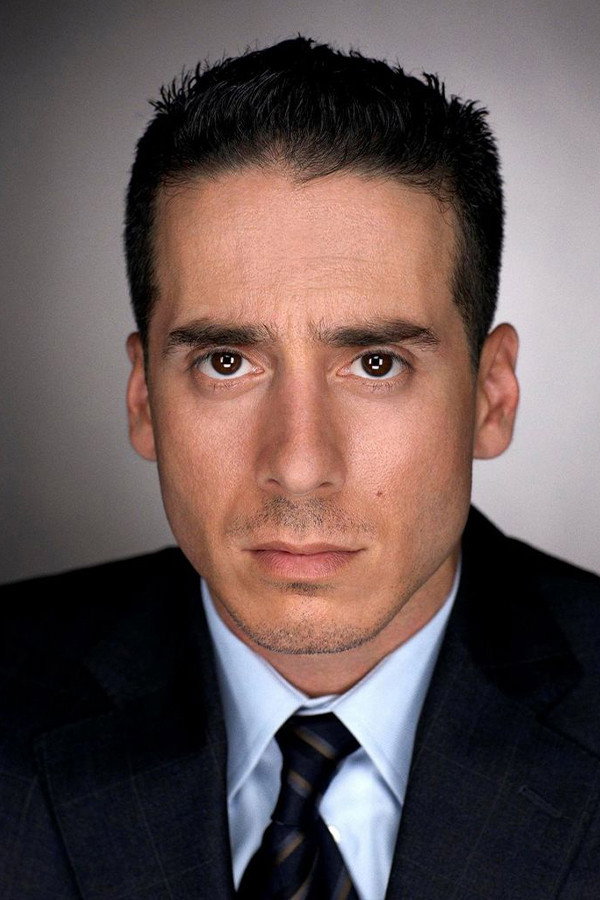
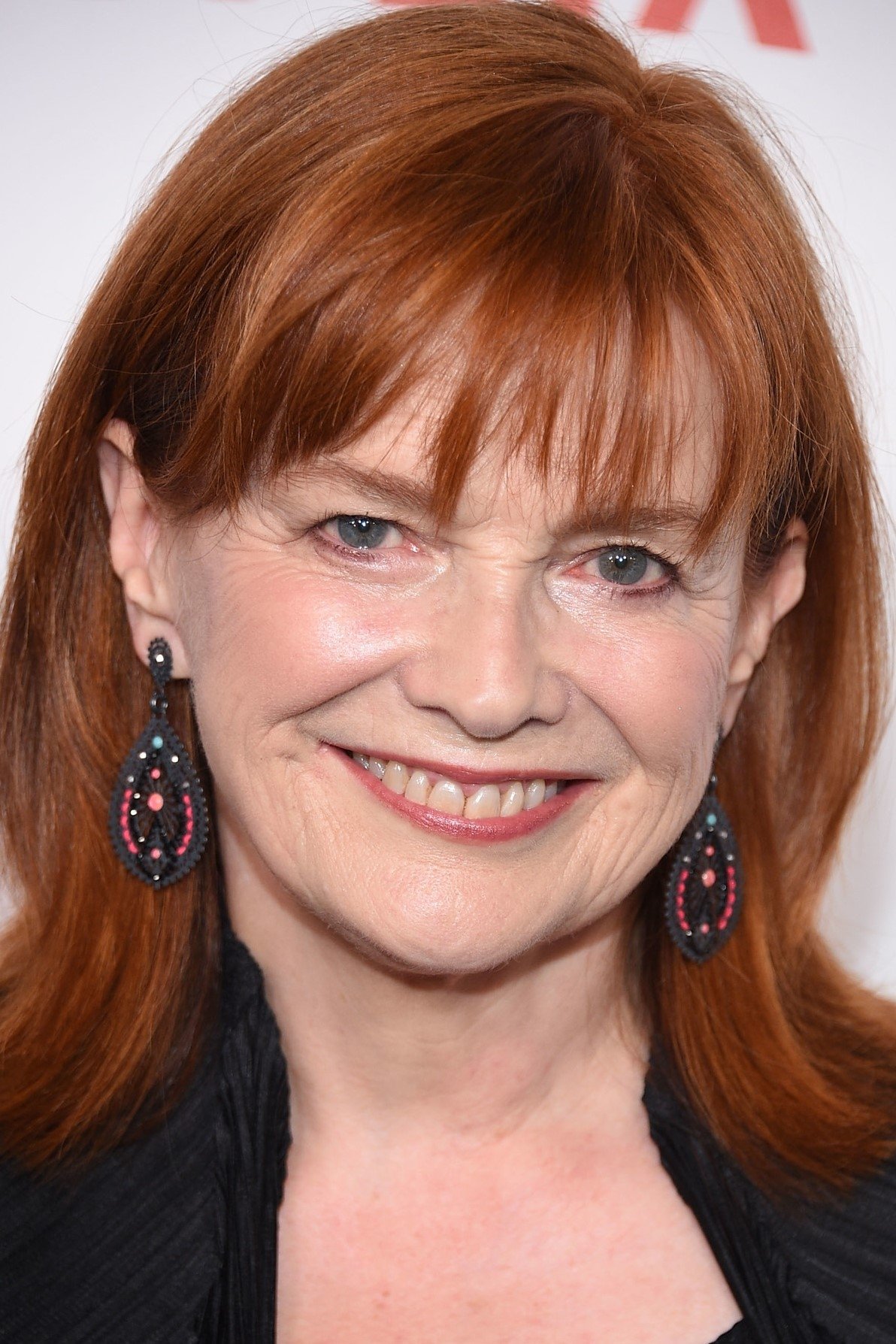
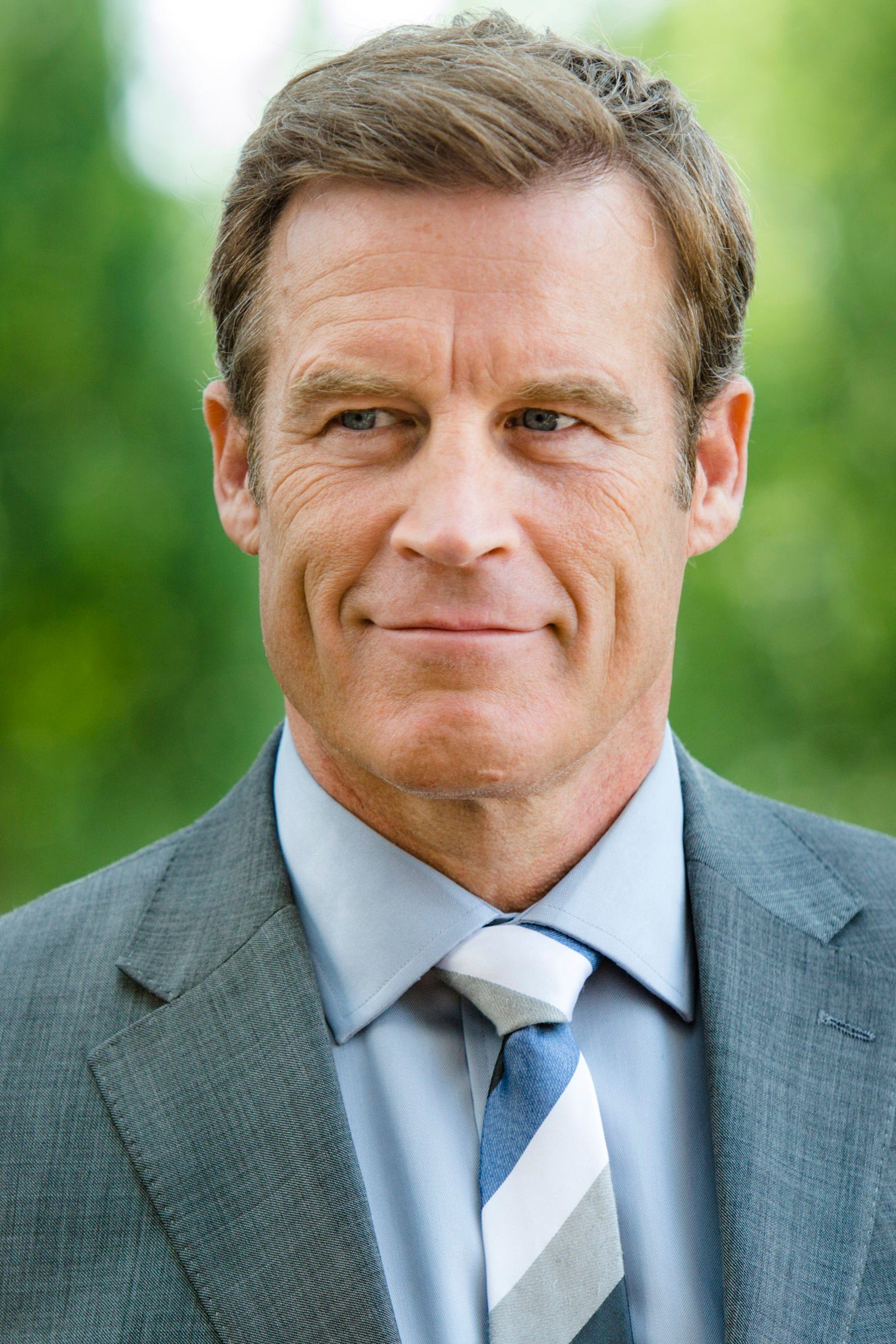
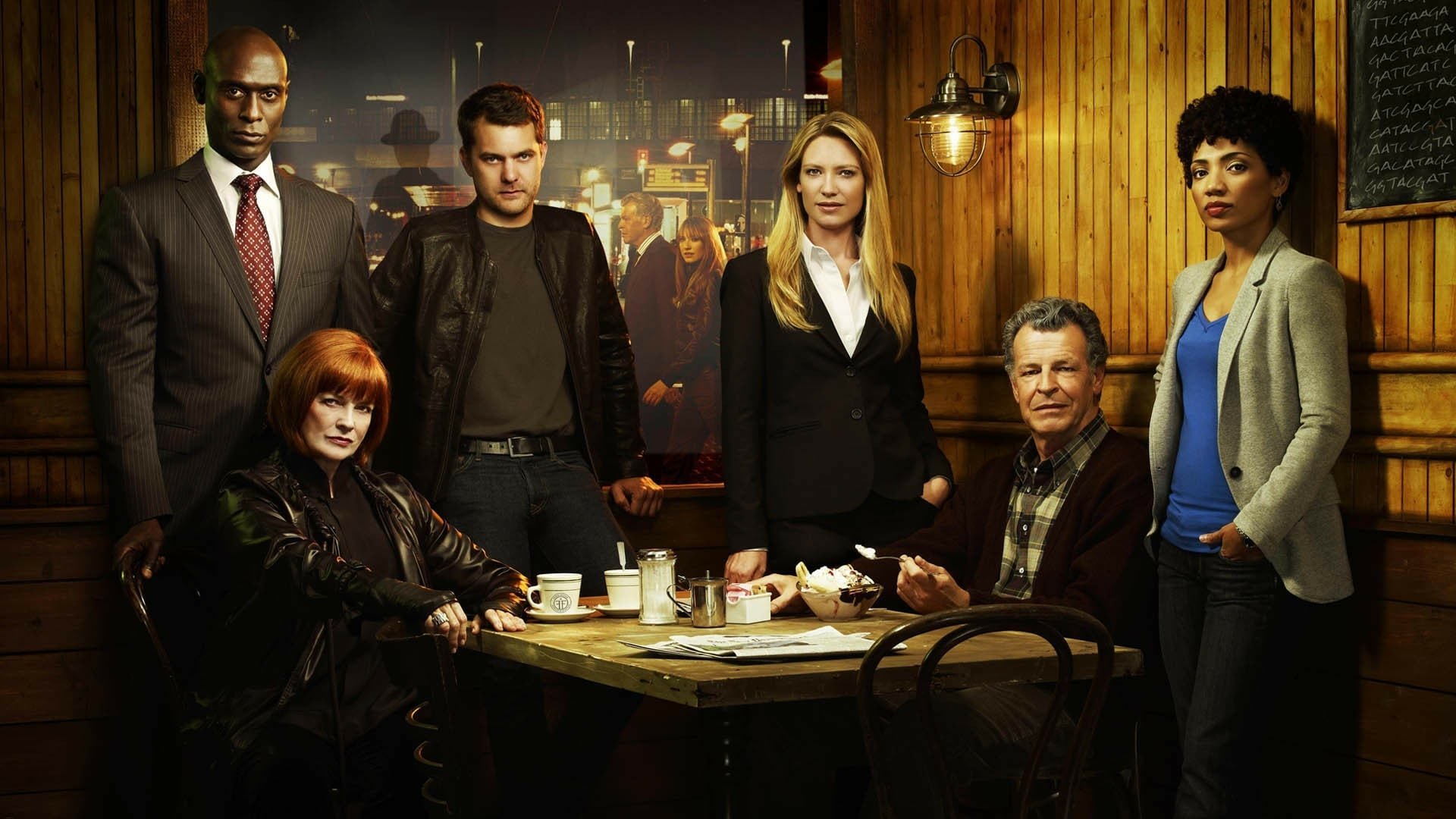
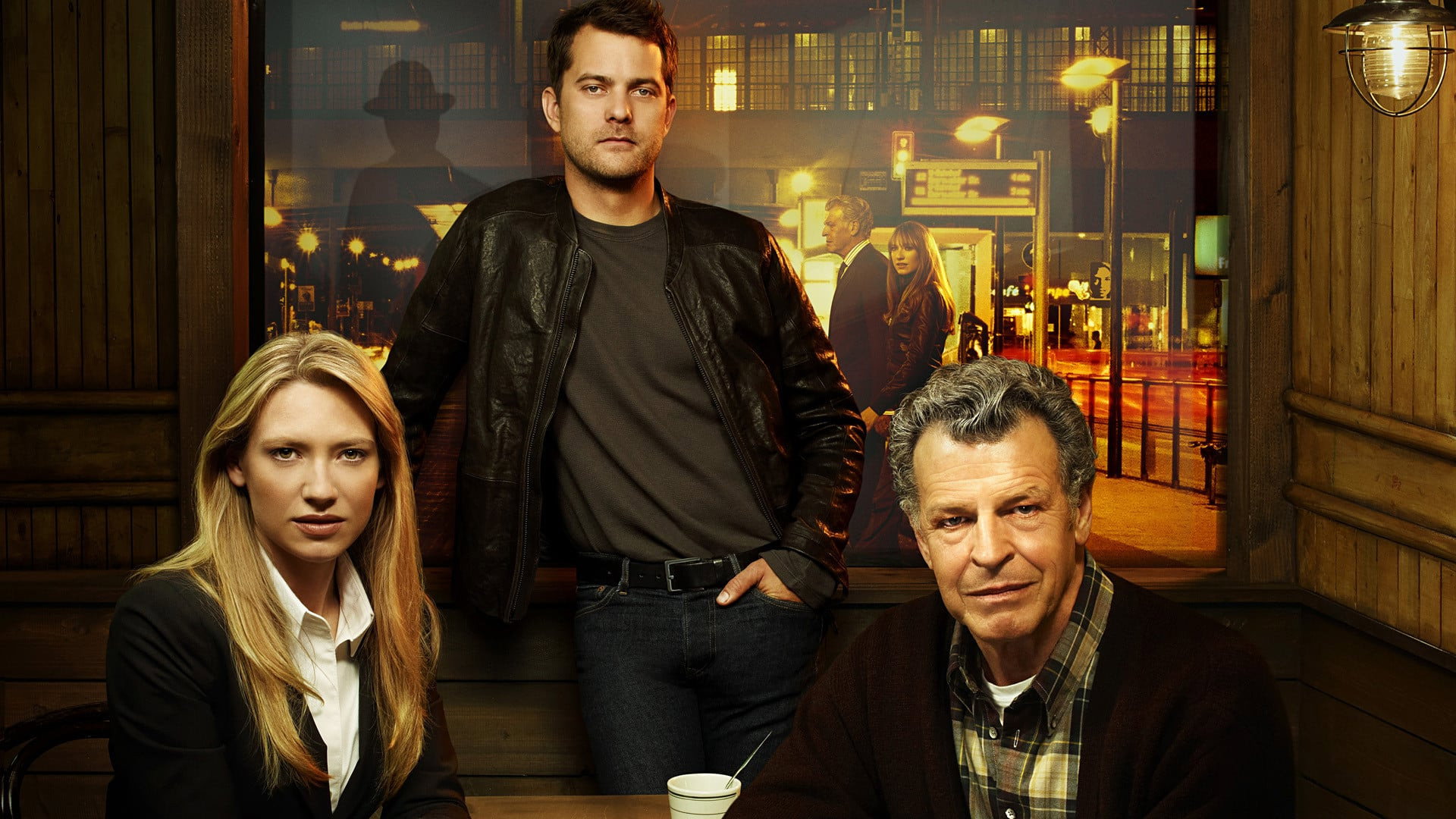
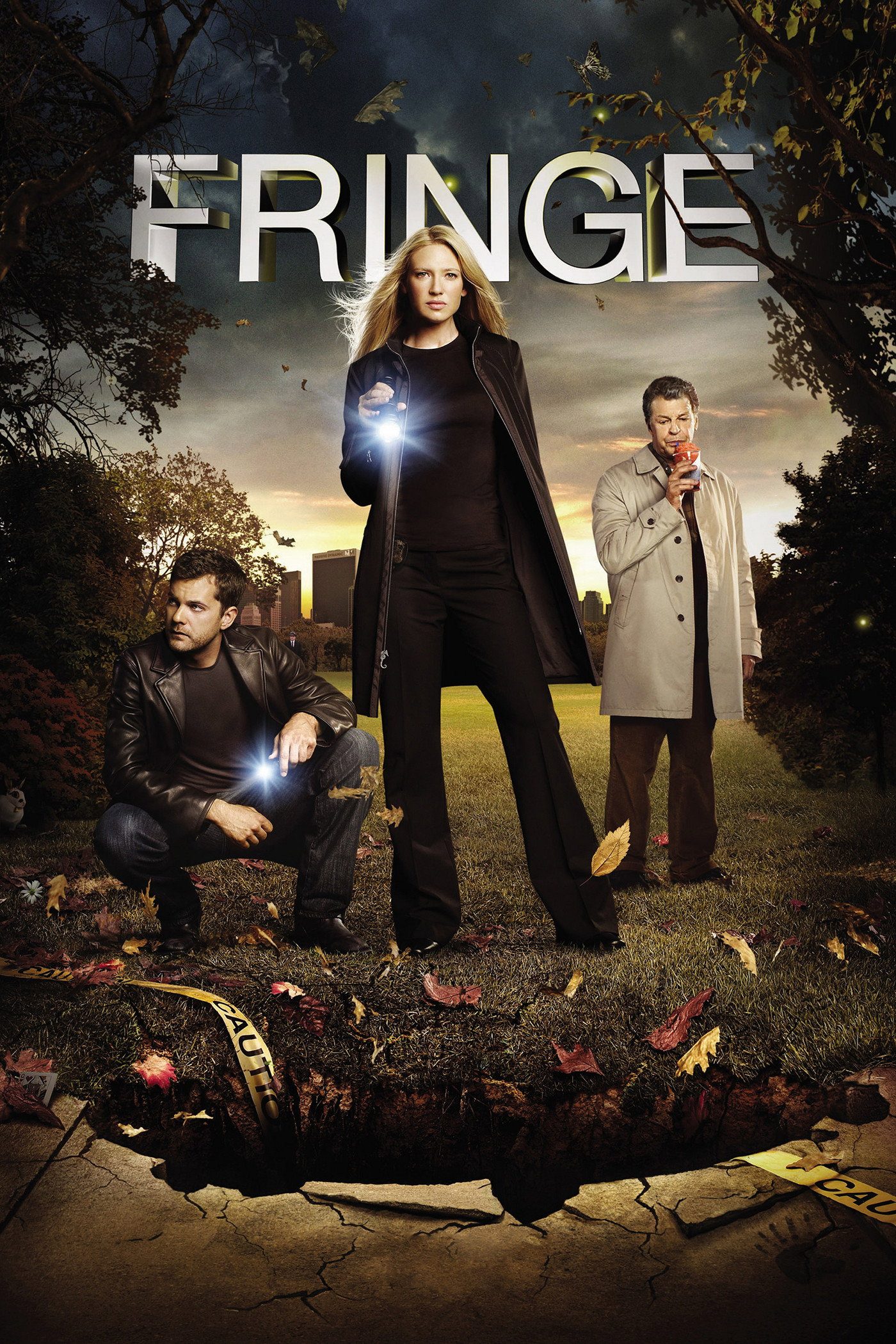
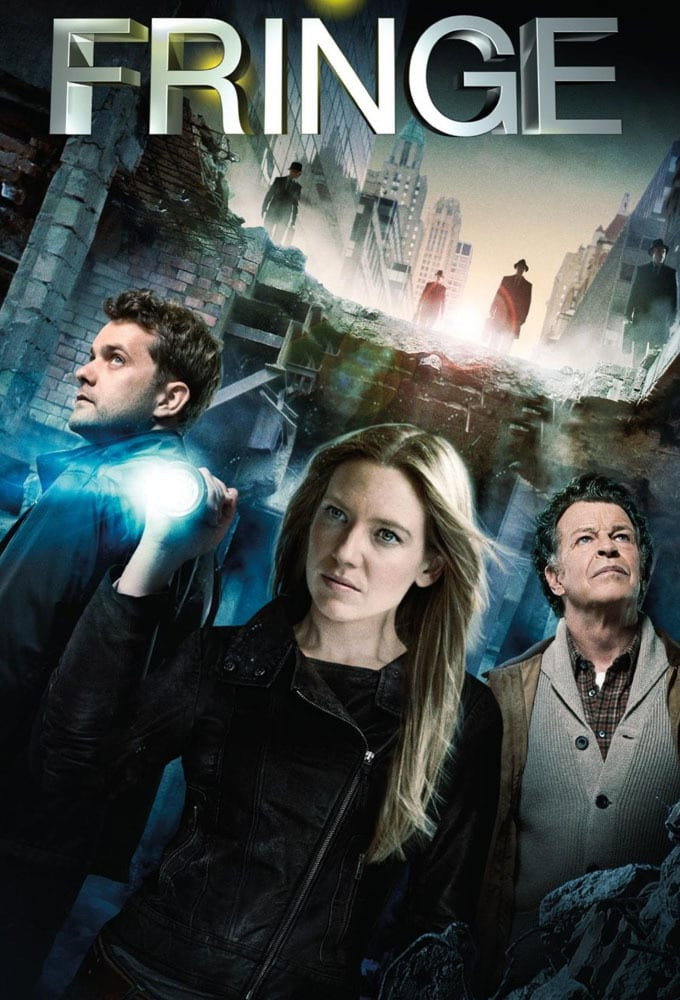
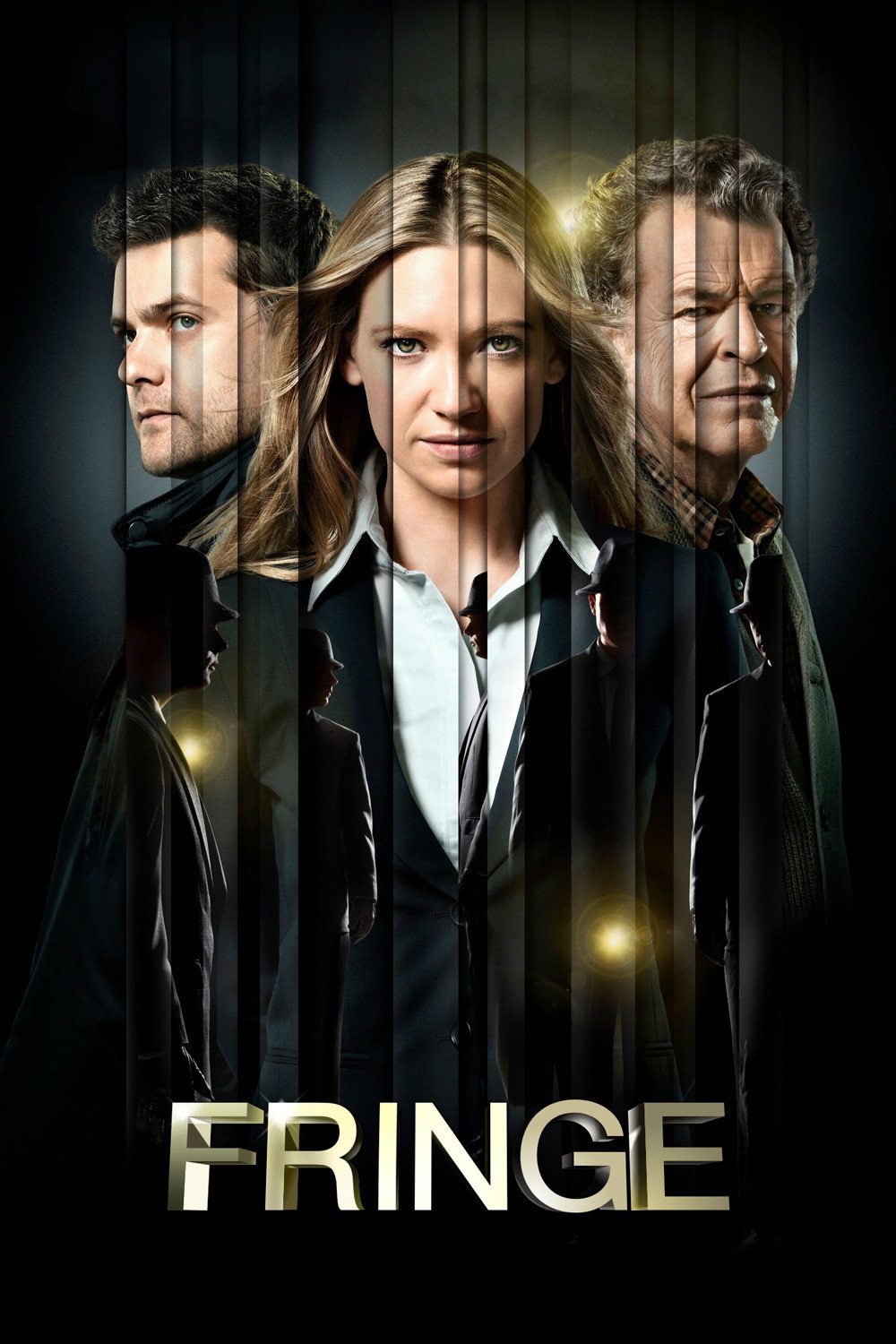
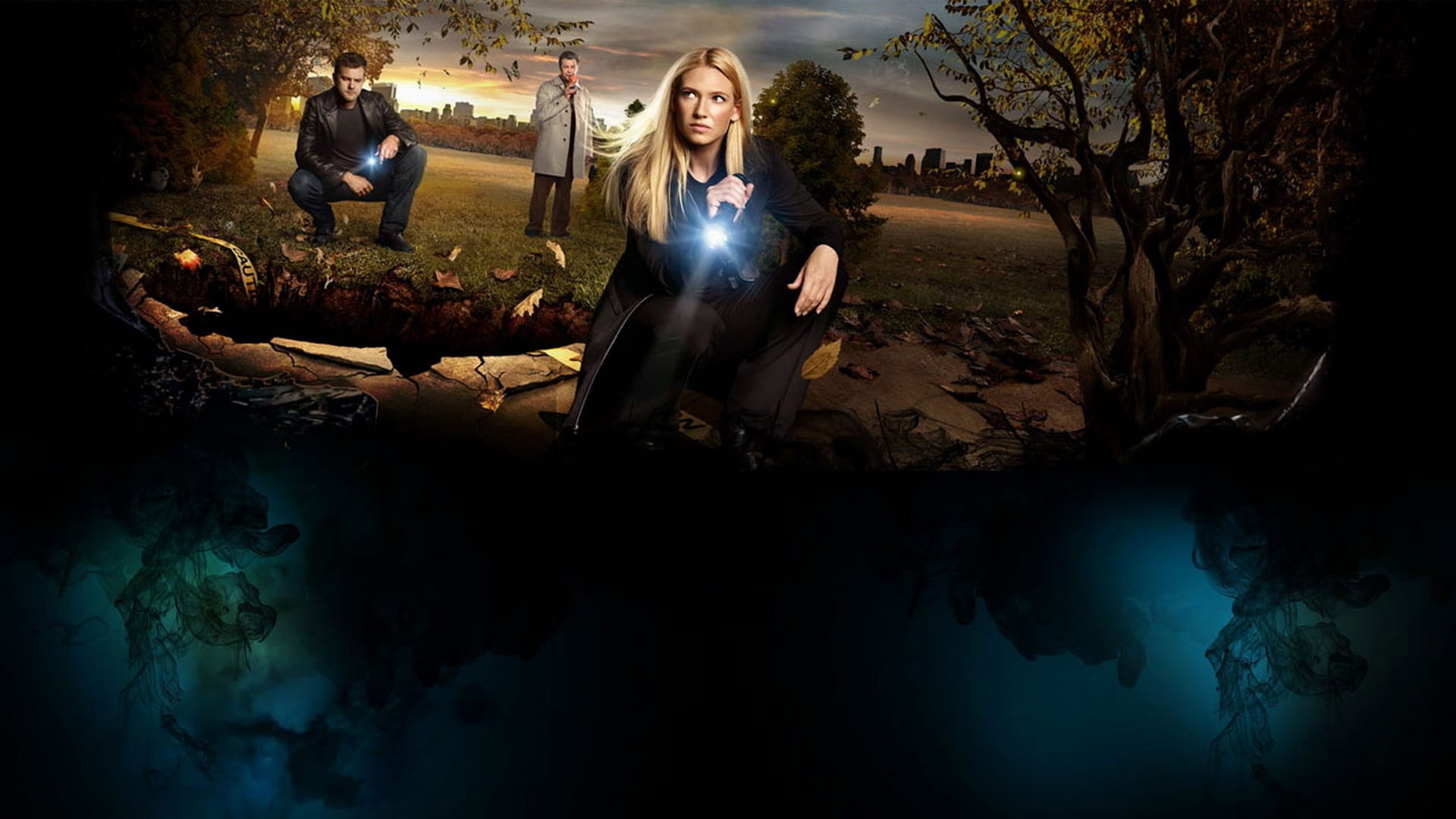
Boston, 2008. A passenger flight lands itself with everyone aboard dead. FBI agent Olivia Dunham (Anna Torv) is put on the case alongside her partner John Scott (Mark Valley), who is exposed to the same agent and left dying. The one man who might understand it is Walter Bishop (John Noble), a scientist who has been locked away for years, and the only person who can sign him out is his estranged son Peter (Joshua Jackson). Reporting to Phillip Broyles (Lance Reddick) of Homeland Security, and watched by Nina Sharp (Blair Brown) of the corporation Massive Dynamic, the three set up in Walter’s old Harvard basement lab to ask why impossible things keep happening.

Fi1m review

This begins as a tidy copy of The X-Files and takes most of a season to find out what it is for. Stay with it, because once it does, John Noble’s Walter Bishop carries it somewhere stranger and kinder than the pilot promises.

Fringe began in 2008 with the names of J.J. Abrams, Alex Kurtzman and Roberto Orci on it. A plane lands itself at Boston with everyone aboard dead, an FBI agent is assigned, and a man who has been locked away for years is let out because only he can help. For most of its first season it is a case-of-the-week programme: something impossible happens to a body in Massachusetts and a scientist explains it in a basement. By the end of that season it is a story about a father, a son and what the father once did, and it stays one for four more seasons. We are recommending the second programme, and you must sit through much of the first to reach it.

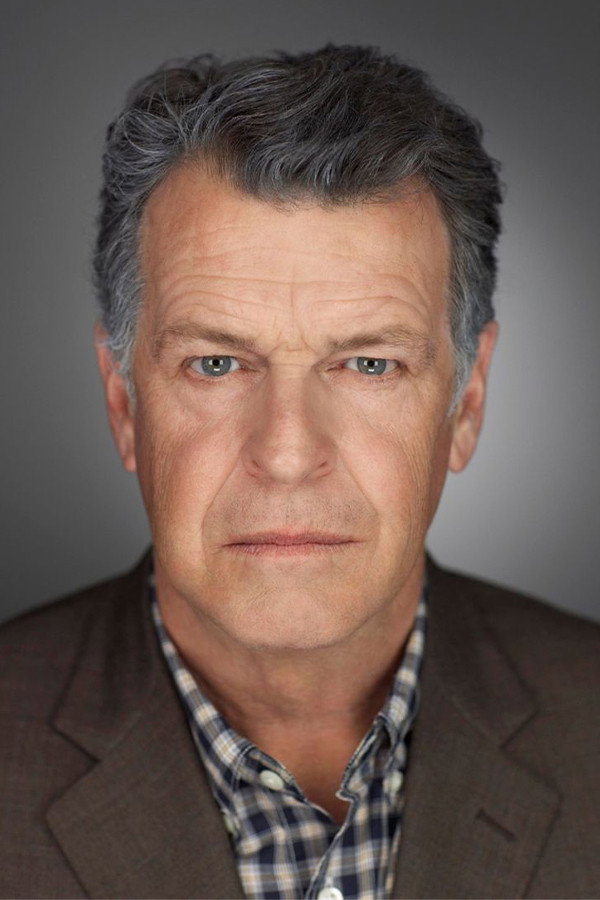
The opening is properly horrible. Michael Bonvillain lights the cabin a sick green, the passengers are still strapped in, and what has happened to them we watched with a hand over our mouth. The horror is not matched for months; what the programme finds instead, and quickly, is John Noble. He plays Walter Bishop as a man who has been away from the world for years and is delighted by all of it: custard, LSD, his son. The grief is in the pauses. He will be halfway through explaining a body and stop, because he has remembered something he did, and Noble lets us see the memory arrive before he covers it. It moved us more than a programme with this much goo had any right to.

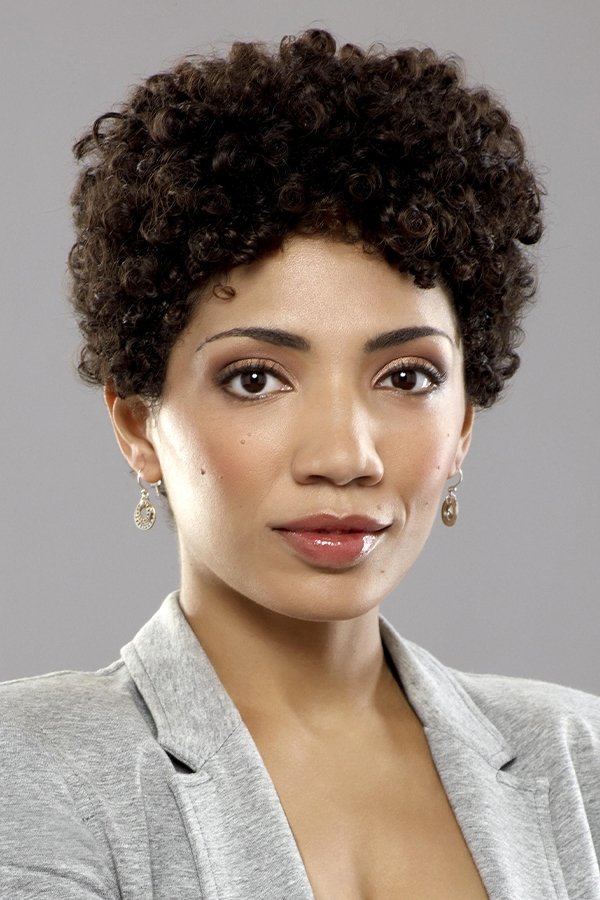
Anna Torv’s Olivia Dunham is the problem early reviews named, and the programme solves it. In the first year she is a badge and a dying colleague and not much else, and Torv plays it tight and quiet, which reads as flat. By the second season the writers, Jeff Pinkner and J. H. Wyman prominent among them, have worked out that the quiet is the character, and Torv is asked to do things we will not describe. Joshua Jackson’s Peter Bishop keeps the tone honest, sardonic about his father and then, gradually, not. Lance Reddick’s Broyles speaks as if each sentence were being billed to him. Jasika Nicole’s Astrid Farnsworth is the assistant whose name Walter cannot remember, a joke the programme runs for five years without wearing out. Blair Brown’s Nina Sharp fronts Massive Dynamic, the company that seems to own everything.

It is made on a production line, nine cinematographers and a dozen editors across a hundred episodes, and the achievement is that it looks like one thing. The lab under Harvard is the same lab in the last season as the first: brick, tanks, a chalkboard. Location captions arrive as huge white letters standing in the landscape itself, three storeys high beside a bridge, a small idea and one of the best the programme has. Directors including Brad Anderson and Akiva Goldsman keep the cases brisk and the lab scenes slow, so the weekly horror is dispatched and Walter is given room.

The middle of the first season is a run of episodes in which a man in a suburb is found turned into something wet and the word Pattern is said in a tone that expects us to shiver. We were bored, we said so to each other, and we nearly stopped. The John Scott thread, with Mark Valley as the partner who keeps not being dead enough, outstays its usefulness.

Most critics disagree with us. Nearly every review we have read was written on the pilot alone, and the pilot is a competent, expensive imitation of The X-Files (1993) with a wittier scientist. Judged on that, a score in the sixties is fair. Judged on the whole, it is not.

Abrams’ Lost (2004) taught a generation to distrust a mystery series on the grounds that nobody had thought about the answer. Fringe has an answer, and its five seasons get there, with a final run of thirteen episodes that feels chosen rather than imposed. It carries a 15, mostly for the goo. Watch it with someone patient, agree that the first season is the price of admission, and let Walter have his milkshake.
Critical consensus AI synthesised

64
Positive
4
Mixed
0
Negative
2

Most critics are cautiously in favour, and the praise gathers around the pilot’s strangeness and its supporting cast rather than its leads. John Noble’s Walter Bishop, the mad scientist let out of the asylum, is the name that recurs, and more than one review treats him as the reason to come back. The premise, an updated X-Files with the serialised ambition of Lost, is generally welcomed, and several reviews note the pace, the confident direction and effects of a standard closer to film than to network television.

The reservations cluster on the two principals and on the writing between the set pieces. The AV Club finds their dialogue flat and the mythology thin so far; Variety thinks the whole thing derivative of The X-Files and Alias, with little chemistry to compensate. The spread is wide. Den of Geek calls it the best new pilot of its year, while Collider finds it poorly written, its plots inane and its revelations forced. Two firm dissenters out of six is not a small minority.

The AV Club
9 September 2008 · B+ · Noel Murray
83

The pilot delivers an arresting opening scene and entertaining weirdness with memorable supporting characters like the mad scientist Walter Bishop, but the main leads exchange flat dialogue and the mythology feels nascent.

Read the full review →
The Guardian
6 October 2008 · Sam Wollaston
70*

The pilot of Fringe is described as an updated X-Files with the ambition of Lost or Heroes, focusing on fringe science cases like a melted plane crew. It is praised for being pacy and fabulously exciting with proper characters and real emotions, though the critic wonders if there is room for another big-budget US import alongside other shows.

Read the full review →
The Hollywood Reporter
7 September 2008
70*

The review highlights the series' blend of action, humor, romance and conspiracy elements as promising counterprogramming, especially the potential banter between leads. It singles out the cast chemistry and confident direction as strengths while noting some credulity issues in the plot.

Read the full review →
Variety
5 September 2008 · Brian Lowry
40*

The critic finds the premiere derivative of shows like The X-Files and Alias, with familiar conspiracy and procedural elements that fail to pop despite solid production values. They single out the premise's potential for modern paranoia as a possible strength but note a lack of chemistry overall.

Read the full review →
Den of Geek
10 September 2008 · Mark Pickavance
90*

The critic calls the pilot the best new one seen that year and praises its X-Files-like premise, strong performances especially from John Noble as Walter Bishop, tight script with character development, and film-quality special effects.

Read the full review →
Collider
3 September 2008 · Steven Weintraub
30*

The critic dislikes the pilot episode, calling it poorly written with inane plots and forced revelations. They single out the lack of spectacle and underwhelming sci-fi elements as major complaints.

Read the full review →

Cast

Awards

Hugo Awards, 2013

Nominated
Best Dramatic Presentation, Short Form

Teen Choice Award for Choice TV Actress Fantasy/Sci-Fi, 2010

Nominated
Teen Choice Award for Choice TV Actress Fantasy/Sci-Fi

TCA Award for Outstanding New Program, 2009

Nominated
TCA Award for Outstanding New Program

Teen Choice Award for Choice TV Actor Drama, 2009

Nominated
Teen Choice Award for Choice TV Actor Drama

Writers Guild of America Award for Television: New Series, 2009

Nominated
Writers Guild of America Award for Television: New Series

Satellite Award for Best Supporting Actor – Series, Miniseries or Television Film, 2008

Nominated
Satellite Award for Best Supporting Actor – Series, Miniseries or Television Film

If you liked this, try…

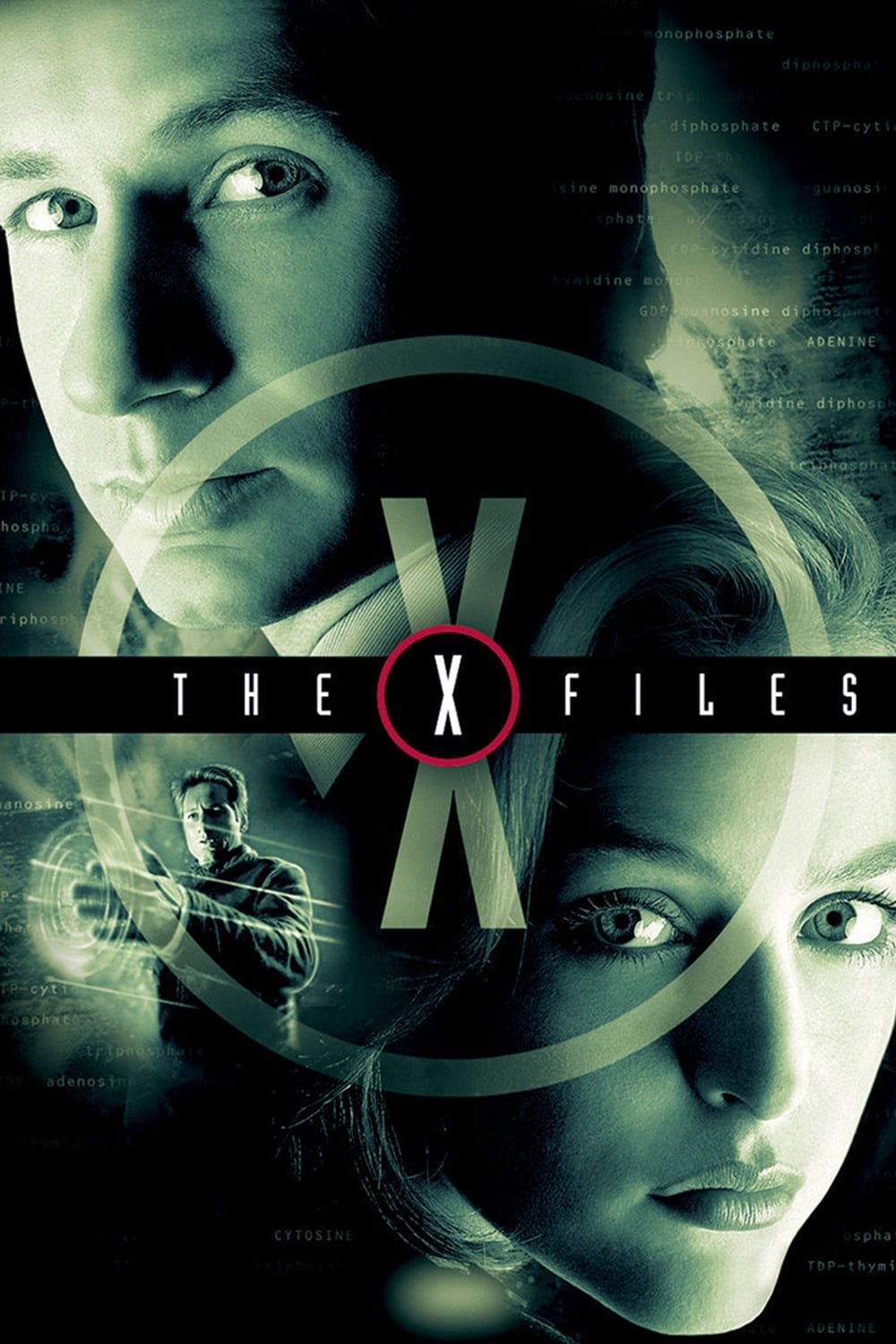
The X-Files poster84

The X-Files

1993 · The programme Fringe was copying before it found its own voice.

Utopia poster

Utopia

2013 · British conspiracy thriller, acid yellow and cruel, over in twelve episodes.

Dark poster74

Dark

2017 · German small-town mystery that takes its own rules more seriously than anyone.

Orphan Black poster

Orphan Black

2013 · Canadian fringe science with one actress doing the work of a cast.

The Prisoner poster

The Prisoner

1967 · The original programme about a man asking questions nobody will answer.