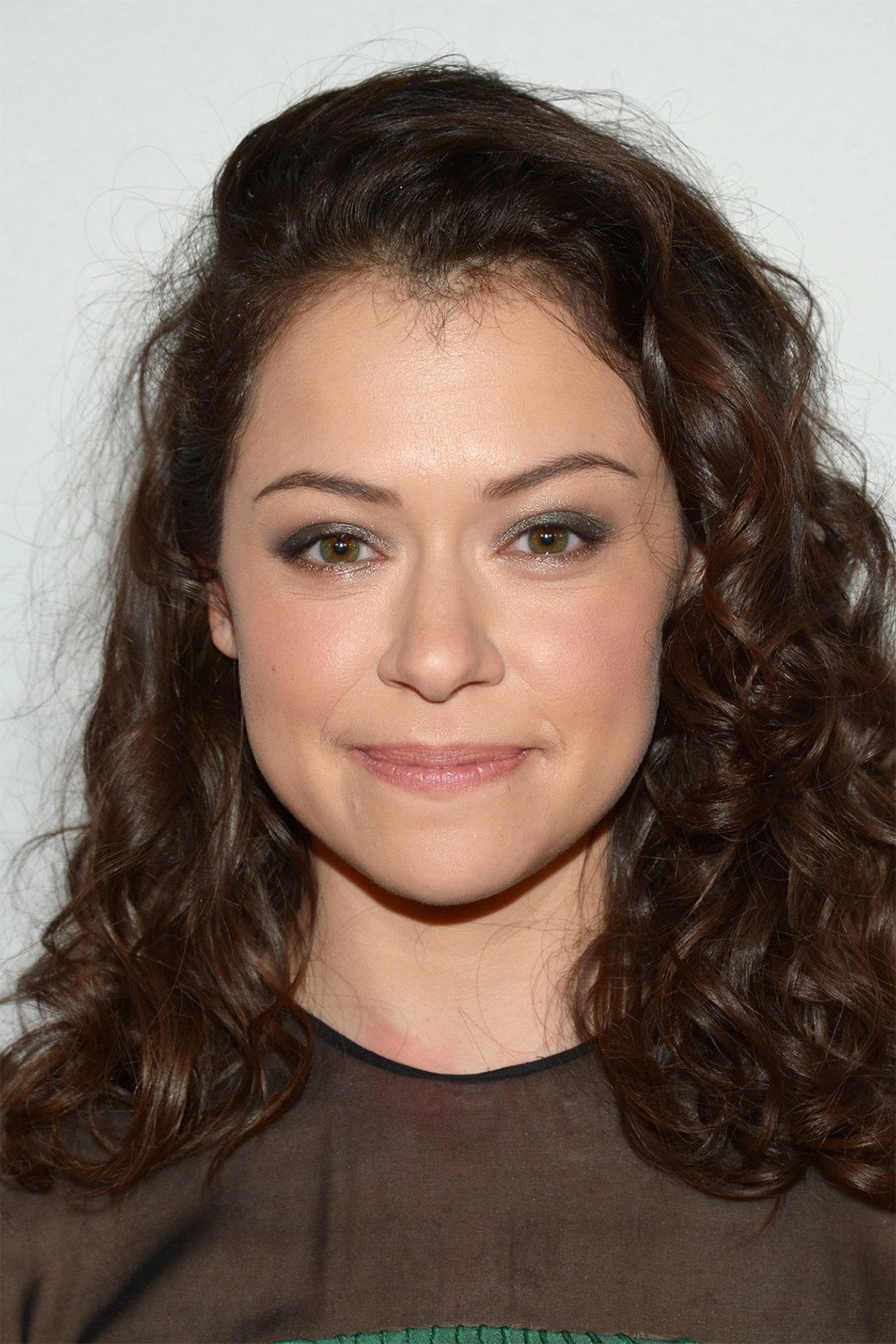
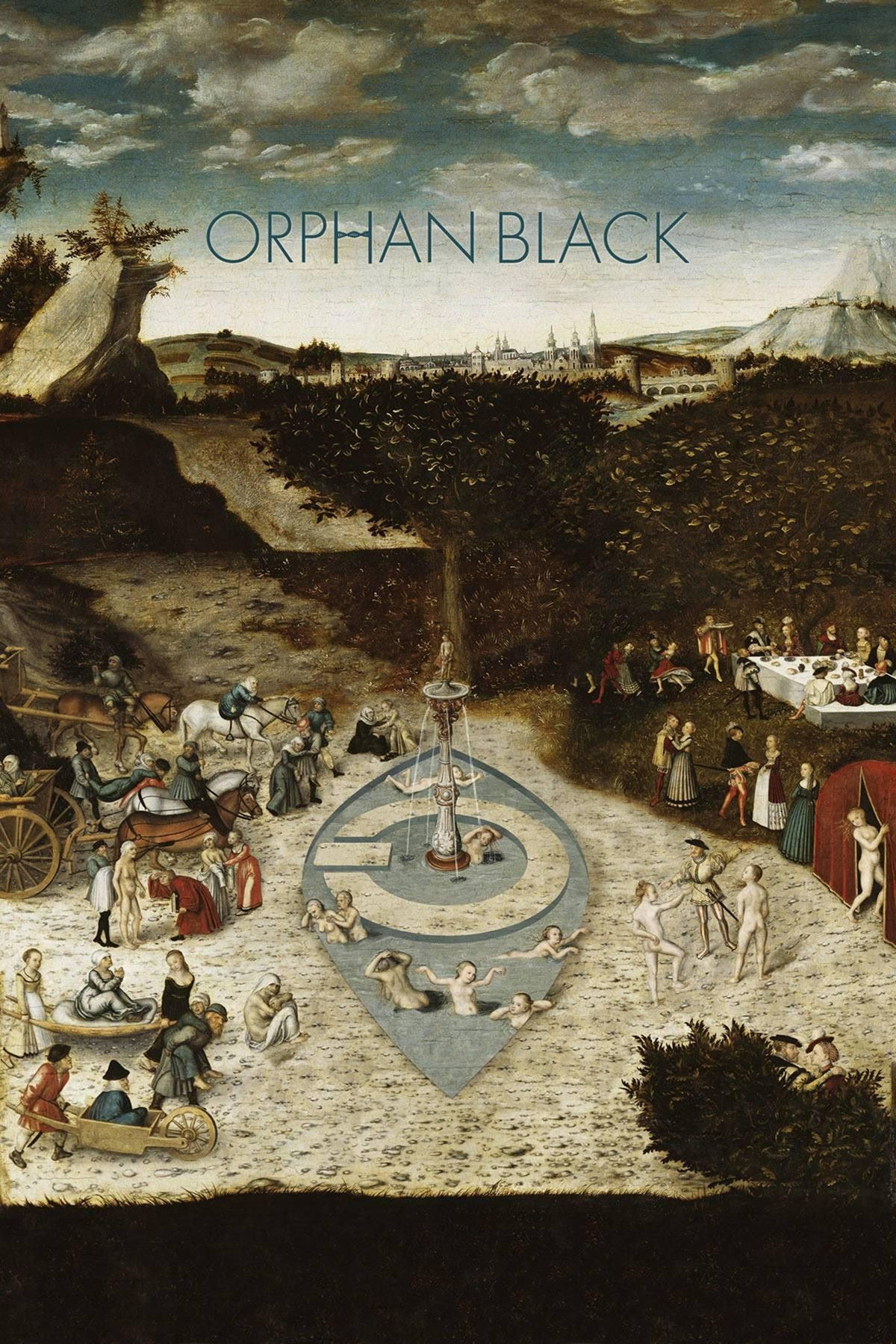
Tatiana Maslany’s several performances hold this clone thriller together for five seasons, and they are worth the time on their own. The conspiracy around them grows a new head every year, and somewhere in the fourth we stopped keeping notes.
Orphan Black opens with an old trick, the stranger who takes a dead lookalike’s life, and spends fifty episodes on what happens when the lookalikes keep coming. Sarah Manning, a thief with a bad boyfriend, steps into a dead detective’s shoes and inherits the detective’s question: why are there several of us? John Fawcett and Graeme Manson created it, and it ran for five seasons of ten episodes each. The acting is the reason to watch it. The plot is the reason you may stop.
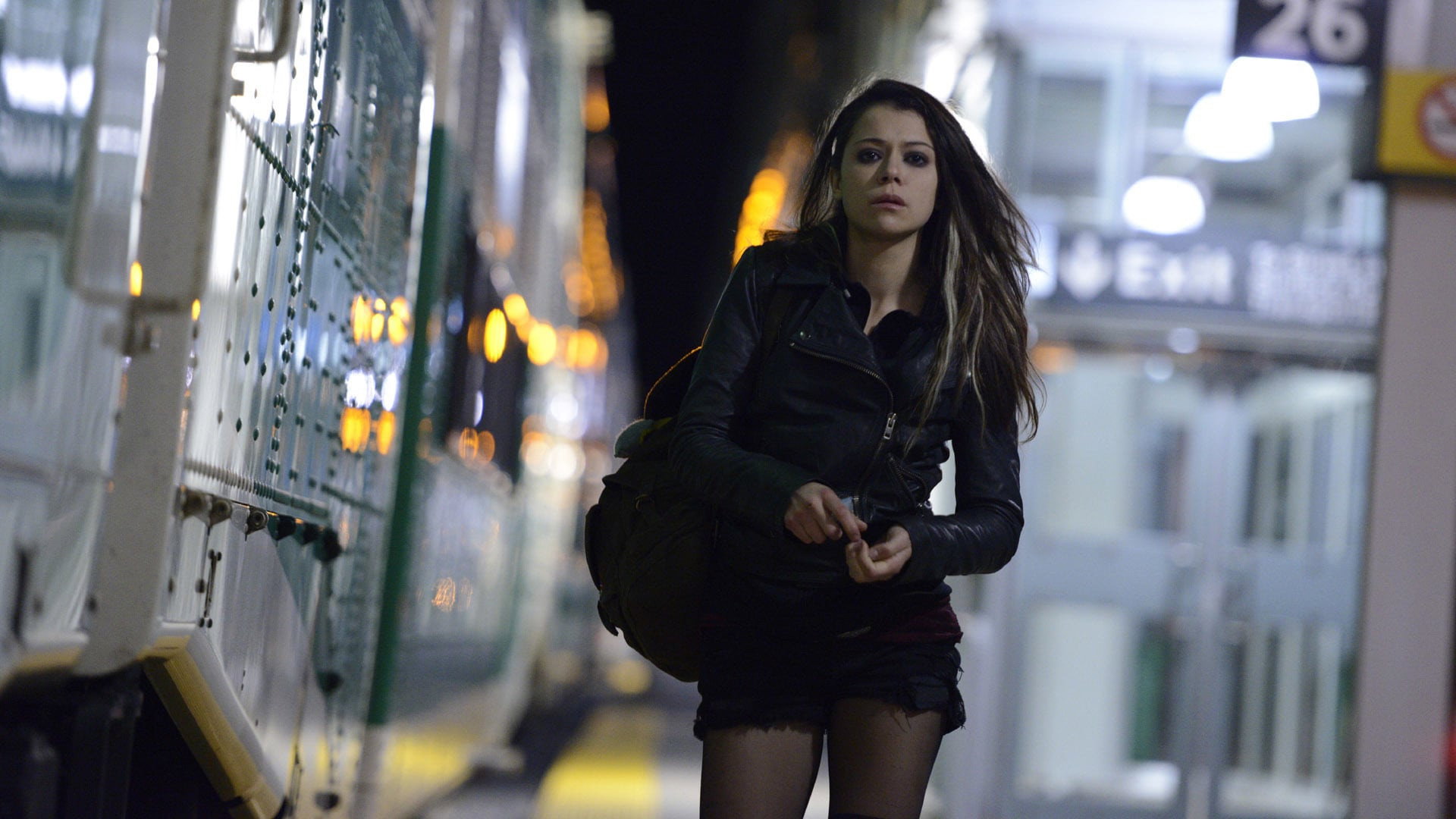
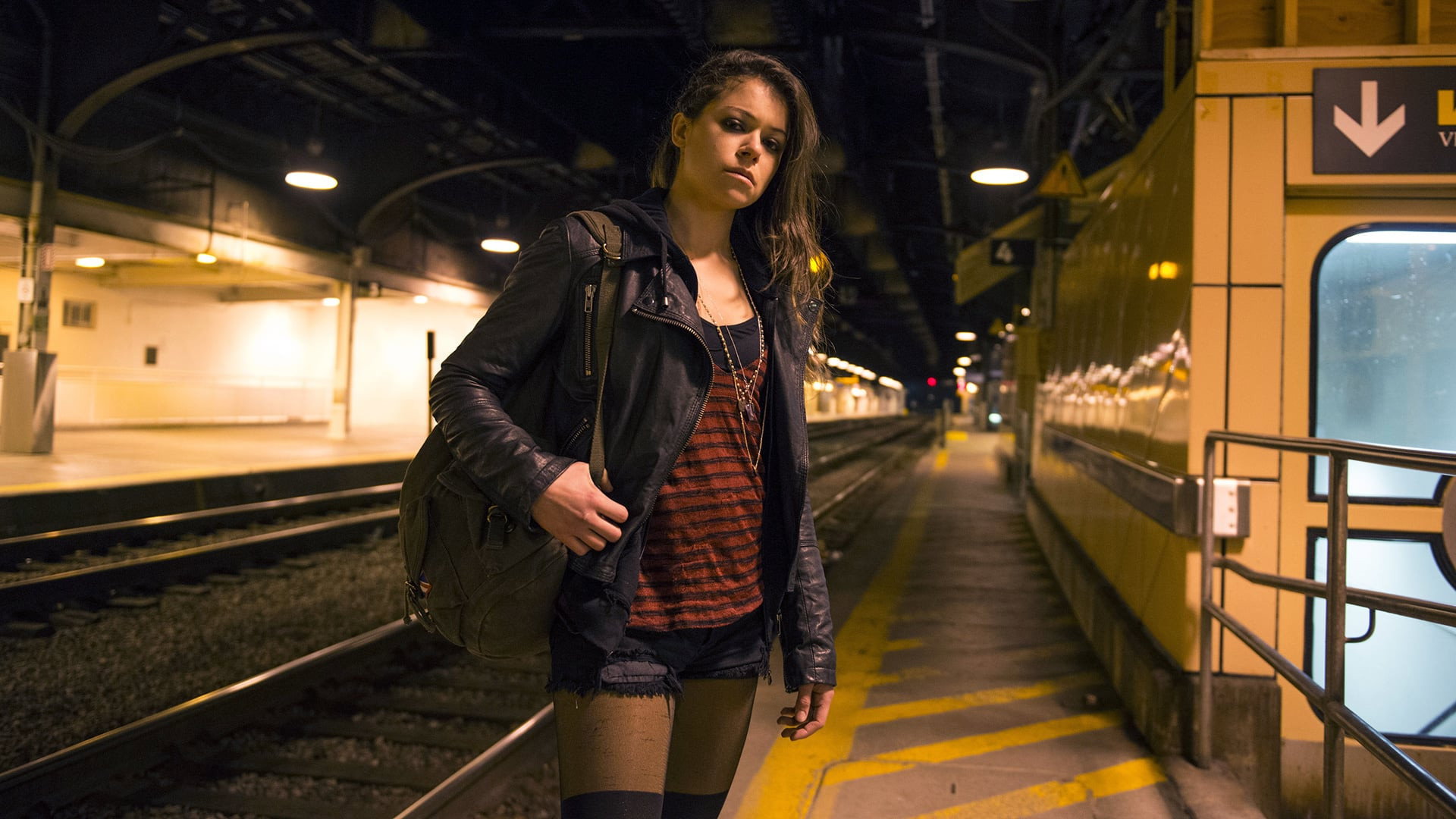
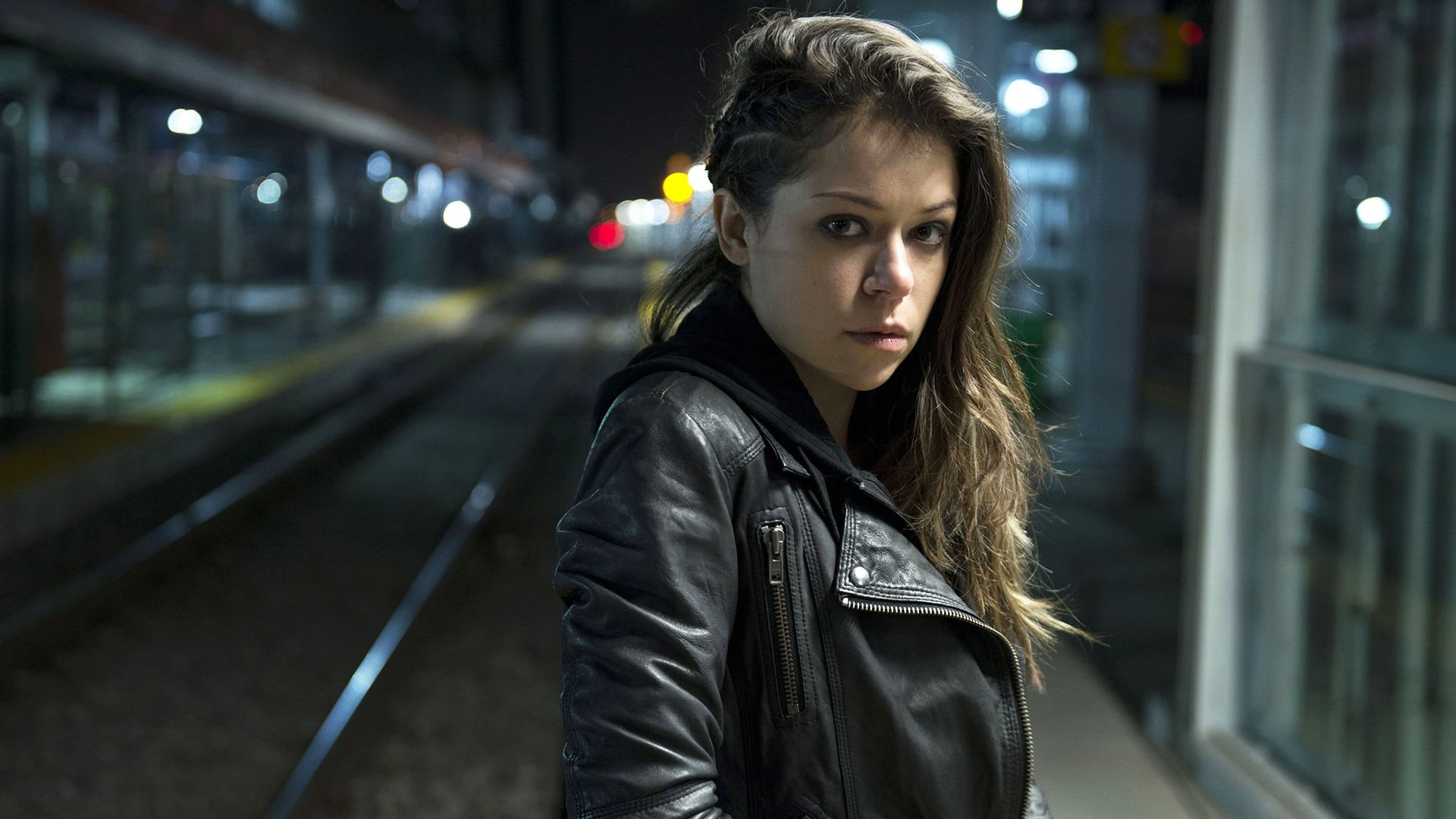
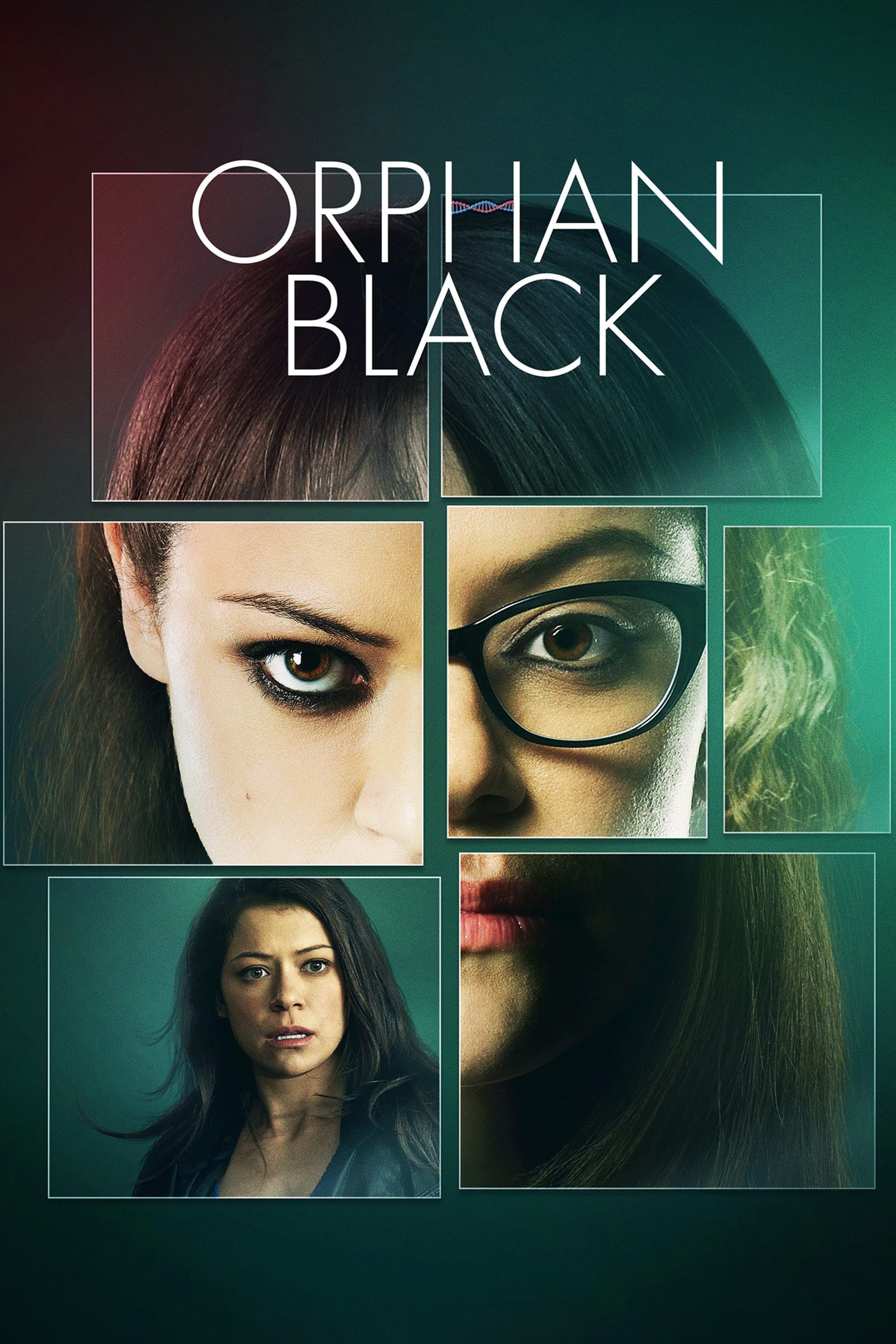
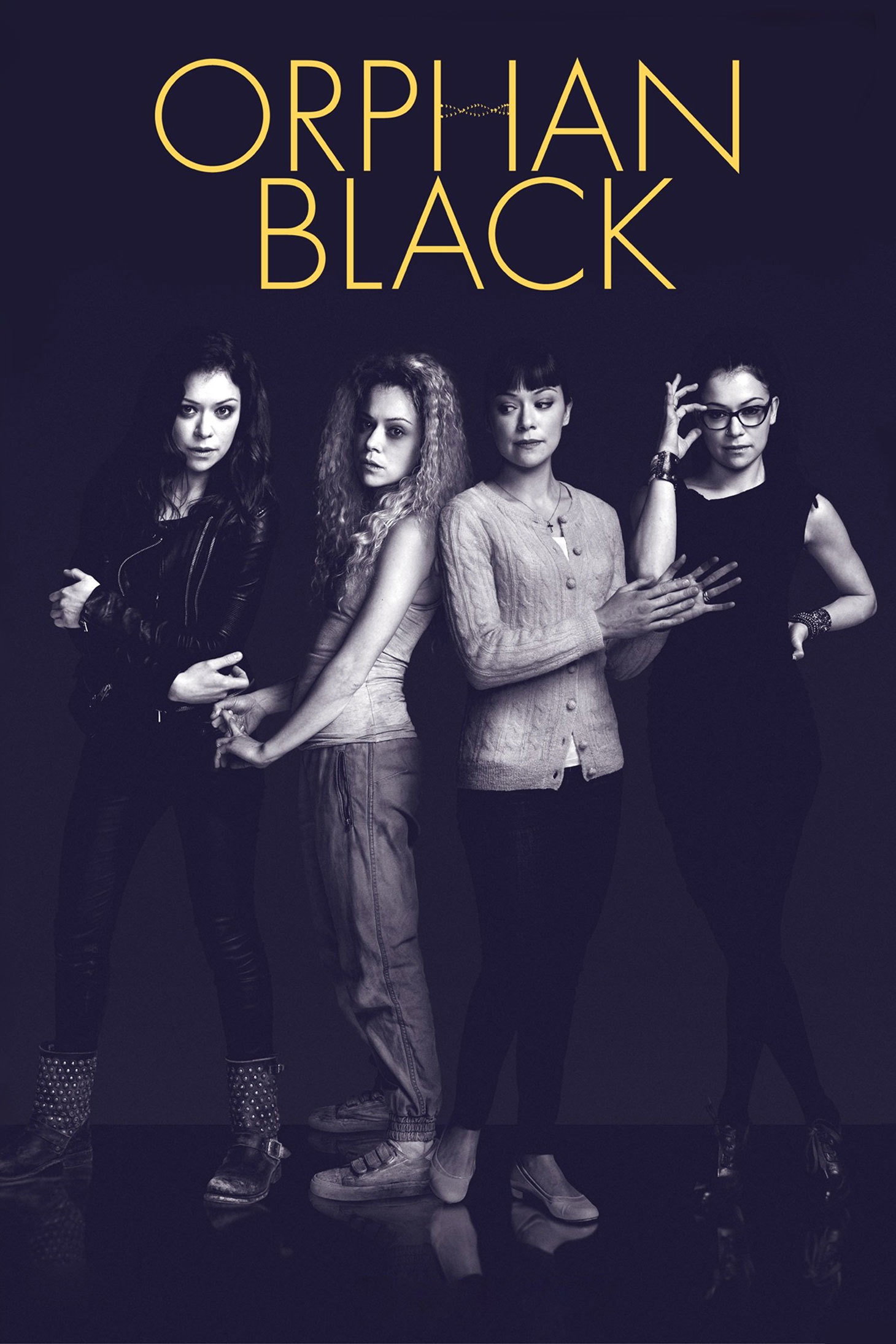
Tatiana Maslany is the whole show and she knows it. Sarah has London vowels, a leather jacket and a habit of looking at exits. Alison, the suburban mother, has a fleece gilet, a headband and a glue gun. Cosima, the geneticist, talks with her hands, wears her glasses pushed up and says “totally” as punctuation. Maslany changes the breathing, the neck, the speed of thought. Debra Hanson and Laurie Drew’s costumes do the first ten seconds of each identification and she does the rest.
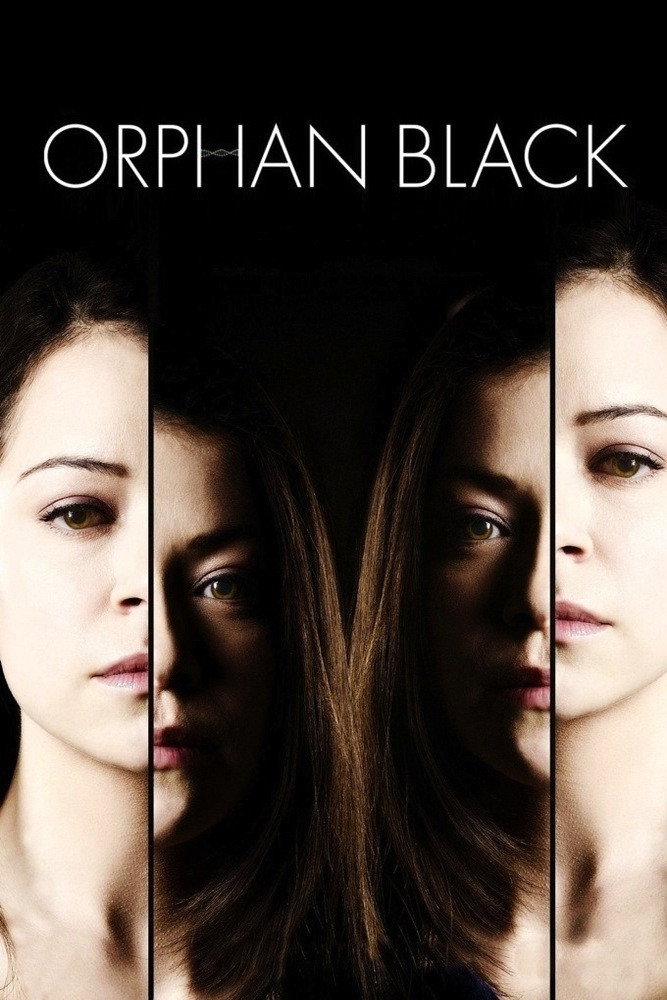
The first time two of them shared a frame, one handing the other a mug across a kitchen island, we stopped seeing the trick inside a minute, and then felt oddly uneasy about how quickly we had. There is a scene in the first season in which one clone has to impersonate another, badly, in front of people who know her, and Maslany plays a woman playing a woman she does not like. We laughed for most of it and were tense for the rest.
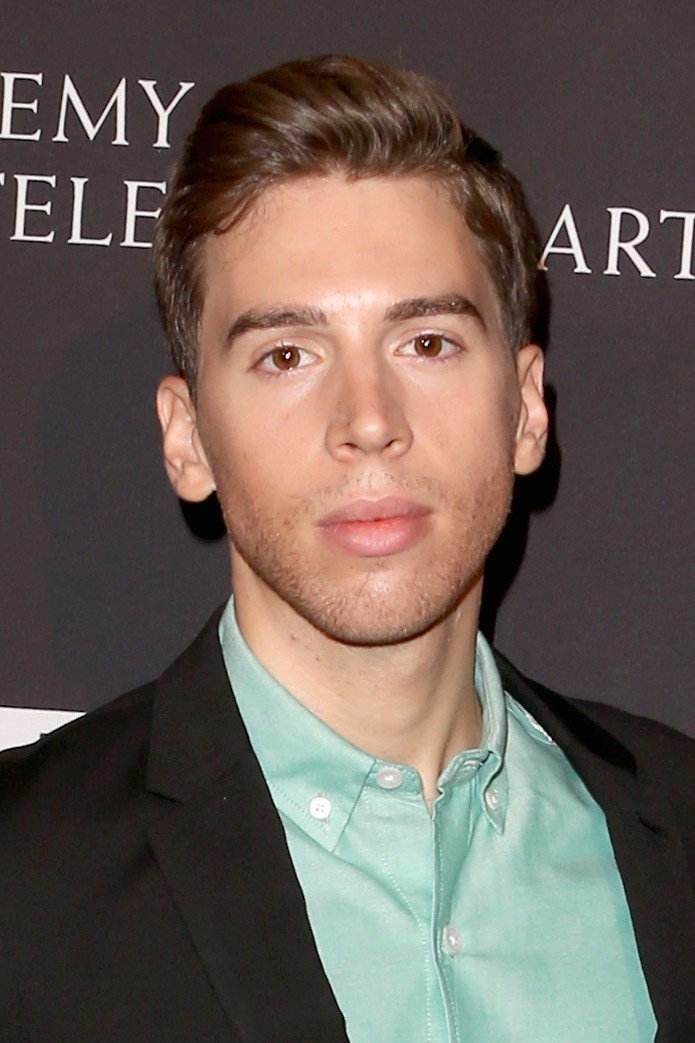
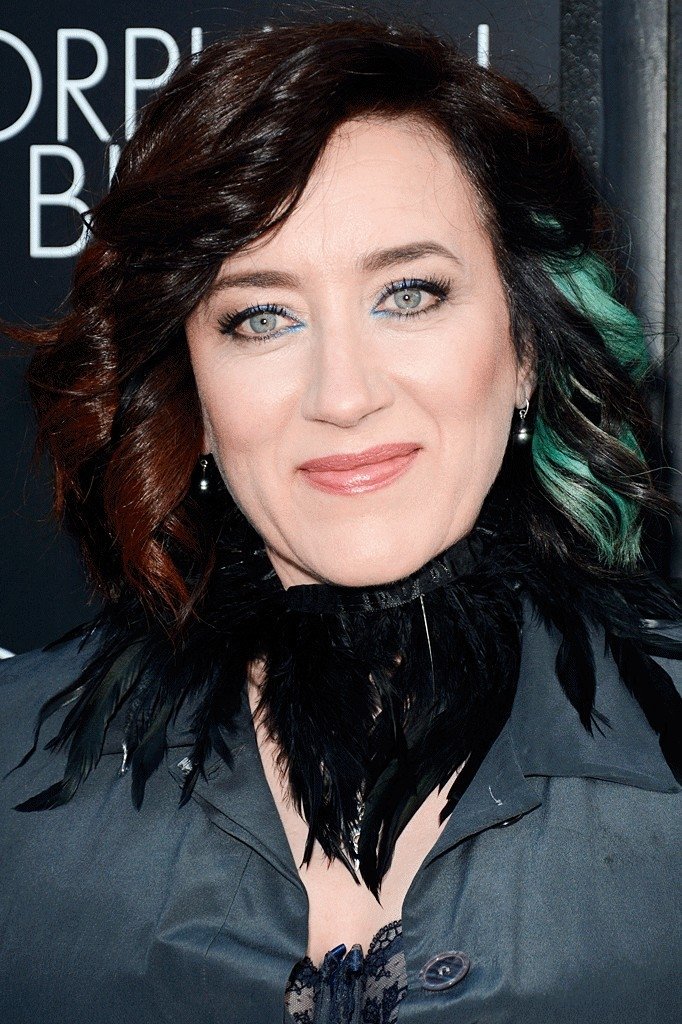
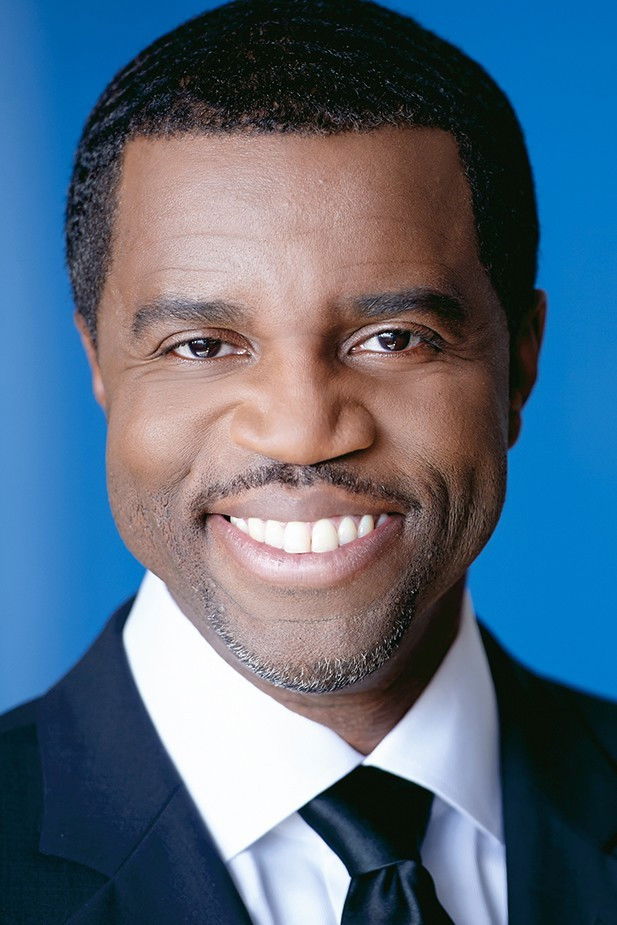
She has good company. Jordan Gavaris’s Felix, the foster brother, is a painter with a brick loft, a bathtub in the middle of it and the only reliable moral sense in the cast, and he gets the best lines. Maria Doyle Kennedy plays Mrs S with an Irish flatness that gives nothing away for a long time. Kevin Hanchard’s Art is a decent policeman slowly realising his partner was not who he thought. Kristian Bruun makes Donnie, Alison’s husband, a man out of his depth in his own hallway. Matt Frewer, as Dr Aldous Leekie, lectures on improving the species with the smile of a man selling conservatories.
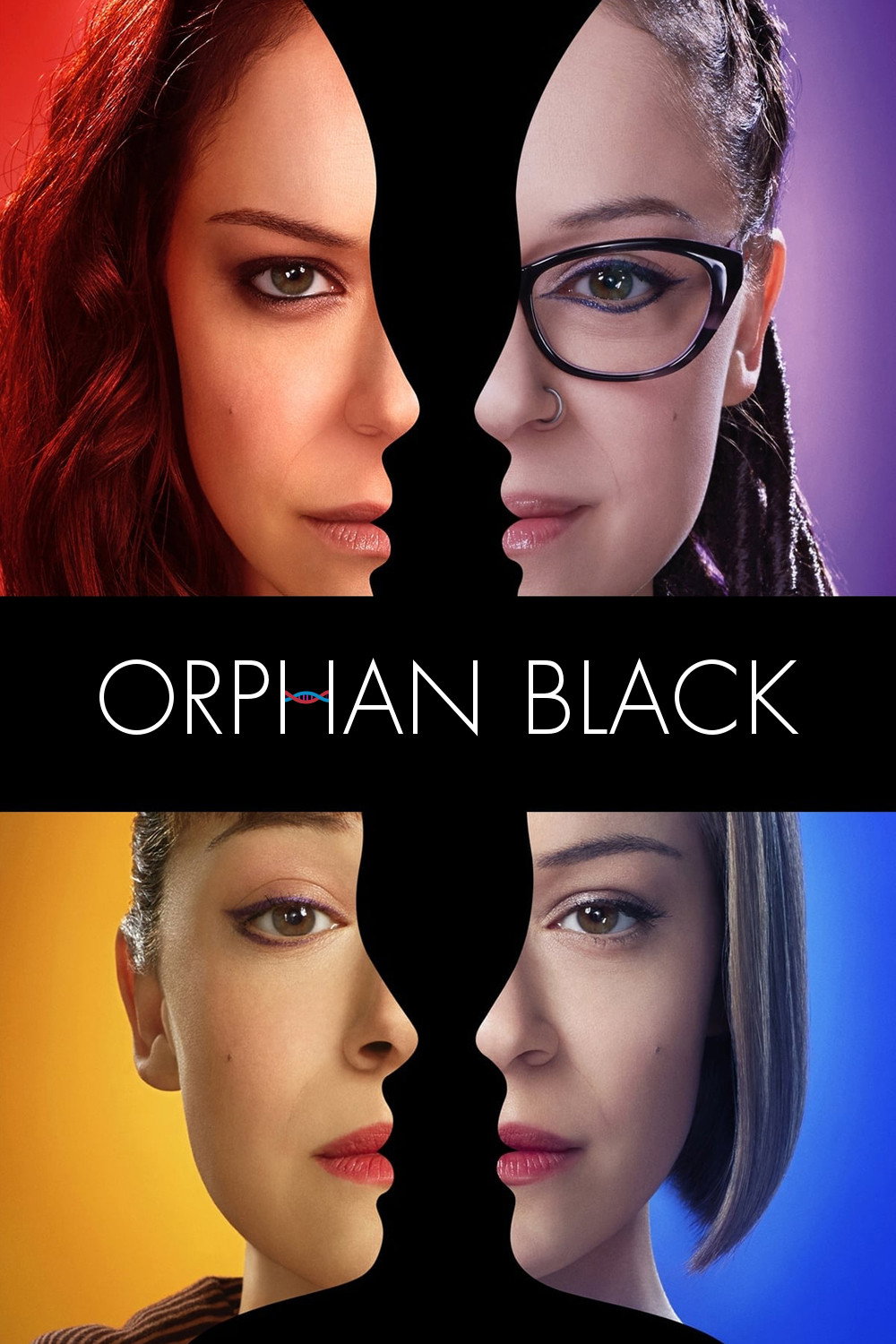
Aaron Morton, David Frazee and Michael Marshall shoot Sarah’s city in grey and underpass orange, Alison’s cul-de-sac in bright flat daylight, and Cosima’s lab in amber, so you know whose episode you are in before anyone speaks. Ian Brock and John Dondertman’s production design does the same work: the loft is paint and exposed brick, Alison’s house is beige and labelled. Trevor Yuile’s score is a low electronic pulse with little tune in it, which suits a show about people who are not sure they are individuals. Eight editors are credited across the run, and the switches from creepy to comic within a scene are cut cleanly enough that we rarely noticed the join.
The trouble is everything outside the sisters. A biotech corporation wants them. A religious group wants them. Then the military wants them, and each season adds a faction, a file, a laboratory and a man in a good coat explaining the previous season. Ari Millen is handed a set of his own to play later on, and the show is less sure what to do with them than with hers. Dylan Bruce’s Paul is written as a mystery and played as a blank. By the fourth season we were bored by the conspiracy, then cross about it, because the scenes that were working, three women arguing in Alison’s kitchen, were being rationed to make room for it.
As a clone story it never settles between the thoughtful and the pulpy; as a study of nature and upbringing it has one real idea, that the same woman raised in a squat, a cul-de-sac and a graduate programme would be three people, and it proves it every week with a single actress. Watch the first season in a week and decide then. The 18 certificate is earned, mostly by Sarah’s side of the family, and Alison would not approve of any of it.