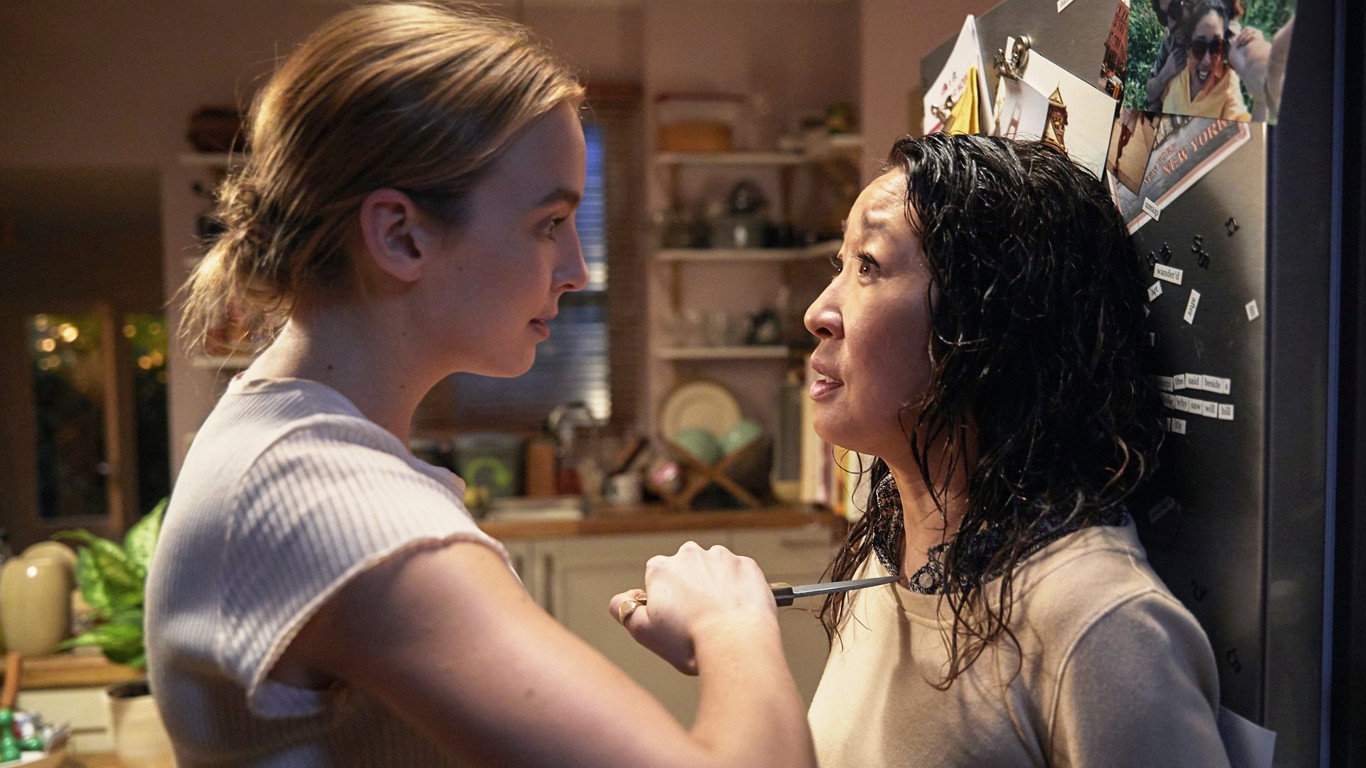
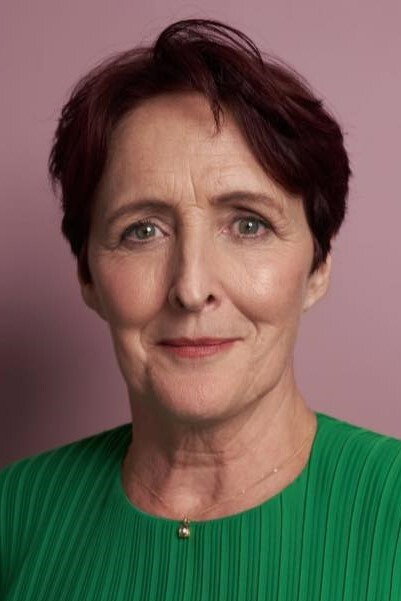
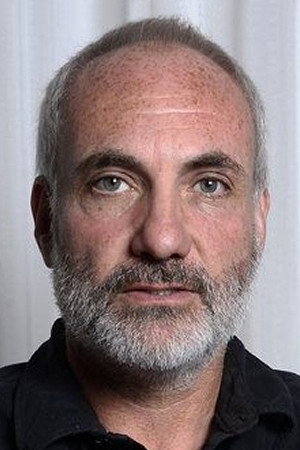
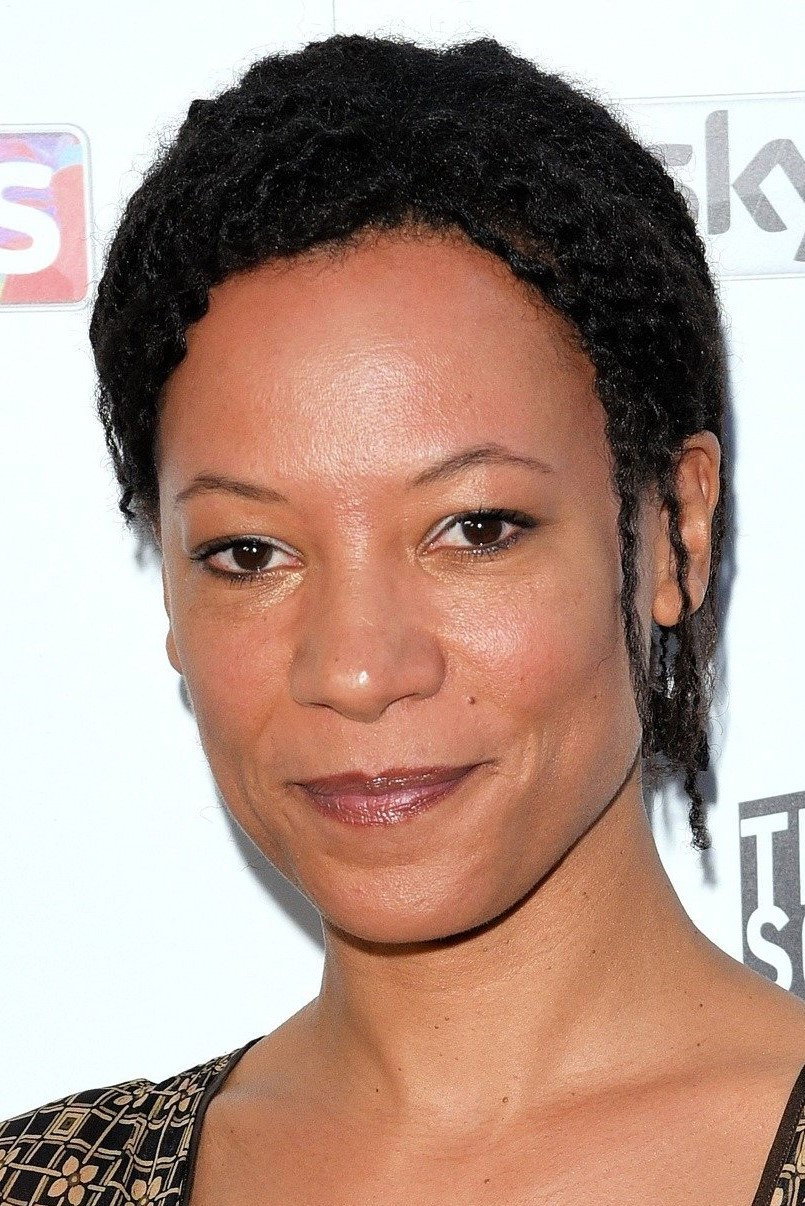
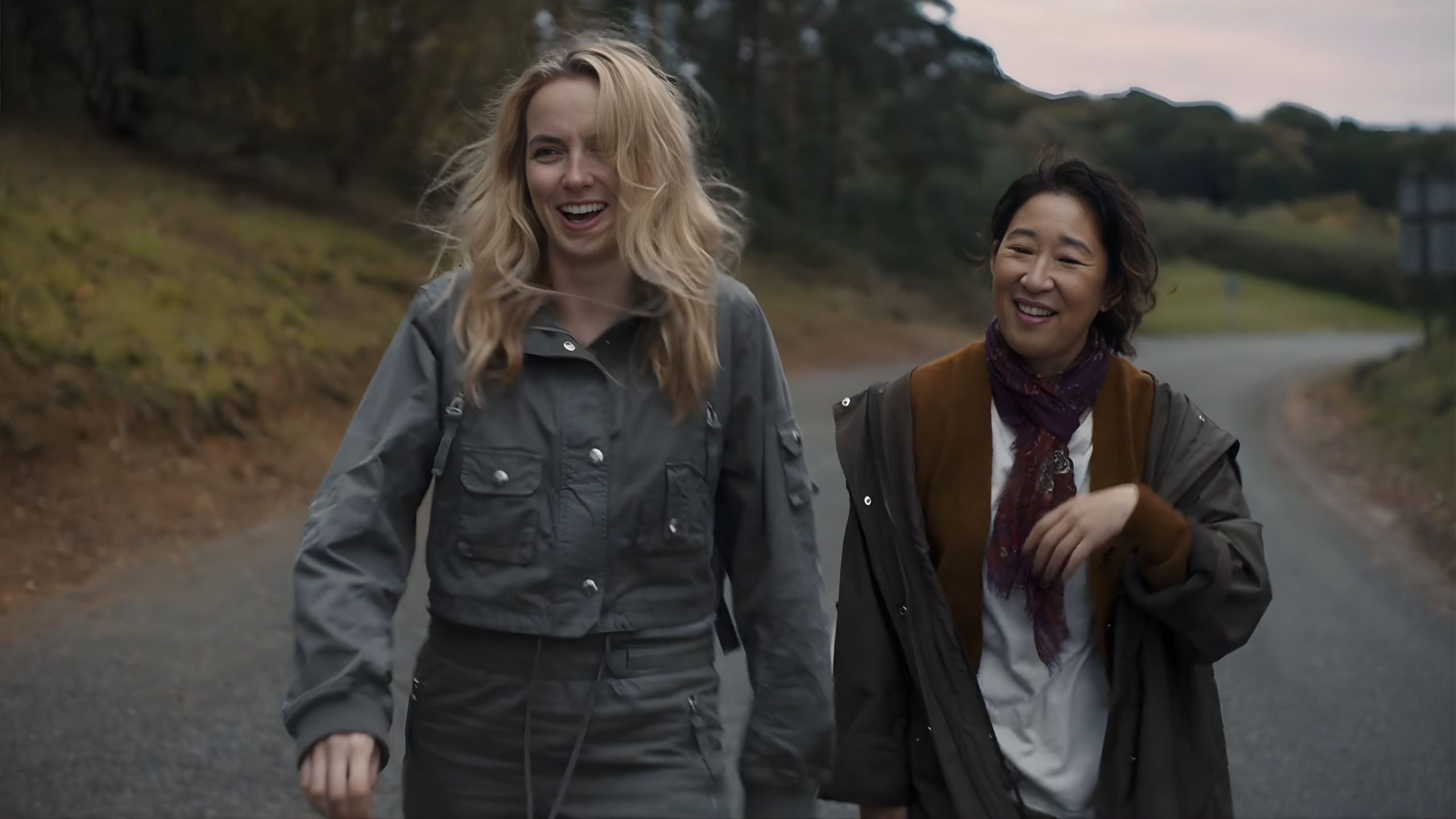
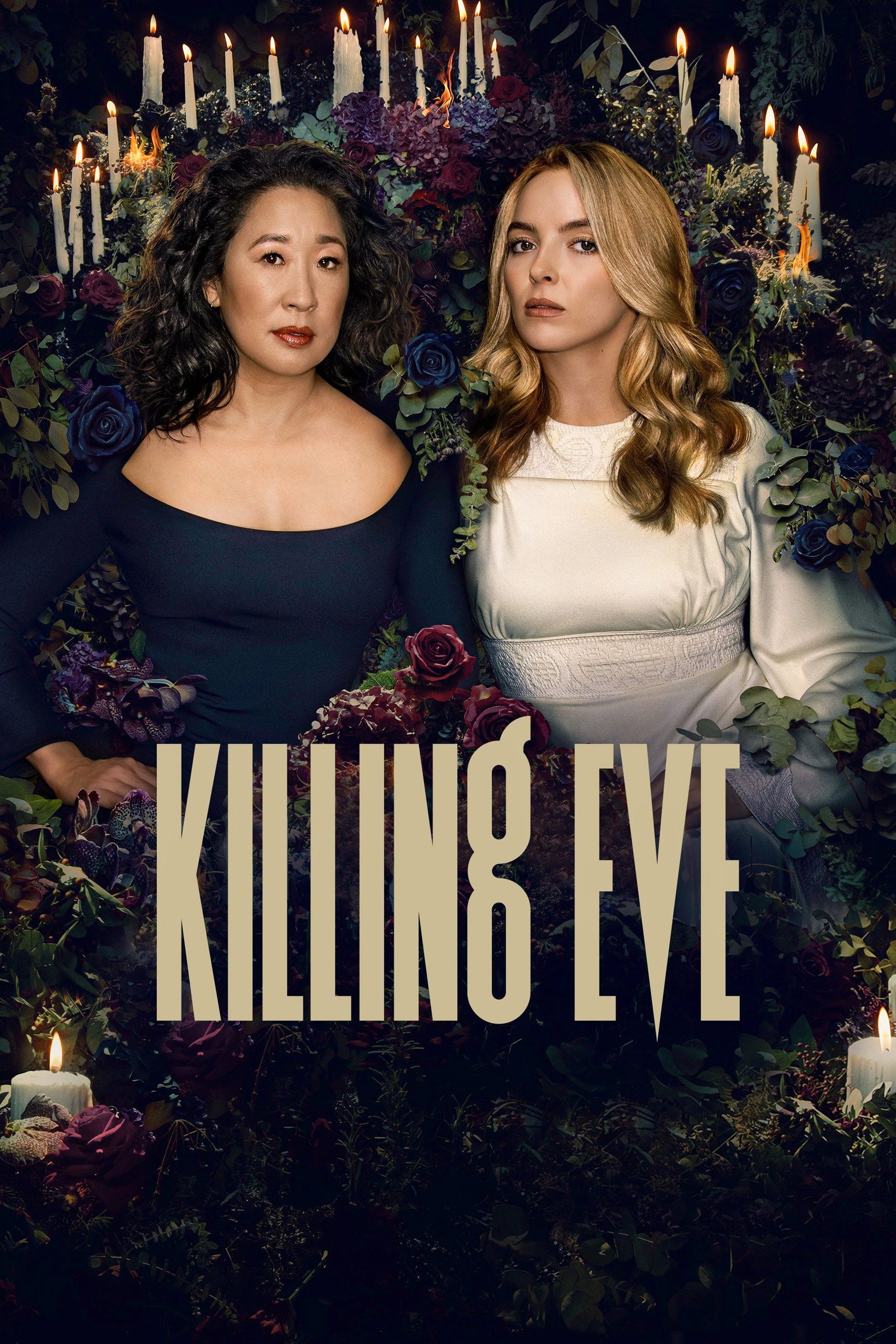
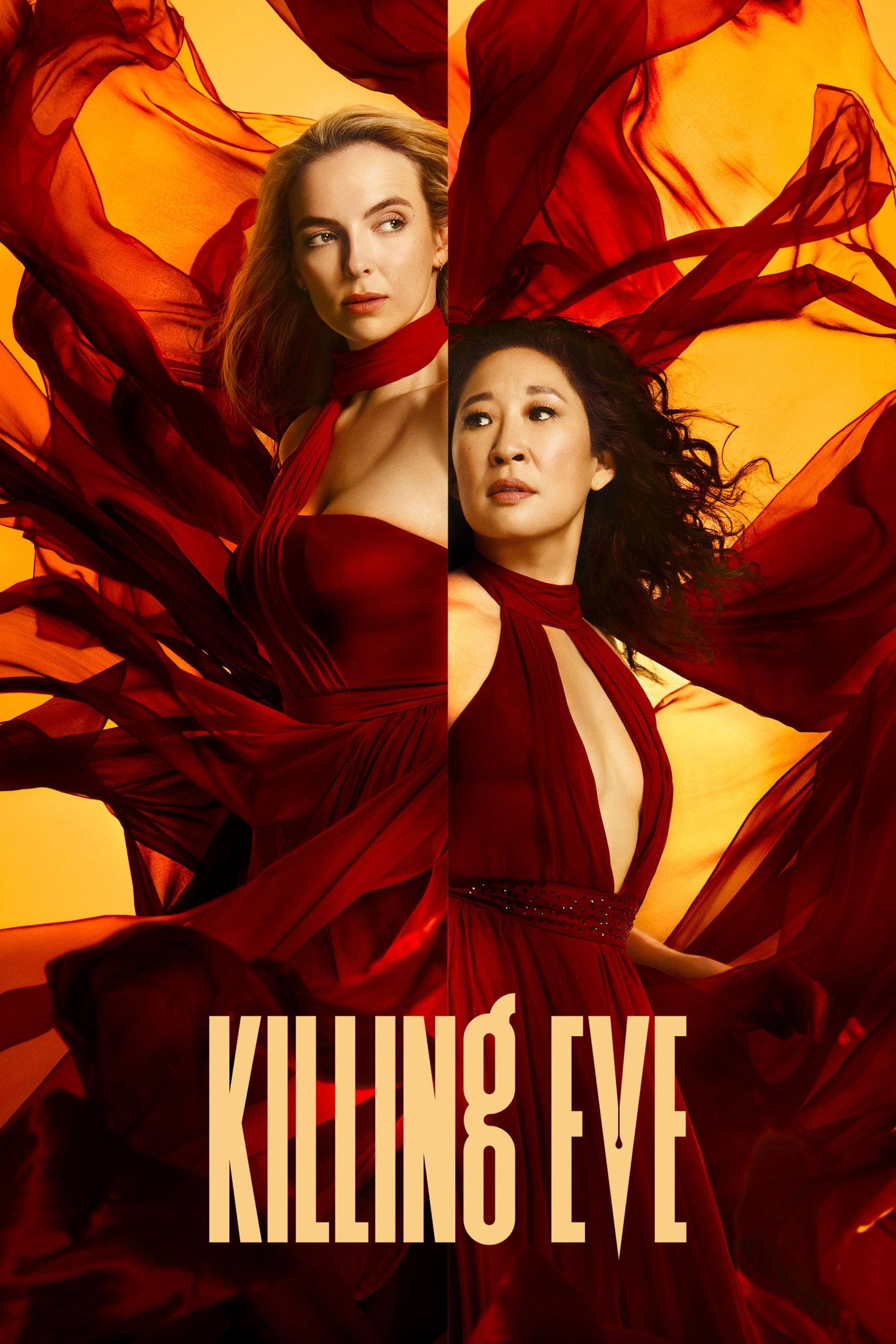
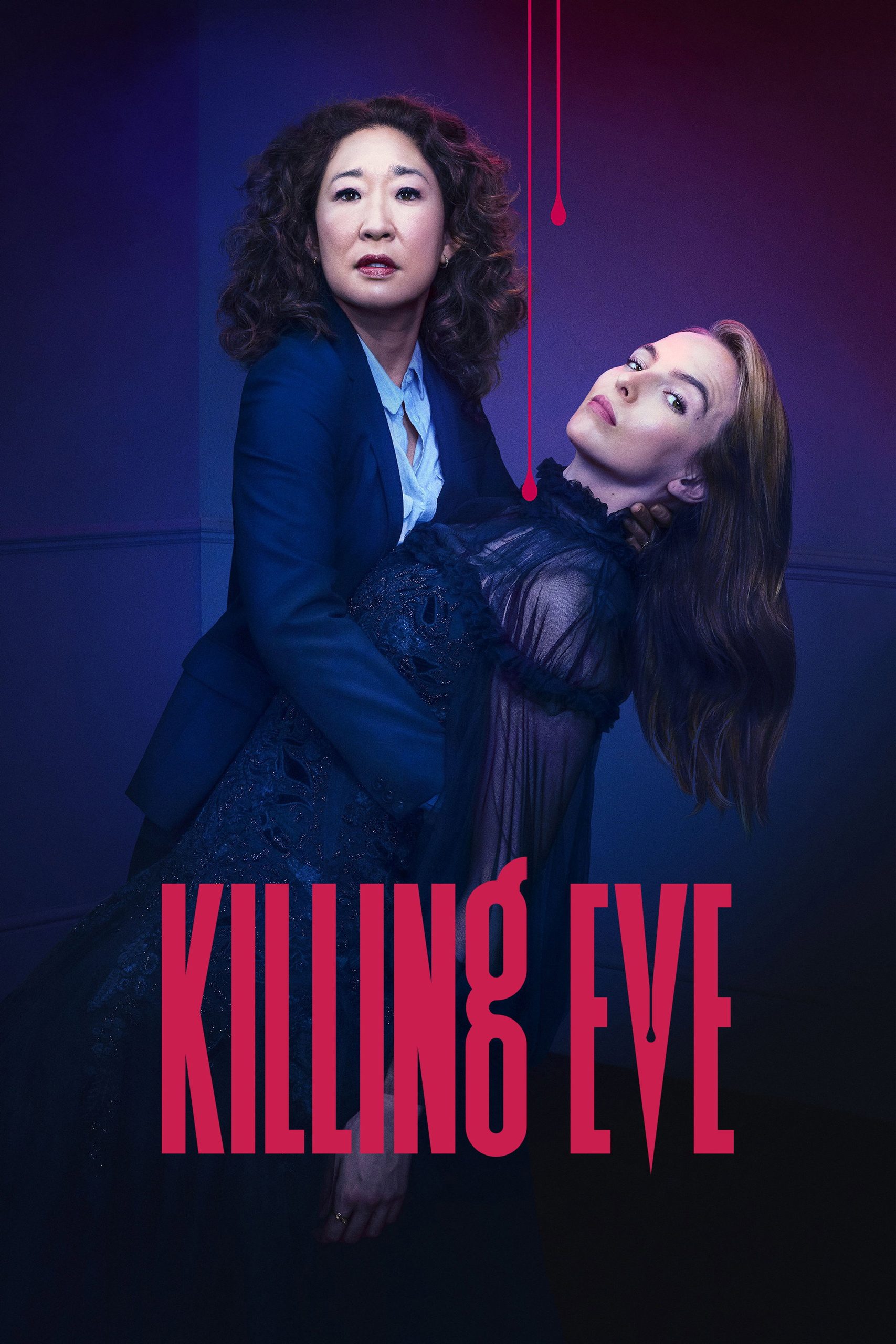
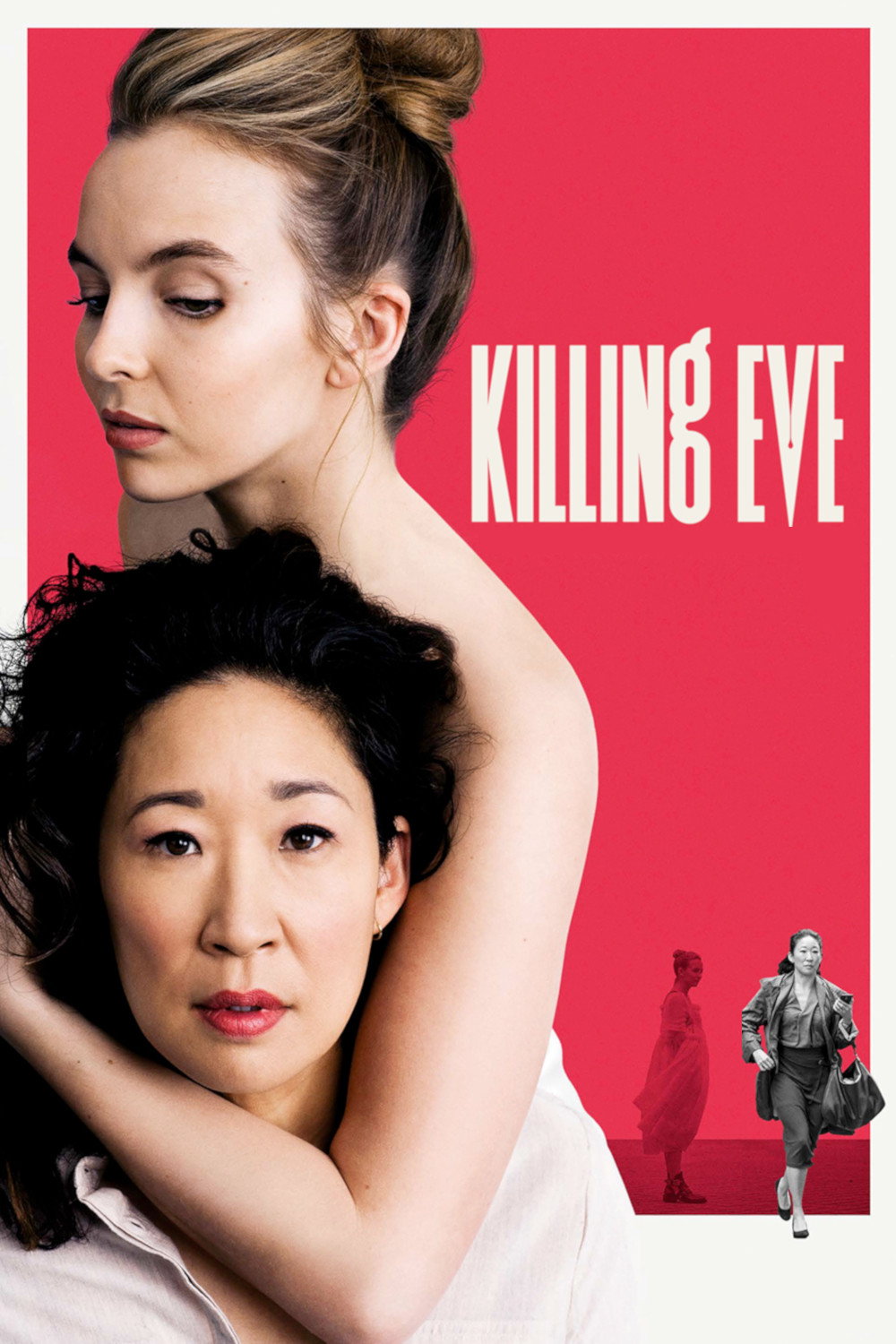
Sandra Oh and Jodie Comer make Killing Eve a funny, unsettling spy thriller worth following. The hunt occasionally depends on convenient plotting, but the performances make its obsessive central relationship persuasive.
We recommend Killing Eve for its two leads and its willingness to let a spy thriller be funny without making the danger trivial. Created by Phoebe Waller-Bridge, it sends a bored intelligence agent after an assassin, then lets the pursuit become an obsession for both women. The first series has eight episodes, and the characters are sufficiently awkward and contradictory to sustain that stretch. The plotting is less dependable: there are conveniences that we accept because we want to see what the actors will do next.
Sandra Oh makes Eve Polastri’s boredom matter. Her enthusiasm for the hunt is understandable after the routine of desk work, and that makes her questionable judgement harder to dismiss. The performance catches the embarrassment of an intelligent person finding reasons to behave unwisely. We remain interested in Eve because her fascination does not erase her nervousness, and the performance gives both feelings room.
Jodie Comer, as Villanelle, has the more immediately entertaining assignment. She makes the assassin’s playfulness and cruelty seem entirely compatible, so a funny line offers no assurance that anyone is safe. We laughed at Villanelle, then felt uncomfortable about it: her casual disregard for other people is also what makes her comic. The changes in her manner are quick without feeling arbitrary. The interest between the women is persuasive because neither performance settles for a simple explanation of it.
The cinematography by Tim Palmer, Julian Court and Damian Bromley is slick enough to make danger look inviting. The production design by Kristian Milsted and Laurence Dorman contributes to that appeal, though we sometimes find the finish too flattering to the nastiness. The polish can increase the distance between us and characters who are already difficult to like. This puts more of the work of holding our attention on the performers, particularly when the hunt itself becomes less convincing.
Gary Dollner and the other editors help the suspense gather after an opening that takes time to settle. The cutting accommodates jokes without making the danger feel like an interruption, which matters in a thriller so ready to make us laugh. Keefus Ciancia and David Holmes’s music encourages the playfulness, although the sharpest shifts come from the actors’ delivery. The dialogue moves between languages and makes room for gallows humour without asking everyone to become a comedian.
The weaker passages come when the chase needs to move forward and the writing makes that progress too convenient. Phoebe Waller-Bridge’s characters are convincing in their self-deception, but the script sometimes clears obstacles for them too readily. That is a limitation for a spy thriller, even one whose chief interest is the attraction between the women. Their lack of warmth may also put some viewers off, though we found enough curiosity and unease in the central pairing to stay involved. Watch it for the women, and forgive the investigation when it makes life too easy for them.