A writer who runs programmes rather than a director in the usual sense, Wyman uses science fiction as a way of getting at loneliness and company. Fringe is the case for him; The Mexican shows what the same instinct does without the monsters.
Fi1m perspective
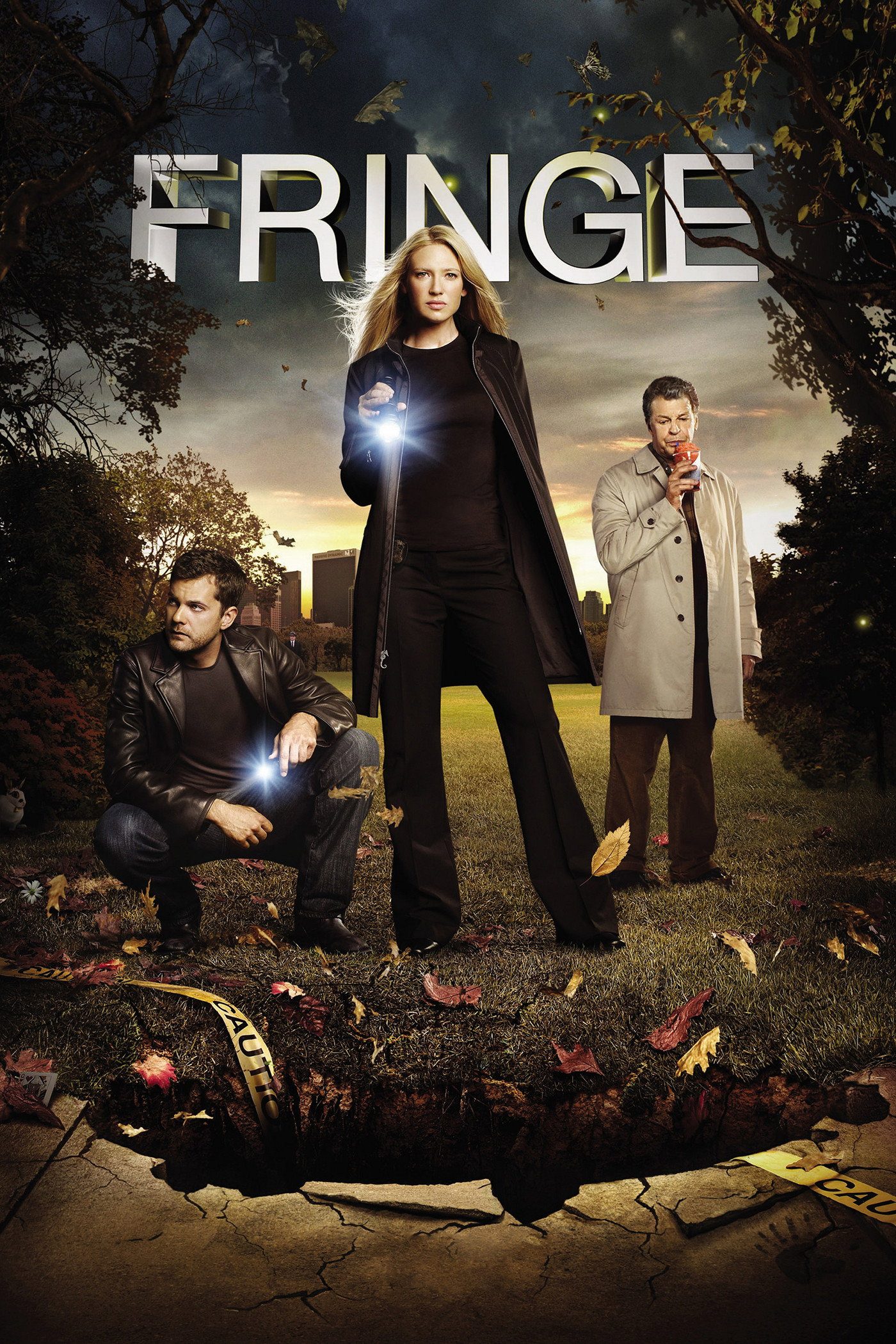
Walter Bishop cannot remember his assistant's name. Fringe (2008) runs that joke for five years and never wears it out, and it tells you most of what you need to know about the people writing it. The mistake is small, it is repeated, and it is forgiven, and under it is a frightened old man holding on to the one person in the lab who is kind to him. Wyman was among its most prominent writers from the start and ran it alone by the fifth season, and that is the temperature he kept it at.
He is listed as a director, and he has directed, two episodes of Fringe including the last one, but the work is writing and running programmes. He acted in the 1990s under another name, wrote and directed Pale Saints (1997), wrote The Mexican (2001) for Gore Verbinski, created Keen Eddie (2003), and then joined Fringe, where he and Jeff Pinkner shared the job for most of its run. Since then he has created Almost Human (2013) and Debris (2021), both science fiction and both, by his own account, about how people behave when something impossible arrives.
What works is the patience. Fringe began as a tidy copy of The X-Files and took most of a season to find out what it was for, and Anna Torv's Olivia Dunham was the problem: a badge and a dying colleague and not much else, played tight and quiet, which read as flat. The writers decided the quiet was the character and built the second season on it, and Torv moved us then far more than a year of watching her had led us to expect. Wyman has said he plans a series thematically before he begins, and the second season looks like it: a decision taken early and kept. The one reservation is that the later seasons carry more mythology than some viewers wanted.
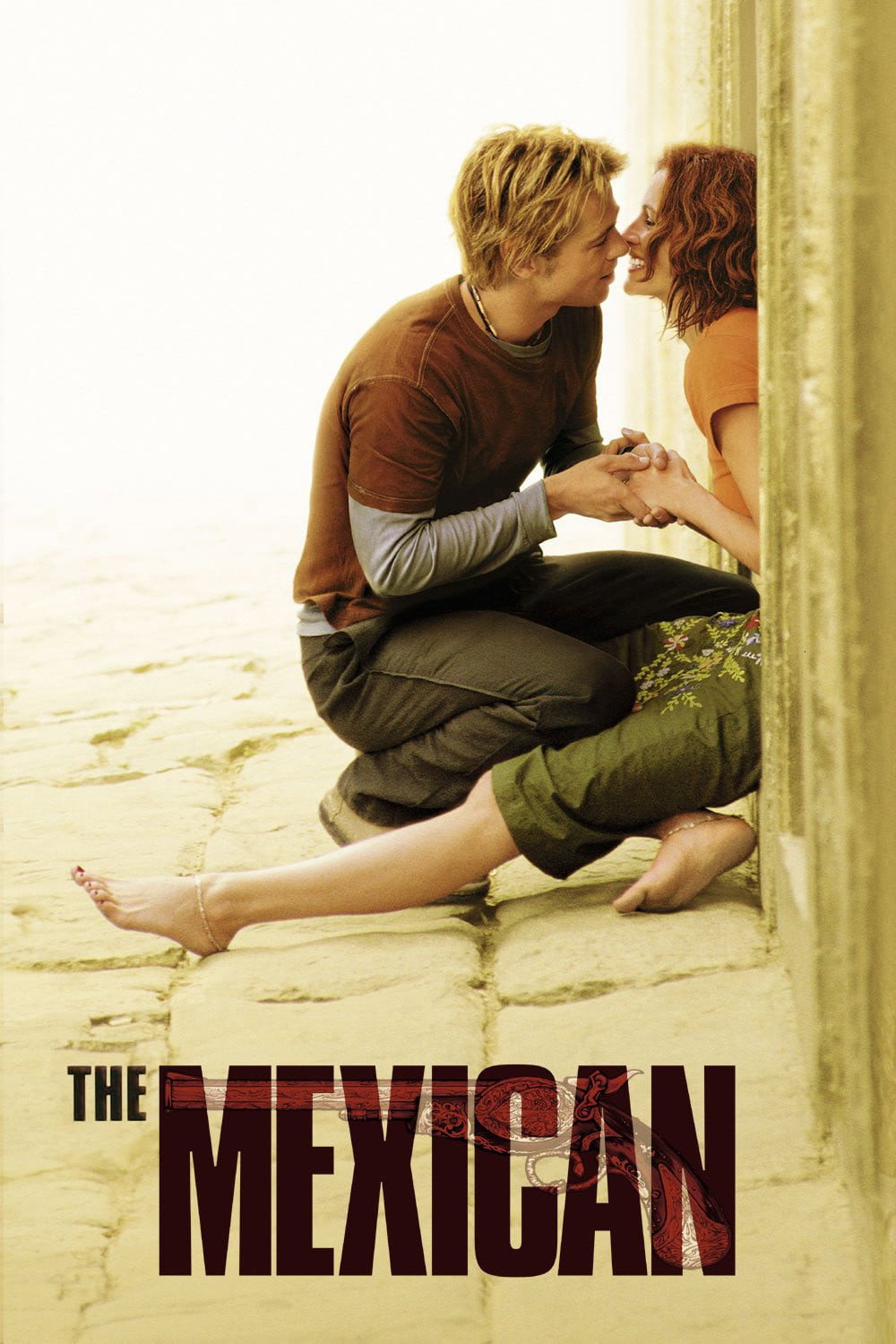
The Mexican shows the same instinct with nothing strange to lean on. Wyman's script is built on keeping Brad Pitt and Julia Roberts in different countries for most of its 123 minutes, and the half that is a long conversation in a car, Roberts and James Gandolfini, is the one we wanted to keep watching. The half that is Pitt losing a pistol in the dust is the errand the plot needs, and it outlasts the joke. He is good at two people with no reason to talk to each other talking anyway, and less good at the plotting that gets them there.
Watch Fringe from the beginning and forgive the first year. He has said, "I’m consistently telling stories about the value of the human condition and connectedness and things like that," and that is accurate. Almost Human was short-lived, and his kind of programme needs a second season to show what the first was for. Give the next one a year.
Biography
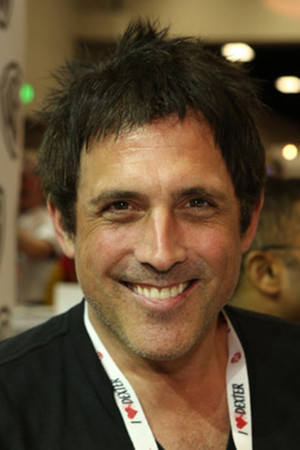
J. H. Wyman is an American-born Canadian writer, producer and director. Born Joel Howard Wyman on 5 January 1967 in Oakland, California, he grew up in Montreal and trained at the American Academy of Dramatic Arts in Los Angeles. He began his career as an actor under the name Joel Wyner before moving into writing and producing in the late 1990s.
Wyman wrote and produced the feature film The Mexican (2001). He created the series Keen Eddie (2003) and joined Fringe (2008–2013) as a writer and co-executive producer, later becoming co-showrunner and directing two episodes. He created and showran Almost Human (2013–2014) and Debris (2021), and wrote and produced the film Dead Man Down (2013).