Gore Verbinski keeps his two stars apart for most of the picture, and the half with James Gandolfini in it is the one worth watching. The rest is Brad Pitt losing a pistol in the dust, and it outlasts the joke.
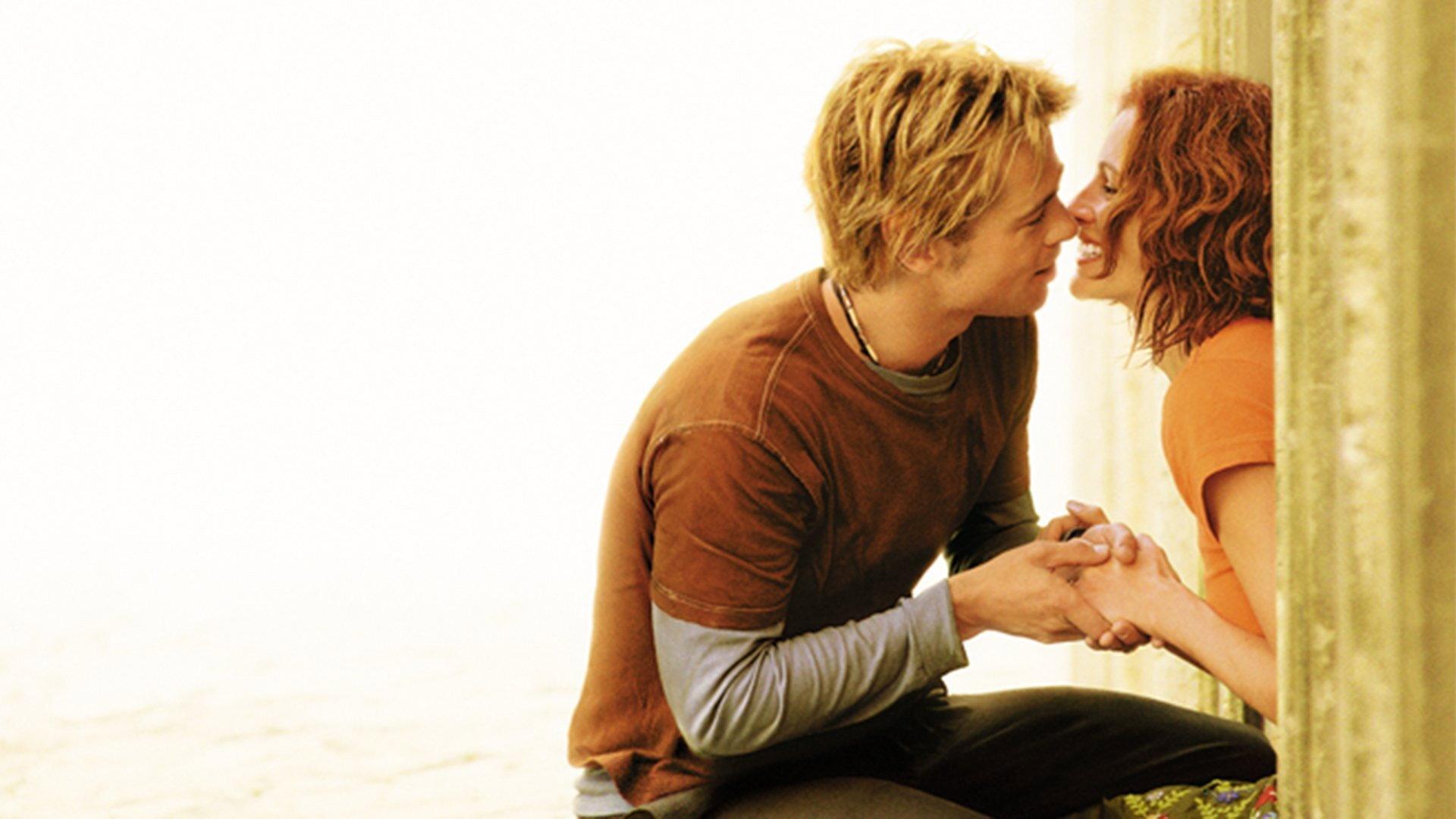
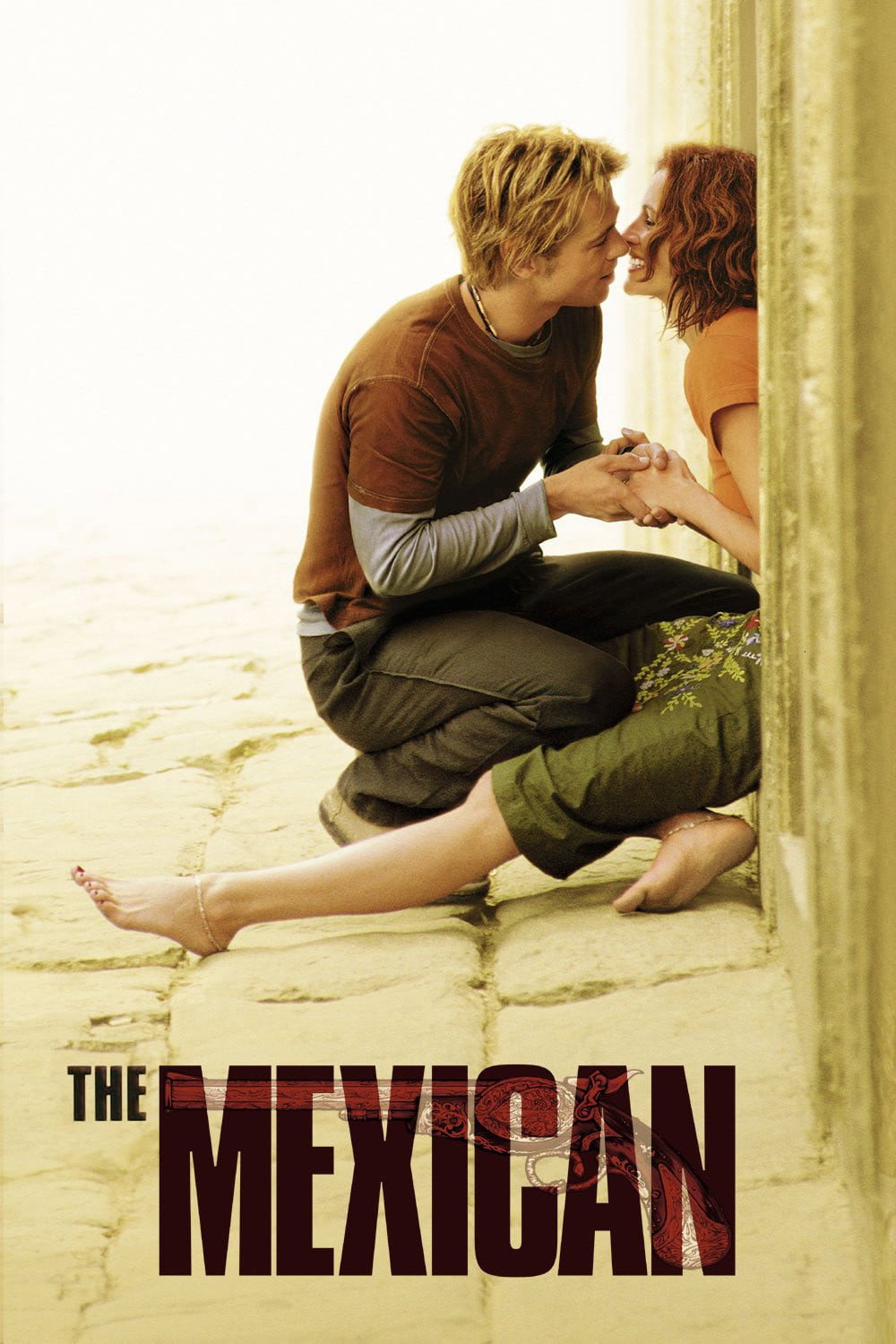
The Mexican puts Brad Pitt and Julia Roberts on the same poster and then keeps them in different countries for most of its 123 minutes. J. H. Wyman’s script is built on that separation. Jerry (Pitt) is sent south to fetch a pistol; Samantha (Roberts) is on her way to Las Vegas when Leroy (James Gandolfini) puts her in his car and keeps her there. Gore Verbinski cuts between the two, one a slapstick errand and the other a long conversation, and only one of them is a film we wanted to keep watching.
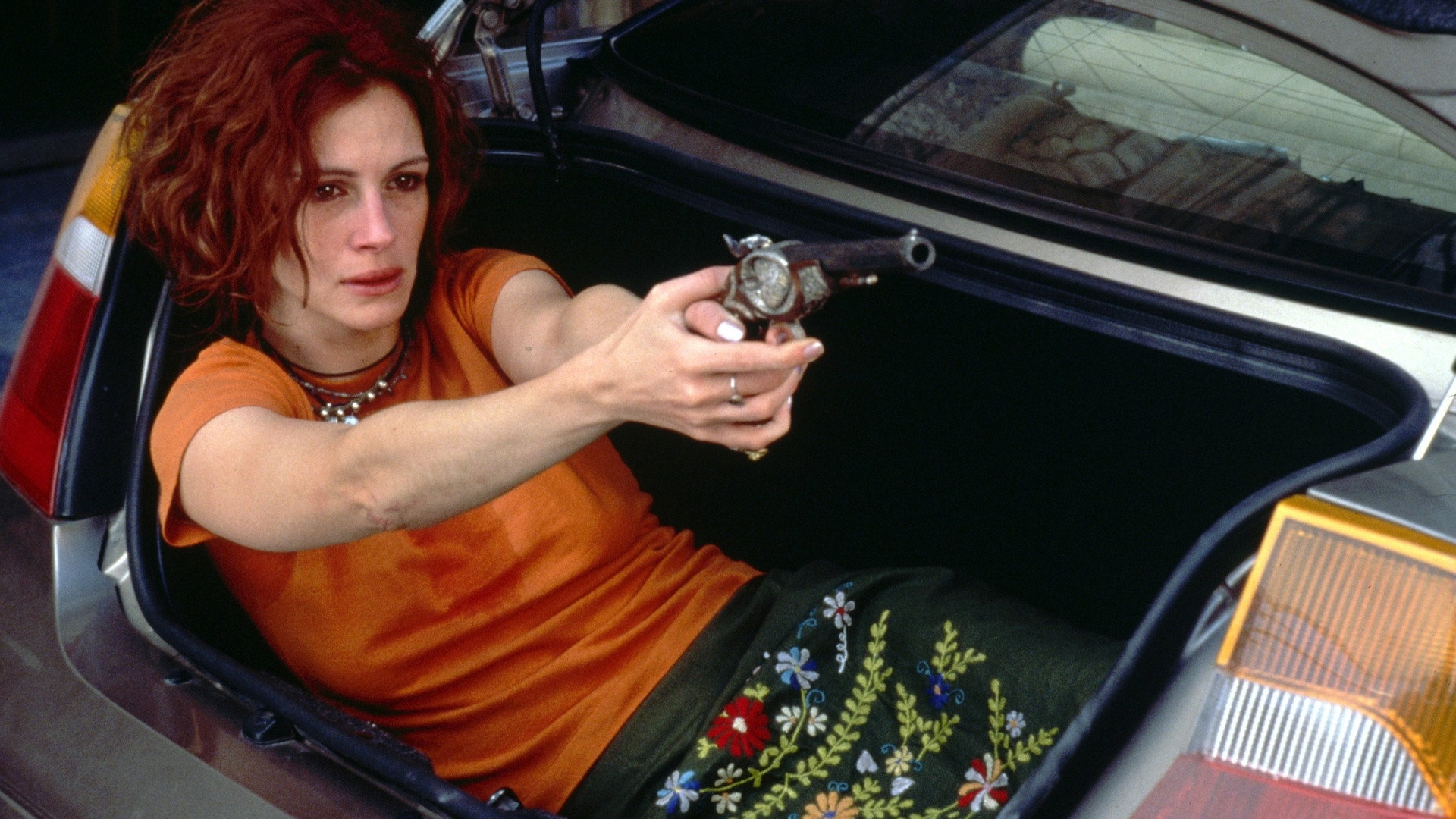
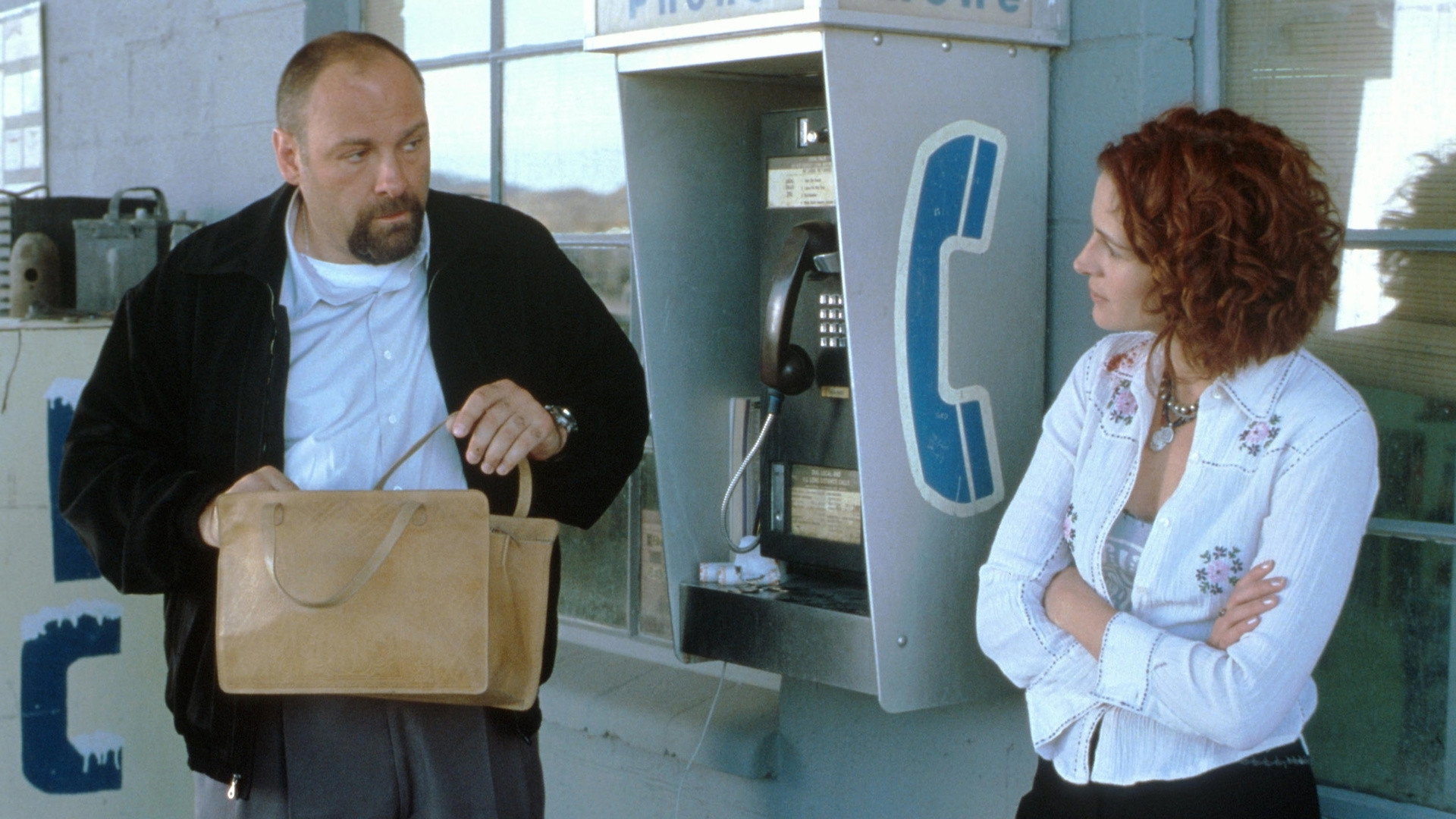
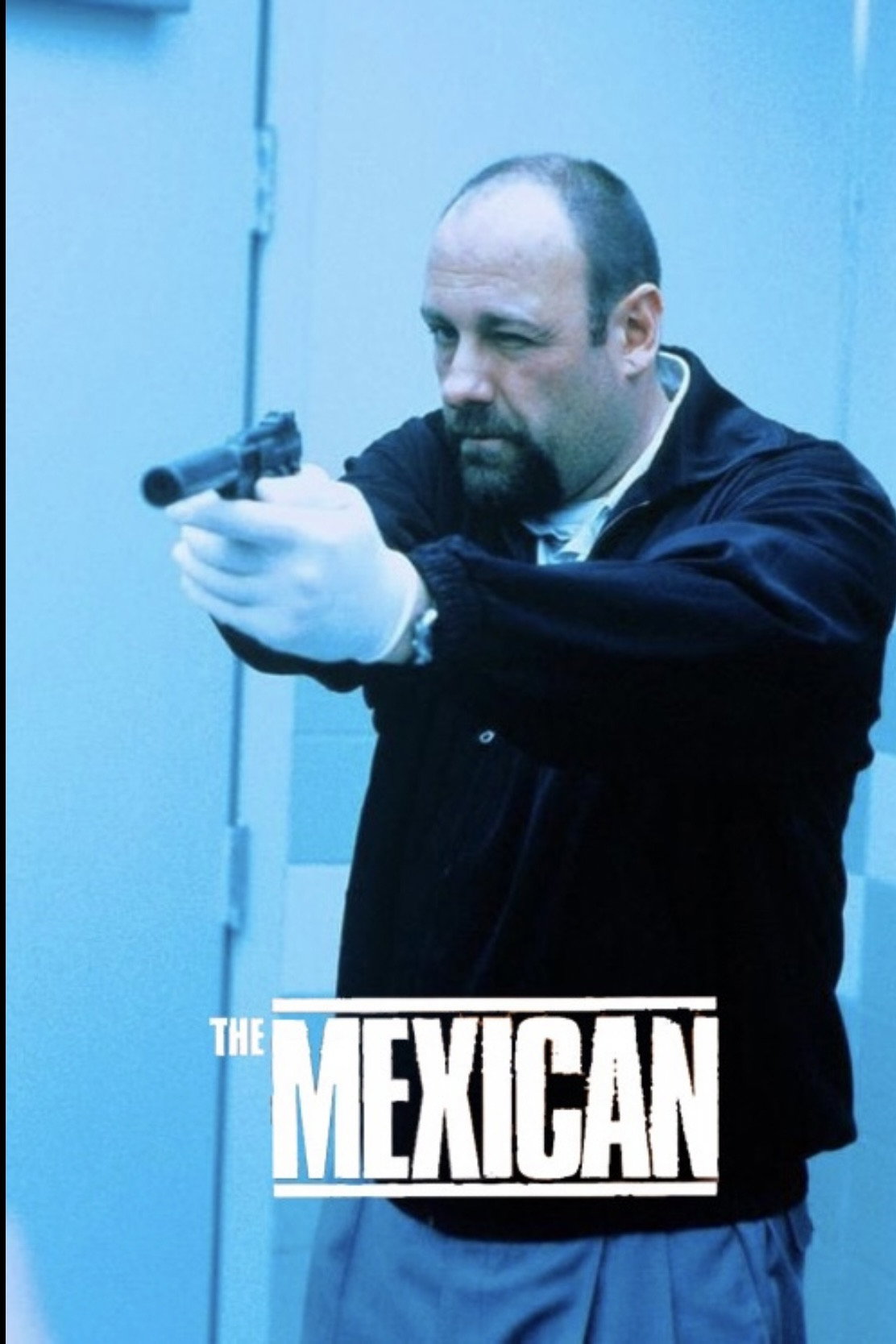
It is the conversation. Leroy is a professional who takes Samantha’s romantic troubles more seriously than she does, and Gandolfini plays him as a large, patient man who listens with his whole face. Roberts stops performing brightness, which she does in most of her comedies, and simply argues with him, in a diner, in a motel, in the front seat of a car, about whether a relationship that has stopped working is worth finishing. We were moved by a scene in the motel where Leroy tells her something about his own life, quietly, and then gives her advice he has no business giving. It is a better love story than the one the film is nominally telling, and it is between two people who are not in love.
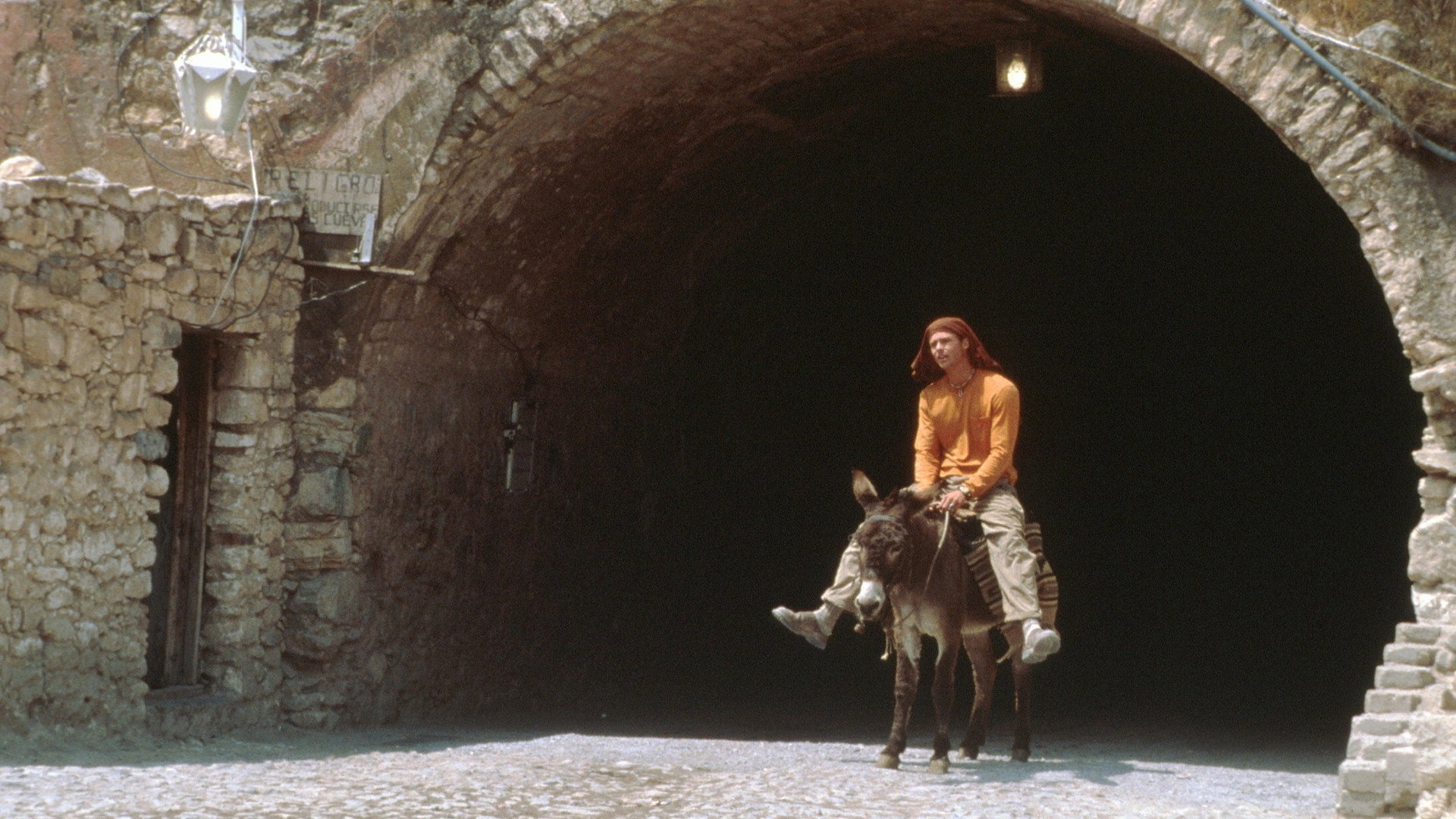
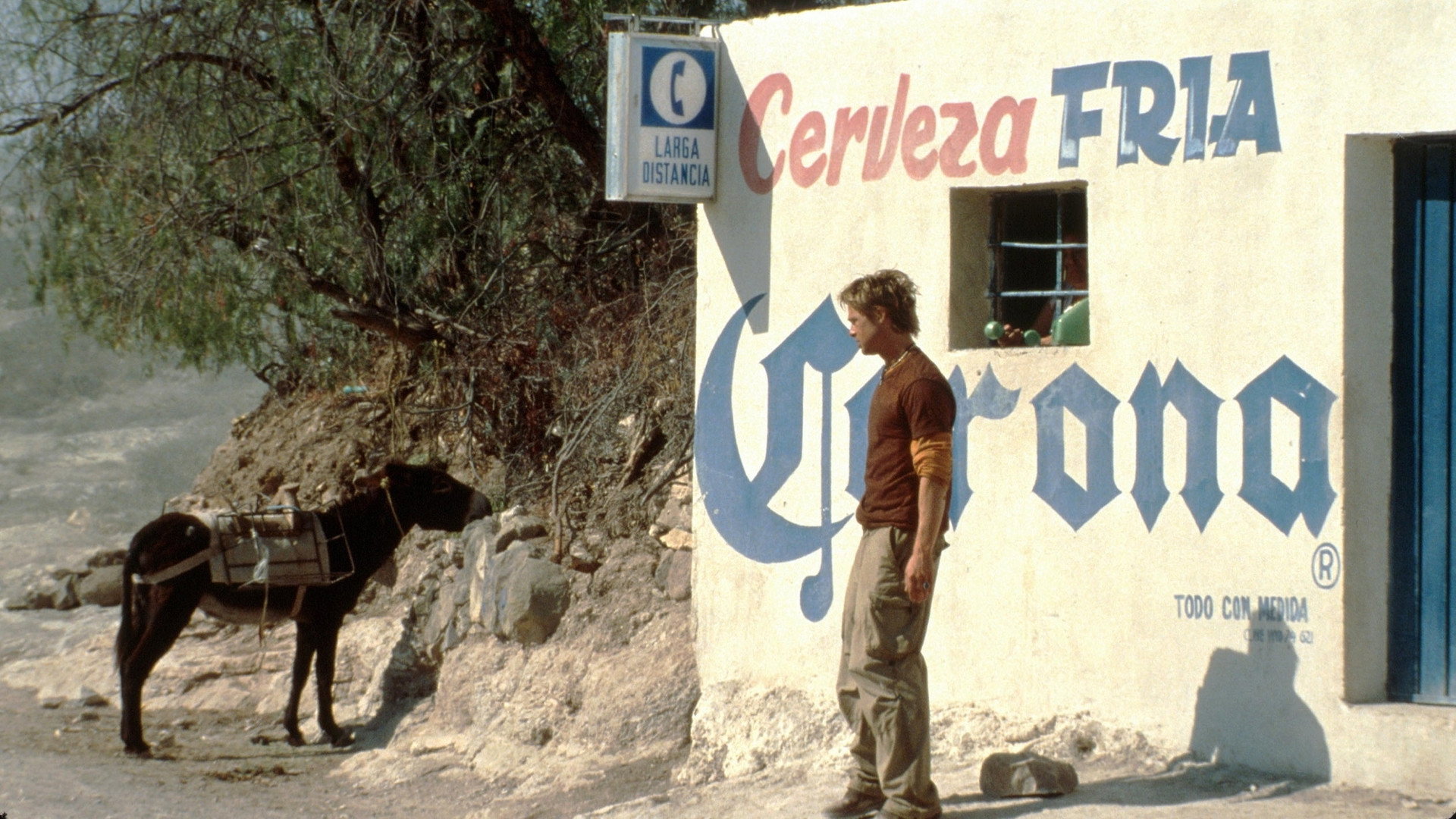
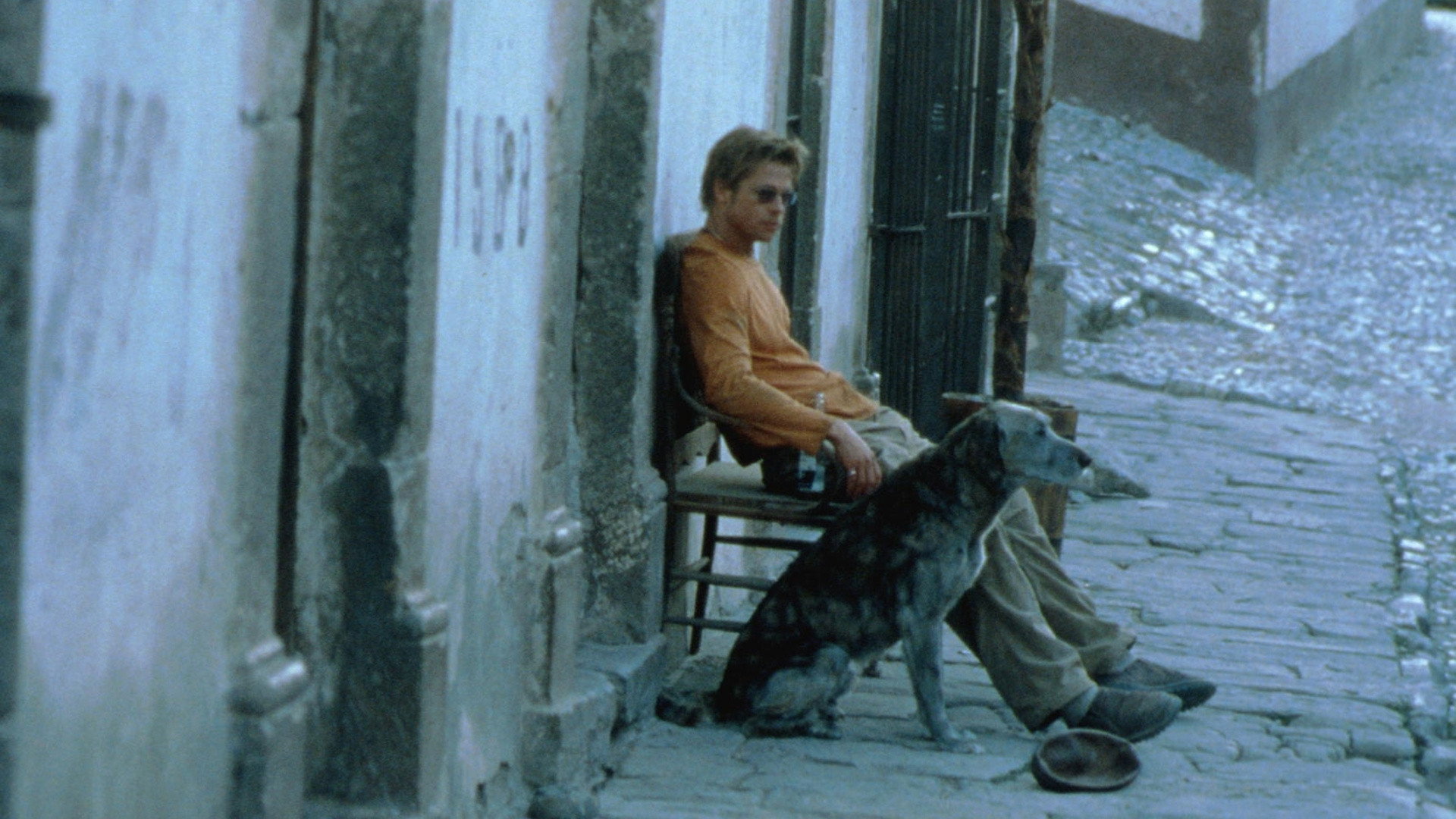
The Mexican half is where the running time goes. Jerry arrives, is handed the pistol, and loses it at once: a car thief (Richard Coca) drives off with it while he is standing in the road, and the rest of his story is a sequence of attempts to get it back, involving a donkey, a dog and several people who shoot at him. Pitt plays it twitchy, all shrugs and half-finished sentences, and for a while it is likeable. By the fourth mishap we were checking how much of him was left, and there was a great deal. The strand has no shape. Things happen to Jerry, then other things do, and the pistol changes hands about once every ten minutes.
It looks good while it does. Dariusz Wolski shoots the Mexican scenes in a hard yellow light that turns the plaster to bone and the sky nearly white, and Cecilia Montiel’s town of tin roofs, painted shutters and a single bar looks lived in rather than dressed. Colleen Atwood keeps Samantha in the same rumpled clothes for days, which is right for a woman who left in a hurry. Alan Silvestri brings in trumpets and a Spanish guitar and lets them wander. The legend of the pistol arrives in sepia flashbacks, the picture jittering as if run through an old projector, and the story changes each time someone tells it. Craig Wood drops these in more than once, and each time the film stops dead while a wedding goes wrong.
The two halves are meant to argue with each other: he learns something about commitment in the dust while she learns something about it in the car. They do not. When the film finally puts its stars back in the same frame it has less than half an hour left and a plot to settle, and it settles it with Gene Hackman, who appears late as Margolese and is given a good deal to explain. J.K. Simmons turns up as Ted, another emissary with a gun, and Bob Balaban’s Nayman is sweatily good in his few scenes. None of them is on screen long enough to matter.
Verbinski’s first film, Mouse Hunt, from 1997, was a cartoon with people in it, and two years after this he would make Pirates of the Caribbean. Here he is trying for something in between, a caper that becomes a Western that becomes a talk about love, and the joins show. The film has been talked up in some quarters since as a misunderstood oddity. We would not go that far. It is an ordinary film with one extraordinary supporting performance in it.
See it for Gandolfini and Roberts, and be honest with yourself about the rest. At home the Mexican half is easier to forgive, because you can get up and make tea during the donkey. The 15 certificate covers a fair amount of blood and a lot of swearing, most of it Pitt’s.