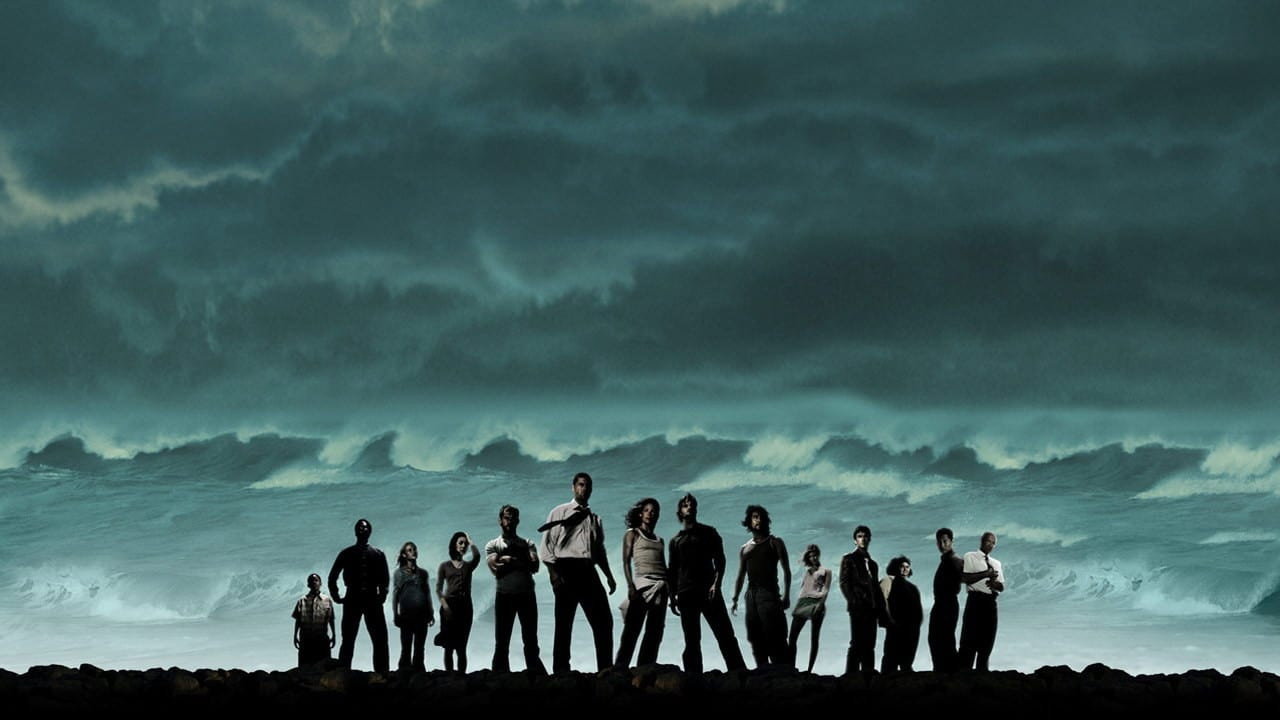
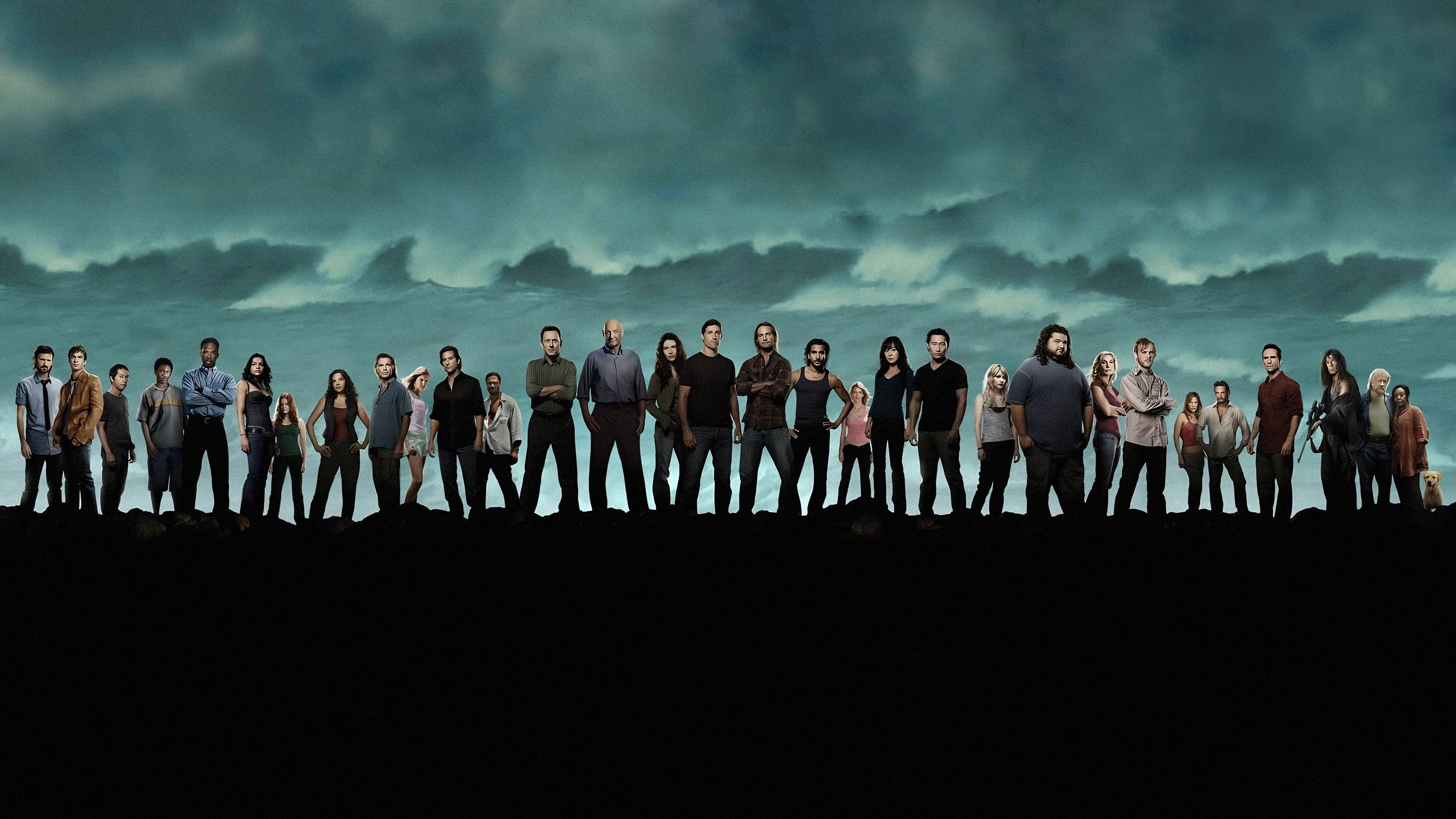
Lost makes survival frightening and strangers worth caring about, with an ensemble strong enough to carry its more wayward storytelling. The mysteries compel, though the habit of postponing answers can become wearing.
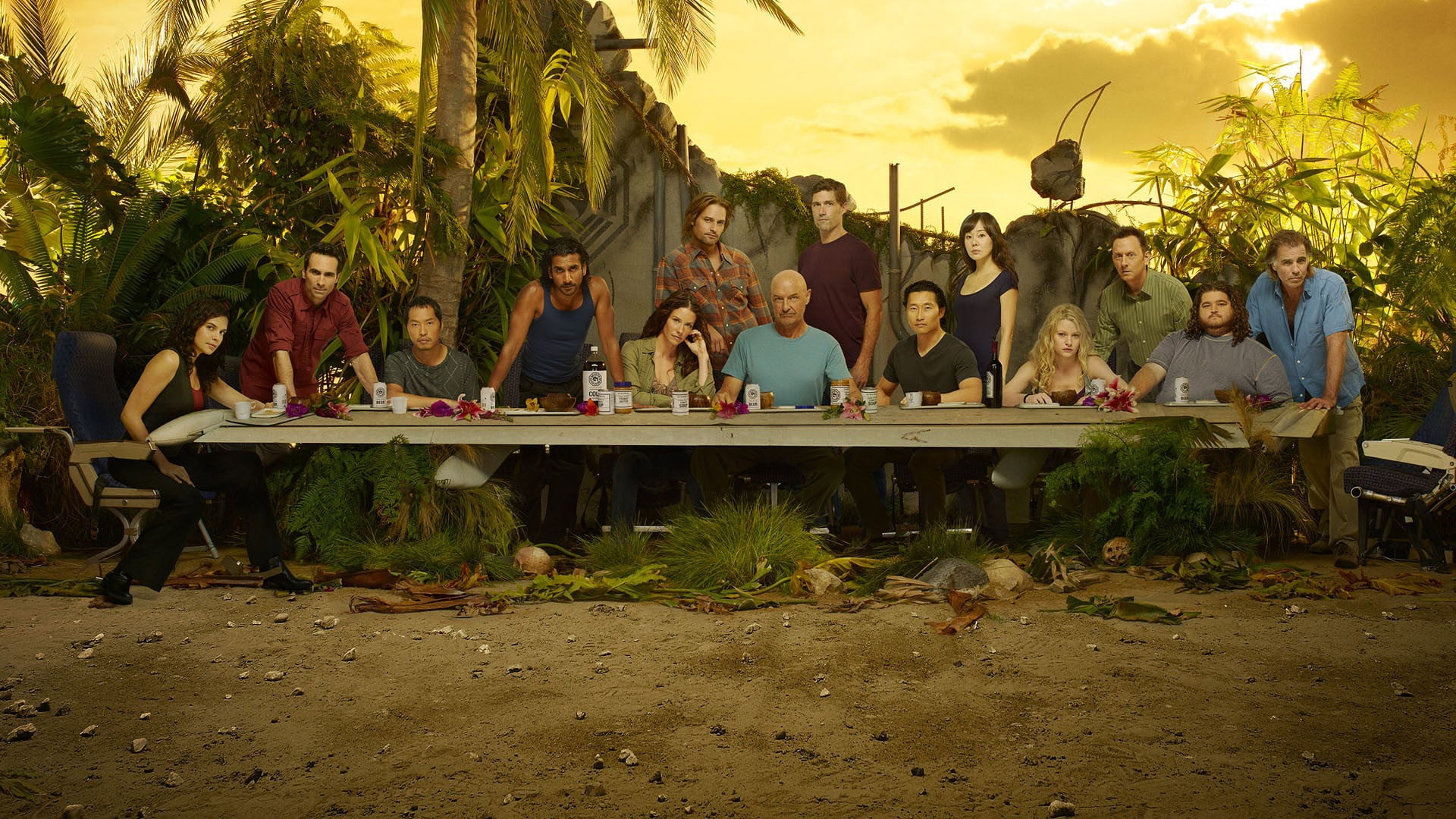
Lost is an absorbing mystery series whose people usually justify the patience its storytelling demands. Created by J.J. Abrams, Jeffrey Lieber and Damon Lindelof, it uses a disaster to put strangers under pressure, then asks how they behave when they have to depend on one another. The opening plane crash sets a demanding standard for everything that follows. We were frightened by its confusion and pace: the action gives us scarcely time to take in the danger. It makes us care about the passengers before we know much about anyone.
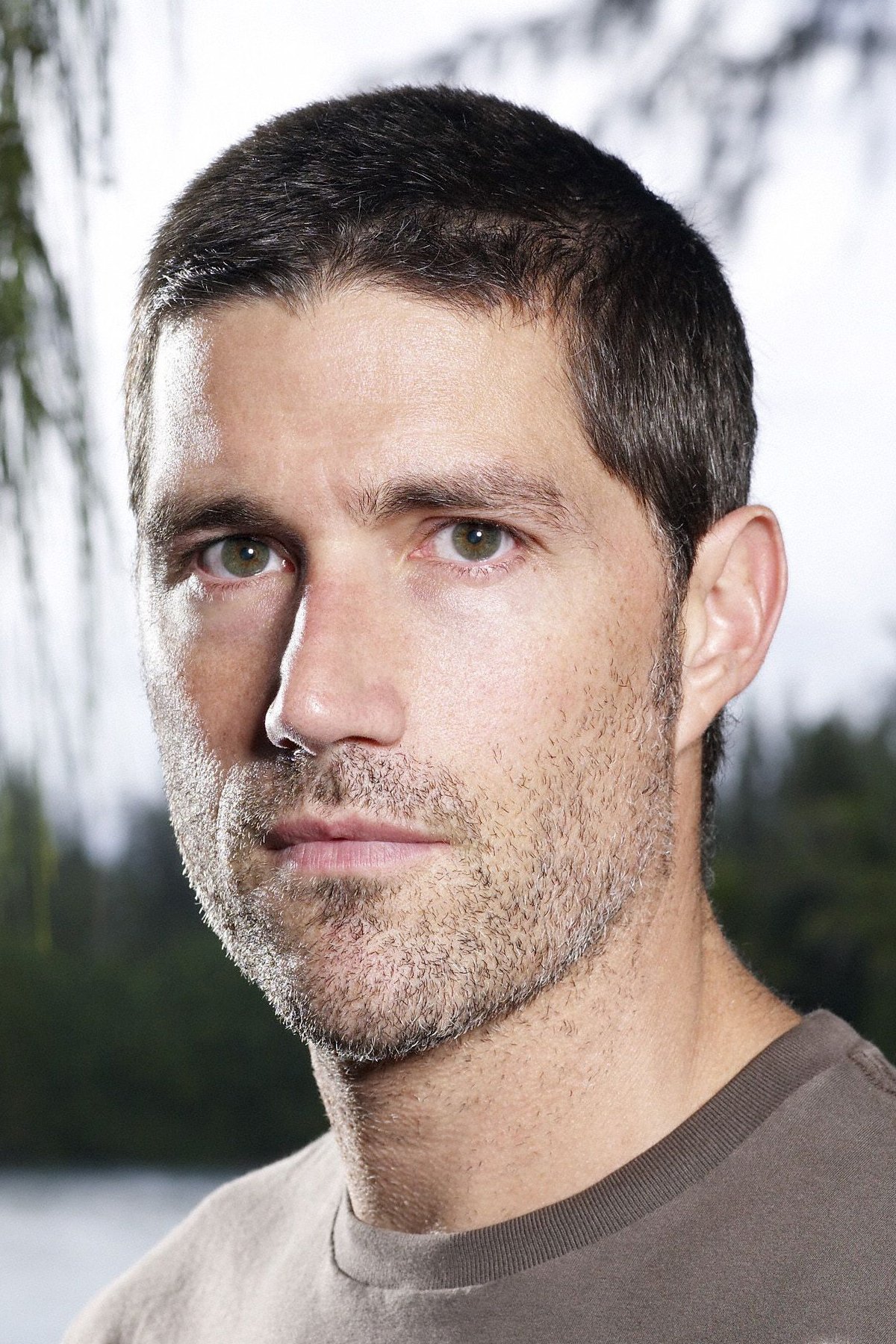
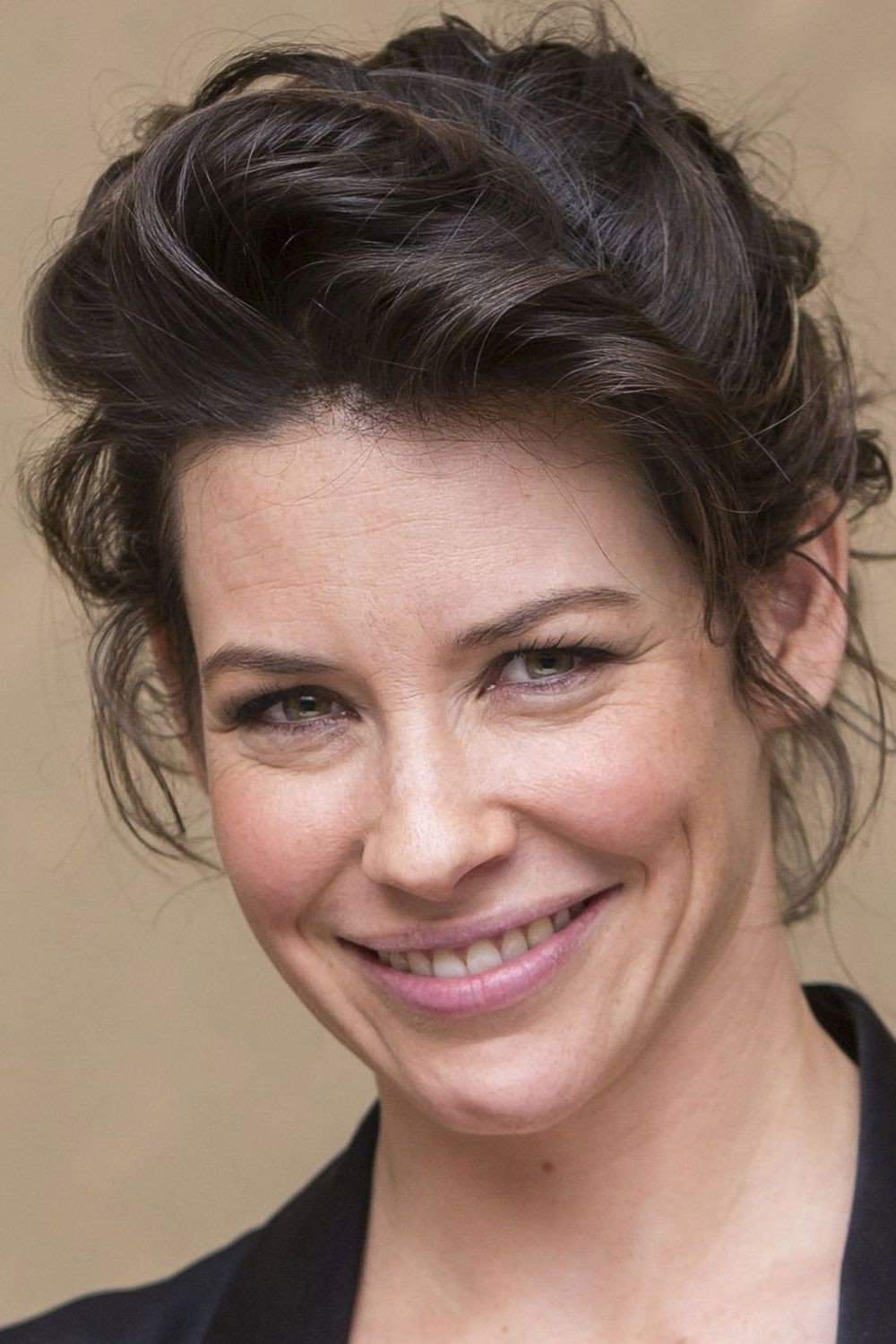
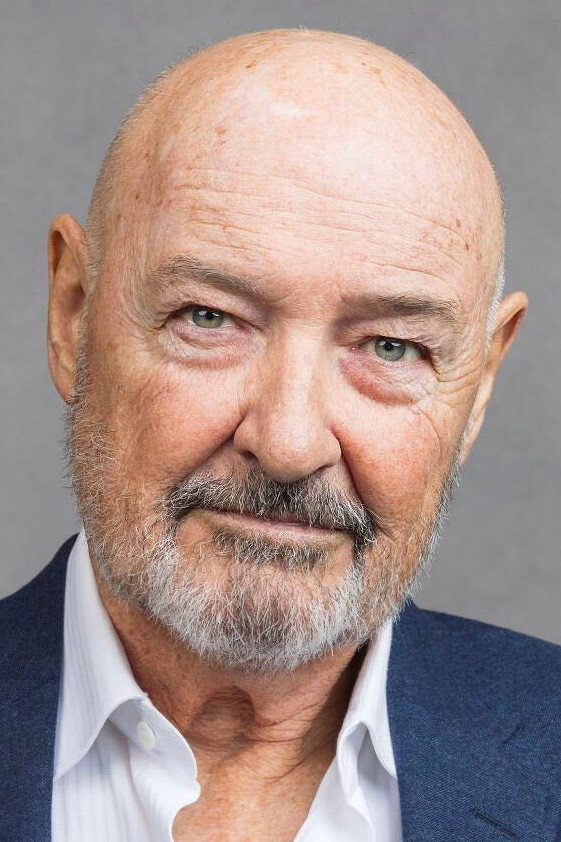
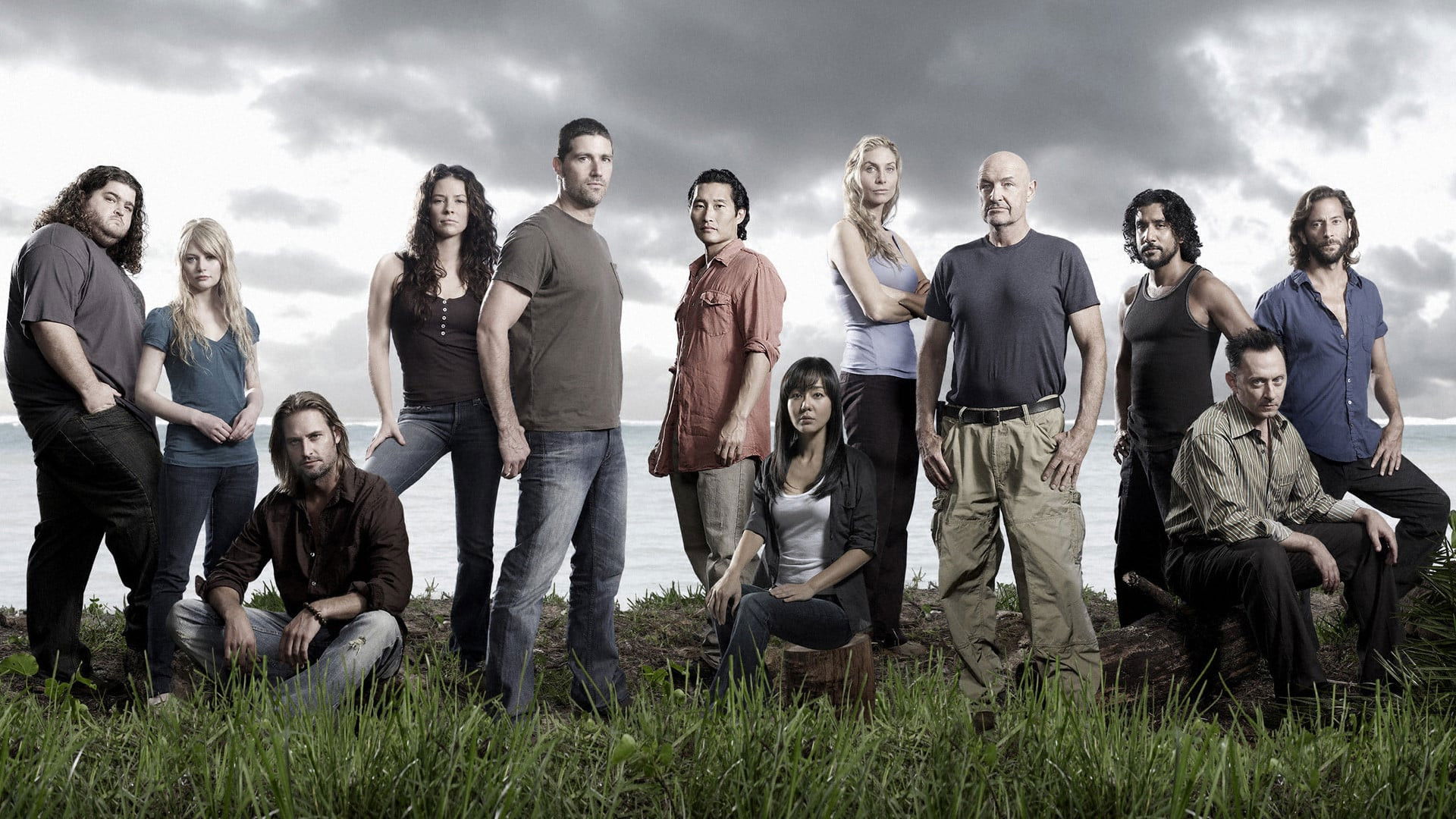
The temptation with a premise like this is to make each survivor a readily identifiable type and get on with the jeopardy. Matthew Fox, as Jack Shephard, brings enough strain to his urgency to make him more than a dependable centre. Evangeline Lilly’s Kate Austen holds our interest without making herself easy to read. Terry O’Quinn’s John Locke is particularly good company for a mystery: even his composure invites closer attention. These performances give us reasons to watch that do not depend on another surprise arriving.
The opening’s scale matters, but so does its pace. Michael Bonvillain’s cinematography gives the disaster enough scope to unsettle us without reducing the passengers to decoration. Mary Jo Markey’s editing keeps the action urgent and comprehensible, a balance that plenty of disaster films fail to manage. We understand the danger quickly, yet the sequence does not feel tidily arranged for our benefit. It makes us willing to follow these people into a less straightforward sort of story.
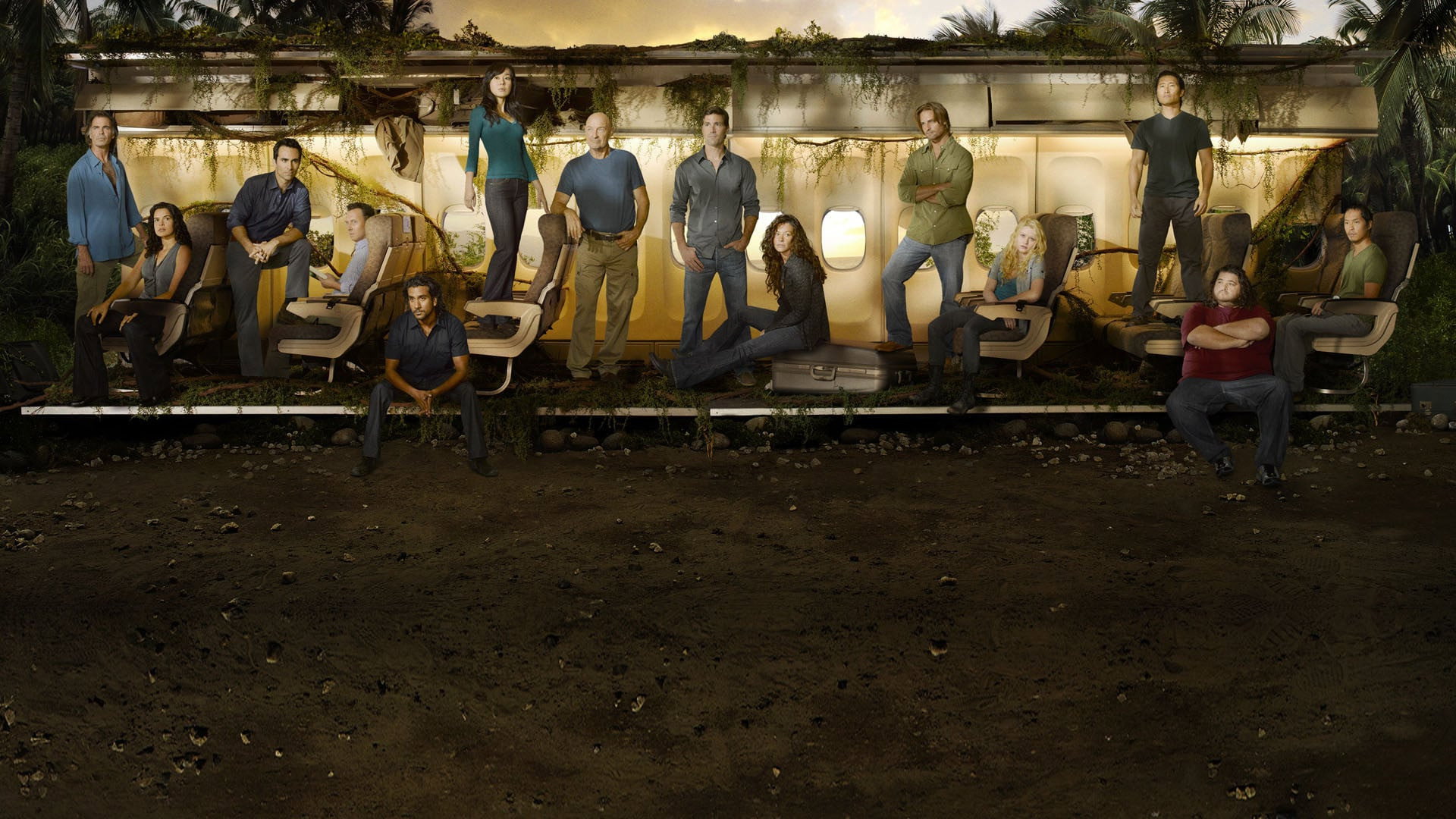
Mark Worthington’s production design gives the crash a physical presence that the writing does not need to explain. The setting is persuasive enough to keep the practical difficulty of survival in mind. Michael Giacchino’s music is equally important to the tension, and gives the quieter drama a warmth that the premise alone could not supply. Occasionally it presses harder than the actors need, signalling an emotion they have already made clear.
The frustration is the writing’s fondness for delay. Abrams and Lindelof are also among the writers, and the series can become too pleased with its ability to make an answer seem close. Withholding information produces tension for a while; repeated too often, it makes otherwise capable characters appear to be waiting for permission to speak plainly. Not every uncertainty deserves the amount of attention it receives. The cast keep us involved, but there are stretches when the next development matters more than the scene in front of us.
That is a particular risk for a continuing mystery, and Lost is stronger when it remembers the pleasures of an ensemble drama. Josh Holloway’s James Sawyer and Jorge Garcia’s Hurley Reyes bring welcome differences of temperament, so that shared danger does not make everybody equally solemn. We want to spend time with these people, including the ones we would find exhausting in person. The performances persuade us that trusting another survivor might be worth the risk.
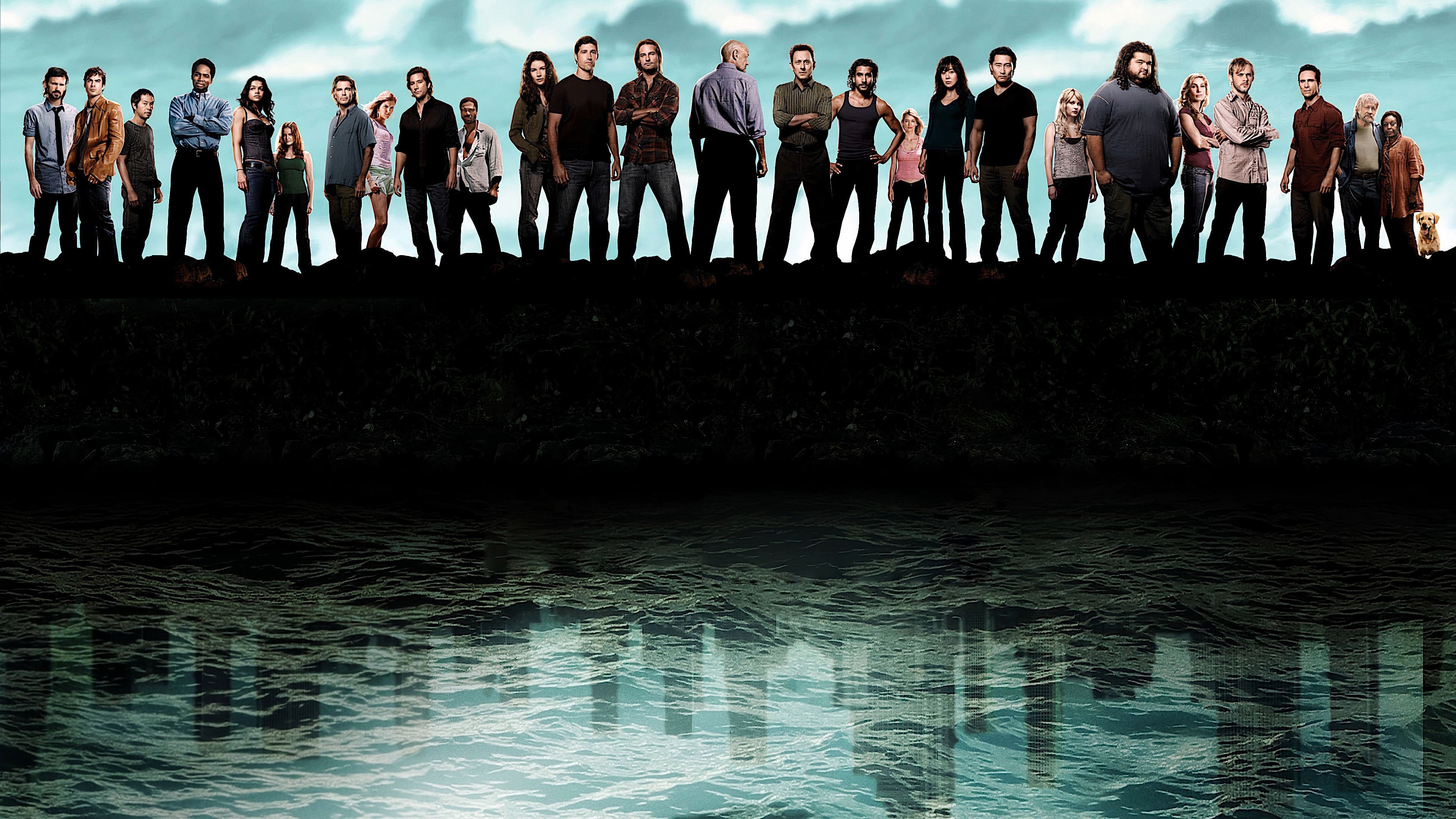
Its six seasons make this a substantial commitment. We recommend it to anyone who enjoys a large cast and is willing to let a mystery take its time. If delayed answers drive you to distraction, this is a considerable amount of television to spend cross.