Series review

Heroes

2006 · Created by Tim Kring · Series · 43m · MPA TV-14

In a sentenceDiscovering superpowers is exciting; finding enough to do with them for four series proves harder

Sci-Fi & FantasyDrama

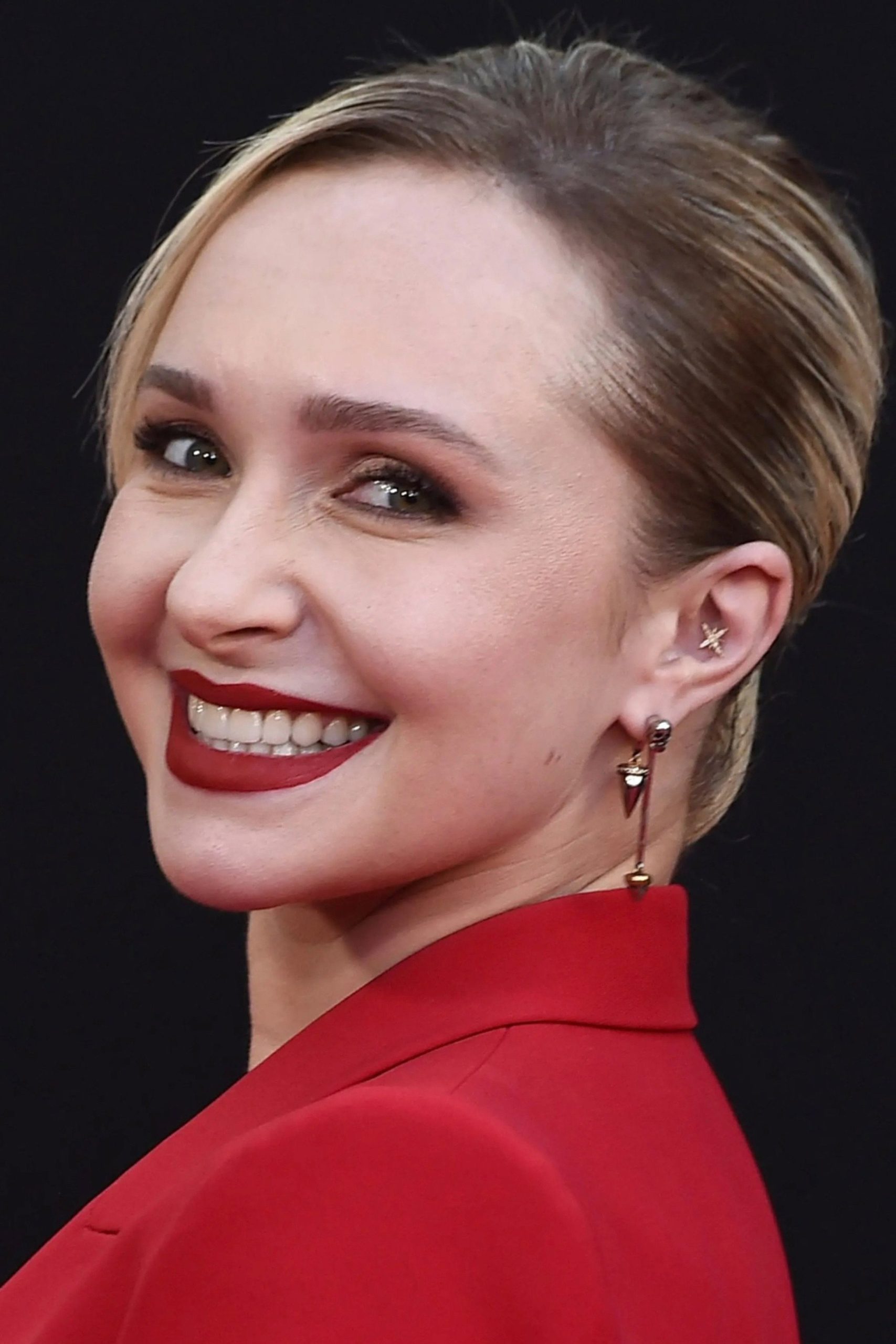
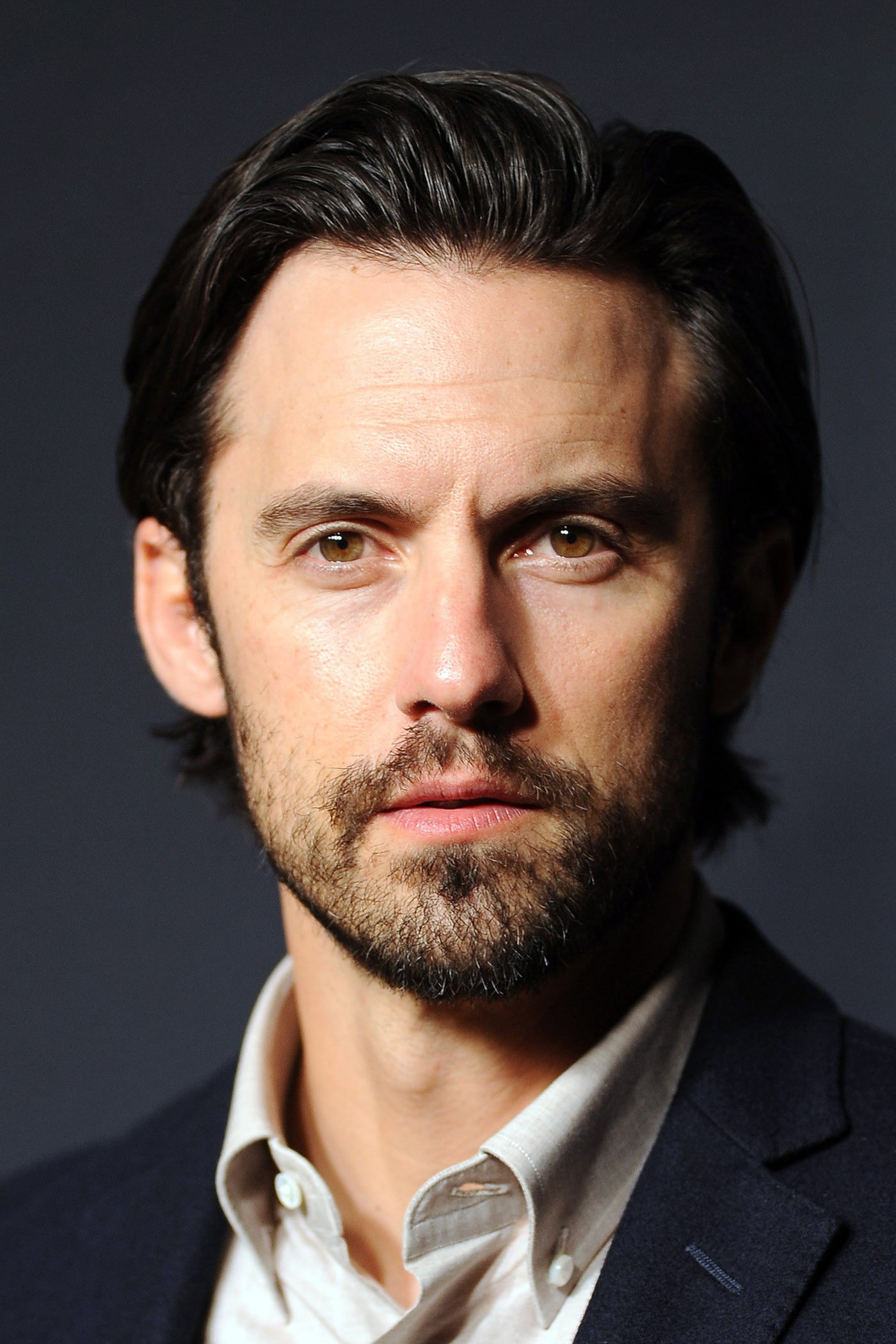
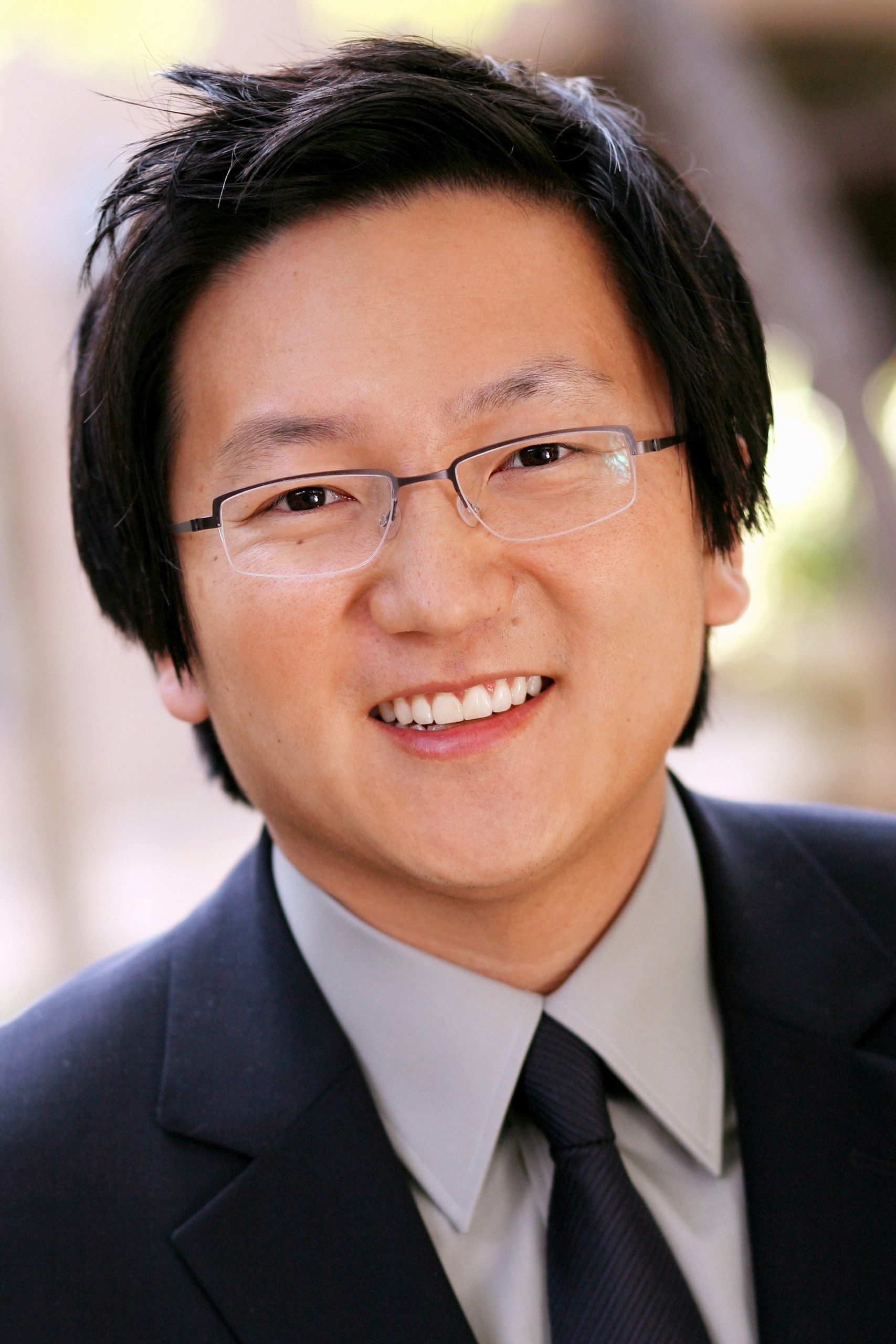
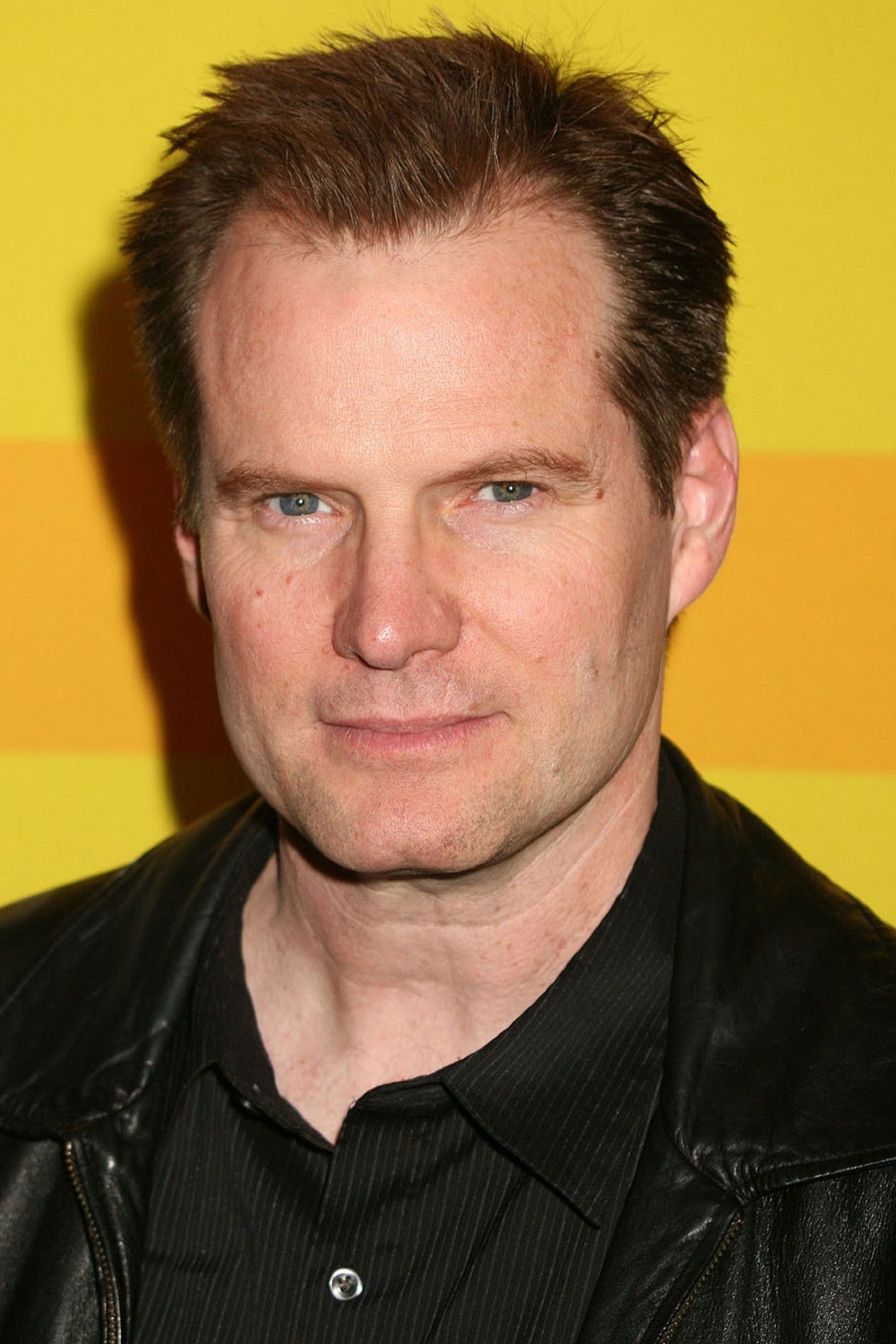
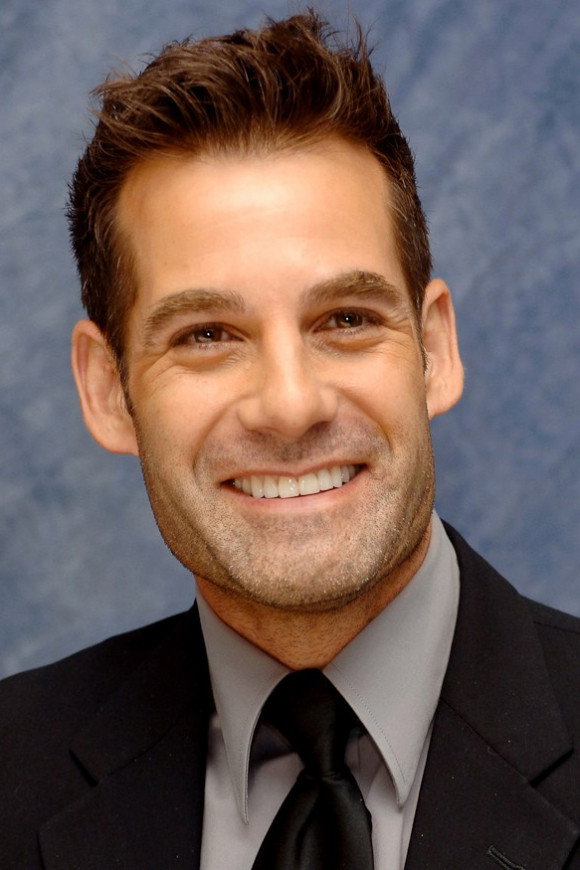
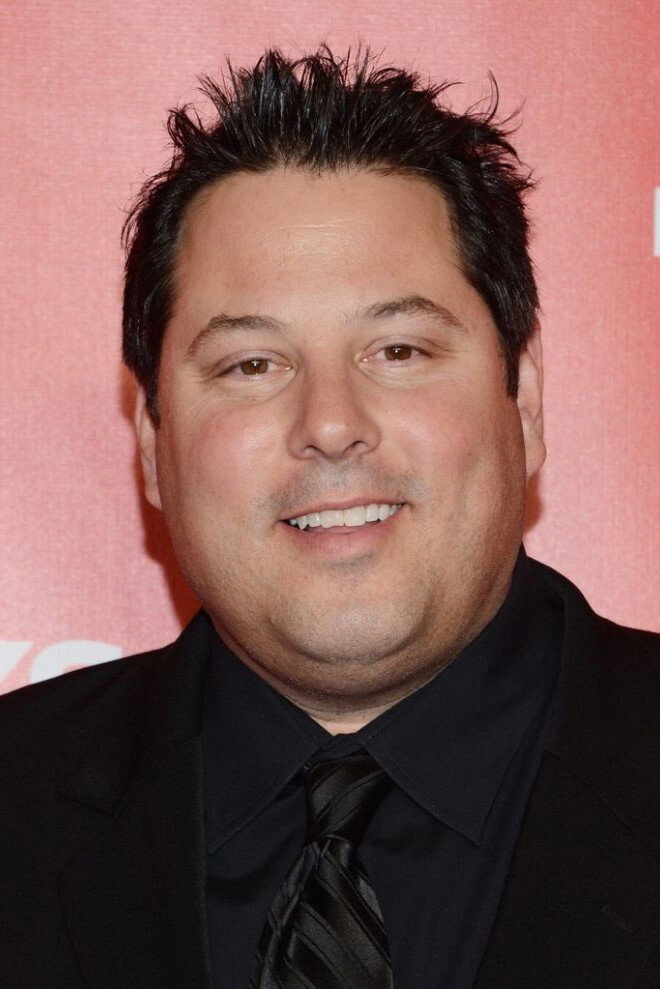
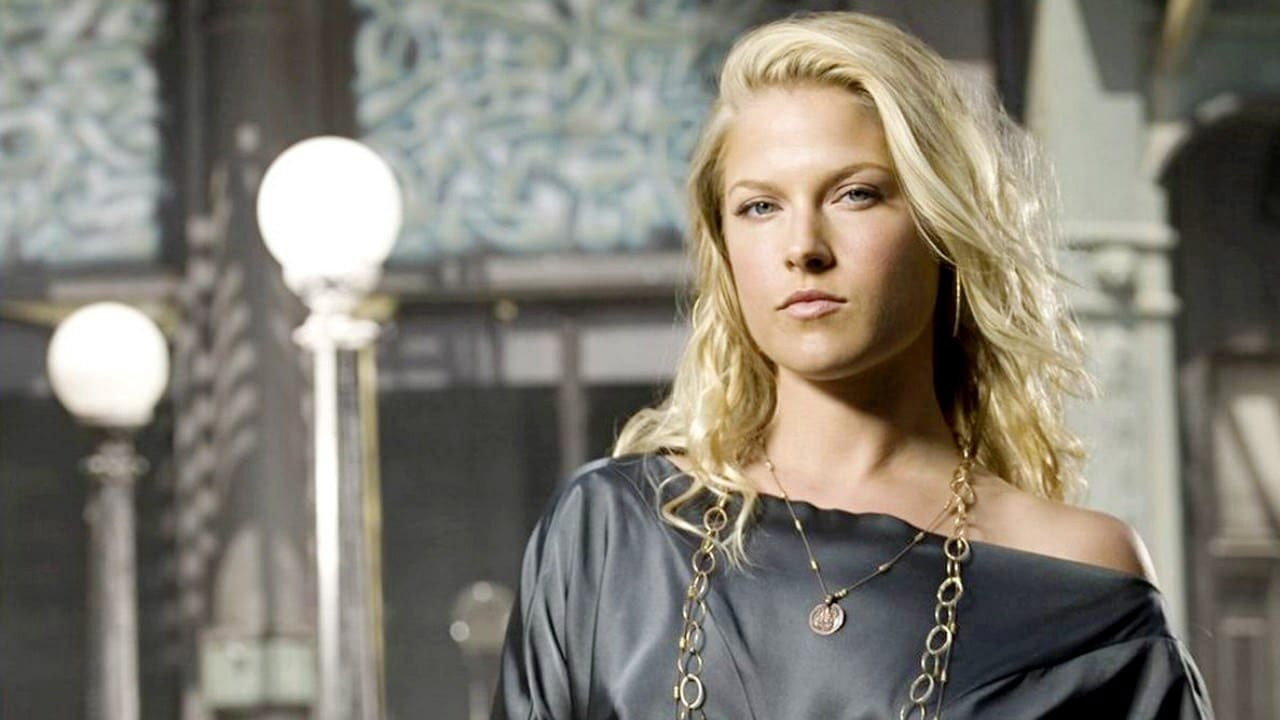
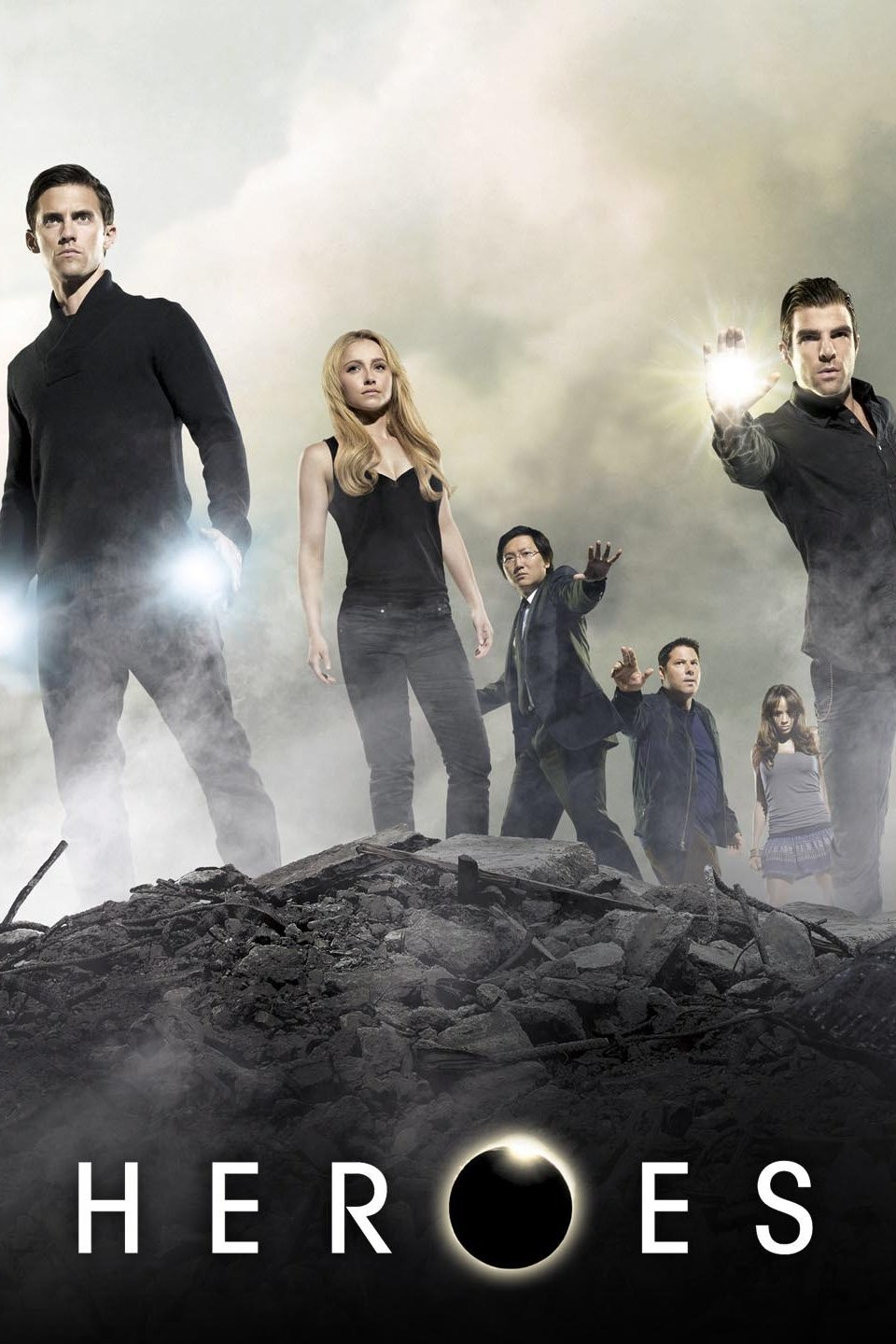
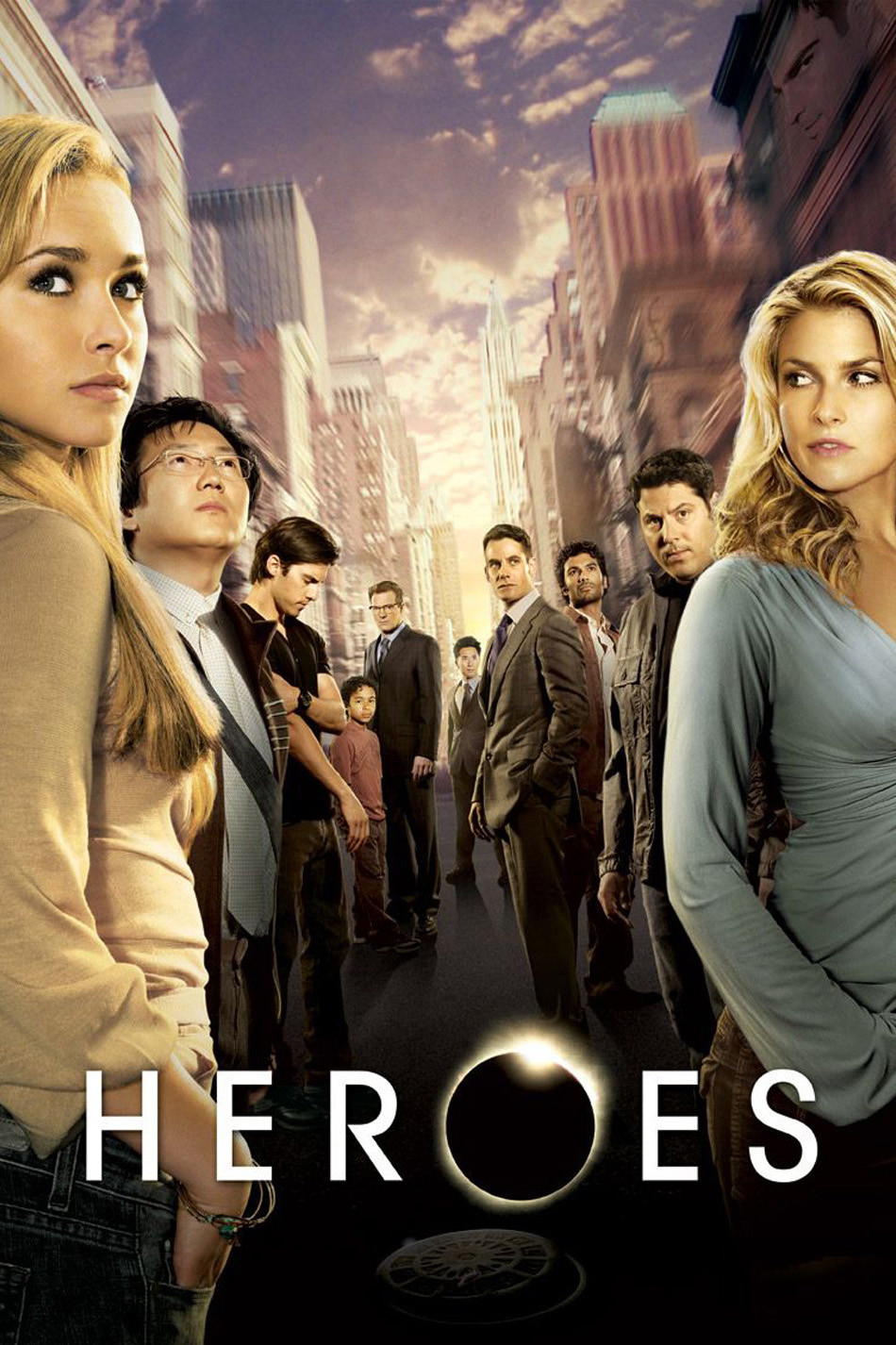
People begin discovering superpowers, and their separate stories gradually connect around a threat to the world. Claire Bennet (Hayden Panettiere), Peter Petrelli (Milo Ventimiglia) and Hiro Nakamura (Masi Oka) are among the ensemble at the centre of Heroes. The opening follows individual discoveries before bringing the characters towards a shared danger, allowing the connections between their stories to emerge gradually. Noah Bennet (Jack Coleman) and Nathan Petrelli (Adrian Pasdar) also figure in the expanding cast. Understanding what these abilities mean becomes part of a larger task: finding how these people might help save the world.

Fi1m review

Tim Kring’s superhero drama is worth trying for its hopeful first series and engaging cast. The later decline is substantial enough that we would recommend it chiefly to those already fond of the genre.

Tim Kring’s Heroes earns our interest early and does not sustain it well enough across its four series. The first run is worth trying if people discovering superpowers is a premise that appeals; committing to everything is a harder recommendation. The writing approaches those powers with a seriousness that can be touching, making room for curiosity before the need to save the world takes over. The opening allows its separate characters time to become interesting, though some need rather more help than others.

With Hayden Panettiere as Claire Bennet, Milo Ventimiglia as Peter Petrelli and Masi Oka as Hiro Nakamura, the early ensemble offers several reasons to stay. Masi Oka is the easiest to warm to, giving the programme’s optimism a welcome human focus. We enjoyed Hiro’s company most, because that hopeful quality makes a refreshing break from the more solemn business of the larger mystery. Not every character commands the same interest, which makes the movement between their stories occasionally frustrating.

Adam Kane’s cinematography gives the opening a composed, serious look, an important choice for a premise that could easily look foolish. That visual confidence helps us accept the extraordinary before the different strands have gathered speed. The production design, credited to Ruth Ammon and Curtis A. Schnell, supports the coherence of an expanding ensemble without demanding attention for itself. The presentation is assured enough that the slower passages initially seem to be going somewhere worth waiting for.

The music by Wendy Melvoin and Lisa Coleman suits a drama prepared to take wonder seriously. That earnestness is part of the attraction, although it can make a slow passage feel more important than it is. There is pleasure in a superhero programme that allows excitement without immediately apologising for it. The early episodes leave room to enjoy the discovery of powers before making those powers everybody else’s problem.

More difficult to forgive is the uneven distribution of attention. The first series runs to 23 episodes, and the patient introductions sometimes tip into delay, particularly when a less compelling strand interrupts one gathering pace. Yet the developing connections reward attention, and enough questions receive answers to make the next question worth asking. The first run generally remembers that we need some satisfaction from the episode being watched, even while it encourages us to start another.

The later series are the substantial caveat, and a judgement of the complete programme cannot treat them as an incidental disappointment. They fail to sustain the first run’s combination of character interest and forward movement, making the early enthusiasm harder to maintain. The decline matters particularly because the opening encourages such investment in the ensemble and its developing connections. Strong casting remains something to appreciate, but it cannot make continued attention feel worthwhile on its own.

As superhero television, Heroes is most appealing when it takes an interest in the people discovering their abilities. Its first series gives those introductions enough time to make the gathering threat worth caring about, despite the uneven pace. The generous critical response makes sense when applied to those early episodes; it is a less reliable guide to the complete run. Begin for Hiro and the unfolding connections, and feel no obligation to continue once the characters stop earning the time.
Critical consensus AI synthesised

75
Positive
7
Mixed
1
Negative
0

Most critics respond warmly to Heroes, with praise concentrated on its first season rather than its full run. The reviews favour its character-led approach to superpowers, inventive plotting and ability to make a sprawling serial accessible. The cast and writing receive repeated approval, while the gradual connections between characters give the central threat momentum. Several critics value the balance between intrigue and answers; optimism and fresh ideas also help distinguish the series.

Reservations concern both the time it takes to gather pace and what happens after that opening season. Variety supplies the sole mixed assessment, finding style and promise in the premiere but questioning its broad appeal as storylines converge slowly and some characters prove less engaging. The retrospective reviews are positive about the first season but agree that later instalments cannot sustain it. The spread therefore reflects different viewing points as well as different levels of enthusiasm.

The Guardian
4 March 2007
90*

The critic finds the series better than Lost, with a graspable premise about young people developing superpowers and a clear plot to save the world. They single out its inventive writing, acting, shooting and wide-eyed optimism for praise.

Read the full review →
Empire
1 December 2007 · Angie Errigo
70*

The critic finds the first season mystifying yet rewarding, with a story arc that develops well by answering enough questions to keep viewers engaged. It builds from calm introductions of powered characters to an intense climax around a shared nuclear threat.

Read the full review →
Variety
21 September 2006 · Brian Lowry
50*

The critic credits NBC with an ambitious serialized sci-fi premise with cult potential but questions its broad appeal. The premiere has style, intrigue and a serious tone without silliness, though storylines converge slowly and some characters lag.

Read the full review →
Digital Spy
13 October 2006 · Neil Wilkes
90*

The series is an excellent serialized drama with a great plot, cast, and writing that stands out from similar shows like The 4400. It is highly accessible and shows strong early ratings potential as a breakout hit.

Read the full review →
Den of Geek
9 November 2007 · Natasha Ross
80*

After initially losing interest, the reviewer grew to love the show through a binge-watch of season 1, praising its twists, character development, and standout darker episode 'Five Years Gone' while highlighting Hiro as a favorite.

Read the full review →
/Film
23 May 2022 · Ryan Leston
80*

The first season is a near-perfect television achievement with fresh ideas, interesting characters, and rich storytelling that captured a massive cultural moment. Later seasons failed to replicate the formula despite some strengths.

Read the full review →

Cast

If you liked this, try…

Misfits poster

Misfits

2009 · Young people acquire powers without acquiring the judgement to use them sensibly.

Unbreakable poster81

Unbreakable

2000 · Superhero discovery treated with patience, unease and unusually little congratulation.

The 4400 poster

The 4400

2004 · Another ensemble mystery that makes extraordinary abilities complicate ordinary lives.

Scanners poster

Scanners

1981 · For a nastier account of unusual powers and the organisations pursuing them.

Moving poster

Moving

2023 · Korean superhero drama with families worth caring about beneath the conspiracies.