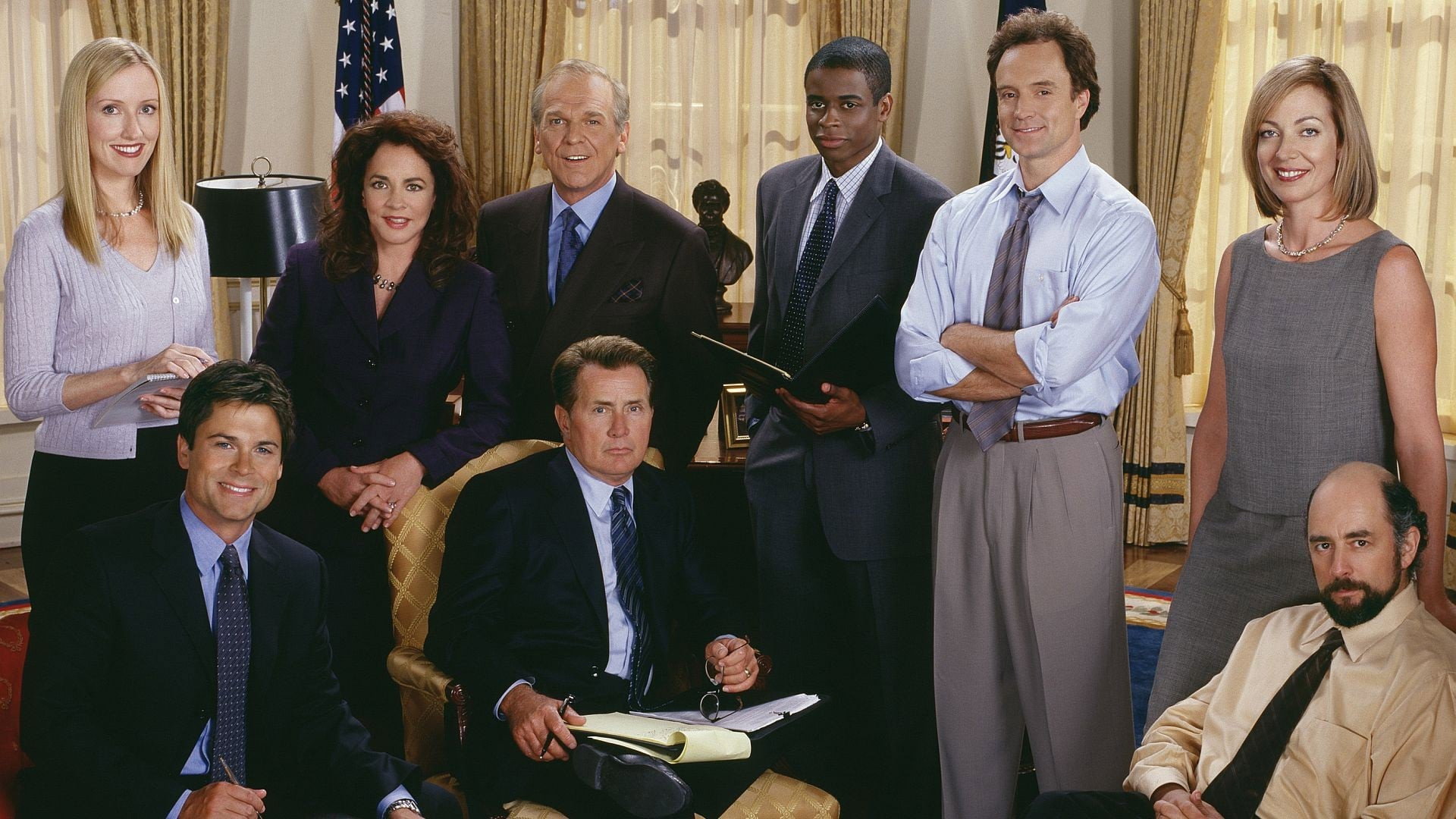
The West Wing is absorbing, funny television about people who take public service seriously. The dialogue sometimes congratulates itself, but the cast gives the earnest speeches enough warmth to make us listen.
The West Wing asks us to find decent people doing demanding work interesting, and succeeds with considerable charm. Its White House staff care about getting things right, even when they disagree about what right means. Aaron Sorkin’s writing gives them the words to argue it out, often at a speed that makes hesitation look like a professional failing. We recommend it warmly, though its most eloquent characters can become tiresomely pleased with themselves.
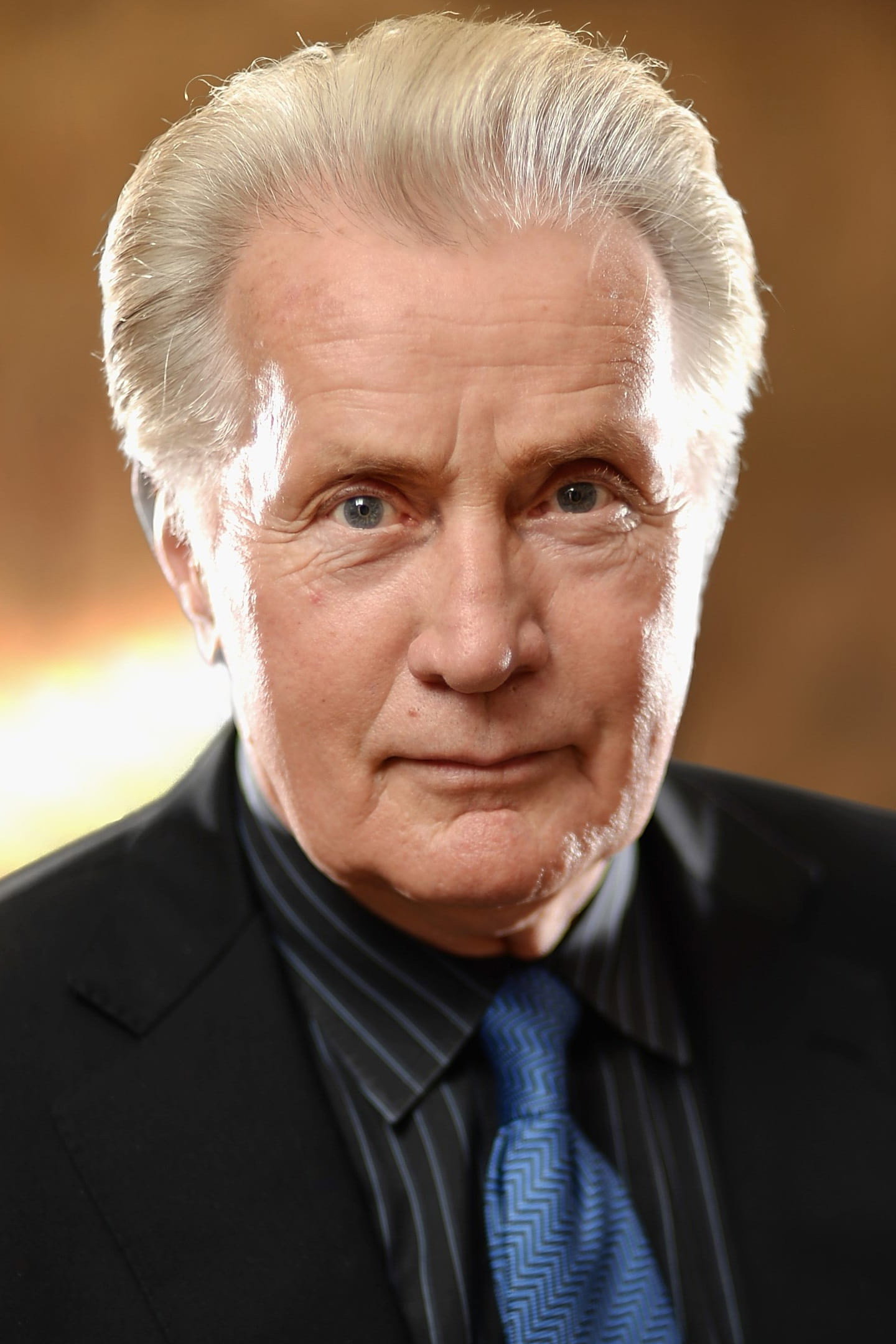
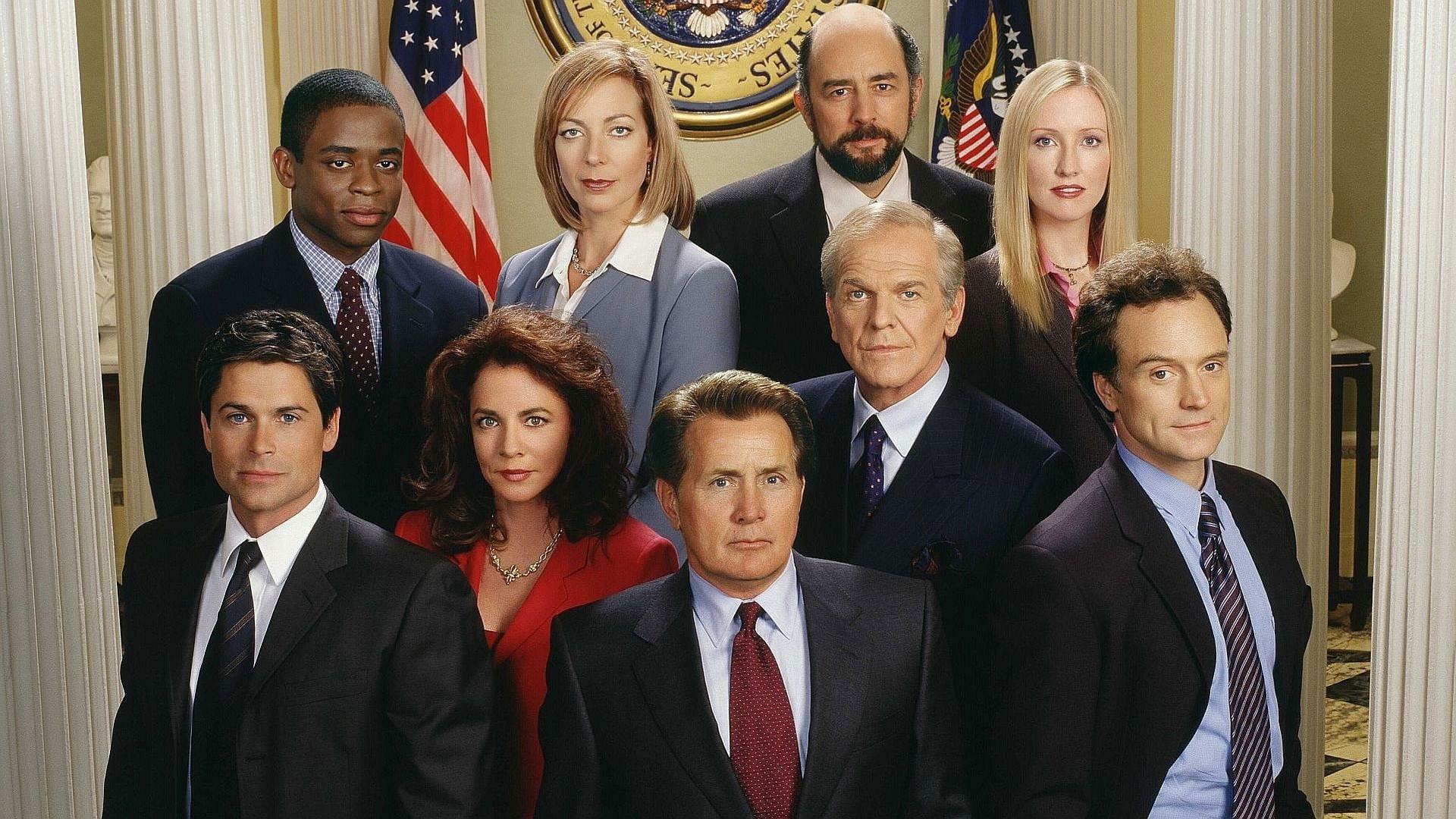
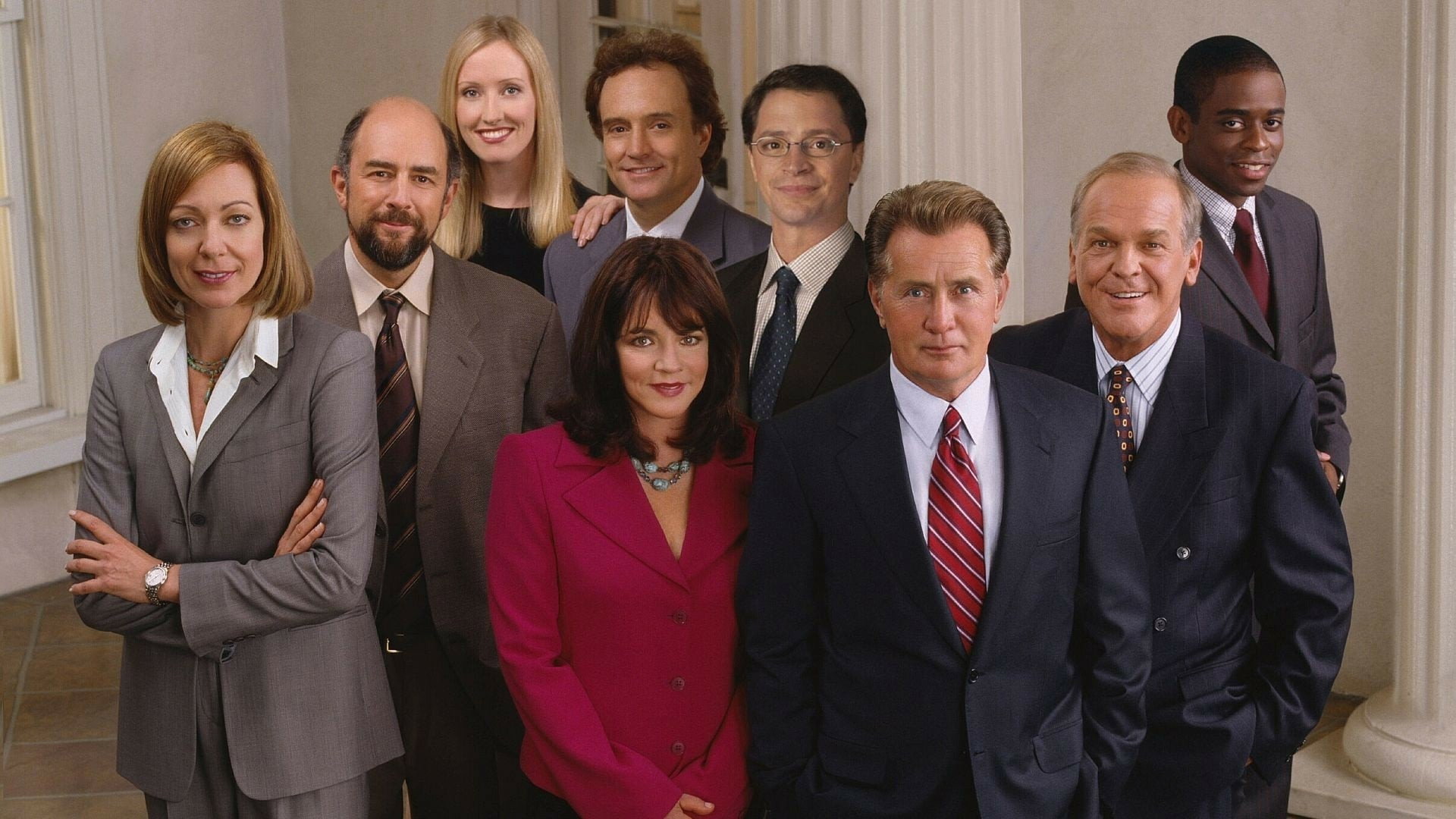
The pleasure begins with the ensemble rather than any lesson in government. Martin Sheen gives Josiah Bartlet authority without making him too solemn to be enjoyable company, while John Spencer’s Leo McGarry brings a useful weight to all the verbal bustle. Bradley Whitford makes Josh Lyman’s quickness feel both useful and faintly exhausting. Richard Schiff’s Toby Ziegler supplies a more abrasive presence, so agreement never seems automatic. These actors can suggest a working relationship without pausing to explain it.
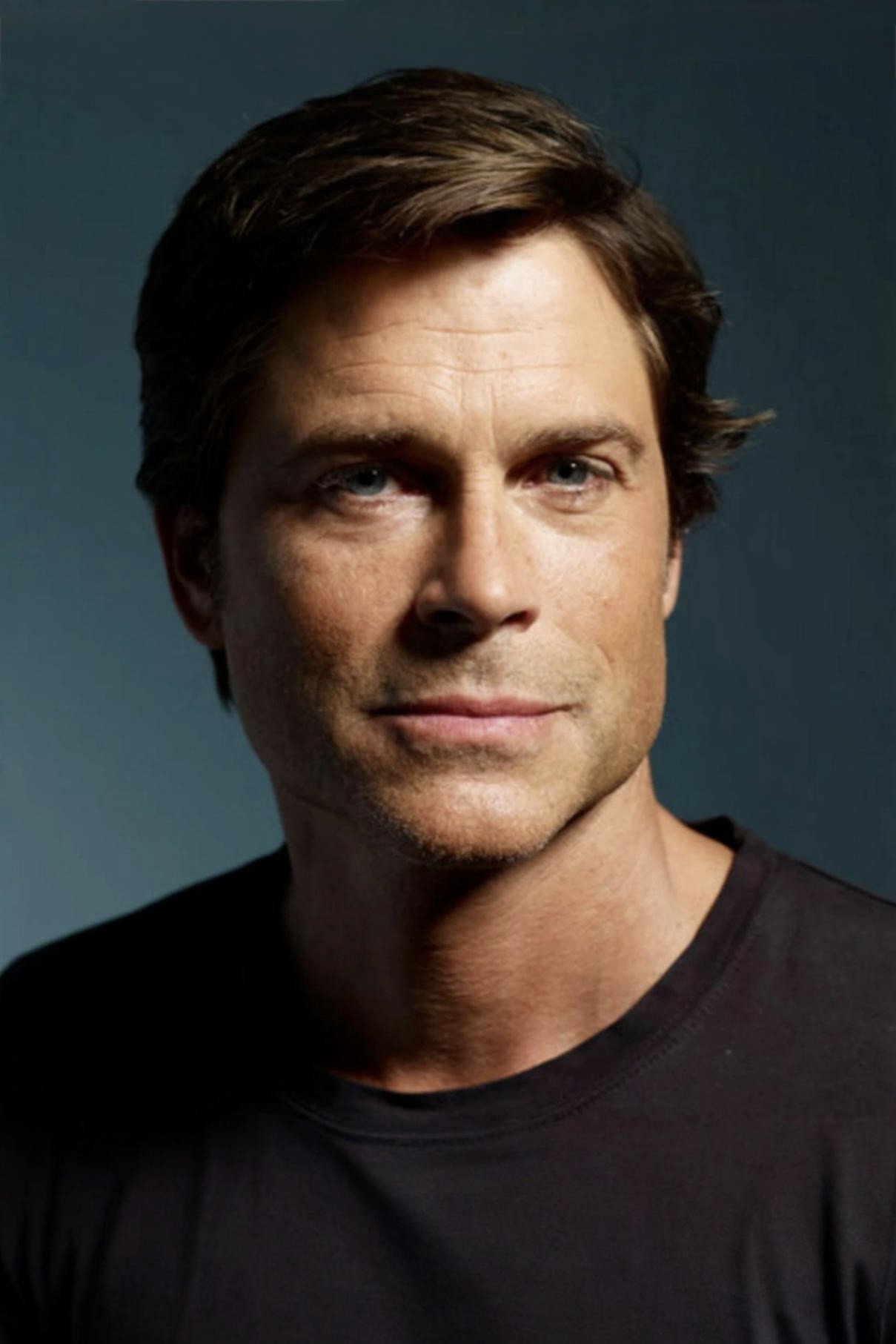
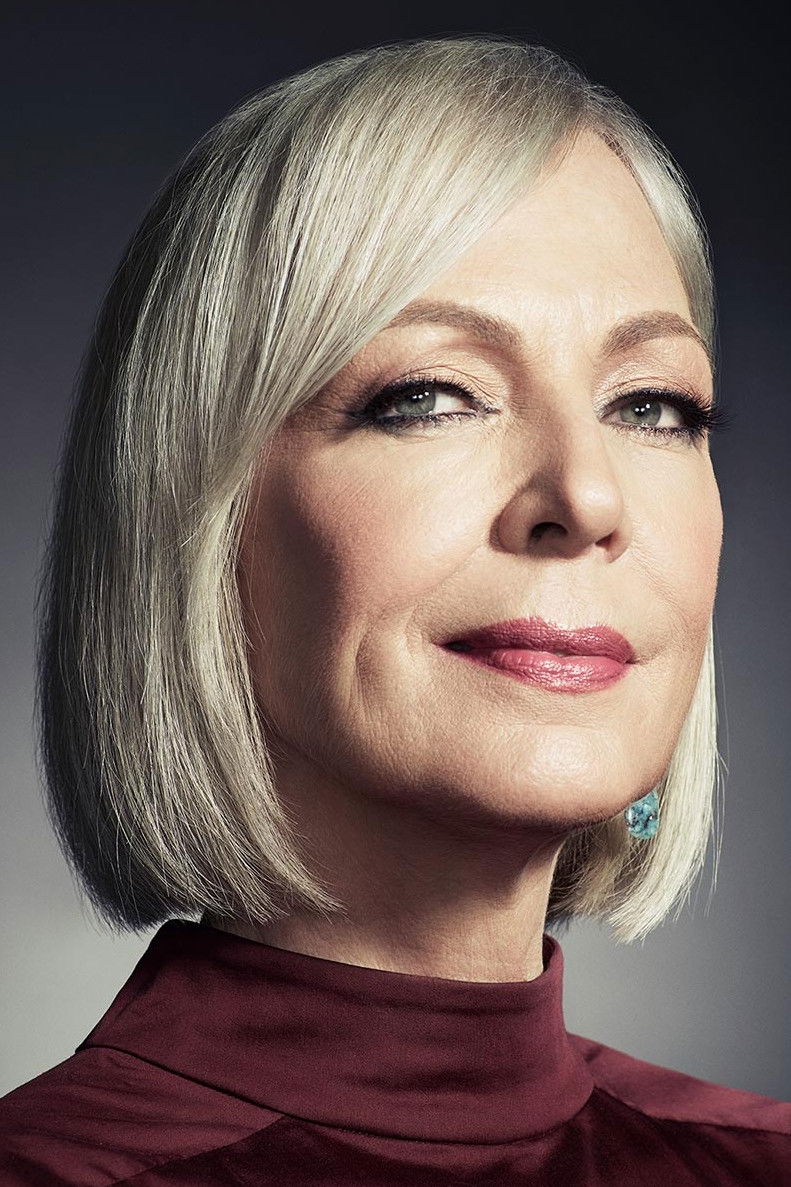
Allison Janney is especially good as C.J. Cregg because she need not match everyone else’s speed to hold our attention. We laughed at her dry delivery, which lets the impatience beneath the professional manners show. Rob Lowe’s Sam Seaborn adds an eagerness that could easily become irritating, but his performance makes it appealing. The writing gives these colleagues room to enjoy one another as well as argue. That companionship matters whenever the political discussion threatens to become homework.
Thomas Schlamme’s direction makes lengthy conversations feel active, and the pace helps us through material that could have sat heavily on the page. With Thomas Del Ruth among its cinematographers, the programme’s busy interiors remain readable rather than merely crowded. We can watch faces, judge reactions and notice who is listening. That matters in a programme where a change of mind can carry considerable dramatic weight, provided the actors have room to make it visible.
The editing team, which includes Tina Hirsch, keeps the exchanges brisk without flattening every performance into the same rhythm. A reply still has room to register before the next speaker takes over. W.G. Snuffy Walden’s music is more insistent about how much all this should matter, sometimes urging us to feel proud before the conversation has given us sufficient reason. The acting is usually persuasive enough without that encouragement.
The larger weakness is Sorkin’s fondness for winning an argument through fluency. An assured speech can seem to settle a question that deserved a more awkward exchange, and the pleasure of hearing it briefly disguises the shortcut. The programme is sometimes so taken with its own intelligence that disagreement can look like a failure to keep up. This is where its political optimism becomes smug. A little more resistance would make those speeches more convincing.
We would not ask a political drama to be cynical simply to prove it knows how government works. The belief that colleagues might care, listen and occasionally change their minds gives this one much of its appeal, even when the writing makes those virtues too easy. Seven seasons are a substantial commitment, but the company is persuasive enough to justify beginning. Give the opening episode an evening when there is time for another.