Film review

Lincoln

2012 · Directed by Steven Spielberg · 2h 30m · MPA PG-13

In a sentenceAbraham Lincoln has another anecdote, and for once we are happy to let the meeting overrun

HistoryDrama

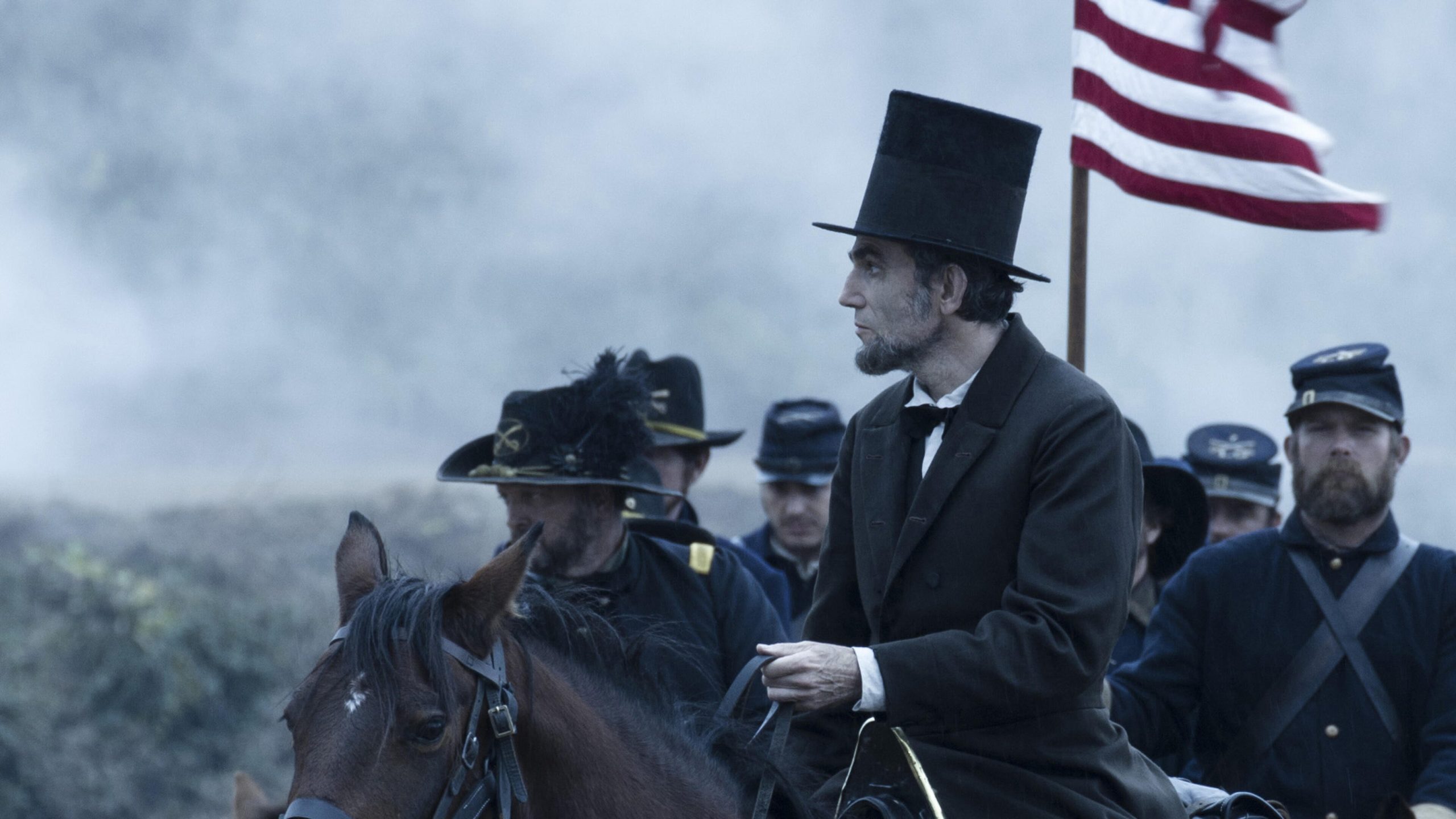
Abraham Lincoln (Daniel Day-Lewis) wants to pass the 13th Amendment and abolish slavery, but needs the political support to make it law. William Seward (David Strathairn) and Thaddeus Stevens (Tommy Lee Jones) are among those involved in the struggle. Behind closed doors, negotiation and persuasion expose the compromises required to assemble enough votes. The president brings stories, humour and pressure to the task, facing resistance that a moral case alone cannot overcome. The struggle keeps returning to the practical question of what will make another man agree, and what securing his agreement might cost.

Plays from YouTube when you press play; nothing loads from them until then.

Fi1m review

Steven Spielberg makes the fight over abolition absorbing by taking the bargaining seriously, with Daniel Day-Lewis persuasive even at rest. The reverence sometimes gets heavy, but the political detail earns the attention it demands.

Steven Spielberg makes an absorbing political drama out of the effort to pass the 13th Amendment and abolish slavery. Tony Kushner’s screenplay stays with the bargaining, including the dubious methods used to bring reluctant men round. The question is how a president gets enough people to agree, for their own imperfect reasons, to do something necessary. At 150 minutes, Lincoln asks for sustained attention to that work, and mostly rewards it.

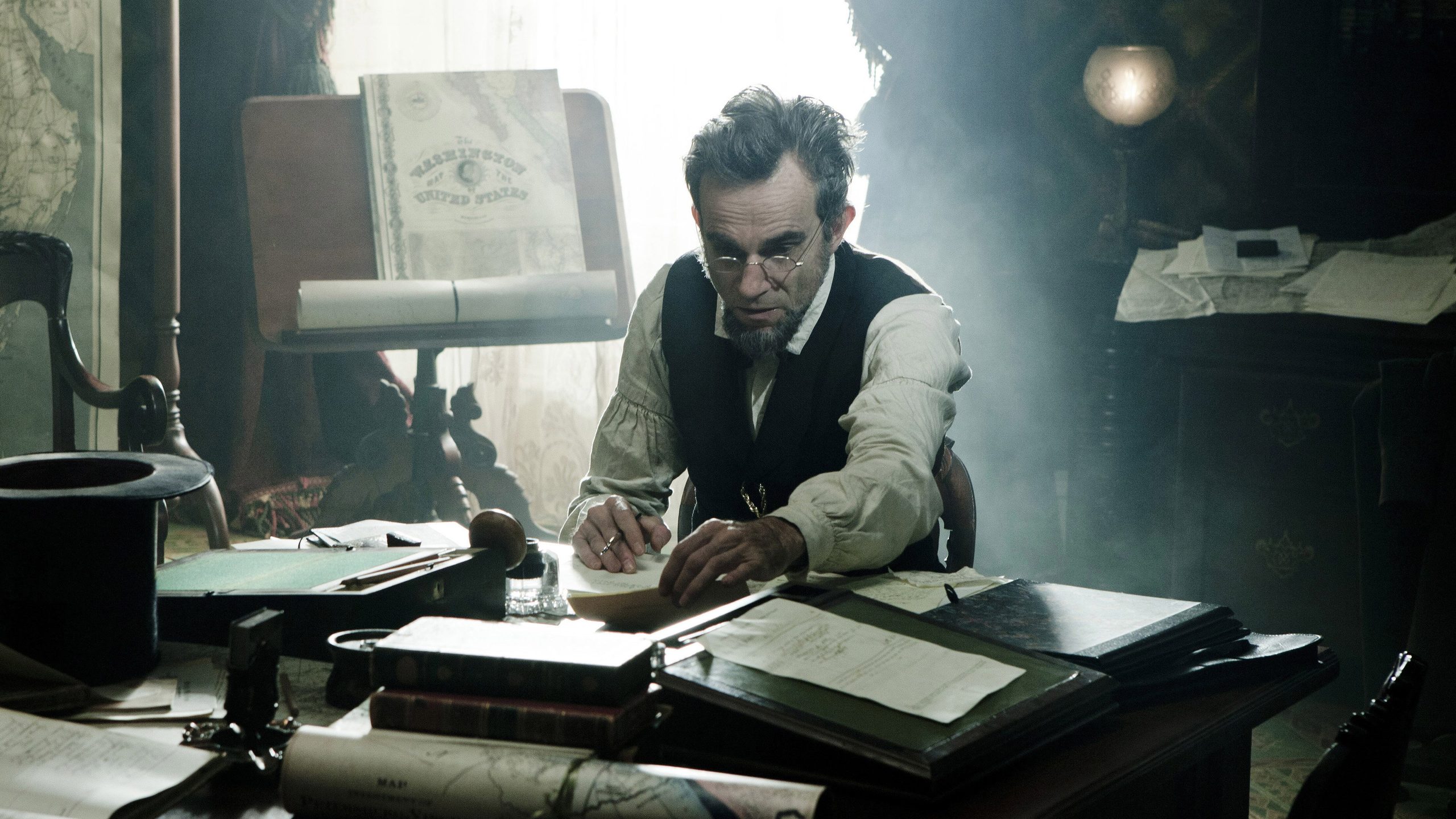
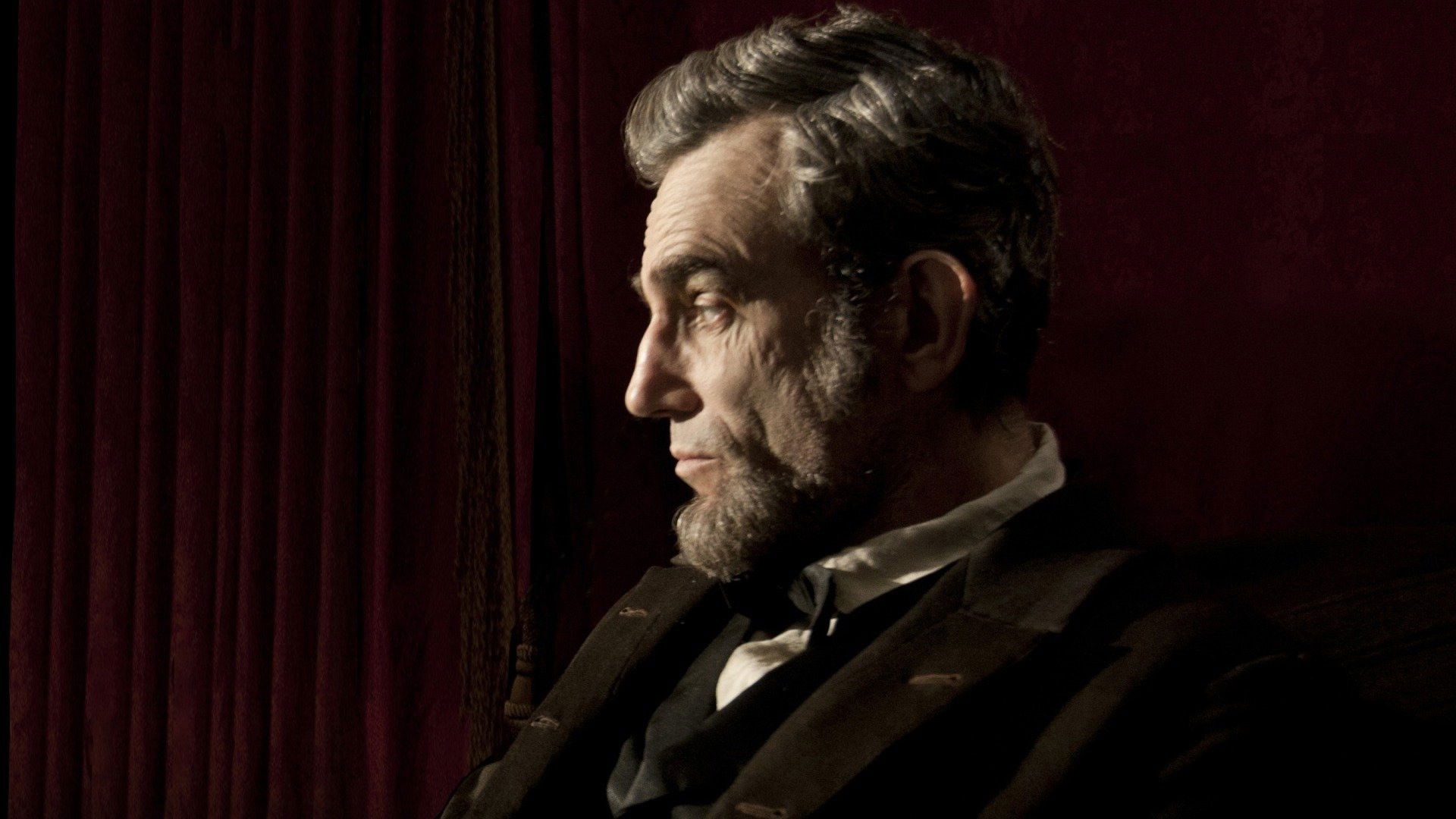
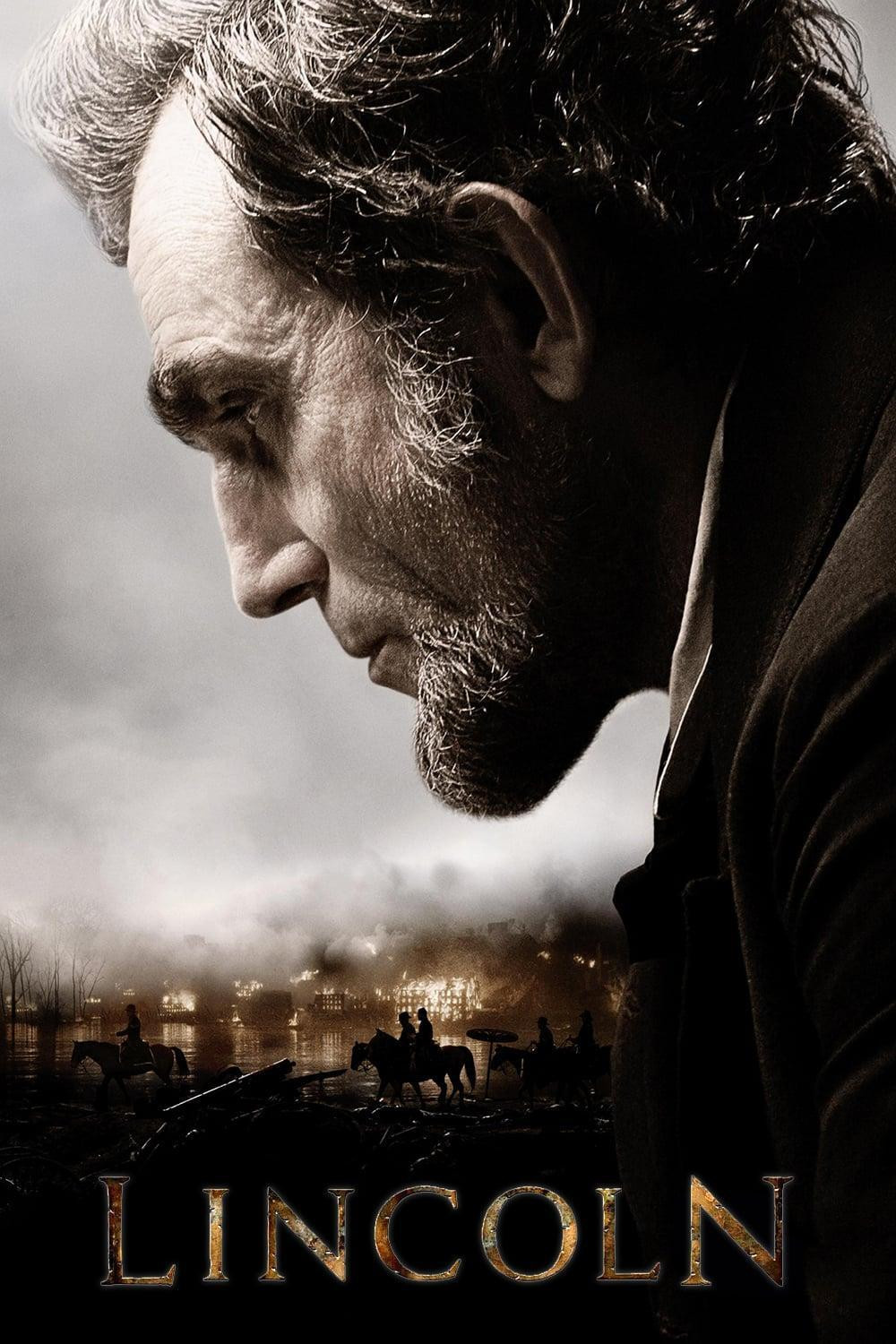
Daniel Day-Lewis gives Abraham Lincoln enough oddness to stop the intelligence becoming bland. The physical awkwardness, weariness and taste for a story make him enjoyable company, while the flashes of anger prevent us from mistaking patience for passivity. We laughed at his storytelling because he makes the pleasure of keeping other people listening so evident. Even the digressions feel useful: this is a man finding out what his listeners will tolerate, and quietly deciding when to press them.

Tony Kushner gives the bargaining the concentration often reserved for a pursuit or a siege. A conversation matters because support can be gained, weakened or lost within it, and the dialogue keeps those possibilities active. The ethical shortcuts are allowed to remain awkward, even when the objective is one we share. That is the film’s most persuasive quality: it makes room for admiration without pretending that decent intentions relieve anyone of the need to negotiate.

The supporting cast supplies welcome friction, with Tommy Lee Jones as Thaddeus Stevens especially good at making conviction feel difficult to live alongside. There is pleasure in having so many capable actors working around the central performance. Still, some are given too little space to become more than a pointed contribution to the debate. The film occasionally seems content to let a familiar face supply the human detail that the writing has not provided.

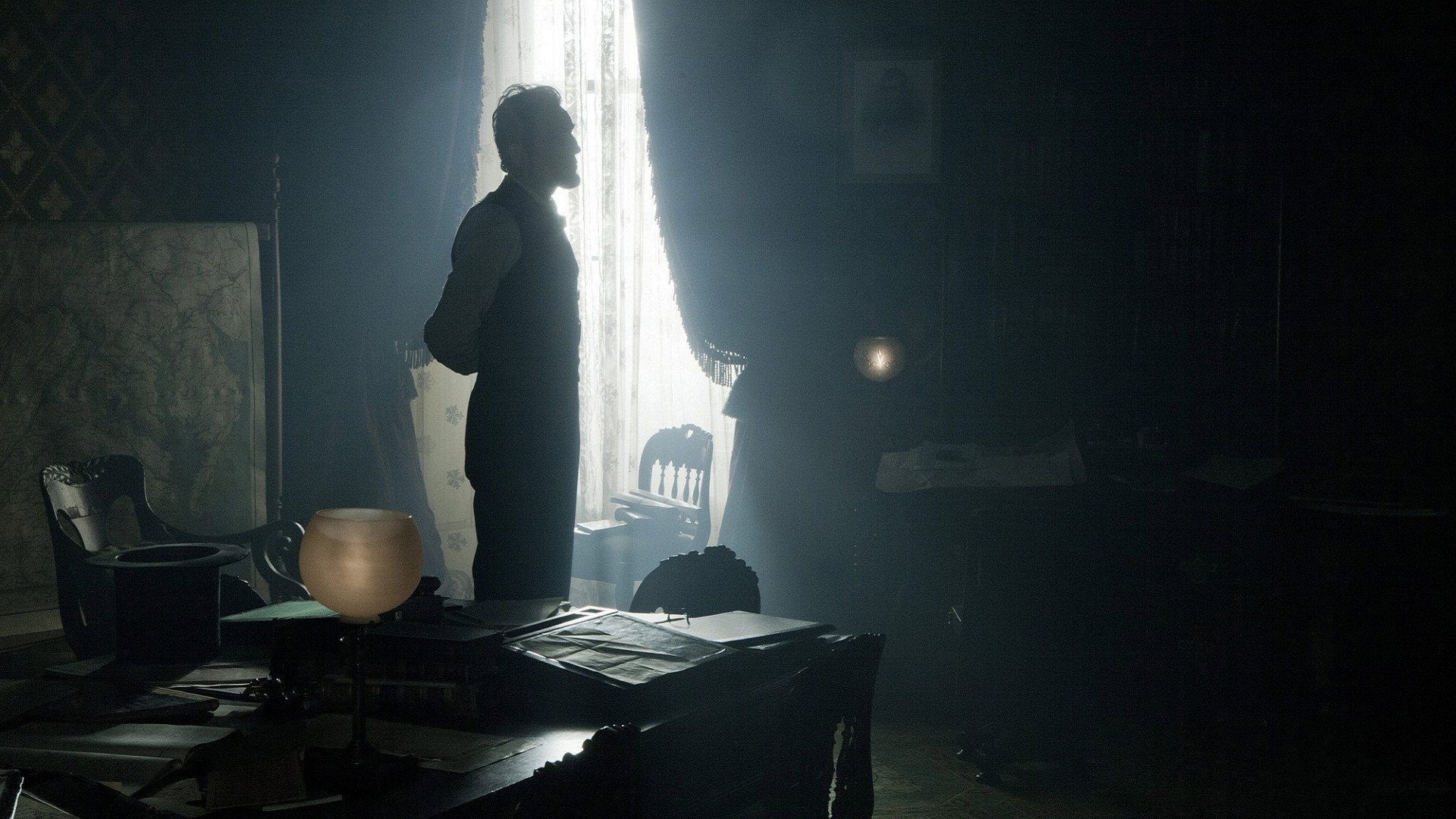
Janusz Kamiński’s cinematography makes the interiors handsome, sometimes to the point of distraction. Rick Carter’s production design gives the rooms substance, though the care lavished on them can encourage us to study the furnishings instead of listening. Michael Kahn’s editing keeps the exchanges clear without pretending that every conversation needs to race. John Williams’s music is less helpful when it insists on the dignity of an occasion already carried by the actors.

The more serious limitation follows from the narrow focus. Enslaved people’s lives receive less attention than the arguments of the politicians deciding their future, and the film leaves too much of that experience outside its account. We understand the choice: a legislative drama needs to stay close to the legislators. Even so, the moments of sentiment feel less earned when the people with the most at stake remain so far from the centre.

Historical dramas can become dutiful when everyone on screen seems aware of being remembered. Here, the actors have votes to secure and difficult colleagues to persuade, and the humour provides a welcome break from the respect. Give it an evening when following the negotiations will feel like a pleasure rather than another job.

Critical consensus AI synthesised

80
Positive
16
Mixed
3
Negative
0

Most critics respond warmly to Lincoln, praising its narrow focus on the struggle to pass the 13th Amendment rather than an attempt to cover an entire life. Agreement is strongest around Daniel Day-Lewis: the reviews repeatedly single out his restraint, humour and portrayal of a weary, calculating politician. Tony Kushner’s script also draws praise for making negotiation and compromise compelling, while Spielberg’s restrained direction lets the talk and performances carry the drama.

The spread runs from enthusiastic approval to mixed responses, with no wholly negative verdicts. Reservations concern dense dialogue, sentimentality and a lack of emotional involvement. Variety admires Day-Lewis but finds the drama somewhat stuffy and stage-bound; The Playlist goes further, finding it dull despite the acting and handsome photography. Historical reservations also cut across the positive consensus: HeyUGuys praises the performances and direction while arguing that the film whitewashes Lincoln’s history.

Empire
4 January 2013 · Ian Nathan
90*

The critic praises Spielberg and Kushner for narrowing the focus to Lincoln's political maneuvering to pass the 13th Amendment, creating a compelling, talky drama full of personality and beauty rather than a conventional biopic. Day-Lewis's authentic, restrained performance as the witty, devious president stands out as a highlight.

Read the full review →
Los Angeles Times
8 November 2012 · Kenneth Turan
90*

Spielberg's most restrained and interior film is a towering achievement, with Day-Lewis surpassing himself as Lincoln in a focused drama about the fight to pass the 13th Amendment. Kushner's script and the ensemble cast illuminate a sliver of the president's life with surprising power.

Read the full review →
The New Yorker
17 November 2012 · David Denby
90*

Spielberg and Kushner have made an exciting legislative thriller about the political struggle to pass the 13th Amendment, focusing on Lincoln as a shrewd, odd, and powerful actor rather than a pious myth. Day-Lewis's performance captures Lincoln's physical awkwardness, storytelling style, and moments of wrathful majesty.

Read the full review →
The New York Times
9 November 2012 · A.O. Scott
90*

The film is a splendid, rough and noble democratic masterpiece about a president using political maneuvering to pass the 13th Amendment and end slavery. It places the moral dilemma of abolishing slavery at the center while celebrating Lincoln's triumph amid complications.

Read the full review →
Vulture
7 November 2012 · David Edelstein
90*

Praises it as splendid and masterful, focusing on the nuanced portrayal of politics and persuasion, and Day-Lewis's performance bringing Lincoln to life as a man rather than an icon.

Read the full review →
The Guardian
24 January 2013 · Peter Bradshaw
85*

Spielberg has crafted a literate, heartfelt and high-minded film about Lincoln's battle to end slavery during his second term, his best in years. The standout element is Daniel Day-Lewis's masterful, unique central performance as a charming yet weary statesman.

Read the full review →

Cast

Awards

Academy Awards, 2013

Nominated
Best Cinematography
Nominated
Best Costume Design
Nominated
Best Director
Nominated
Best Film Editing
Nominated
Best Original Score
Nominated
Best Picture
Nominated
Best Sound
Nominated
Best Supporting Actor
Nominated
Best Supporting Actress
Nominated
Best Writing, Adapted Screenplay
Won
Best Actor
Won
Best Production Design

Dallas-Fort Worth Film Critics Association Award for Best Film, 2012

Won
Dallas-Fort Worth Film Critics Association Award for Best Film

Satellite Award for Best Film, 2012

Won
Satellite Award for Best Film

If you liked this, try…

12 Angry Men poster91

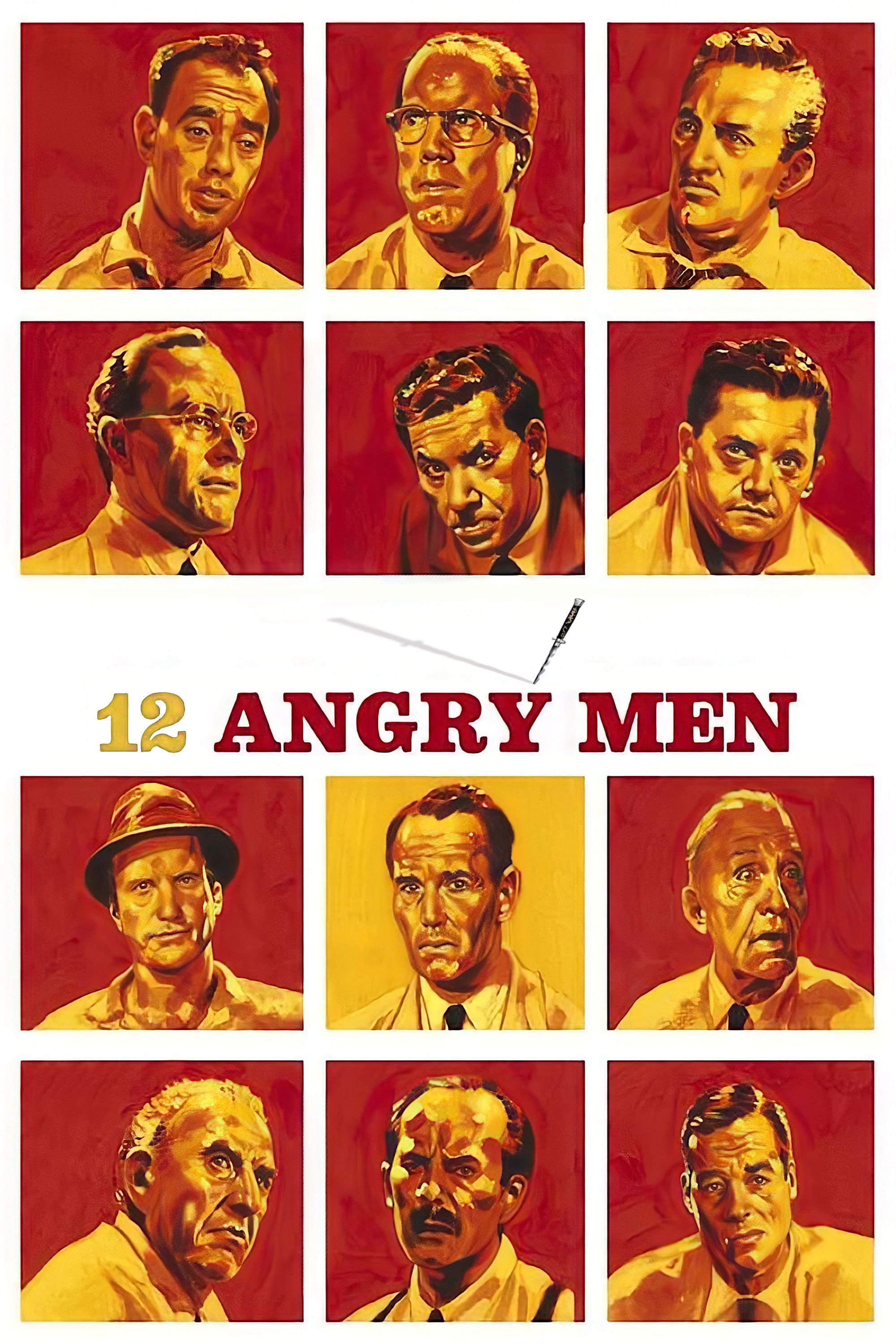
12 Angry Men

1957 · Another patient drama in which persuasion makes every change of mind matter.

A Man for All Seasons poster

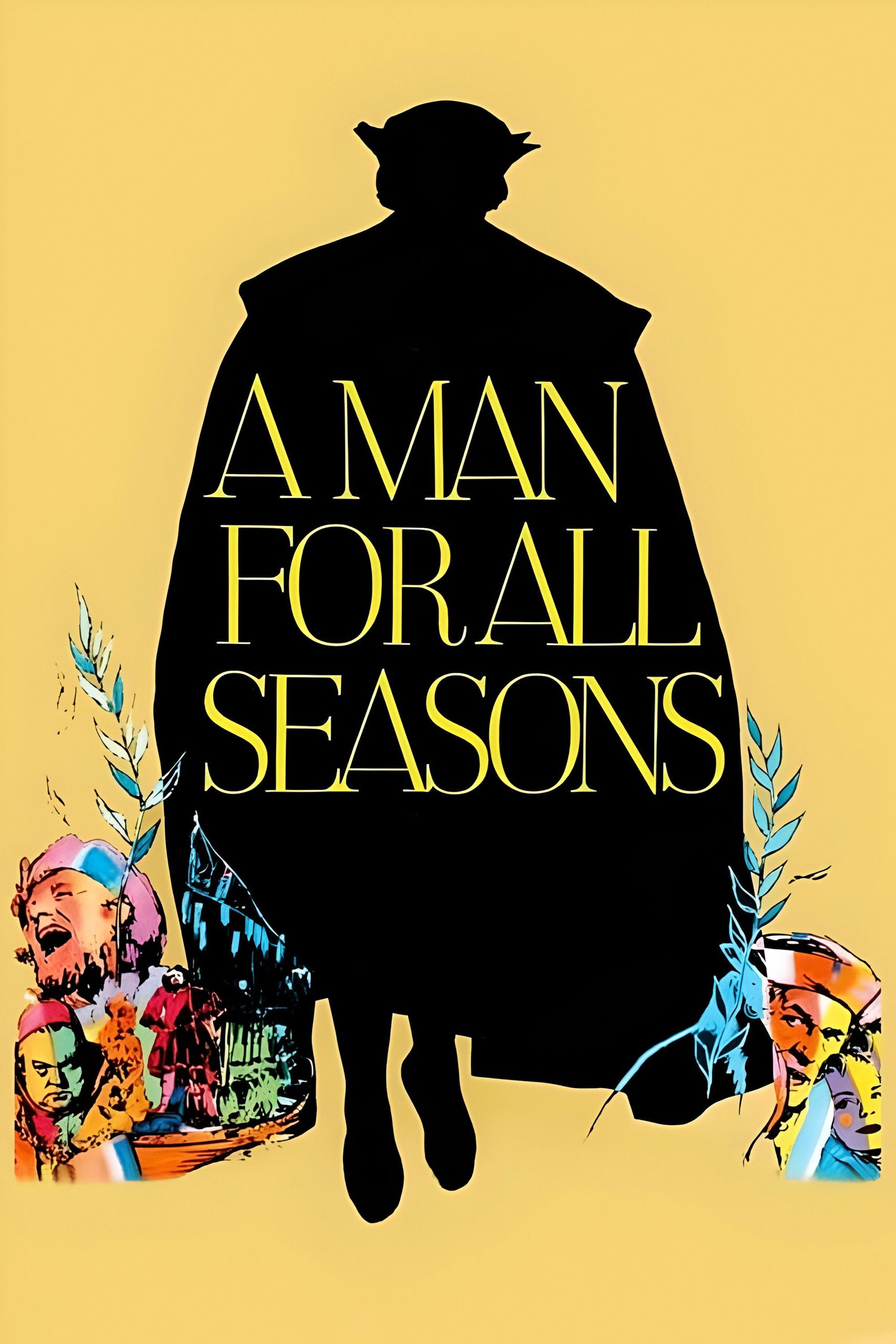
A Man for All Seasons

1966 · A historical drama that takes the personal cost of political conviction seriously.

Z poster

Z

1969 · Political obstruction becomes a thriller, with anger where the ceremonial respect might be.

The Minister poster

The Minister

2011 · Government work becomes absorbing drama through competing loyalties, ambition and awkward practical decisions.

Selma poster84

Selma

2014 · A useful next step towards the people organising beyond the rooms of government.