Michael Crichton’s hospital drama is gripping because the work feels difficult and the people doing it remain fallible. The crowded storytelling occasionally wears us down, but the ensemble makes the effort worth it.
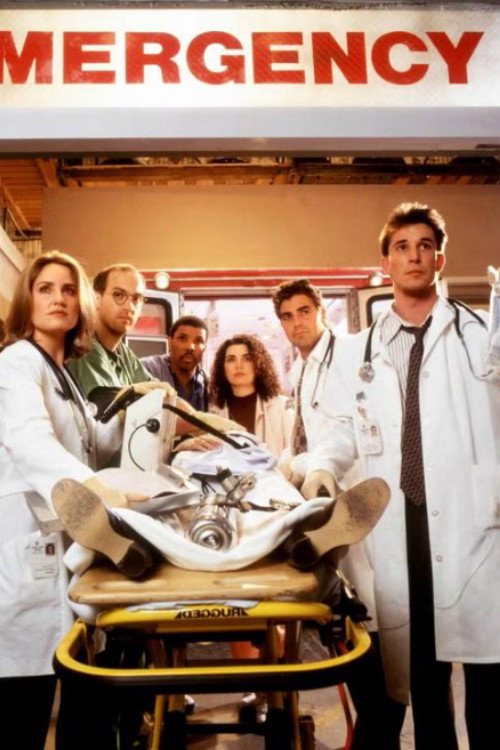
ER makes emergency medicine feel like work that cannot be put aside while the staff sort themselves out. Created by Michael Crichton, it is an absorbing hospital drama whose speed has a purpose: decisions have to be made before everyone is ready. We recommend it warmly, with a warning that its crowded storytelling can leave us wanting a little more time with one person. Its strongest moments make us understand how difficult it is simply to pay proper attention.
The opening mass casualty sequence establishes that pressure without much ceremony. We were tense before we had properly settled in, because the fast cutting keeps introducing another demand before the last has been dealt with. There is pleasure in watching people who know what they are doing, but little reassurance that knowledge will be enough. The occasional fragmentary passage is frustrating, though some confusion belongs in an emergency department.
With Richard Thorpe among the cinematographers and Randy Jon Morgan among the editors, the series makes a crowded workplace readable without tidying away the crowd. The camera gives competing activity weight, and the cutting makes us choose where to look before we feel ready to choose. That is a stronger source of tension than simply making every case sound more serious. When the pace works, we can follow the staff’s priorities without needing a pause after every decision.
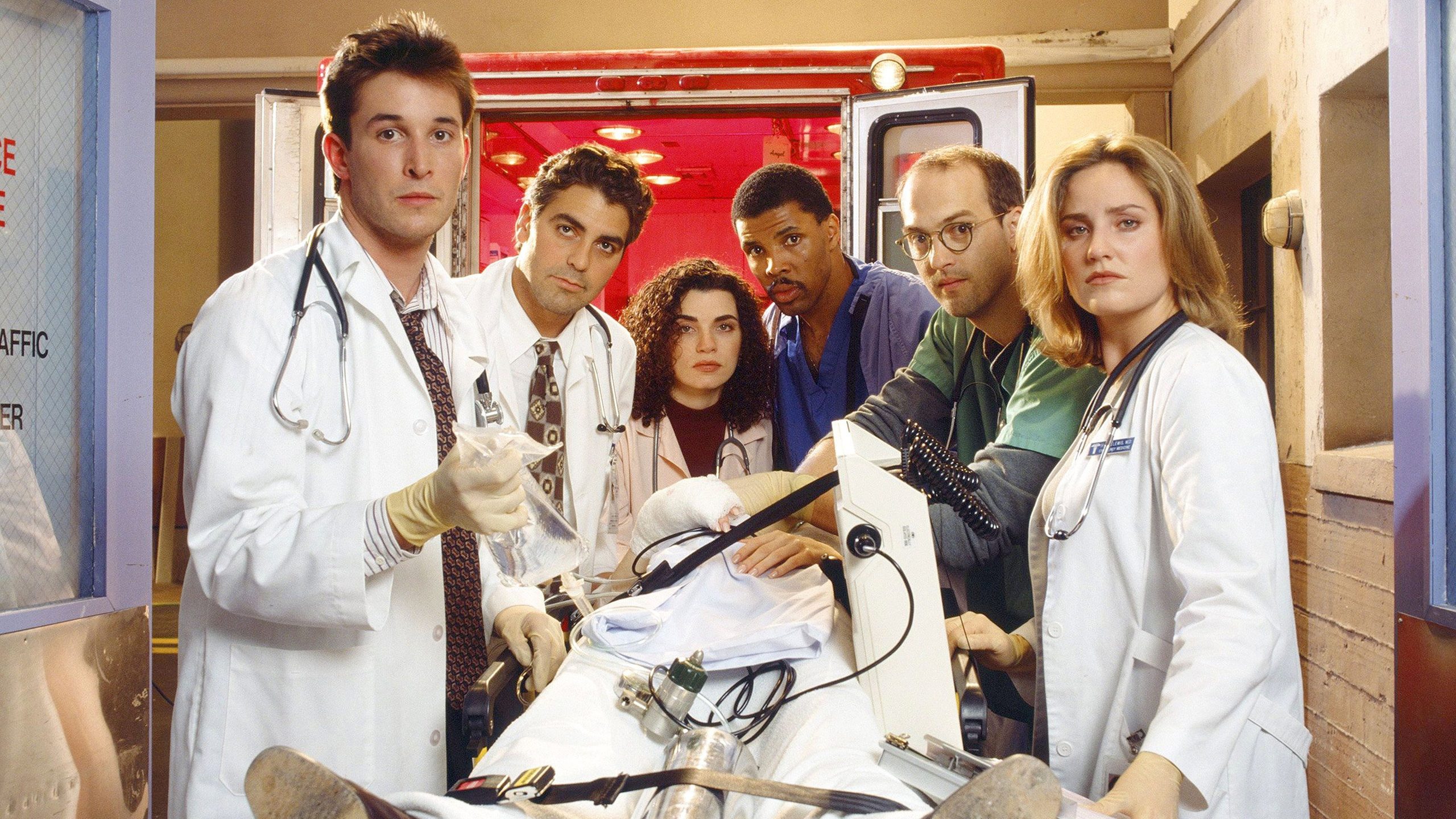
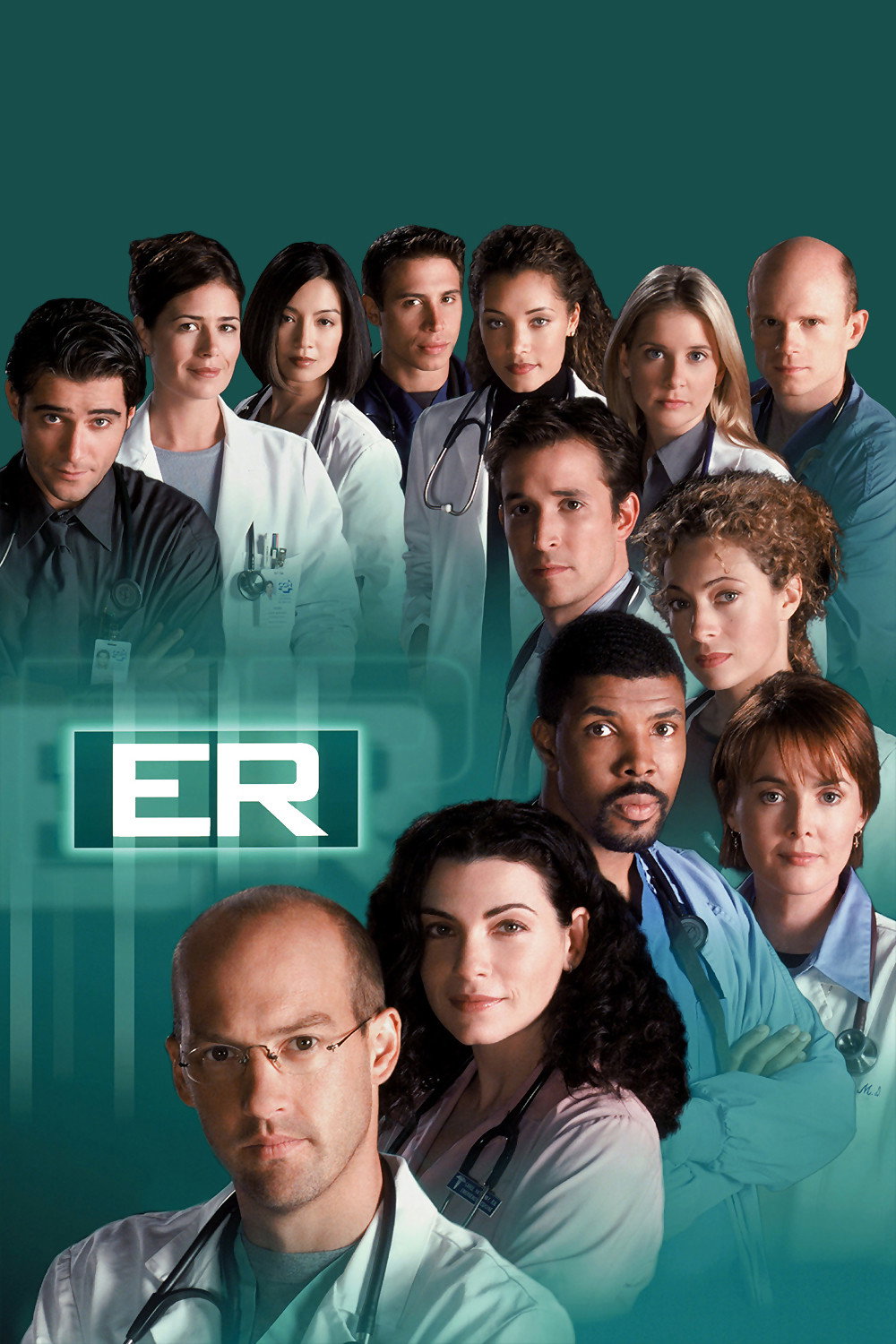
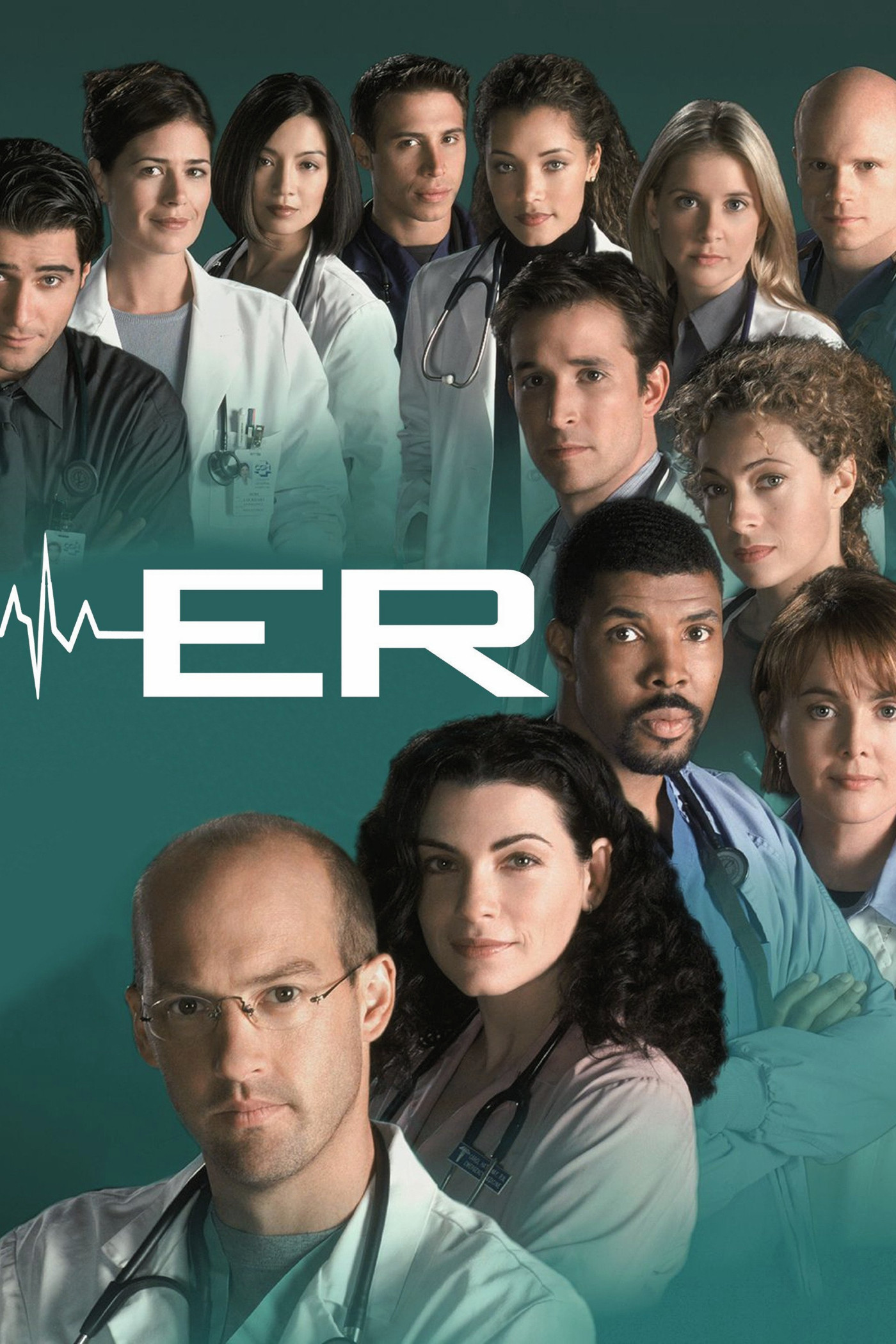
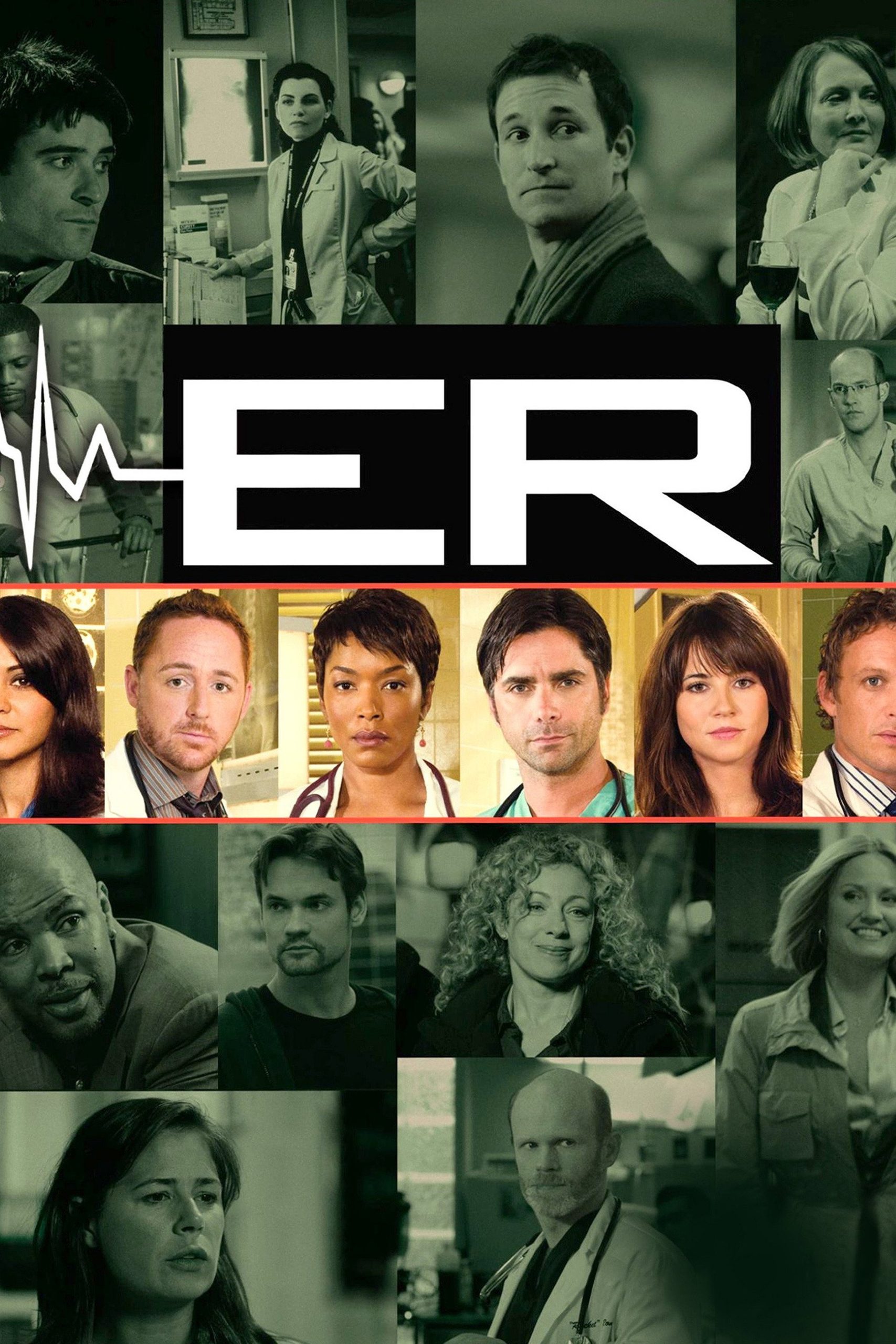
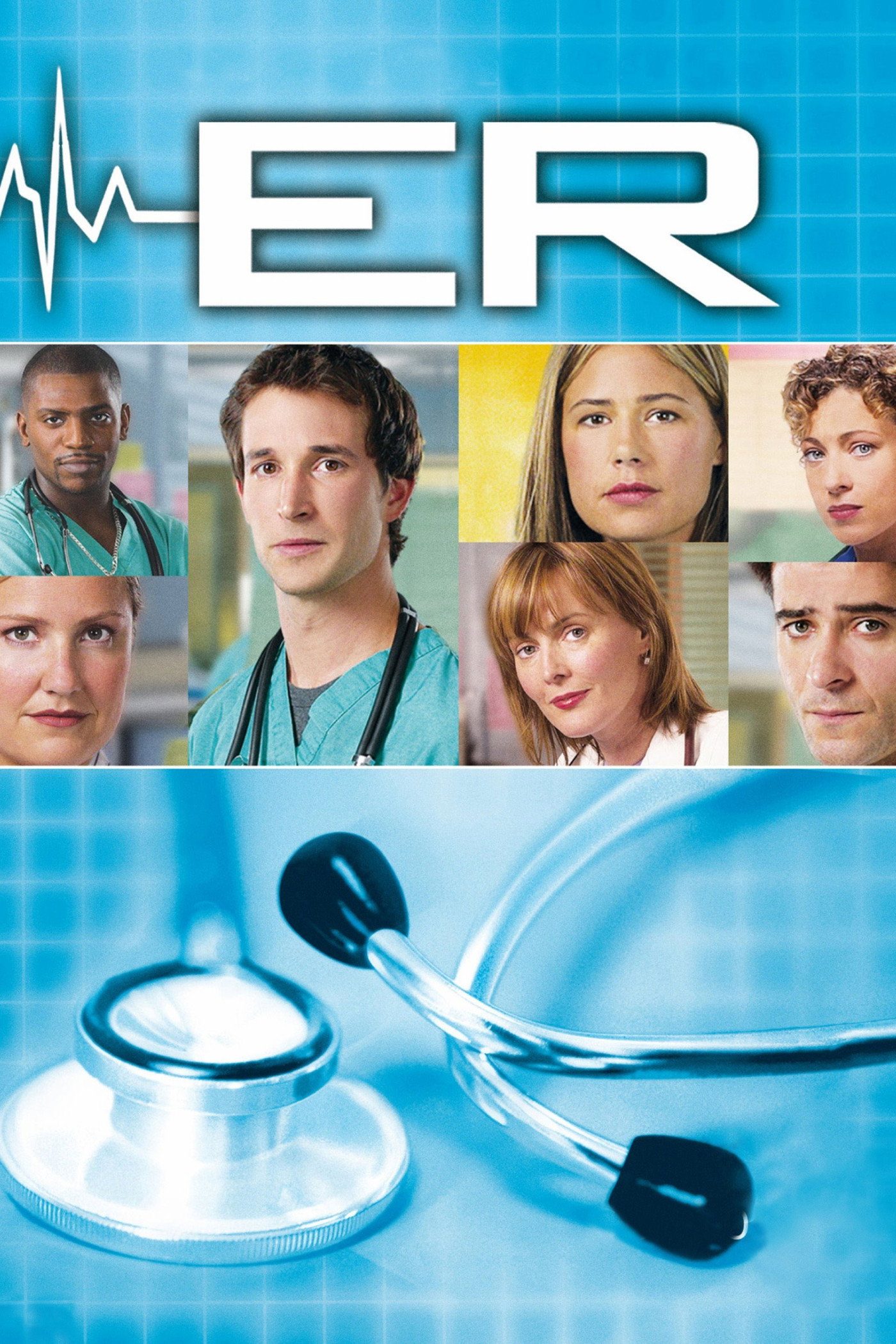
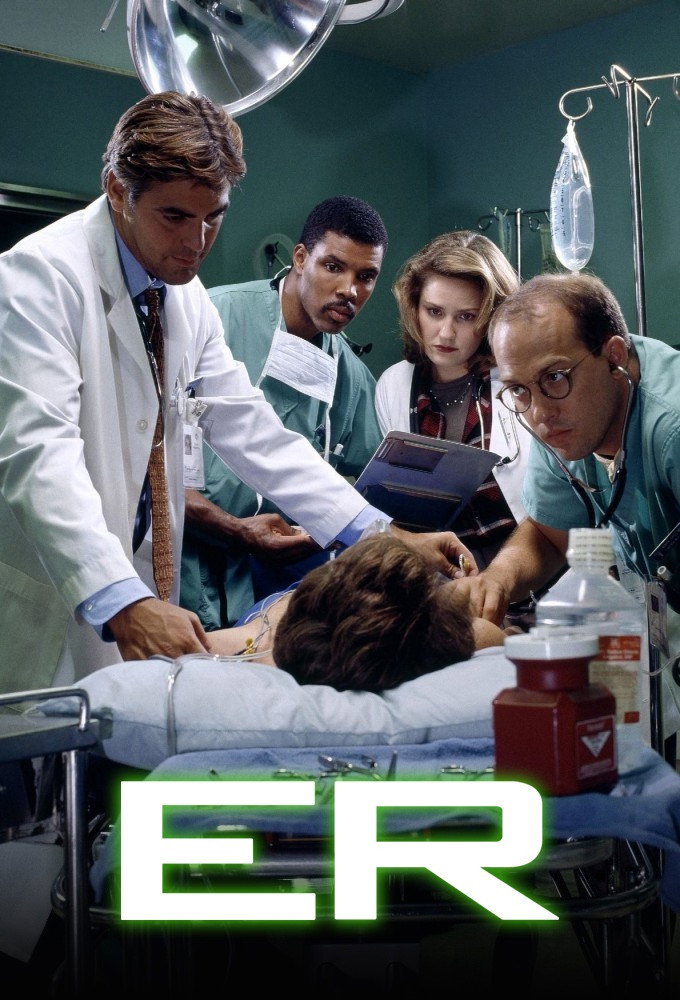
Anthony Edwards, as Mark Greene, supplies the restrained presence this much bustle needs. George Clooney, as Doug Ross, makes charm feel like something that might also be a nuisance. Julianna Margulies, as Carol Hathaway, holds our attention without needing to compete for it. Eriq La Salle, as Peter Benton, brings an edge that keeps competence from becoming automatic likeability. These performances matter because the programme asks us to spend time with colleagues, including the ones we would not necessarily choose to see after work.
The hospital drama has an easy way to move an audience: put someone in danger, then let a sympathetic professional explain how to feel. ER is better when it lets medical decisions remain awkward and its staff remain imperfect. The social and ethical questions matter because the staff have to make decisions about people while under pressure. The programme gives us room to disagree with them, even when we have come to like them.
The weakness is the sheer amount of story competing for attention. Sometimes we have barely taken in one person’s predicament before another demands a response, and the personal complications become tiring when they follow the medical pressures too closely. Speed can also make a scene feel unfinished when another exchange might have made it clearer. This is where the series tests our patience: the cast may earn our interest, but that does not make every strand equally rewarding.
There are fifteen series here, and liking the first does not oblige anyone to treat the rest as homework. Begin at the beginning, where the hurried decisions and fallible staff give ample reason to stay. Allow it proper attention, though; this is poor company for an evening spent looking down at another screen.