We recommend St. Elsewhere for its flawed hospital staff and the actors who make them worth following. The pace can drag, and the writing occasionally insists on a lesson we have already understood.
St. Elsewhere is a good hospital drama with a welcome tolerance for difficult people. Created by John Masius, Mark Tinker, Joshua Brand and John Falsey, it gives a large ensemble a decaying Boston hospital to inhabit. We recommend it for the acting and the interest it takes in flawed professionals, with a warning about the slow stretches. Its staff are allowed shortcomings that cannot be tidied away simply because they do important work.
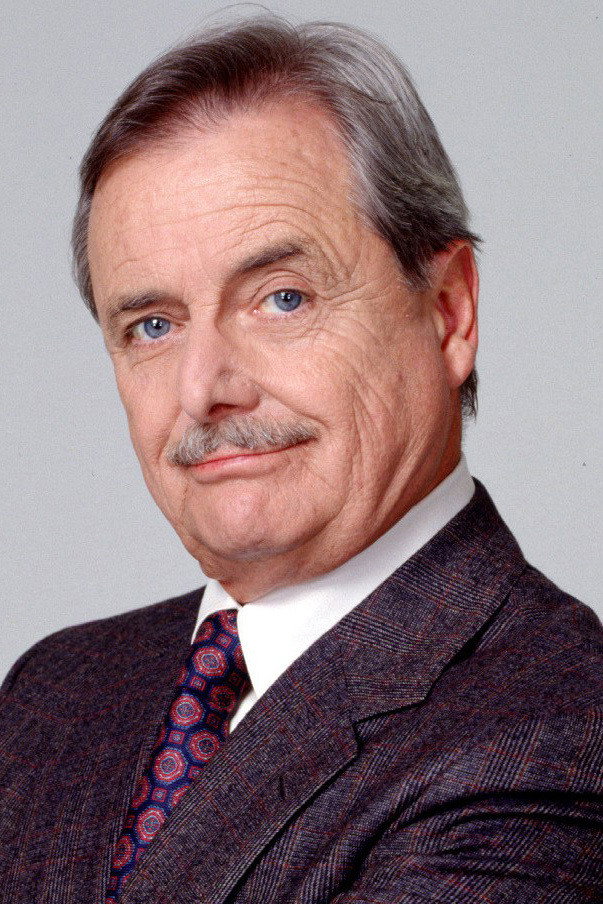
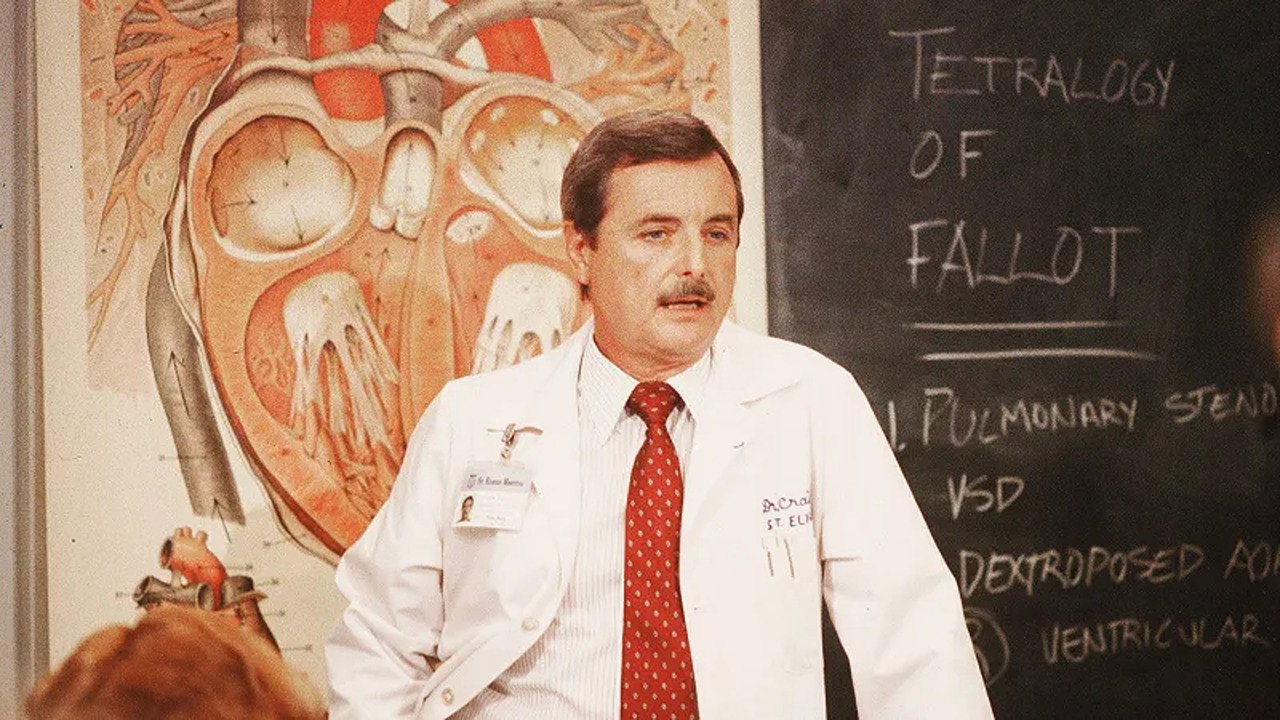
William Daniels as Mark Craig, Norman Lloyd as Daniel Auschlander and Ed Begley Jr. as Victor Ehrlich make the staff worth following even when they are hard to like. The performances keep those flaws from becoming the only thing we notice about a person. There is enough intelligence in the acting to make bad behaviour interesting without asking us to excuse it. The actors hold our attention when the medical drama itself feels familiar.
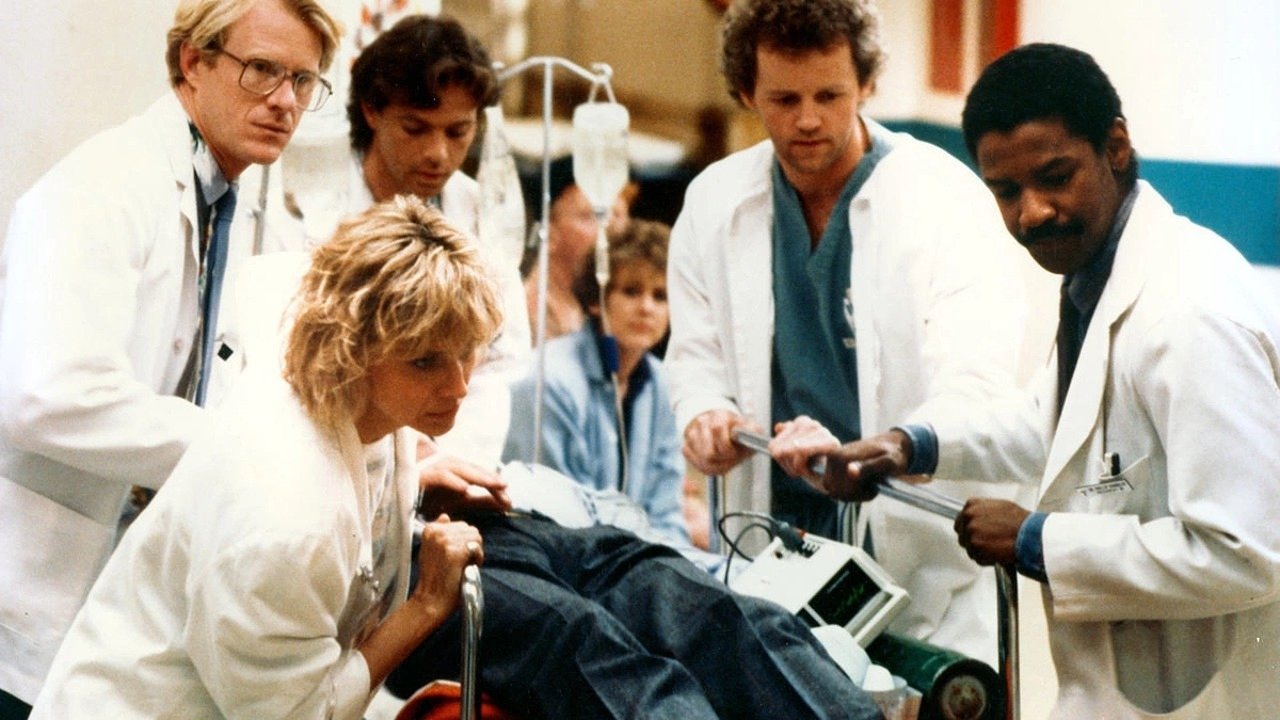
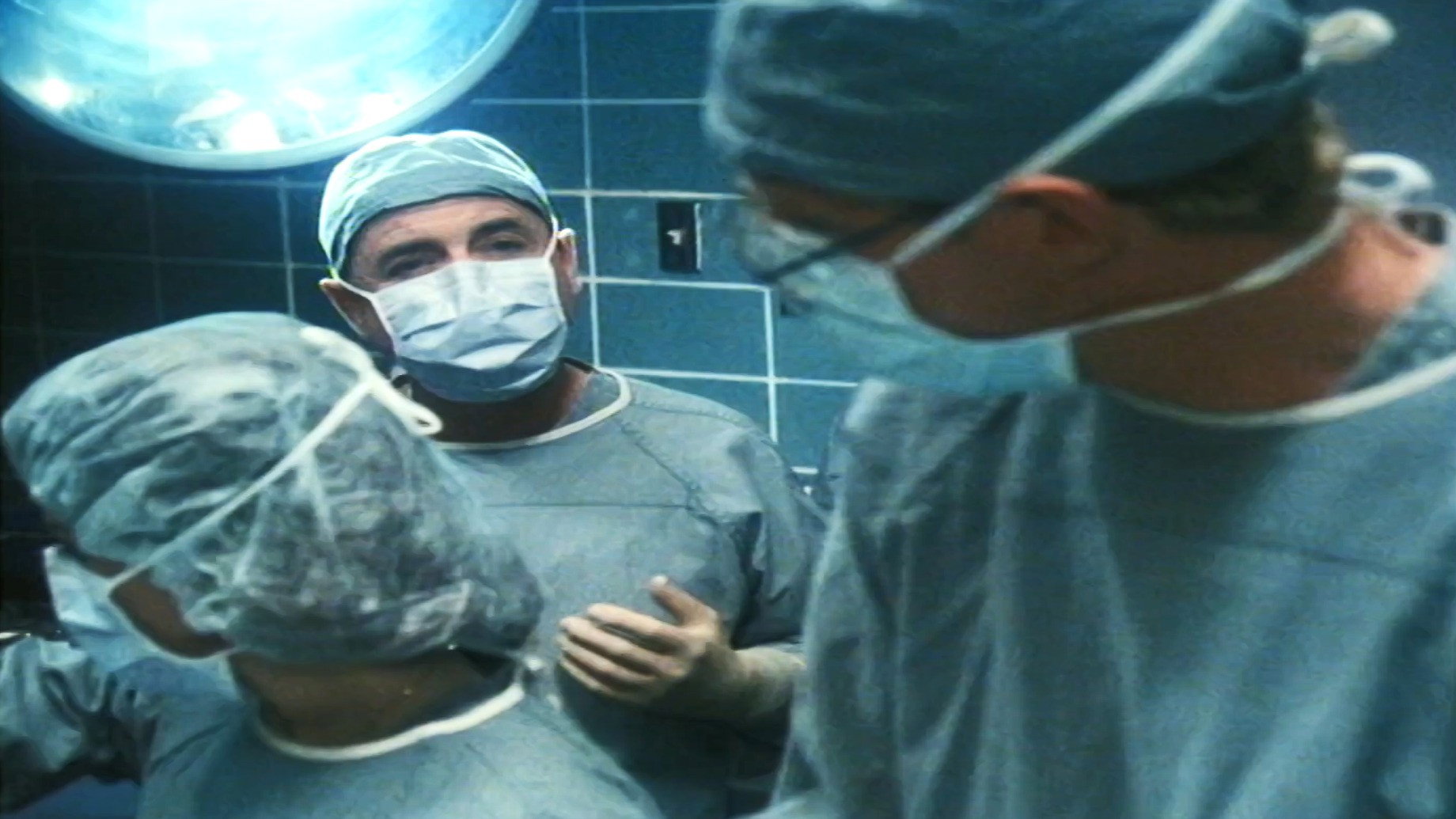
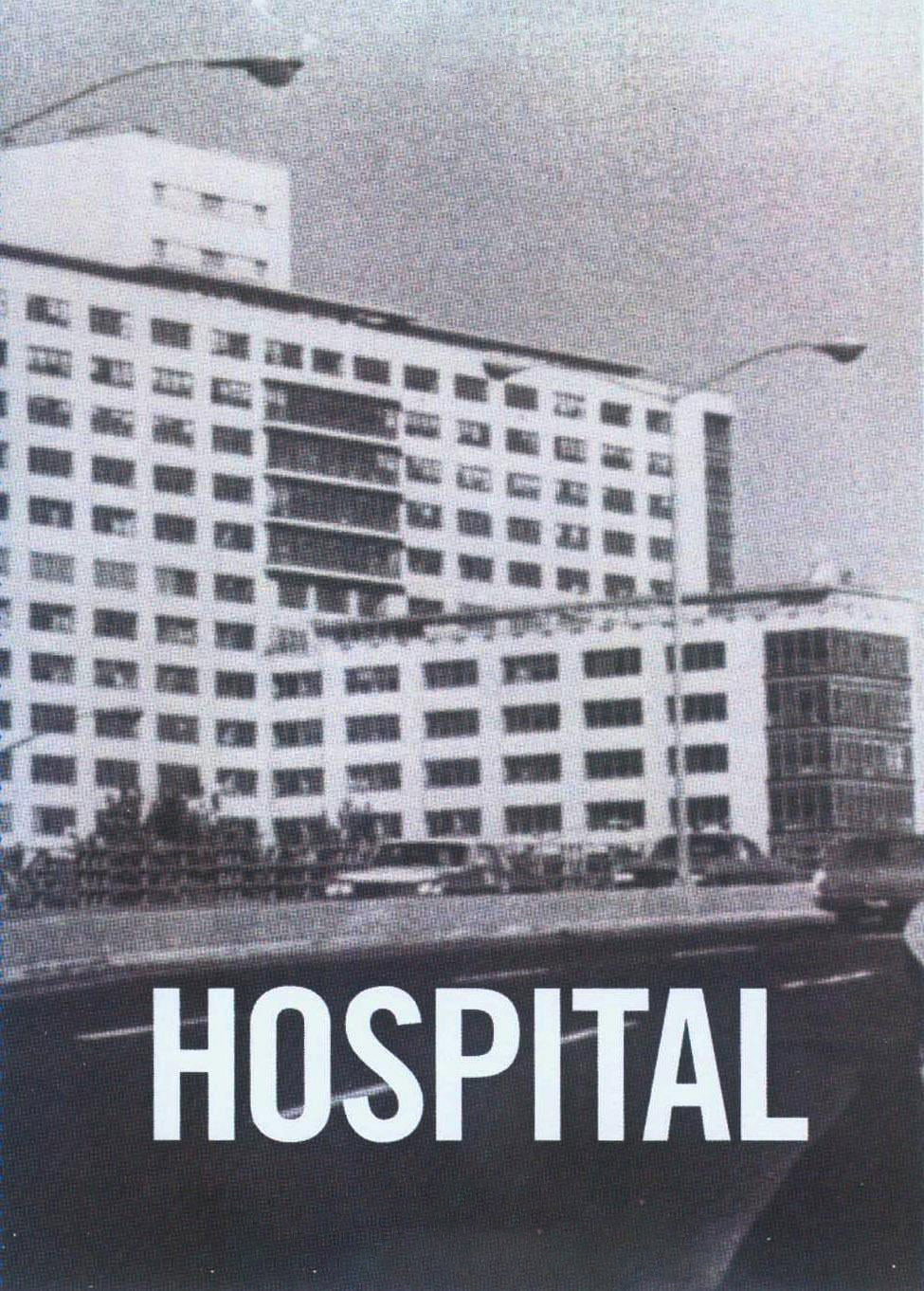
In the photography of Rick F. Gunter and Marvin L. Gunter, the hospital looks worn down by the work done there. That unwelcoming setting is one of the programme’s strengths, making the staff’s difficulties visible before anyone explains them. We found the disrepair upsetting: people come here needing care, to a building that seems to need care itself. J.A.C. Redford’s music makes the programme easier company than its surroundings might suggest. The combination works, allowing some warmth without making the place look like somewhere we would choose to spend an afternoon.
The editing, credited to Richard E. Rabjohn, Larry L. Mills and Robert P. Seppey, gives this large cast time to make an impression. That patience is useful, although some scenes would benefit from being shorter. The pace can feel slow even after allowing for the pleasure of getting to know the staff, and there are stretches when we are ready to move on before the programme is. A little more economy would help without requiring every hospital visit to become an emergency.
The more serious weakness is the writing’s tendency to keep explaining a moral point after we have understood it. John Masius and John Falsey are also among the writers, and the scripts can become over-insistent about what we should take from the staff’s experiences. Some storylines stretch belief further than the convincing hospital setting can comfortably accommodate. The exaggeration is distracting in a series that has worked hard to make its workplace believable.
Six seasons give this kind of ensemble drama space to become familiar company. We like the way its interest in imperfect professionals makes a hospital feel like a workplace, with colleagues we want to see again even when their behaviour irritates us. That is a sound reason to follow a medical series, particularly when the acting stays persuasive through the less plausible writing. Begin when there is time to let an ensemble introduce itself.